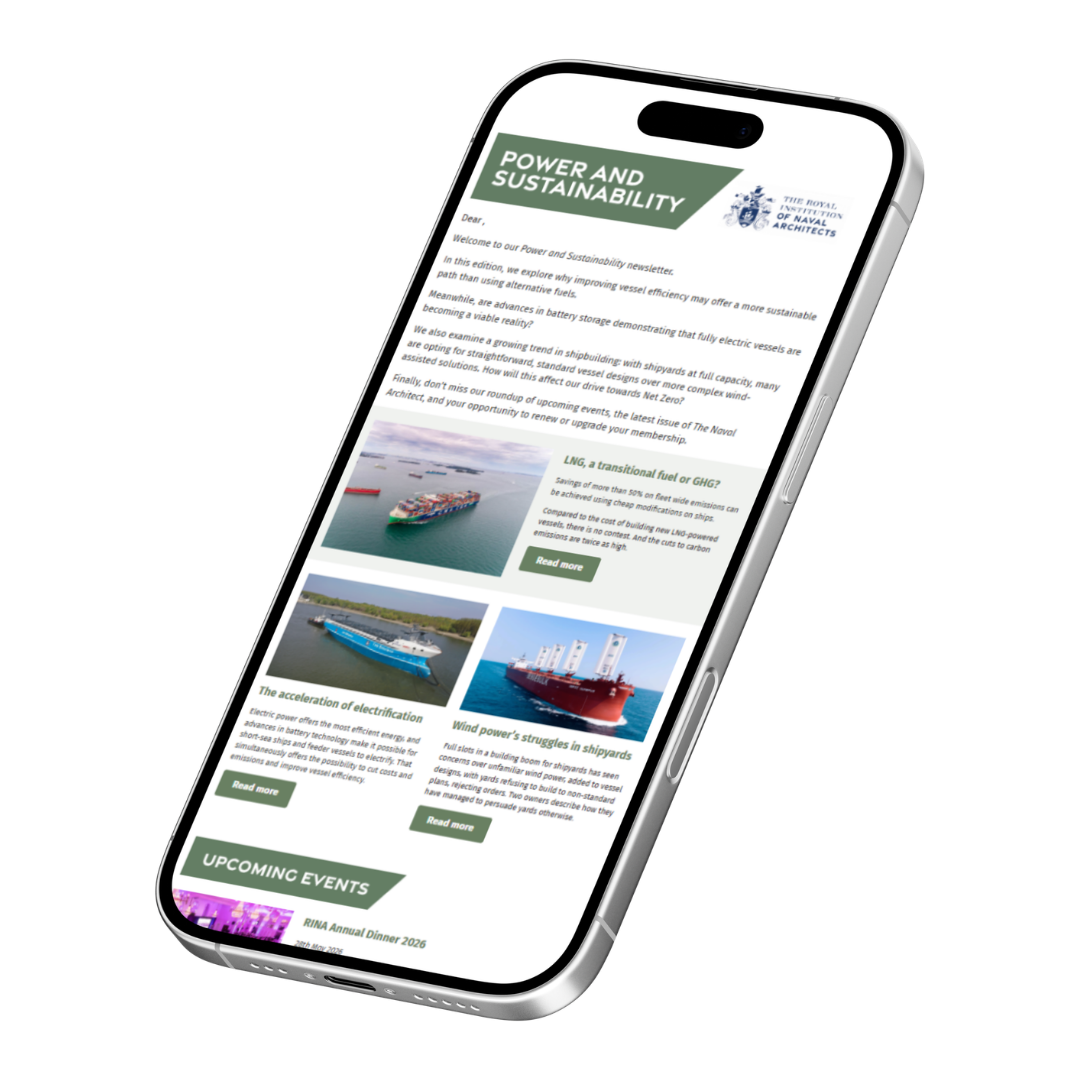
The Naval Architect provides in-depth information on all aspects of vessel design, construction and engineering. Practical applications of latest technology and case studies are accompanied by analysis and foresights. Published every two months, the magazine covers everything from superyachts and short-hop ferries to tankers and heavy-lift vessels; from battery pack installations and sail-assisted solutions to LNG tank retrofits; and from offshore safety to warship resilience.
Shallow reckoning
The Naval Architect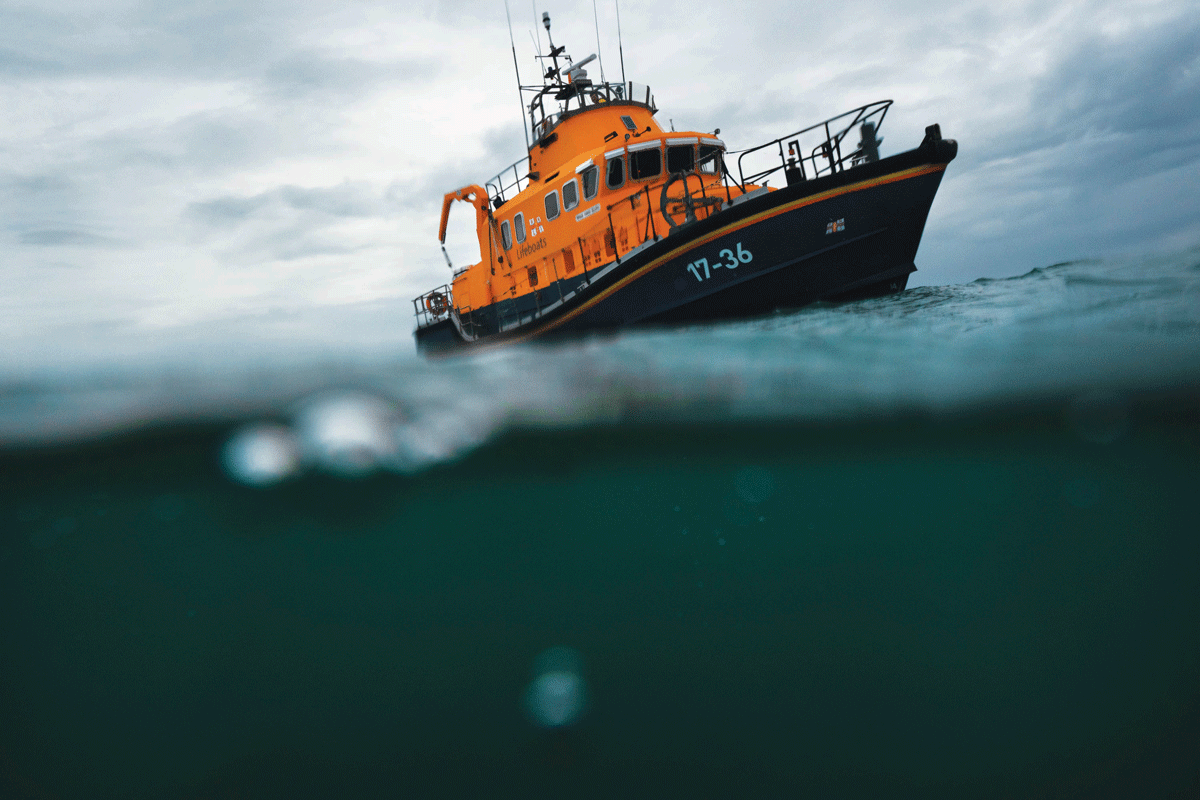
The RNLI has saved almost 150,000 lives since it was founded in 1824 (image: RNLI).
Amy McLellan examines how the RNLI, now entering its third century, is reconfiguring its fleet and redesigning its inshore rescue capability to reflect changes in how we use the sea.
The unmanned edge
The Naval Architect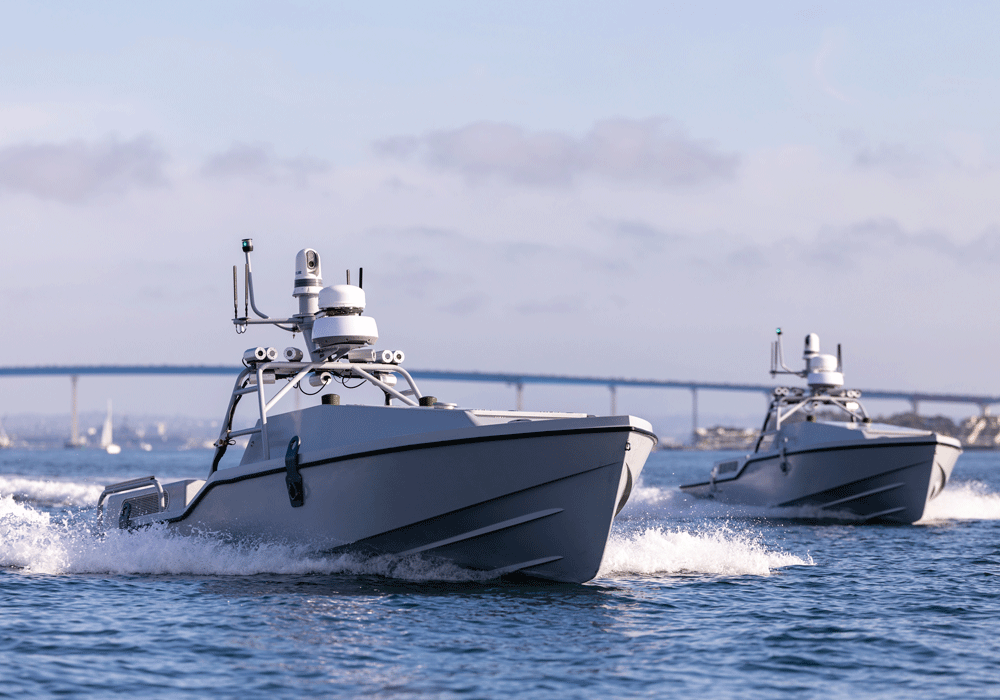
The future of maritime patrol missions lies in smart and scalable autonomous fleets, with naval architects key to driving their performance, explains Martin Conway.
Blackout in Cook Strait
The Naval Architect
Kaitaki in the Marlborough Sounds on a regular Cook Strait crossing (image: Kiwirail Limited)
A rubber expansion joint, years overdue for replacement, triggered a complete blackout on the Interislander ro-pax ferry Kaitaki off Wellington Harbour in January 2023. Iain MacIntyre reports on the investigation, the prosecution and the questions that remain.
How members can make a difference
The Naval Architect
Annabelle Ransome-Williams FRINA, President of Royal Institution of Naval Architects
RINA President Annabelle Ransome-Williams urges members to strengthen the Institution’s global community by volunteering, sharing ideas and supporting membership growth, advisory committees and future professional collaboration.
The facts on fission
The Naval Architect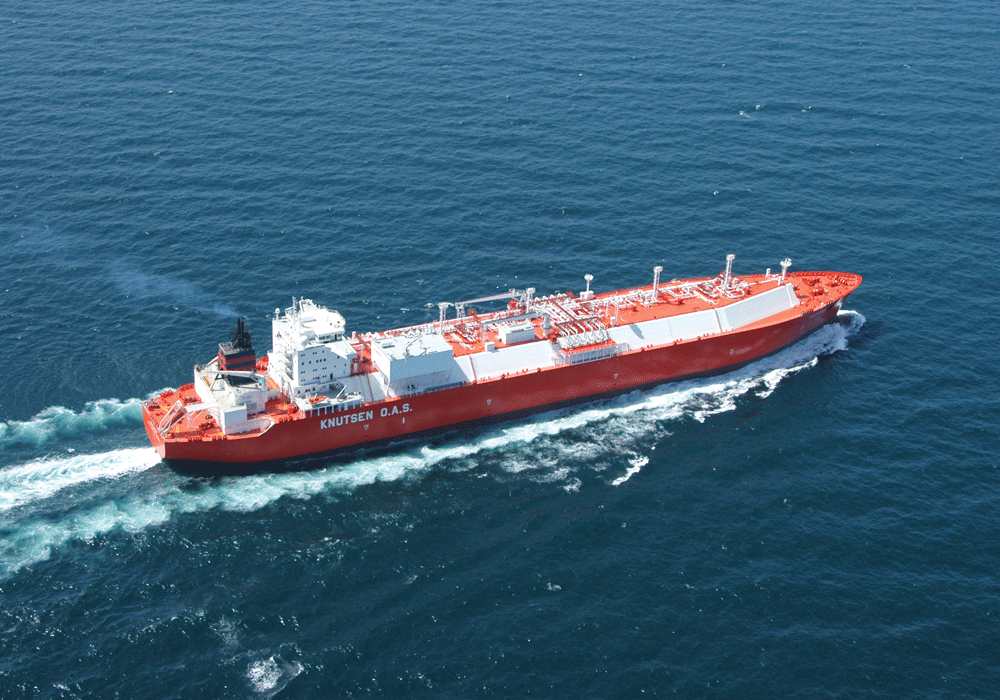
Knutsen is installing two KP-FHRs on its LNG carrier Cadiz Knutsen (image: Knutsen)
Vessel owners are being urged to look at nuclear power to decarbonise shipping, with the promise of almost limitless power and zero emissions. But, are the proponents of atomic energy downplaying its limitations?
Opinion: MASS code moves the industry along
The Naval Architect
Cristina Saenz de Santa Maria, CEO Maritime, DNV
Cristina Saenz de Santa Maria on why autonomous shipping needs deployment with purpose, not technology for its own sake, and she charts the shift from trials to regulation.
Mentoring - Charting a course: from slide rules to cybersecurity
The Naval Architect
Martina (left) at CSC Jinling Shipyard, standing under the ro-ro ship Ephesus Seaways in 2018.
Two naval architects, more than four decades apart in their careers, sat down for The Naval Architect to discuss innovation, safety, mentoring and the future of the profession. Dr Tom Allan, former chairman of the IMO Maritime Safety Committee, and Dr Martina Reche-Vilanova, technical manager at North Windships, found they had much in common.
A triumph in Tanzania
The Naval Architect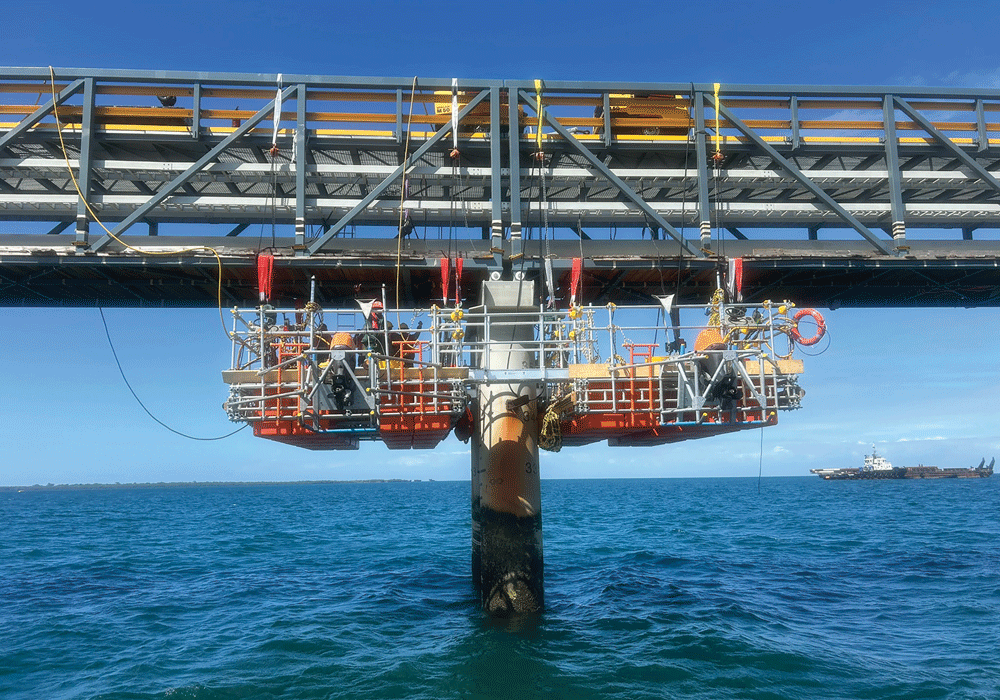
Image: ScaffFloat
Big Picture: ScaffFloat’s suspended pontoon system, in operation beneath a jetty in Tanzania, won two innovation awards at Seaworks 2026.
Opinion: Lean crewing and the need for trust
The Naval Architect
James Gladman MRINA, Expleo UK
James Gladman on how to maintain operational resilience and safety with a reduced headcount onboard naval ships.
RINA Developing Careers Champion 2026: Fatemeh Asadi
The Naval Architect
Asadi is a PhD student in ocean engineering at Texas A&M
The RINA Developing Careers Champion Award recognises individuals who promote maritime careers and create development opportunities beyond what is normally expected of them.
Data centres at sea cut carbon and water use
The Naval Architect
China has built the world’s first offshore wind-powered underwater data centre, while developers are also advancing floating and vessel-based data centre concepts.
ABB wins Spanish Navy propulsion contract
The Naval Architect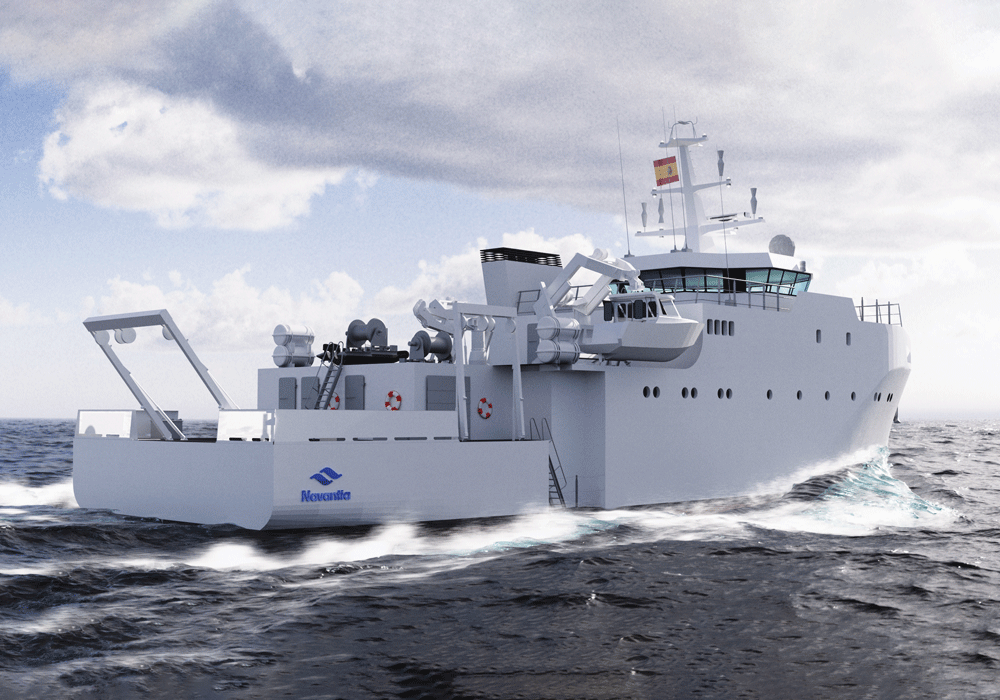
ABB systems will help Navantia-built ships map Spain's coastal waters (image: Navantia)
Swedish-Swiss multinational technology firm ABB has secured a contract with Spanish state-owned shipbuilder Navantia to supply two coastal hydrographic vessels for the Spanish Navy with a complete DC-based power distribution and propulsion system.
Newsletters
Stay connected with the global maritime community through RINA’s newsletters.
Whether you are a member or not, you can receive updates from The Naval Architect, alongside selected RINA news, events and industry insights. Members also gain access to a wider portfolio of exclusive newsletters on key topics in the maritime industry.