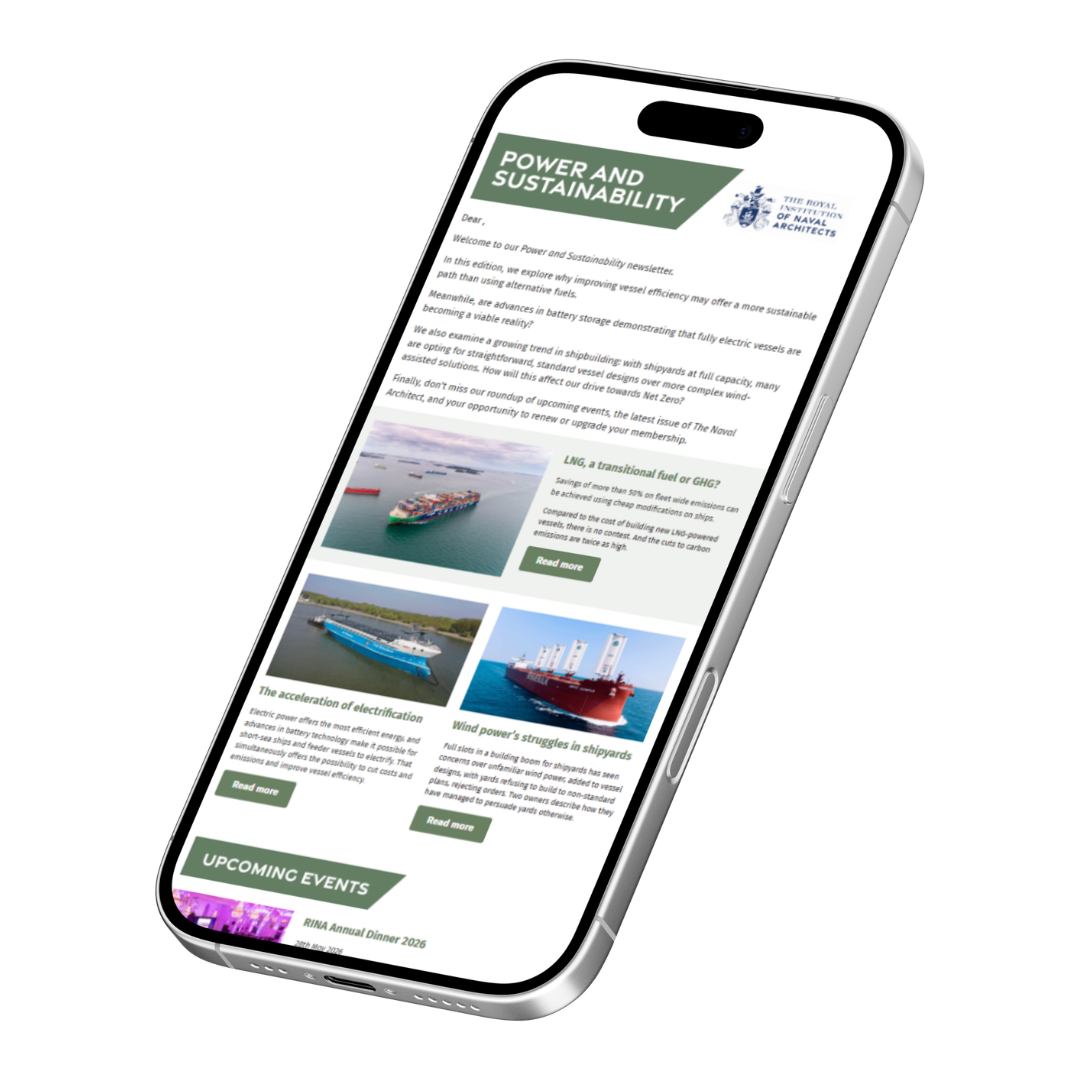
The Naval Architect provides in-depth information on all aspects of vessel design, construction and engineering. Practical applications of latest technology and case studies are accompanied by analysis and foresights. Published every two months, the magazine covers everything from superyachts and short-hop ferries to tankers and heavy-lift vessels; from battery pack installations and sail-assisted solutions to LNG tank retrofits; and from offshore safety to warship resilience.
Challenging universities
The Naval Architect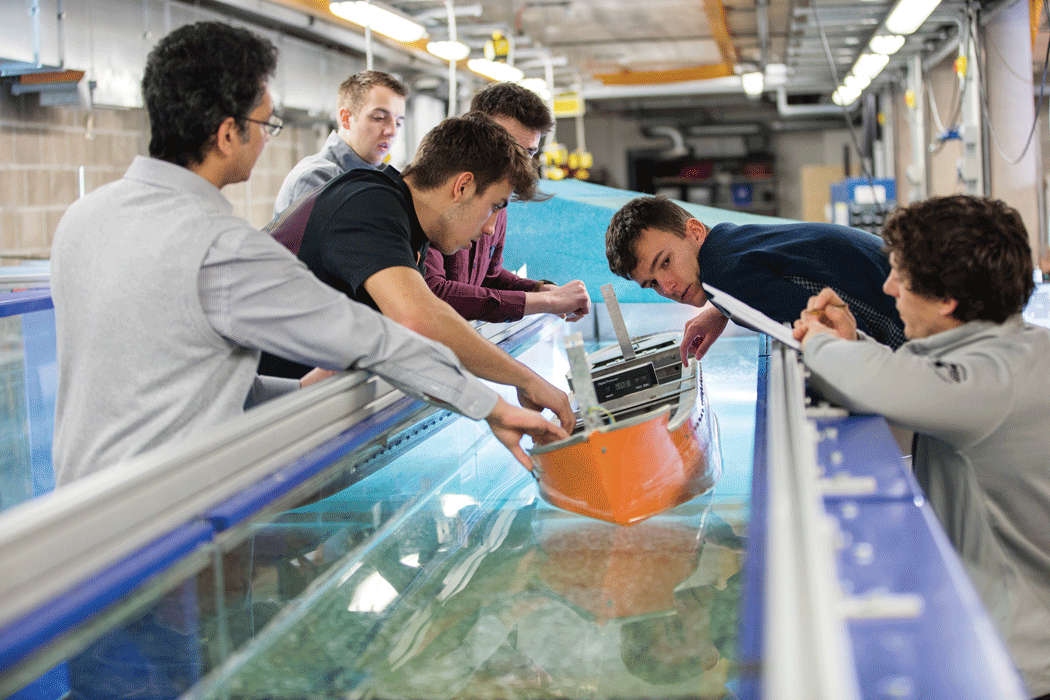
Students take part in a practical session using the wave flume in Plymouth University's Marine Building.
From defence and autonomy to alternative fuels and AI, naval architecture is being reshaped by rapid change across the maritime industry. Amy McLellan looks at how 20 leading universities are responding to the challenge.
Chile's navy: building more than ships
The Naval Architect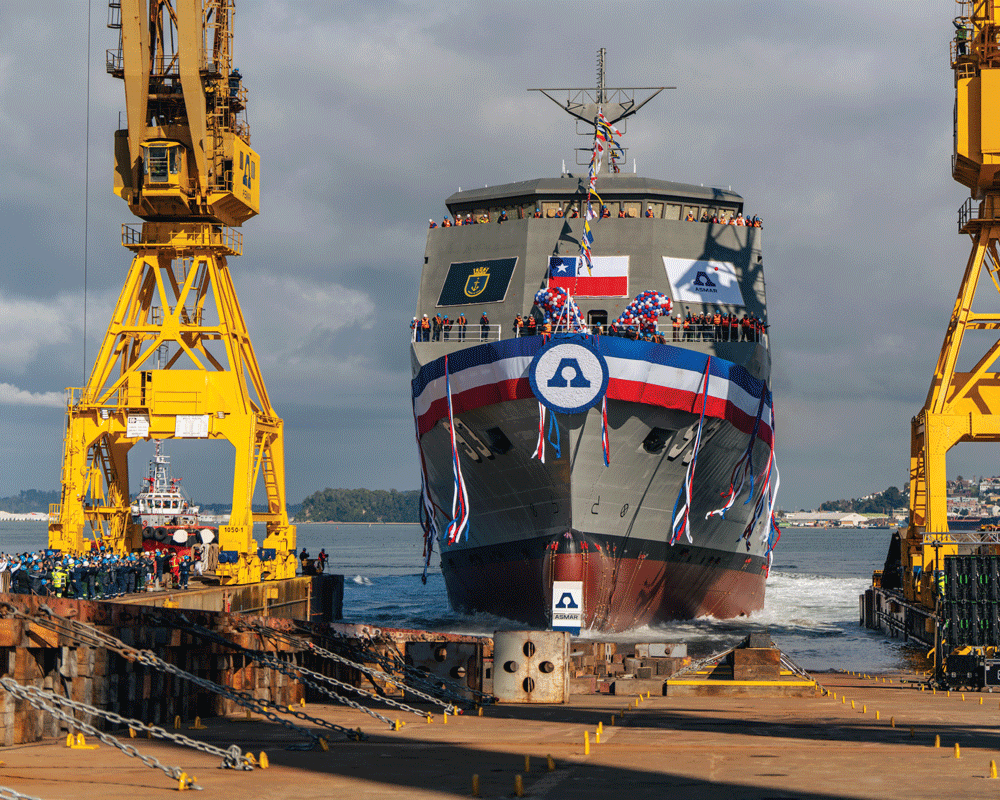
The launch of Magallanes in 2026 (image: La Armada de Chile).
Naval shipbuilding in Chile is no longer just about replacing ageing fleets, it is a long-term national endeavour that demands sustained collaboration between government, industry and academia to build lasting engineering, industrial and technological capability.
Wing-win situation
The Naval Architect
Glasswing butterflies (image: Grafmarine; Dr Katie Shanks).
Inspired by the anti-reflection properties of glasswing butterfly wings, a research team plans to roll out a series of enhanced prototype solar panels by 2029.
A chance conversation, a career course change
The Naval Architect
Charlotte Dodge
Charlotte Dodge opens the September/October issue of TNA, sharing how a chance conversation shaped her naval architecture career and commitment to supporting maritime professionals at every stage.
Reverse bow, forward thinking
The Naval Architect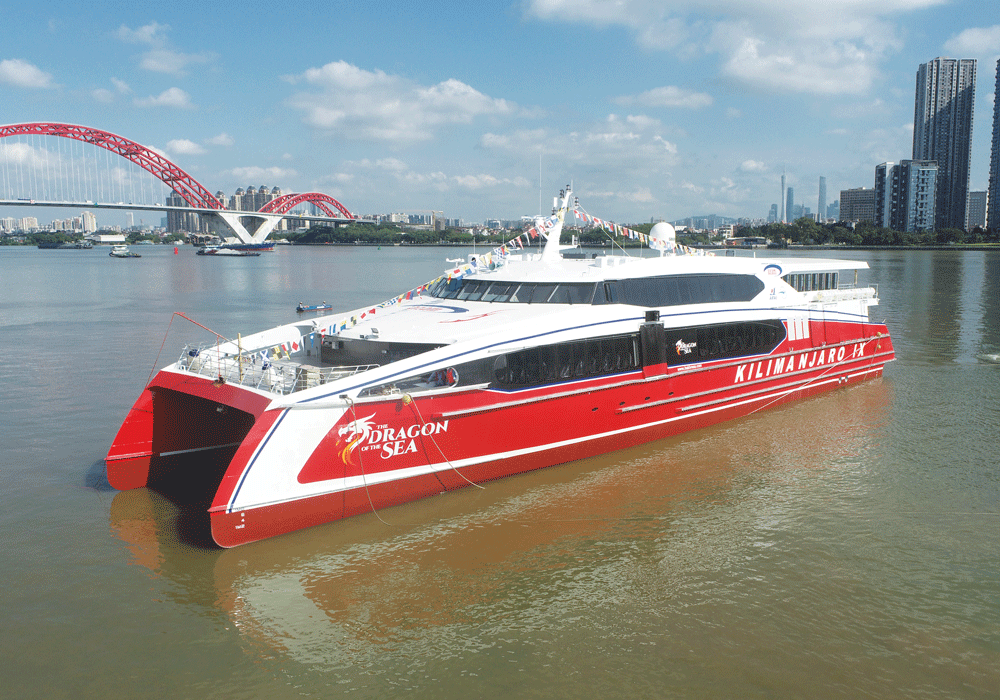
Kilimanjaro IX
Incat Crowther delivers Azam Marine’s newest catamaran, bringing aviation-inspired styling and a 679-passenger capacity to East Africa’s busiest ferry corridor, says Bruno Cianci.
Japan puts shipbuilding to the fore as a national strategic priority
The Naval Architect
Hideaki Saito, Shipbuilders' Association of Japan.
Hideaki Saito examines the rise and fall of the island nation’s shipbuilding industry and how the country plans to revive its seafaring fortunes.
Wanted: Skills for the 21st century
The Naval Architect
Babcock is investing heavily in apprenticeship and graduate courses (image: Babcock)
Rising orders, retiring staff and a fast-changing design toolkit are testing naval architecture’s skills base. How the profession trains its next generation, and where it looks for new talent, will shape who designs and builds the world’s fleet for decades to come.
'We need more folk who know how things float'
The Naval Architect
Simon Benson
Simon Benson looks at how to create the best talent pipeline to cater for the growing offshore renewables sector.
USV supports mapping of global seabed
The Naval Architect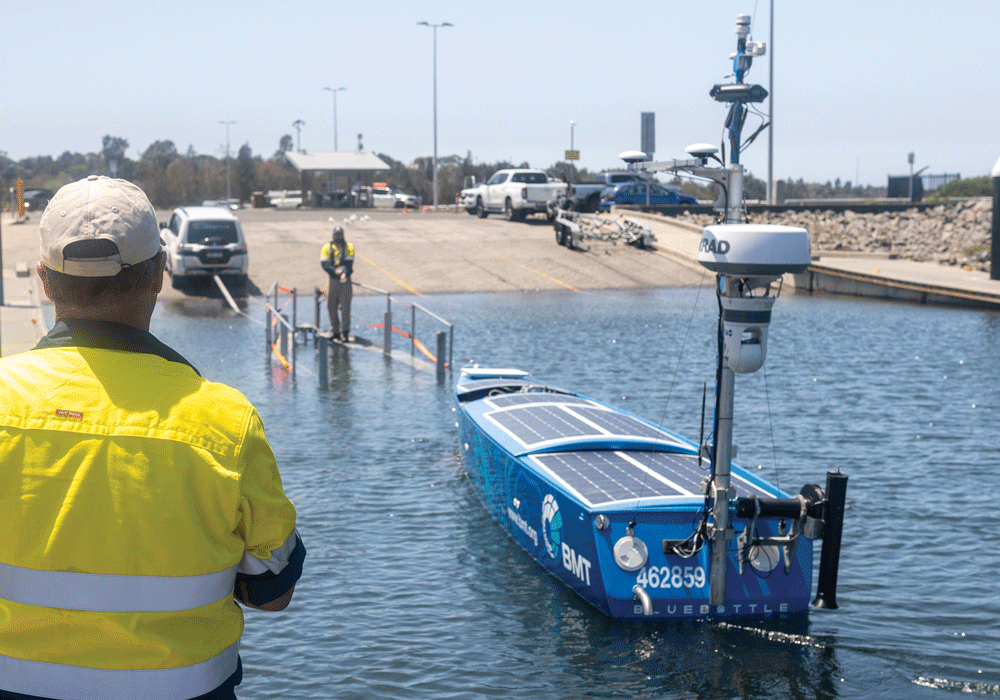
The Deep Blue Project USV gathers real-time maritime data in coastal and offshore environments.
An uncrewed surface vessel fitted with metocean sensors, feeding into a cloud-based analytics platform, is set to support one of the maritime sector’s largest data gaps, the mapping of the world’s ocean floor.
Professional development: Journey of a lifetime
The Naval Architect
Image: Shutterstock
The scope of the maritime industry is vast with a wide range of career paths to follow. Let RINA help you chart the best course for you.
Windcoop orders world's first sail-powered container ship
The Naval Architect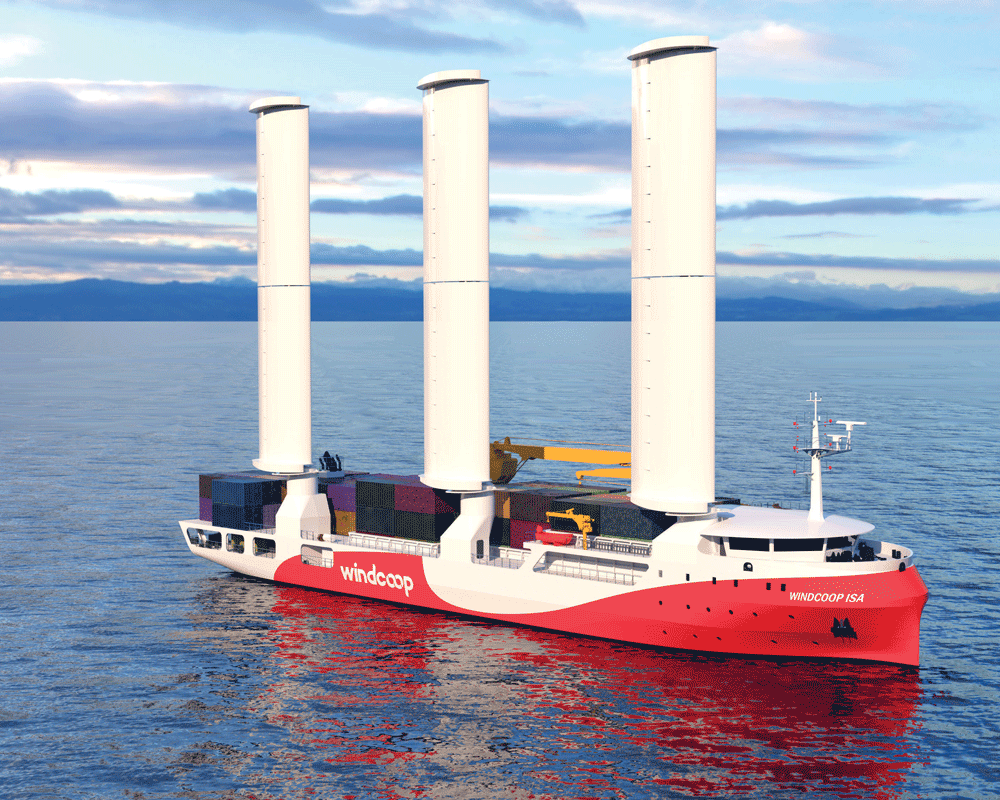
Windcoop's containership is set to sail in May 2027
Windcoop has placed a binding order for what is being described as the world’s first sail-powered containership, with construction due to begin at RMK Marine’s shipyard in Türkiye in 2026.
Internships: Hands-on experience and a fresh perspective
The Naval Architect
Lateral provides naval architecture, structural, mechanical and outfit engineering services.
A decade after replacing summer placements with two annual 12-month internships, Southampton-based Lateral Naval Architects reflects on the programme’s success through the experiences of two interns and its chief naval architect.
Newsletters
Stay connected with the global maritime community through RINA’s newsletters.
Whether you are a member or not, you can receive updates from The Naval Architect, alongside selected RINA news, events and industry insights. Members also gain access to a wider portfolio of exclusive newsletters on key topics in the maritime industry.