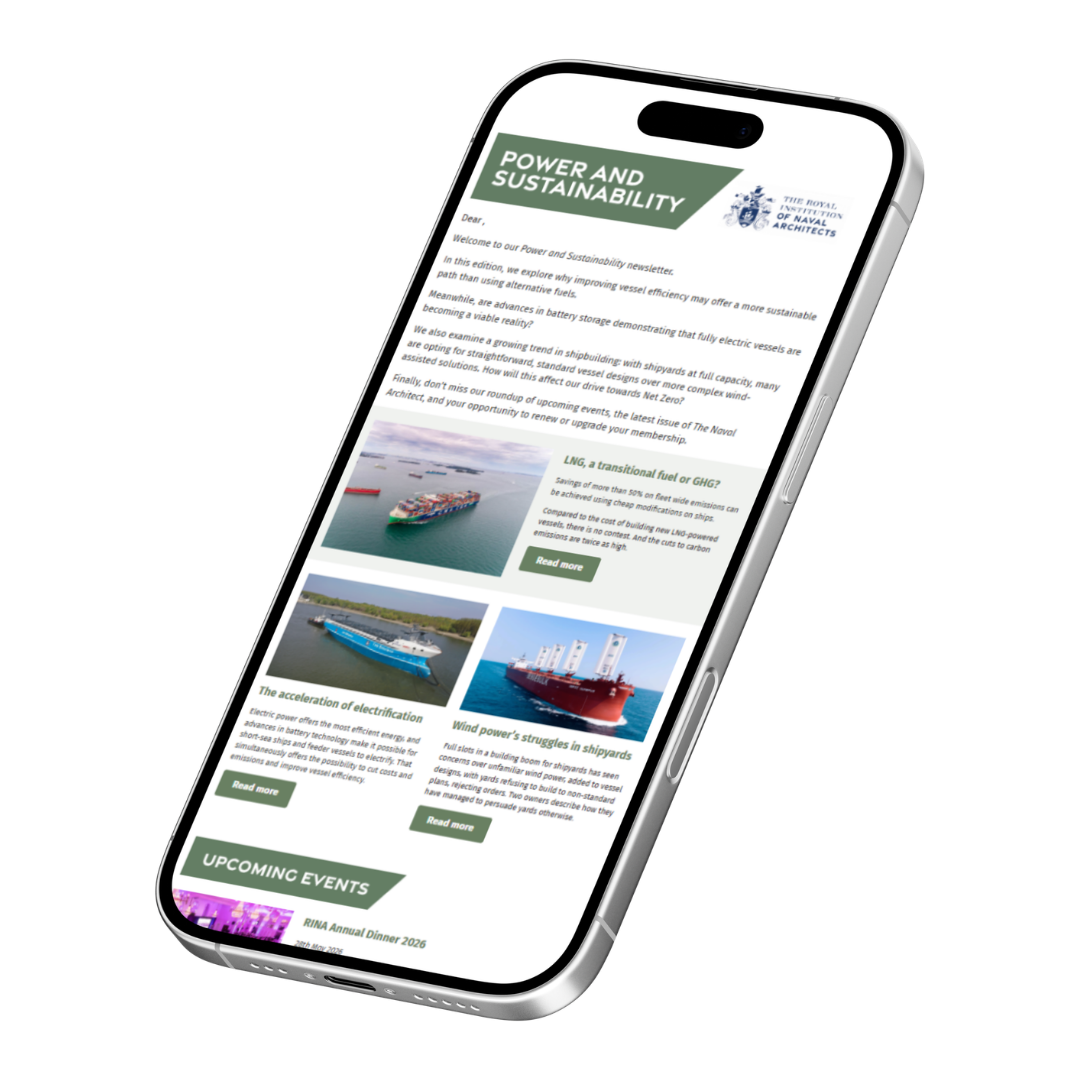
The Naval Architect provides in-depth information on all aspects of vessel design, construction and engineering. Practical applications of latest technology and case studies are accompanied by analysis and foresights. Published every two months, the magazine covers everything from superyachts and short-hop ferries to tankers and heavy-lift vessels; from battery pack installations and sail-assisted solutions to LNG tank retrofits; and from offshore safety to warship resilience.
Careers: My path to success
The Naval Architect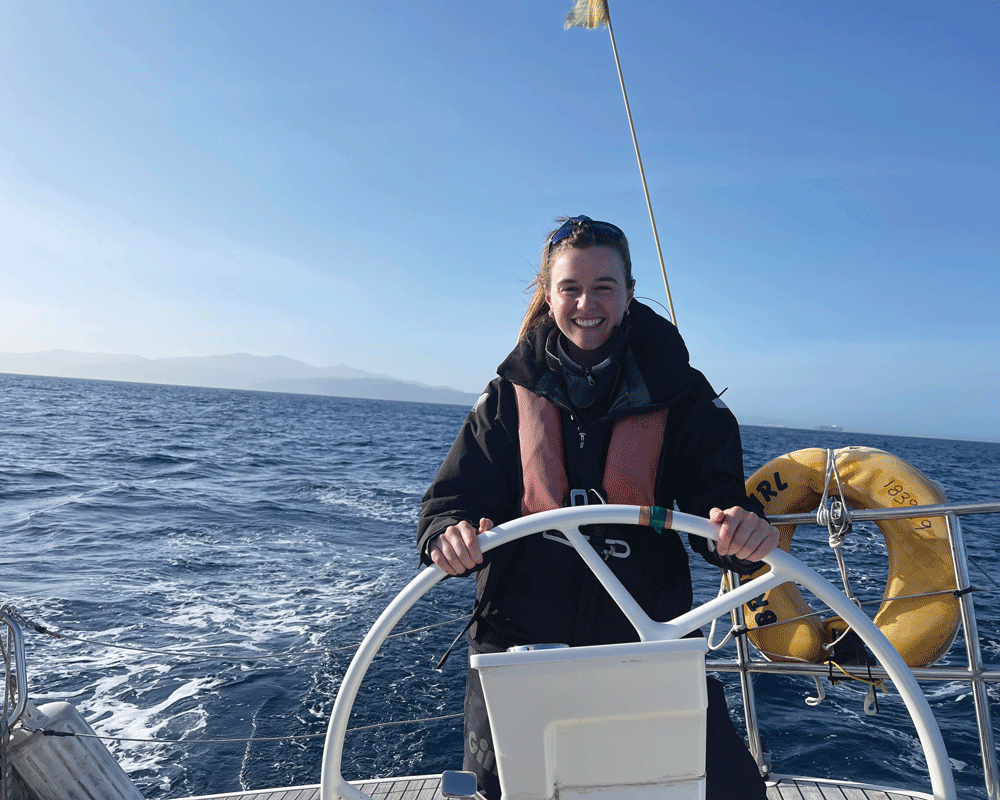
Prune Bouillot: "Sailing has taught me to respect and protect the water"
Prune Bouillot, a naval architect at Houlder, works on ship design and maritime decarbonisation. She holds a BASc in Engineering and Social Sciences and an MSc in Naval Architecture from UCL. She chaired SMIFutures in 2024 and volunteers with ocean conservation charity Wings of the Ocean.
How it's changed
The Naval Architect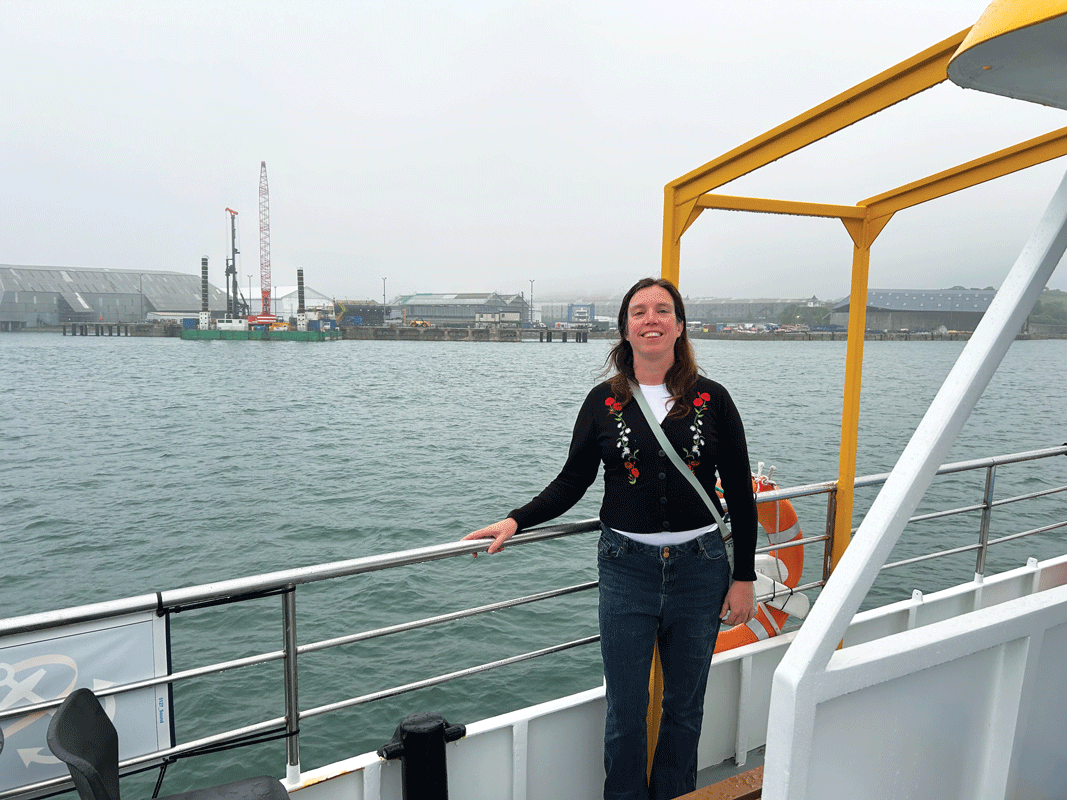
Catherine Ingram, head of naval architecture at Navantia UK (image: Catherine Ingram)
Catherine Ingram, head of naval architecture at Navantia UK, reflects on her career journey.
Branch spotlight: Building on relationships
The Naval Architect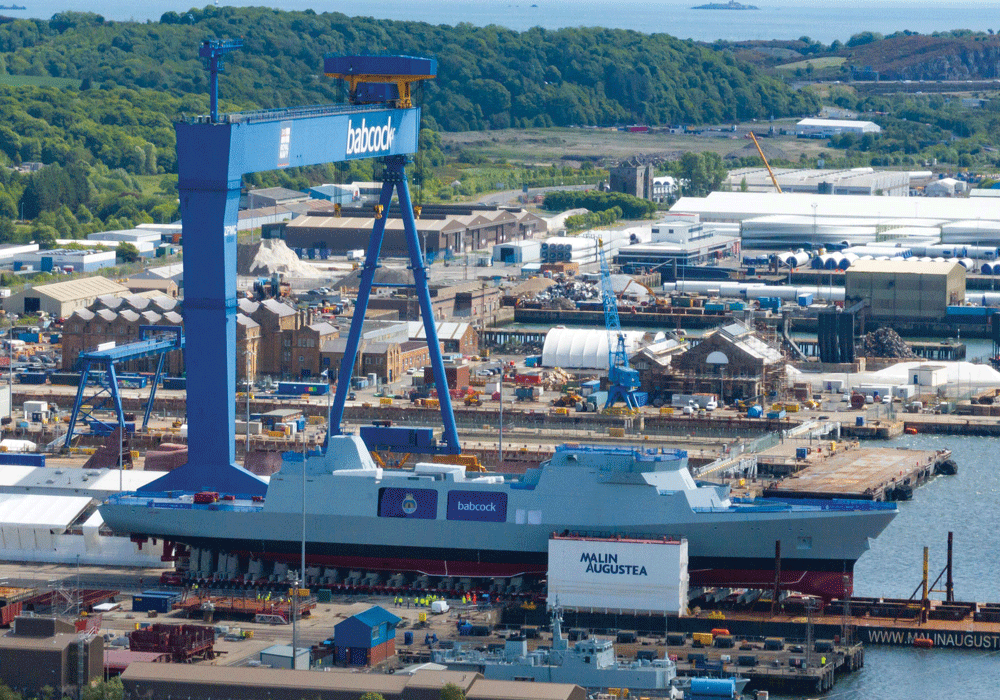
HMS Venturer at Rosyth, where Babcock hosts an annual STEM event (image: Alamy)
A quarter-century of partnerships and professional development at the Scottish Branch.
The Big Questions: Arun Dev
The Naval Architect
A career in industry and academia has taught the Newcastle University in Singapore-based professor to be patient, humble and never stop learning.
The underwater arms race
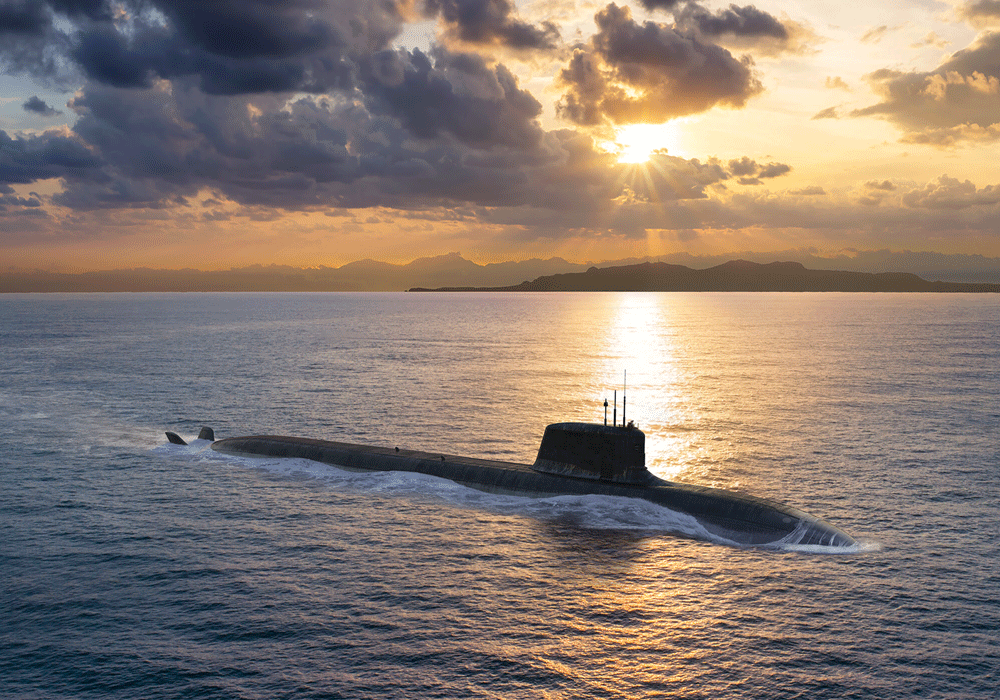
The UK's BAE Systems is building Astute-class and Dreadnought-class submarines (image: BAE Systems)
The global undersea arms race is transforming not just navies but the engineering profession behind them. Workforce, digital capability and nuclear stewardship are now as strategically important as the platforms themselves.
Polar planning
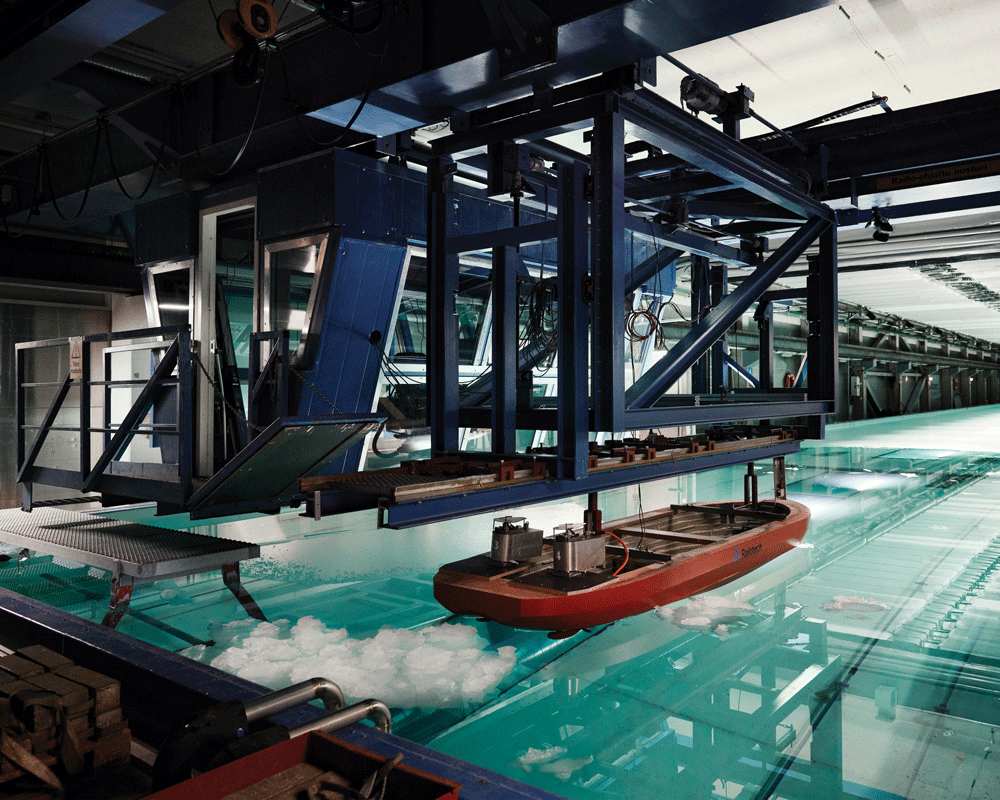
Ice tank testing is essential to design for a changing Arctic (image: Getty images/Canadian Coast Guard)
As the climate warms, there’s growing interest in transiting once unnavigable seas. Amy McLellan explores ways to support increased shipping in ice-affected waters.
On the rocks in Canada
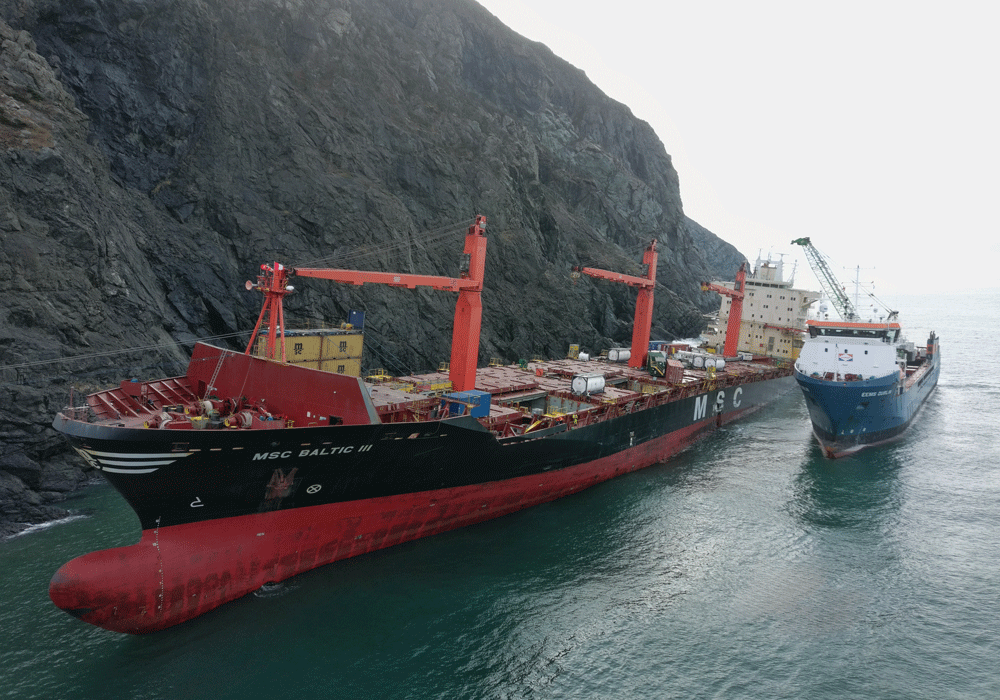
Dublin serves as a staging platform for personnel and cargo of the grounded Baltic III (image: Canadian Coast Guard)
More than a year after the containership Baltic III grounded on the remote Newfoundland coast during a severe storm, a wreck removal plan is finally in place, but the complex and challenging operation still has years to run, and important questions remain.
My focus as President

Annabelle Ransome-Williams FRINA is the new president of Royal Institution of Naval Architects
Welcome to the latest issue of The Naval Architect. I am honoured to have been elected President of RINA, and I would like to thank members for the confidence and trust you have placed in me.
MIT lab improves human and AUV interactions
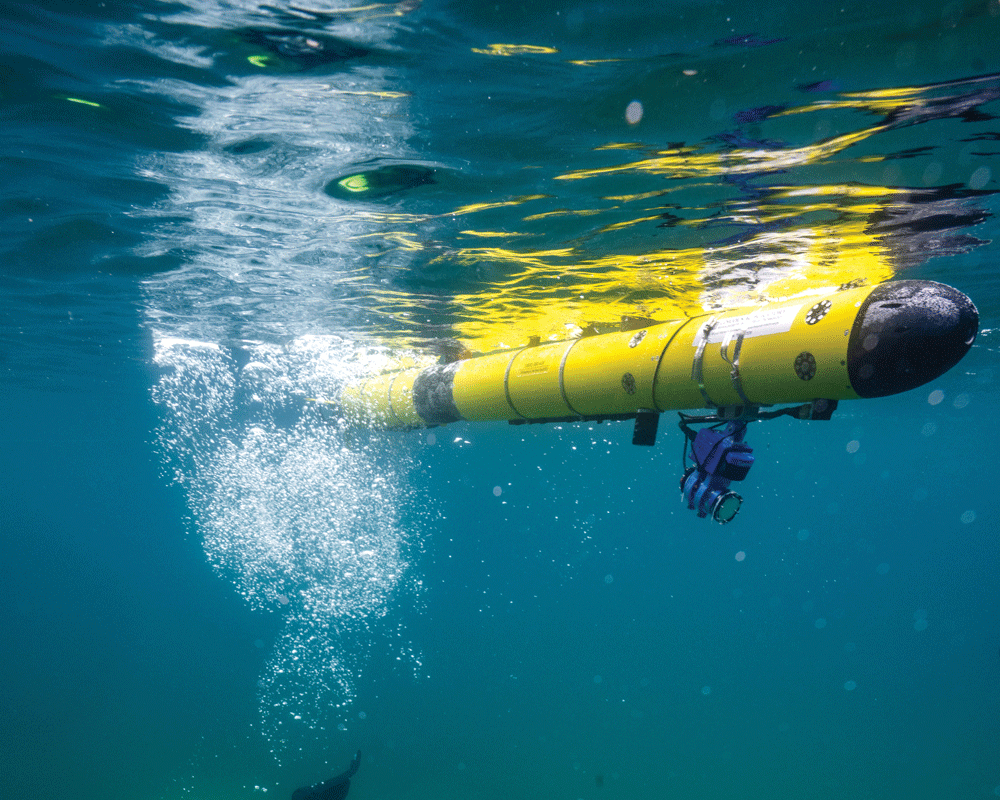
The project seeks to combine the strengths of humans and robots - cropped (image: MIT)
Researchers address capability gaps in underwater navigation and perception.
We are on the right path
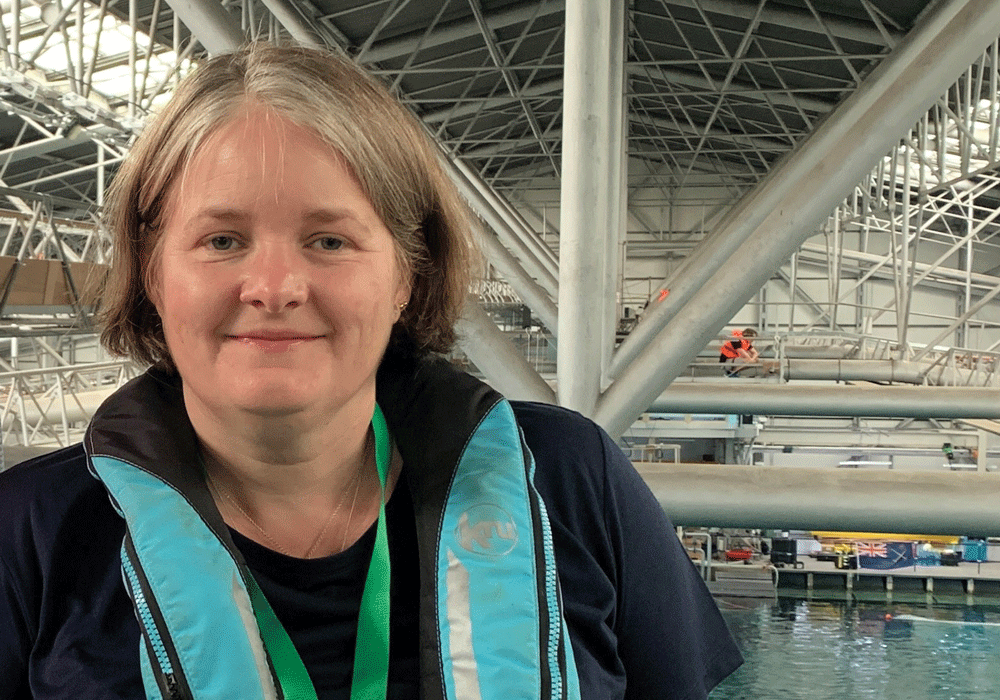
Catriona Savage: Broadening the language around engineering, for teachers, parents and young people alike, is essential.
Catriona Savage on the pace of change in her time as RINA president.
Success on a plate
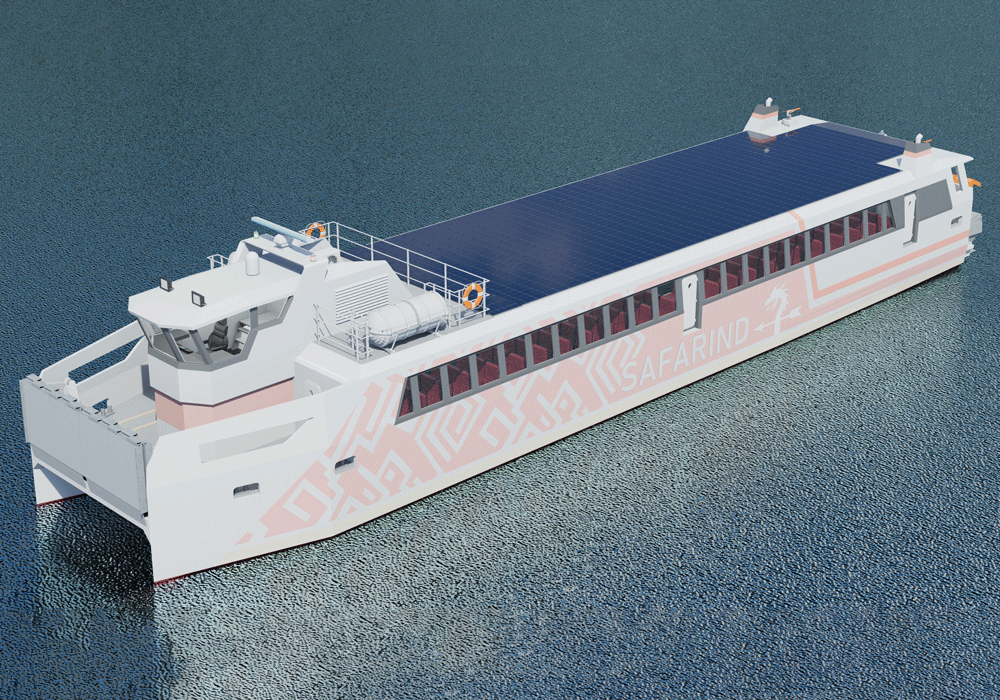
Solar panels on the ferry's roof would supply 11% of the vessel's auxiliary electricity demand (image: Universitas Indonesia)
Team Nagapasa’s flat-bottomed catamaran ferry won the WFSA’s Maritime Student Design Competition, meeting the constraints of a shallow, hazard-prone river route with a design built for affordability and local construction.
Baltic first for carbon capture and storage
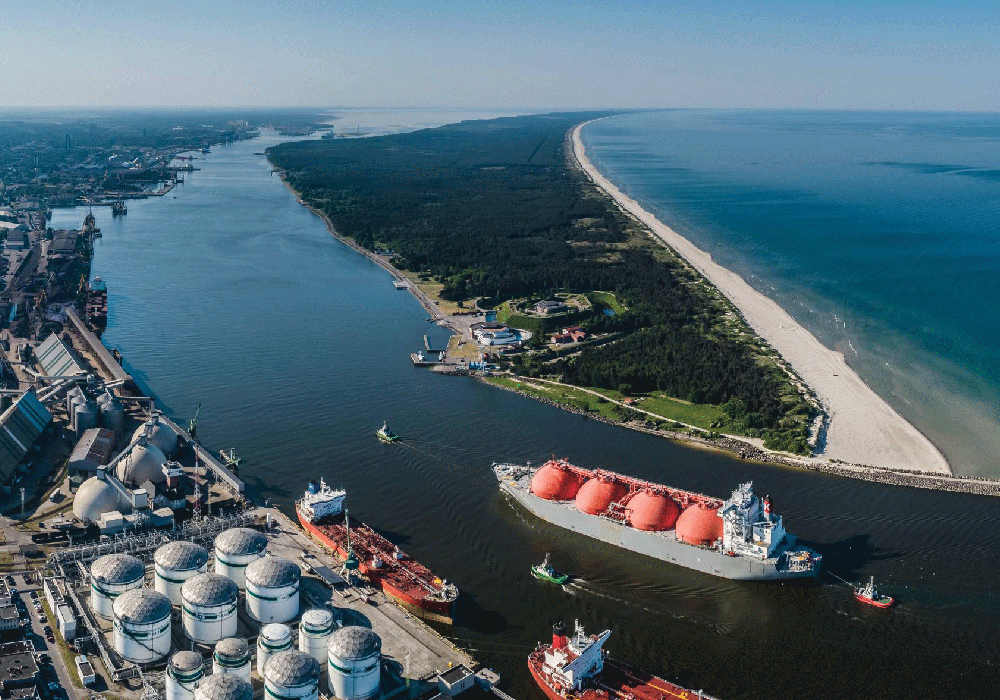
The planned CO₂ transshipment terminal in Klaipėda is expected to have a capacity of approximately 2.8 million tonnes of CO₂ per year (image: KN Energies)
Aker wins contract for CO2 terminal in Lithuania; and First battery-methanol-powered tug set to sail.
Newsletters
Stay connected with the global maritime community through RINA’s newsletters.
Whether you are a member or not, you can receive updates from The Naval Architect, alongside selected RINA news, events and industry insights. Members also gain access to a wider portfolio of exclusive newsletters on key topics in the maritime industry.