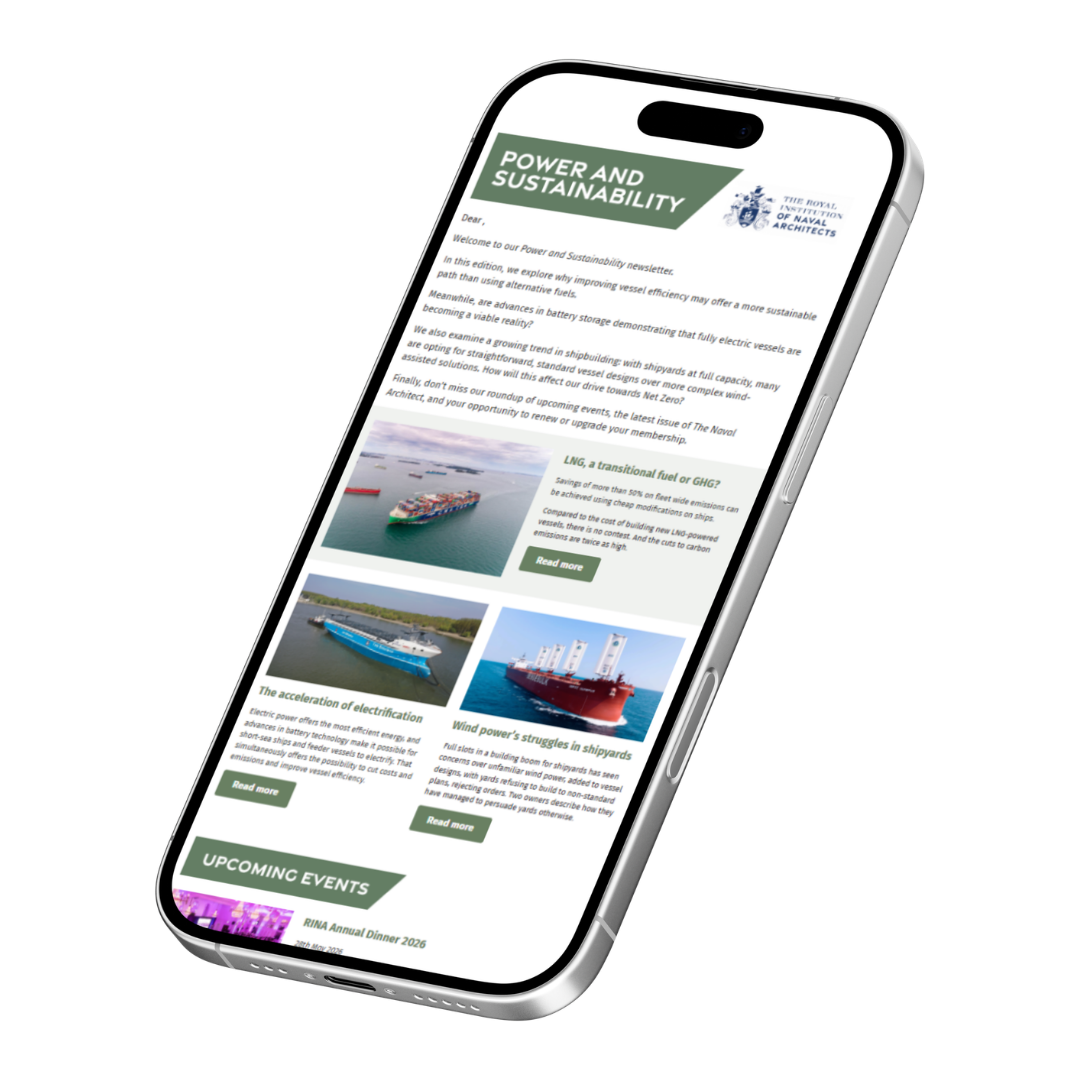
The Naval Architect provides in-depth information on all aspects of vessel design, construction and engineering. Practical applications of latest technology and case studies are accompanied by analysis and foresights. Published every two months, the magazine covers everything from superyachts and short-hop ferries to tankers and heavy-lift vessels; from battery pack installations and sail-assisted solutions to LNG tank retrofits; and from offshore safety to warship resilience.
Topping up the tank
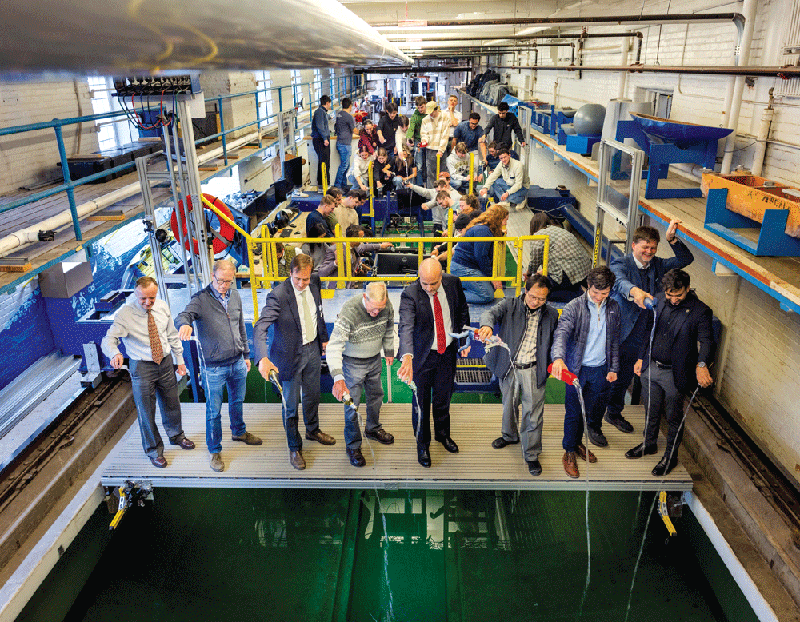
Image: Marcin Szczepanski, University of Michigan College of Engineering
The Richard B Couch Model Basin at the University of Michigan College of Engineering, following completion of extensive renovations to the 750,000gallon, 360ft-long towing tank facility.
Apprenticeships: My path to success
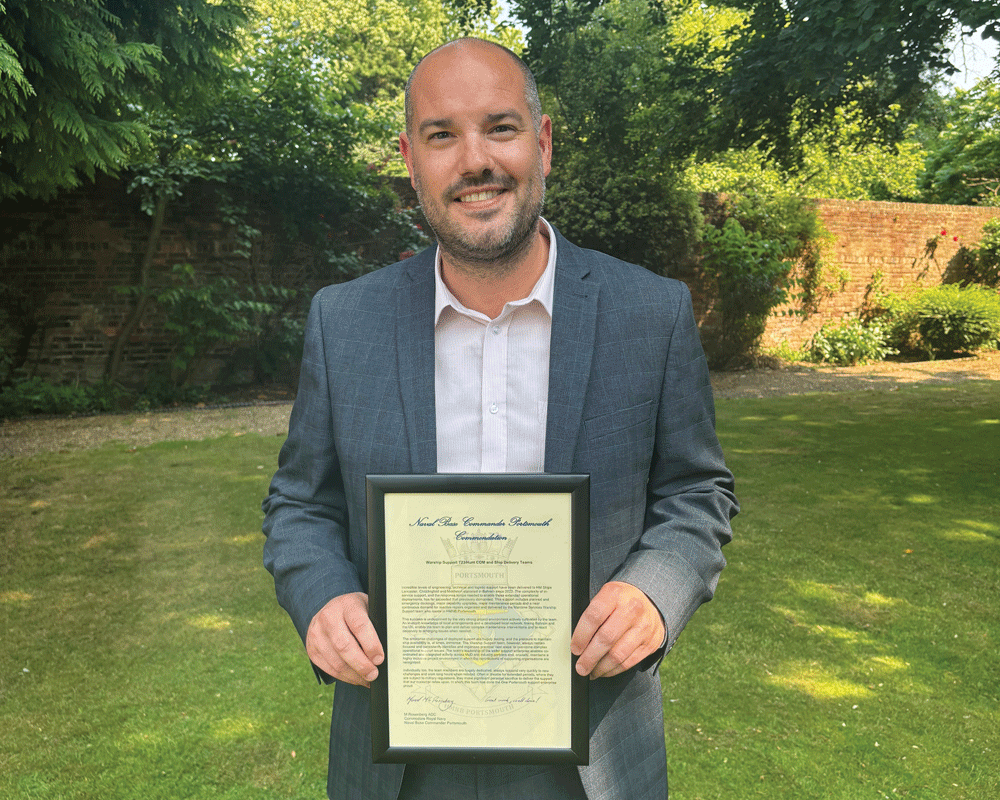
Aaron Cobb, winning accolades for his warship work
Aaron Cobb MRINA is chief engineer, international navy support, at BAE Systems, Maritime and Land Defence Solutions: vocational training was the basis for a fascinating and fulfilling career and it could be the pathway to success for many more young people.
AiP for wind-assisted liquefied CO2 carrier
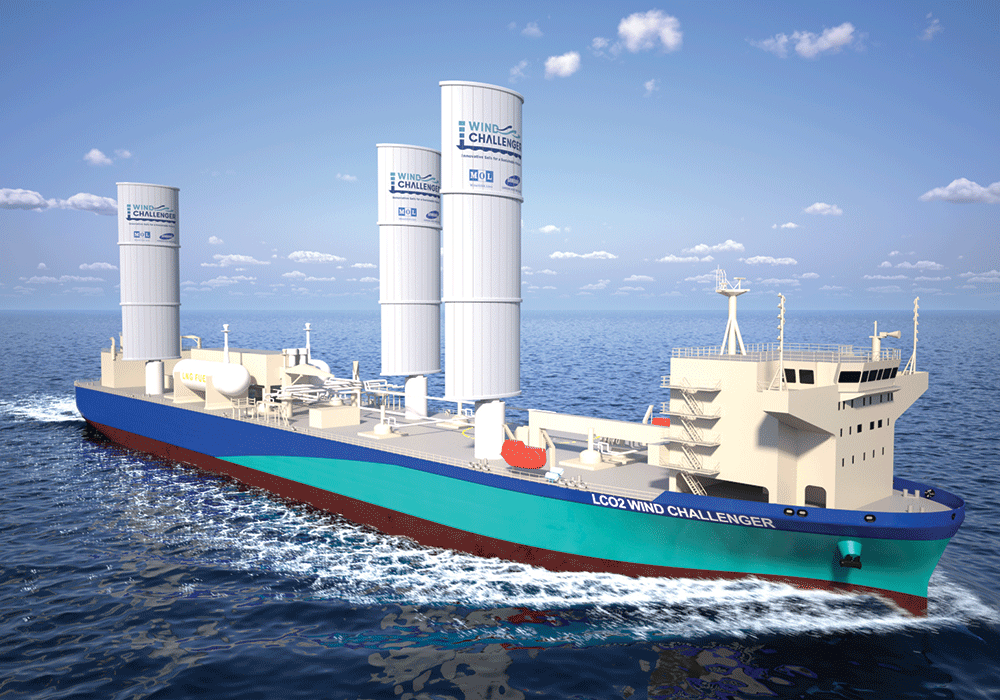
Computer-generated image of a MOL/SHI carrier design (image: MOL)
ClassNK has issued an Approval in Principle (AiP) for a liquefied CO₂ carrier equipped with the Wind Challenger hard sail wind propulsion system.
History: Lessons from MV Derbyshire
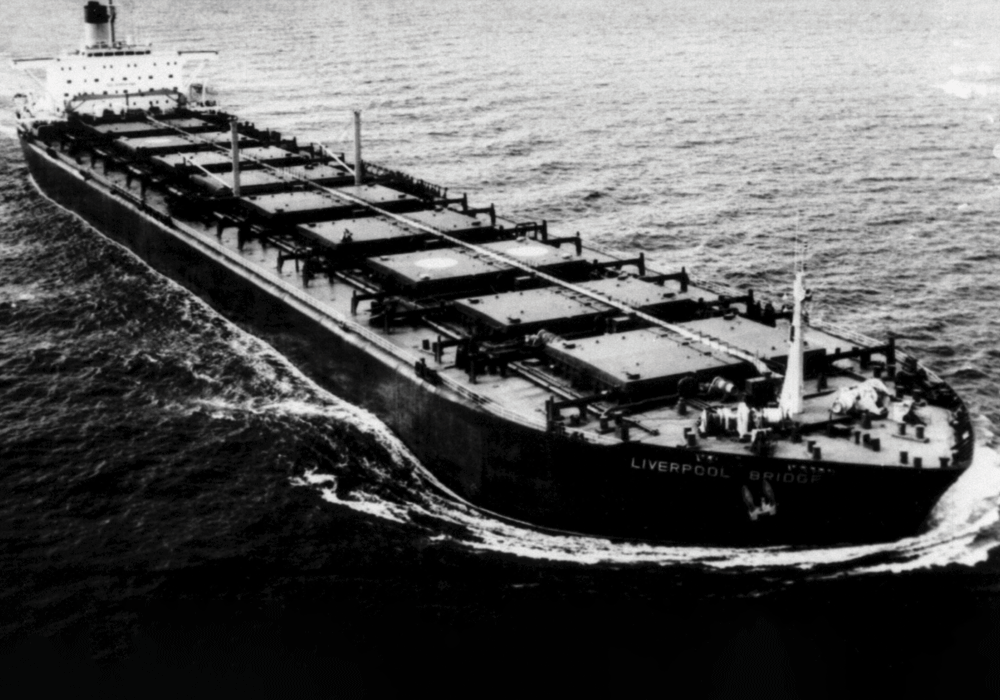
Bulk carrier Derbyshire, which sank in 1980, with the loss of 44 lives
John Jubb CEng, 94, on one of the most remarkable and troubling episodes in British maritime history in which he played a vital role.
New autonomous vessel agreement
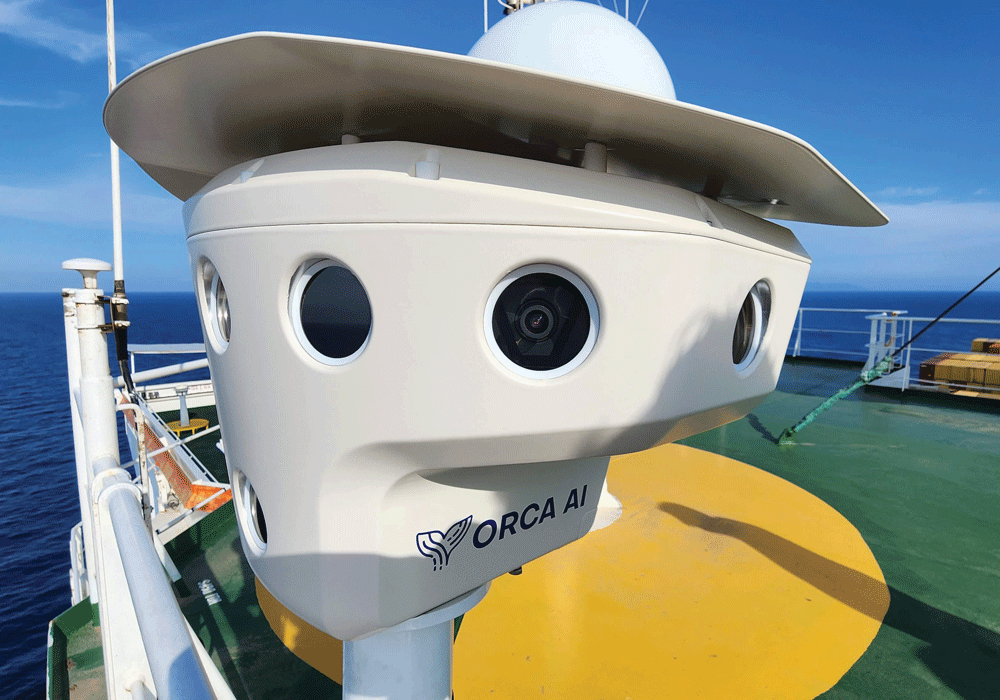
Orca AI's SeaPod watchkeeper (image: Orca AI)
Orca AI and SHI in joint development deal
Laser shield takes shape
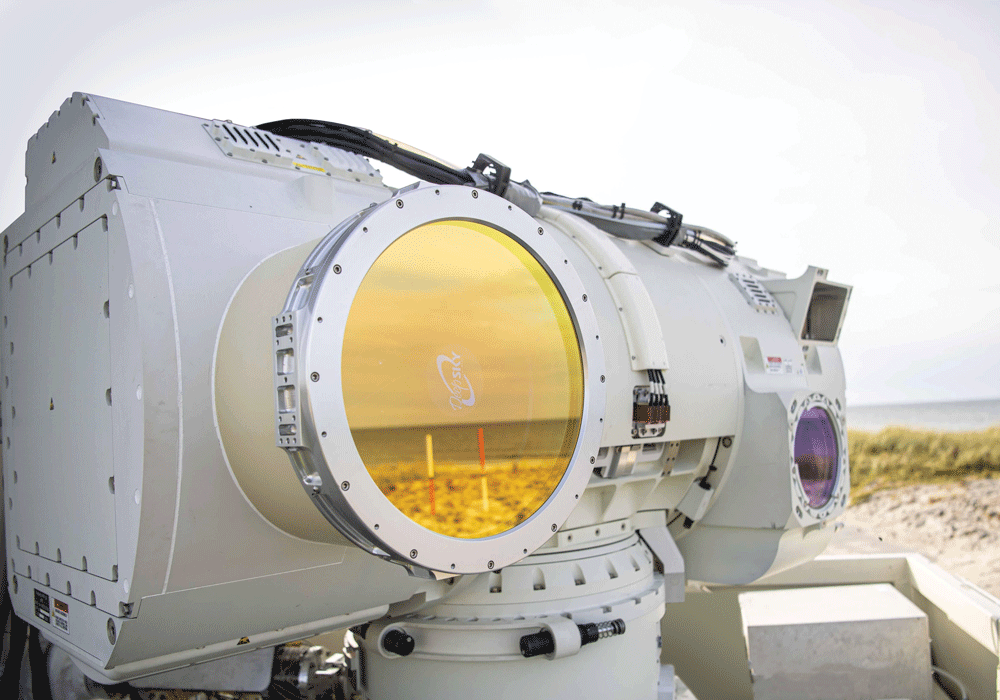
UK’s DragonFire set to take on drones by 2027.
Safety first for new fuels
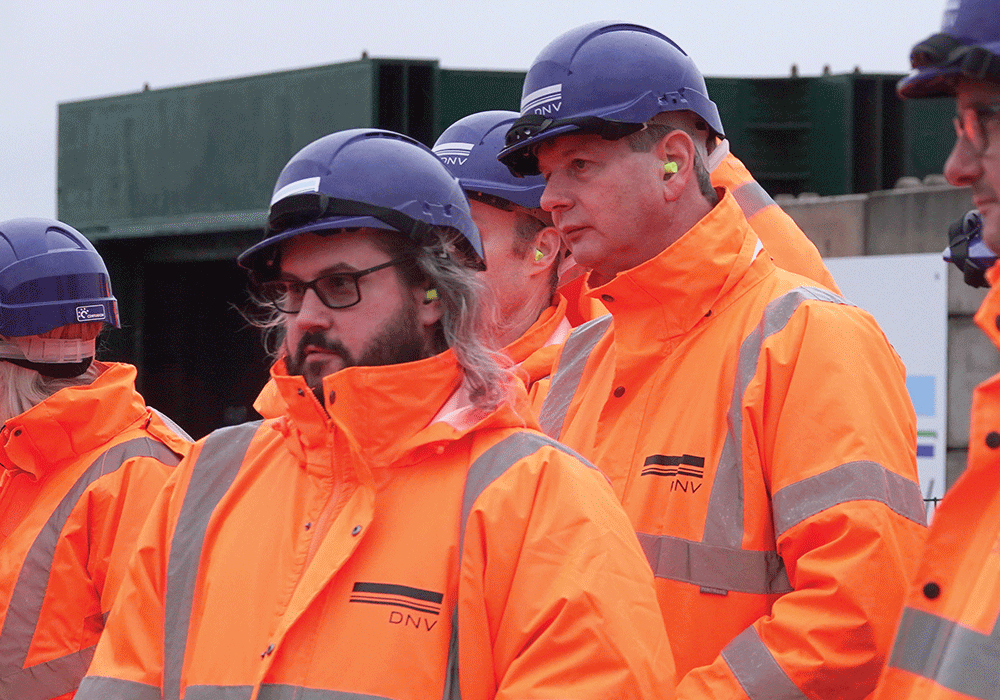
Thomas Beard helps shipowners comply with safety rules
The shift from heavy fuel oil to low-carbon alternatives promises deep emissions cuts but it also introduces a new generation of safety challenges. The challenge now is ensuring the industry meets its decarbonisation goals without compromising on safety.
Hydrogen hits the big time with projects on the rise
The Naval Architect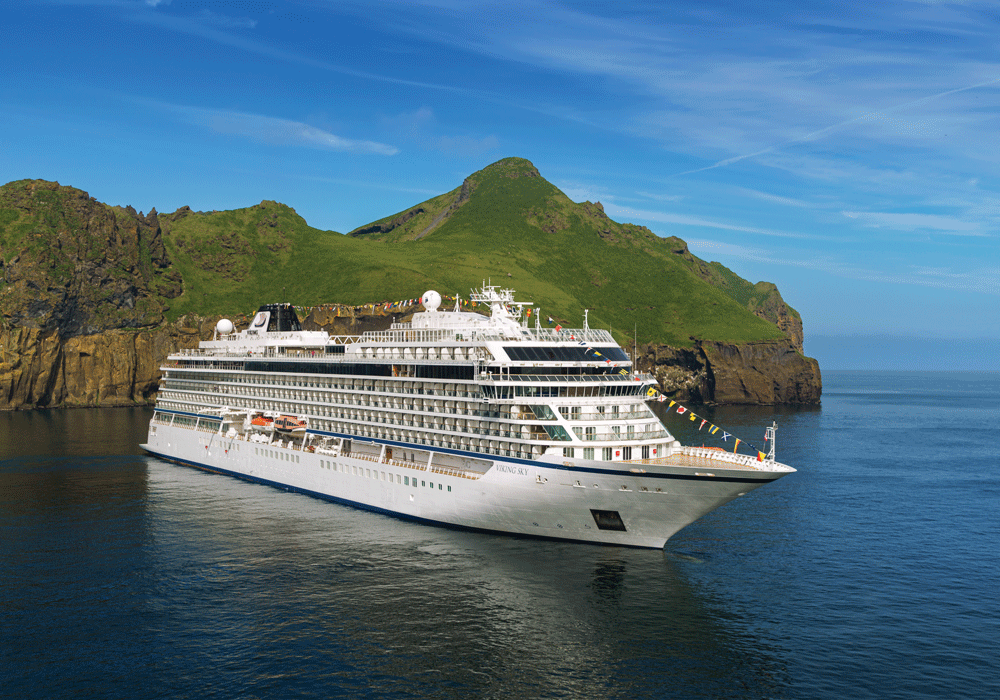
Unlike its sister ship, Viking Sky, Viking Libra will run on hydrogen
Hydrogen is moving from pilot projects to mainstream maritime adoption, with landmark vessel orders and emerging bunkering hubs signalling growing industry confidence.
Why anchoring system layout deserves greater design attention
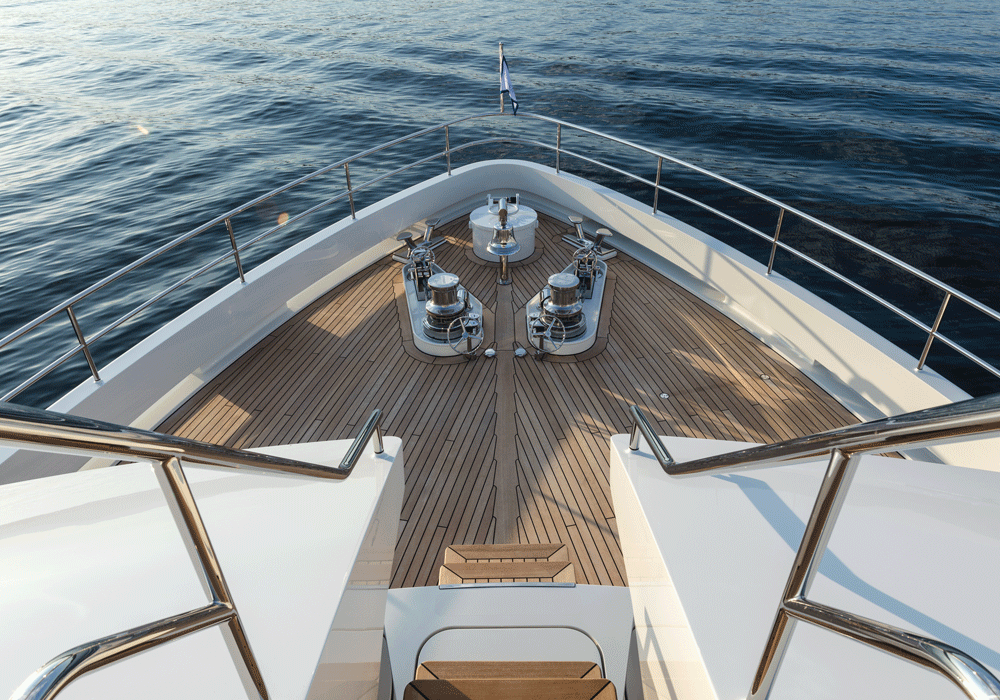
As vessel designers push the boundaries of space and efficiency, the humble anchoring system is increasingly caught in the squeeze.
What's next for WAPS?
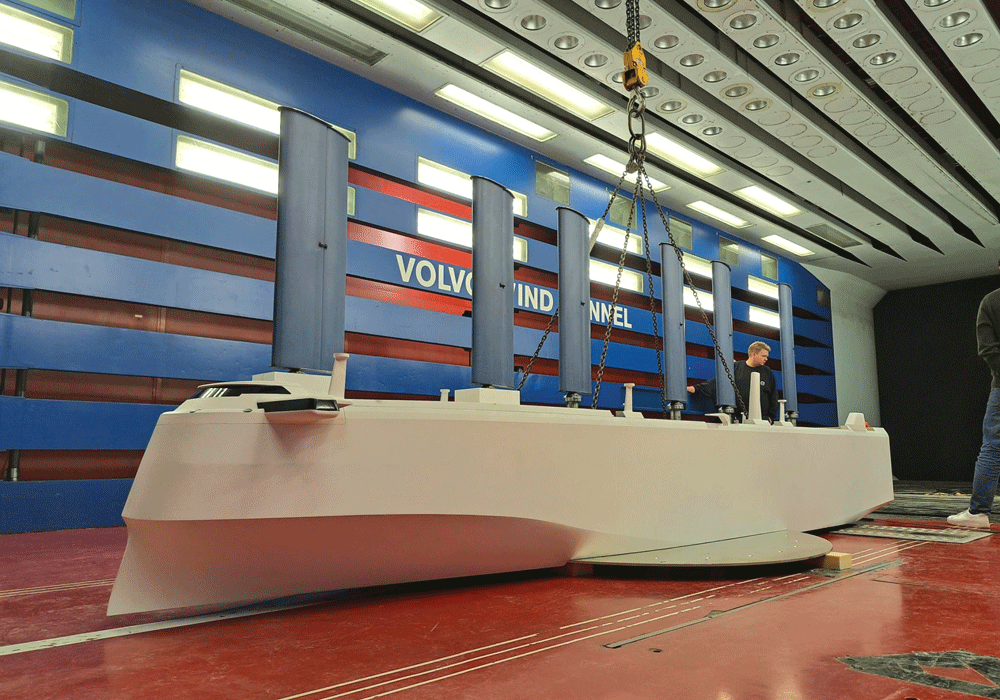
Orcelle Horizon Wind tunnel testing in December 2024 (image: Wallenius Marine)
DNV’s senior principal engineer, Hasso Hoffmeister, examines the evolution of wind-assisted propulsion systems, and what comes next.
Advancing innovation, collaboration and knowledge-sharing

RINA's strength is its members, CEO Paul Jobson
Welcome to the latest edition of The Naval Architect. Eight months into my tenure as CEO, my initial focus has been on strengthening RINA’s foundations and accelerating delivery of the strategic changes required for our next exciting phase, outlined here.
Deal smoothes path to Net Zero
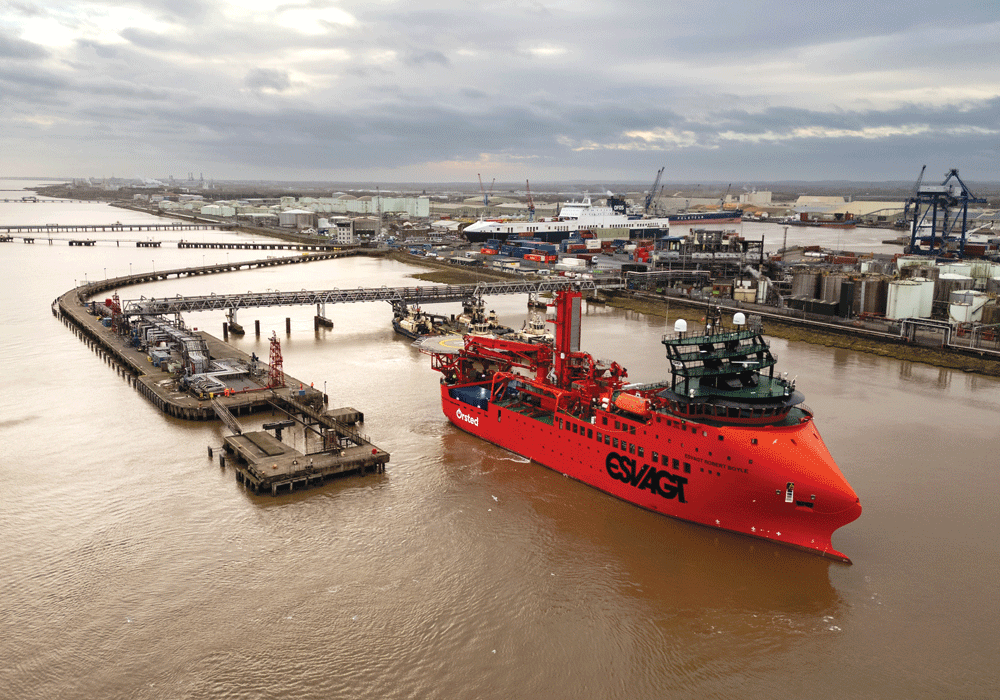
A service operation vessel supporting Ørsted's North Sea offshore wind operations at the Port of Immingham. Biomethanol is liquid at ambient temperature and pressure and chemically identical to fossil methanol, meaning methanol-capable vessels require no modification to use it (image: Frank Henshall. Source: Exolum)
UK’s first commercial biomethanol bunkering service launches at Port of Immingham.
Newsletters
Stay connected with the global maritime community through RINA’s newsletters.
Whether you are a member or not, you can receive updates from The Naval Architect, alongside selected RINA news, events and industry insights. Members also gain access to a wider portfolio of exclusive newsletters on key topics in the maritime industry.