

Test event
Date To Be Confirmed
The Brazil Branch is chaired by Paul Jobson, with Edit Walsh as secretary. Both of whom are long-standing RINA members and will be very happy to speak to you about any aspect of the Branch and its activities.
Contact

We are always looking for Members to contribute, whether through supporting the management of the Branch, volunteering at events, or with speaking, training, webinars, STEM activitites for local schools universities, and even mentoring our younger members. Any and all ideas for the Branch events programme and more are very welcome and we look forward to seeing you at our Branch Meetings soon.
Contact
Lorem ipsum dolor sit amet, consectetur adipiscing elit. Integer dignissim, ante ac molestie mattis, enim est ornare justo, vitae commodo sapien eros in arcu. Fusce ligula nisl, venenatis vitae tristique eget, fermentum ac quam.

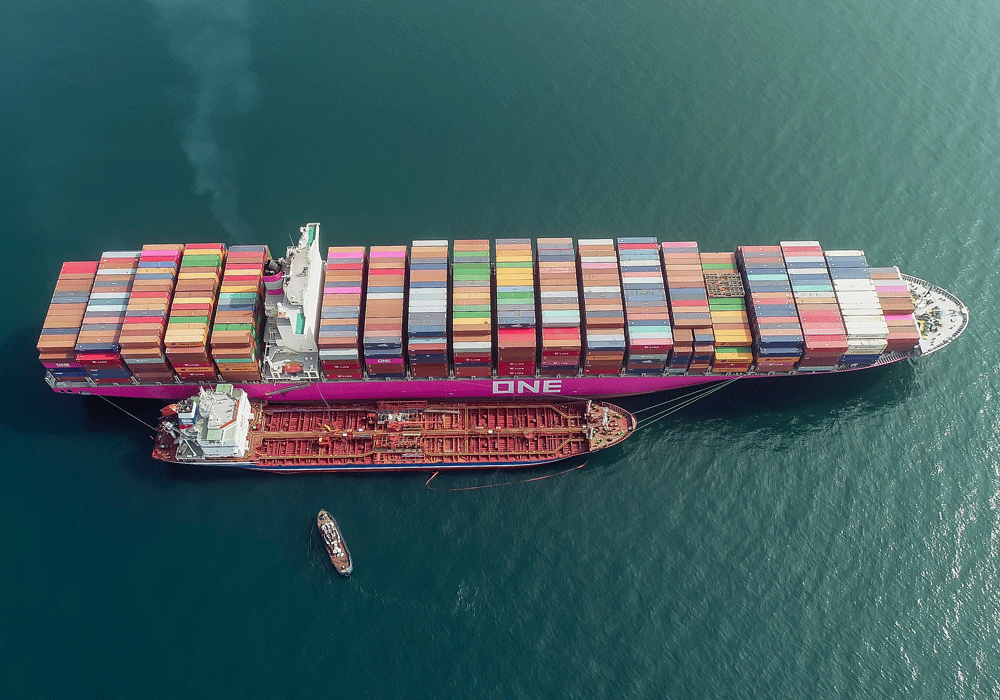
The conflict in Iran has seen some unintended consequences, driving up fossil fuel costs and making alternative fuels viable. At the same time, it is fuelling interest in vessel efficiency and raising the prospects of more fuels in the mix.
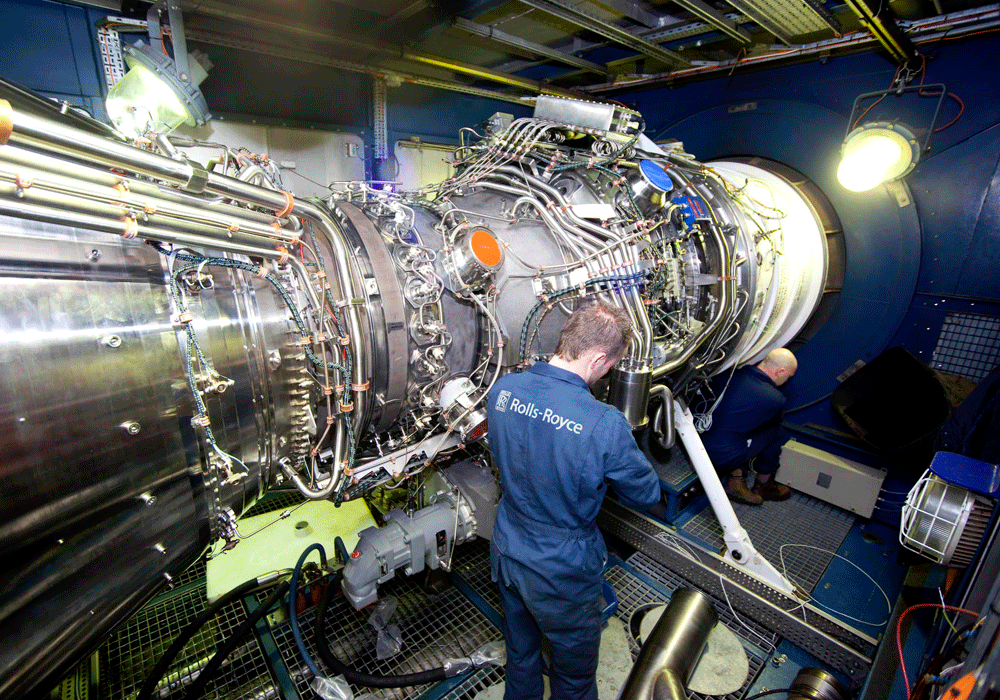
Supercritical CO2 turbines are not new, but CNNC has tested a 15MW sCO2 turbine, which offers a power-dense power plant with claimed efficiencies of up to 40%. Retrofitting a sCO2 turbine is comparatively easy. Is this an interim answer to green shipping?
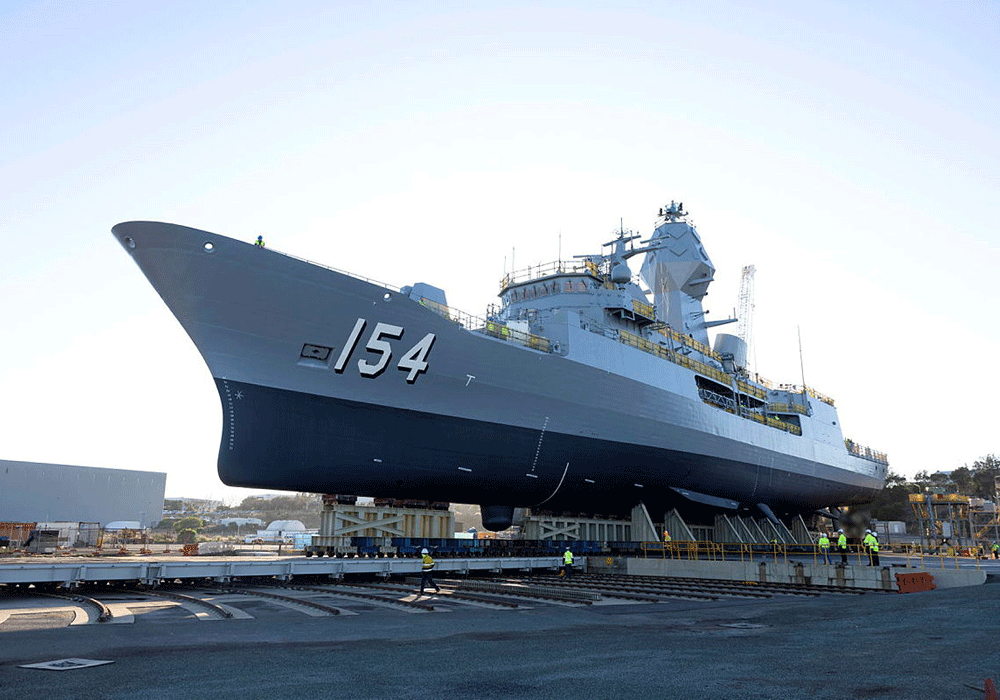
The Royal Australian Navy's Anzac Class Designer Support Contract, DSC-West, will see BMT provide specialist engineering support. BMT's 2024 acquisition of Australian Maritime Technologies preserves an unbroken design lineage from the original build programme. With the frigates operating beyond their design service life, configuration control, baseline integrity and engineering change management require design-origin knowledge. BMT's contribution spans design, systems assurance and autonomy.
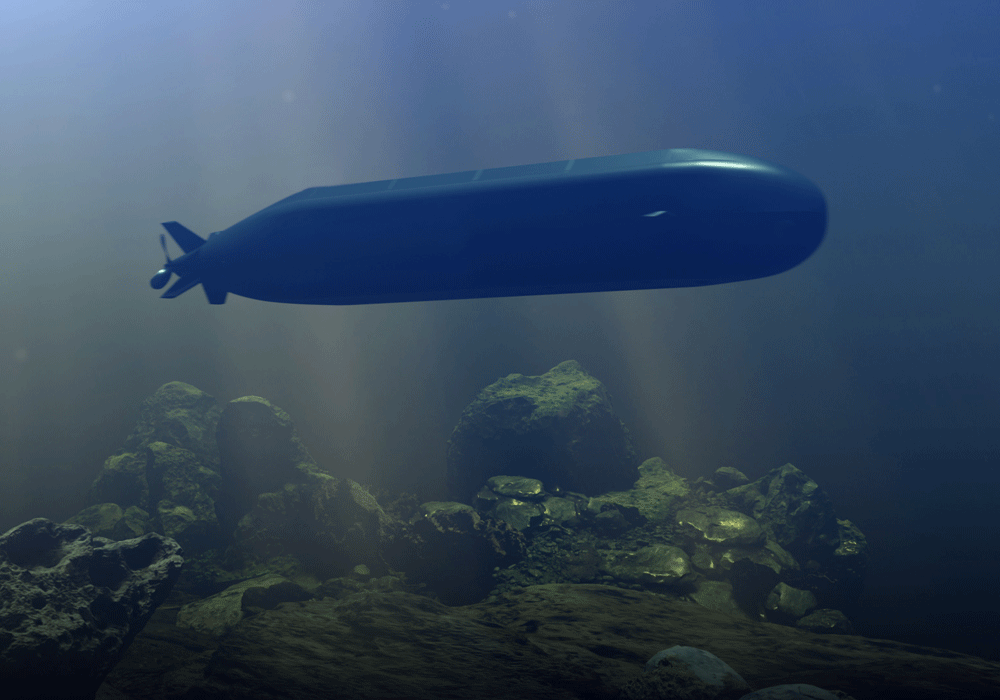
BAE Systems' Herne extra-large autonomous underwater vehicle is set to be the first platform of its kind certified under Lloyd's Register's Unmanned Marine Systems Code. The milestone establishes recognised assurance standards for large uncrewed submersibles, with significant implications for naval architects and the defence maritime sector.
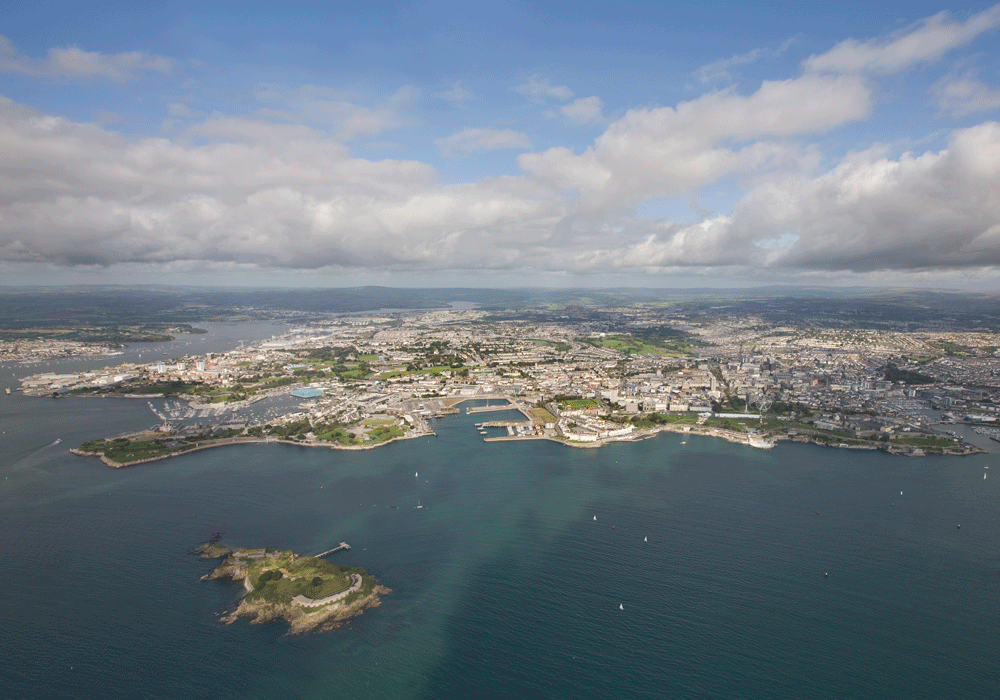
The UK Government has committed £50 million to Plymouth's National Centre for Marine Autonomy, targeting UUV and USV development. Smart Sound Plymouth offers more than 1,000km2 of deconflicted water space and 75m offshore depths, while proximity to HM Naval Base Devonport adds operational credibility for autonomous systems validation.
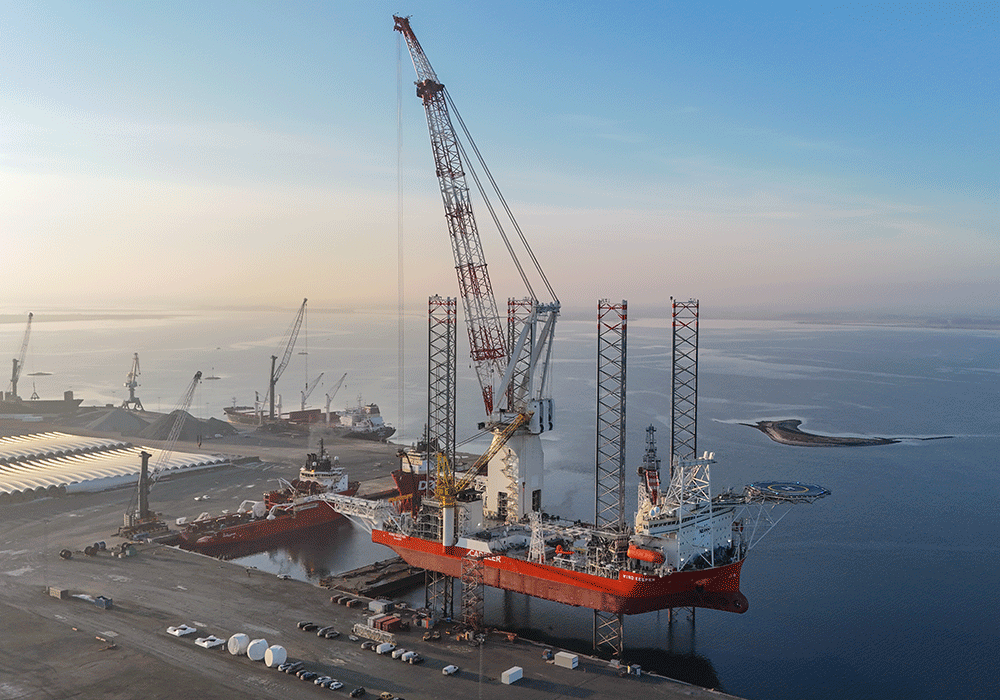
Brazil’s emerging offshore industry offers an alternative challenge for naval architects. The region’s shallow water will require redesigned vessels that will work in very different conditions to those experienced in Europe’s North Sea. Brazil’s offshore ships will look quite different from the platform supply vessels (PSVs) and anchor handlers (AHTS) currently in use there.
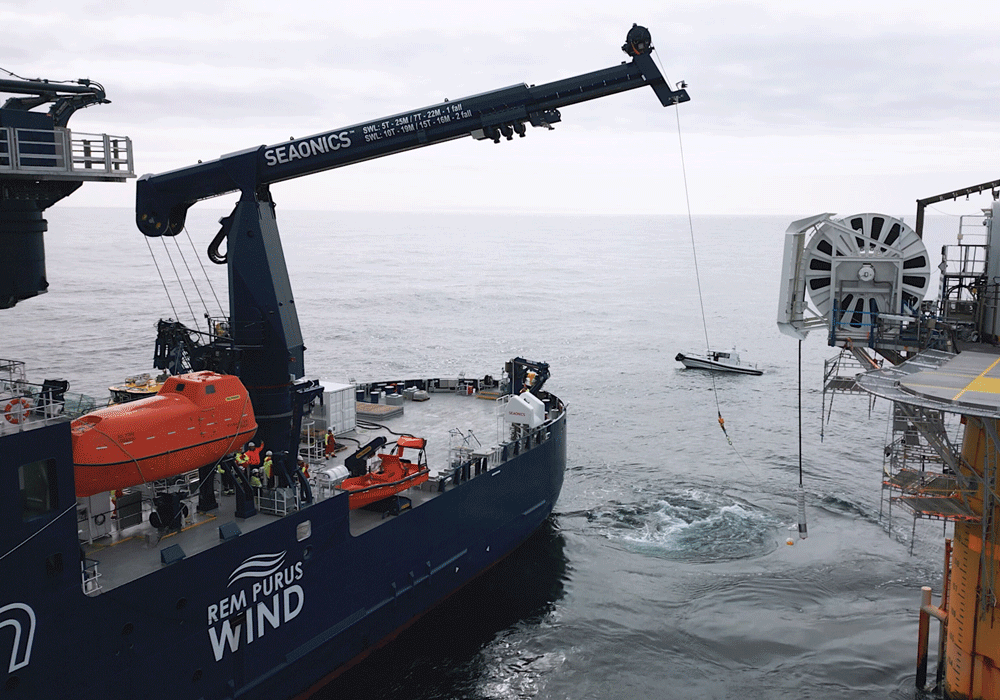
The levelised cost of energy has seen offshore wind dive well below fossil fuels. And following damage reports in the Middle East there is a chance that this situation will persist for some years. Oil is expected to remain around US$90/barrel, prompting European operators to develop electric solutions, charging support vessels on location at windfarm arrays.
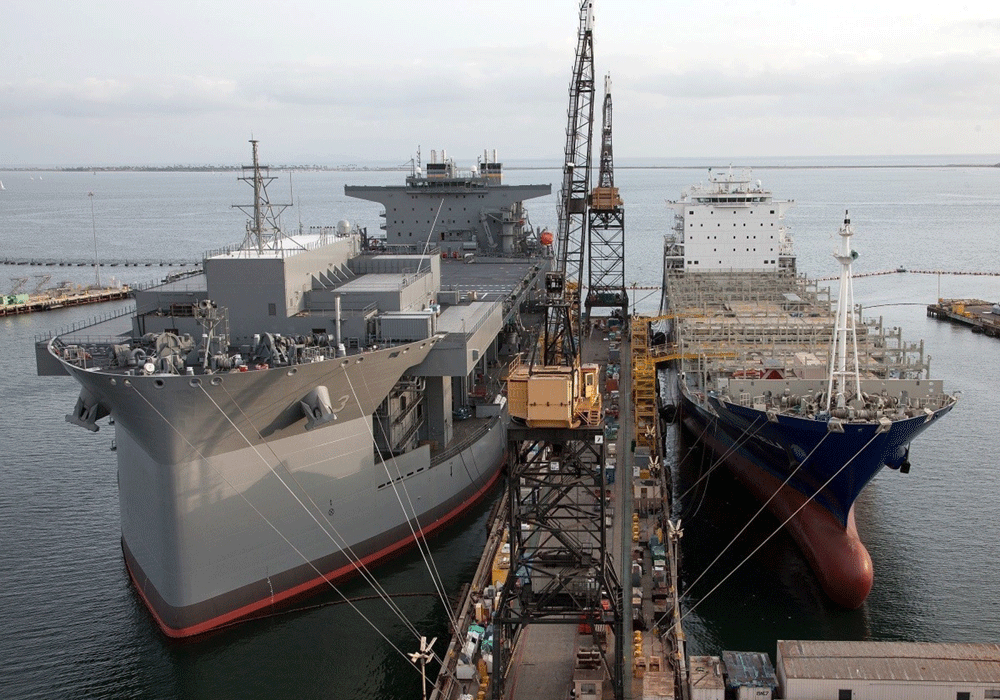
Making American Shipbuilding Great Again is a challenge that has been accepted by South Korean Yard Hanwha, with its investment in the Philly Yard. To resuscitate the industry will need a major effort, but it could start with the smaller, less complex vessels operating in offshore wind and could provide an opportunity for naval architects too.
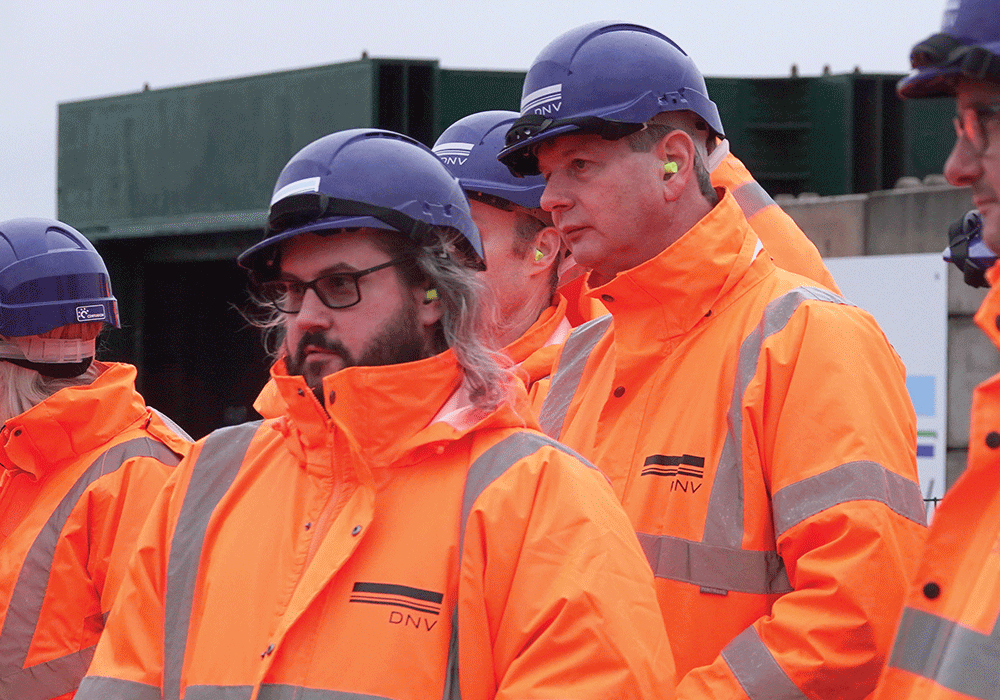
The shift from heavy fuel oil to low-carbon alternatives promises deep emissions cuts but it also introduces a new generation of safety challenges. The challenge now is ensuring the industry meets its decarbonisation goals without compromising on safety.
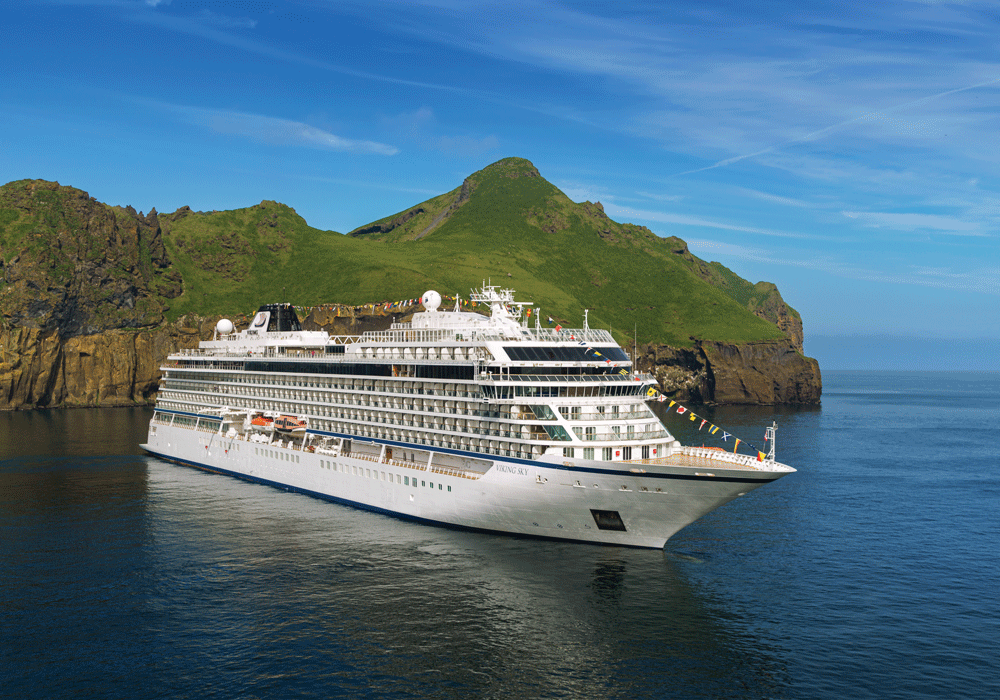
Hydrogen is moving from pilot projects to mainstream maritime adoption, with landmark vessel orders and emerging bunkering hubs signalling growing industry confidence.
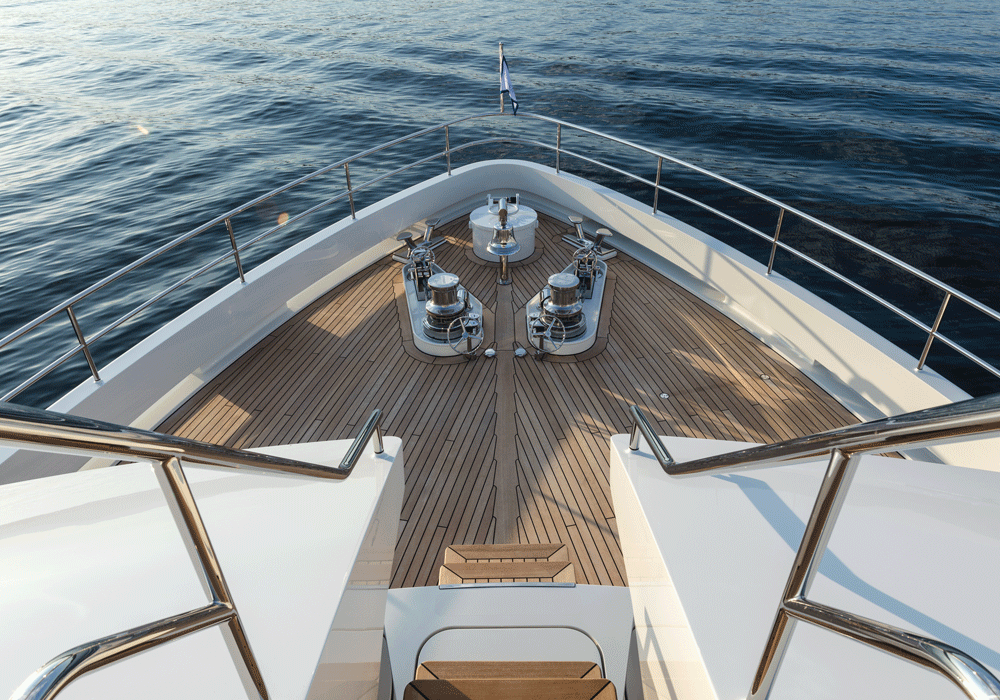
As vessel designers push the boundaries of space and efficiency, the humble anchoring system is increasingly caught in the squeeze.
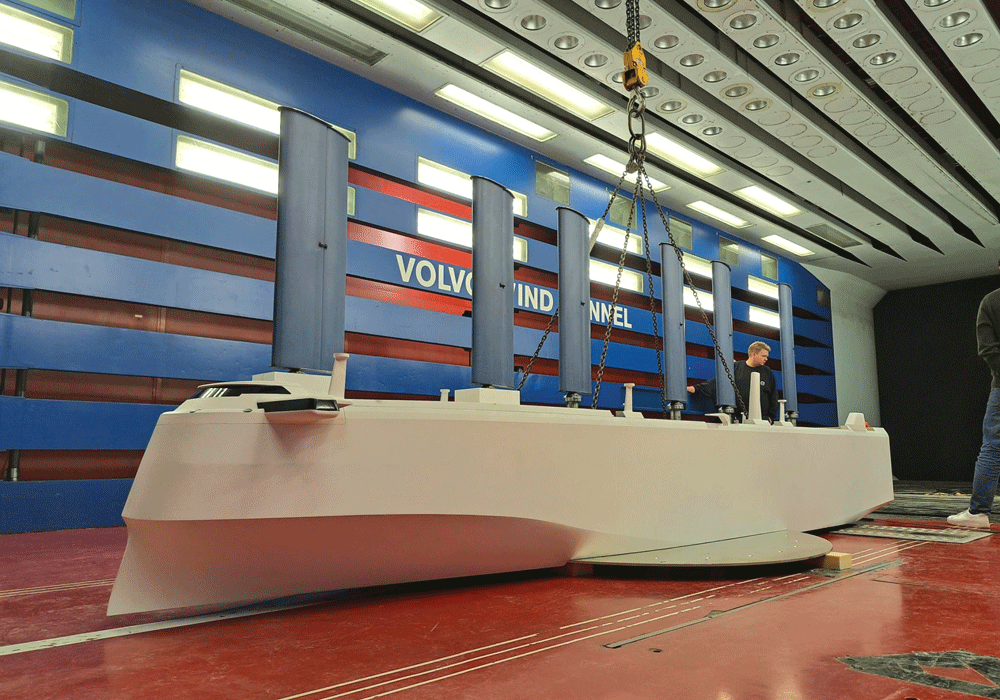
DNV’s senior principal engineer, Hasso Hoffmeister, examines the evolution of wind-assisted propulsion systems, and what comes next.