Test event
Date To Be Confirmed
The Brazil Branch is chaired by Paul Jobson, with Edit Walsh as secretary. Both of whom are long-standing RINA members and will be very happy to speak to you about any aspect of the Branch and its activities.
Contact

We are always looking for Members to contribute, whether through supporting the management of the Branch, volunteering at events, or with speaking, training, webinars, STEM activitites for local schools universities, and even mentoring our younger members. Any and all ideas for the Branch events programme and more are very welcome and we look forward to seeing you at our Branch Meetings soon.
Contact
Lorem ipsum dolor sit amet, consectetur adipiscing elit. Integer dignissim, ante ac molestie mattis, enim est ornare justo, vitae commodo sapien eros in arcu. Fusce ligula nisl, venenatis vitae tristique eget, fermentum ac quam.

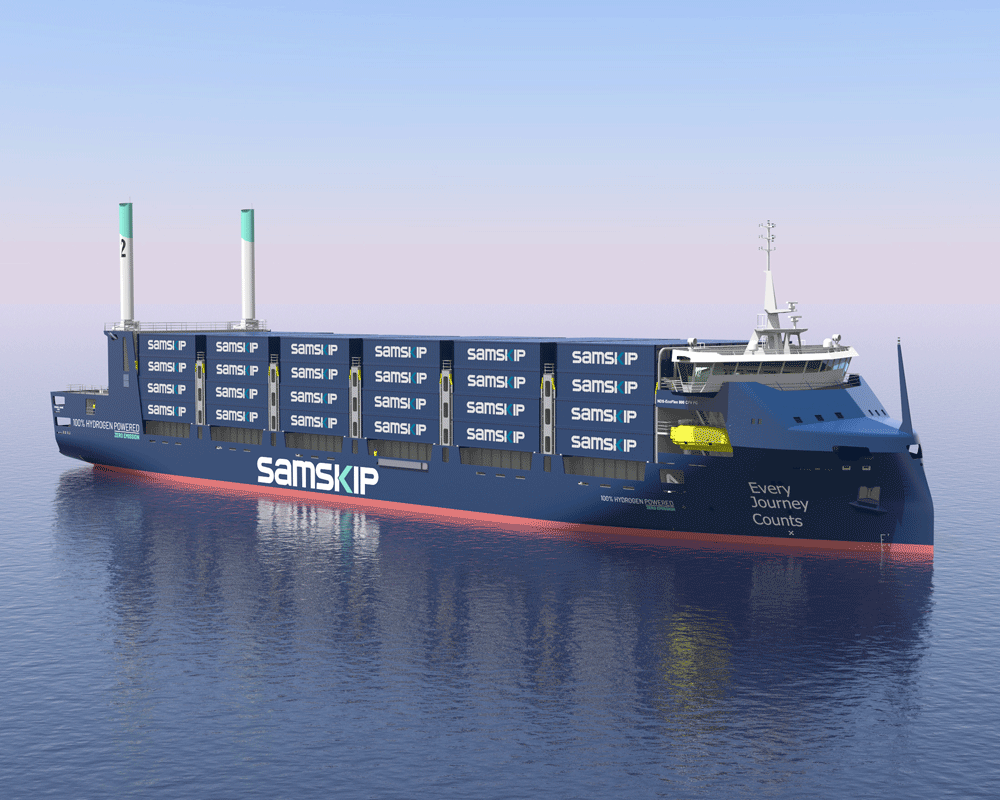
Delivering maritime fuel cells that can drive deepsea shipping is not only within reach but is inevitable according to some.
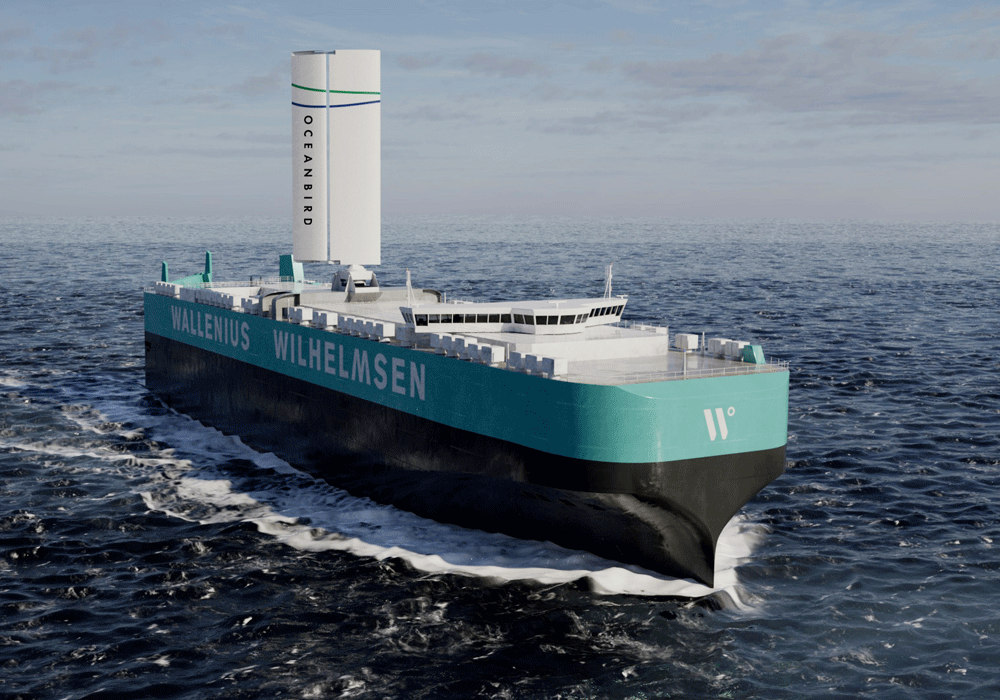
Maritime wings are taking off! The latest design from Alfa Laval and Wallenius Marine is promising to make wind the primary source of vessel power.
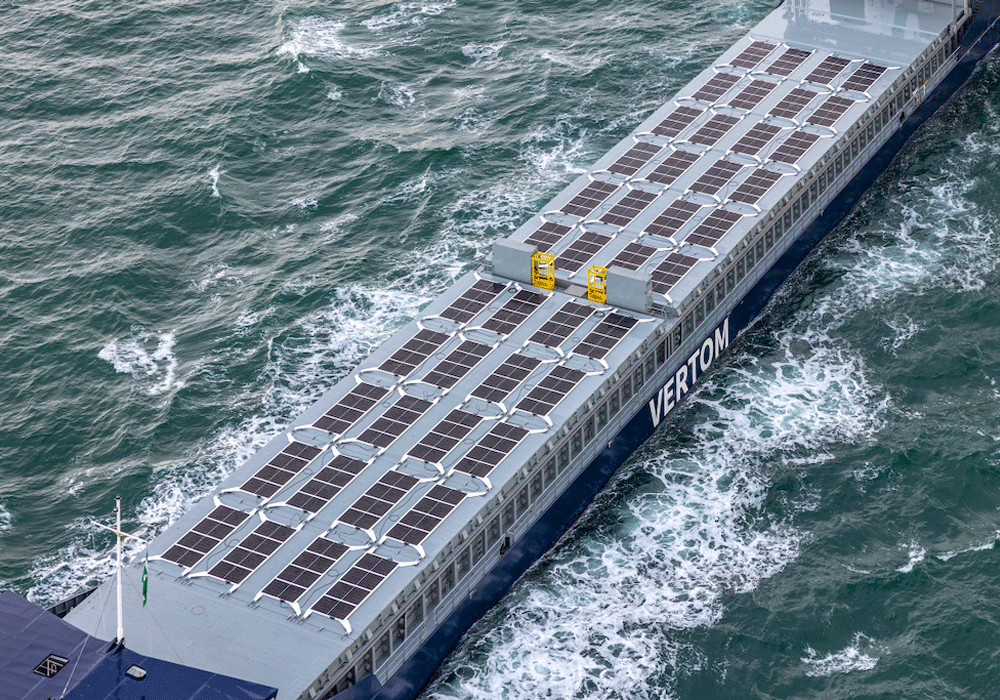
Solar power has finally found its way onto ships. Slow uptake of solar energy is seen as surprising. Coastal shipping is showing that solar can improve efficiencies.
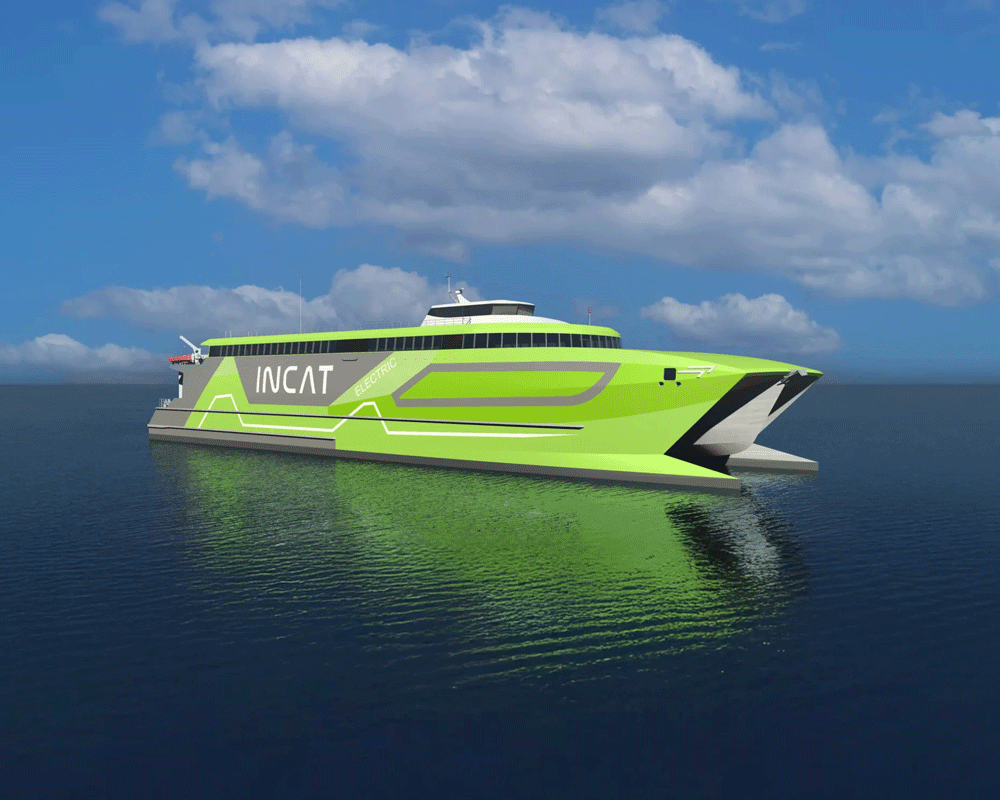
Incat and Echandia are demonstrating how working closer together on modular battery integration, collaborative vessel design and whole-system engineering is working to future-proof ferries as technology and infrastructure evolve.
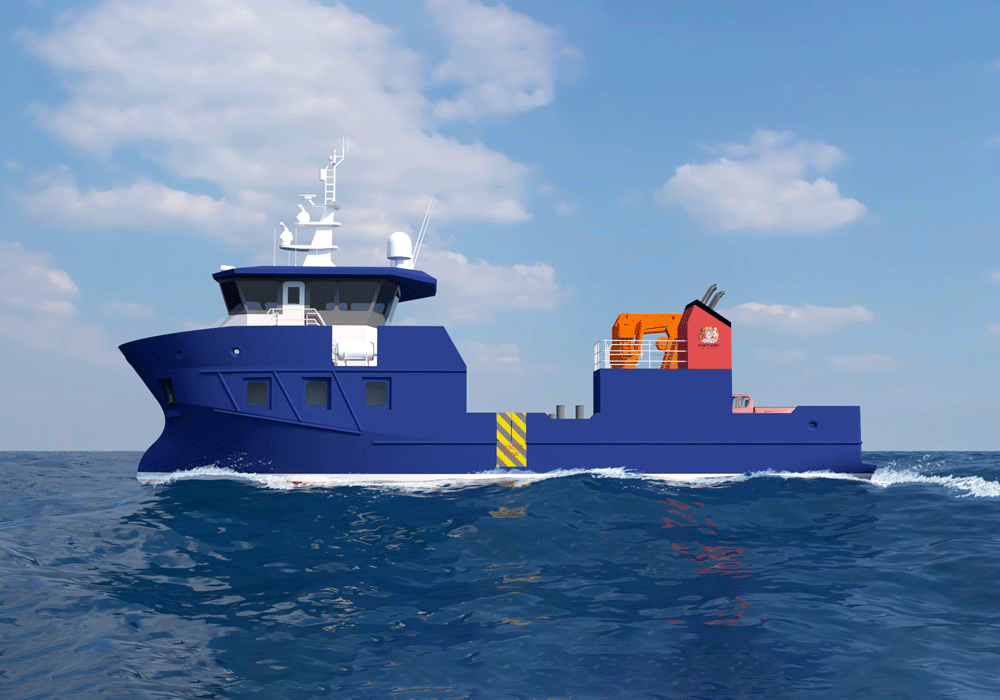
Chartwell Marine is expanding its work in the fast passenger ferry market, drawing best practice from CTV design. Its low-wake ferry hullform is a direct response to how electrification has fundamentally changed vessel design.
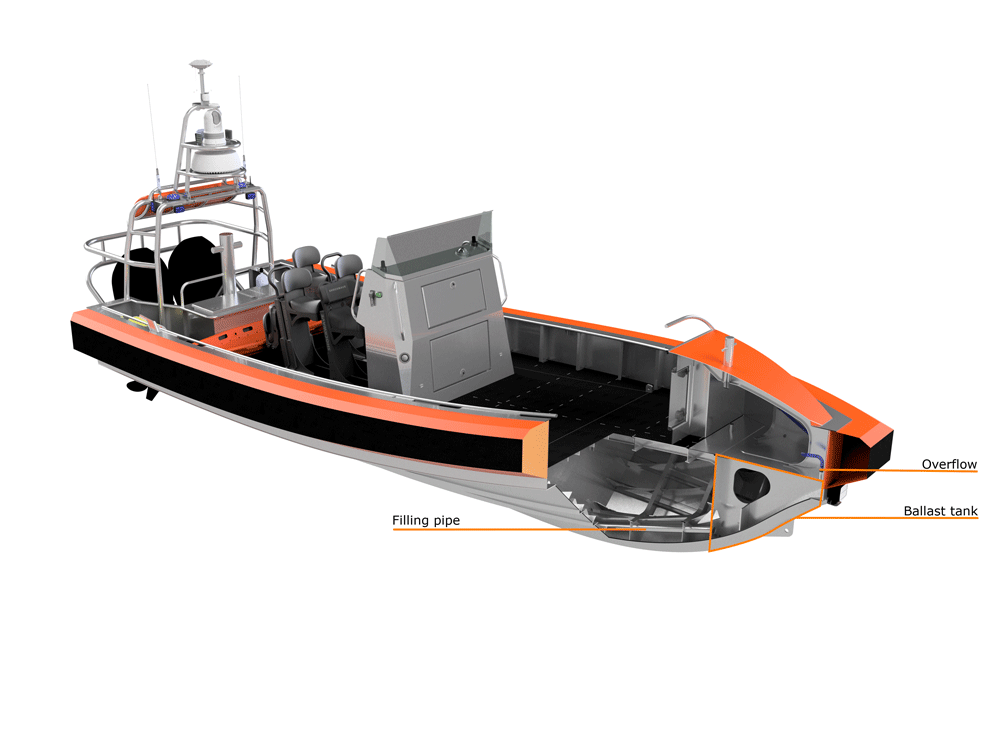
Salmon Marine’s Wavebreaker dynamic ballast system, originally conceived for offshore racing powerboats, has evolved into a design solution for reducing vertical accelerations experienced by crew and passengers operating at speed.
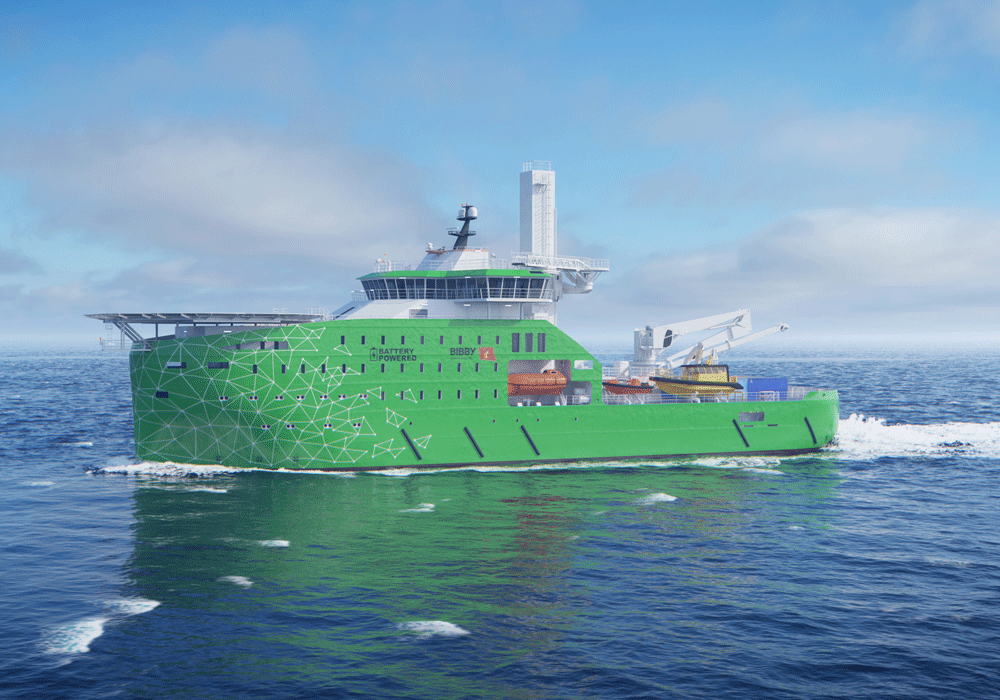
Fully electric, eCSOV’s are being designed in Spain for Bibby Marine. Battery power, with enough energy to power a CSOV for 24hours, will increase efficiency and cut costs according to the company. New and more thermally stable batteries will aid the transition.
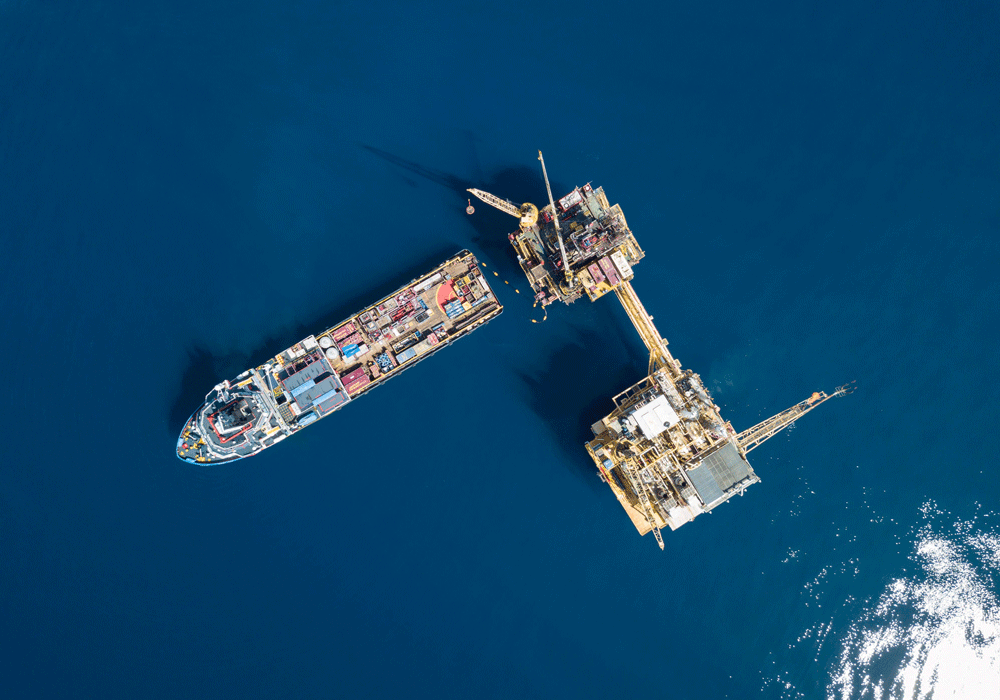
Power generation and offshore support vessels are both in the frame to benefit from fourth-generation small modular nuclear reactors. Ulsteinvik and Island Offshore explore the possibilities.
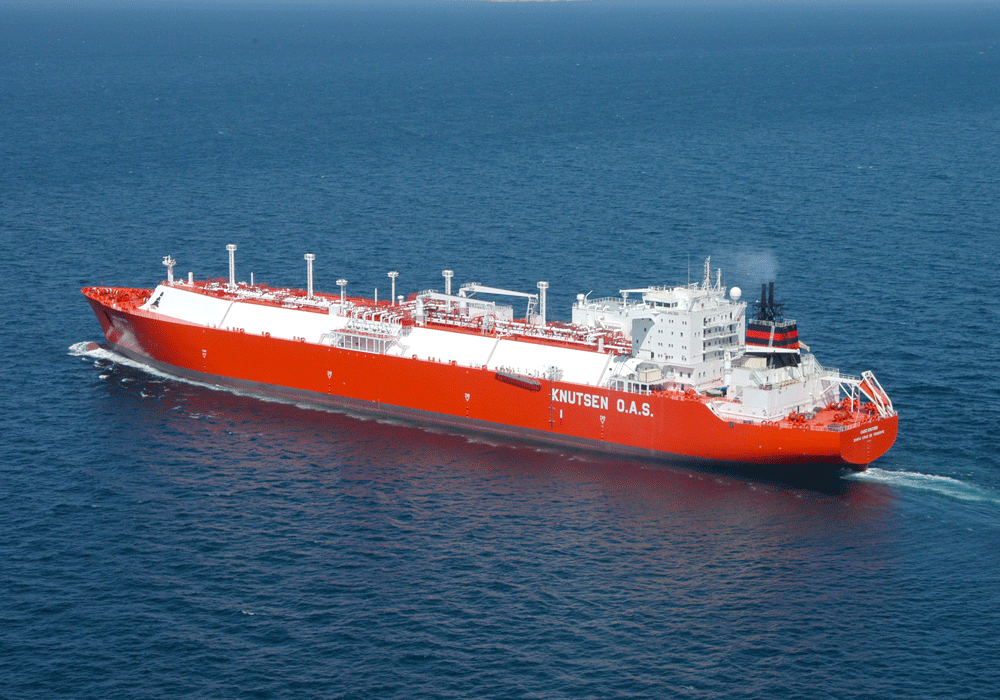
Deeper, more exposed and less accessible fossil fuel reserves require more sophisticated offshore support vessel designs. With floating LNG increasingly in demand to help access and process fuels.
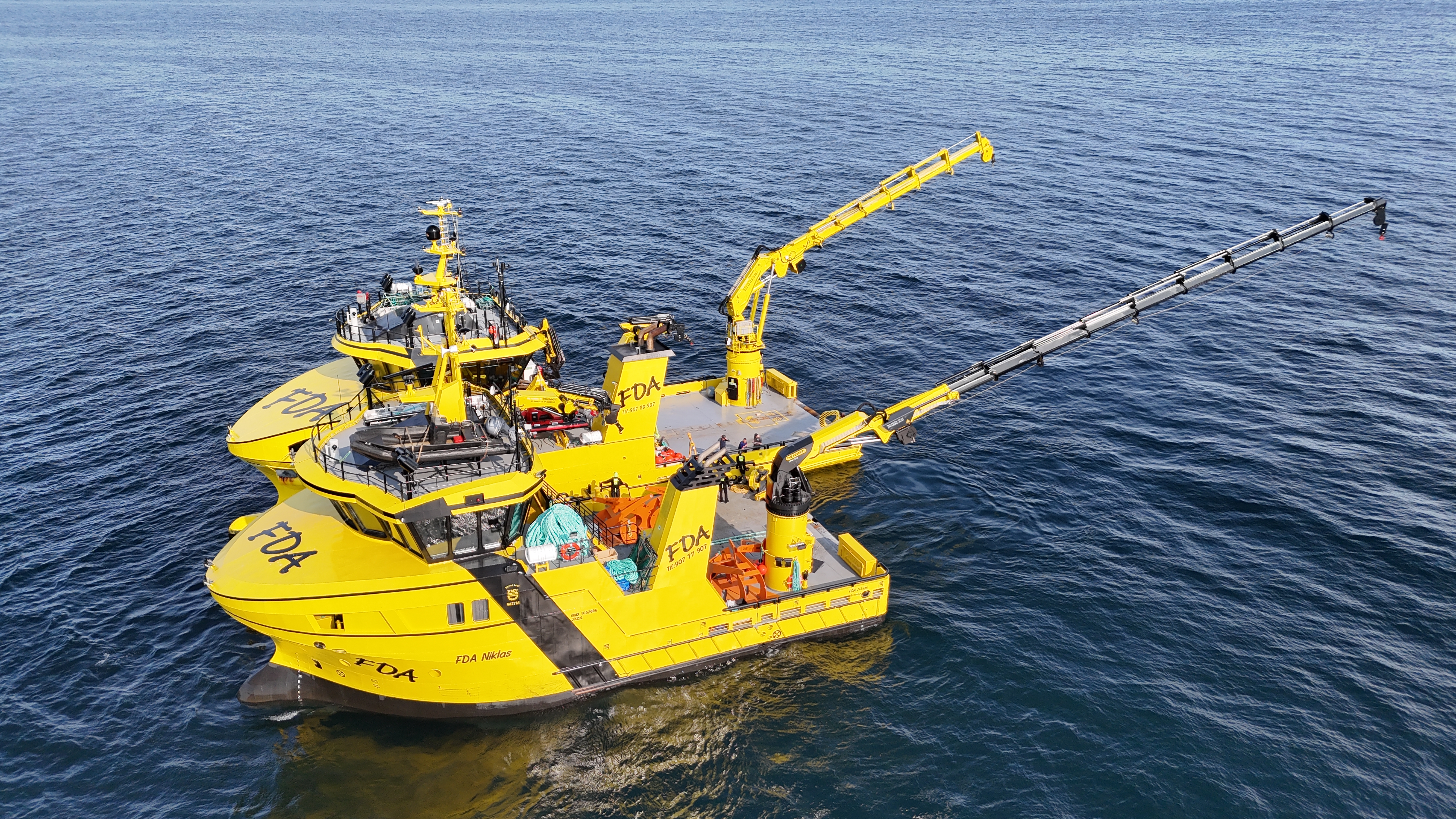
When the global maritime industry gathers at SMM in Hamburg from September 1st to 4th, PALFINGER will showcase its comprehensive portfolio of deck equipment, lifesaving appliances, and service solutions designed to support safe, efficient, and reliable operations at sea.
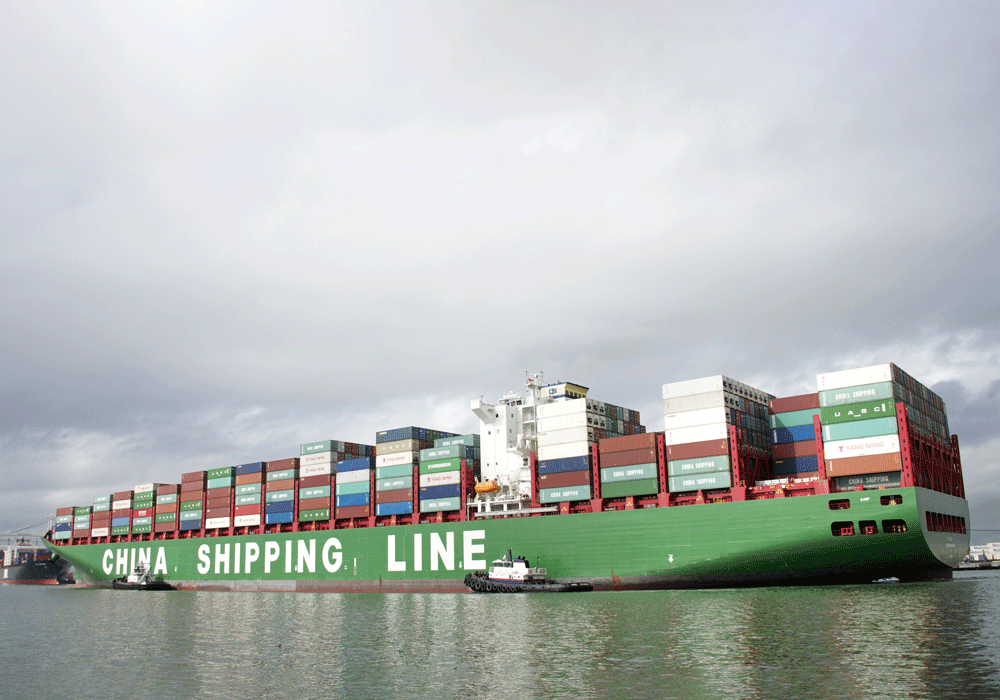
Vessel owners of 10-year-old ships are going through a mid-life crisis. To retrofit or not to retrofit, that is the question? Can investments in energy savings be recovered in these not old, but not new ships.