

Ship Repair & Maintenance
Ship Repair & Maintenance is a window into vessel lifecycle management, focusing on the latest technical advancements, regulatory requirements, and best practices in maintenance and repair operations.
Topics such as condition-based and predictive maintenance, hull integrity, corrosion control and propulsion system overhauls will be explored, in addition to the application of digital tools in maintenance diagnostics and planning. Ship Repair & Maintenance will also follow market trends and the distribution of work across the world.
LCO2 cargo management evolution
Offshore Technology (Newsletter)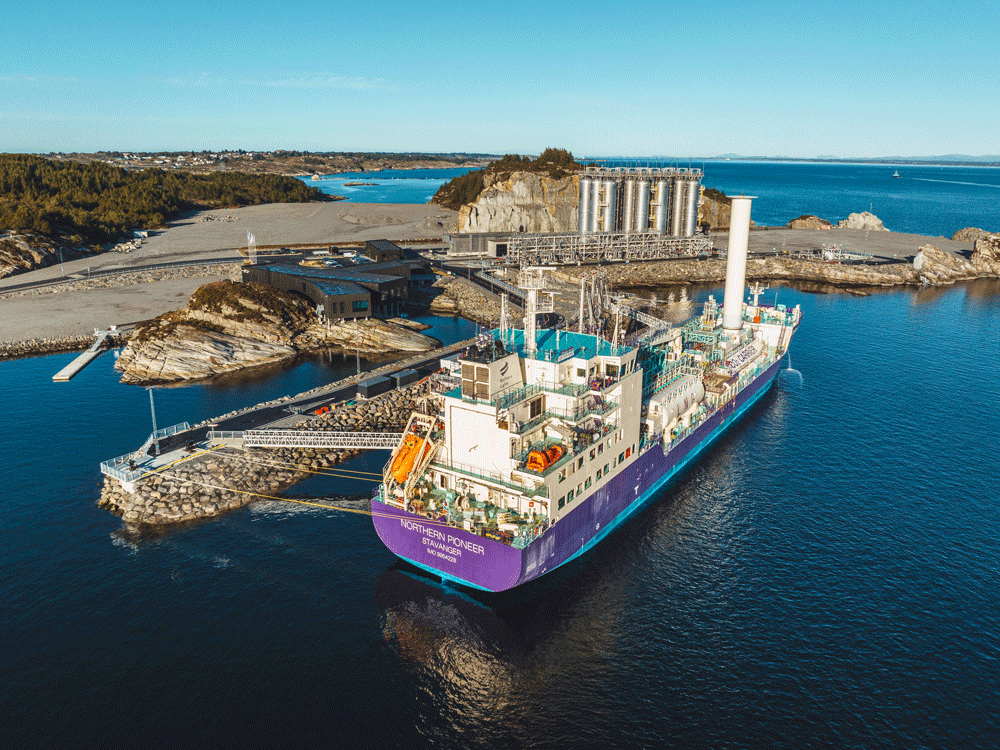
LCO2 carrier Northern Pioneer, a new breed of gas carrier (image: Northern Lights JV)
Carbon capture and storage is expected to play a major role in the decarbonisation of shipping and other industries. Whether that captured carbon is sent for permanent storage or is purified for further industrial use, specialist vessels will need to be built to ship the gas.
Flexible FLNG's star is rising
Offshore Technology (Newsletter)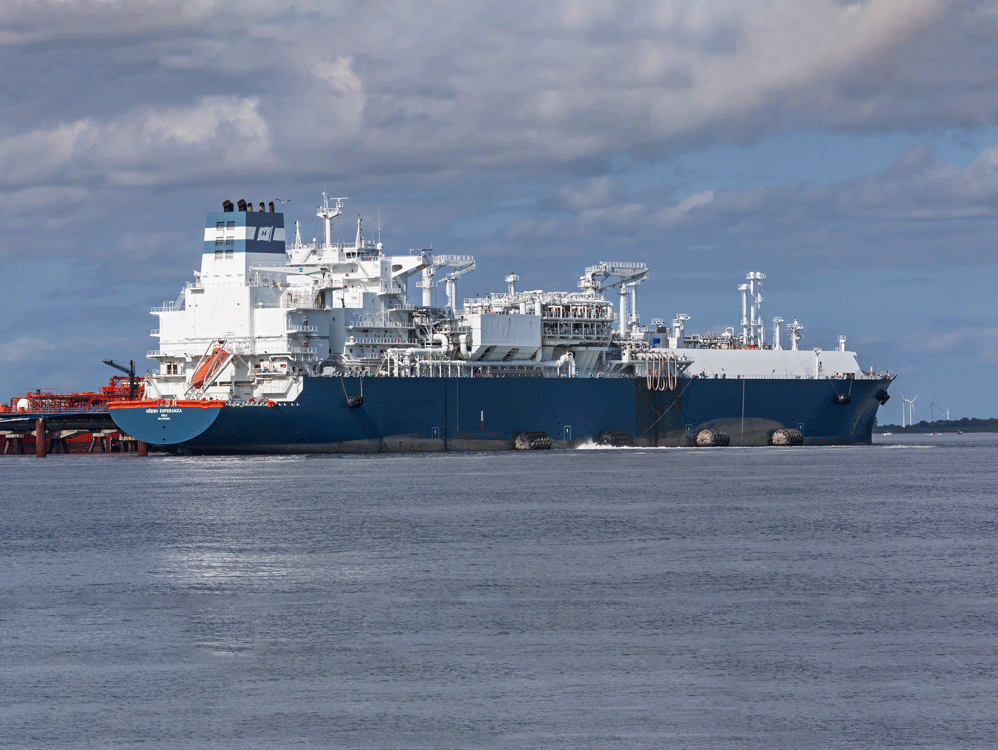
Höegh Esperanza FLNG unit at Wilhelmshaven (image: Shutterstock)
Converting LNG gas tankers to floating LNG storage units is a complex business. It requires merging ship design with LNG industry processing equipment arrangements, with stability and weight key issues.
Floating data centres: an offshore solution to onshore concerns
Offshore Technology (Newsletter)
Lloyd's Register, SHI and Capital Clean Energy Carriers Corp sign an MoU to collaborate on an FDC design (image: Lloyd's Register)
Data centres are a drain on critical power and water supplies, raising concerns about competing costs for resources. Floating data centres can solve many of the concerns around this technology.
Royal Navy tests seabed defence tech with AUKUS allies
Warship Technology (Newsletter)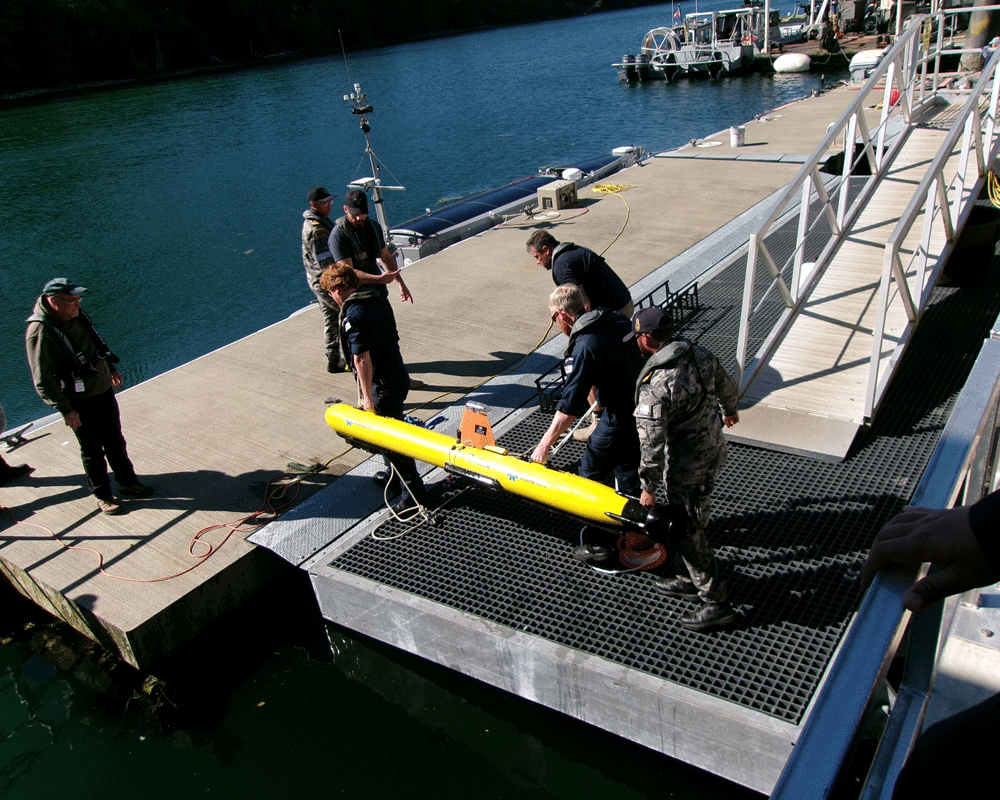
The Teledyne Gavia autonomous underwater system (image: Royal Navy).
The Royal Navy has completed a six-week AUKUS Pillar 2 trial with the US and Royal Australian Navies, testing uncrewed technology to protect critical undersea infrastructure off the US coasts and southwestern Australia.
Submarine maintenance utilises 3D printing
Warship Technology (Newsletter)
QinetiQ has installed an additive manufacturing facility at HM Naval Base Clyde, enabling submarine components to be printed and delivered dockside on demand.
A five-class challenge for UK naval design
Warship Technology (Newsletter)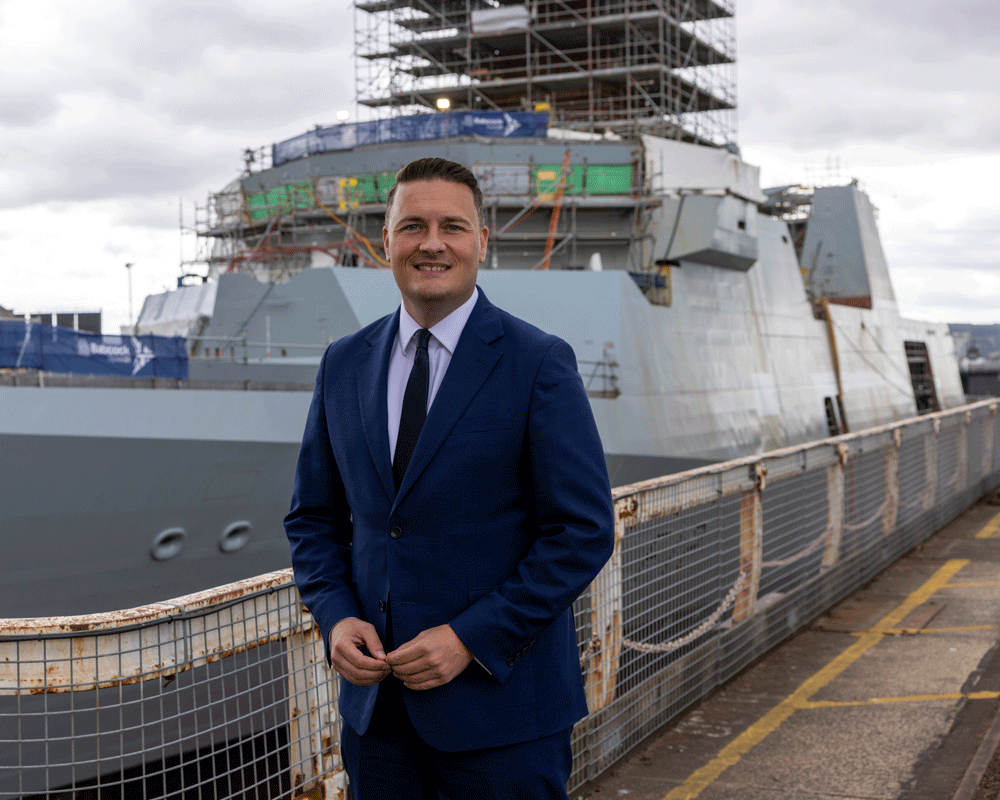
Secretary of State for Defence Wes Streeting at Babcock's Rosyth facility (image: Corporal Ryan Murray, UK MoD. Crown copyright 2026).
Naval architects face a compressed design programme under the UK's £300bn Defence Investment Plan, which replaces the Type 83 destroyer with the Common Combat Vessel, a hybrid warship coordinating four new uncrewed classes.
Shallow reckoning
The Naval Architect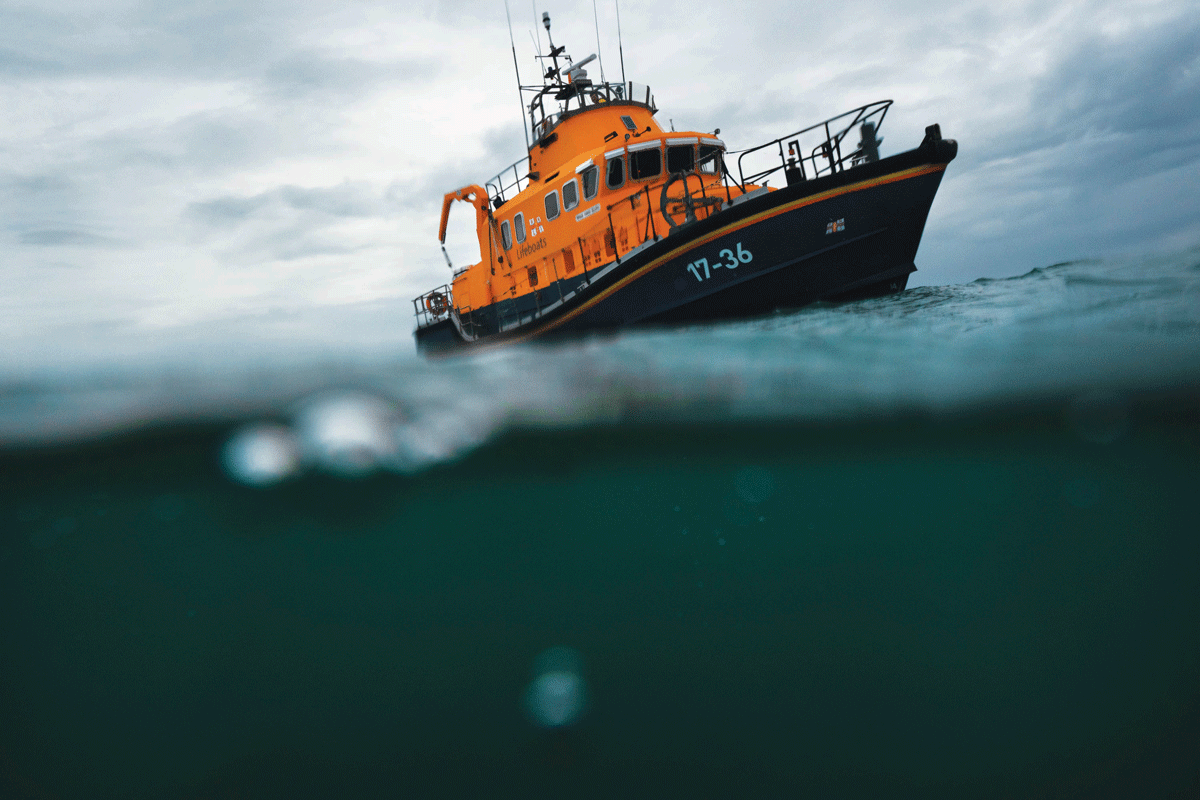
The RNLI has saved almost 150,000 lives since it was founded in 1824 (image: RNLI).
Amy McLellan examines how the RNLI, now entering its third century, is reconfiguring its fleet and redesigning its inshore rescue capability to reflect changes in how we use the sea.
The unmanned edge
The Naval Architect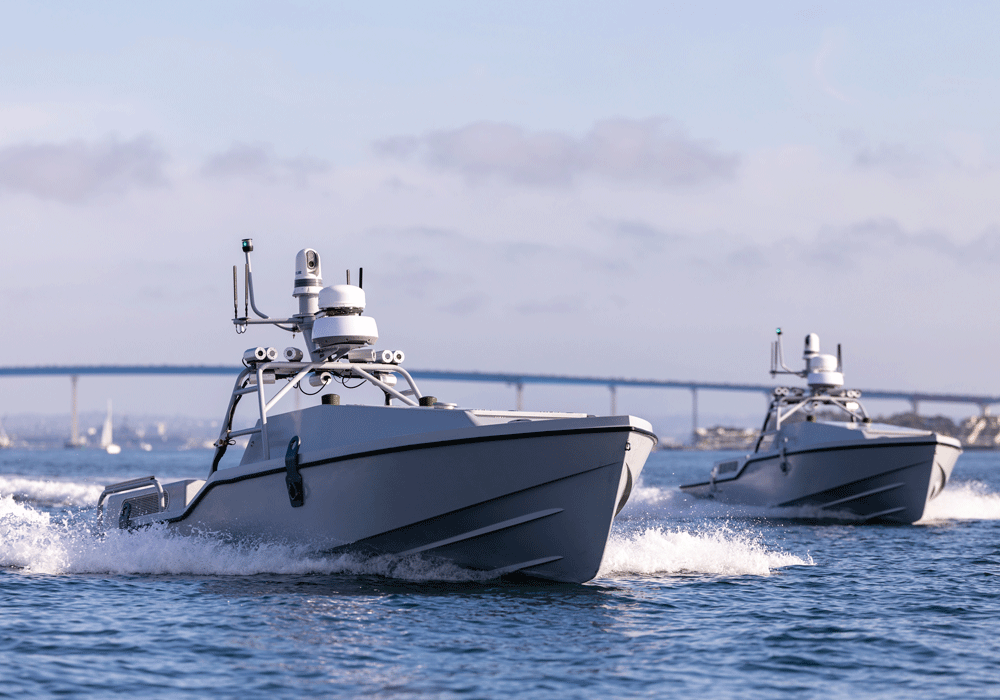
The future of maritime patrol missions lies in smart and scalable autonomous fleets, with naval architects key to driving their performance, explains Martin Conway.
Blackout in Cook Strait
The Naval Architect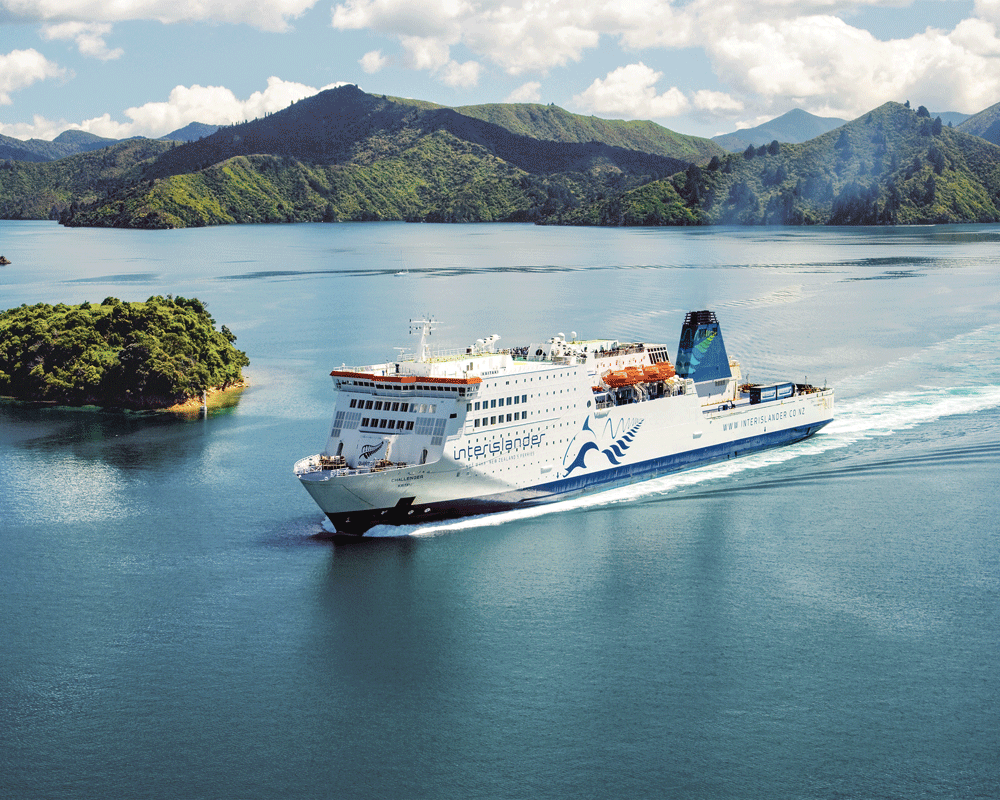
Kaitaki in the Marlborough Sounds on a regular Cook Strait crossing (image: Kiwirail Limited)
A rubber expansion joint, years overdue for replacement, triggered a complete blackout on the Interislander ro-pax ferry Kaitaki off Wellington Harbour in January 2023. Iain MacIntyre reports on the investigation, the prosecution and the questions that remain.
How members can make a difference
The Naval Architect
Annabelle Ransome-Williams FRINA, President of Royal Institution of Naval Architects
RINA President Annabelle Ransome-Williams urges members to strengthen the Institution’s global community by volunteering, sharing ideas and supporting membership growth, advisory committees and future professional collaboration.
The facts on fission
The Naval Architect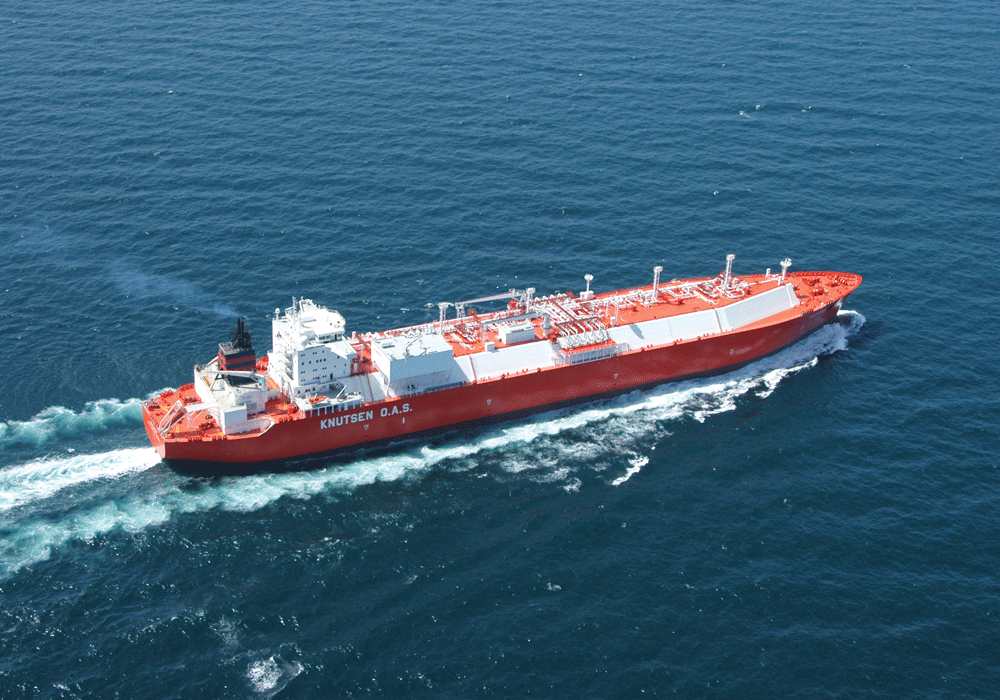
Knutsen is installing two KP-FHRs on its LNG carrier Cadiz Knutsen (image: Knutsen)
Vessel owners are being urged to look at nuclear power to decarbonise shipping, with the promise of almost limitless power and zero emissions. But, are the proponents of atomic energy downplaying its limitations?
Opinion: MASS code moves the industry along
The Naval Architect
Cristina Saenz de Santa Maria, CEO Maritime, DNV
Cristina Saenz de Santa Maria on why autonomous shipping needs deployment with purpose, not technology for its own sake, and she charts the shift from trials to regulation.
Newsletters
Stay connected with the global maritime community through RINA’s newsletters.
Whether you are a member or not, you can receive updates from The Naval Architect, alongside selected RINA news, events and industry insights. Members also gain access to a wider portfolio of exclusive newsletters on key topics in the maritime industry.
- The Naval Architect (currently available to all members & non-members)
- Power & Sustainability (members-only)
- Ship Repair & Maintenance (members-only)
- Warship Technology (members-only)
- Ferries & Fast Craft (members-only)
- Offshore Technology (members-only)
