

Ship Repair & Maintenance
Ship Repair & Maintenance is a window into vessel lifecycle management, focusing on the latest technical advancements, regulatory requirements, and best practices in maintenance and repair operations.
Topics such as condition-based and predictive maintenance, hull integrity, corrosion control and propulsion system overhauls will be explored, in addition to the application of digital tools in maintenance diagnostics and planning. Ship Repair & Maintenance will also follow market trends and the distribution of work across the world.
Mentoring - Charting a course: from slide rules to cybersecurity
The Naval Architect
Martina (left) at CSC Jinling Shipyard, standing under the ro-ro ship Ephesus Seaways in 2018.
Two naval architects, more than four decades apart in their careers, sat down for The Naval Architect to discuss innovation, safety, mentoring and the future of the profession. Dr Tom Allan, former chairman of the IMO Maritime Safety Committee, and Dr Martina Reche-Vilanova, technical manager at North Windships, found they had much in common.
A triumph in Tanzania
The Naval Architect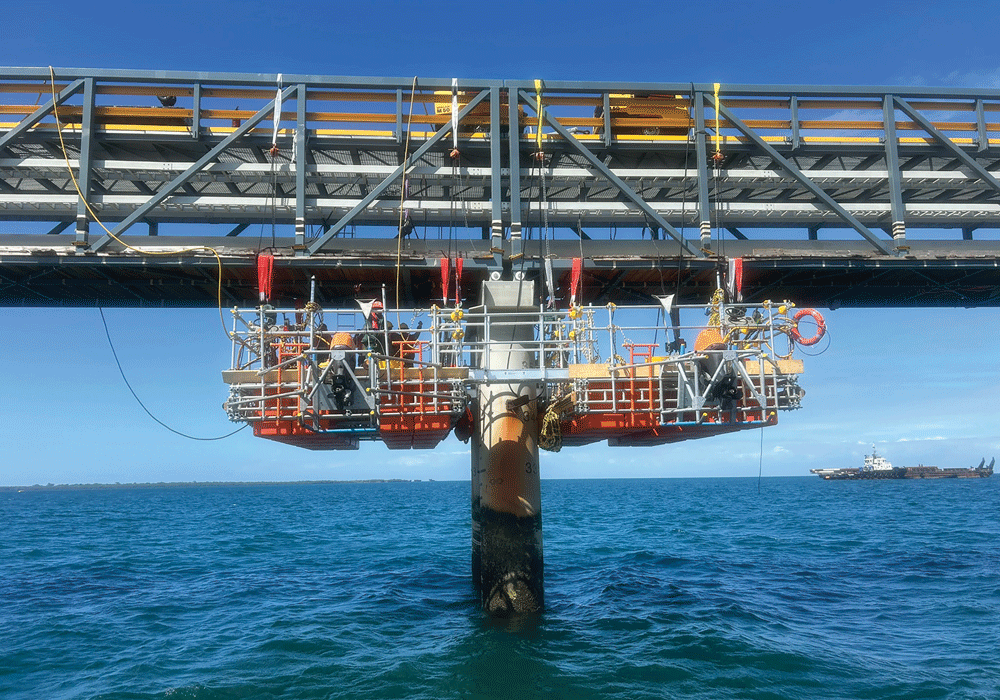
Image: ScaffFloat
Big Picture: ScaffFloat’s suspended pontoon system, in operation beneath a jetty in Tanzania, won two innovation awards at Seaworks 2026.
Opinion: Lean crewing and the need for trust
The Naval Architect
James Gladman MRINA, Expleo UK
James Gladman on how to maintain operational resilience and safety with a reduced headcount onboard naval ships.
RINA Developing Careers Champion 2026: Fatemeh Asadi
The Naval Architect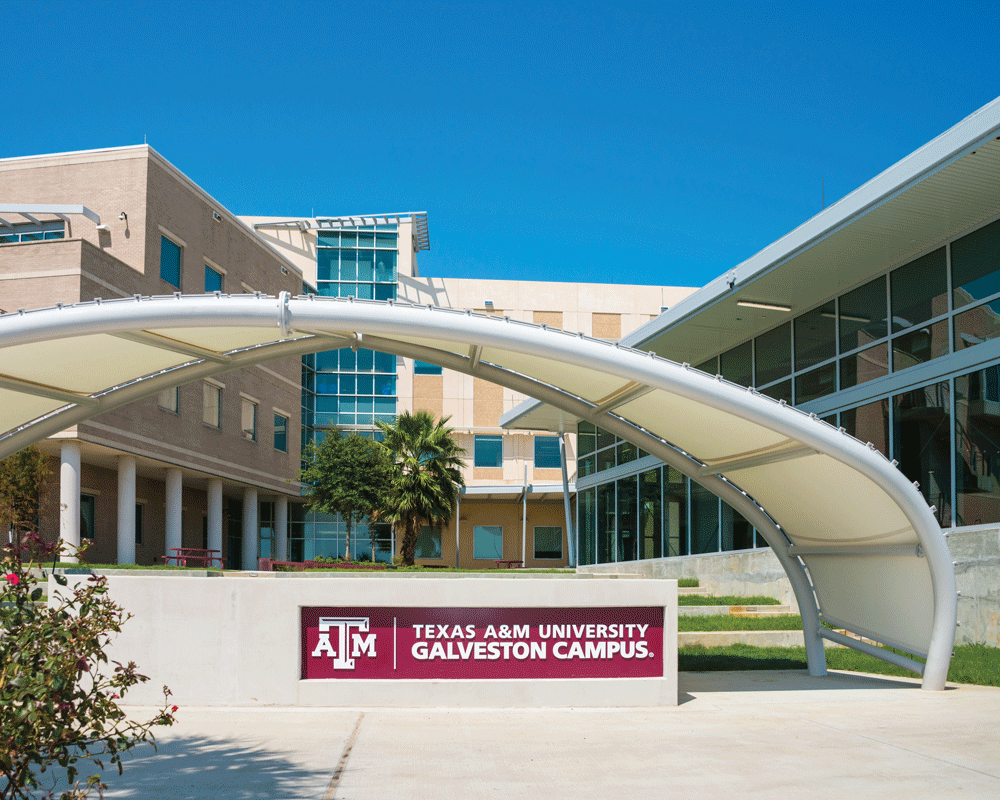
Asadi is a PhD student in ocean engineering at Texas A&M
The RINA Developing Careers Champion Award recognises individuals who promote maritime careers and create development opportunities beyond what is normally expected of them.
Data centres at sea cut carbon and water use
The Naval Architect
China has built the world’s first offshore wind-powered underwater data centre, while developers are also advancing floating and vessel-based data centre concepts.
ABB wins Spanish Navy propulsion contract
The Naval Architect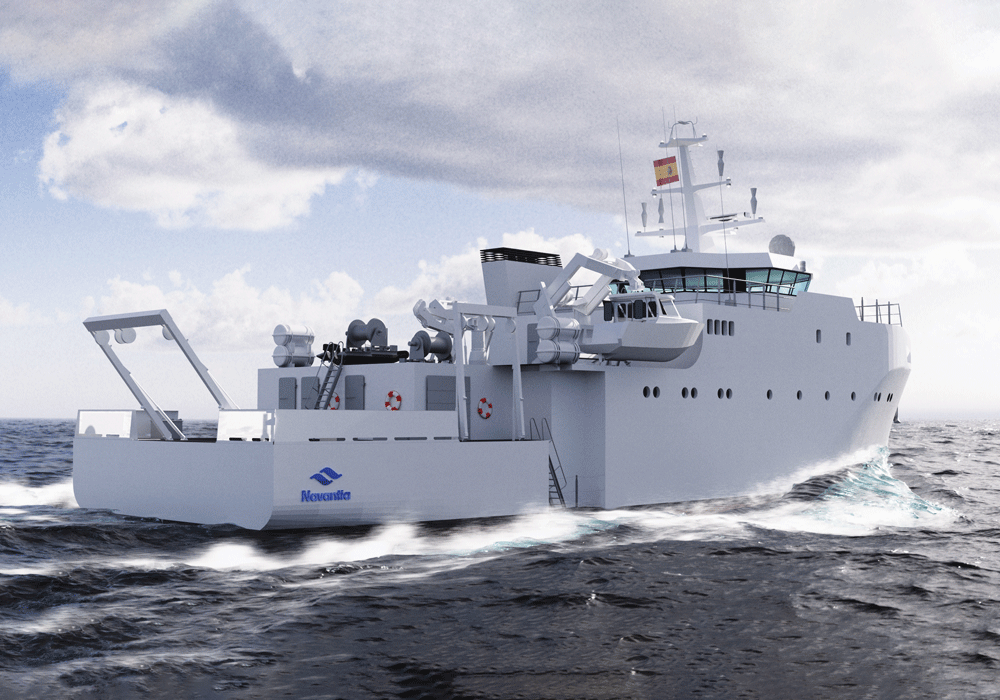
ABB systems will help Navantia-built ships map Spain's coastal waters (image: Navantia)
Swedish-Swiss multinational technology firm ABB has secured a contract with Spanish state-owned shipbuilder Navantia to supply two coastal hydrographic vessels for the Spanish Navy with a complete DC-based power distribution and propulsion system.
Innovations of yesterday shaping the ships of today
The Naval Architect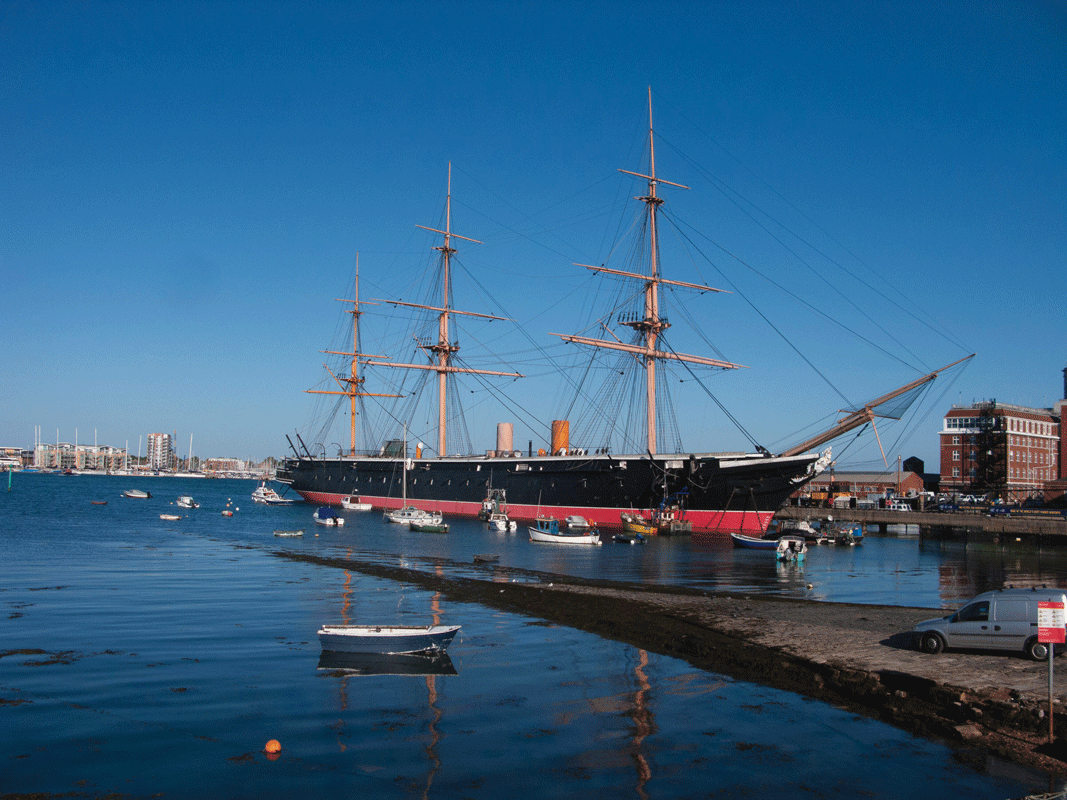
HMS Warrior, a 128m steam frigate with an iron hull (image: Alamy)
Bruno Cianci on engineering feats of the past that live on in the work of today’s naval architects and how one organisation is helping to preserve this maritime heritage.
IMO clears ammonia fuel safety framework
The Naval Architect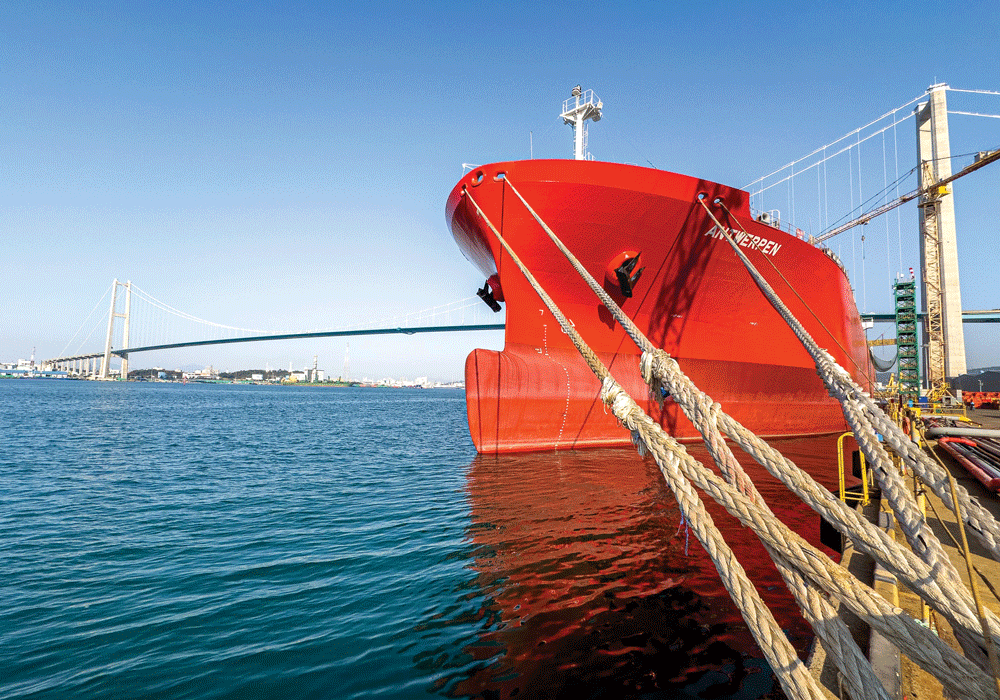
EXMAR's Antwerpen, an ammonia dual-fuel midsize gas carrier (image: EXMAR)
IMO-approved ammonia fuel guidelines give ship designers clarity on managing toxicity, safety and onboard operations.
Advanced biofouling management for floating wind farms
The Naval Architect
Alfa Laval's ultrasonic antifouling system (image: Alfa Laval Sonihull)
Alfa Laval, a Swedish firm that specialises in heat transfer, separation and fluid-handling technologies, has joined the ESOMOOR project, a European Union co-funded initiative bringing together industry and research partners to advance shared mooring technologies for large-scale floating offshore wind farms.
Rotor sails on bulk carrier pass eight-year survey
The Naval Architect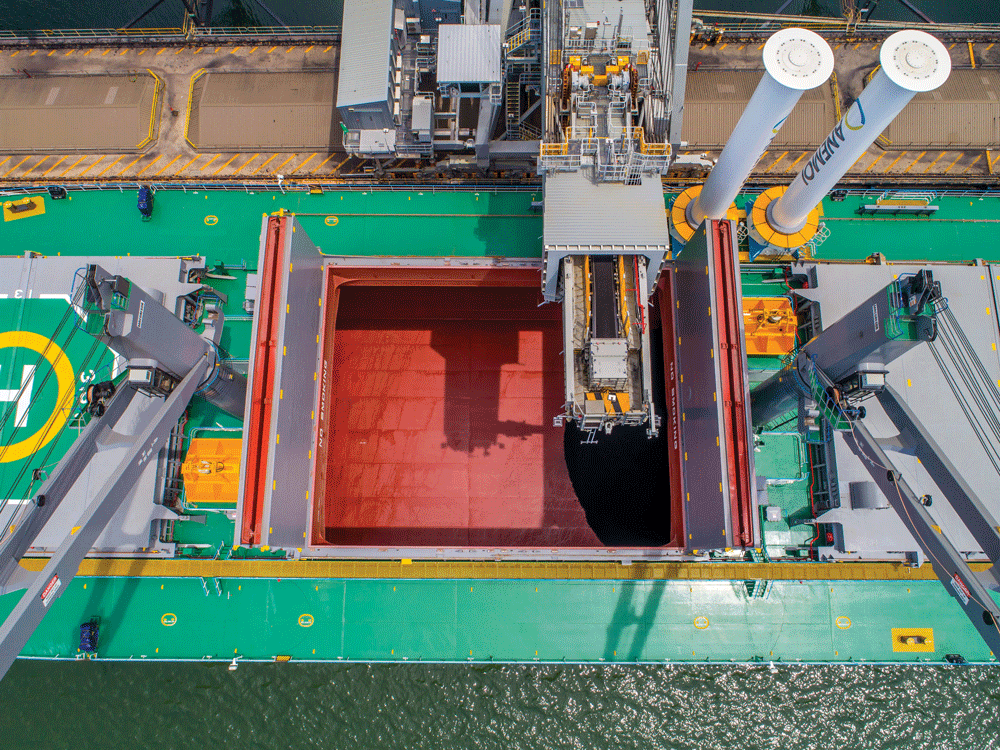
Aerial view of Afros during cargo operations, showing two Anemoi rotor sails positioned clear of the open cargo hold
Eight years on: Lloyd's Register survey confirms continued high performance and structural integrity of Anemoi rotor sails onboard Afros
An engine that makes its own hydrogen
The Naval Architect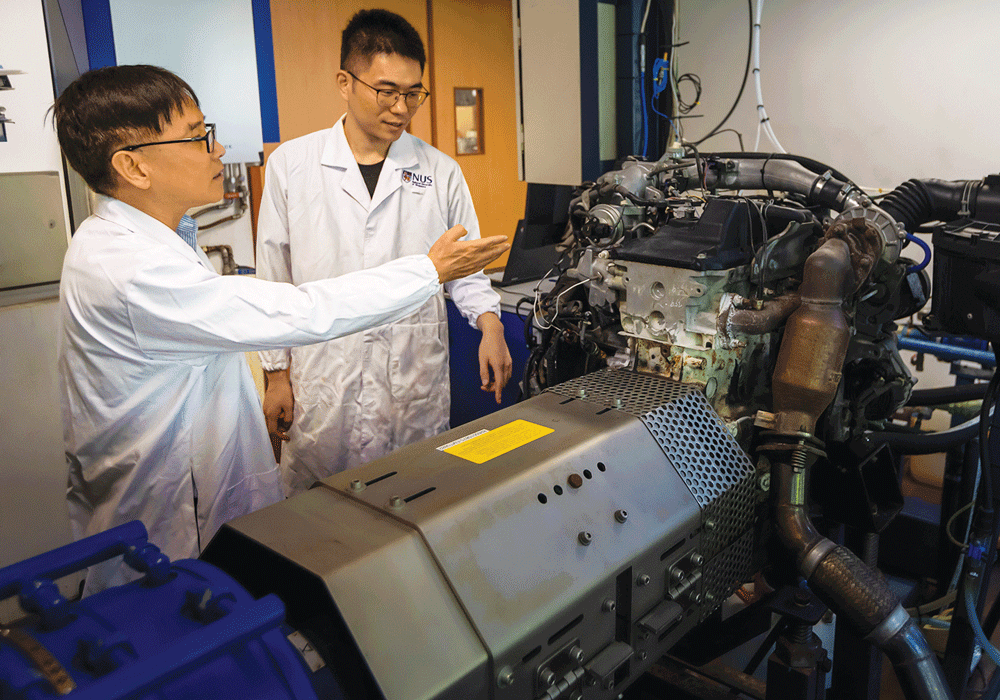
Yang Wenming and Zhou Xinyi in their laboratory
A new approach to ammonia-hydrogen marine propulsion could remove one of the most significant practical obstacles to zero-carbon shipping, say associate professor Yang Wenming and senior research fellow Dr Zhou Xinyi, from the College of Design and Engineering at the National University of Singapore
Classification society outlines Hydrogen recommendations
The Naval Architect
DNV recommended practice sets out hydrogen fuel competence requirements, providing technical guidance for training, risk management and safe vessel operations.
Newsletters
Stay connected with the global maritime community through RINA’s newsletters.
Whether you are a member or not, you can receive updates from The Naval Architect, alongside selected RINA news, events and industry insights. Members also gain access to a wider portfolio of exclusive newsletters on key topics in the maritime industry.
- The Naval Architect (currently available to all members & non-members)
- Power & Sustainability (members-only)
- Ship Repair & Maintenance (members-only)
- Warship Technology (members-only)
- Ferries & Fast Craft (members-only)
- Offshore Technology (members-only)
