

Home : News & Publications
The naval architect
The Naval Architect provides in-depth information on all aspects of vessel design, construction and engineering. Practical applications of latest technology and case studies are accompanied by analysis and foresights. Published every two months, the magazine covers everything from superyachts and short-hop ferries to tankers and heavy-lift vessels; from battery pack installations and sail-assisted solutions to LNG tank retrofits; and from offshore safety to warship resilience.
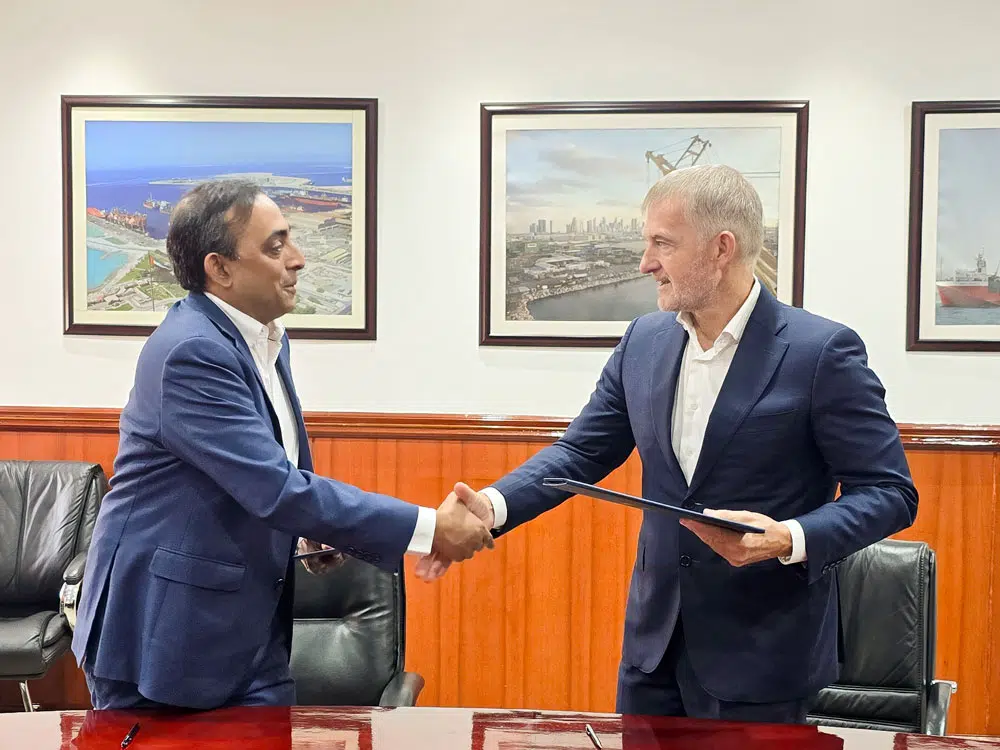




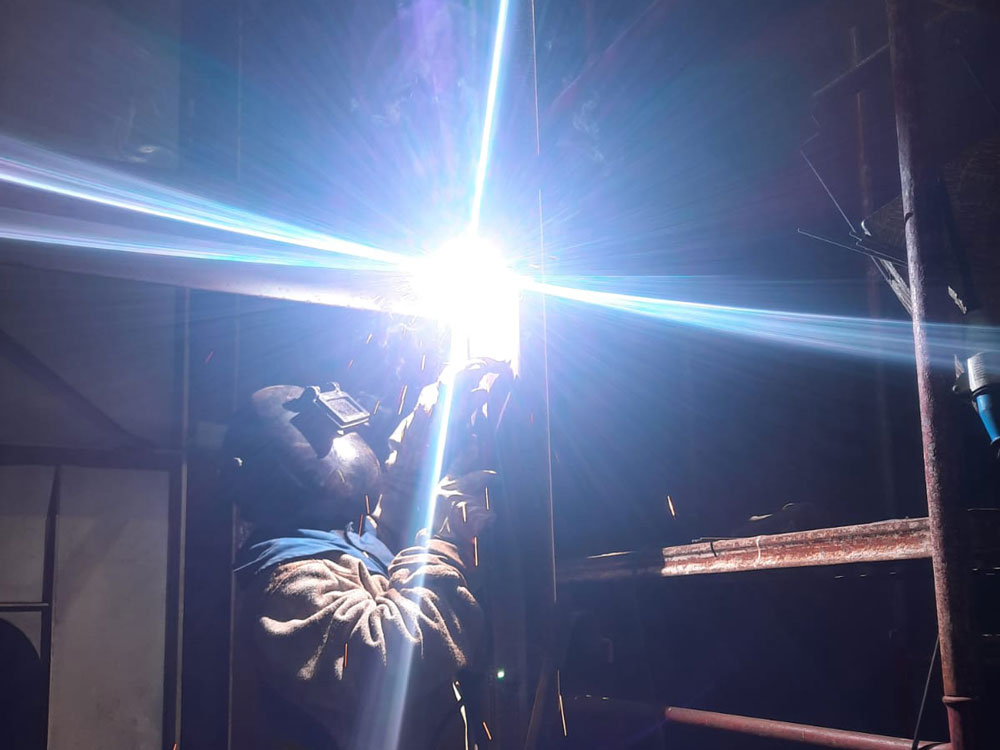

RINA unveils Maritime Cybersecurity Task Force
The maritime industry is playing catch-up on cybersecurity as the stereotypical perception of it as solely an IT issue has allowed hostile actors to gain the upper hand, says Dinos A. K. in The Naval Architect. Dinos' recent article tackles this misconception and what is being done to change things.
Latest News
Read stories from across our global community, including our new specialist e-newsletters across Power & Sustainability, Ship Repair & Maintenance, Warship Technology, Ferries & Fast Craft and Offshore Technology.
View All News Stories
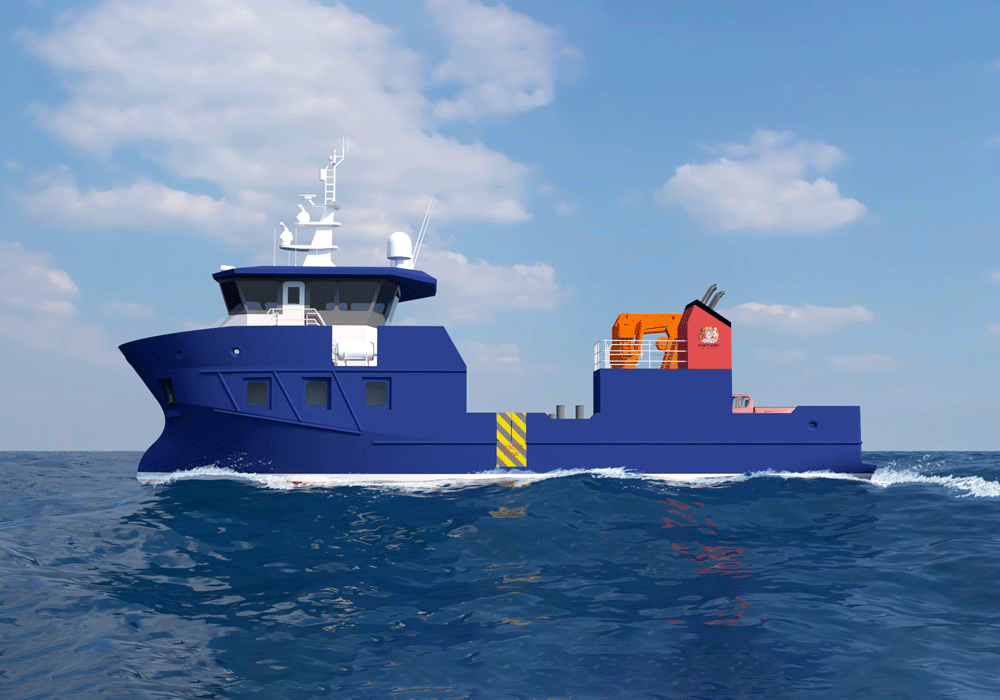
Naval architecture in the electric age
Chartwell Marine is expanding its work in the fast passenger ferry market, drawing best practice from CTV design. Its low-wake ferry hullform is a direct response to how electrification has fundamentally changed vessel design.
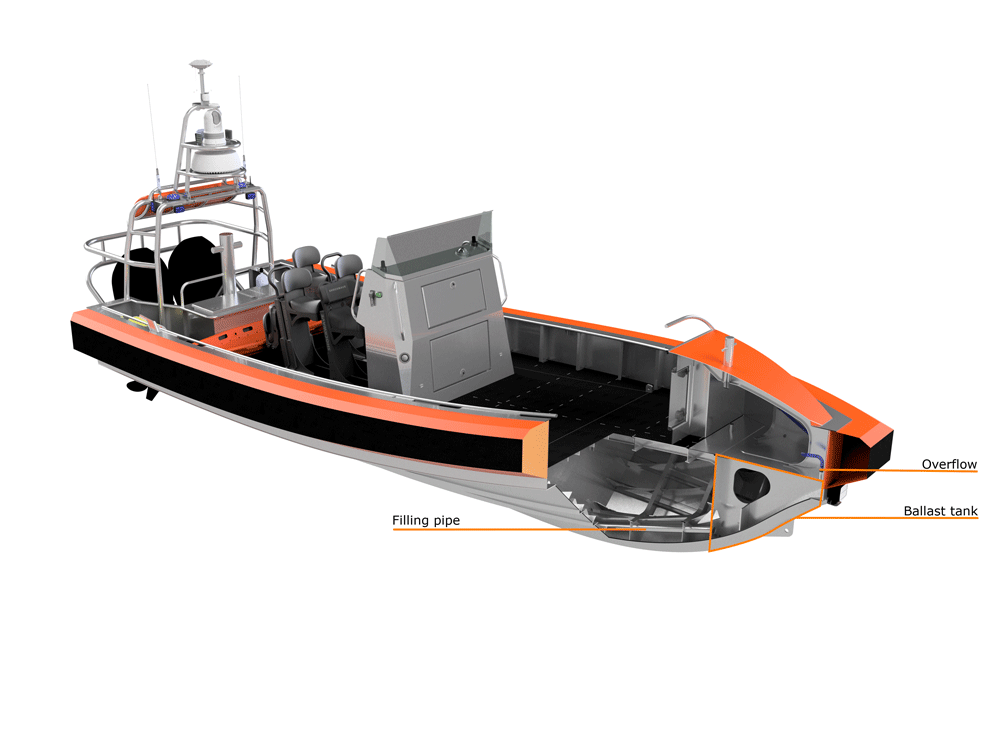
Simple physics with a significant impact
Salmon Marine’s Wavebreaker dynamic ballast system, originally conceived for offshore racing powerboats, has evolved into a design solution for reducing vertical accelerations experienced by crew and passengers operating at speed.
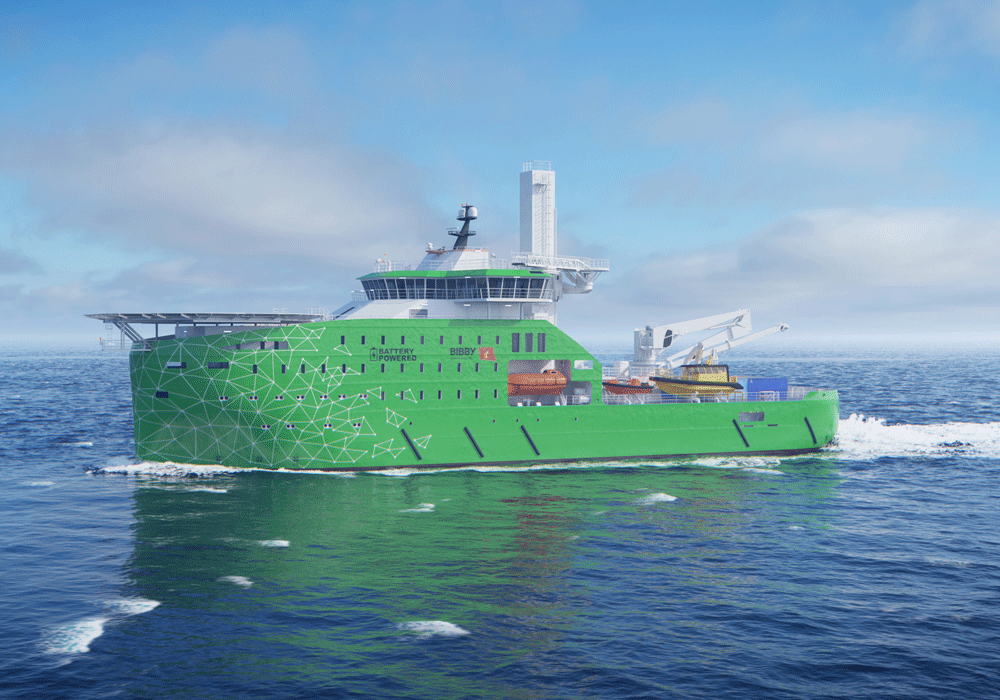
Bibby takes the fossil out of fuel
Fully electric, eCSOV’s are being designed in Spain for Bibby Marine. Battery power, with enough energy to power a CSOV for 24hours, will increase efficiency and cut costs according to the company. New and more thermally stable batteries will aid the transition.

Offshore ships going atomic
Power generation and offshore support vessels are both in the frame to benefit from fourth-generation small modular nuclear reactors. Ulsteinvik and Island Offshore explore the possibilities.

Energy outreach, offshore's design hurdles
Deeper, more exposed and less accessible fossil fuel reserves require more sophisticated offshore support vessel designs. With floating LNG increasingly in demand to help access and process fuels.
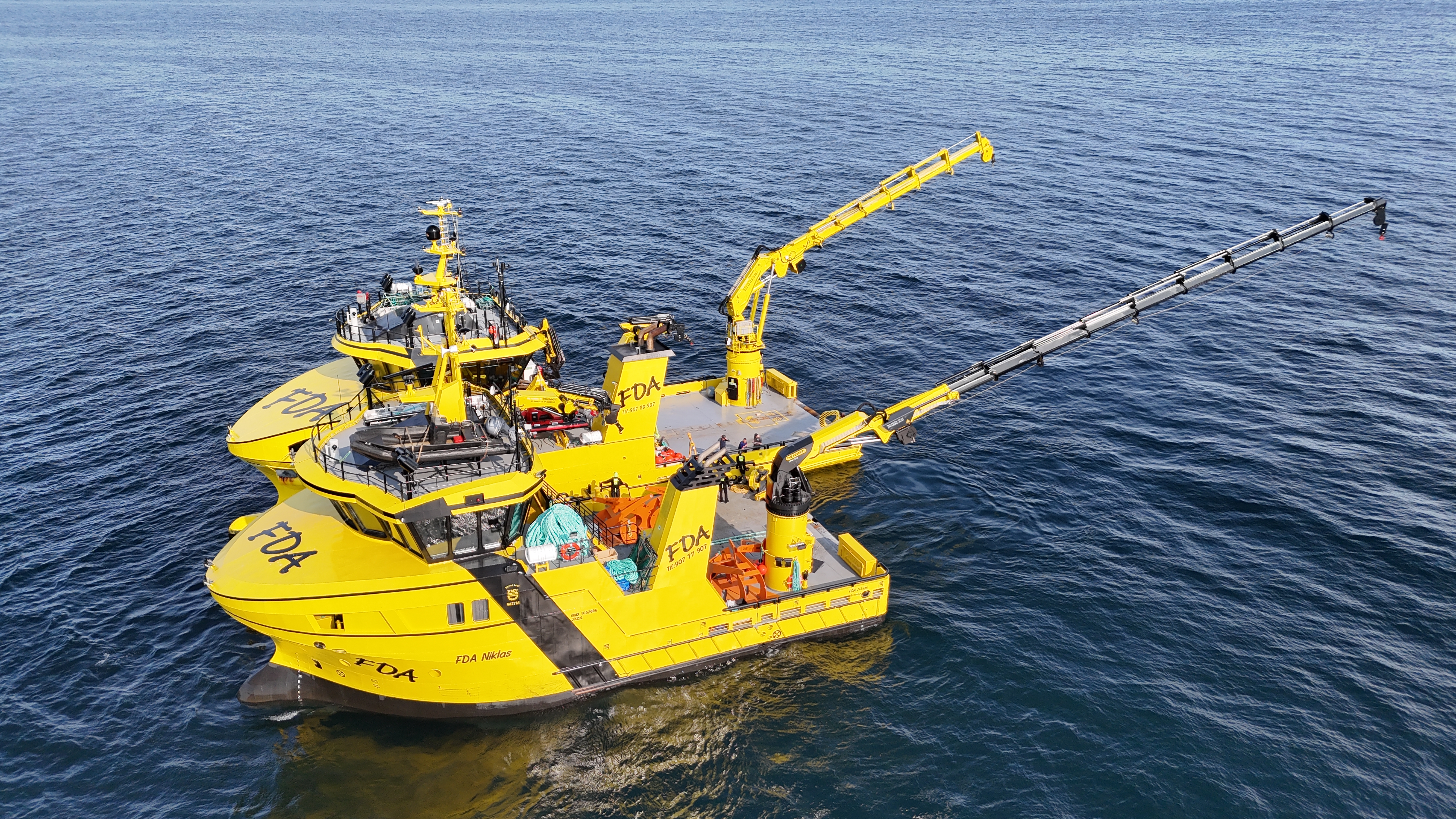
Sponsored: PALFINGER at SMM 2026: Integrated Solutions for Marine and Offshore Operations
When the global maritime industry gathers at SMM in Hamburg from September 1st to 4th, PALFINGER will showcase its comprehensive portfolio of deck equipment, lifesaving appliances, and service solutions designed to support safe, efficient, and reliable operations at sea.
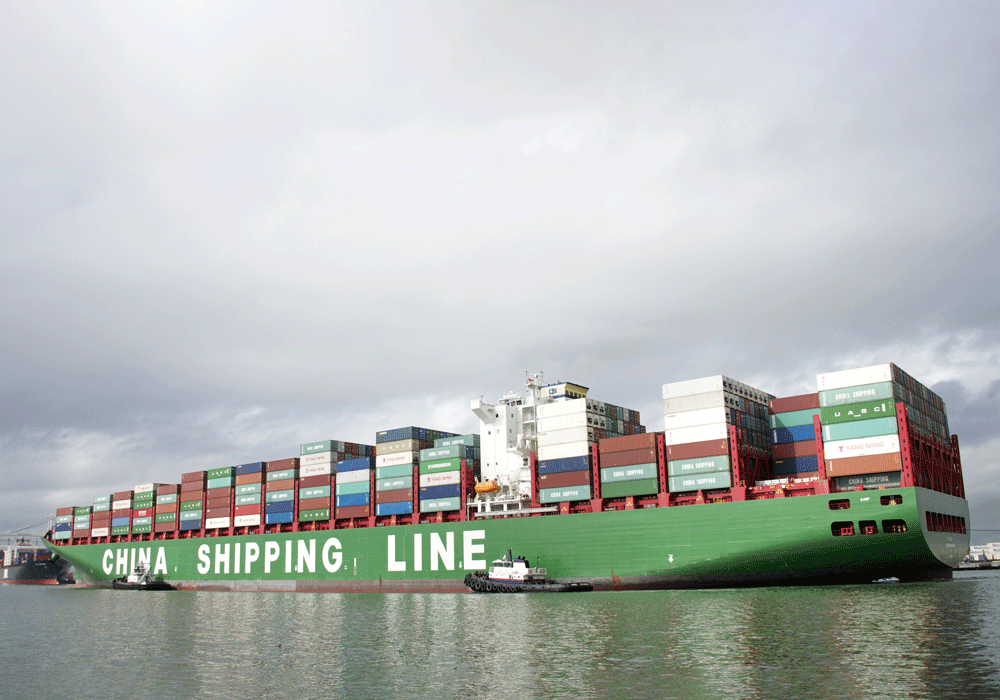
Living with 10-year-olds
Vessel owners of 10-year-old ships are going through a mid-life crisis. To retrofit or not to retrofit, that is the question? Can investments in energy savings be recovered in these not old, but not new ships.

Shipyard digitalisation gathers pace
The digital age is transforming the ship repair industry as online monitoring and digital twins linked to a burgeoning predictive maintenance regime takes hold.

Scope 3 is changing emissions calculations
Visibility is becoming increasingly critical as charterers must now calculate Scope 3 emissions from their supply chains. Speed optimisation is helping to reduce the total.
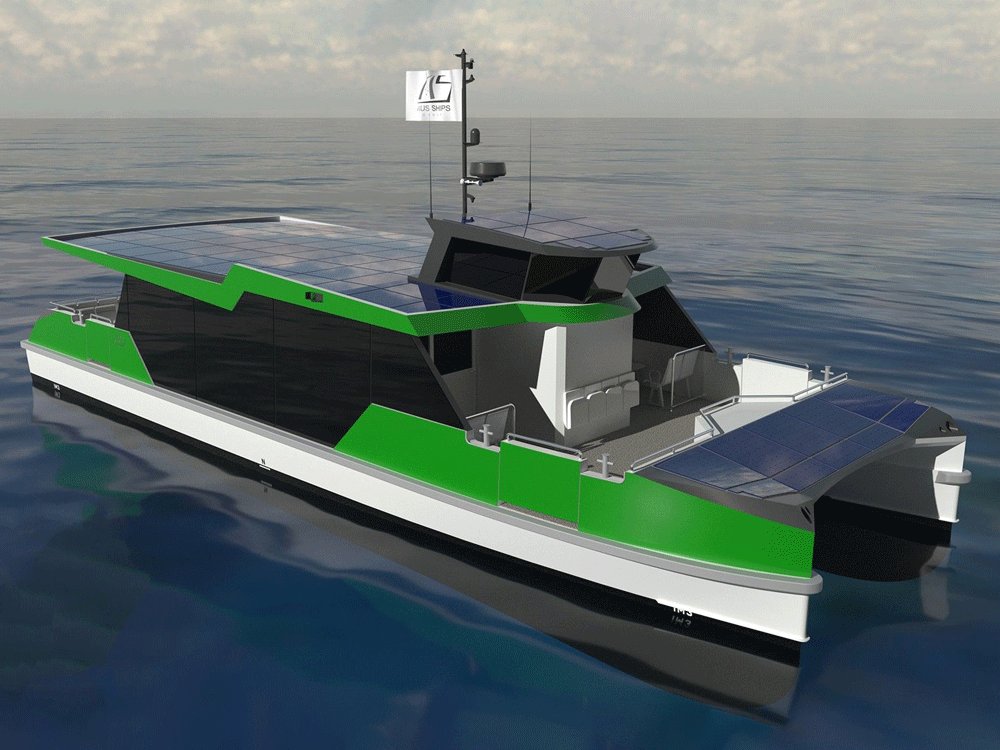
The ferry designed to reshape Australia's waterways
Australia’s first 100% electrically driven passenger ferry, a collaboration between Aus Ships and Volvo Penta, aims to validate scalable electric marine propulsion with the overall aim of decarbonising the country’s waterways.
Magazines
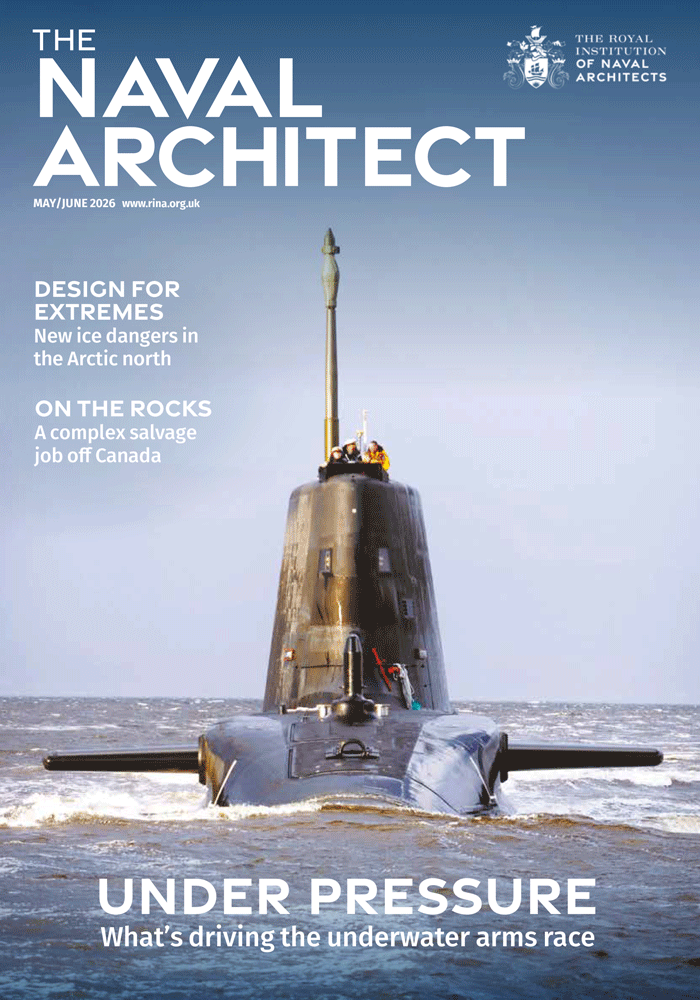
Keep up to date on the latest news, insights and innovations from across the maritime community. Our flagship title, The Naval Architect, covers everything from commercial shipping and small craft to defence and advanced design, while our yearly publication Significant Ships, showcases the most innovative and commercially important vessel designs of the prior year.
Newsletters
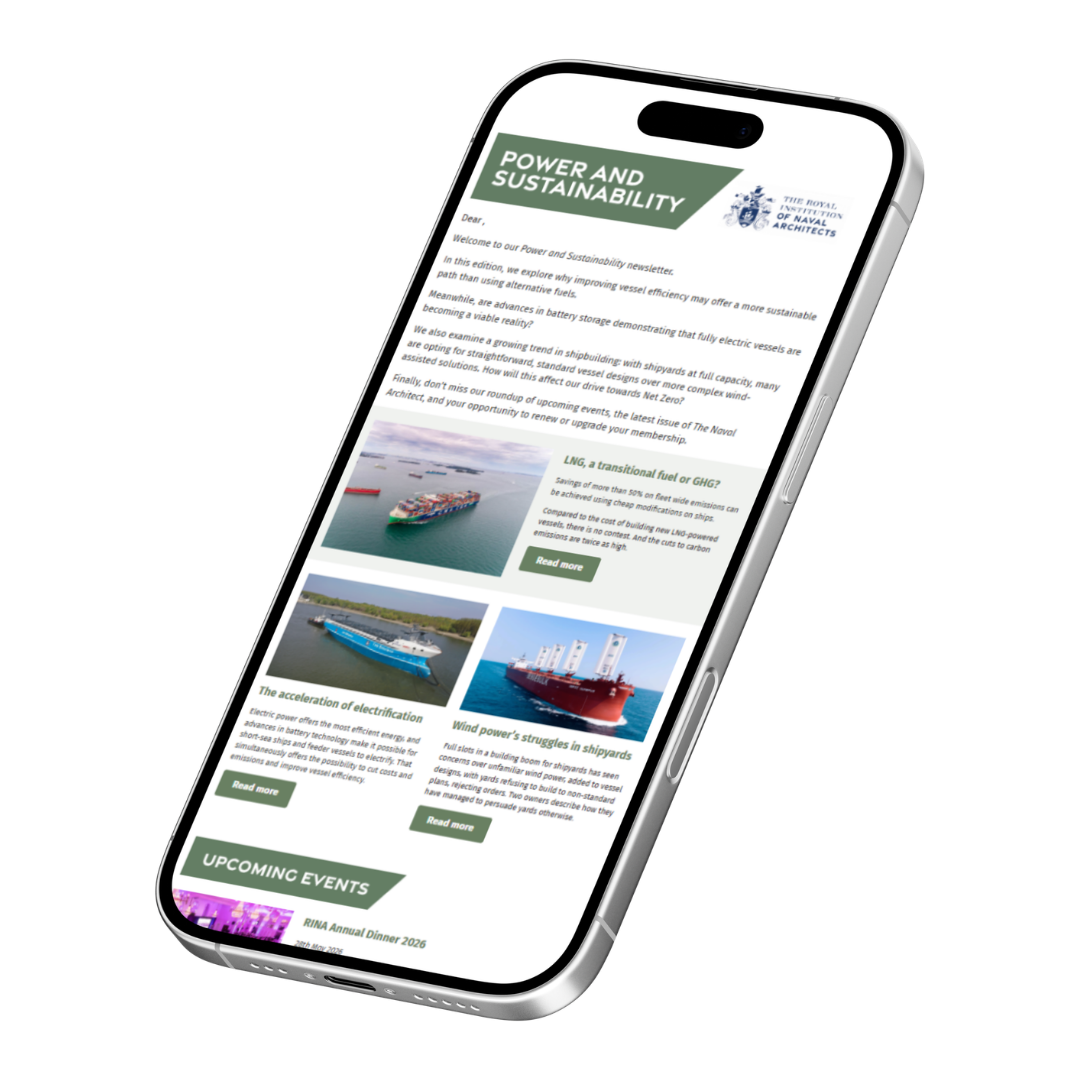
Stay connected with the global maritime community through RINA’s newsletters.
Whether you are a member or not, you can receive updates from The Naval Architect, alongside selected RINA news, events and industry insights. Members also gain access to a wider portfolio of exclusive newsletters on key topics in the maritime industry.
Journals
RINA has published technical papers and maritime research since 1860, creating an extensive record of developments across naval architecture and marine engineering.
Explore the Institution’s historic Transactions and the International Journal of Maritime Engineering (IJME), which continues this tradition by publishing peer-reviewed research and technical discussion from across the maritime sector.
Library Archive
Explore RINA’s collection of maritime knowledge, including historic magazines, journals and Transactions dating back to 1860, reviewed conference papers, and the catalogue of the Denny Library.
Our team is continuing to digitise and expand the archive, making more of the Institution’s technical content available on demand.