Home : Bin : Home - OLD : News : Other : News : Other : News : Other : News : Other : News : Other : News : Other

40 under 40

Take 10 seconds to nominate a colleague, mentee or friend for our Forbes-style list. Must be under the age of 40 in 2026. Open to all maritime professions associated with naval architecture. See eligibility criteria. [hyperlinked].  


Nominate with LinkedIn profile 


JOIN TO ADVANCE

Renowned for the technical excellence of our events, publications and learning, we offer career pathways for naval architects and 16 associated professions [hyperlink to 16 professions].

join to influence

We cover everything from super yachts and green propulsion to warship resilience. Network 1-2-1 with top talent at our events or influence the maritime industry by joining one of our comittees.  

JOIN TO INNOVATE

We promote the interdisciplinary conversation at the heart of maritime innovation. Speak at our events, publish in our journals or simply join the discussion forums on our website.  

Not quite ready to join yet? 


?? HOW?? FILL IN EMAIL HERE AND SIGN UP WITH 1 CLICK 

DISCOVER

View All

>

Sponsored: Engineering the next decade of maritime innovation

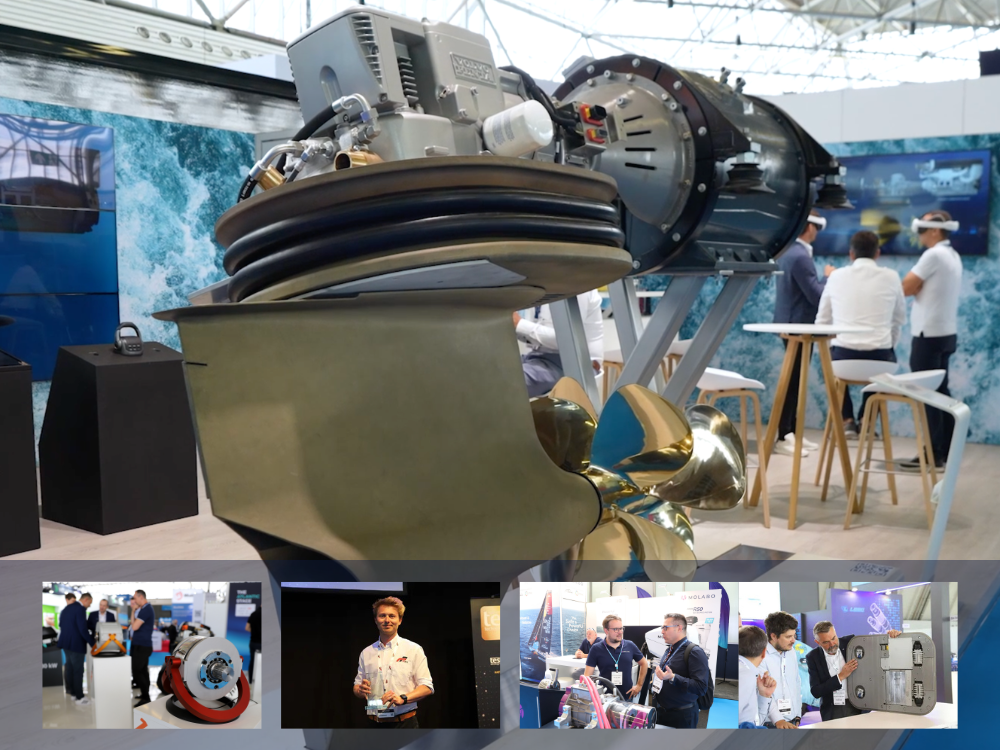
Explore the emergent engineering challenges shaping vessel architectures, from integrated electric propulsion and advanced control systems to autonomy‑enabling sensor suites and evolving regulatory frameworks. Register now for Advanced Maritime Technology Expo & Conference, 16–18 June 2026 in Amsterdam.

Detail Link
>

New Membership pathway for maritime professionals

RINA is delighted to introduce two new tiers for those with expertise outside of our core of naval architecture and maritime engineering. The new tiers recognise the indisputable value of associated disciplines to maritime innovation and the need for interdisciplinary collaboration.

Detail Link
>

Wind Propulsion 2026 overview: Momentum meets method

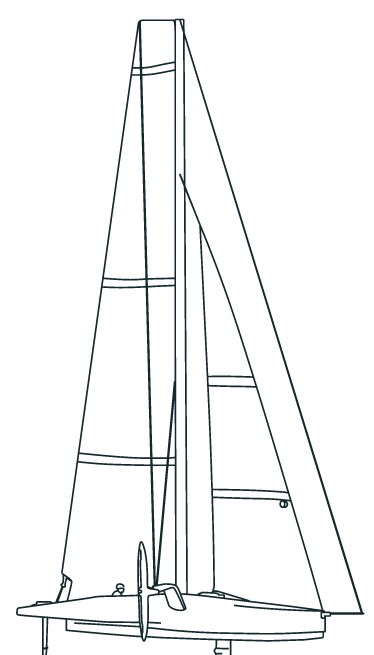
RINA’s Wind Propulsion 2026 conference brought together industry leaders to examine how wind-assisted propulsion is moving from concept to fleet-level implementation

Detail Link


???HOW??? what is the best slice to display TESTIMONIALS [LARGE photo + COLOURED BACKGROUND with LARGE quote imposed over it?]

  • Graduate Naval Architect [eg. Aidan Atkinson]

  • Prime Career [eg. Chris Nair]

  • Iconic Status and Giving back to Global Community [eg. Ian Buxton]

 
Global Events Connecting Maritime Leaders


Events


From flagship international conferences to specialist technical seminars, RINA events bring together experts, innovators, and professionals to share knowledge and shape the future of naval architecture.


Explore Upcoming Events

Events

Lorem ipsum dolor sit amet, consectetur adipiscing elit, sed do eiusmod tempor incididunt ut labore et dolore magna aliqua. Ut enim ad minim veniam, quis nostrud exercitation ullamco laboris nisi ut aliquip ex ea commodo consequat. Duis aute irure dolor in reprehenderit in voluptate velit esse cillum dolore eu fugiat nulla pariatur. Excepteur sint occaecat cupidatat non proident, sunt in culpa qui officia deserunt mollit anim id est laborum.

View All

CORPORATE PARTNERS

Sponsored: Engineering the next decade of maritime innovation
New Membership pathway for maritime professionals
Wind Propulsion 2026 overview: Momentum meets method

HEADING


Lorem ipsum dolor sit amet, consectetur adipiscing elit, sed do eiusmod tempor incididunt ut labore et dolore magna aliqua.


CLICK HERE

HEADING


Lorem ipsum dolor sit amet, consectetur adipiscing elit, sed do eiusmod tempor incididunt ut labore et dolore magna aliqua.


CLICK HERE

Lorem ipsum dolor sit amet, consectetur adipiscing elit, sed do eiusmod tempor incididunt ut labore et dolore magna aliqua. Ut enim ad minim veniam, quis nostrud exercitation ullamco laboris nisi ut aliquip ex ea commodo consequat. Duis aute irure dolor in reprehenderit in voluptate velit esse cillum dolore eu fugiat nulla pariatur. Excepteur sint occaecat cupidatat non proident, sunt in culpa qui officia deserunt mollit anim id est laborum.

Advanced Maritime Technology expo & conference, June 16–18, 2026, RAI Amsterdam


As the maritime sector enters a decisive decade of technological transition, naval architects and marine engineers are confronting a convergence of complex challenges: electrification, hybrid power integration, autonomous vessel systems, digital control architectures, regulatory evolution, and new expectations for commercially viable sustainability. This June, Advanced Maritime Technology expo & conference provides a dedicated platform to explore these engineering frontiers.


Hosted at the RAI Amsterdam from June 16–18, 2026, the expanded event unites the former Electric & Hybrid Marine and Autonomous Ship events into one single, integrated technical environment. The consolidation reflects the reality that modern vessel development no longer occurs within discrete silos. Instead, naval architecture increasingly demands cross disciplinary engineering, program-level systems thinking, and a holistic view of vessel performance and lifecycle efficiency.


A technical platform built for today’s naval architect

The 2026 edition has been shaped directly by industry feedback, with a program designed to support engineers seeking rigorous insight and practical solutions. All conference and expo content is organised around four focused technology streams:


Electrification & Hybridization: Advances in energy storage, power conversion, thermal management, and propulsion integration.


Automation & Autonomy: Control systems, perception technologies, fault management, and operational safety. MASS and Remote Operation.


Ports and Infrastructure:  Shoreside systems, energy infrastructure, and port electrification and integration.


Regulation & Finance: Regulatory overviews and strategies, commercial modelling, investment pathways, risk frameworks, and cost-of-ownership considerations.


This structure allows naval architects, systems engineers, and program managers to navigate the event according to their specialist priorities while maintaining visibility across adjacent technical domains.


Why attend: relevant insight for working designers and engineers

Attendees can expect a uniquely application-driven event, emphasising real-world challenges faced by designers, yards, and operators. The 2026 program prioritises:

Cross disciplinary technical knowledge

Content for propulsion architects, structural and systems engineers, control specialists, integration engineers, and vessel programme leads.

Direct connections to live project data

Including prototypes, demonstrators, and commercial deployments across multiple vessel classes.

Current interpretation of class rules and regulation

Particularly for battery systems, hybrid architectures, autonomous functions, digitalised vessels, and energy management technologies.

Engagement with OEMs, integrators, and research institutions

Featuring organisations developing the systems naval architects will specify in the next wave of vessel designs.


A more conversational, engineer-focused conference format

This year’s conference introduces longer Q&A sessions, expanded panel discussions, and more opportunity for technical exchange. Instead of short, isolated presentations, the new format encourages open discussion between speakers, delegates, and OEMs, supporting deeper exploration of engineering challenges and solution pathways. A limited number of Early Bird delegate rates are available until May 4, 2026, across singled ay, multiday, and full conference passes. With a more flexible pricing structure, attendees can tailor their participation to the specific technical streams and sessions most relevant to their work.


First confirmed speakers and preliminary program announced

The first wave of speakers includes engineering authorities from classification societies, system integrators, R&D institutes, and advanced technology developers. Sessions will address methodologies for next-generation vessel modelling, performance data from operational projects, safety and reliability analysis, and future design considerations for increasingly autonomous and electrified fleets. Visit advancedmaritimetechnologyexpo.com for all conference program details.


Join the maritime engineering community in Amsterdam

Advanced Maritime Technology expo & conference invites RINA members to three days of high-level engineering dialogue, industry insight, and technical discovery. Whether you are designing future hybrid propulsion systems, evaluating autonomy requirements, navigating the regulatory landscape, or exploring new integration strategies, this year’s event provides the knowledge and network to support your work.


Registration for free expo passes is now open.

QR1


Delegate passes, including Early Bird options, are available for those seeking full access to the conference program.

QR2


Visit advancedmaritimetechnologyexpo.com for all the latest event information.


RINA is delighted to introduce two new tiers for those with expertise outside of our core of naval architecture and maritime engineering. The new tiers recognise the indisputable value of associated disciplines to maritime innovation and the need for interdisciplinary collaboration.

Designed specifically for professionals working across the wider maritime sector, this new progression pathway supports their continued professional development, as well as enriching the talent pool of our global maritime community.


What’s new?

We’ve introduced two membership levels to reflect career progression:

  • Associate Fellow (AFRINA) – for senior professionals demonstrating leadership and significant contribution.
  • Associate Professional (APRINA) – for established professionals with recognised competence and responsibility.


Why this matters

This new structure provides:

  • A clearer pathway for career progression.
  • Recognition of expertise across a broader range of maritime roles.
  • Opportunities to engage more deeply with the professional community.


Click here to review the full criteria, share with colleagues and friends, and join our global maritime community.

“It’s the only propulsion solution that actually pays for itself.”

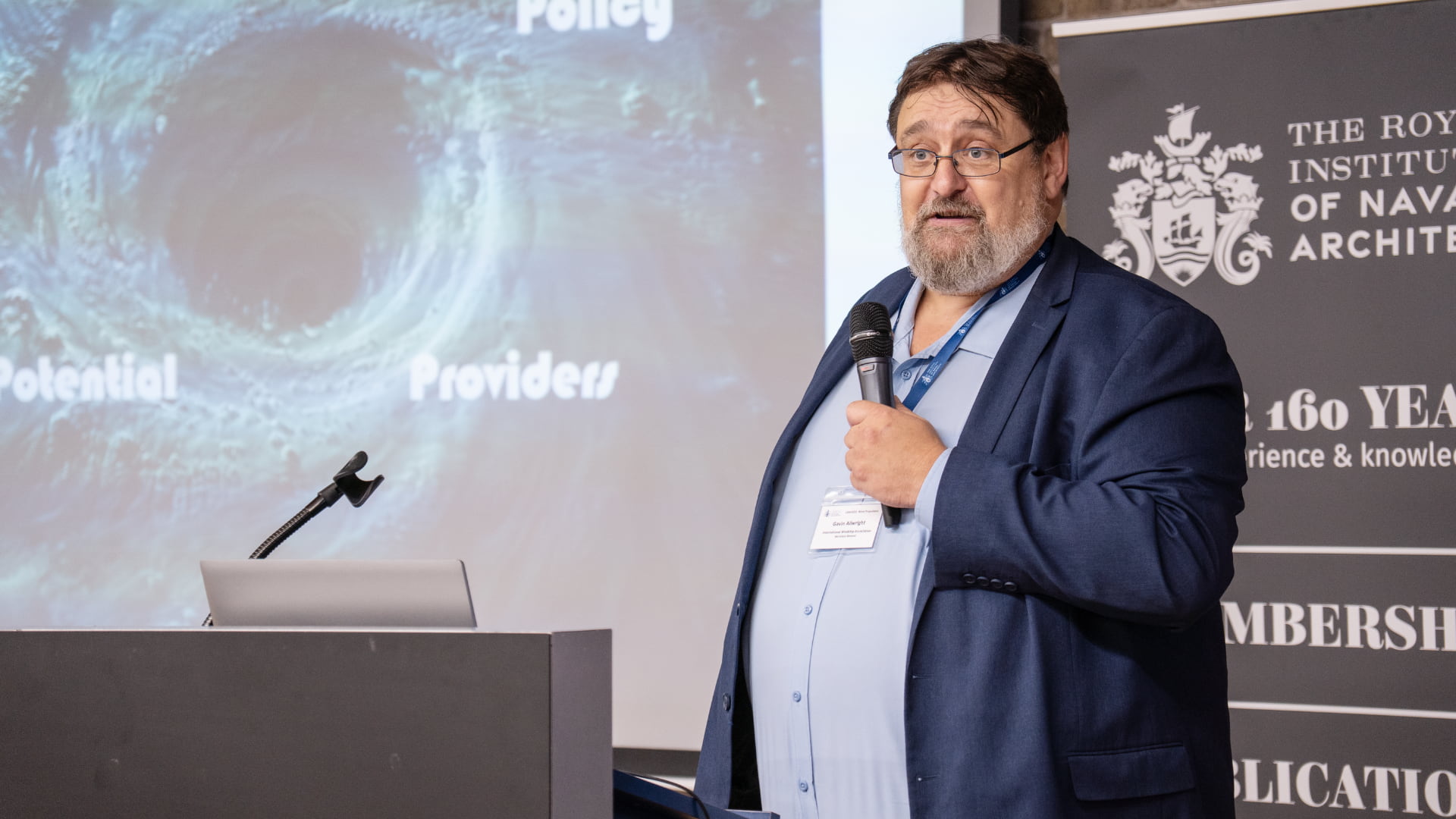
The statement made by Gavin Allwright, Secretary general of the International Windship Association (IWSA), during his keynote speech at the Royal Institution of Naval Architects (RINA) Wind Propulsion 2026 Conference captured the commercial logic increasingly underpinning wind-assisted propulsion (WAPS).

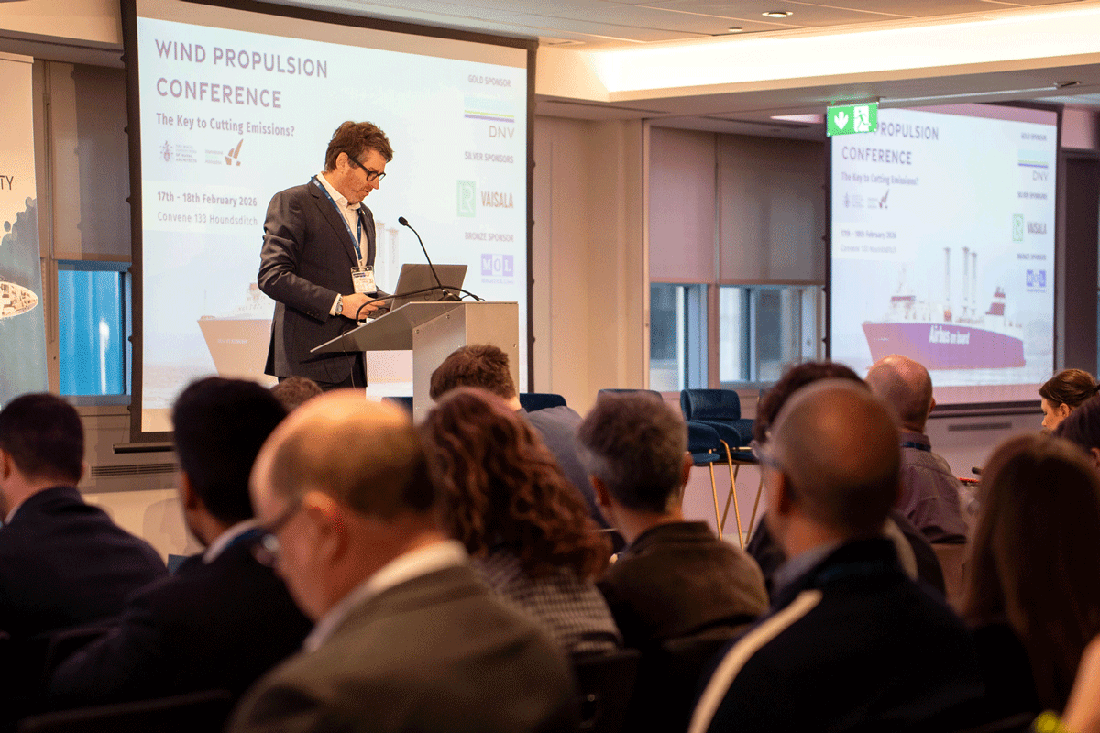
Held on 17–18 February at Convene 133 Houndsditch in the City of London, the conference opened to a sold-out audience, a clear signal of the growing centrality of wind propulsion within maritime decarbonisation strategy.

Hosted by the Royal Institution of Naval Architects (RINA) in association with the IWSA, the event continues to serve as an important early-year marker in the decarbonisation calendar, setting context ahead of further debate at gatherings such as RINA’s Ship Energy Efficiency Conference in Athens.

Gold sponsorship came from DNV, with silver sponsors including Lloyd's Register and Vaisala, underscoring the degree to which wind propulsion is now embedded within mainstream classification, verification and risk management frameworks. Bronze sponsorship was provided by Mitsui O.S.K. Lines.

An underlying theme across the first day of the conference was the industry’s response to the recent impasse at the latest MEPC meeting at the International Maritime Organization (IMO). However, while a hoped-for consensus on mid-term greenhouse gas measures was not reached in 2025, conference attendees were optimistic that it would not prevent wind-propulsion technology from developing apace.

In one of the conference’s opening speeches Aakash Dua, Regional Business Development Director at DNV, framed the broader challenge that new fuels and technologies are introducing uncertainty into the system, but that also provides new opportunities to evolve. Decarbonisation, he argued, is not a “chicken and egg” dilemma but a full-system transformation requiring early dialogue rather than competition between sectors. The pathway must be “safe, scalable and irreversible.”


Maintaining course

That framing set the stage for the keynote from David Osborn, Director, Marine Environment Division, IMO, whose remarks carried particular weight given the recent regulatory turbulence.

Recalling advice from his time at naval college in Australia, Osborn stated that the maritime sector must “remain flexible, and roll with the punches.” He addressed concerns that policy momentum might be faltering. “Wind has not gone out the sails of decarbonisation in the maritime sector,” he insisted. “Progress continues, we must keep our focus on action.”

While acknowledging that turning policy into practice cannot rest with one organisation alone, he pointed to the IMO’s track record of delivering tangible outcomes through regulation. The organisation remains technology agnostic, he stressed, but “concrete action to reduce emissions can be undertaken now,” as demonstrated by accelerating technological deployment.

The message was one of continuity amid recent disruption. “We must maintain our course.”

In the technical streams, presentations examined verification methodologies, digital twins and performance modelling, all essential for translating projected savings into bankable outcomes. The integration of wind systems into hull design, manoeuvring standards and structural assessments featured prominently. Post-presentation panel discussions agreed that as installations scale, wind devices must be treated as part of vessel architecture rather than appendages.


Policy and regulation

The Policy and Regulation roundtable that followed also revealed a more candid assessment of the current moment.

Chaired by Stefano Scarpa, Director of Maritime Decarbonisation, ABL Group, the discussion began with what he described as the “big shock” of the most recent MEPC meeting. Regulations had not been approved; consensus had fractured. Yet, he argued, work on practical implementation must continue regardless.

Decarbonisation is a matter of “when, not if,” argued David Connolly, Head of Operations, UMAS, who also suggested the outcome of the previous MEPC meeting was less surprising than some perceived. Connolly stated that while the regulatory trajectory may be uneven, directionally it remains clear.

John Taukave, Policy Advisor, Micronesian Centre for Sustainable Transport, provided a stark reminder of the stakes: “Every delay is an existential delay for the communities of the Pacific.” He made it clear that for small island developing states, wind propulsion is not merely a commercial efficiency tool but part of a broader zero-carbon transition framework, and one that also reconnects with long maritime traditions of wind-powered navigation.

The concept of a just and equitable transition surfaced repeatedly. How does wind propulsion contribute not only to emissions reduction but also to inclusive decarbonisation pathways? The Marshall Islands’ historic and cultural relationship with wind-powered vessels was cited as a powerful symbolic and practical reference point.

Connolly argued that a “fundamental reset” may be necessary: newbuilds should be prepared for wind in the same way they are increasingly designed to accommodate alternative fuels. The implication was structural. Wind should not remain an afterthought retrofit, but a design consideration from the outset.

Parallel presentation streams throughout the first day demonstrated that scaling wind propulsion requires more than aerodynamic efficiency.


Legal and contractual risk

Elsewhere, legal and contractual risk was scrutinised. Professor Orestis Schinas, Specialist in Ship Finance, HHX.blue, chaired a roundtable exploring how construction contracts, charterparty arrangements and insurance frameworks must evolve.

Dr Pia Rebelo, Legal Analyst, Stephenson & Harwood, noted that contractual obligations will require reshuffling as wind propulsion becomes embedded within design and regulatory compliance. New areas of risk, performance guarantees, downtime exposure, repair logistics, must be allocated clearly.

The complexity of maritime contractual relationships, voyage charters, time charters, sale contracts, bills of lading, remains “incredibly antagonistic” in places. Introducing new propulsion technologies adds further friction.

François Luigi, Client Director, Filhet Allard, observed that insurers do not fear risk; they fear uncertainty. The challenge lies in limited repair infrastructure, sparse spare parts networks and geographically dispersed manufacturing. Data, therefore, becomes central to risk assessment and premium stability.


Delivering measurable savings

Gavin Allwright’s keynote on the morning of the second day placed wind propulsion within a pragmatic commercial frame. Ninety-three large vessels are now operating with wind systems, representing around 5 million dwt, with a further 120 installations in the pipeline, the majority expected in 2026. The sector, he suggested, is “rapidly approaching an inflection point,” where operational data, production capacity and commercial familiarity begin reinforcing one another.

Framing wind not as a novelty but as continuity, he observed, “we are coming back to an energy source that has been there forever, we’re just doing it better.” At the same time, he was clear that integration matters: “If we take energy efficiency, voyage optimisation and wind together, cumulatively, we’re getting close” to longer-term decarbonisation targets.

“If the shipping industry doesn’t see a way to make money, these will fail,” he cautioned. But, wind propulsion’s distinguishing feature is its ability to deliver measurable savings now, he stated, layered alongside CII compliance, FuelEU Maritime incentives and EU ETS exposure.

The Shipowners’ Debate, overseen by Dimitris Monioudis, Technical Committee Chair, INTERCARGO, reinforced that this is no longer theoretical.

“It’s quite complex to really put the two lines under the answer of how much you’re saving,” observed Jan Opedal, Project Manager, Odjfell Tankers, who described a decarbonisation journey rooted in fuel efficiency long before regulatory compulsion intensified. With incremental measures largely exhausted, suction sails were introduced as a next step. Yet quantifying savings precisely was noted as still being complex.

Union Maritime’s, Commercial Performance Manager, Jesse Bryce described a portfolio approach across vessel classes, embedding flexibility into newbuild foundations. “If things look good, the price looks good, the performance looks good, and we can get it on the ship, why not?,” he stated.


Keeping sights on safety

Concluding the conference, the roundtable on safety and hazards reinforced that scaling must not outpace safeguards.

Where the panellists explained that crew require understanding of wind dynamics; simulator training and updated company procedures must align with regulatory development. Again, focus was placed on the IMO, which faces a deadline to produce a dedicated safety code for wind-assisted propulsion, and has acknowledged gaps in expertise. Collaboration between class, insurers and owners was also emphasised as essential.

Redundancy, including retention of conventional propulsion systems, was framed as reasonable and necessary. Commercial realities, cargo considerations and operational risk must be balanced carefully.

Wind Propulsion 2026 demonstrated the scale and industrial growth of the segment within the maritime sector, technically, commercially and institutionally. While regulatory uncertainty remains, deployment across the global fleet continues.

The narrative has shifted from “if” to “how”.

As Osborn cautioned, maintaining course matters. But as Allwright argued, commercial logic must underpin ambition.

Frequently Asked Questions

Lorem ipsum dolor sit amet, consectetur adipiscing elit, sed do eiusmod tempor incididunt ut labore et dolore magna aliqua. Ut enim ad minim veniam, quis nostrud exercitation ullamco laboris nisi ut aliquip ex ea commodo consequat.

Tab1

Lorem ipsum dolor sit amet, consectetur adipiscing elit, sed do eiusmod tempor incididunt ut labore et dolore magna aliqua. Ut enim ad minim veniam, quis nostrud exercitation ullamco laboris nisi ut aliquip ex ea commodo consequat. Duis aute irure dolor in reprehenderit in voluptate velit esse cillum dolore eu fugiat nulla pariatur. Excepteur sint occaecat cupidatat non proident, sunt in culpa qui officia deserunt mollit anim id est laborum.

Tab2

Lorem ipsum dolor sit amet, consectetur adipiscing elit, sed do eiusmod tempor incididunt ut labore et dolore magna aliqua. Ut enim ad minim veniam, quis nostrud exercitation ullamco laboris nisi ut aliquip ex ea commodo consequat. Duis aute irure dolor in reprehenderit in voluptate velit esse cillum dolore eu fugiat nulla pariatur. Excepteur sint occaecat cupidatat non proident, sunt in culpa qui officia deserunt mollit anim id est laborum.

Frequently Asked Questions

Lorem ipsum dolor sit amet, consectetur adipiscing elit, sed do eiusmod tempor incididunt ut labore et dolore magna aliqua. Ut enim ad minim veniam, quis nostrud exercitation ullamco laboris nisi ut aliquip ex ea commodo consequat.

Tab1

Lorem ipsum dolor sit amet, consectetur adipiscing elit, sed do eiusmod tempor incididunt ut labore et dolore magna aliqua. Ut enim ad minim veniam, quis nostrud exercitation ullamco laboris nisi ut aliquip ex ea commodo consequat. Duis aute irure dolor in reprehenderit in voluptate velit esse cillum dolore eu fugiat nulla pariatur. Excepteur sint occaecat cupidatat non proident, sunt in culpa qui officia deserunt mollit anim id est laborum.

Tab2

Lorem ipsum dolor sit amet, consectetur adipiscing elit, sed do eiusmod tempor incididunt ut labore et dolore magna aliqua. Ut enim ad minim veniam, quis nostrud exercitation ullamco laboris nisi ut aliquip ex ea commodo consequat. Duis aute irure dolor in reprehenderit in voluptate velit esse cillum dolore eu fugiat nulla pariatur. Excepteur sint occaecat cupidatat non proident, sunt in culpa qui officia deserunt mollit anim id est laborum.

Tab3

Lorem ipsum dolor sit amet, consectetur adipiscing elit, sed do eiusmod tempor incididunt ut labore et dolore magna aliqua. Ut enim ad minim veniam, quis nostrud exercitation ullamco laboris nisi ut aliquip ex ea commodo consequat. Duis aute irure dolor in reprehenderit in voluptate velit esse cillum dolore eu fugiat nulla pariatur. Excepteur sint occaecat cupidatat non proident, sunt in culpa qui officia deserunt mollit anim id est laborum.

Tab4

Lorem ipsum dolor sit amet, consectetur adipiscing elit, sed do eiusmod tempor incididunt ut labore et dolore magna aliqua. Ut enim ad minim veniam, quis nostrud exercitation ullamco laboris nisi ut aliquip ex ea commodo consequat. Duis aute irure dolor in reprehenderit in voluptate velit esse cillum dolore eu fugiat nulla pariatur. Excepteur sint occaecat cupidatat non proident, sunt in culpa qui officia deserunt mollit anim id est laborum.

text one

Lorem ipsum dolor sit amet, consectetur adipiscing elit, sed do eiusmod tempor incididunt ut labore et dolore magna aliqua. Ut enim ad minim veniam, quis nostrud exercitation ullamco laboris nisi ut aliquip ex ea commodo consequat. Duis aute irure dolor in reprehenderit in voluptate velit esse cillum dolore eu fugiat nulla pariatur. Excepteur sint occaecat cupidatat non proident, sunt in culpa qui officia deserunt mollit anim id est laborum.

Sponsored: Engineering the next decade of maritime innovation

Advanced Maritime Technology expo & conference, June 16–18, 2026, RAI Amsterdam


As the maritime sector enters a decisive decade of technological transition, naval architects and marine engineers are confronting a convergence of complex challenges: electrification, hybrid power integration, autonomous vessel systems, digital control architectures, regulatory evolution, and new expectations for commercially viable sustainability. This June, Advanced Maritime Technology expo & conference provides a dedicated platform to explore these engineering frontiers.


Hosted at the RAI Amsterdam from June 16–18, 2026, the expanded event unites the former Electric & Hybrid Marine and Autonomous Ship events into one single, integrated technical environment. The consolidation reflects the reality that modern vessel development no longer occurs within discrete silos. Instead, naval architecture increasingly demands cross disciplinary engineering, program-level systems thinking, and a holistic view of vessel performance and lifecycle efficiency.


A technical platform built for today’s naval architect

The 2026 edition has been shaped directly by industry feedback, with a program designed to support engineers seeking rigorous insight and practical solutions. All conference and expo content is organised around four focused technology streams:


Electrification & Hybridization: Advances in energy storage, power conversion, thermal management, and propulsion integration.


Automation & Autonomy: Control systems, perception technologies, fault management, and operational safety. MASS and Remote Operation.


Ports and Infrastructure:  Shoreside systems, energy infrastructure, and port electrification and integration.


Regulation & Finance: Regulatory overviews and strategies, commercial modelling, investment pathways, risk frameworks, and cost-of-ownership considerations.


This structure allows naval architects, systems engineers, and program managers to navigate the event according to their specialist priorities while maintaining visibility across adjacent technical domains.


Why attend: relevant insight for working designers and engineers

Attendees can expect a uniquely application-driven event, emphasising real-world challenges faced by designers, yards, and operators. The 2026 program prioritises:

Cross disciplinary technical knowledge

Content for propulsion architects, structural and systems engineers, control specialists, integration engineers, and vessel programme leads.

Direct connections to live project data

Including prototypes, demonstrators, and commercial deployments across multiple vessel classes.

Current interpretation of class rules and regulation

Particularly for battery systems, hybrid architectures, autonomous functions, digitalised vessels, and energy management technologies.

Engagement with OEMs, integrators, and research institutions

Featuring organisations developing the systems naval architects will specify in the next wave of vessel designs.


A more conversational, engineer-focused conference format

This year’s conference introduces longer Q&A sessions, expanded panel discussions, and more opportunity for technical exchange. Instead of short, isolated presentations, the new format encourages open discussion between speakers, delegates, and OEMs, supporting deeper exploration of engineering challenges and solution pathways. A limited number of Early Bird delegate rates are available until May 4, 2026, across singled ay, multiday, and full conference passes. With a more flexible pricing structure, attendees can tailor their participation to the specific technical streams and sessions most relevant to their work.


First confirmed speakers and preliminary program announced

The first wave of speakers includes engineering authorities from classification societies, system integrators, R&D institutes, and advanced technology developers. Sessions will address methodologies for next-generation vessel modelling, performance data from operational projects, safety and reliability analysis, and future design considerations for increasingly autonomous and electrified fleets. Visit advancedmaritimetechnologyexpo.com for all conference program details.


Join the maritime engineering community in Amsterdam

Advanced Maritime Technology expo & conference invites RINA members to three days of high-level engineering dialogue, industry insight, and technical discovery. Whether you are designing future hybrid propulsion systems, evaluating autonomy requirements, navigating the regulatory landscape, or exploring new integration strategies, this year’s event provides the knowledge and network to support your work.


Registration for free expo passes is now open.

QR1


Delegate passes, including Early Bird options, are available for those seeking full access to the conference program.

QR2


Visit advancedmaritimetechnologyexpo.com for all the latest event information.


New Membership pathway for maritime professionals

RINA is delighted to introduce two new tiers for those with expertise outside of our core of naval architecture and maritime engineering. The new tiers recognise the indisputable value of associated disciplines to maritime innovation and the need for interdisciplinary collaboration.

Designed specifically for professionals working across the wider maritime sector, this new progression pathway supports their continued professional development, as well as enriching the talent pool of our global maritime community.


What’s new?

We’ve introduced two membership levels to reflect career progression:

  • Associate Fellow (AFRINA) – for senior professionals demonstrating leadership and significant contribution.
  • Associate Professional (APRINA) – for established professionals with recognised competence and responsibility.


Why this matters

This new structure provides:

  • A clearer pathway for career progression.
  • Recognition of expertise across a broader range of maritime roles.
  • Opportunities to engage more deeply with the professional community.


Click here to review the full criteria, share with colleagues and friends, and join our global maritime community.

Wind Propulsion 2026 overview: Momentum meets method

“It’s the only propulsion solution that actually pays for itself.”

The statement made by Gavin Allwright, Secretary general of the International Windship Association (IWSA), during his keynote speech at the Royal Institution of Naval Architects (RINA) Wind Propulsion 2026 Conference captured the commercial logic increasingly underpinning wind-assisted propulsion (WAPS).

Held on 17–18 February at Convene 133 Houndsditch in the City of London, the conference opened to a sold-out audience, a clear signal of the growing centrality of wind propulsion within maritime decarbonisation strategy.

Hosted by the Royal Institution of Naval Architects (RINA) in association with the IWSA, the event continues to serve as an important early-year marker in the decarbonisation calendar, setting context ahead of further debate at gatherings such as RINA’s Ship Energy Efficiency Conference in Athens.

Gold sponsorship came from DNV, with silver sponsors including Lloyd's Register and Vaisala, underscoring the degree to which wind propulsion is now embedded within mainstream classification, verification and risk management frameworks. Bronze sponsorship was provided by Mitsui O.S.K. Lines.

An underlying theme across the first day of the conference was the industry’s response to the recent impasse at the latest MEPC meeting at the International Maritime Organization (IMO). However, while a hoped-for consensus on mid-term greenhouse gas measures was not reached in 2025, conference attendees were optimistic that it would not prevent wind-propulsion technology from developing apace.

In one of the conference’s opening speeches Aakash Dua, Regional Business Development Director at DNV, framed the broader challenge that new fuels and technologies are introducing uncertainty into the system, but that also provides new opportunities to evolve. Decarbonisation, he argued, is not a “chicken and egg” dilemma but a full-system transformation requiring early dialogue rather than competition between sectors. The pathway must be “safe, scalable and irreversible.”


Maintaining course

That framing set the stage for the keynote from David Osborn, Director, Marine Environment Division, IMO, whose remarks carried particular weight given the recent regulatory turbulence.

Recalling advice from his time at naval college in Australia, Osborn stated that the maritime sector must “remain flexible, and roll with the punches.” He addressed concerns that policy momentum might be faltering. “Wind has not gone out the sails of decarbonisation in the maritime sector,” he insisted. “Progress continues, we must keep our focus on action.”

While acknowledging that turning policy into practice cannot rest with one organisation alone, he pointed to the IMO’s track record of delivering tangible outcomes through regulation. The organisation remains technology agnostic, he stressed, but “concrete action to reduce emissions can be undertaken now,” as demonstrated by accelerating technological deployment.

The message was one of continuity amid recent disruption. “We must maintain our course.”

In the technical streams, presentations examined verification methodologies, digital twins and performance modelling, all essential for translating projected savings into bankable outcomes. The integration of wind systems into hull design, manoeuvring standards and structural assessments featured prominently. Post-presentation panel discussions agreed that as installations scale, wind devices must be treated as part of vessel architecture rather than appendages.


Policy and regulation

The Policy and Regulation roundtable that followed also revealed a more candid assessment of the current moment.

Chaired by Stefano Scarpa, Director of Maritime Decarbonisation, ABL Group, the discussion began with what he described as the “big shock” of the most recent MEPC meeting. Regulations had not been approved; consensus had fractured. Yet, he argued, work on practical implementation must continue regardless.

Decarbonisation is a matter of “when, not if,” argued David Connolly, Head of Operations, UMAS, who also suggested the outcome of the previous MEPC meeting was less surprising than some perceived. Connolly stated that while the regulatory trajectory may be uneven, directionally it remains clear.

John Taukave, Policy Advisor, Micronesian Centre for Sustainable Transport, provided a stark reminder of the stakes: “Every delay is an existential delay for the communities of the Pacific.” He made it clear that for small island developing states, wind propulsion is not merely a commercial efficiency tool but part of a broader zero-carbon transition framework, and one that also reconnects with long maritime traditions of wind-powered navigation.

The concept of a just and equitable transition surfaced repeatedly. How does wind propulsion contribute not only to emissions reduction but also to inclusive decarbonisation pathways? The Marshall Islands’ historic and cultural relationship with wind-powered vessels was cited as a powerful symbolic and practical reference point.

Connolly argued that a “fundamental reset” may be necessary: newbuilds should be prepared for wind in the same way they are increasingly designed to accommodate alternative fuels. The implication was structural. Wind should not remain an afterthought retrofit, but a design consideration from the outset.

Parallel presentation streams throughout the first day demonstrated that scaling wind propulsion requires more than aerodynamic efficiency.


Legal and contractual risk

Elsewhere, legal and contractual risk was scrutinised. Professor Orestis Schinas, Specialist in Ship Finance, HHX.blue, chaired a roundtable exploring how construction contracts, charterparty arrangements and insurance frameworks must evolve.

Dr Pia Rebelo, Legal Analyst, Stephenson & Harwood, noted that contractual obligations will require reshuffling as wind propulsion becomes embedded within design and regulatory compliance. New areas of risk, performance guarantees, downtime exposure, repair logistics, must be allocated clearly.

The complexity of maritime contractual relationships, voyage charters, time charters, sale contracts, bills of lading, remains “incredibly antagonistic” in places. Introducing new propulsion technologies adds further friction.

François Luigi, Client Director, Filhet Allard, observed that insurers do not fear risk; they fear uncertainty. The challenge lies in limited repair infrastructure, sparse spare parts networks and geographically dispersed manufacturing. Data, therefore, becomes central to risk assessment and premium stability.


Delivering measurable savings

Gavin Allwright’s keynote on the morning of the second day placed wind propulsion within a pragmatic commercial frame. Ninety-three large vessels are now operating with wind systems, representing around 5 million dwt, with a further 120 installations in the pipeline, the majority expected in 2026. The sector, he suggested, is “rapidly approaching an inflection point,” where operational data, production capacity and commercial familiarity begin reinforcing one another.

Framing wind not as a novelty but as continuity, he observed, “we are coming back to an energy source that has been there forever, we’re just doing it better.” At the same time, he was clear that integration matters: “If we take energy efficiency, voyage optimisation and wind together, cumulatively, we’re getting close” to longer-term decarbonisation targets.

“If the shipping industry doesn’t see a way to make money, these will fail,” he cautioned. But, wind propulsion’s distinguishing feature is its ability to deliver measurable savings now, he stated, layered alongside CII compliance, FuelEU Maritime incentives and EU ETS exposure.

The Shipowners’ Debate, overseen by Dimitris Monioudis, Technical Committee Chair, INTERCARGO, reinforced that this is no longer theoretical.

“It’s quite complex to really put the two lines under the answer of how much you’re saving,” observed Jan Opedal, Project Manager, Odjfell Tankers, who described a decarbonisation journey rooted in fuel efficiency long before regulatory compulsion intensified. With incremental measures largely exhausted, suction sails were introduced as a next step. Yet quantifying savings precisely was noted as still being complex.

Union Maritime’s, Commercial Performance Manager, Jesse Bryce described a portfolio approach across vessel classes, embedding flexibility into newbuild foundations. “If things look good, the price looks good, the performance looks good, and we can get it on the ship, why not?,” he stated.


Keeping sights on safety

Concluding the conference, the roundtable on safety and hazards reinforced that scaling must not outpace safeguards.

Where the panellists explained that crew require understanding of wind dynamics; simulator training and updated company procedures must align with regulatory development. Again, focus was placed on the IMO, which faces a deadline to produce a dedicated safety code for wind-assisted propulsion, and has acknowledged gaps in expertise. Collaboration between class, insurers and owners was also emphasised as essential.

Redundancy, including retention of conventional propulsion systems, was framed as reasonable and necessary. Commercial realities, cargo considerations and operational risk must be balanced carefully.

Wind Propulsion 2026 demonstrated the scale and industrial growth of the segment within the maritime sector, technically, commercially and institutionally. While regulatory uncertainty remains, deployment across the global fleet continues.

The narrative has shifted from “if” to “how”.

As Osborn cautioned, maintaining course matters. But as Allwright argued, commercial logic must underpin ambition.
Awards 2026


Nominate a colleague, a mentee or a friend for one of our prestiguous Naval Architecture Awards. Chosen by our Committees, the winners will be announced at our Annual Dinner attended by more than 300 maritime professionals, industry leaders and academics. Taking place on 28th May, this will be an evening of celebration at the historic De Vere Grand Connaught Rooms in London. 

Nominations deadline: on 31st December. Award categories include Innovation, Safety and Diversity.

Nominate Now