

WARSHIP TECHNOLOGY
Warship Technology delivers in-depth analysis of advanced naval systems, platforms, and integration strategies shaping modern maritime defence capabilities.
Look out for topics such as combat management systems, radar and sensor integration, propulsion advancements, survivability and stealth technologies, and the growing role of autonomy and artificial intelligence in naval operations.
Gain insight into the technologies underpinning next-generation warships, along with the practicalities of design, integration, and lifecycle support within complex naval environments.
Vietnam modernises maritime strategy
The Naval Architect
Vietnam is overhauling its national maritime policy, shifting from a sector-by-sector approach to an integrated, ecosystem-based model built around marine spatial planning and advanced technology.
Standardised battery for inland shipping
The Naval Architect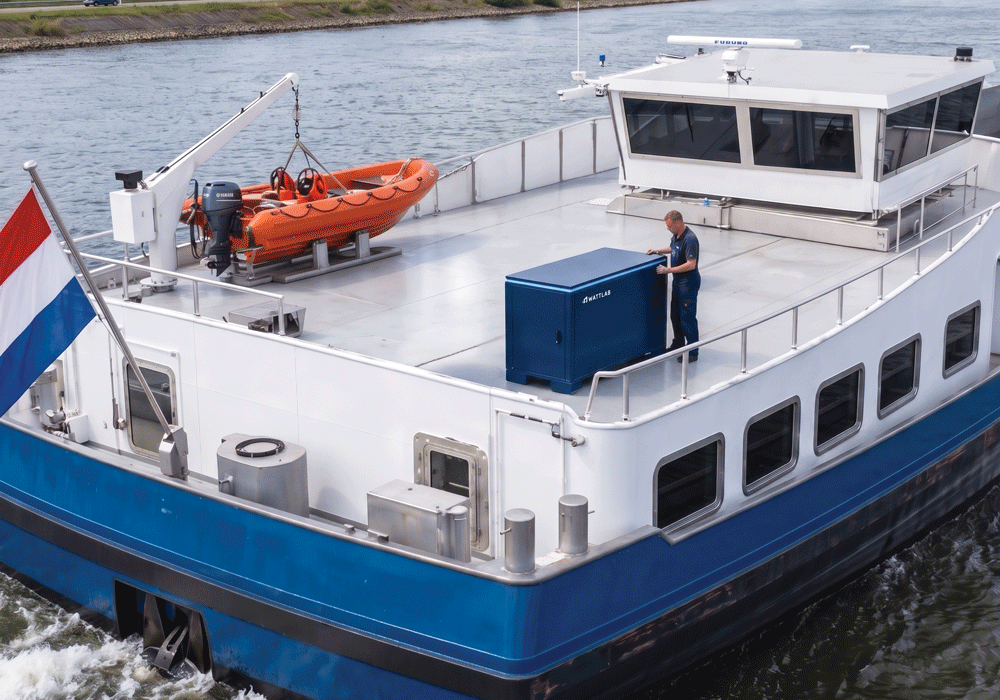
WEstack is installed on the aft deck
Wattlab founder and CEO Bo Salet on the company’s new battery energy storage system
Closing the fouling loop
The Naval Architect
The type of antifouling coating is a factor in hull performance
Integrating performance monitoring into biofouling management plans can bridge the gap between regulatory guidance and decision-making onboard. So say researchers presenting at the Hull Performance & Insight Conference.
Sensor-free structural health monitoring
The Naval Architect
Light Structures AS director of engineering Karianne Pran on SHM systems.
Top shot: Royal Navy tests launch-and-recovery system
The Naval Architect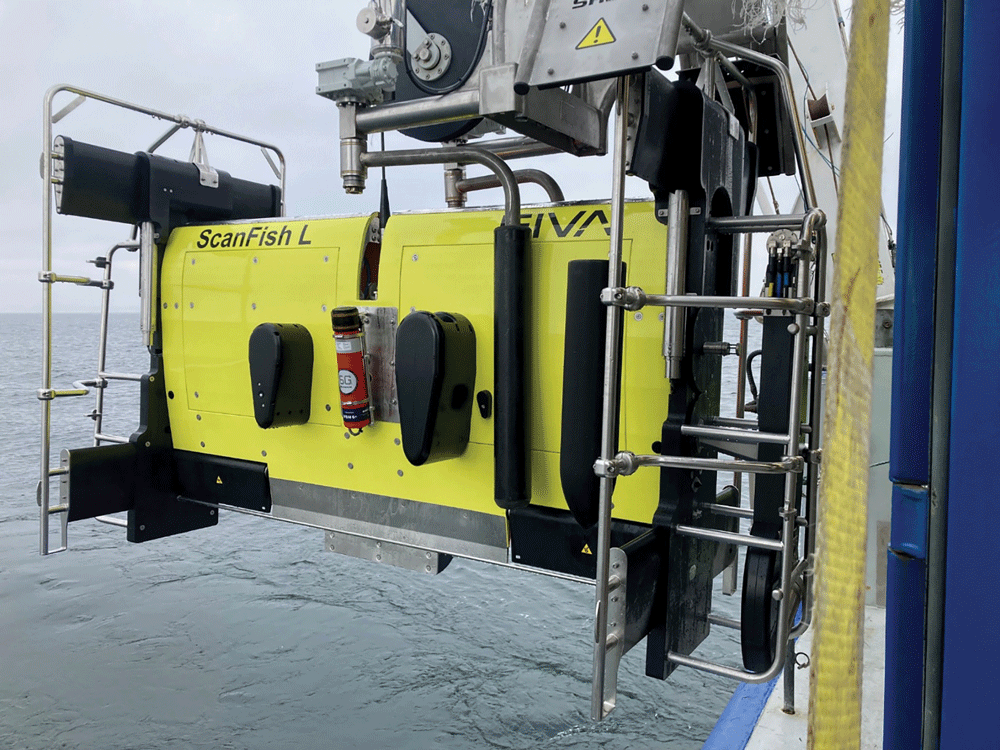
Image: EIVA
Royal Navy completes first at-sea trials of bespoke launch-and-recovery system for ScanFish platform.
Division spotlight: Australian division in action
The Naval Architect
Sydney Technical College, where it all began (image: Alamy/Phillip Bond)
How this RINA division has been providing members with support, information and expertise since 1947.
Careers: My path to success
The Naval Architect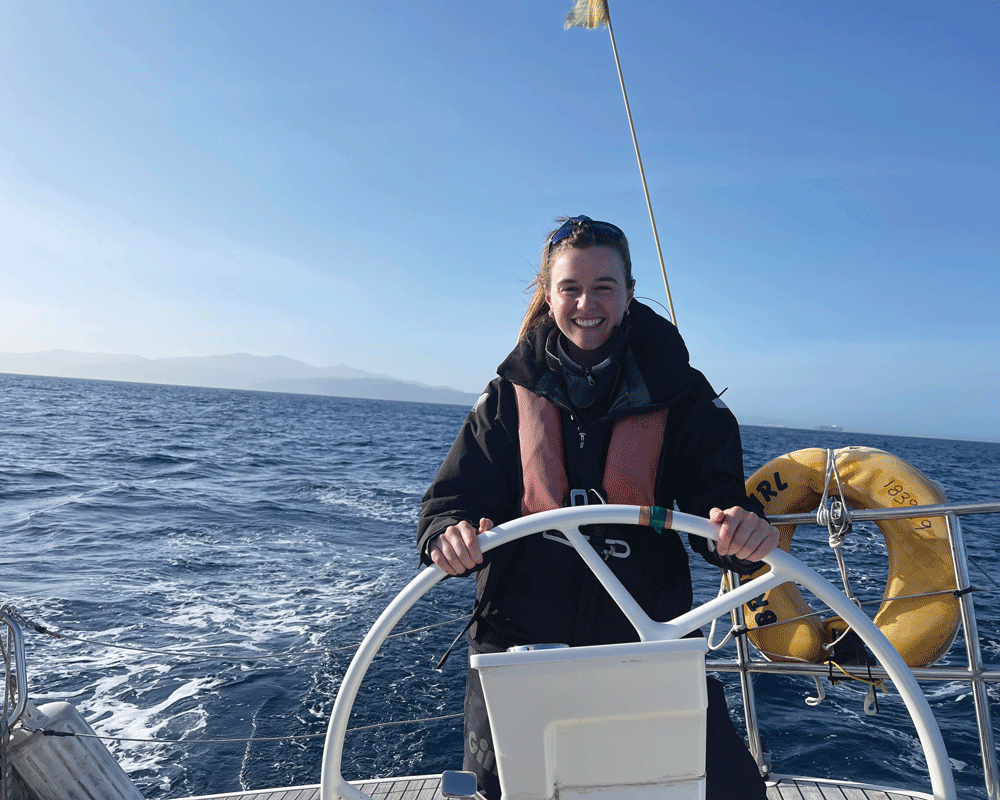
Prune Bouillot: "Sailing has taught me to respect and protect the water"
Prune Bouillot, a naval architect at Houlder, works on ship design and maritime decarbonisation. She holds a BASc in Engineering and Social Sciences and an MSc in Naval Architecture from UCL. She chaired SMIFutures in 2024 and volunteers with ocean conservation charity Wings of the Ocean.
How it's changed
The Naval Architect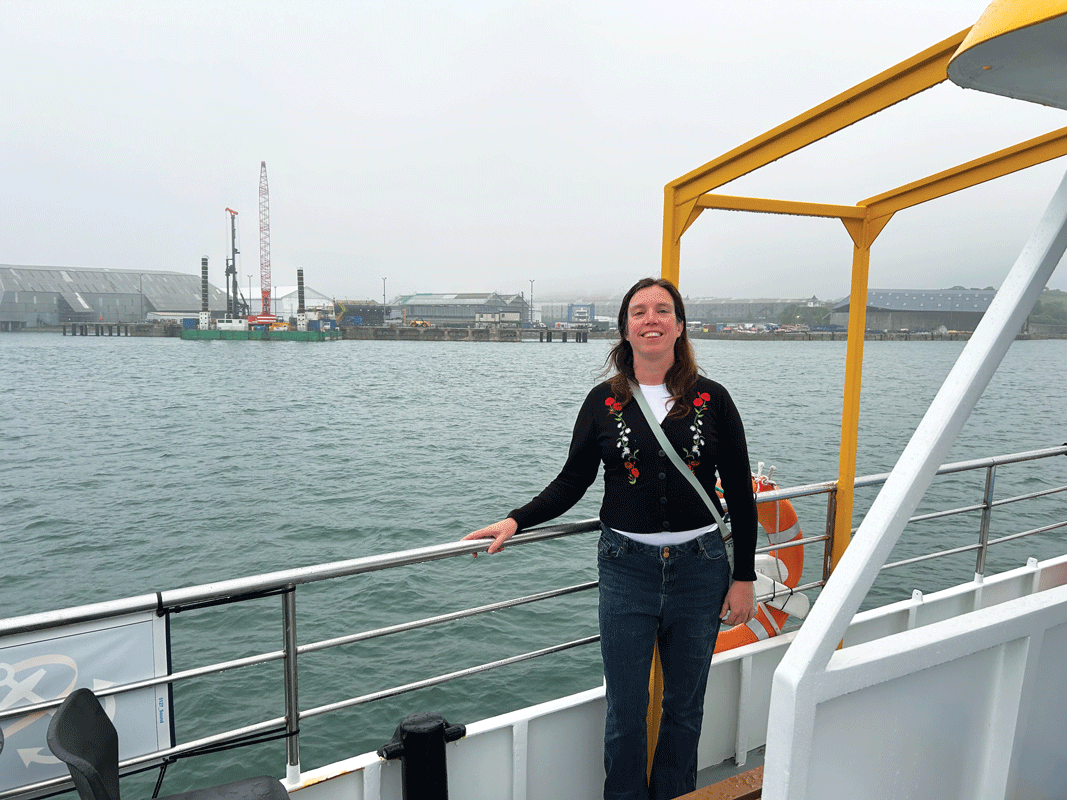
Catherine Ingram, head of naval architecture at Navantia UK (image: Catherine Ingram)
Catherine Ingram, head of naval architecture at Navantia UK, reflects on her career journey.
Branch spotlight: Building on relationships
The Naval Architect
HMS Venturer at Rosyth, where Babcock hosts an annual STEM event (image: Alamy)
A quarter-century of partnerships and professional development at the Scottish Branch.
The Big Questions: Arun Dev
The Naval Architect
A career in industry and academia has taught the Newcastle University in Singapore-based professor to be patient, humble and never stop learning.
Shallow reckoning - Copy
The Naval Architect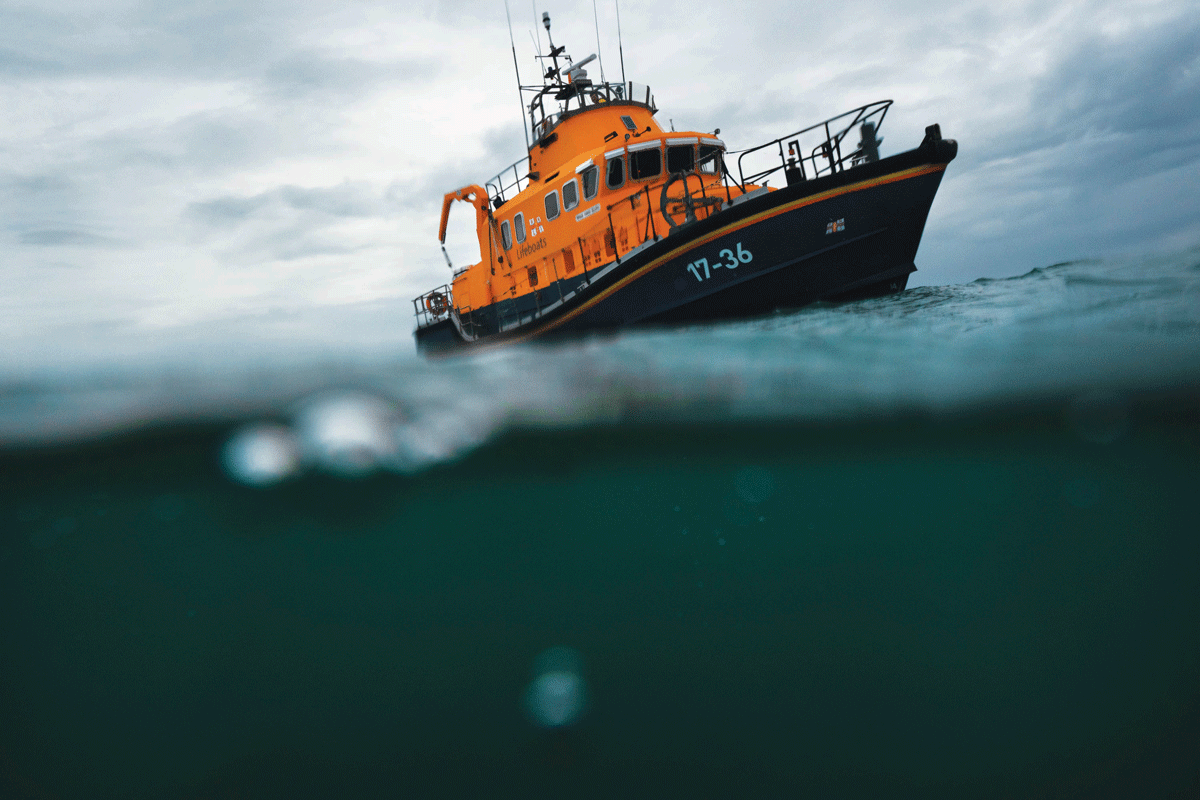
The RNLI has saved almost 150,000 lives since it was founded in 1824 (image: RNLI).
Amy McLellan examines how the RNLI, now entering its third century, is reconfiguring its fleet and redesigning its inshore rescue capability to reflect changes in how we use the sea.
The unmanned edge - Copy
The Naval Architect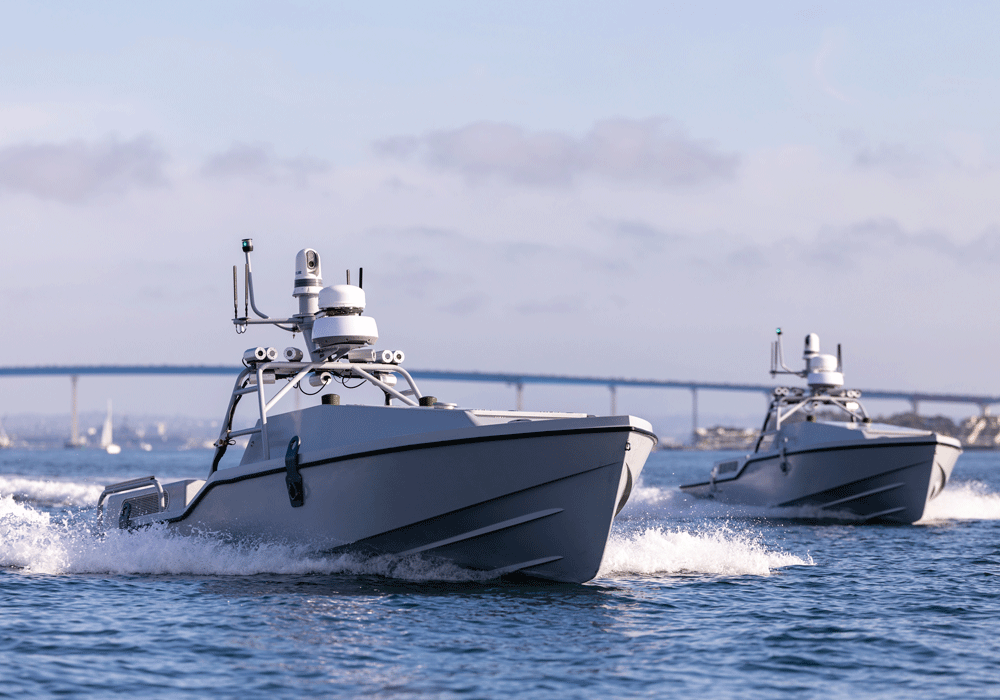
The future of maritime patrol missions lies in smart and scalable autonomous fleets, with naval architects key to driving their performance, explains Martin Conway.
Newsletters
Stay connected with the global maritime community through RINA’s newsletters.
Whether you are a member or not, you can receive updates from The Naval Architect, alongside selected RINA news, events and industry insights. Members also gain access to a wider portfolio of exclusive newsletters on key topics in the maritime industry.
- The Naval Architect (currently available to all members & non-members)
- Power & Sustainability (members-only)
- Ship Repair & Maintenance (members-only)
- Warship Technology (members-only)
- Ferries & Fast Craft (members-only)
- Offshore Technology (members-only)
