

WARSHIP TECHNOLOGY
Warship Technology delivers in-depth analysis of advanced naval systems, platforms, and integration strategies shaping modern maritime defence capabilities.
Look out for topics such as combat management systems, radar and sensor integration, propulsion advancements, survivability and stealth technologies, and the growing role of autonomy and artificial intelligence in naval operations.
Gain insight into the technologies underpinning next-generation warships, along with the practicalities of design, integration, and lifecycle support within complex naval environments.
Herne XLAUV charts new certification course
Warship Technology (Newsletter)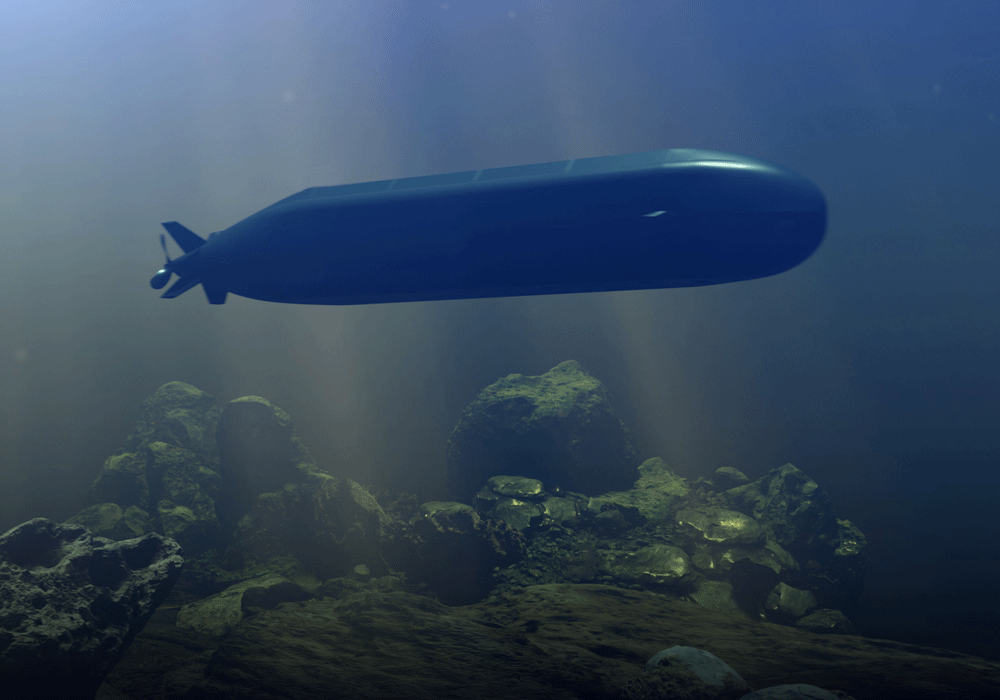
Autonomous underwater vehicle certification
BAE Systems' Herne extra-large autonomous underwater vehicle is set to be the first platform of its kind certified under Lloyd's Register's Unmanned Marine Systems Code. The milestone establishes recognised assurance standards for large uncrewed submersibles, with significant implications for naval architects and the defence maritime sector.
Plymouth's prime position gets boost
Warship Technology (Newsletter)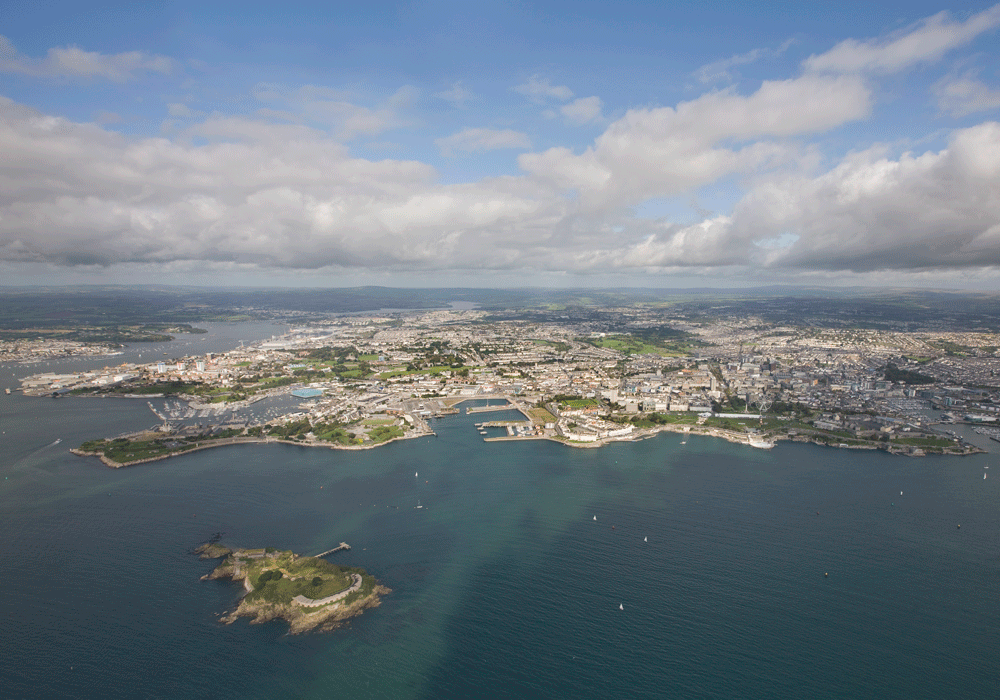
Plymouth's historic position offers future options (image: National Centre for Marine Autonomy)
The UK Government has committed £50 million to Plymouth's National Centre for Marine Autonomy, targeting UUV and USV development. Smart Sound Plymouth offers more than 1,000km2 of deconflicted water space and 75m offshore depths, while proximity to HM Naval Base Devonport adds operational credibility for autonomous systems validation.
Offshore wind: Brazil's blank slate
Offshore Technology (Newsletter)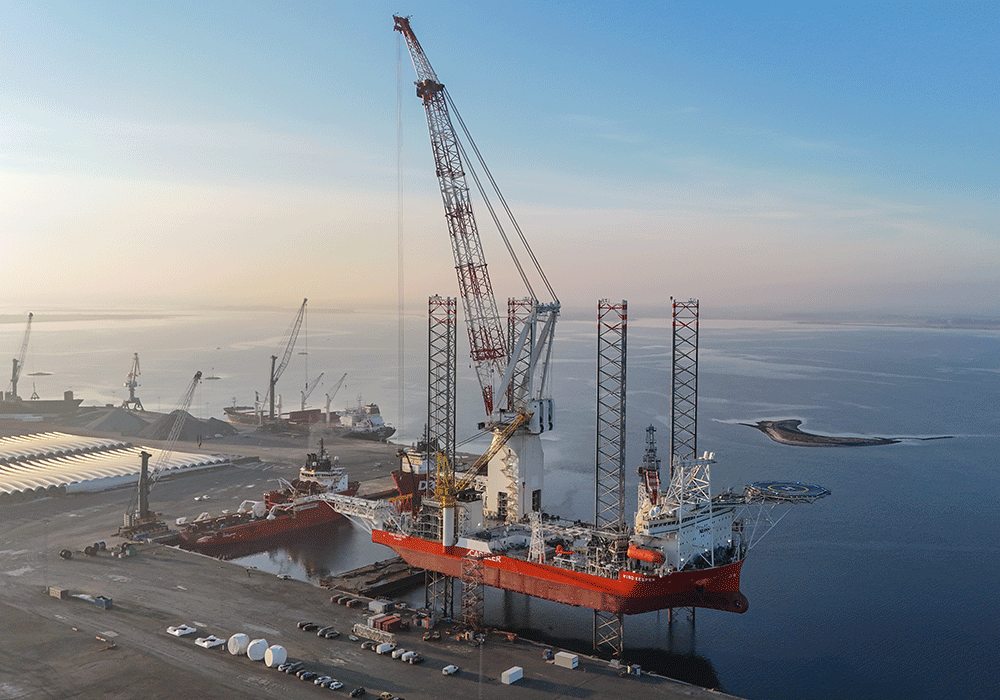
China's typically smaller, shallow-water WTIV designs are better suited to Brazil's offshore conditions than European designs. Design example, Wind Keeper, was acquired from China by Cadeler in 2025 (image: Cadeler)
Brazil’s emerging offshore industry offers an alternative challenge for naval architects. The region’s shallow water will require redesigned vessels that will work in very different conditions to those experienced in Europe’s North Sea. Brazil’s offshore ships will look quite different from the platform supply vessels (PSVs) and anchor handlers (AHTS) currently in use there.
Oil markets still restraining offshore wind
Offshore Technology (Newsletter)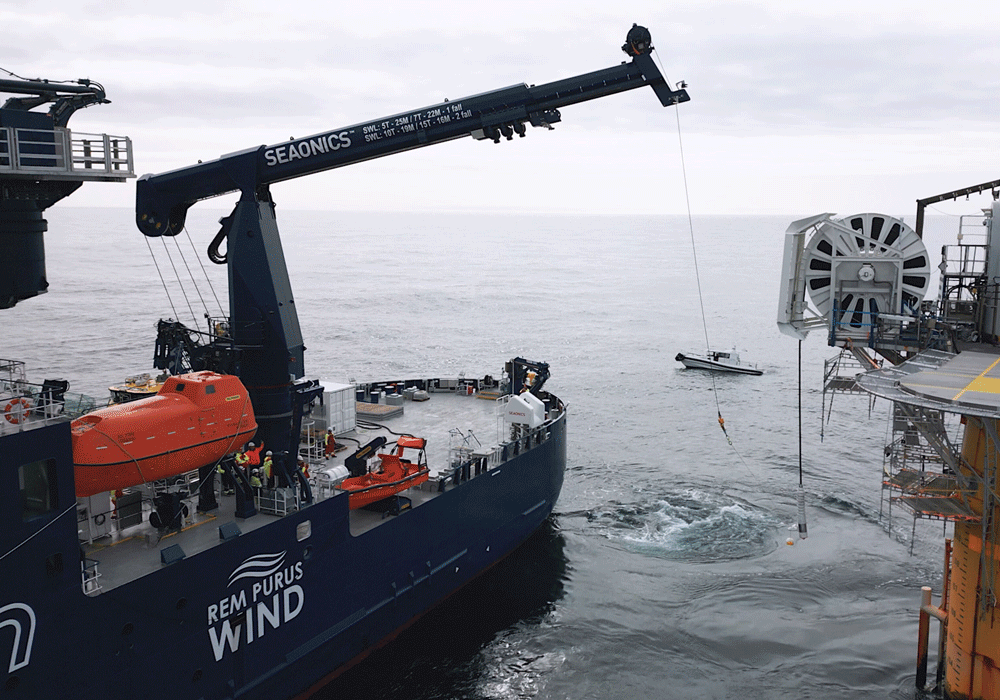
Vard's Ocean Charger (image: Vard)
The levelised cost of energy has seen offshore wind dive well below fossil fuels. And following damage reports in the Middle East there is a chance that this situation will persist for some years. Oil is expected to remain around US$90/barrel, prompting European operators to develop electric solutions, charging support vessels on location at windfarm arrays.
MASGA strategy a panacea for ship designers?
Offshore Technology (Newsletter)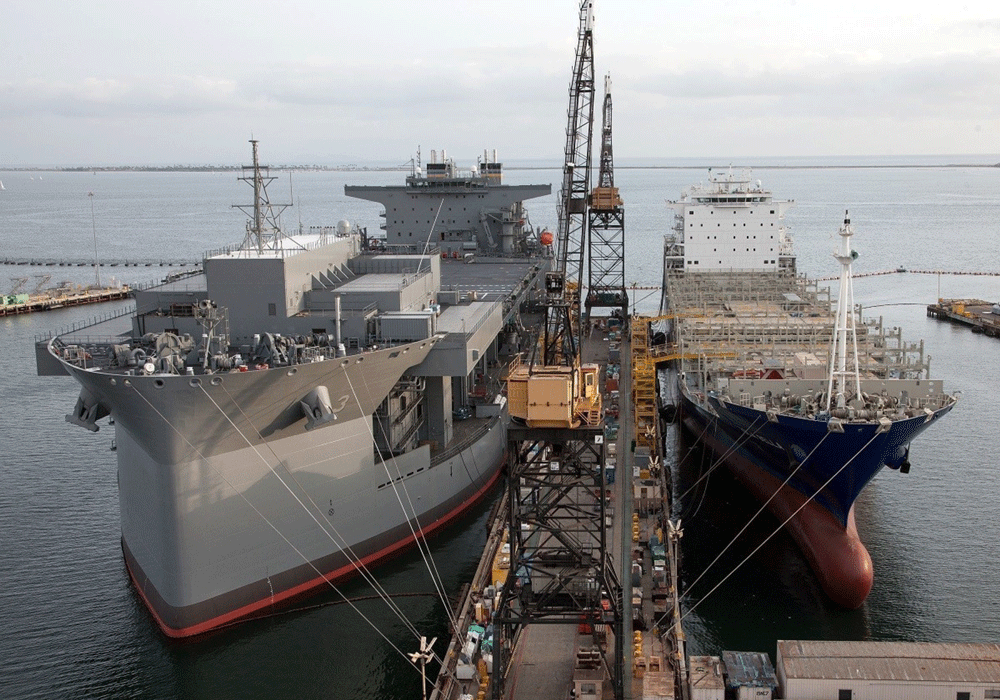
Rejuvenating US shipyards is a major challenge, but offshore could prove the catalyst (pictured: Vessels alongside at General Dynamics NASSCO shipyard - credit: US Navy)
Making American Shipbuilding Great Again is a challenge that has been accepted by South Korean Yard Hanwha, with its investment in the Philly Yard. To resuscitate the industry will need a major effort, but it could start with the smaller, less complex vessels operating in offshore wind and could provide an opportunity for naval architects too.
Modern market dynamics in fast craft design
Ferries & Fast Craft (Newsletter)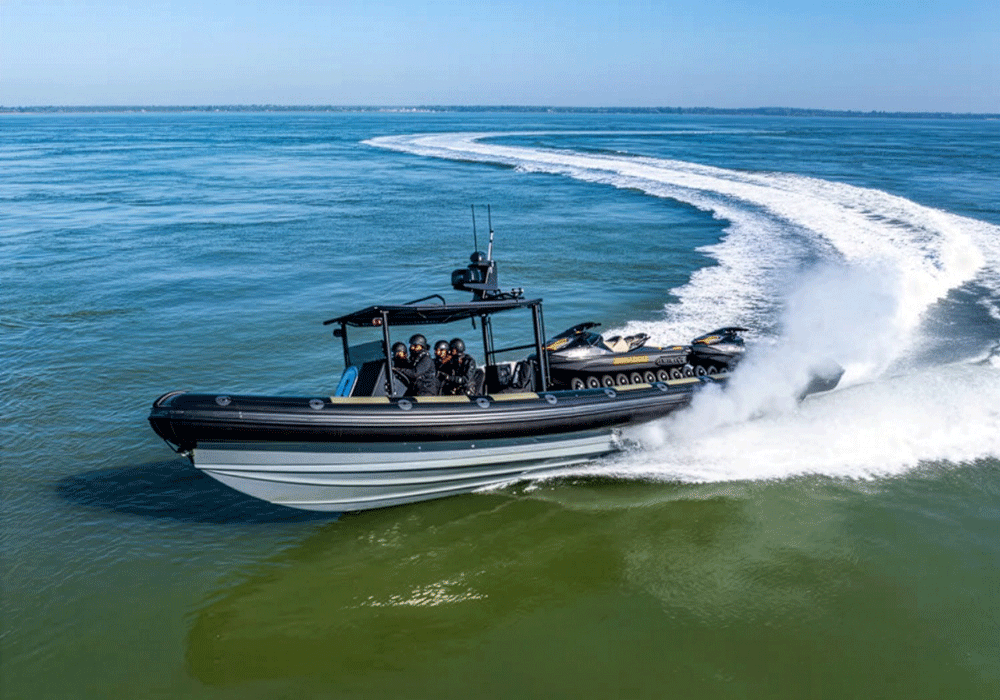
One of Arksen Pro's more recent innovations is the Vampire 1250 (image: Arksen Pro)
As fast craft design adapts to harsher offshore demands and faster-moving procurement cycles, RINA explores what naval architects can learn from Arksen Pro’s approach to ruggedisation, modularity and modern market dynamics
Flying boats rewrite the rules of fast craft design
Ferries & Fast Craft (Newsletter)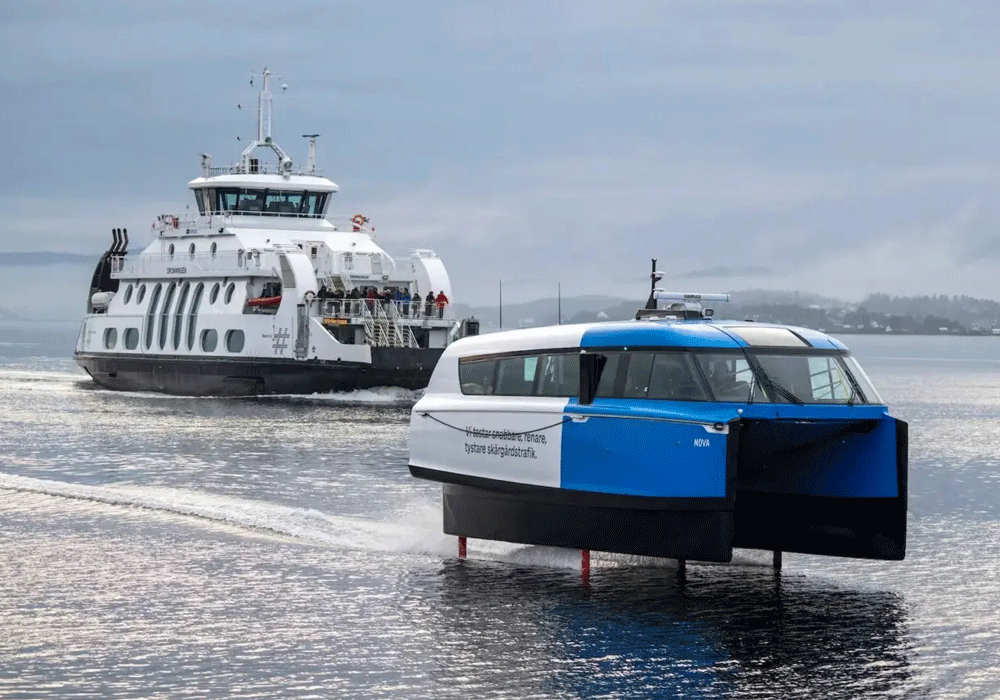
In the Candela P-12, the batteries are placed in the front of the boat, accounting for passenger weight (image: Candela)
Candela Technology’s flagship vessel, Candela P-12, holds the record as the fastest electric passenger vessel in operation. RINA reveals some of the secrets behind Candela’s pioneering hydrofoiling electric vessel design
Tailor-making the approach to fast ferries
Ferries & Fast Craft (Newsletter)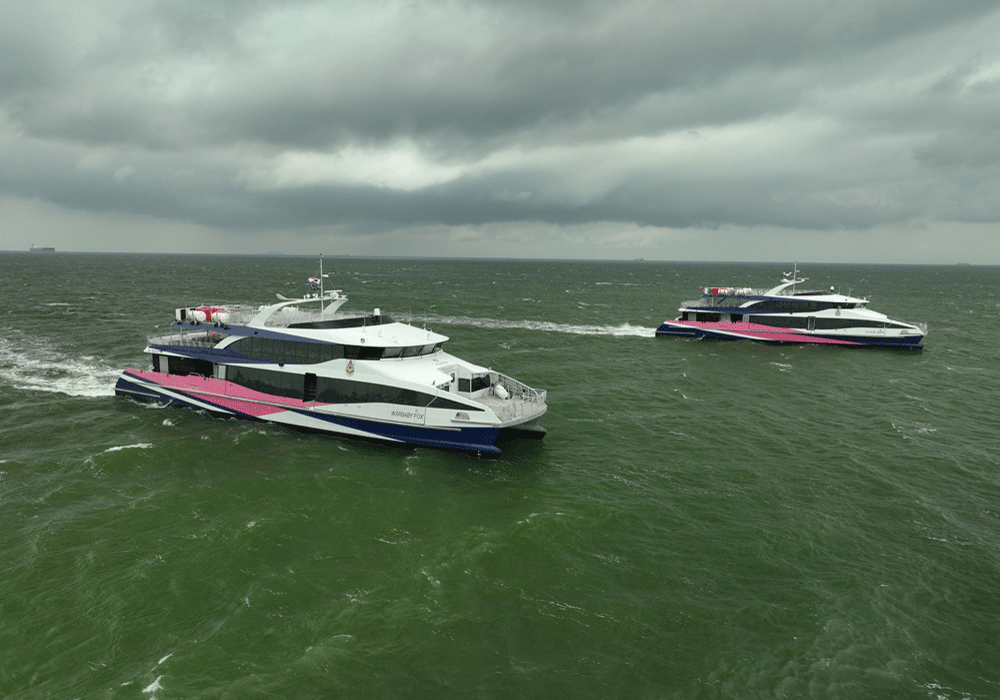
Strategic Marine's two 40m, 550-passenger low-emission catamaran ferries for the Government of Bermuda (image: Strategic Marine)
RINA talks exclusively to Strategic Marine on how low-emission targets are helping reshape hullform optimisation in large fast ferries and how this is subsequently spurring the market towards more tailored vessel designs
Neurodiversity, opportunity and inclusion in shipbuilding
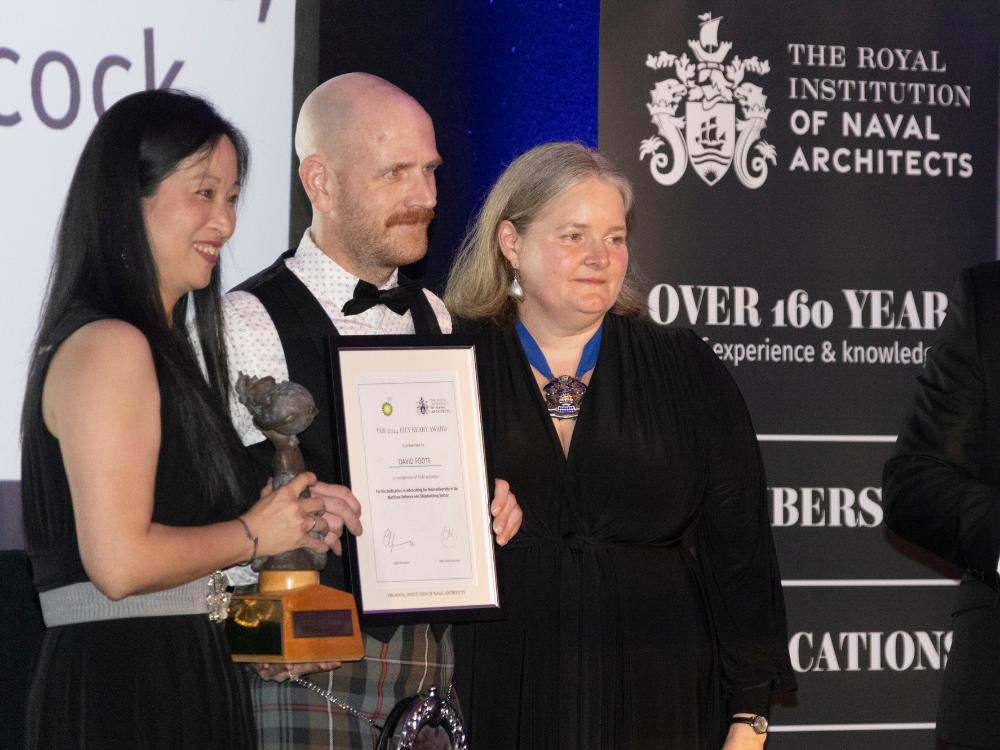
David Foote, Maritime Diversity Award winner, shares how neurodiversity strengthens innovation, safety and long-term talent in shipbuilding, while calling for more inclusive recruitment and support. Nominations for this year’s Maritime Diversity Award are open, with the deadline extended to 24 April 2026
Sponsored: Engineering the next decade of maritime innovation
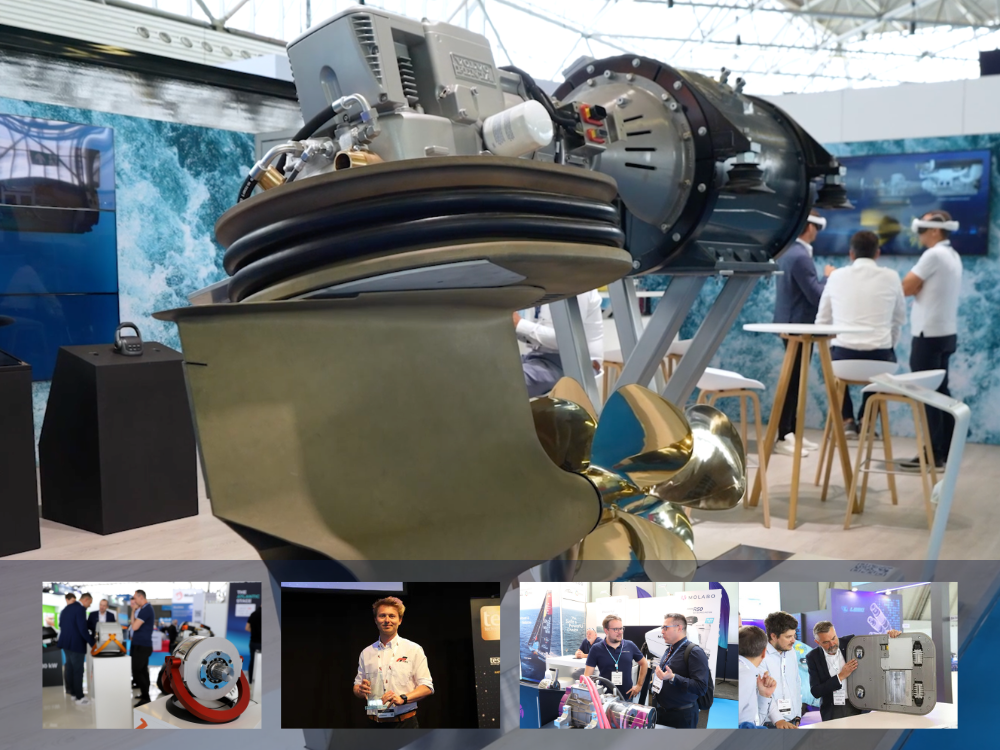
Explore the emergent engineering challenges shaping vessel architectures, from integrated electric propulsion and advanced control systems to autonomy‑enabling sensor suites and evolving regulatory frameworks. Register now for Advanced Maritime Technology Expo & Conference, 16–18 June 2026 in Amsterdam.
Immersive simulation accelerates warship design
Warship Technology (Newsletter)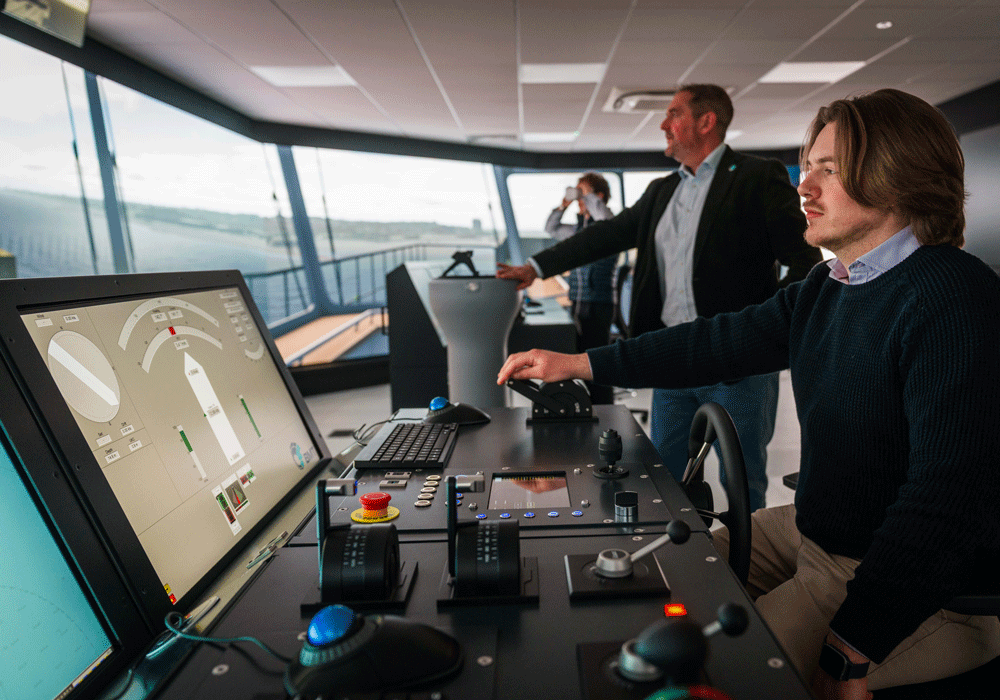
BMT's new state-of-the-art Digital Innovation & Simulation Centre (DISC)
BMT’s new Digital Innovation & Simulation Centre (DISC) aims to reshape how naval architects design, test and validate vessels. In this exclusive interview, discover how it uses immersive simulation to de-risk decision-making
Building in better cyber resilience
Warship Technology (Newsletter)
Pole Star warns that AIS spoofing and GPS jamming are frequently used techniques that provide a false idea of ship locations while at sea
Cyberattackers are streamlining tactics and adopting new technologies to expand their capabilities. Pole Star Defense talks to RINA exclusively on why embedding cyber resilience into warship design from the outset is critical
Newsletters
Stay connected with the global maritime community through RINA’s newsletters.
Whether you are a member or not, you can receive updates from The Naval Architect, alongside selected RINA news, events and industry insights. Members also gain access to a wider portfolio of exclusive newsletters on key topics in the maritime industry.
- The Naval Architect (currently available to all members & non-members)
- Power & Sustainability (members-only)
- Ship Repair & Maintenance (members-only)
- Warship Technology (members-only)
- Ferries & Fast Craft (members-only)
- Offshore Technology (members-only)
