

WARSHIP TECHNOLOGY
Warship Technology delivers in-depth analysis of advanced naval systems, platforms, and integration strategies shaping modern maritime defence capabilities.
Look out for topics such as combat management systems, radar and sensor integration, propulsion advancements, survivability and stealth technologies, and the growing role of autonomy and artificial intelligence in naval operations.
Gain insight into the technologies underpinning next-generation warships, along with the practicalities of design, integration, and lifecycle support within complex naval environments.
Hydrogen hits the big time with projects on the rise - Copy
The Naval Architect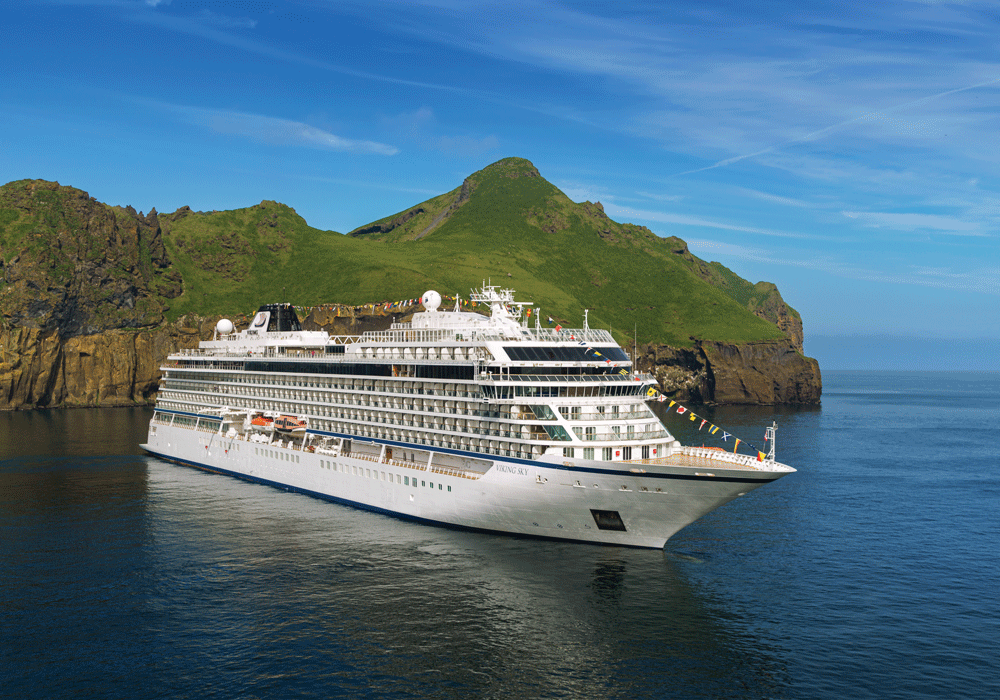
Unlike its sister ship, Viking Sky, Viking Libra will run on hydrogen
Hydrogen is moving from pilot projects to mainstream maritime adoption, with landmark vessel orders and emerging bunkering hubs signalling growing industry confidence.
Modern market dynamics in fast craft design
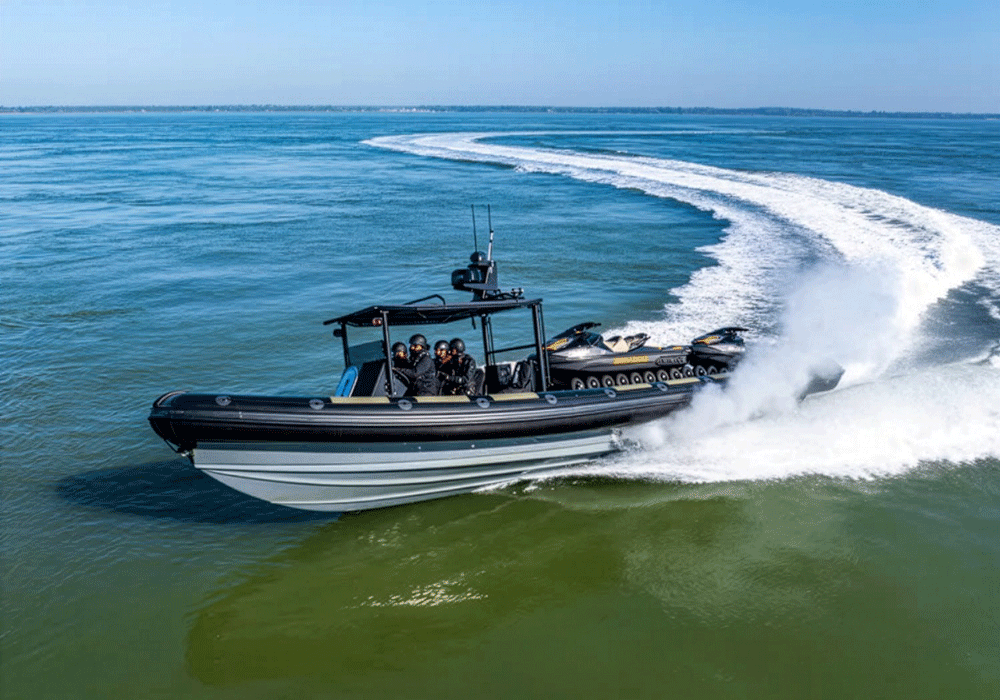
One of Arksen Pro's more recent innovations is the Vampire 1250 (image: Arksen Pro)
As fast craft design adapts to harsher offshore demands and faster-moving procurement cycles, RINA explores what naval architects can learn from Arksen Pro’s approach to ruggedisation, modularity and modern market dynamics
Flying boats rewrite the rules of fast craft design
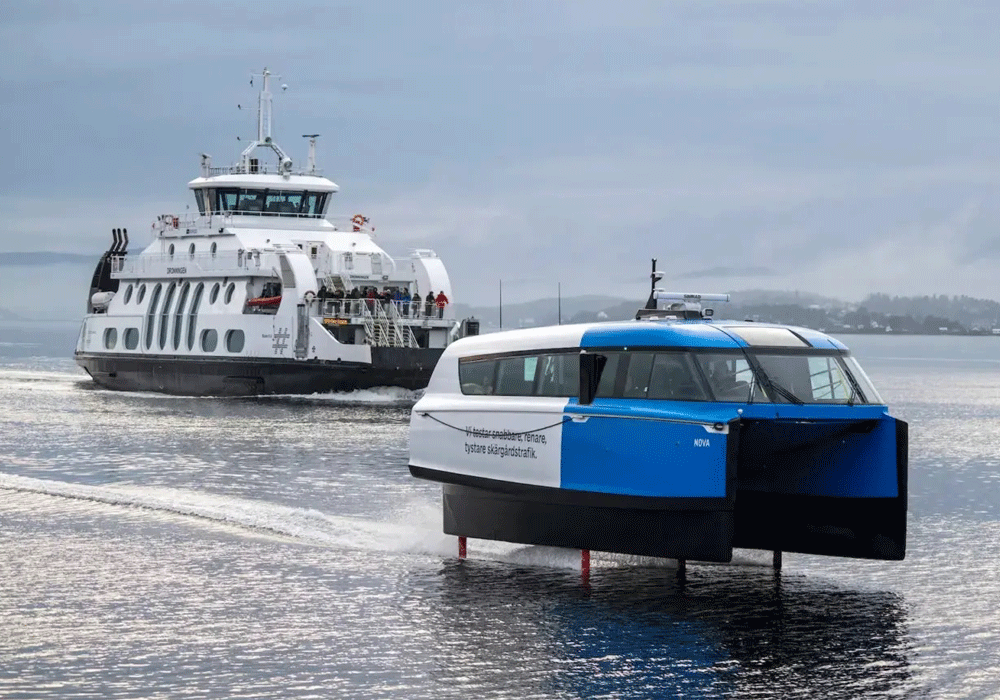
In the Candela P-12, the batteries are placed in the front of the boat, accounting for passenger weight (image: Candela)
Candela Technology’s flagship vessel, Candela P-12, holds the record as the fastest electric passenger vessel in operation. RINA reveals some of the secrets behind Candela’s pioneering hydrofoiling electric vessel design
Tailor-making the approach to fast ferries
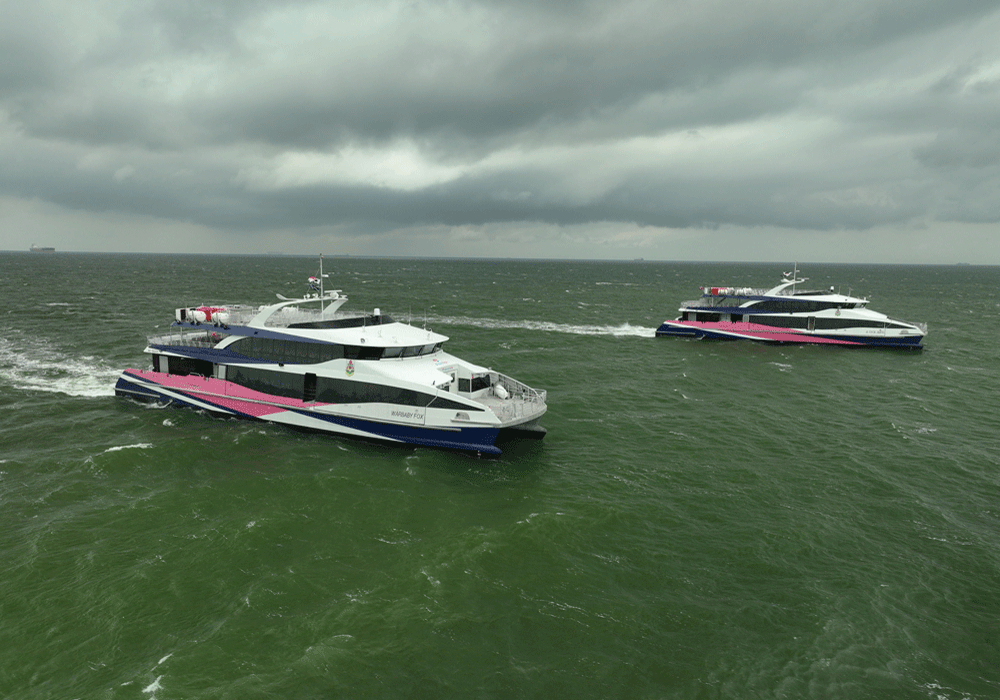
Strategic Marine's two 40m, 550-passenger low-emission catamaran ferries for the Government of Bermuda (image: Strategic Marine)
RINA talks exclusively to Strategic Marine on how low-emission targets are helping reshape hullform optimisation in large fast ferries and how this is subsequently spurring the market towards more tailored vessel designs
Safety first for new fuels
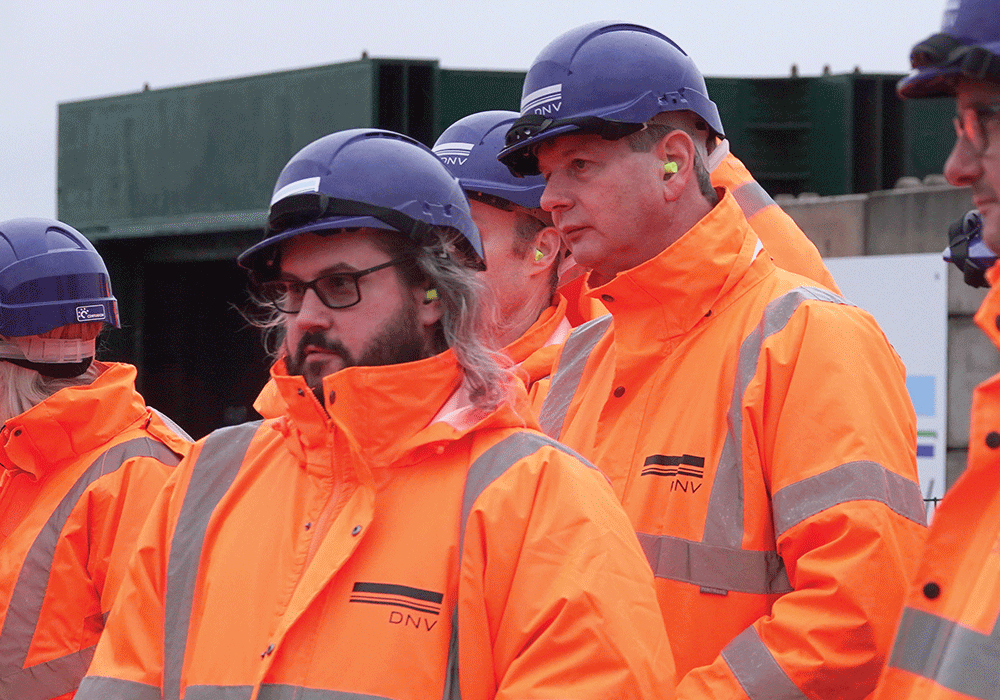
Thomas Beard helps shipowners comply with safety rules
The shift from heavy fuel oil to low-carbon alternatives promises deep emissions cuts but it also introduces a new generation of safety challenges. The challenge now is ensuring the industry meets its decarbonisation goals without compromising on safety.
Hydrogen hits the big time with projects on the rise
The Naval Architect
Unlike its sister ship, Viking Sky, Viking Libra will run on hydrogen
Hydrogen is moving from pilot projects to mainstream maritime adoption, with landmark vessel orders and emerging bunkering hubs signalling growing industry confidence.
Why anchoring system layout deserves greater design attention
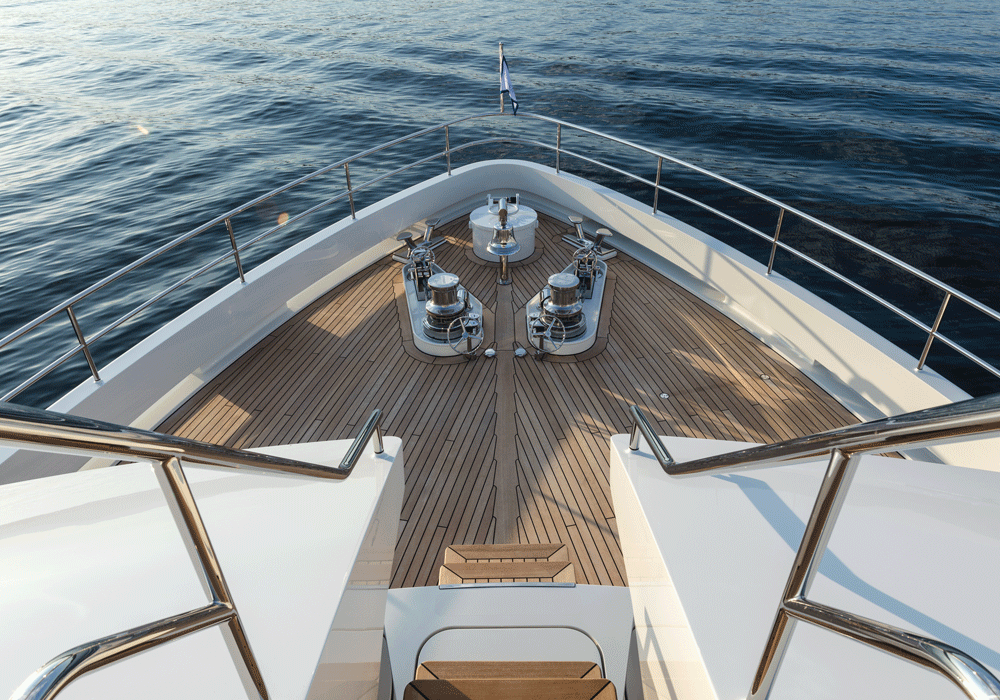
As vessel designers push the boundaries of space and efficiency, the humble anchoring system is increasingly caught in the squeeze.
What's next for WAPS?
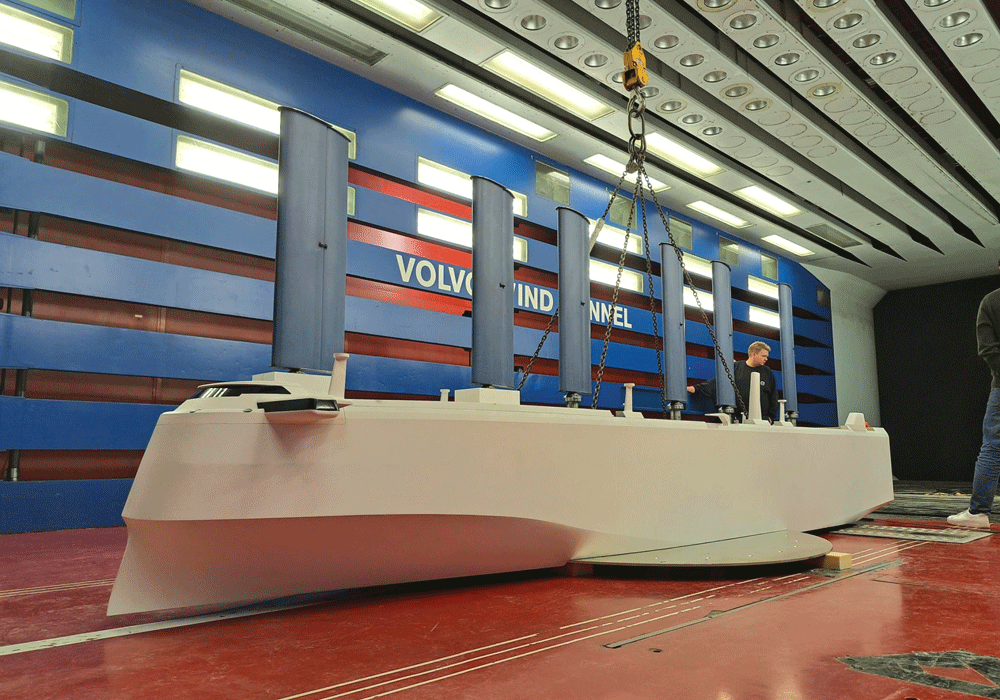
Orcelle Horizon Wind tunnel testing in December 2024 (image: Wallenius Marine)
DNV’s senior principal engineer, Hasso Hoffmeister, examines the evolution of wind-assisted propulsion systems, and what comes next.
Advancing innovation, collaboration and knowledge-sharing
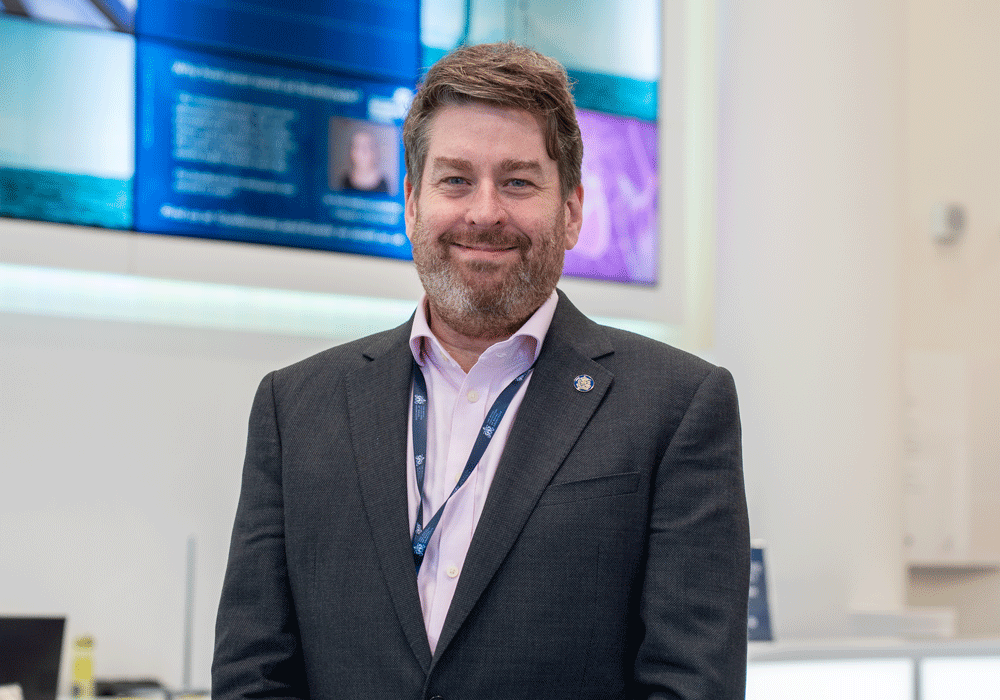
RINA's strength is its members, CEO Paul Jobson
Welcome to the latest edition of The Naval Architect. Eight months into my tenure as CEO, my initial focus has been on strengthening RINA’s foundations and accelerating delivery of the strategic changes required for our next exciting phase, outlined here.
Deal smoothes path to Net Zero
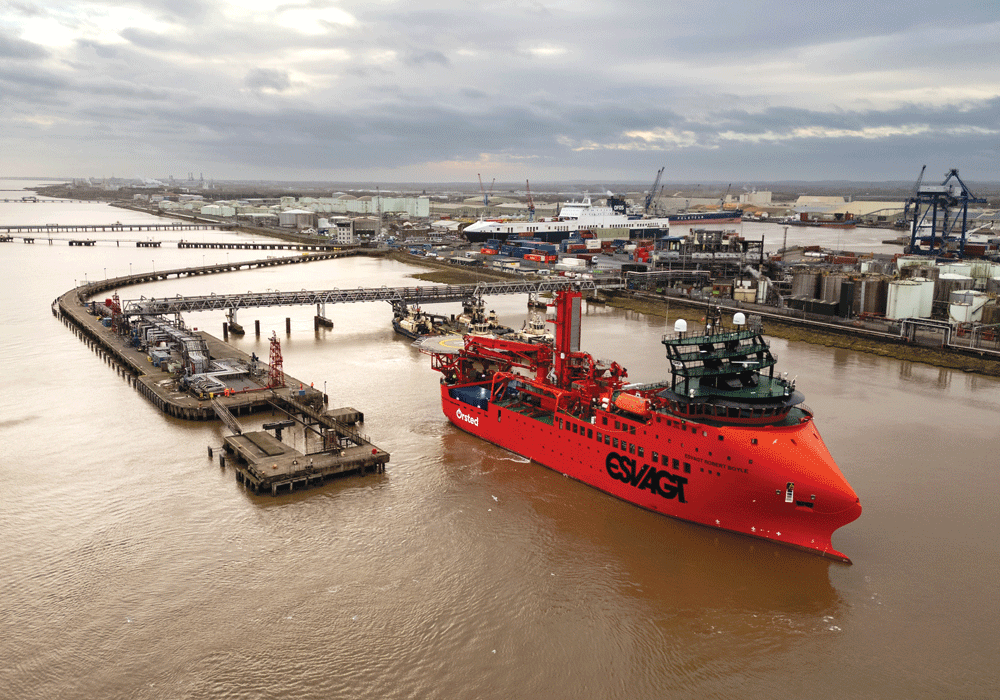
A service operation vessel supporting Ørsted's North Sea offshore wind operations at the Port of Immingham. Biomethanol is liquid at ambient temperature and pressure and chemically identical to fossil methanol, meaning methanol-capable vessels require no modification to use it (image: Frank Henshall. Source: Exolum)
UK’s first commercial biomethanol bunkering service launches at Port of Immingham.
Efficiency is the transitional fuel
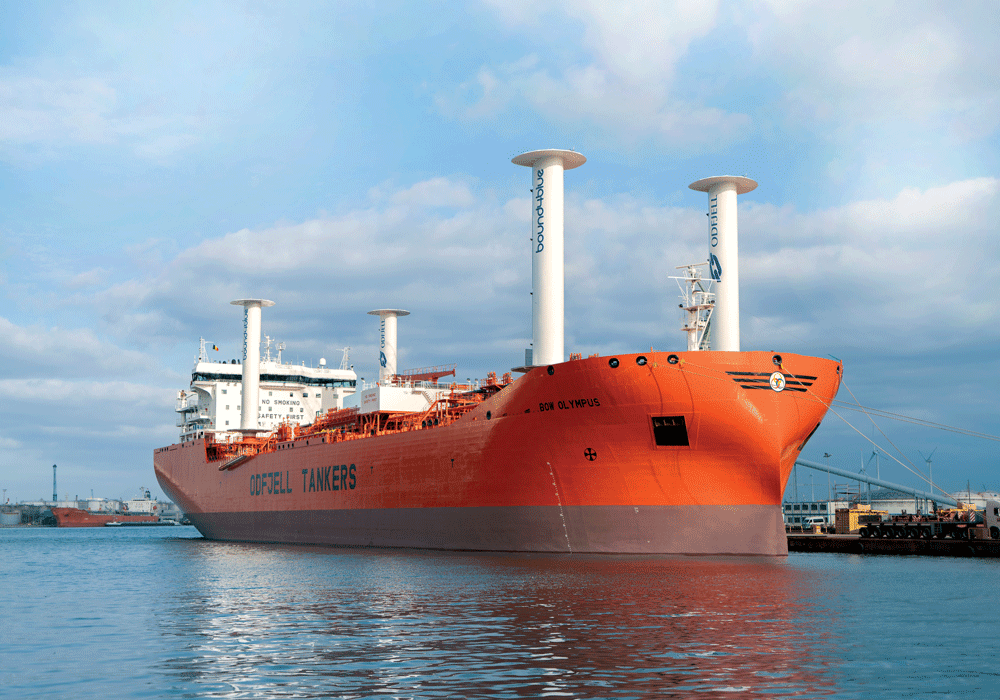
Odfjell's Bow Olympus sports four bound4blue rigid suction sails
Examining how energy saving devices have helped Odfjell slash its fuel costs across its chemical tanker fleet.
China moves fast with green fuel ambitions
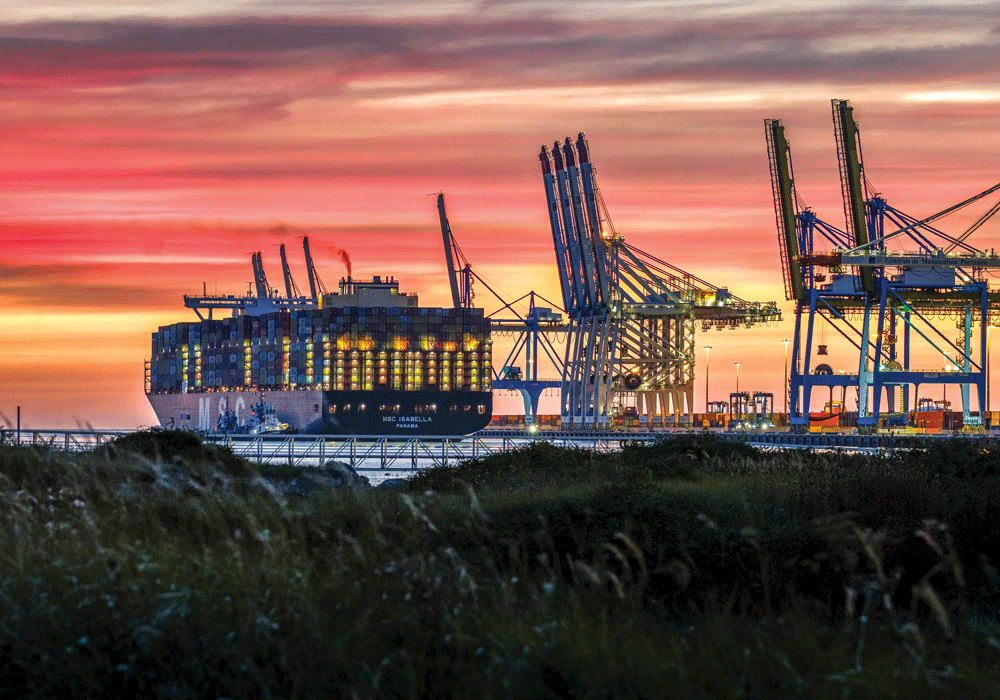
HAROPA PORT is set to be part of a green corridor (image: ©Haropa Port/Samuel Salamagnon)
China is moving with unusual institutional weight to position itself at the centre of the global maritime energy transition. A blueprint backed by 10 central government ministries has set Shanghai on course to become a leading green bunkering hub by 2030.
Newsletters
Stay connected with the global maritime community through RINA’s newsletters.
Whether you are a member or not, you can receive updates from The Naval Architect, alongside selected RINA news, events and industry insights. Members also gain access to a wider portfolio of exclusive newsletters on key topics in the maritime industry.
- The Naval Architect (currently available to all members & non-members)
- Power & Sustainability (members-only)
- Ship Repair & Maintenance (members-only)
- Warship Technology (members-only)
- Ferries & Fast Craft (members-only)
- Offshore Technology (members-only)
