

WARSHIP TECHNOLOGY
Warship Technology delivers in-depth analysis of advanced naval systems, platforms, and integration strategies shaping modern maritime defence capabilities.
Look out for topics such as combat management systems, radar and sensor integration, propulsion advancements, survivability and stealth technologies, and the growing role of autonomy and artificial intelligence in naval operations.
Gain insight into the technologies underpinning next-generation warships, along with the practicalities of design, integration, and lifecycle support within complex naval environments.
Wanted: Skills for the 21st century
The Naval Architect
Babcock is investing heavily in apprenticeship and graduate courses (image: Babcock)
Rising orders, retiring staff and a fast-changing design toolkit are testing naval architecture’s skills base. How the profession trains its next generation, and where it looks for new talent, will shape who designs and builds the world’s fleet for decades to come.
'We need more folk who know how things float'
The Naval Architect
Simon Benson
Simon Benson looks at how to create the best talent pipeline to cater for the growing offshore renewables sector.
USV supports mapping of global seabed
The Naval Architect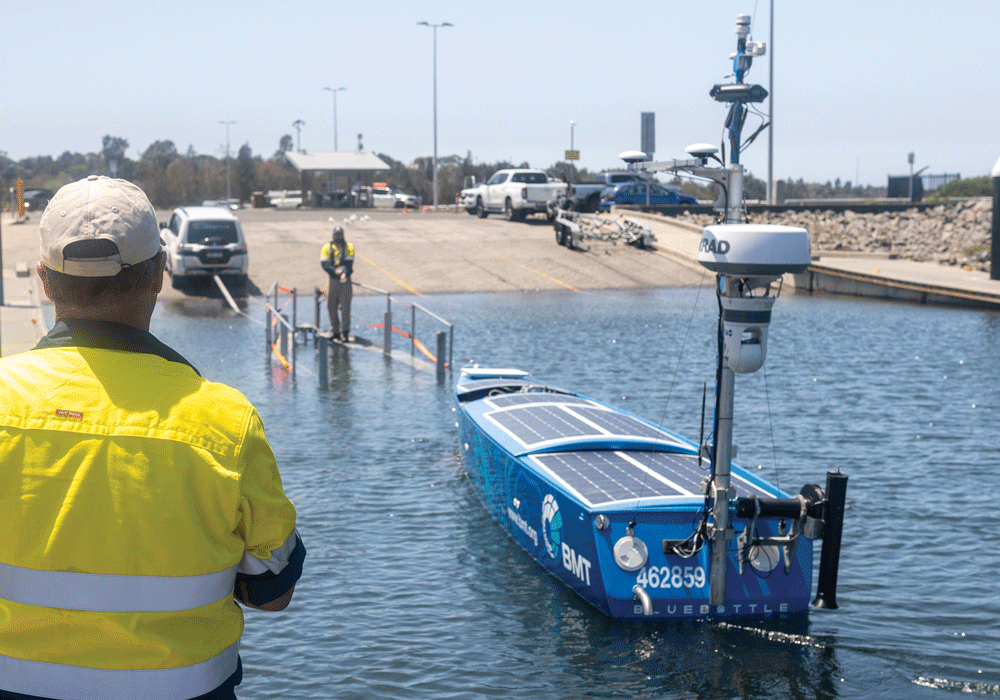
The Deep Blue Project USV gathers real-time maritime data in coastal and offshore environments.
An uncrewed surface vessel fitted with metocean sensors, feeding into a cloud-based analytics platform, is set to support one of the maritime sector’s largest data gaps, the mapping of the world’s ocean floor.
Professional development: Journey of a lifetime
The Naval Architect
Image: Shutterstock
The scope of the maritime industry is vast with a wide range of career paths to follow. Let RINA help you chart the best course for you.
Windcoop orders world's first sail-powered container ship
The Naval Architect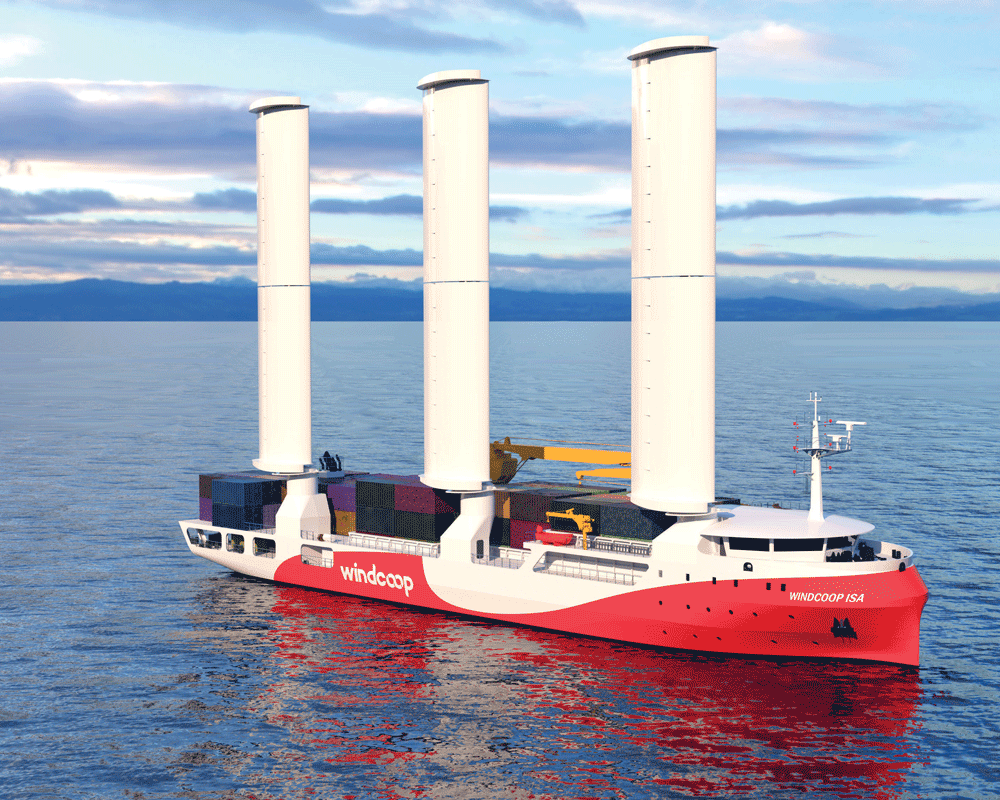
Windcoop's containership is set to sail in May 2027
Windcoop has placed a binding order for what is being described as the world’s first sail-powered containership, with construction due to begin at RMK Marine’s shipyard in Türkiye in 2026.
Internships: Hands-on experience and a fresh perspective
The Naval Architect
Lateral provides naval architecture, structural, mechanical and outfit engineering services.
A decade after replacing summer placements with two annual 12-month internships, Southampton-based Lateral Naval Architects reflects on the programme’s success through the experiences of two interns and its chief naval architect.
The skill we rarely teach: Engineering Judgement
The Naval Architect
James Gladman
While technology has opened up a world of possibilities, it cannot remove the need for sound judgement, argues James Gladman.
Helping develop your careers
The Naval Architect
Chris McNair pictured at London International Shipping Week.
Chris McNair reflects on how times are changing for skills, development and how RINA can support you.
AYK Energy showcases containerised battery
The Naval Architect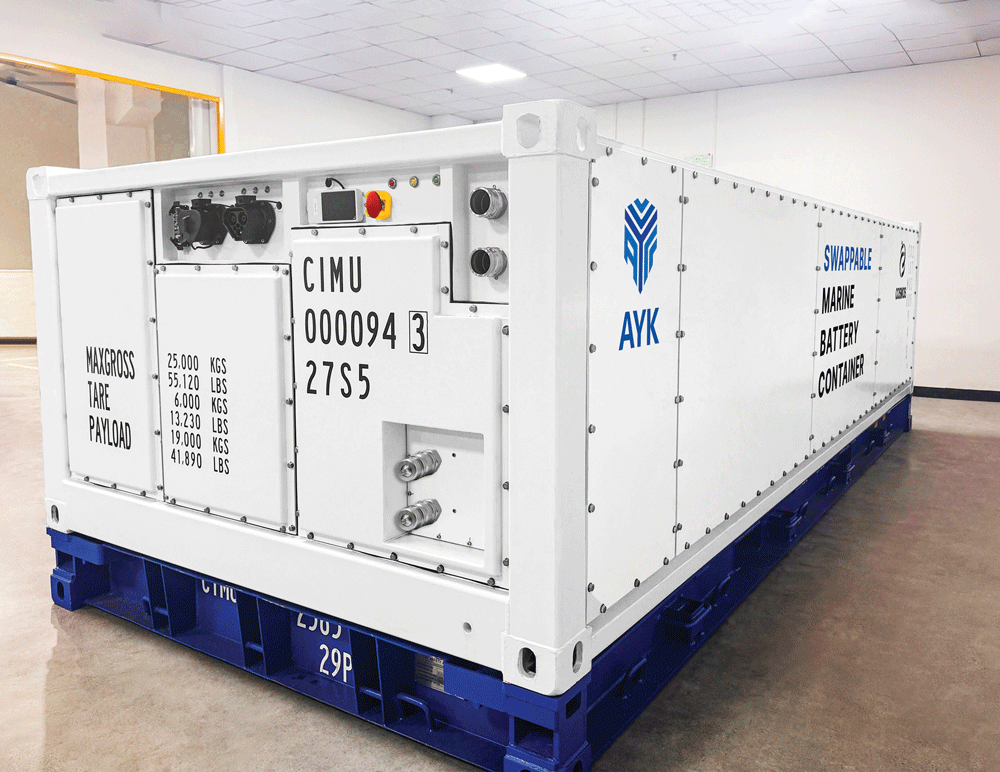
According to AYK, the containerised design removes the need for a dedicated battery room.
Marine battery manufacturer AYK Energy unveiled what it describes as the world’s first swappable containerised marine battery system at SMM in Hamburg.
TERRA MARIQUE pontoon
The Naval Architect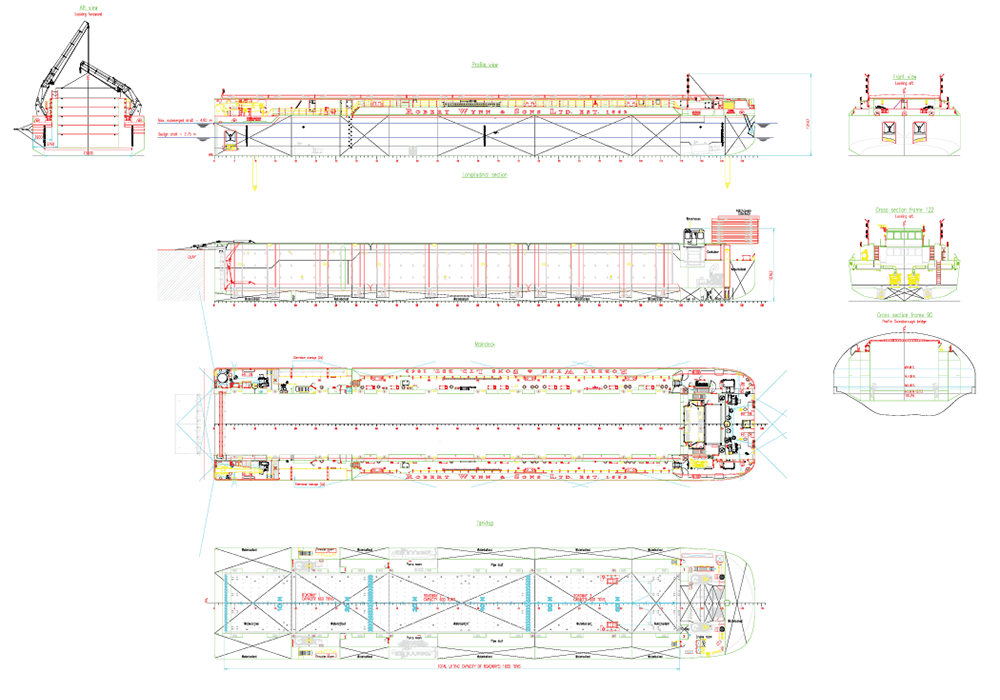
Terra Marique: General Arrangement of Damen's Multipurpose Pontoon (image: Damen Shipyard).
Damen Shipyard’s plans for the multi-purpose heavy-lift barge, a specialist 80m-long vessel designed to carry abnormal indivisible loads.
Rethinking hull lubrication for real operating conditions
The Naval Architect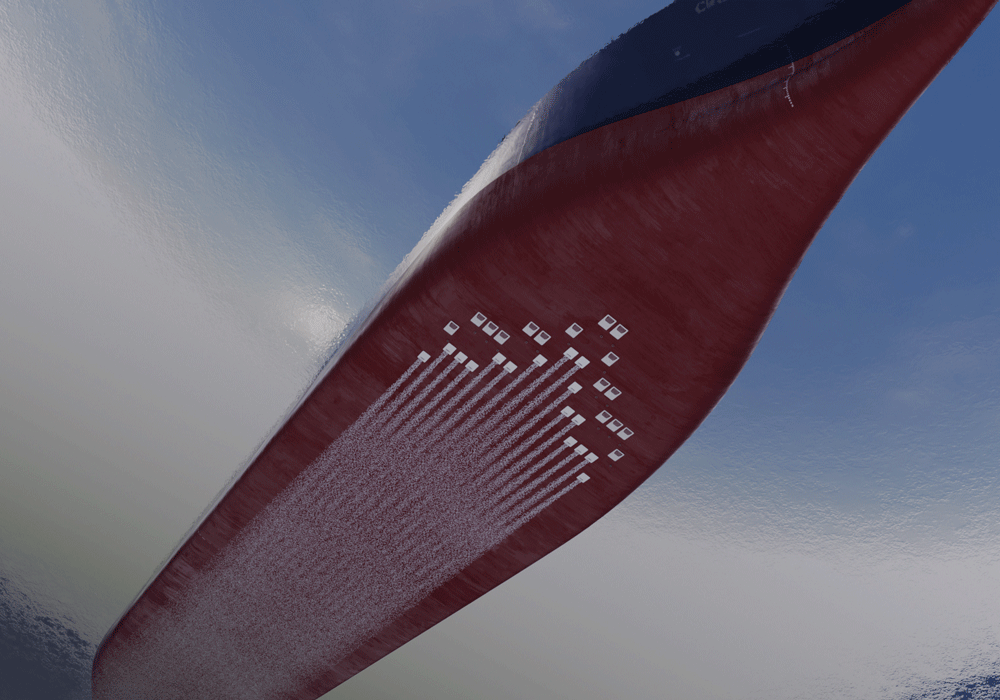
Passive lubrication and full-scale operating data are extending net performance across the vessel operating profile, says Alex Routledge.
Staying in control of Multi-CAD
The Naval Architect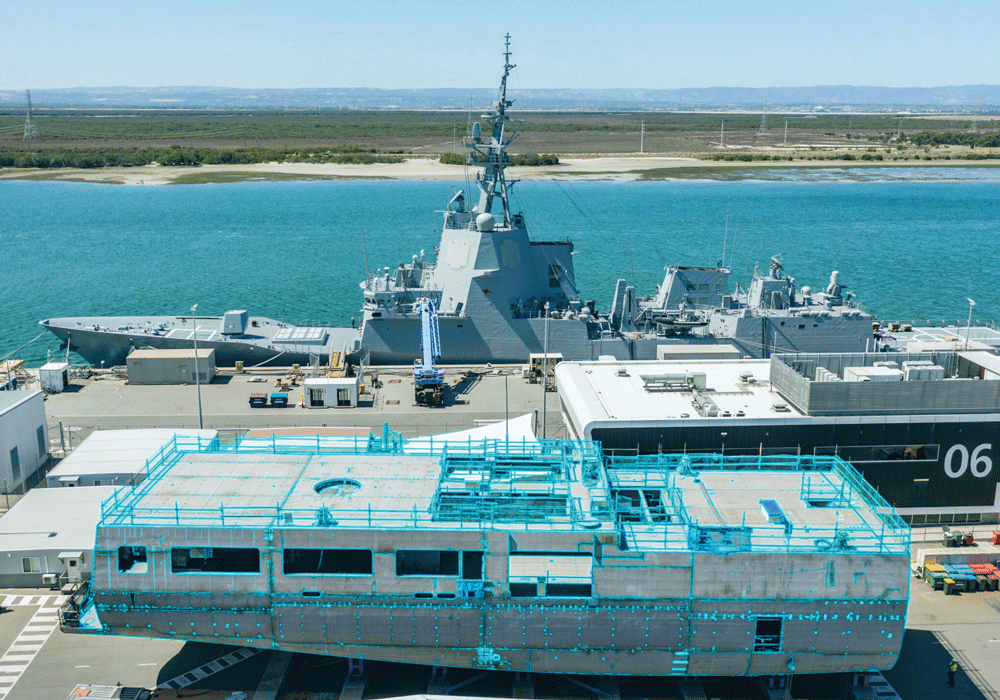
SSI software can help keep on top of constantly evolving data from multiple sources.
Shipyards working with third-party data need the means to integrate and keep track of data of increasing complexity, writes Simon Crook.
Newsletters
Stay connected with the global maritime community through RINA’s newsletters.
Whether you are a member or not, you can receive updates from The Naval Architect, alongside selected RINA news, events and industry insights. Members also gain access to a wider portfolio of exclusive newsletters on key topics in the maritime industry.
- The Naval Architect (currently available to all members & non-members)
- Power & Sustainability (members-only)
- Ship Repair & Maintenance (members-only)
- Warship Technology (members-only)
- Ferries & Fast Craft (members-only)
- Offshore Technology (members-only)
