


The underwater arms race
The global undersea arms race is transforming not just navies but the engineering profession behind them. Workforce, digital capability and nuclear stewardship are now as strategically important as the platforms themselves.
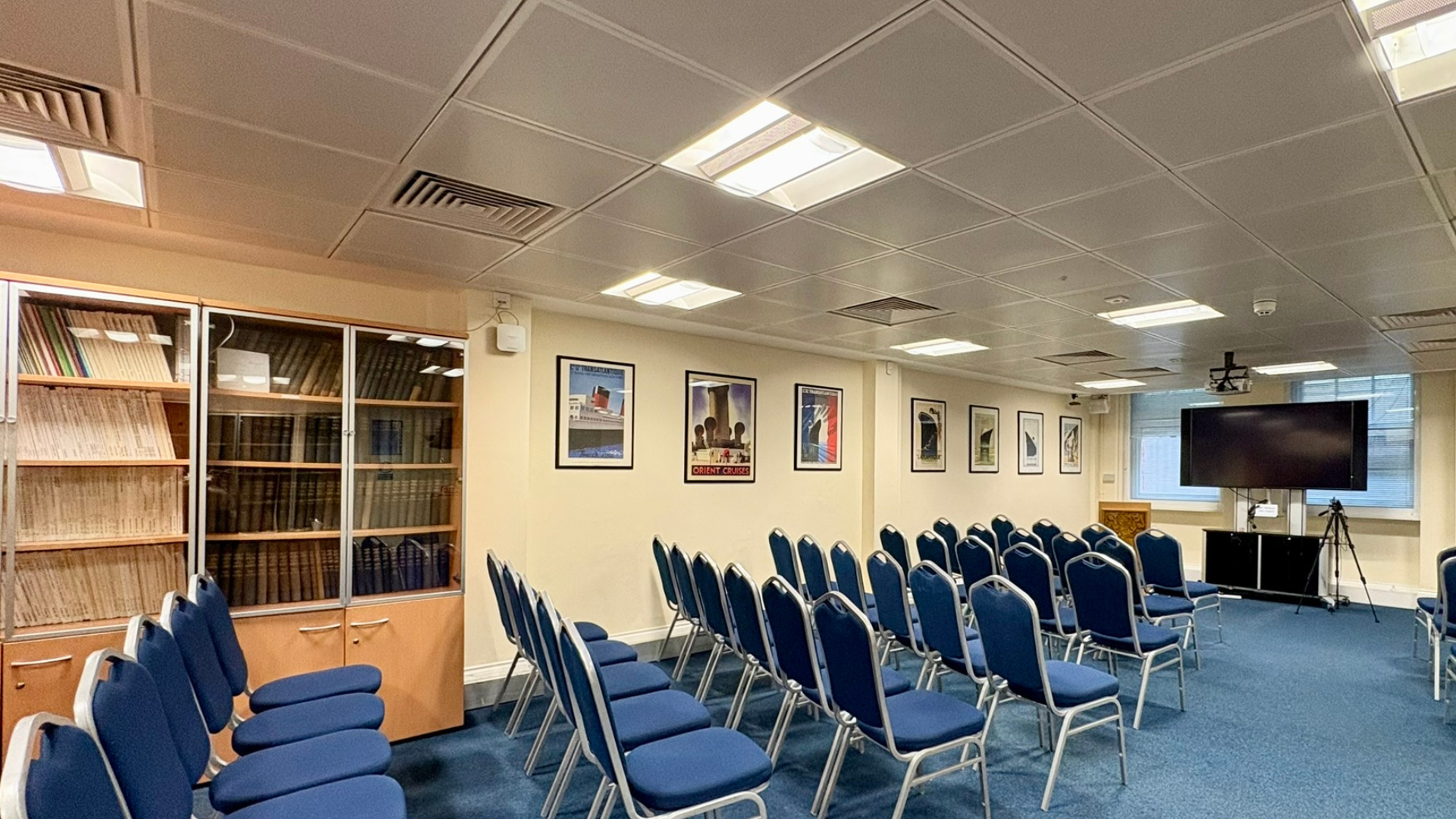
Western Joint Branch of The Royal Institution of Naval Architects and The Institute of Marine Engineering, Science and Technology, for Members in Bristol, Bath, Taunton, South East Wales, Gloucester, Swindon and Salisbury.
The Western Joint Branch comprises members of the IMarEST and RINA, covering a large area from Swindon in the North East down to Taunton in the South West, the counties of Wiltshire, Gloucestershire, and Somerset and the cities of Bath and Bristol. The membership is drawn principally from those associated with the defence maritime sector, including serving and retired Royal Navy personnel, MOD civil servants and contractors from organisations such as Rolls Royce, BVT Surface Fleet, Thales Naval and BMT Group, as well as a number of self-employed consultants. The WJB committee comprises up to 10 marine engineers and naval architects, some of whom are members of both institutes. The committee members conduct liaison with HQ staff, plan and execute the lecture and technical visit programme, apply for HQ funding and manage the budget, represent the membership at HQ meetings and organise and conduct Professional Review Interviews (PRIs) for Incorporated and Chartered Engineer candidates. All branch meetings are advertised via the RINA and IMarEST websites and posters advertising the meetings sent to those who have provided their e-mail address to the WJB honorary secretary.
Up to 8 lectures are presented each year between September and April, the venue alternating between the Universities of Bath and the West of England (in North Bristol). The meetings are open to all and we are always pleased to welcome new members, colleagues, friends and family members. Light refreshments are provided. Technical visits are organised subject to the availability of suitable venues, hosts and visit sponsors. Such visits are advertised as they arise.
Chairman - Jake Rigby CEng FRINA MIMarEST
Vice-Chairman - Benjamin Scott CEng MRINA
Secretary - Daniel McAlindon AMRINA
Treasurer - Mr. S Crockett CEng CMarEng FIMarEST RCNC
Assistant Treasurer - Matthew Hood CEng MIET MAPM FRINA RCNC
Webmaster - Daniel Chippendale MEng AMIMarEST
Professional Affair Coordinator - Peter Stott
Professional Affair Coordinator - Alex Hyslop CEng CMarEng MIMarEST

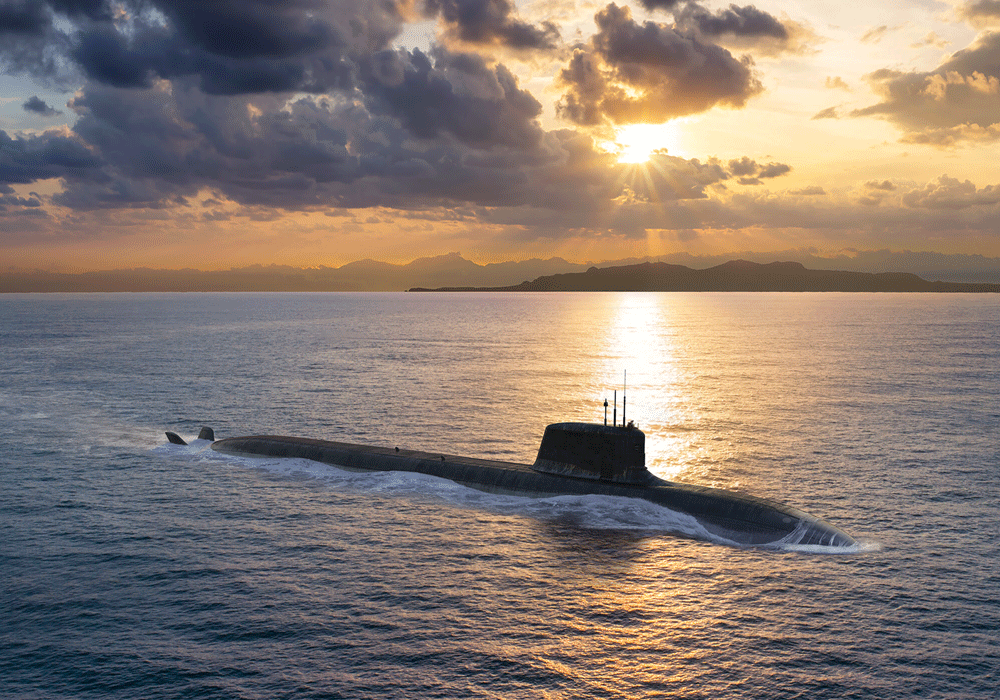
The global undersea arms race is transforming not just navies but the engineering profession behind them. Workforce, digital capability and nuclear stewardship are now as strategically important as the platforms themselves.
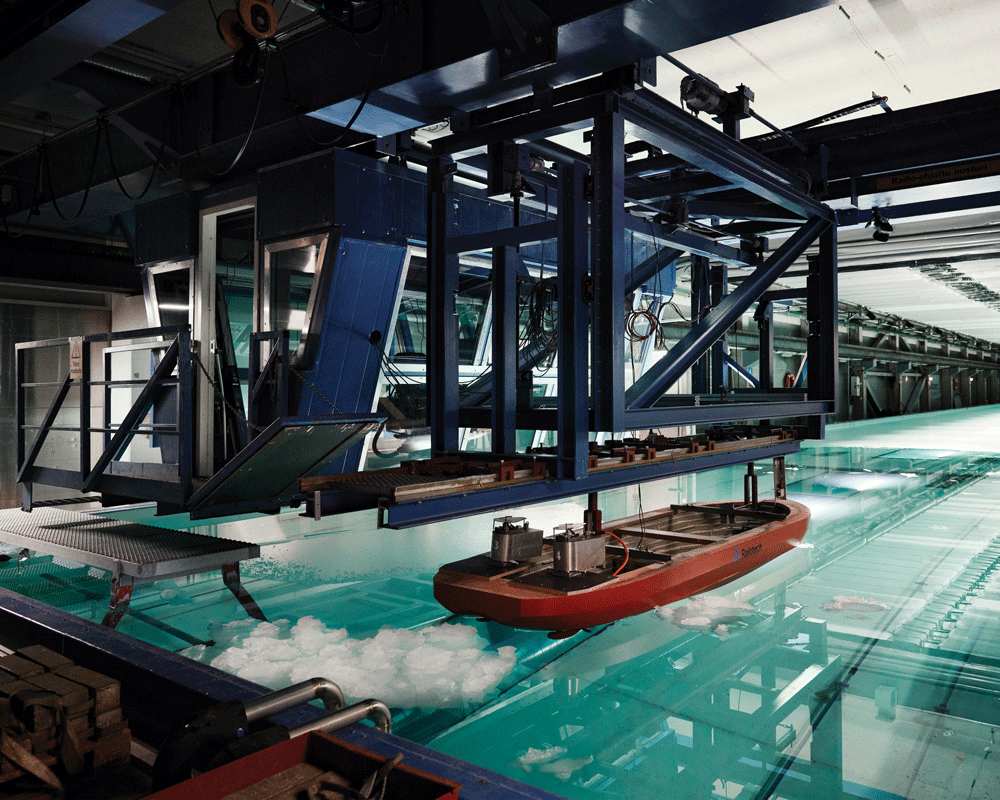
As the climate warms, there’s growing interest in transiting once unnavigable seas. Amy McLellan explores ways to support increased shipping in ice-affected waters.
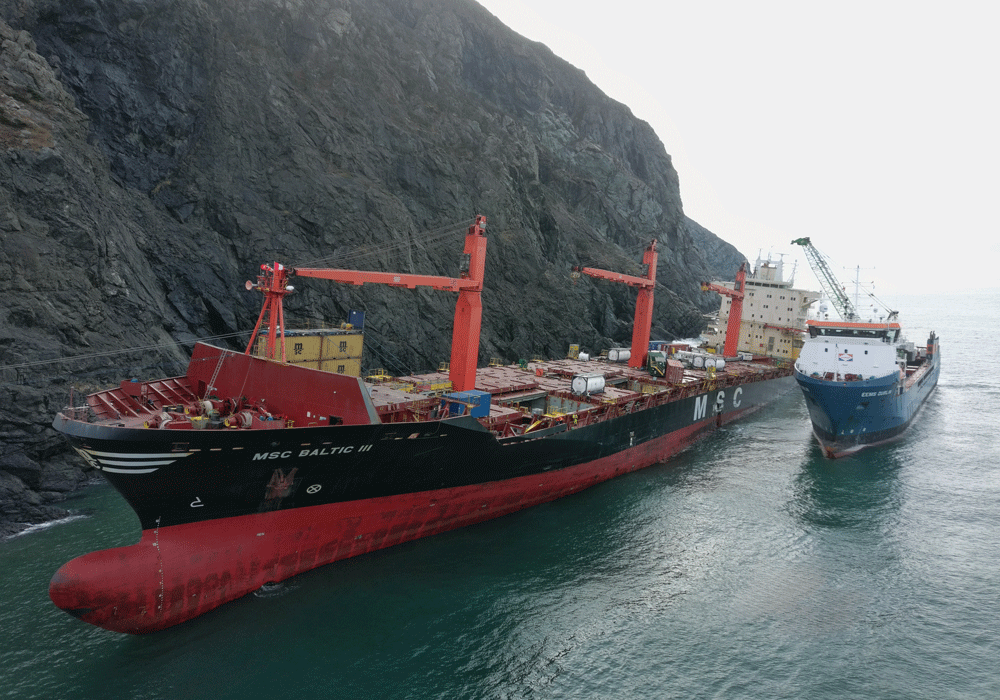
More than a year after the containership Baltic III grounded on the remote Newfoundland coast during a severe storm, a wreck removal plan is finally in place, but the complex and challenging operation still has years to run, and important questions remain.

Welcome to the latest issue of The Naval Architect. I am honoured to have been elected President of RINA, and I would like to thank members for the confidence and trust you have placed in me.
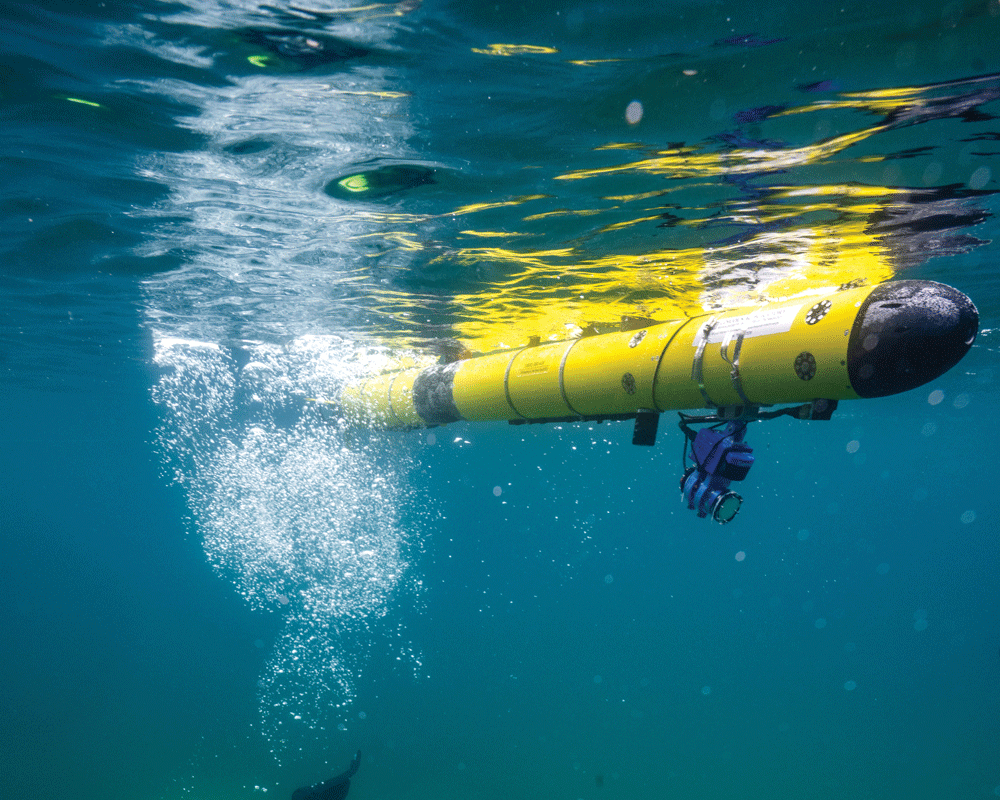
Researchers address capability gaps in underwater navigation and perception.
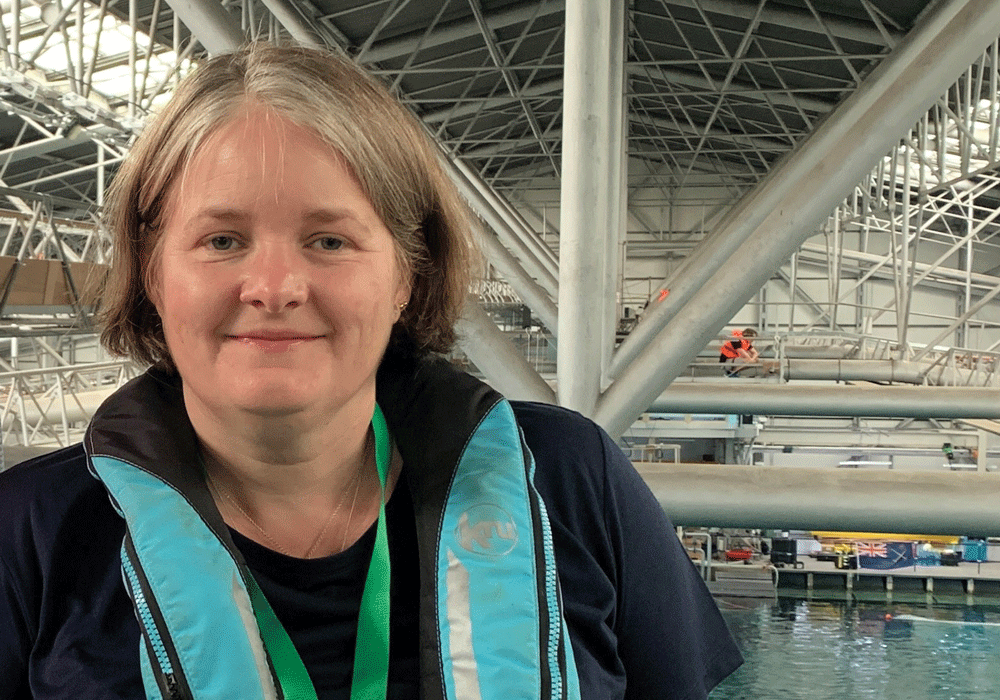
Catriona Savage on the pace of change in her time as RINA president.
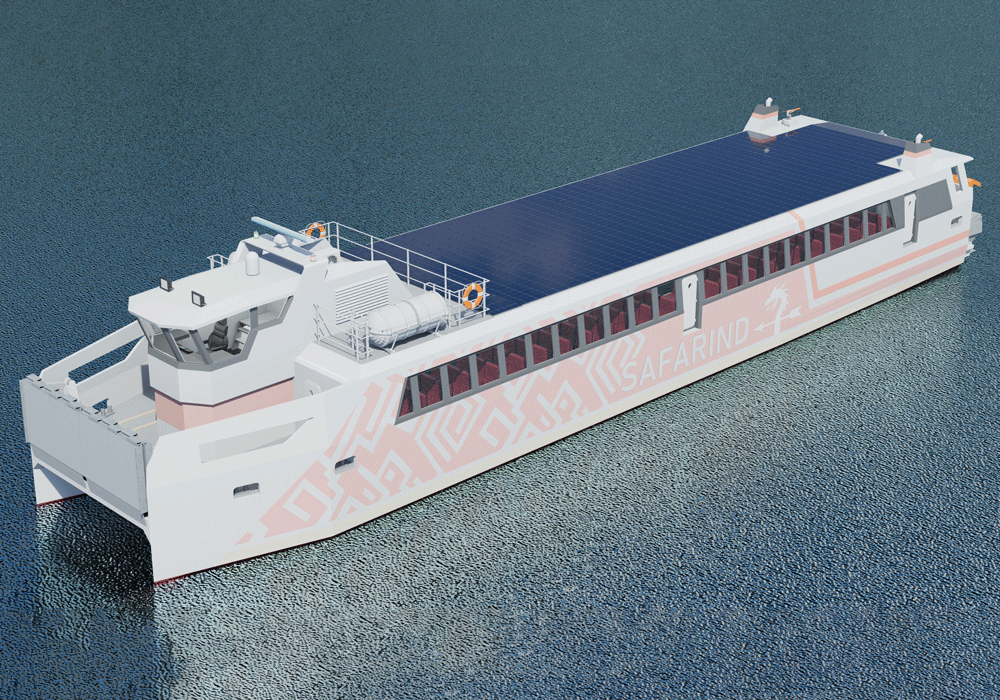
Team Nagapasa’s flat-bottomed catamaran ferry won the WFSA’s Maritime Student Design Competition, meeting the constraints of a shallow, hazard-prone river route with a design built for affordability and local construction.
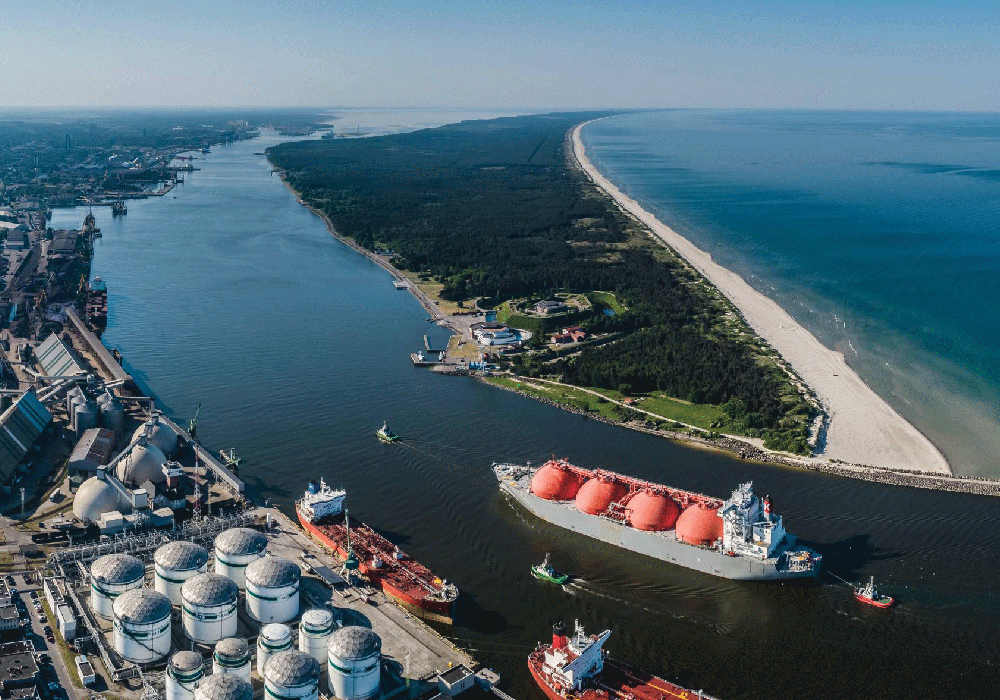
Aker wins contract for CO2 terminal in Lithuania; and First battery-methanol-powered tug set to sail.
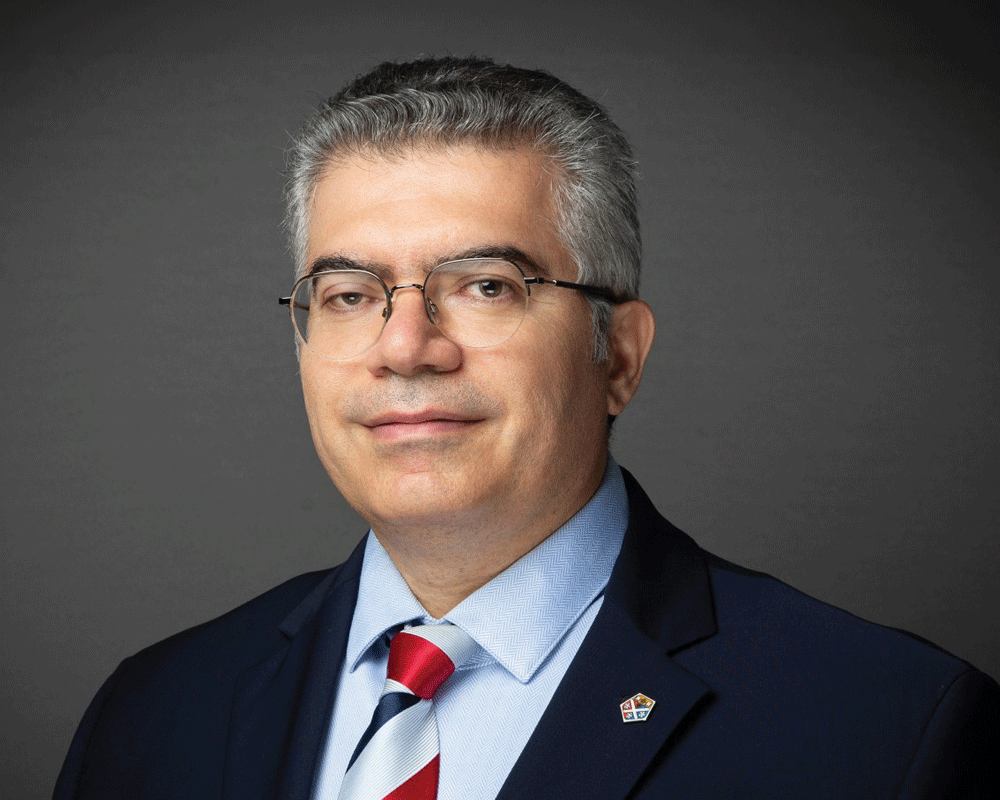
Evangelos Boulougouris on using artificial intelligence in ship design.
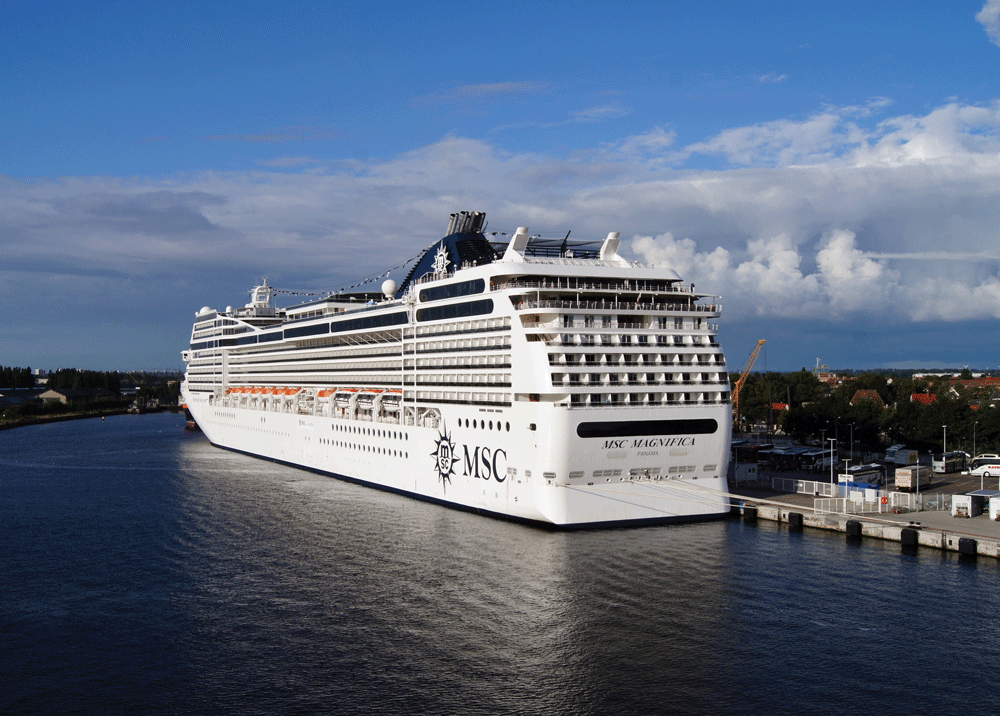
A report from Lloyd’s Register, Fuel for Thought: LNG for Cruise, says liquefied natural gas is established as the dominant alternative fuel in the sector by a considerable margin, evidenced by the fact that 30 LNG-fuelled cruiseships of 20,000GT and above are in service and a further 29 are on order. What does that mean for naval architects?
We are always looking for Members to contribute, whether through supporting the management of the Branch, volunteering at events, or with speaking, training, webinars, STEM activitites for local schools universities, and even mentoring our younger members. Any and all ideas for the Branch events programme and more are very welcome and we look forward to seeing you at our Branch Meetings soon.
Welcome to the Branch Forum – a place to connect with fellow members, exchange ideas, ask questions, and share experiences.
We encourage open, constructive, and respectful discussion. Members are expected to engage professionally and positively at all times, in accordance with the RINA Code of Conduct. Different viewpoints are welcome; respectful debate helps us all learn and grow.
Join the conversation and help strengthen our global professional community.
No posts found, be the first!