

Power & Sustainability
Power & Sustainability explores the future of sustainable energy within the maritime sector, providing our members with insights and discussion on emerging technologies, practical solutions and policy developments.
You can expect topics such as renewable energy innovations, energy efficiency strategies and alternative fuels.
AUTONOMOUS SWATH VESSELS FOR WIND FARM INSPECTIONS: A COMPARATIVE STUDY ON OPERATIONAL EFFICIENCY
Autonomous Ships
Autonomous SWATH vessels could transform offshore wind farm support operations by combining hybrid fuel cell-battery propulsion with highly stable hull designs. Through numerical simulation and real-world operating scenarios, the research demonstrates superior availability and ROV deployment performance in harsh sea conditions, highlighting a promising solution for safer, more efficient and sustainable offshore maintenance.
Fuel cell technology powering up at speed
Power & Sustainability (Newsletter)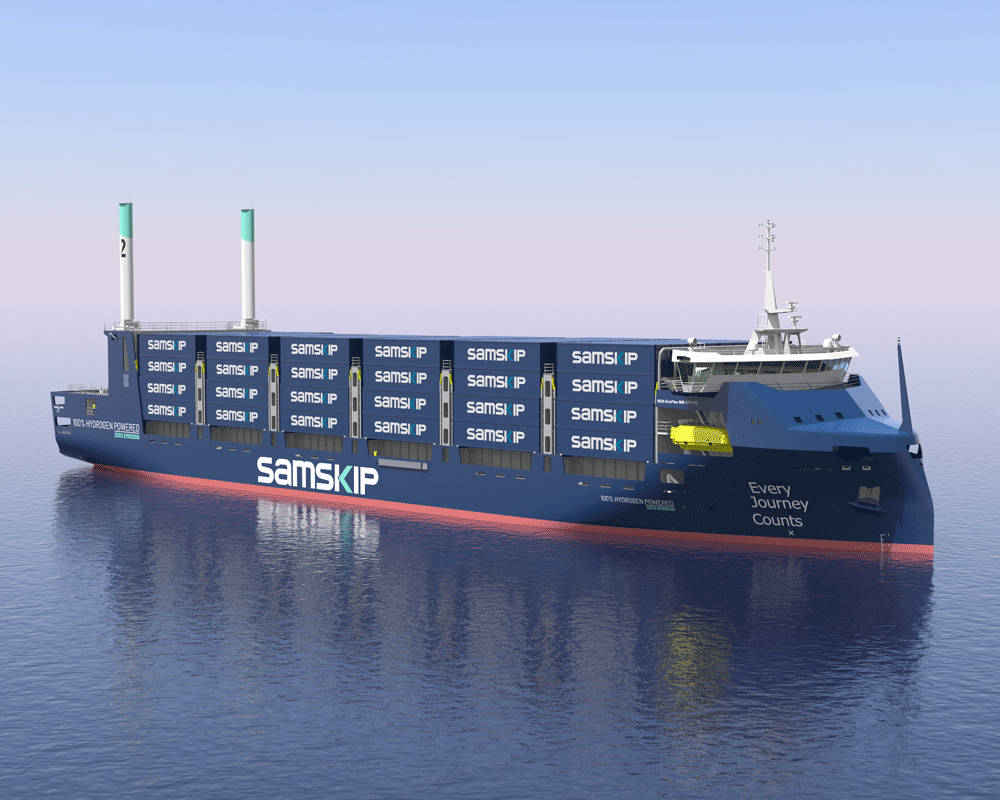
Samskip's fuel cell-powered shuttle will operate between Rotterdam and Oslo (image: Courtesy of Samskip).
Delivering maritime fuel cells that can drive deepsea shipping is not only within reach but is inevitable according to some.
Oceanbird sets sail to zero-emission target
Power & Sustainability (Newsletter)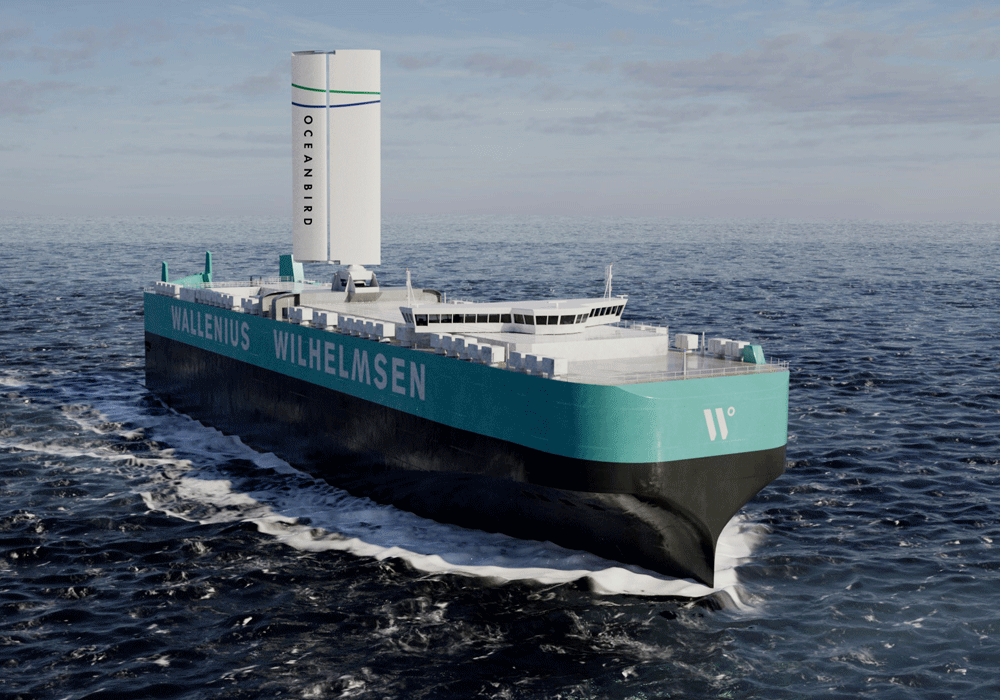
Tirranna's Oceanbird Wing560 was installed in June (image: Wallenius Marine).
Maritime wings are taking off! The latest design from Alfa Laval and Wallenius Marine is promising to make wind the primary source of vessel power.
Solar added to roro energy mix
Power & Sustainability (Newsletter)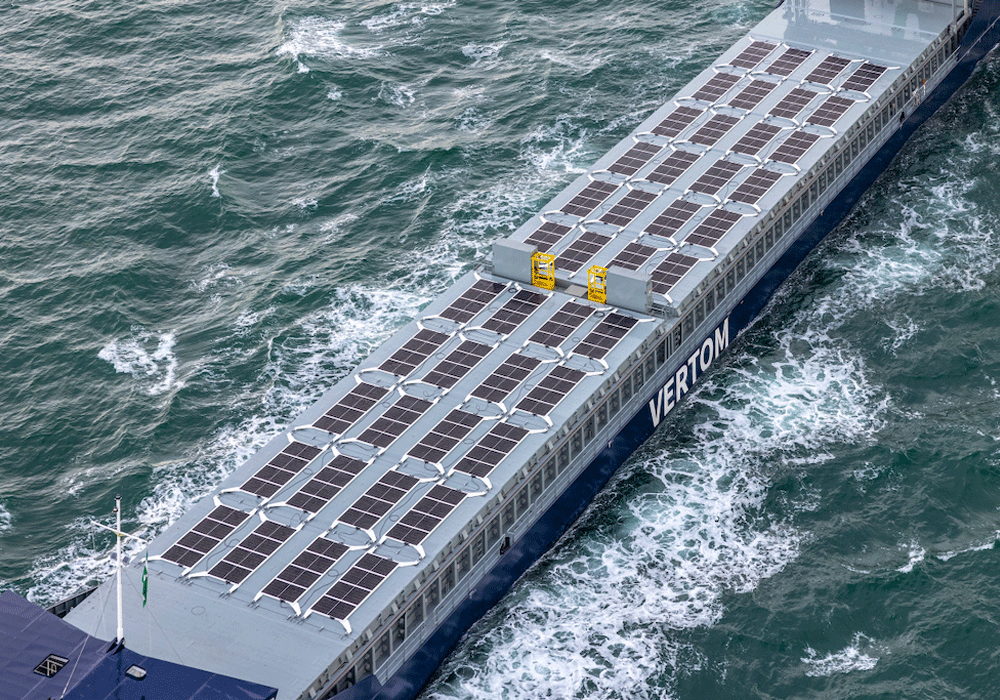
Wattlab's first full-scale installation on a seagoing vessel, the Vertom Tula (image: Wattlab)
Solar power has finally found its way onto ships. Slow uptake of solar energy is seen as surprising. Coastal shipping is showing that solar can improve efficiencies.
EXPLORING THE FEASIBILITY OF AUTONOMOUS FERRIES FOR URBAN MOBILITY
Autonomous Ships
Autonomous passenger ferries could reshape urban mobility by reducing congestion and supporting more sustainable transport networks. Evaluating a proposed uncrewed ferry service in Denmark, this study examines legal, technical and commercial viability, revealing that while regulation and technology show promise, economic sustainability remains a significant challenge for large-scale deployment.
IMPLEMENTING A NEW PLATFORM INTO THE U.S. NAVY: A SYSTEMS VIEW
Autonomous Ships
Facing growing fleet-capacity challenges, the U.S. Navy is exploring a bimodal force structure that combines smaller warships with autonomous capabilities. The Lightly Manned Automated Combat Corvette offers a compelling concept, but success depends on integrating technology, doctrine and long service-life considerations across a complex system-of-systems architecture for future maritime operations.
START WITH THE WHY - THE VALUE OF MARS COMPETENCE CENTRE
Autonomous Ships
Regulating maritime autonomy demands governance that can keep pace with technological change. Examining emerging frameworks for Maritime Autonomous Surface Ships, this paper highlights the need for collaboration between industry and regulators. The proposed MARS Centre offers a novel model to bridge expertise gaps, support adaptive regulation and enable innovation safely.
DANELEC AND DANPILOT REMOTE PILOTING
Autonomous Ships
Remote piloting technologies are reshaping maritime navigation, enabling pilots to monitor vessels from shore-based control centres. By eliminating physical pilot transfers, the approach enhances safety, reduces operational costs, cuts fuel consumption and emissions, and improves efficiency. The initiative highlights how digital innovation can deliver safer, smarter and more sustainable shipping
An Yun - Eco chemical/oil tanker for CPC Corporation - Copy
Significant Ships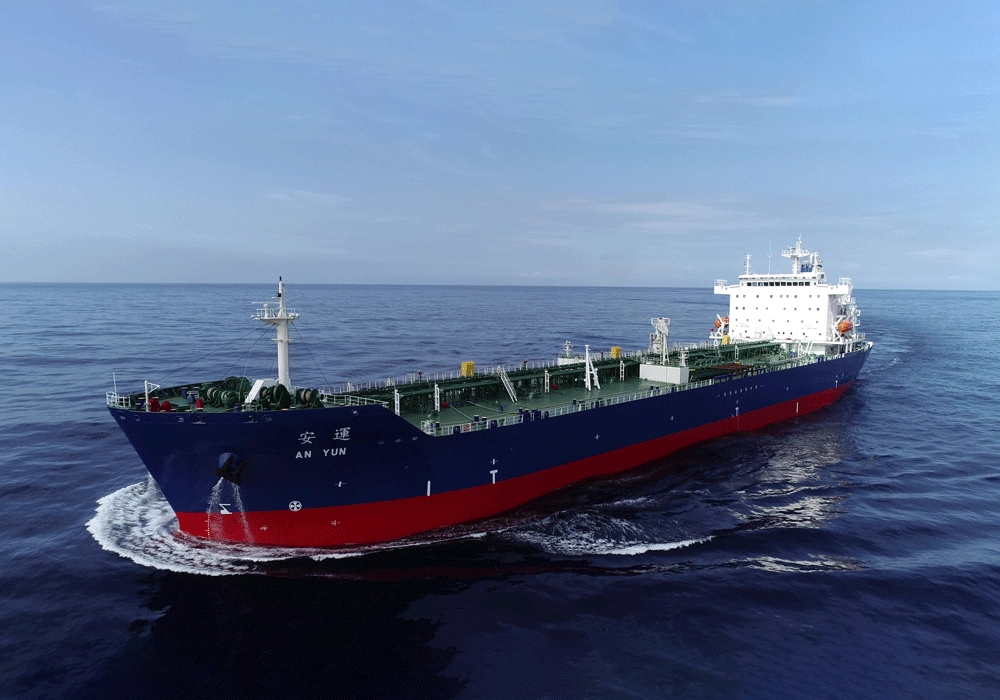
An Yun is a chemical/oil tanker that has been designed and constructed by CSBC and features energy-saving adaptations to enhance its performance.
The USV launch and recovery 'missing link'
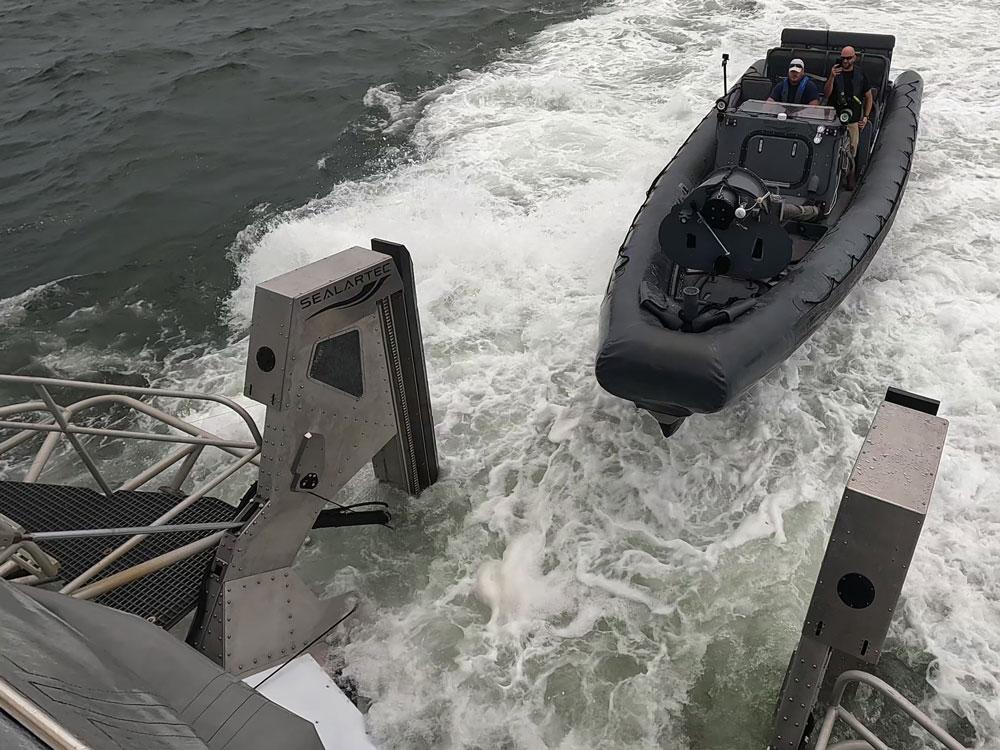
Sealartec's ALR-S converts a standard ramp at the stern of a vessel into a fully autonomous recovery system
Sealartec's radical ALR-S technology can convert a conventional ship's stern ramp to a fully autonomous recovery system for unmanned surface vessels
'ROC + Dock' project darts towards the wrap-up phase
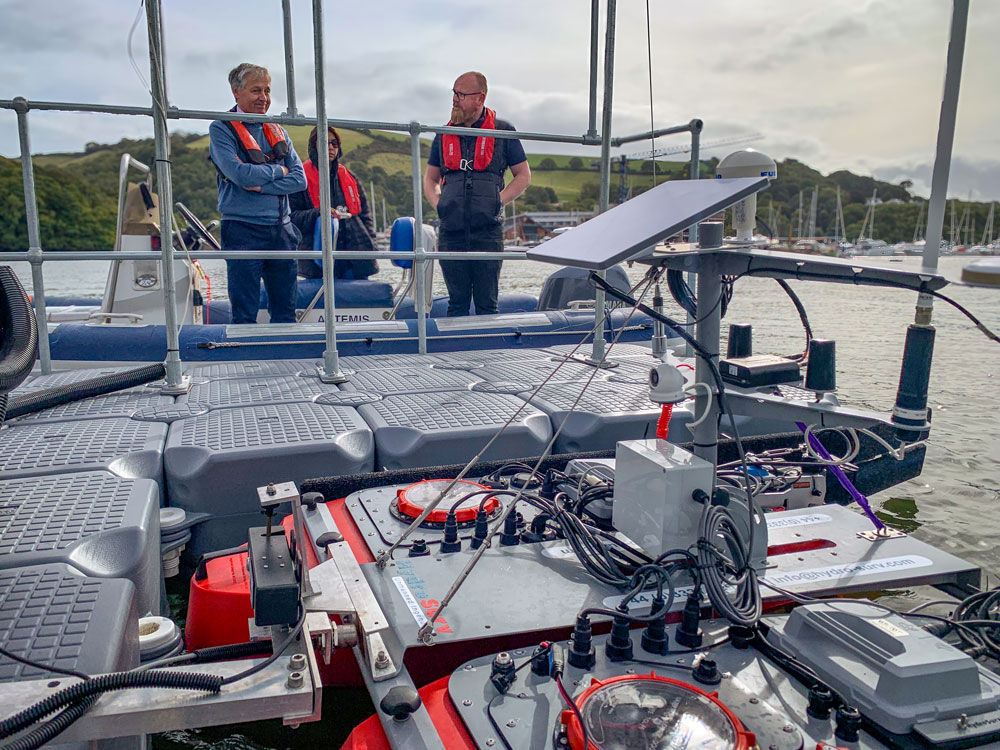
The prototype docking station, deployed on the River Dart in September, enables docking and recharging of South Devon College's 'USV Dart' without manual intervention
The UK-based ROC + DOCK project has brought together remote-controlled operations, a dual-function simulator and a ‘hands-off’ docking station, to encourage force multiplication of uncrewed vessels in ports and harbours
Hybrid CSOV 'Windea Clausius' joins Bernhard Schulte Offshore fleet
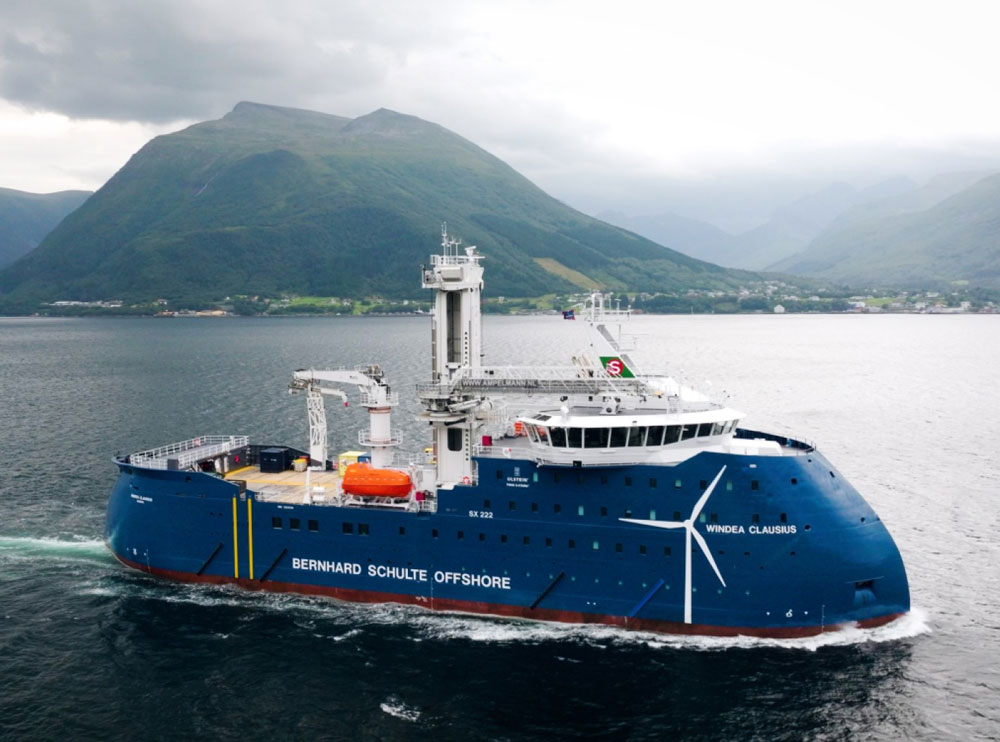
The 89.6m 'Windea Clausius' was "built to operate in strong currents and is less limited by weather conditions", Ulstein says
The latest addition to Bernhard Schulte Offshore’s CSOV fleet, Windea Clausius, combines a methanol-ready hybrid propulsion plant with Ulstein’s Twin X-STERN design for energy efficiency and ease of operations
Newsletters
Stay connected with the global maritime community through RINA’s newsletters.
Whether you are a member or not, you can receive updates from The Naval Architect, alongside selected RINA news, events and industry insights. Members also gain access to a wider portfolio of exclusive newsletters on key topics in the maritime industry.
- The Naval Architect (currently available to all members & non-members)
- Power & Sustainability (members-only)
- Ship Repair & Maintenance (members-only)
- Warship Technology (members-only)
- Ferries & Fast Craft (members-only)
- Offshore Technology (members-only)
