

Fuel cell technology powering up at speed
Delivering maritime fuel cells that can drive deepsea shipping is not only within reach but is inevitable according to some.
Power & Sustainability explores the future of sustainable energy within the maritime sector, providing our members with insights and discussion on emerging technologies, practical solutions and policy developments.
You can expect topics such as renewable energy innovations, energy efficiency strategies and alternative fuels.
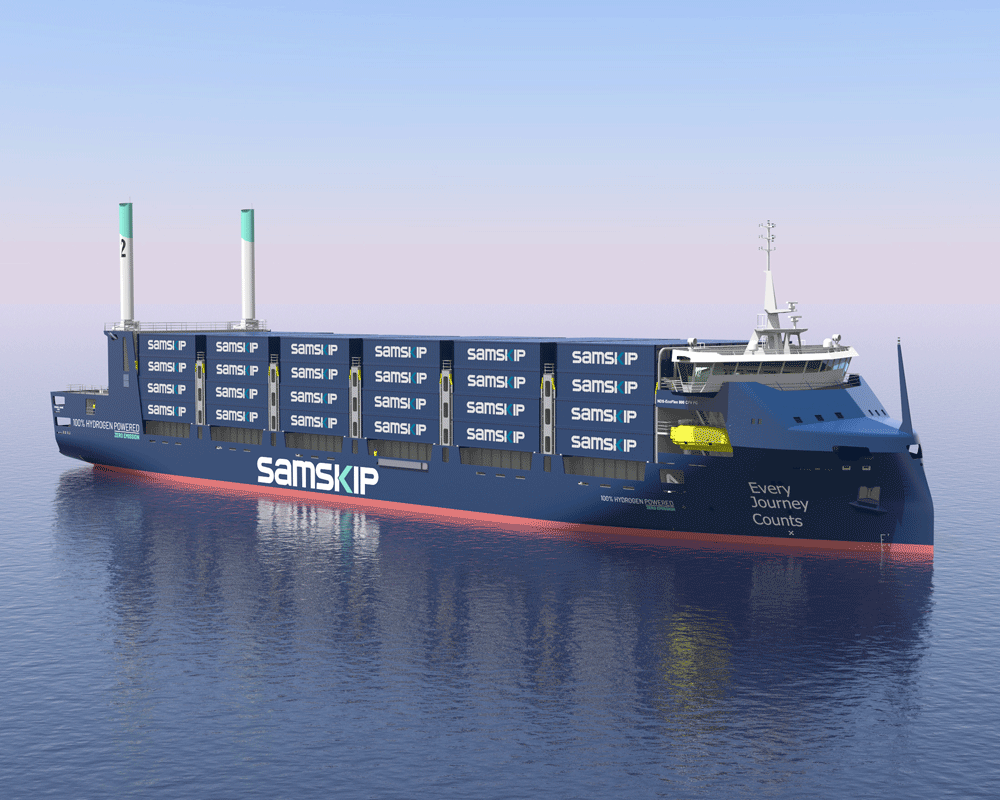
Delivering maritime fuel cells that can drive deepsea shipping is not only within reach but is inevitable according to some.
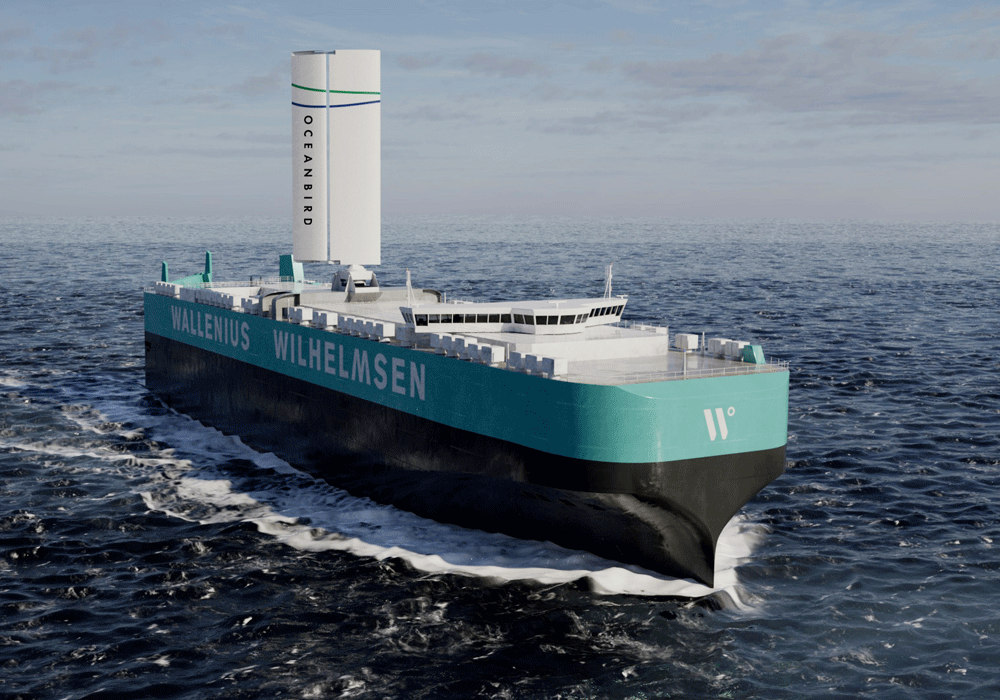
Maritime wings are taking off! The latest design from Alfa Laval and Wallenius Marine is promising to make wind the primary source of vessel power.
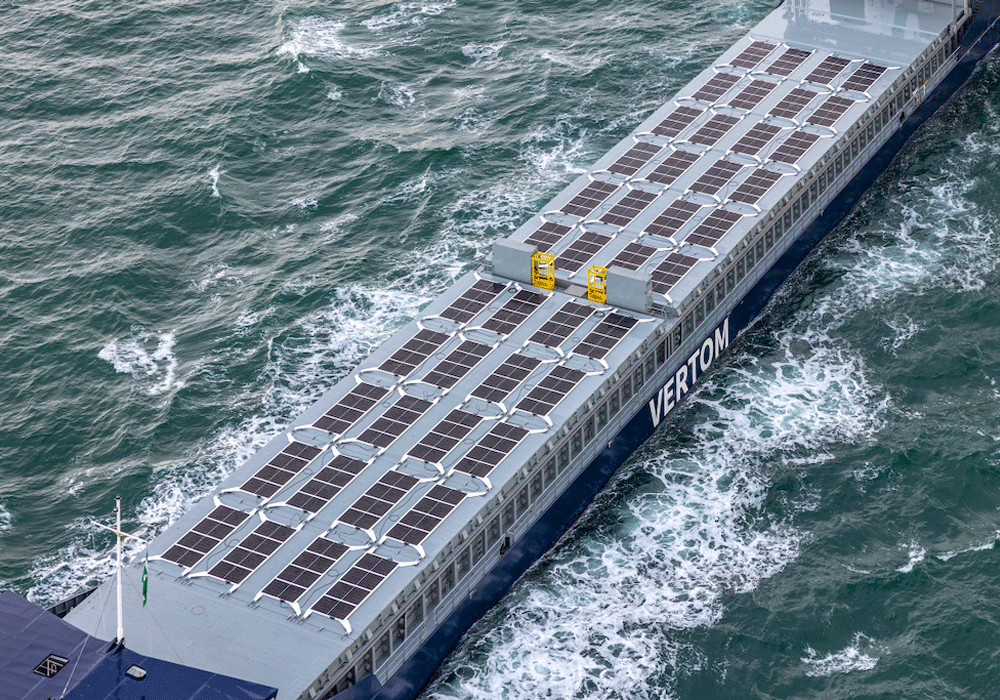
Solar power has finally found its way onto ships. Slow uptake of solar energy is seen as surprising. Coastal shipping is showing that solar can improve efficiencies.

A clear path to decarbonisation is not yet available but MEPC 84 has given a clear direction of travel. While attempts to sink the NZF have apparently failed, putting its proponents in the driving seat, technical discussions – unlike the political debate – carry on regardless.
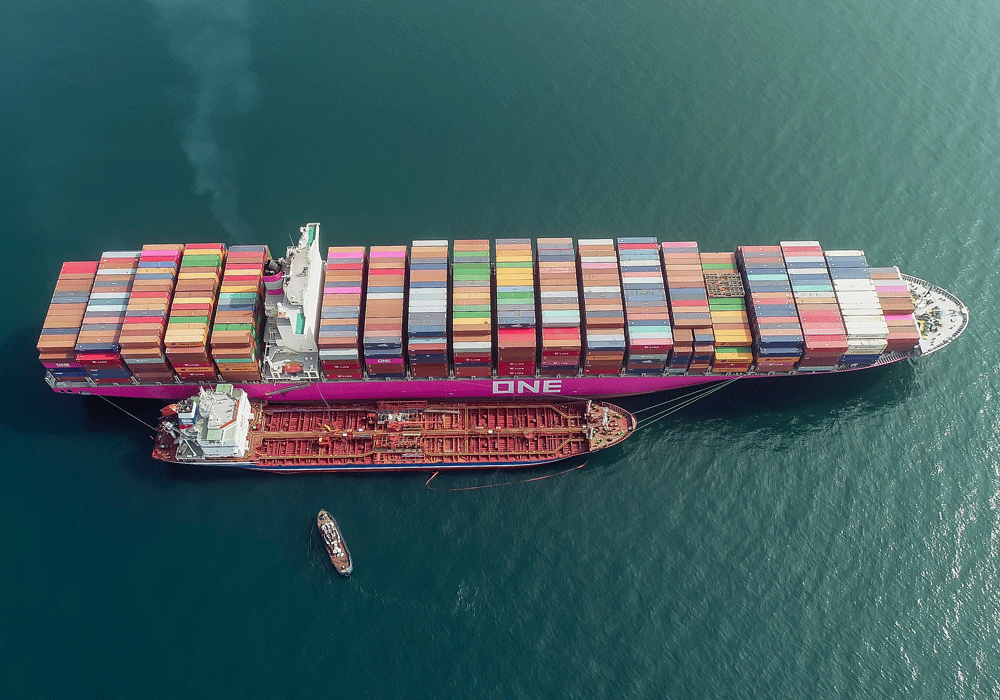
The conflict in Iran has seen some unintended consequences, driving up fossil fuel costs and making alternative fuels viable. At the same time, it is fuelling interest in vessel efficiency and raising the prospects of more fuels in the mix.
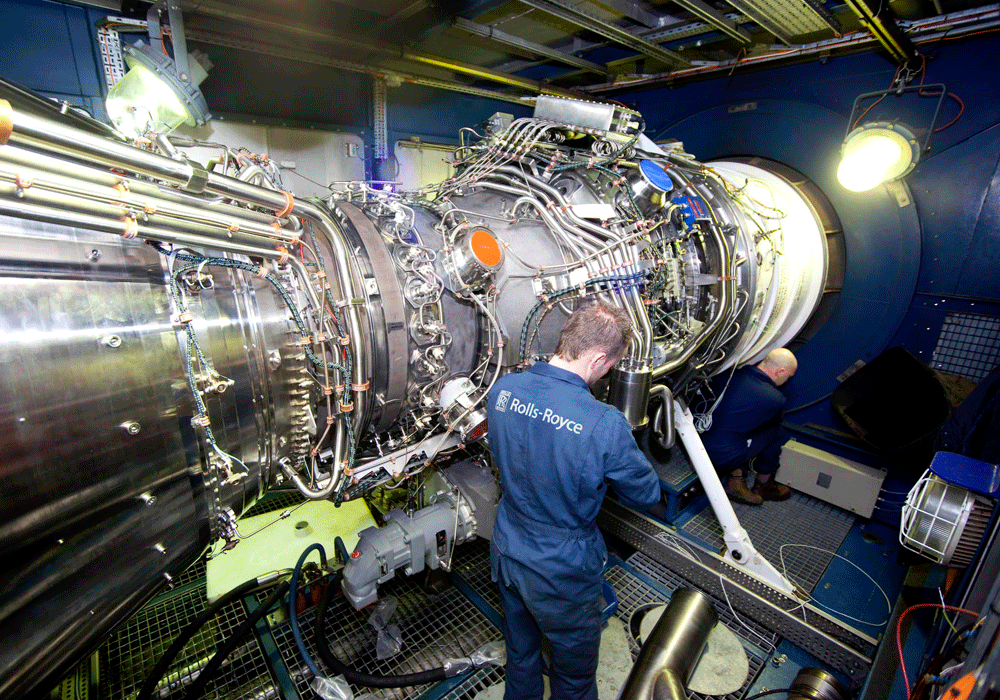
Supercritical CO2 turbines are not new, but CNNC has tested a 15MW sCO2 turbine, which offers a power-dense power plant with claimed efficiencies of up to 40%. Retrofitting a sCO2 turbine is comparatively easy. Is this an interim answer to green shipping?
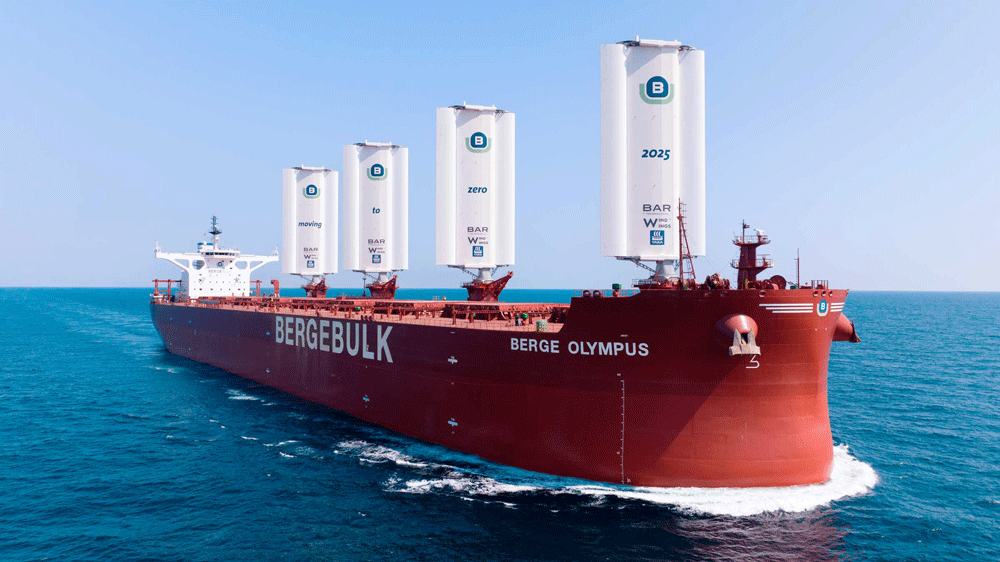
Full slots in a building boom for shipyards has seen concerns over unfamiliar wind power, added to vessel designs, with yards refusing to build to non-standard plans, rejecting orders. Two owners describe how they have managed to persuade yards otherwise

Advances in battery technology make it possible for short-sea ships and feeder vessels to electrify. That simultaneously offers the possibility to cut costs and emissions and improve vessel efficiency
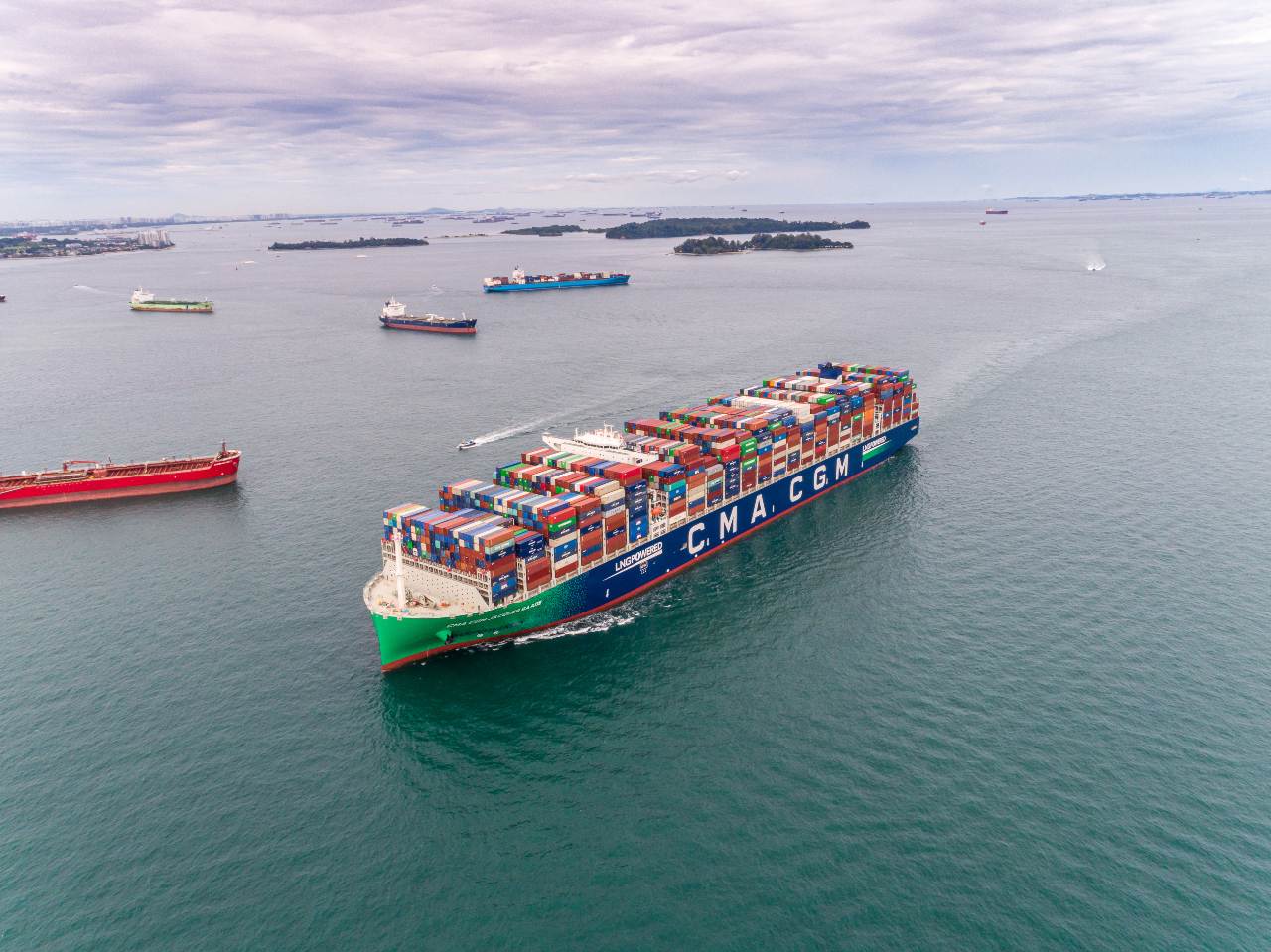
Savings of more than 50% on fleet-wide emissions can be achieved using cheap modifications on ships. Compared to the cost of building new LNG powered vessels, there is no contest. And the cuts to carbon emissions are twice as high
Stay connected with the global maritime community through RINA’s newsletters.
Whether you are a member or not, you can receive updates from The Naval Architect, alongside selected RINA news, events and industry insights. Members also gain access to a wider portfolio of exclusive newsletters on key topics in the maritime industry.
