

Offshore Technology
Offshore Technology explores the systems, engineering practices, innovations and challenges, driving offshore operations across energy and marine sectors. Topics you can expect include subsea engineering, floating production systems, offshore wind technologies, digital monitoring and control systems, and asset integrity management.
Delve into analysis, and insights on emerging technologies improving safety, efficiency, and performance in increasingly harsher offshore environments in the journey to cleaner sustainable energy sources.
THE ROYAL LOUIS (1668), A SAILING MASTERPIECE
Historic Ships
Seventeenth-century French naval expansion transformed shipbuilding, blending engineering excellence with powerful symbolism. Centered on vessels such as Royal Louis, the movement combined advanced construction techniques, strategic state investment, and elaborate aesthetics to project royal authority. The story illustrates how warship design served as both military capability and national expression today.
THAT UNRELENTING 80 %
Human Factors
The widely cited claim that 80% of failures stem from human error is challenged through a fresh examination of safety and automation. By testing the concept against realistic scenarios, this analysis reveals why mature systems naturally attract higher human-error attribution and identifies more meaningful measures of operational risk today onward.
FEM ANALYSIS OF AN ICE CLASS SHIP'S BULBOUS BOW
Ice Class Vessels
Finite Element Modelling is enhancing the design of ice-class vessels by enabling detailed analysis of bow structures exposed to extreme ice and hydrostatic loads. Applied to the conversion of a tanker into a research vessel, this approach demonstrates how structural optimisation can improve strength, reduce weight and support reliable performance in demanding polar environments.
MECHANICAL CHARACTERIZATION OF POLYMER COMPOSITE MATERIALS FOR LONG LENGTH SHIPS
Marine Design
Composite materials are poised to expand beyond traditional vessel size limits as researchers tackle durability and certification challenges. Findings from the FIBRESHIP initiative show how seawater exposure affects structural performance of large FRP laminates, providing critical evidence to support future composite ship design, regulatory acceptance and maritime innovation worldwide efforts.
DESIGN OF AN UNMANNED SURVEILLANCE BOAT
Smart Ship Technology
Autonomous surveillance vessels are enhancing coastal security through remote operation, reduced crewing requirements and improved mission flexibility. This study combines hull design, stability, resistance, powering and seakeeping analysis to develop a cost-effective unmanned craft capable of operating in challenging conditions while delivering precise manoeuvrability in constrained coastal and canal environments
Warship 2025 Conference Proceedings
Warship
This is the Whole Conference Proceedings for: The Future Fleet: Smart Technology, Sustainability and Autonomy, 16th - 17th June 2025, Glasgow, United Kingdom
CII 2025 Conference Proceedings
CII
This is the Whole Conference Proceedings for: Managing CII and Associated Challenges, 21st - 22nd January 2025, London, United Kingdom
Engineering flexibility into hybrid ferry design
Ferries & Fast Craft (Newsletter)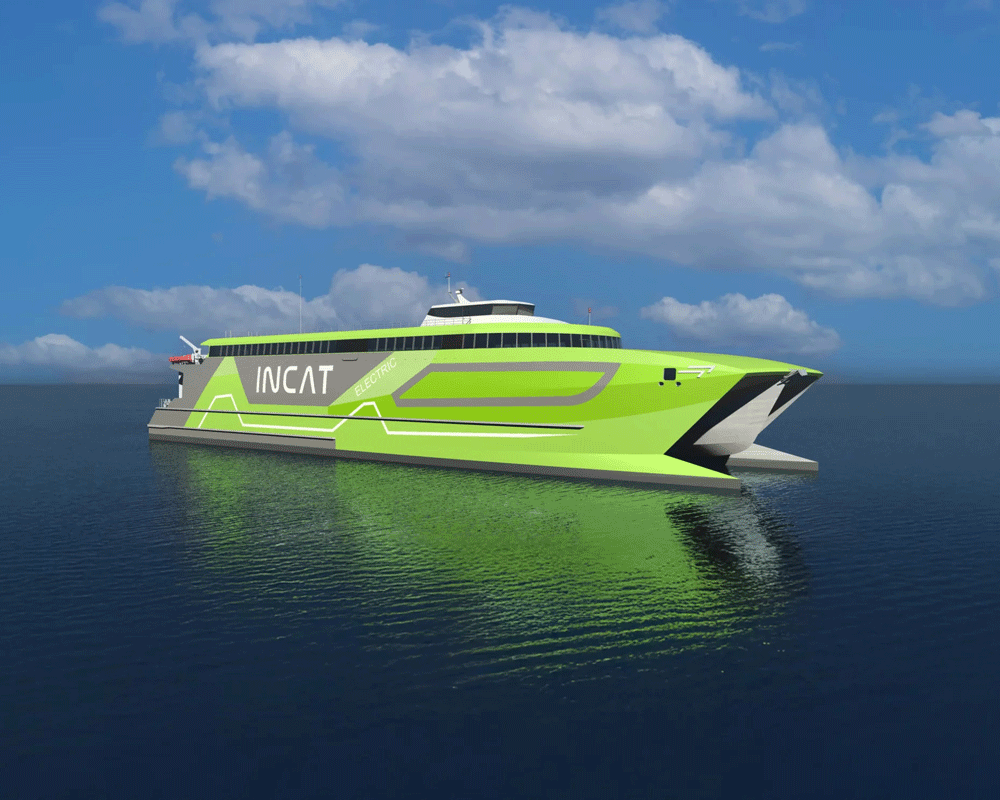
Incat and Echandia are demonstrating how working closer together on modular battery integration, collaborative vessel design and whole-system engineering is working to future-proof ferries as technology and infrastructure evolve.
Naval architecture in the electric age
Ferries & Fast Craft (Newsletter)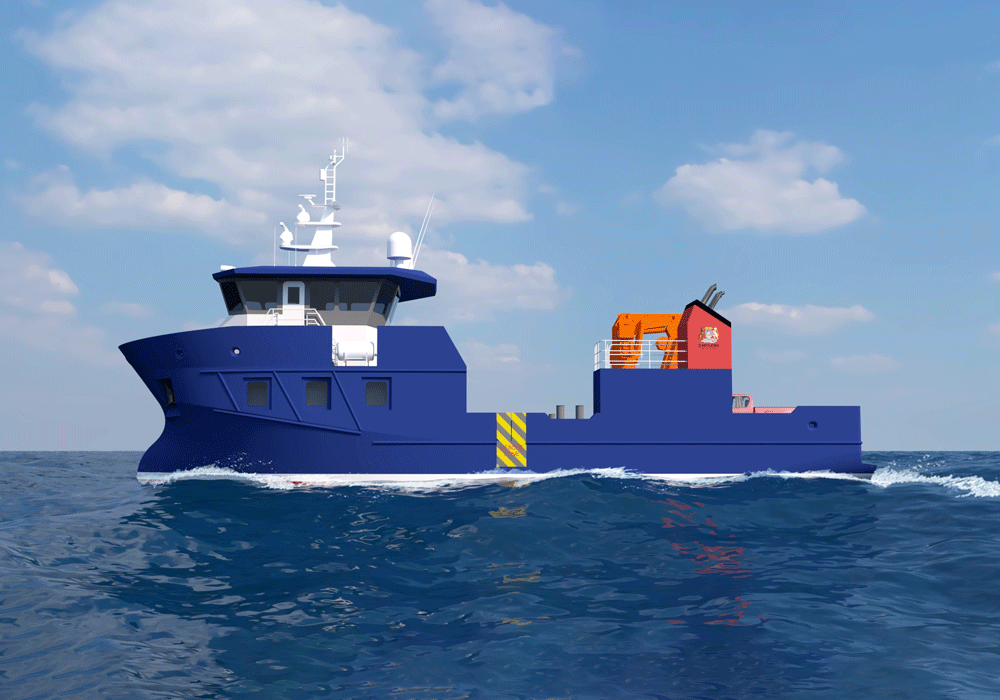
Chartwell Marine is expanding its work in the fast passenger ferry market, drawing best practice from CTV design. Its low-wake ferry hullform is a direct response to how electrification has fundamentally changed vessel design.
Simple physics with a significant impact
Ferries & Fast Craft (Newsletter)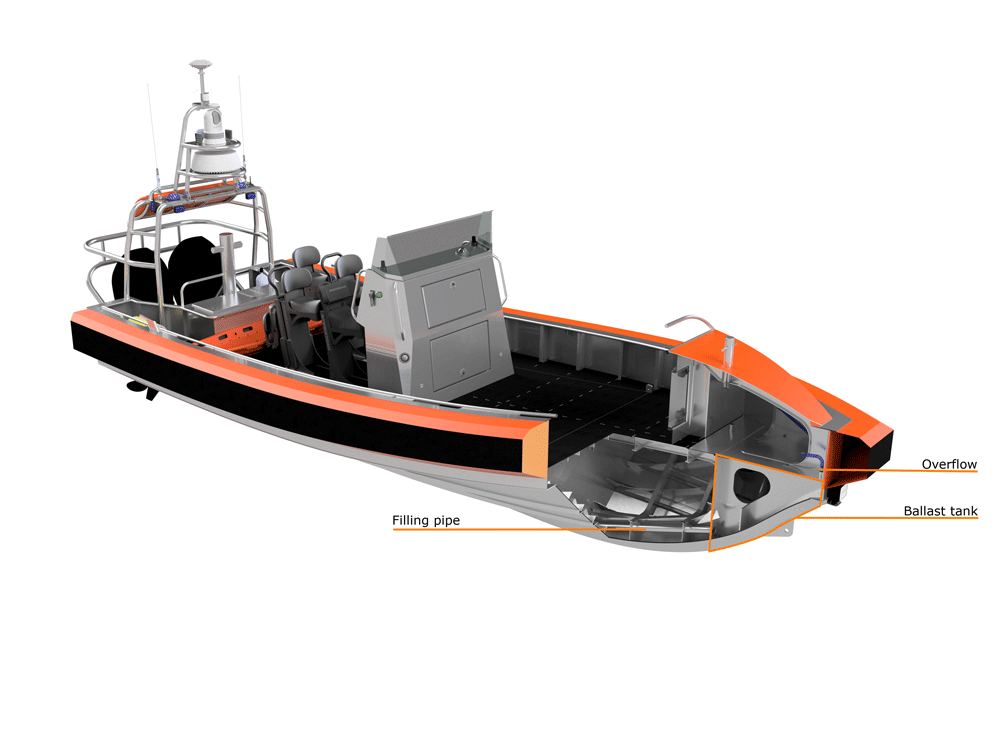
Salmon Marine’s Wavebreaker dynamic ballast system, originally conceived for offshore racing powerboats, has evolved into a design solution for reducing vertical accelerations experienced by crew and passengers operating at speed.
Autonomous Ships 2024 Conference Proceedings
Autonomous Ships
This is the Whole Conference Proceedings for: Autonomous Ships, 20th - 21st November 2024, Copenhagen, Denmark
CII 2024 Conference Proceedings
CII
This is the Whole Conference Proceedings for: Technical Conference: Managing CII and Associated Challenges, 16th- 17th January 2024, London, United Kingdom
Newsletters
Stay connected with the global maritime community through RINA’s newsletters.
Whether you are a member or not, you can receive updates from The Naval Architect, alongside selected RINA news, events and industry insights. Members also gain access to a wider portfolio of exclusive newsletters on key topics in the maritime industry.
- The Naval Architect (currently available to all members & non-members)
- Power & Sustainability (members-only)
- Ship Repair & Maintenance (members-only)
- Warship Technology (members-only)
- Ferries & Fast Craft (members-only)
- Offshore Technology (members-only)
