

Offshore Technology
Offshore Technology explores the systems, engineering practices, innovations and challenges, driving offshore operations across energy and marine sectors. Topics you can expect include subsea engineering, floating production systems, offshore wind technologies, digital monitoring and control systems, and asset integrity management.
Delve into analysis, and insights on emerging technologies improving safety, efficiency, and performance in increasingly harsher offshore environments in the journey to cleaner sustainable energy sources.
REACH REMOTE 1 - Crew-free research craft and ROV deployer
Significant Ships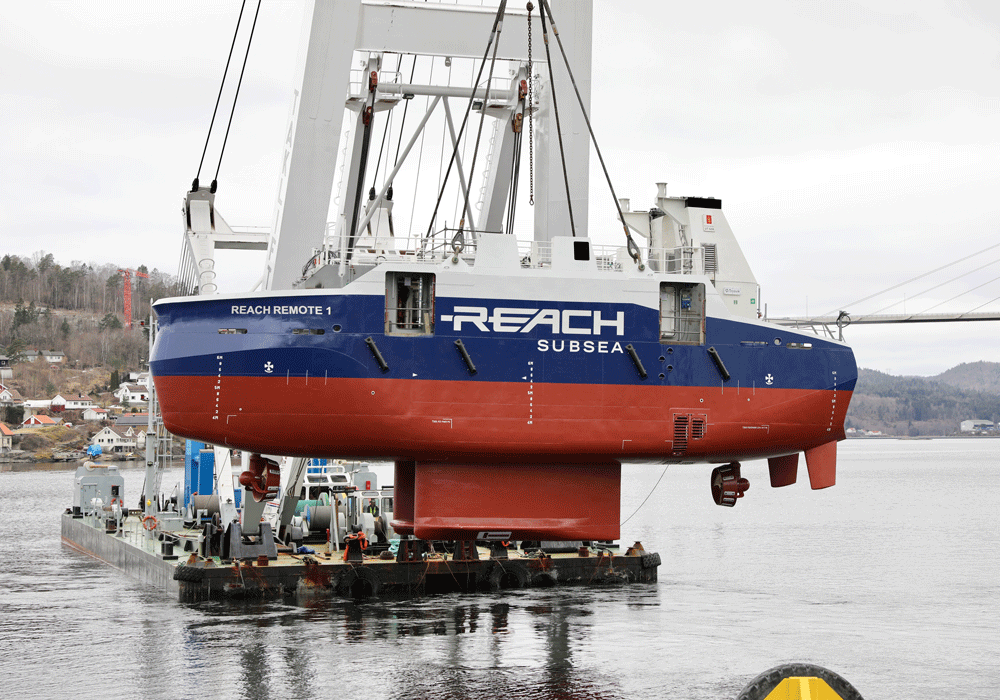
Reach Subsea’s REACH REMOTE 1 shows how uncrewed vessels can reshape offshore operations. Combining remote ROV deployment, hybrid-electric propulsion and advanced survey technology, it improves safety, lowers emissions and boosts subsea efficiency.
RV Djildjit Kaartadjiny - Custom-designed research vessel
Significant Ships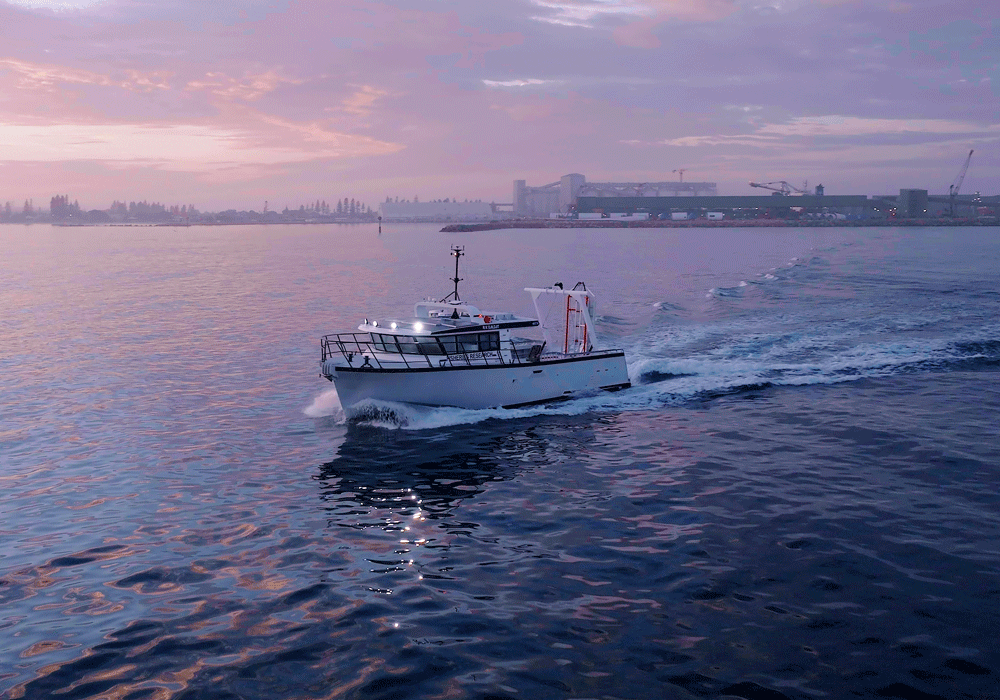
RV Djildjit Kaartadjiny is a joint production from Southerly Designs and shipbuilder Dongara Marine, the duo behind the fishing vessel Raging Bull (see Significant Small Ships of 2021).
RV Resilience - Electric-hybrid research vessel for US operations
Significant Ships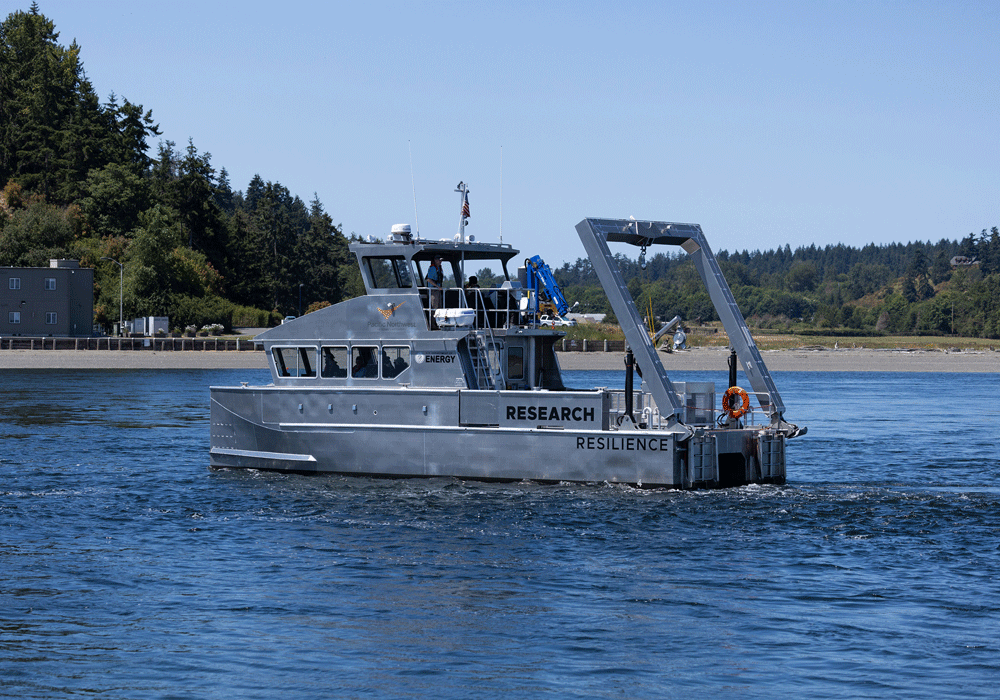
RV Resilience is a hybrid research vessel designed by global digital shipbuilder Incat Crowther and built by Snow & Company, which was delivered to the US Department of Energy’s Pacific Northwest National Laboratory (PNNL) in July 2024.
Sea Hawk - Patrol boat designed to replicate bigger ship performance
Significant Ships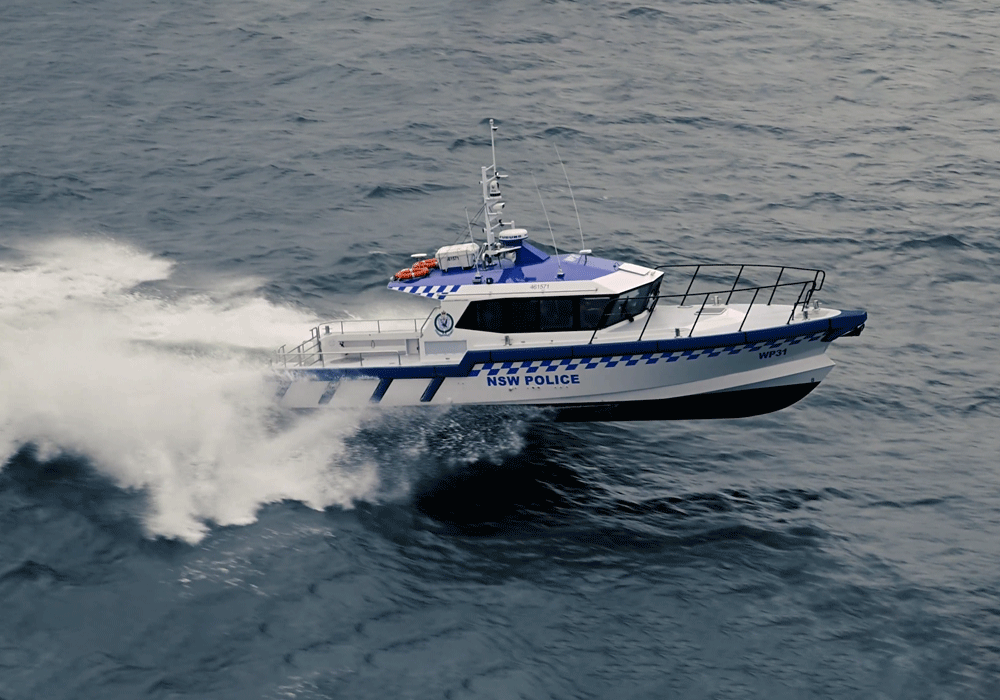
Norman R. Wright & Sons was asked by multiple agencies to develop a 12m patrol vessel with big boat features. The end result is the in-house developed 12m XLW (eXtra Long Waterline) patrol boat hullform.
Sun Princess - Largest cruise ship built in Italy
Significant Ships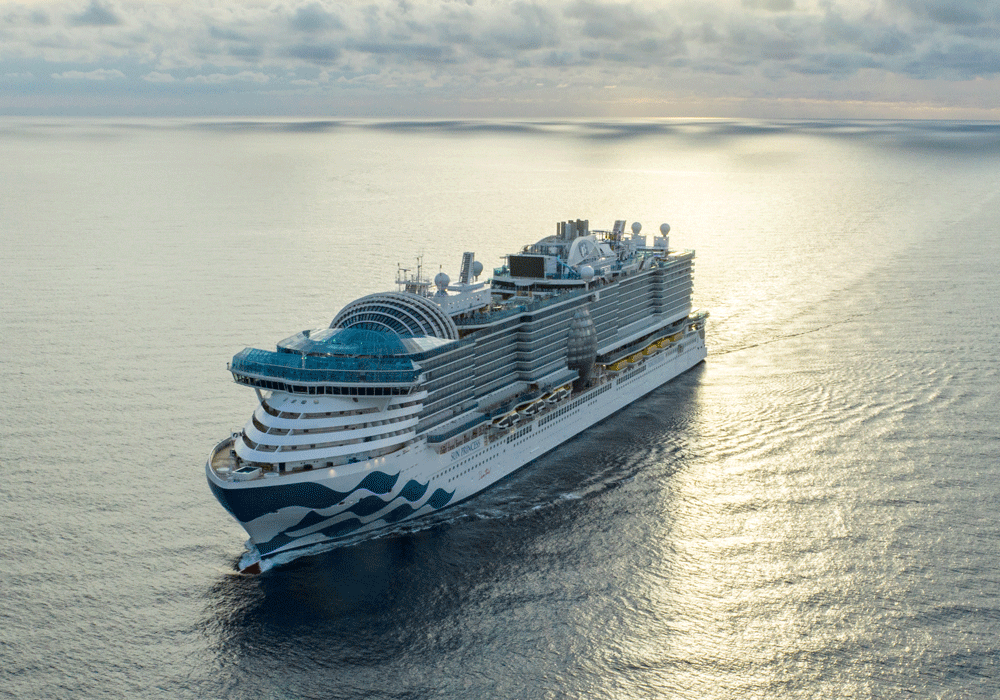
Sun Princess, the largest cruise ship ever built in Italy, is 345m long and 177,882gt. Built by an Italian shipbuilder for Princess Cruises, it runs on both marine gas oil and LNG.
Tor Boreas - Multi-role offshore wind farm support and survey craft
Significant Ships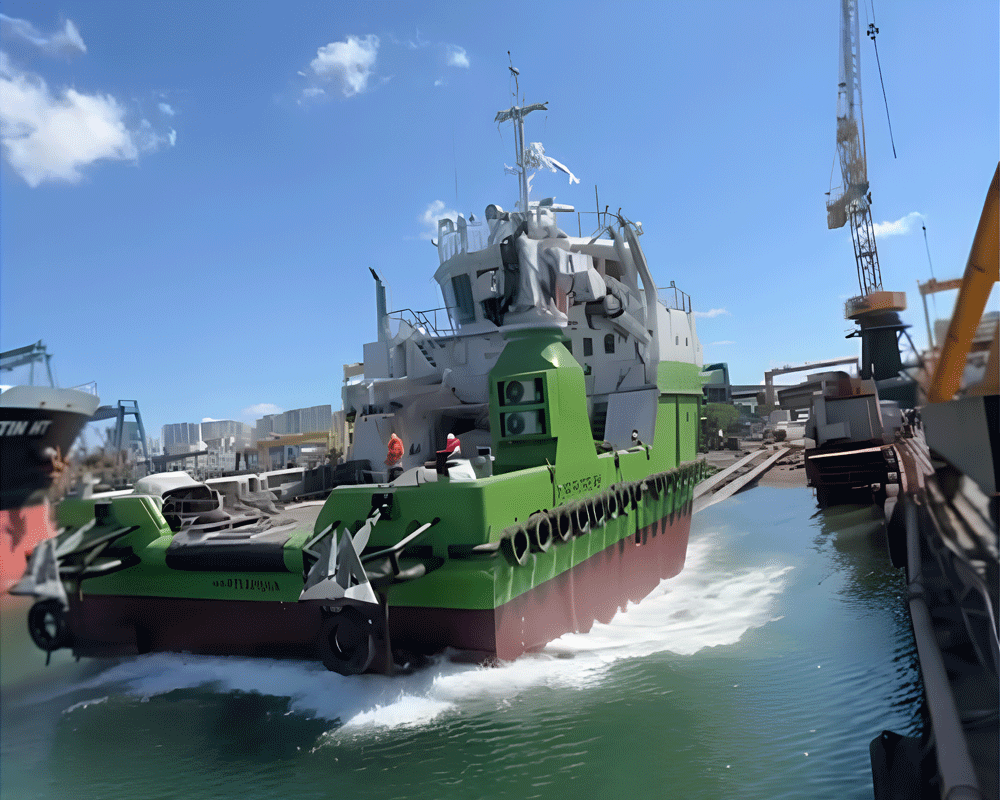
Tor Boreas is a multi-role support vessel with a diesel-electric propulsion system. The vessel was designed with wind farm service, survey and support services in mind.
Windserve Frontier - Jones Act-compliant CTV for the US East Coast
Significant Ships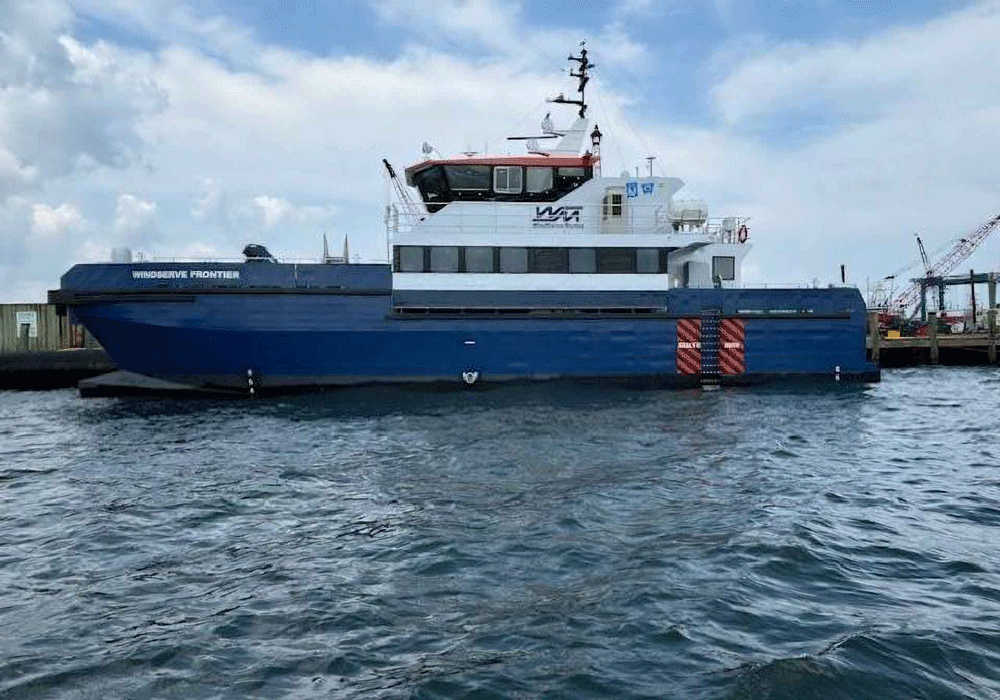
WindServe Frontier is a crew transfer vessel (CTV) set to play a crucial role in supporting the expanding offshore wind energy sector in the US. Built by Senesco Marine for WindServe Marine, this vessel is tailored for demanding operations along the US East Coast.
Xin Ming Zhu XXX - Hybrid-powered passenger ferry for Hong Kong
Significant Ships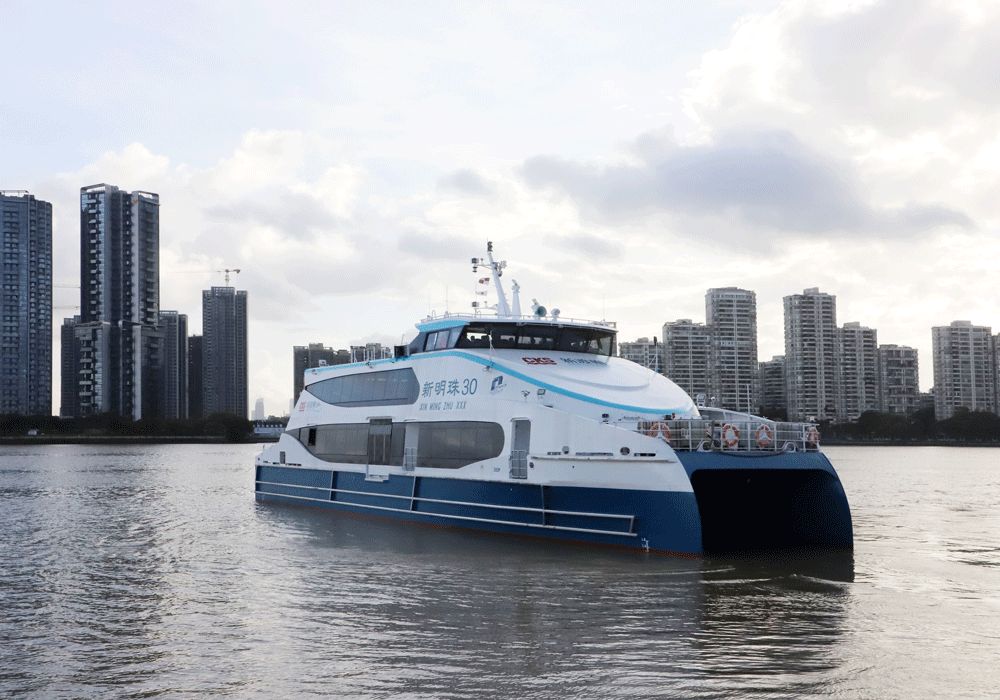
Built by AFAI Shipyard and designed by Incat Crowther, Hong Kong’s Xin Ming Zhu XXX advances sustainable ferry transport through diesel-electric propulsion, battery power and solar energy. Its optimised catamaran hull improves efficiency, comfort and resilience.
Significant Ships of 2024
Significant Ships
Now includes vessels under & over 100m LOA
HOW UR E26 AND E27 COULD AND SHOULD APPLY TO DRONES AND AUTONOMOUS VESSELS?
Autonomous Ships
Maritime cybersecurity is moving from best practice to strategic necessity. By examining the drivers behind UR E26 and UR E27, this analysis highlights critical vulnerabilities, implementation challenges and regulatory gaps. The findings explore how interoperable frameworks, stronger collaboration and complementary standards can enhance resilience across increasingly connected fleets worldwide today.
SAFETY ASSURANCE OF AUTONOMOUS SURFACE VESSELS
Autonomous Ships
Safety assurance is emerging as a critical enabler of maritime autonomy as AI and other disruptive technologies reshape vessel operations. Building on functional safety engineering and established risk management practices, evolving frameworks are addressing autonomous system risks, offering practical pathways to robust safety cases and trusted deployment of next-generation autonomous vessels.
LOW LATENCY VIDEO COMMUNICATION AT 5G NTN FOR SHIP REMOTE CONTROL
Autonomous Ships
Low Earth Orbit satellites and emerging 5G non-terrestrial networks are reshaping the future of autonomous maritime operations. By exploring low-latency video transmission, resilient connectivity and remote-control architectures for MASS, this research identifies key communication challenges and innovations needed to deliver reliable situational awareness and effective shore-based vessel control.
Newsletters
Stay connected with the global maritime community through RINA’s newsletters.
Whether you are a member or not, you can receive updates from The Naval Architect, alongside selected RINA news, events and industry insights. Members also gain access to a wider portfolio of exclusive newsletters on key topics in the maritime industry.
- The Naval Architect (currently available to all members & non-members)
- Power & Sustainability (members-only)
- Ship Repair & Maintenance (members-only)
- Warship Technology (members-only)
- Ferries & Fast Craft (members-only)
- Offshore Technology (members-only)
