

Ship Repair & Maintenance
Ship Repair & Maintenance is a window into vessel lifecycle management, focusing on the latest technical advancements, regulatory requirements, and best practices in maintenance and repair operations.
Topics such as condition-based and predictive maintenance, hull integrity, corrosion control and propulsion system overhauls will be explored, in addition to the application of digital tools in maintenance diagnostics and planning. Ship Repair & Maintenance will also follow market trends and the distribution of work across the world.
The acceleration of electrification
Power & Sustainability (Newsletter)
Powering shortsea trade requires a lot less electricity than might be expected. Pictured: Yara Birkeland, the World's first fully electric and autonomous containership. Image: Yara
Advances in battery technology make it possible for short-sea ships and feeder vessels to electrify. That simultaneously offers the possibility to cut costs and emissions and improve vessel efficiency
LNG, a transitional fuel or GHG?
Power & Sustainability (Newsletter)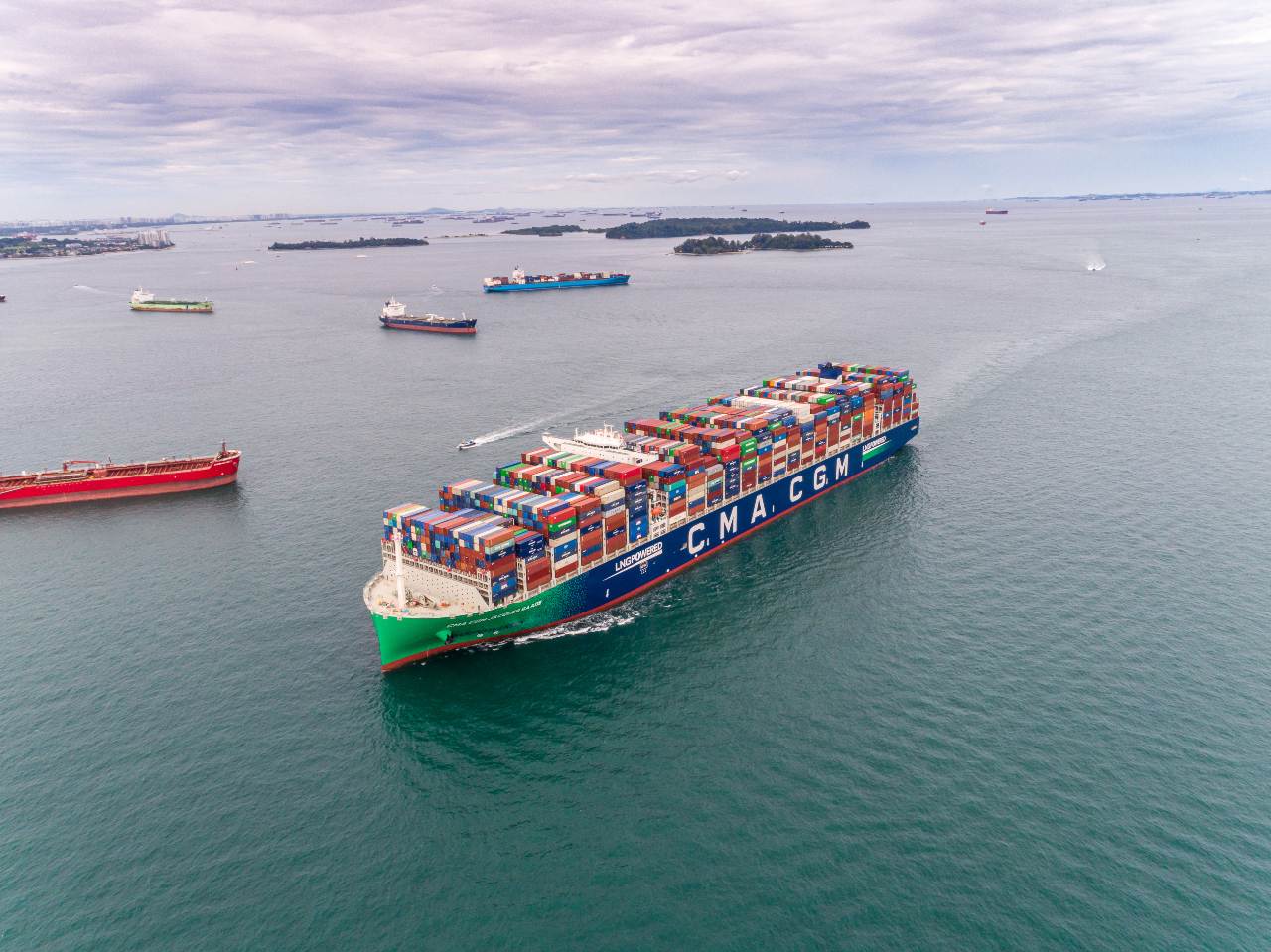
Technology, investment and progress made with LNG as a transitional fuel should be acknowledged believes Dominguez. Pictured: LNG-powered containership, CMA CGM Jacques Saadé. Image: VesselFinder
Savings of more than 50% on fleet-wide emissions can be achieved using cheap modifications on ships. Compared to the cost of building new LNG powered vessels, there is no contest. And the cuts to carbon emissions are twice as high
Engineering flexibility into hybrid ferry design
Ferries & Fast Craft (Newsletter)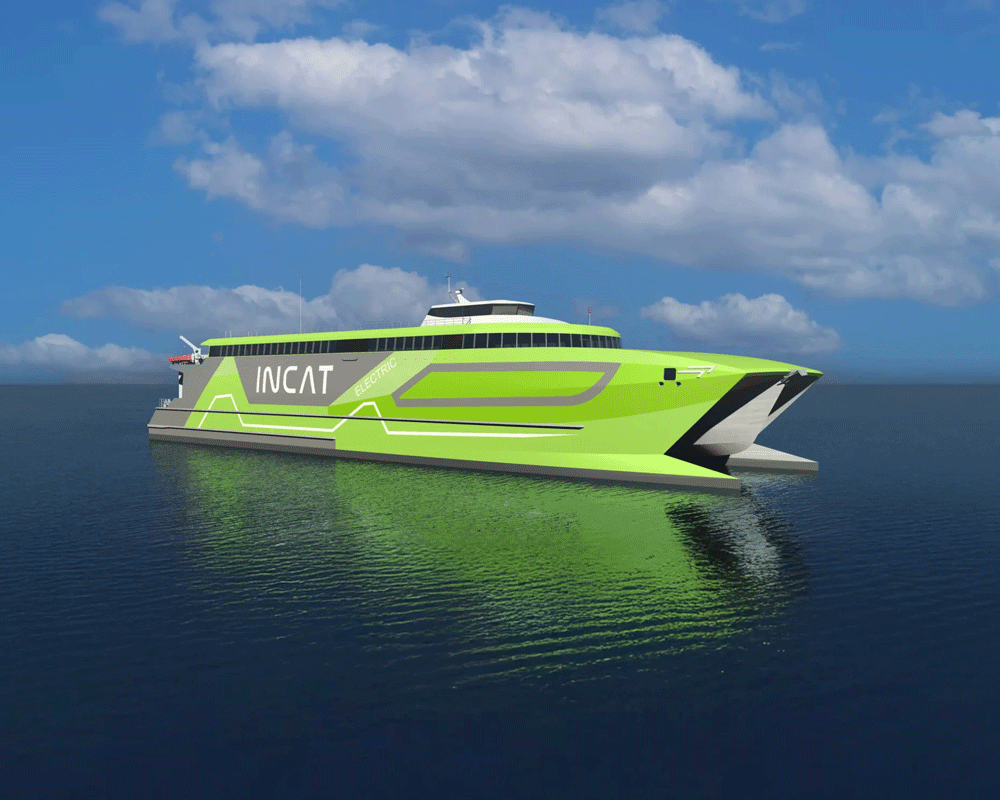
Incat and Echandia are demonstrating how working closer together on modular battery integration, collaborative vessel design and whole-system engineering is working to future-proof ferries as technology and infrastructure evolve.
Naval architecture in the electric age
Ferries & Fast Craft (Newsletter)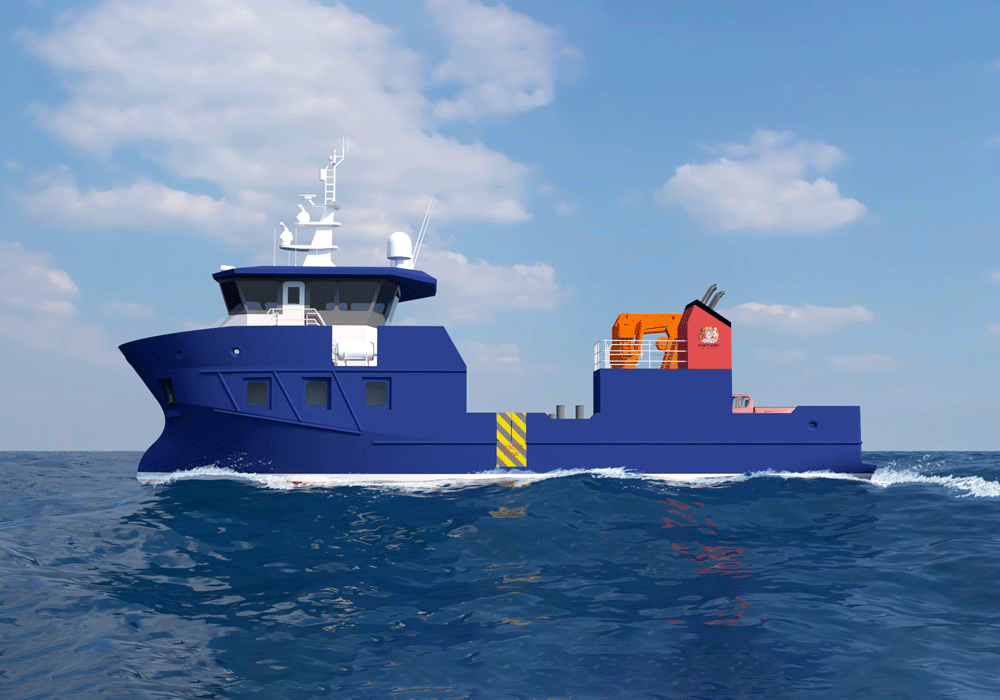
Chartwell Marine is expanding its work in the fast passenger ferry market, drawing best practice from CTV design. Its low-wake ferry hullform is a direct response to how electrification has fundamentally changed vessel design.
Simple physics with a significant impact
Ferries & Fast Craft (Newsletter)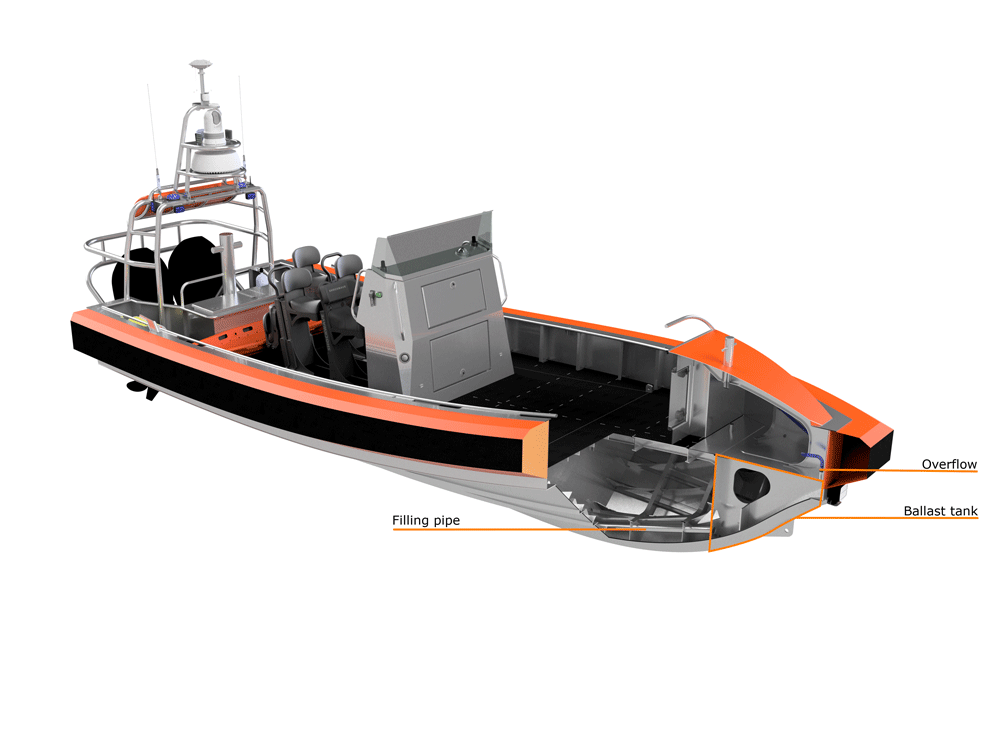
Salmon Marine’s Wavebreaker dynamic ballast system, originally conceived for offshore racing powerboats, has evolved into a design solution for reducing vertical accelerations experienced by crew and passengers operating at speed.
Fuel cell technology powering up at speed
Power & Sustainability (Newsletter)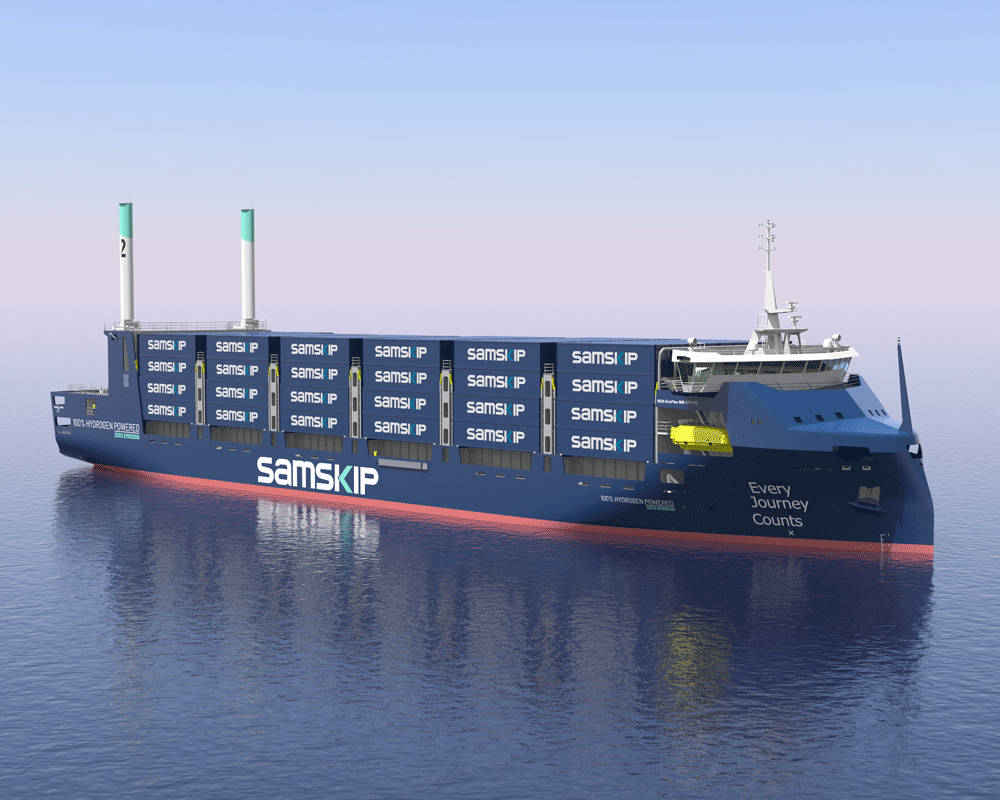
Samskip's fuel cell-powered shuttle will operate between Rotterdam and Oslo (image: Courtesy of Samskip).
Delivering maritime fuel cells that can drive deepsea shipping is not only within reach but is inevitable according to some.
Oceanbird sets sail to zero-emission target
Power & Sustainability (Newsletter)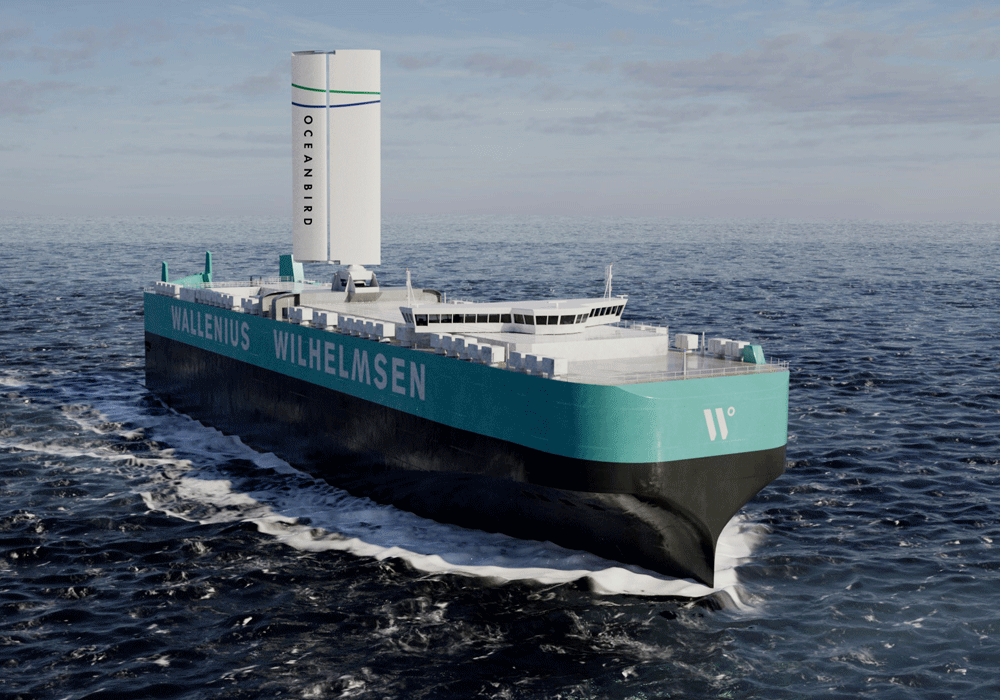
Tirranna's Oceanbird Wing560 was installed in June (image: Wallenius Marine).
Maritime wings are taking off! The latest design from Alfa Laval and Wallenius Marine is promising to make wind the primary source of vessel power.
Solar added to roro energy mix
Power & Sustainability (Newsletter)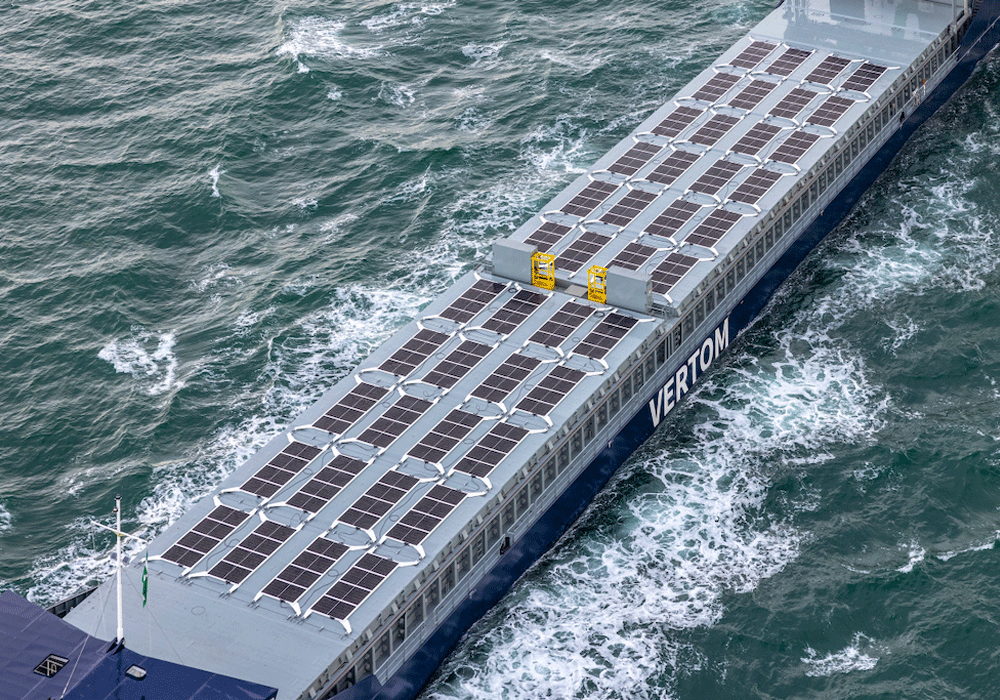
Wattlab's first full-scale installation on a seagoing vessel, the Vertom Tula (image: Wattlab)
Solar power has finally found its way onto ships. Slow uptake of solar energy is seen as surprising. Coastal shipping is showing that solar can improve efficiencies.
FLNG orders and challenges rising
Offshore Technology (Newsletter)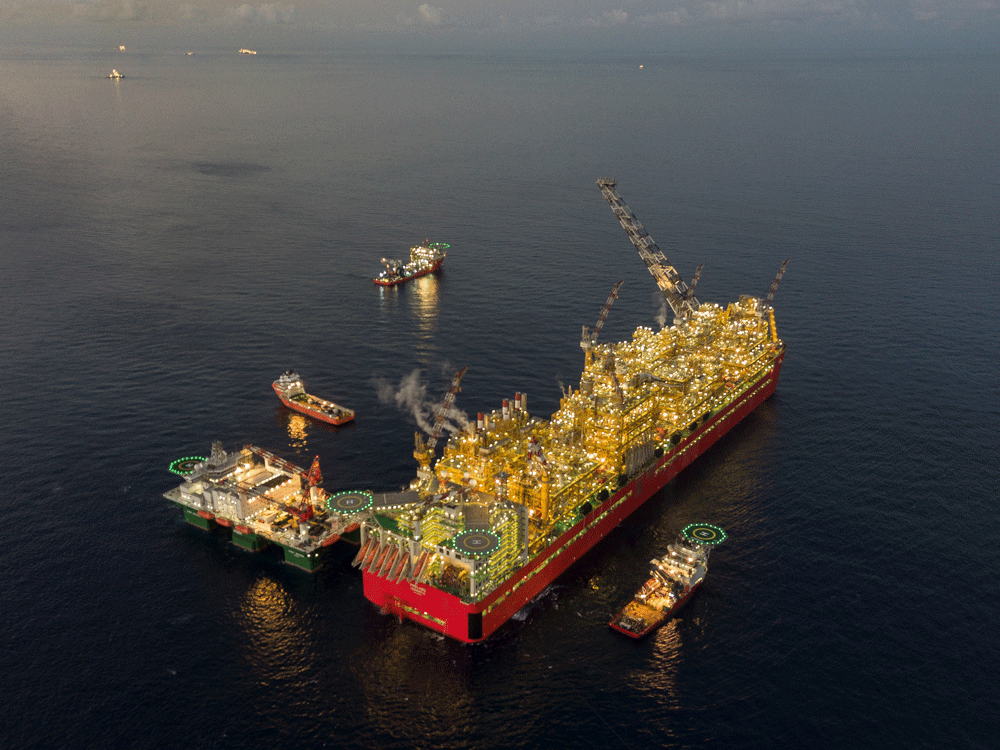
FLNG Prelude is the world's largest floating facility located offshore Australia (image: Shutterstock)
The number of floating LNG projects are increasing fast. Today’s liquefaction capacity is forecast to more than treble from 16 million to 55 million tonnes by 2040.
Newsletters
Stay connected with the global maritime community through RINA’s newsletters.
Whether you are a member or not, you can receive updates from The Naval Architect, alongside selected RINA news, events and industry insights. Members also gain access to a wider portfolio of exclusive newsletters on key topics in the maritime industry.
- The Naval Architect (currently available to all members & non-members)
- Power & Sustainability (members-only)
- Ship Repair & Maintenance (members-only)
- Warship Technology (members-only)
- Ferries & Fast Craft (members-only)
- Offshore Technology (members-only)
