Home : News & Publications : News : Offshore Technology : Offshore Technology

The naval architect


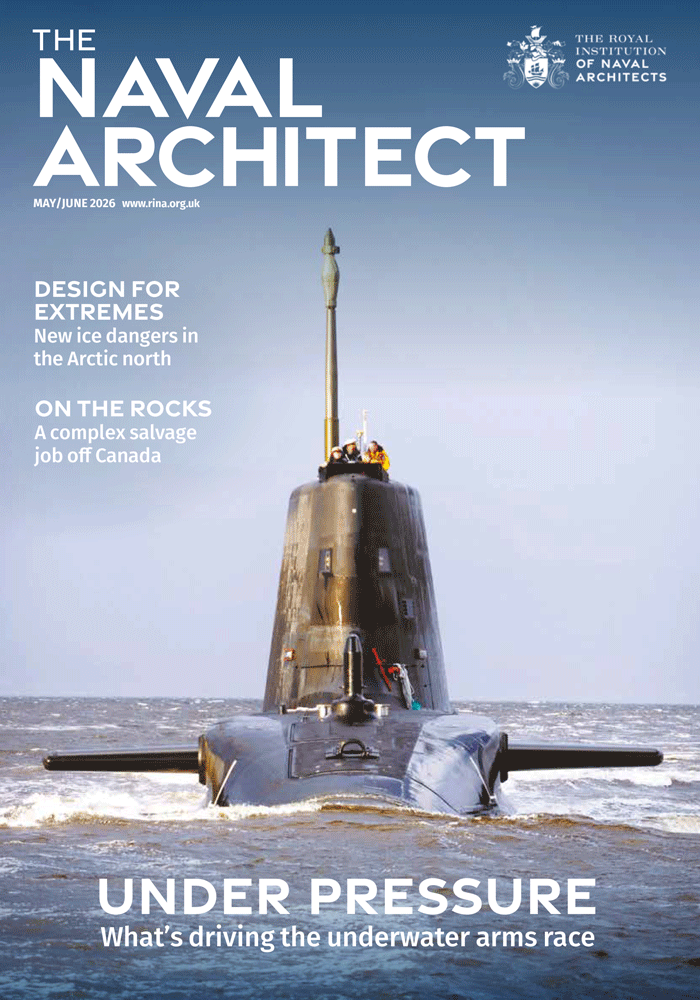
The Naval Architect provides in-depth information on all aspects of vessel design, construction and engineering. Practical applications of latest technology and case studies are accompanied by analysis and foresights.​ Published every two months, the magazine covers everything from superyachts and short-hop ferries to tankers and heavy-lift vessels; from battery pack installations and sail-assisted solutions to LNG tank retrofits; and from offshore safety to warship resilience. 

View All Articles

>

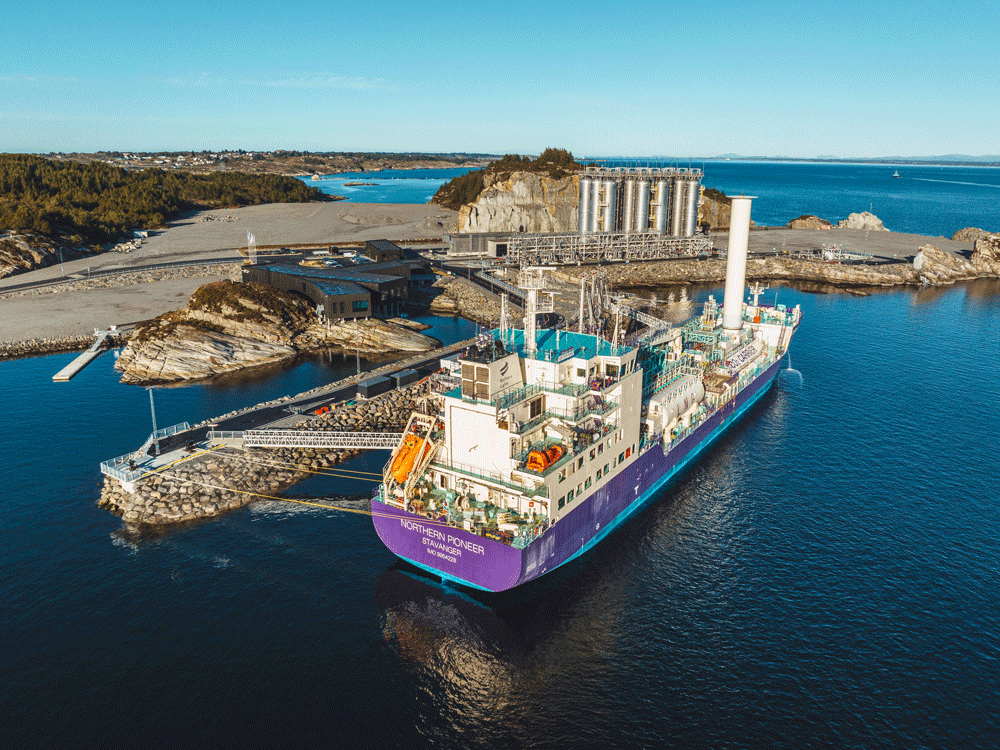
LCO2 cargo management evolution

Carbon capture and storage is expected to play a major role in the decarbonisation of shipping and other industries. Whether that captured carbon is sent for permanent storage or is purified for further industrial use, specialist vessels will need to be built to ship the gas.
Detail Link
>

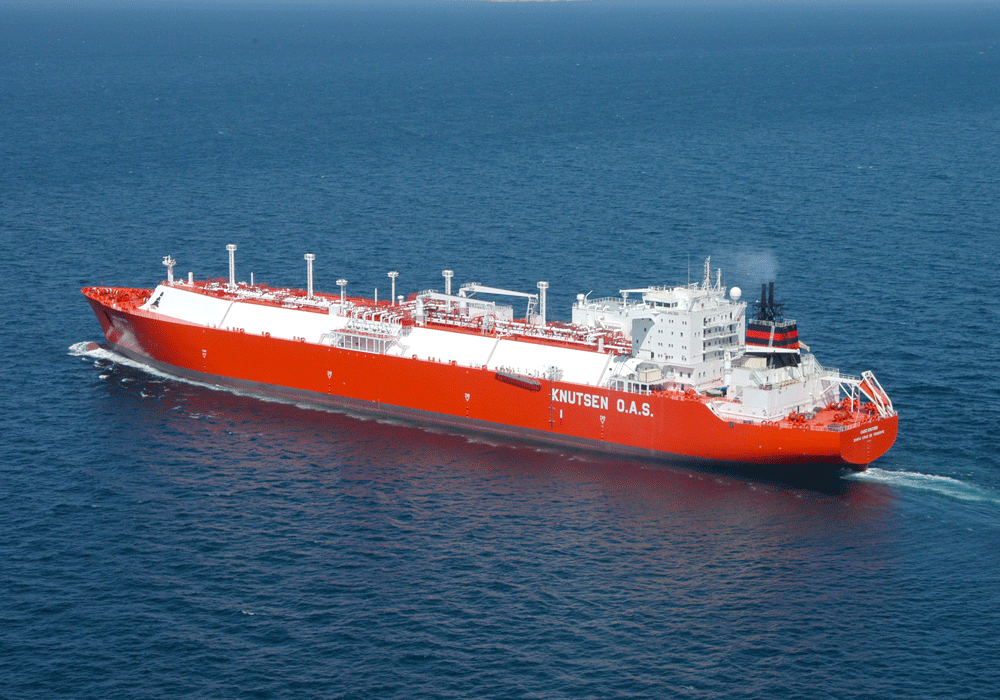
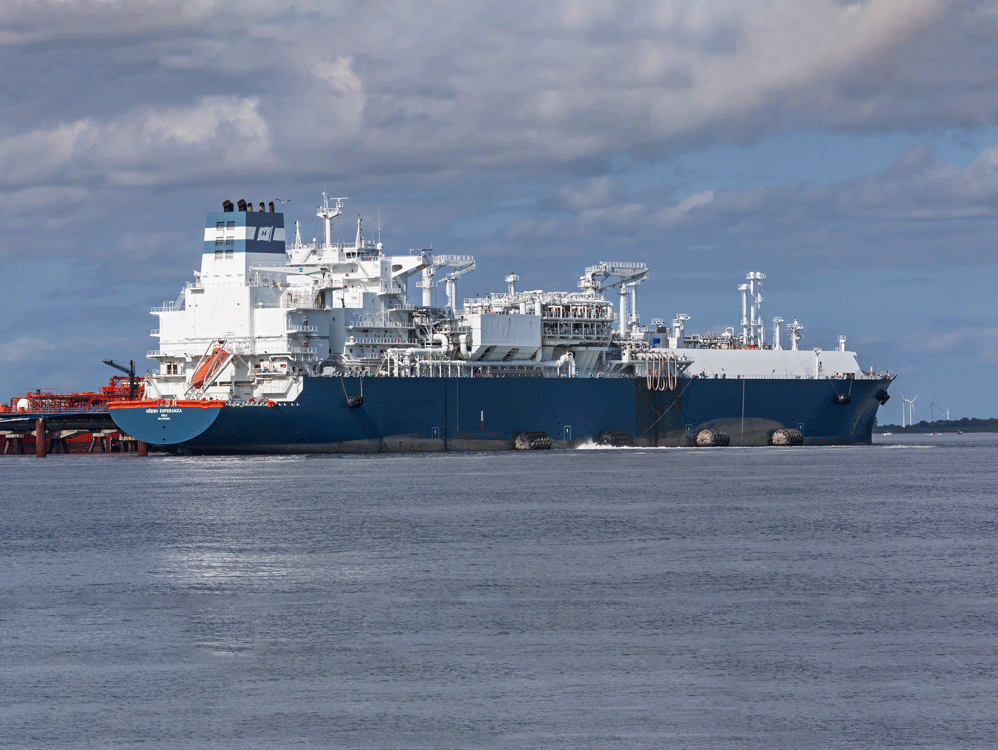
Flexible FLNG's star is rising

Converting LNG gas tankers to floating LNG storage units is a complex business. It requires merging ship design with LNG industry processing equipment arrangements, with stability and weight key issues.

Detail Link
>

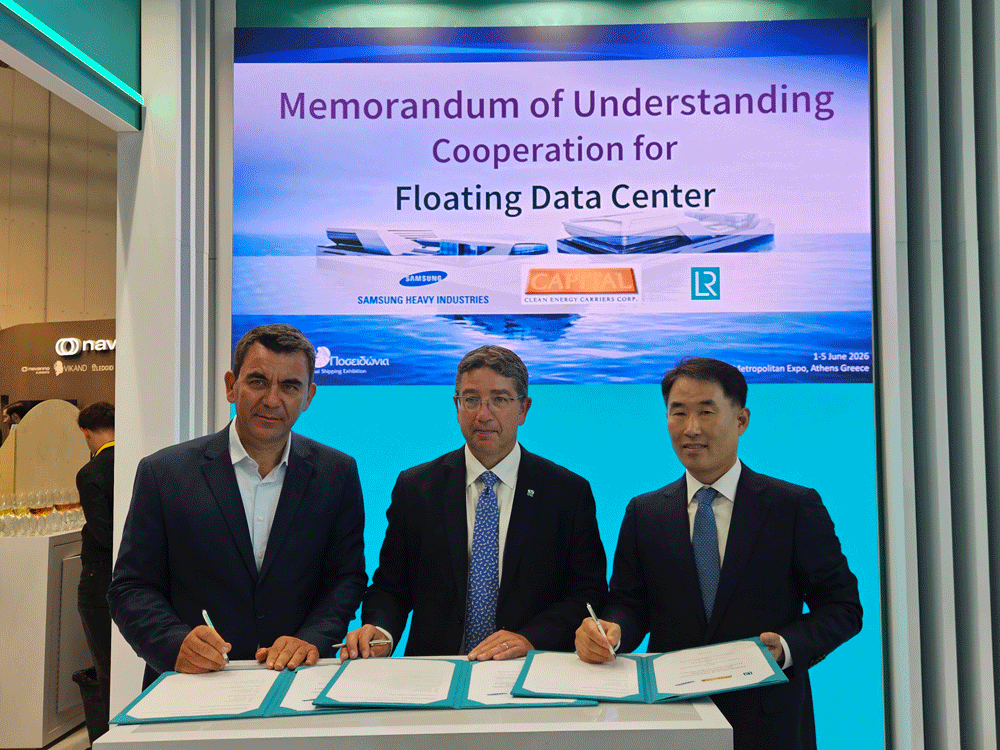
Floating data centres: an offshore solution to onshore concerns

Data centres are a drain on critical power and water supplies, raising concerns about competing costs for resources. Floating data centres can solve many of the concerns around this technology.

Detail Link
>

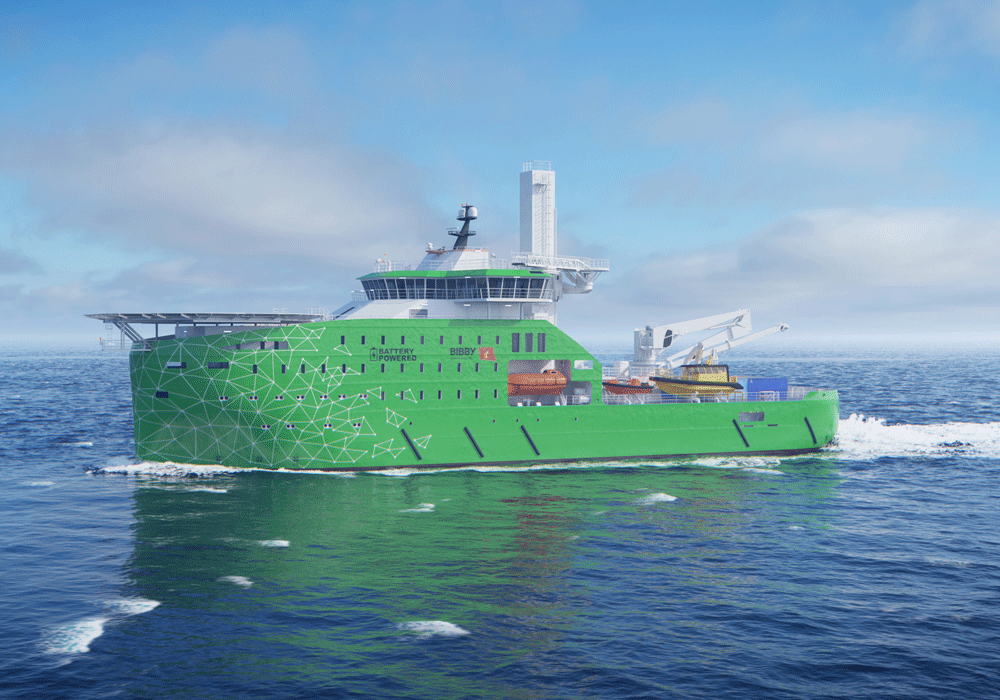
Bibby takes the fossil out of fuel

Fully electric, eCSOV’s are being designed in Spain for Bibby Marine. Battery power, with enough energy to power a CSOV for 24hours, will increase efficiency and cut costs according to the company. New and more thermally stable batteries will aid the transition.

Detail Link
>

Offshore ships going atomic

Power generation and offshore support vessels are both in the frame to benefit from fourth-generation small modular nuclear reactors. Ulsteinvik and Island Offshore explore the possibilities.

Detail Link
>

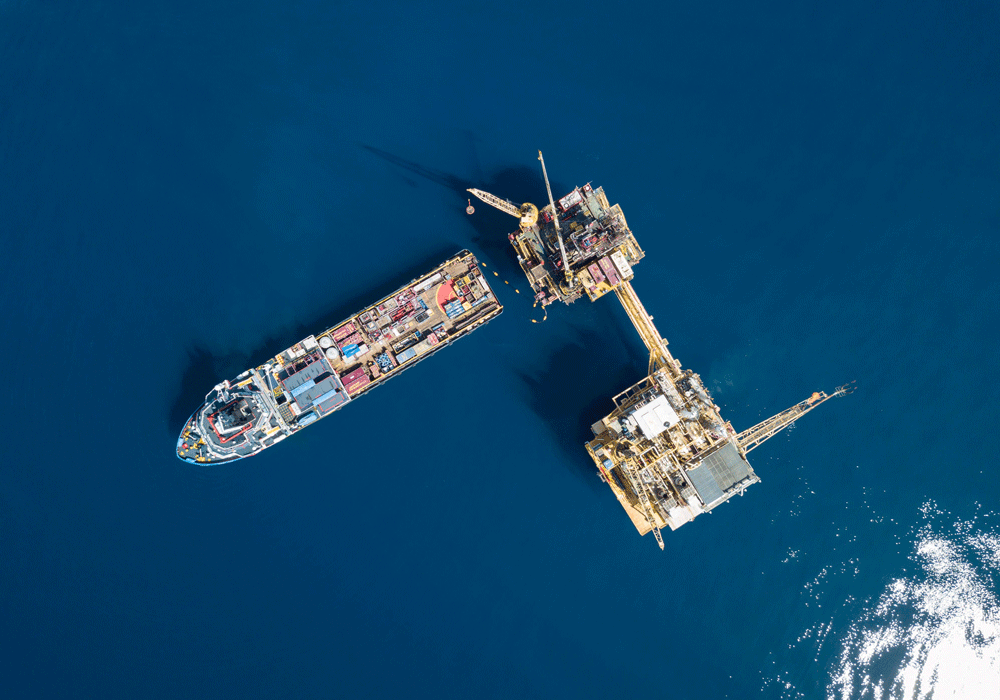
Energy outreach, offshore's design hurdles

Deeper, more exposed and less accessible fossil fuel reserves require more sophisticated offshore support vessel designs. With floating LNG increasingly in demand to help access and process fuels.

Detail Link
>

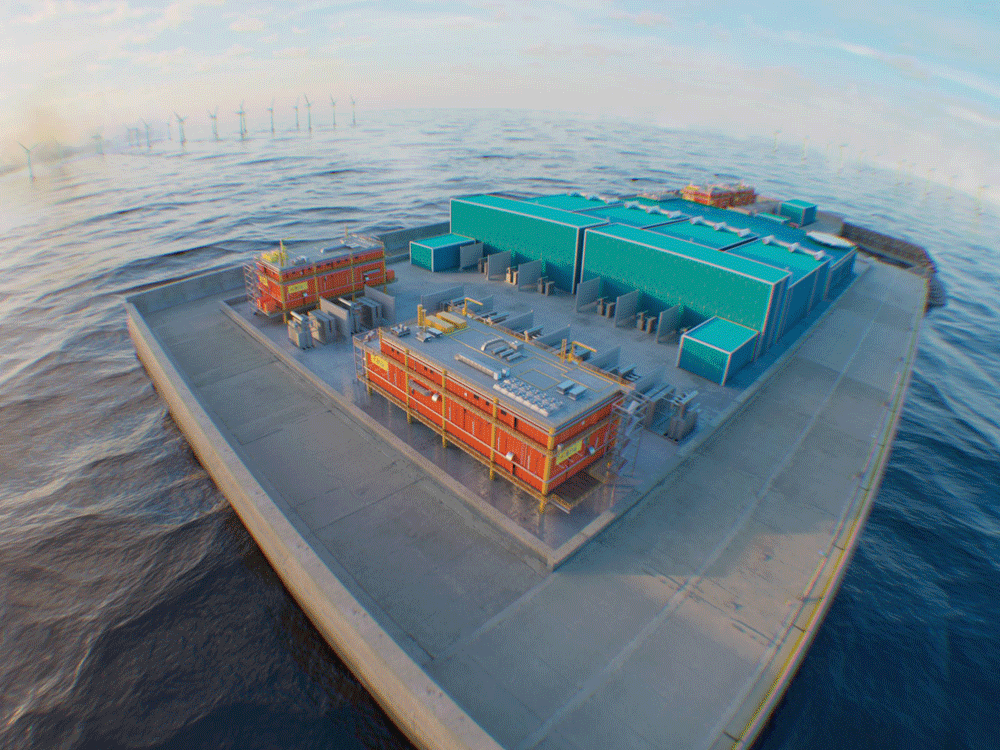
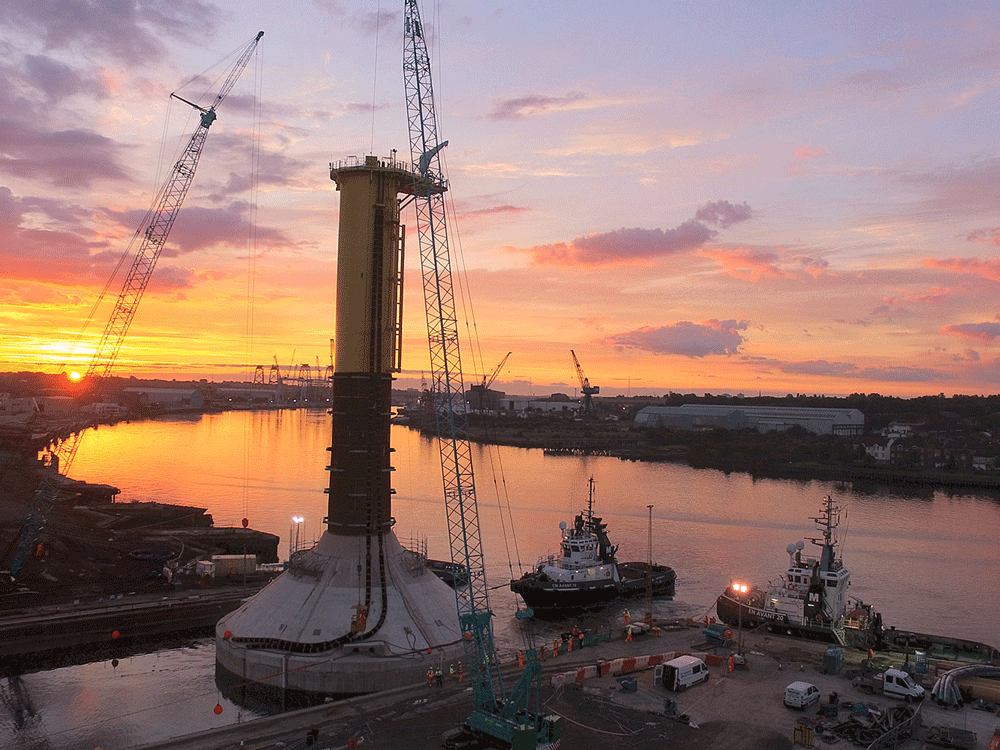
Energy islands: Europe's new frontier

A new era in offshore power has seen the development of the first Energy Islands off European coasts. The first will be the six-hectare Princess Elisabeth Island, which is under construction 45km off the coast of Belgium and is due to be completed in 2028.

Detail Link
>

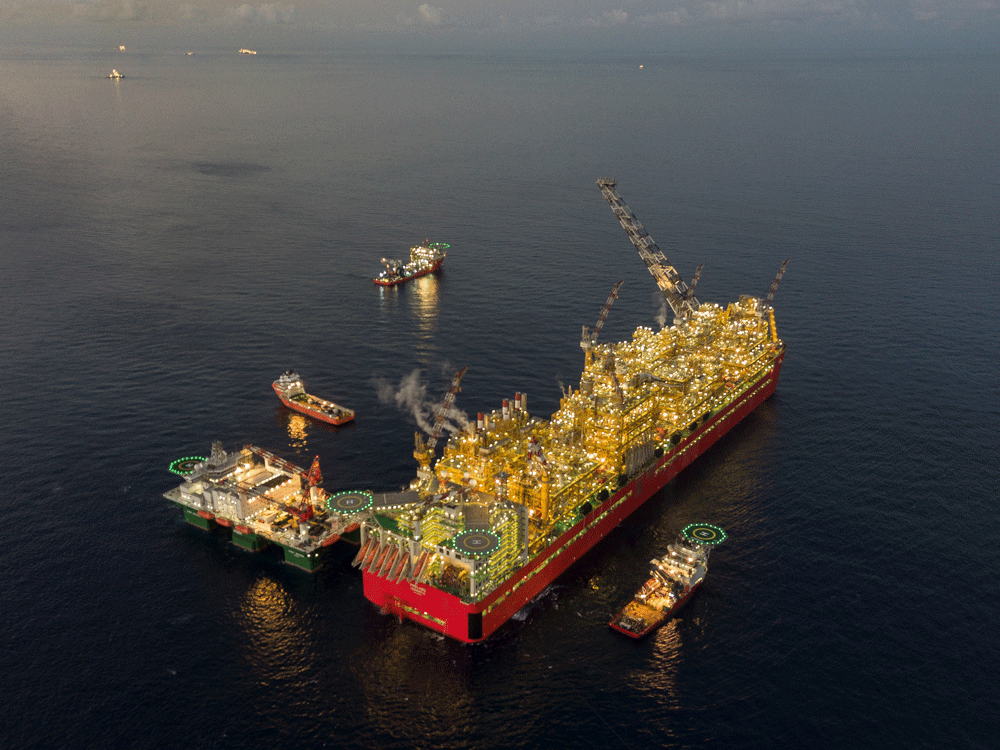
FLNG orders and challenges rising

The number of floating LNG projects are increasing fast. Today’s liquefaction capacity is forecast to more than treble from 16 million to 55 million tonnes by 2040.

Detail Link
>

Retire or repower wind farms?

The first wind turbines to be deployed are reaching the end of their operational life. The question is, should the sites be re-used or retired?

Detail Link
>

Offshore wind: Brazil's blank slate

Brazil’s emerging offshore industry offers an alternative challenge for naval architects. The region’s shallow water will require redesigned vessels that will work in very different conditions to those experienced in Europe’s North Sea. Brazil’s offshore ships will look quite different from the platform supply vessels (PSVs) and anchor handlers (AHTS) currently in use there.

Detail Link

Latest News


Read stories from across our global community, including our new specialist e-newsletters across Power & Sustainability, Ship Repair & Maintenance, Warship Technology, Ferries & Fast Craft and Offshore Technology. 

View All News Stories

>

LCO2 cargo management evolution

Carbon capture and storage is expected to play a major role in the decarbonisation of shipping and other industries. Whether that captured carbon is sent for permanent storage or is purified for further industrial use, specialist vessels will need to be built to ship the gas.
Detail Link
>

Flexible FLNG's star is rising

Converting LNG gas tankers to floating LNG storage units is a complex business. It requires merging ship design with LNG industry processing equipment arrangements, with stability and weight key issues.

Detail Link
>

Floating data centres: an offshore solution to onshore concerns

Data centres are a drain on critical power and water supplies, raising concerns about competing costs for resources. Floating data centres can solve many of the concerns around this technology.

Detail Link
>

Bibby takes the fossil out of fuel

Fully electric, eCSOV’s are being designed in Spain for Bibby Marine. Battery power, with enough energy to power a CSOV for 24hours, will increase efficiency and cut costs according to the company. New and more thermally stable batteries will aid the transition.

Detail Link
>

Offshore ships going atomic

Power generation and offshore support vessels are both in the frame to benefit from fourth-generation small modular nuclear reactors. Ulsteinvik and Island Offshore explore the possibilities.

Detail Link
>

Energy outreach, offshore's design hurdles

Deeper, more exposed and less accessible fossil fuel reserves require more sophisticated offshore support vessel designs. With floating LNG increasingly in demand to help access and process fuels.

Detail Link
>

Energy islands: Europe's new frontier

A new era in offshore power has seen the development of the first Energy Islands off European coasts. The first will be the six-hectare Princess Elisabeth Island, which is under construction 45km off the coast of Belgium and is due to be completed in 2028.

Detail Link
>

FLNG orders and challenges rising

The number of floating LNG projects are increasing fast. Today’s liquefaction capacity is forecast to more than treble from 16 million to 55 million tonnes by 2040.

Detail Link
>

Retire or repower wind farms?

The first wind turbines to be deployed are reaching the end of their operational life. The question is, should the sites be re-used or retired?

Detail Link
>

Offshore wind: Brazil's blank slate

Brazil’s emerging offshore industry offers an alternative challenge for naval architects. The region’s shallow water will require redesigned vessels that will work in very different conditions to those experienced in Europe’s North Sea. Brazil’s offshore ships will look quite different from the platform supply vessels (PSVs) and anchor handlers (AHTS) currently in use there.

Detail Link

Magazines


Keep up to date on the latest news, insights and innovations from across the maritime community. Our flagship title, The Naval Architect, covers everything from commercial shipping and small craft to defence and advanced design, while our yearly publication Significant Ships, showcases the most innovative and commercially important vessel designs of the prior year. 


Explore Our Magazines

Newsletters


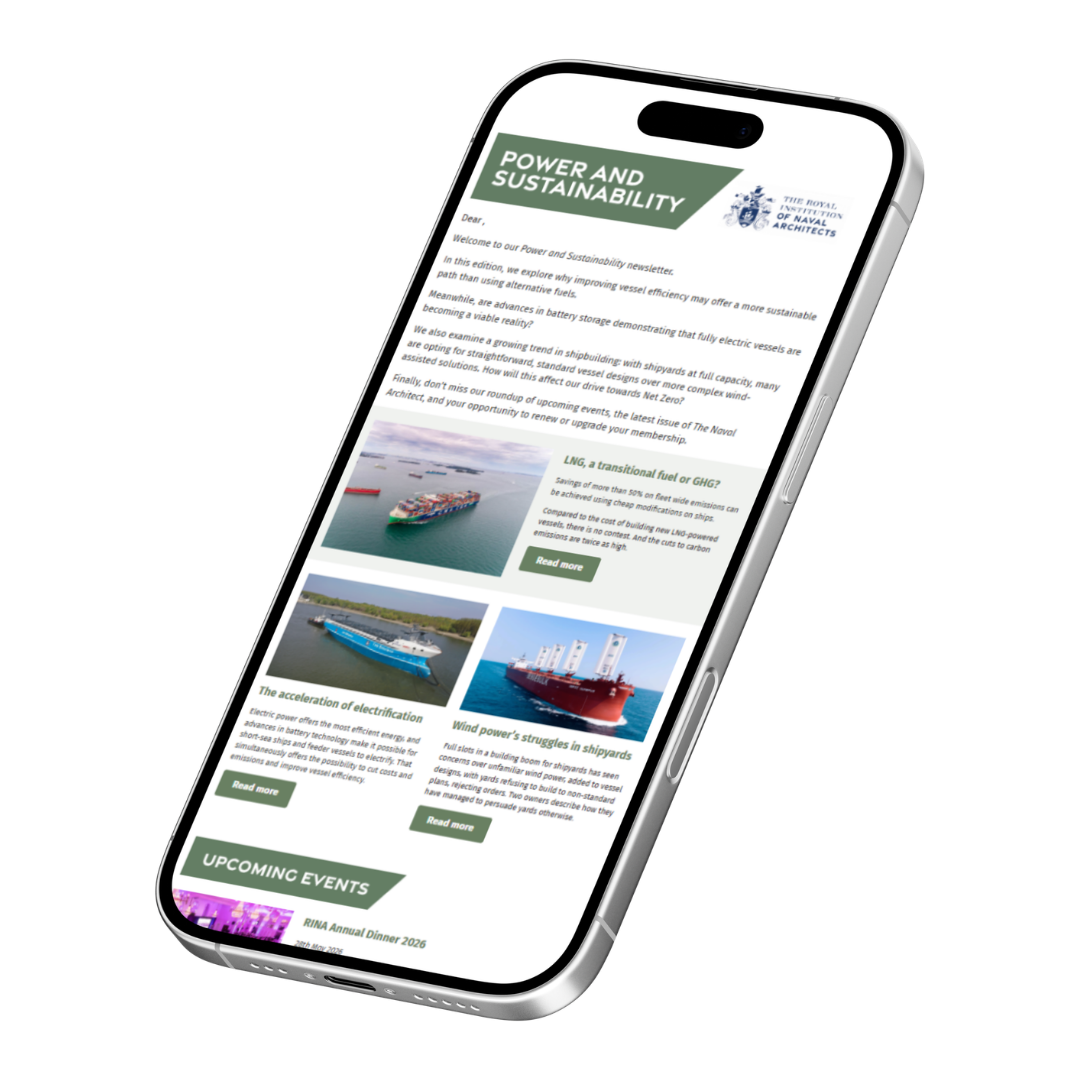
Stay connected with the global maritime community through RINA’s newsletters.

Whether you are a member or not, you can receive updates from The Naval Architect, alongside selected RINA news, events and industry insights. Members also gain access to a wider portfolio of exclusive newsletters on key topics in the maritime industry.


Sign Up For Newsletters

Journals


RINA has published technical papers and maritime research since 1860, creating an extensive record of developments across naval architecture and marine engineering.

Explore the Institution’s historic Transactions and the International Journal of Maritime Engineering (IJME), which continues this tradition by publishing peer-reviewed research and technical discussion from across the maritime sector.


Explore Our Journals

Library Archive


Explore RINA’s collection of maritime knowledge, including historic magazines, journals and Transactions dating back to 1860, reviewed conference papers, and the catalogue of the Denny Library.

Our team is continuing to digitise and expand the archive, making more of the Institution’s technical content available on demand.


Explore the Library

1 / 1
100%