The underwater arms race
The global undersea arms race is transforming not just navies but the engineering profession behind them. Workforce, digital capability and nuclear stewardship are now as strategically important as the platforms themselves.
Take 10 seconds to nominate a colleague, mentee or friend for our Forbes-style list. Must be under the age of 40 in 2026. Open to all maritime professions associated with naval architecture. See eligibility criteria. [hyperlinked].
Renowned for the technical excellence of our events, publications and learning, we offer career pathways for naval architects and 16 associated professions [hyperlink to 16 professions].
We cover everything from super yachts and green propulsion to warship resilience. Network 1-2-1 with top talent at our events or influence the maritime industry by joining one of our comittees.
We promote the interdisciplinary conversation at the heart of maritime innovation. Speak at our events, publish in our journals or simply join the discussion forums on our website.
?? HOW?? FILL IN EMAIL HERE AND SIGN UP WITH 1 CLICK
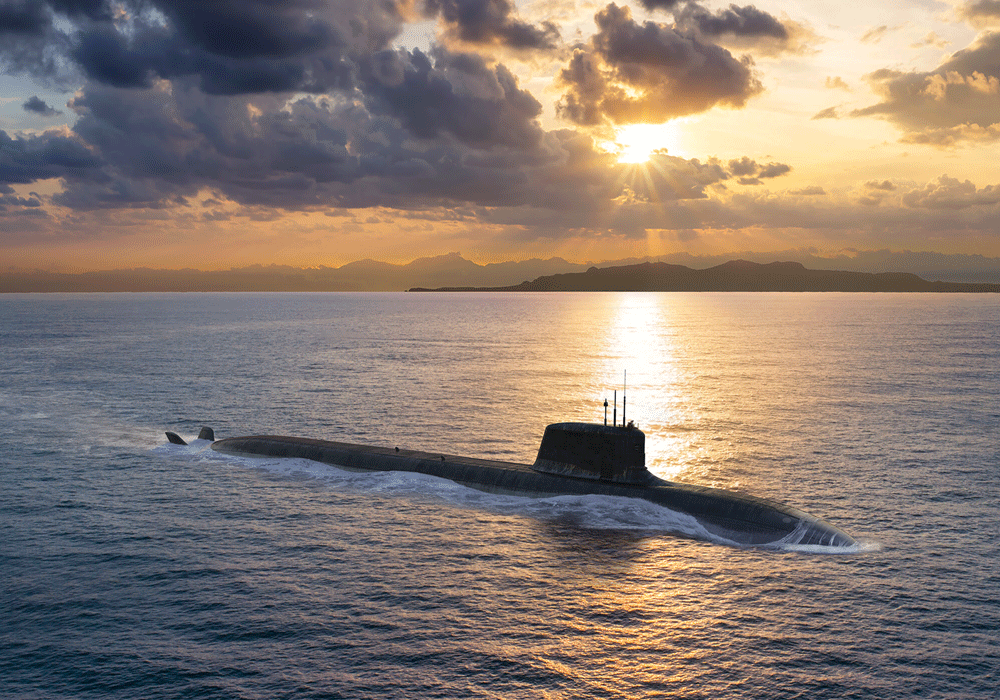
The global undersea arms race is transforming not just navies but the engineering profession behind them. Workforce, digital capability and nuclear stewardship are now as strategically important as the platforms themselves.
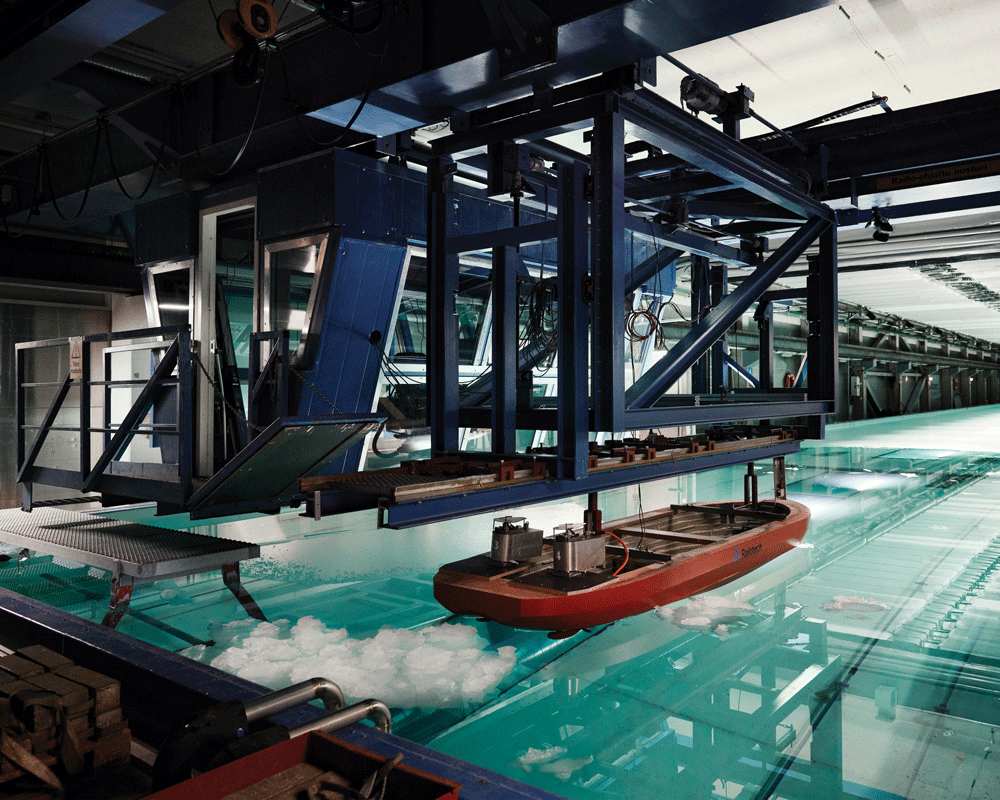
As the climate warms, there’s growing interest in transiting once unnavigable seas. Amy McLellan explores ways to support increased shipping in ice-affected waters.
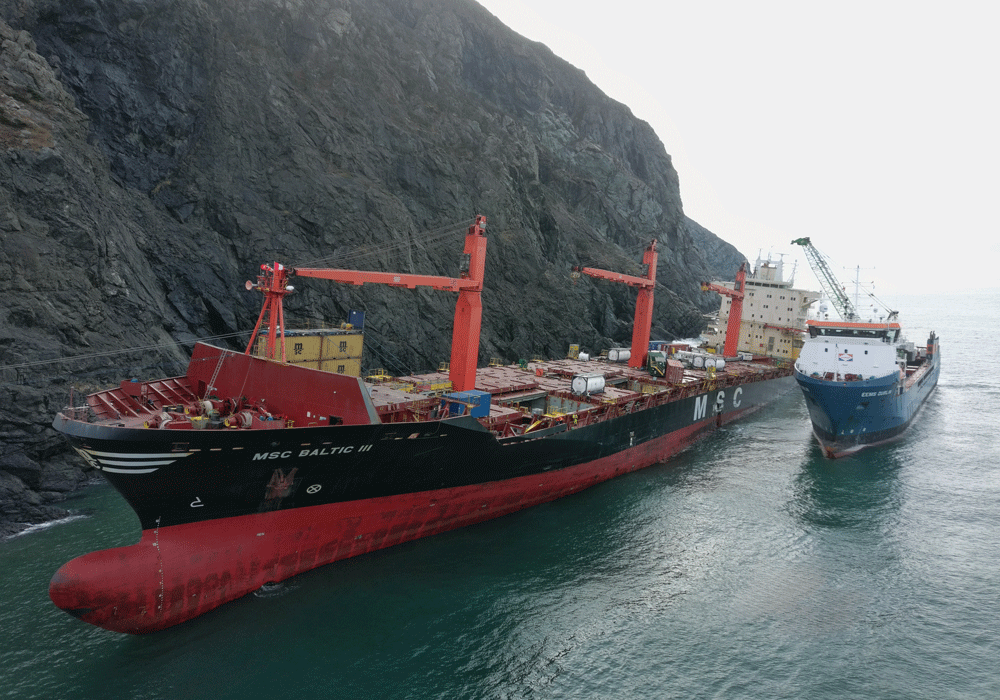
More than a year after the containership Baltic III grounded on the remote Newfoundland coast during a severe storm, a wreck removal plan is finally in place, but the complex and challenging operation still has years to run, and important questions remain.

Welcome to the latest issue of The Naval Architect. I am honoured to have been elected President of RINA, and I would like to thank members for the confidence and trust you have placed in me.
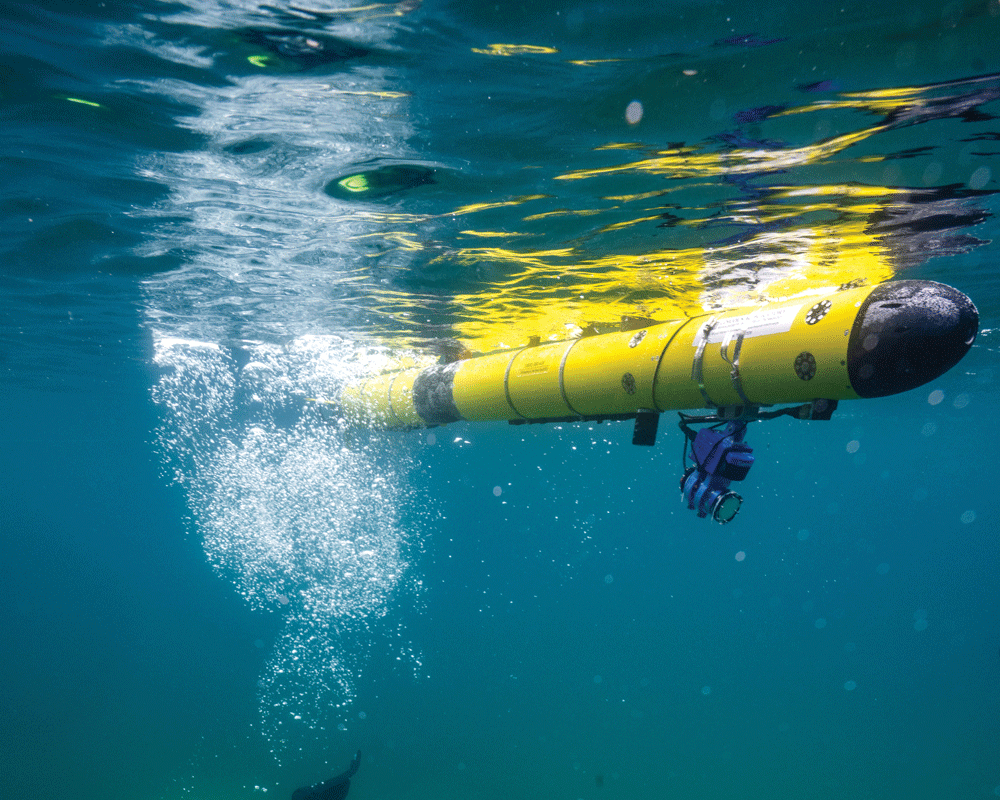
Researchers address capability gaps in underwater navigation and perception.
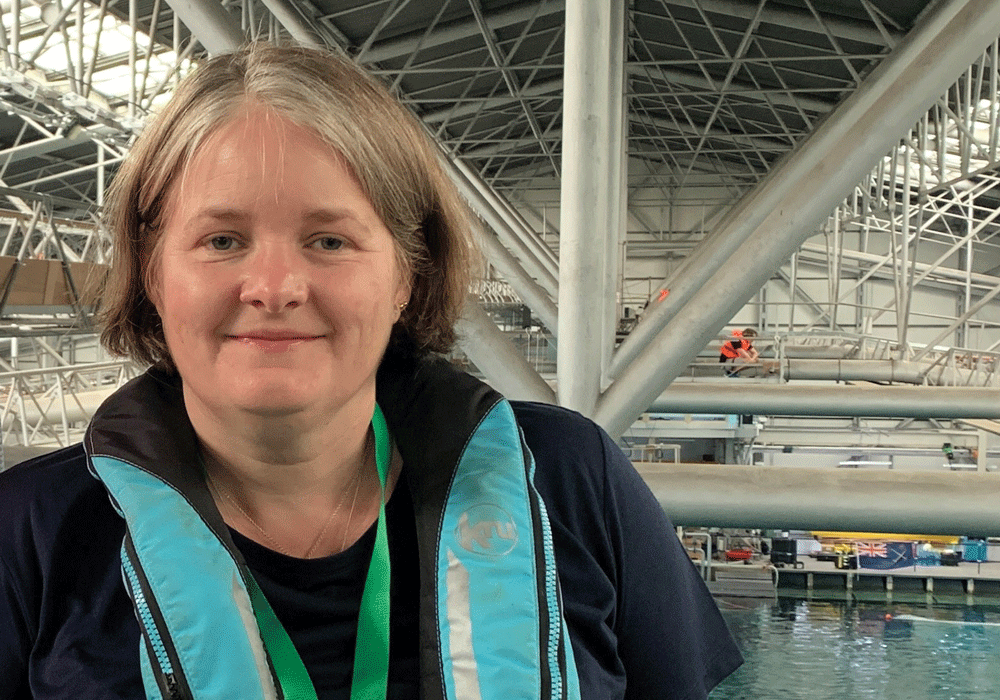
Catriona Savage on the pace of change in her time as RINA president.
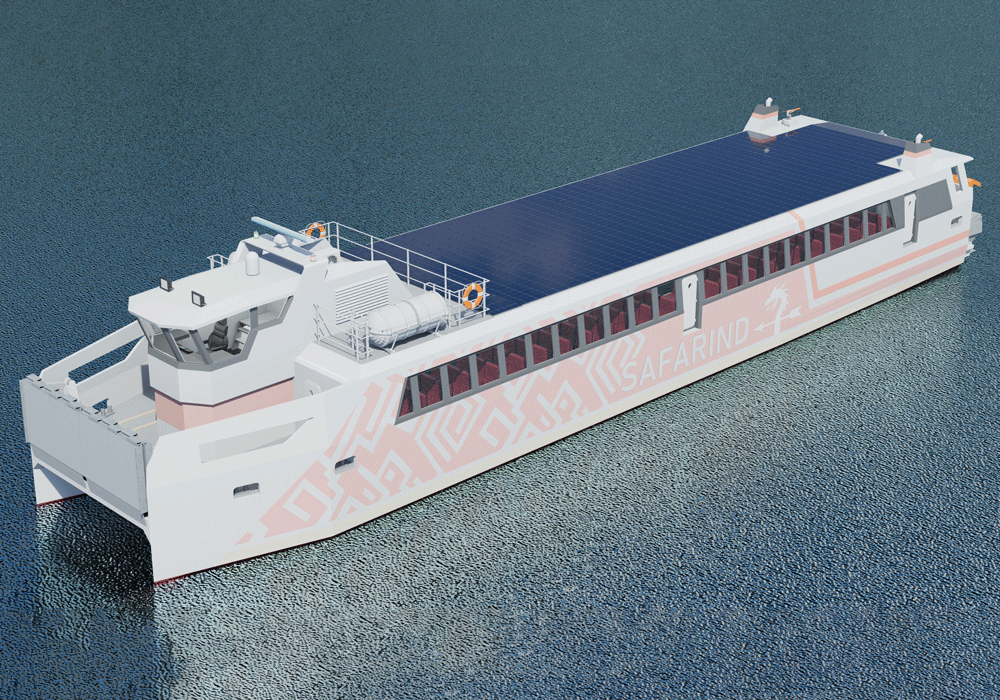
Team Nagapasa’s flat-bottomed catamaran ferry won the WFSA’s Maritime Student Design Competition, meeting the constraints of a shallow, hazard-prone river route with a design built for affordability and local construction.
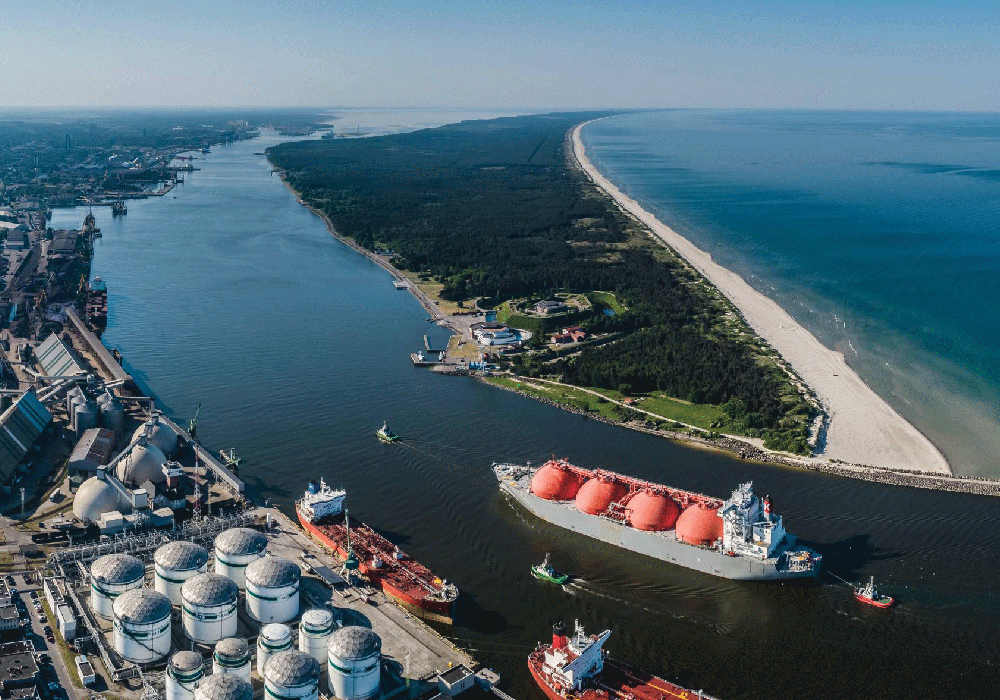
Aker wins contract for CO2 terminal in Lithuania; and First battery-methanol-powered tug set to sail.
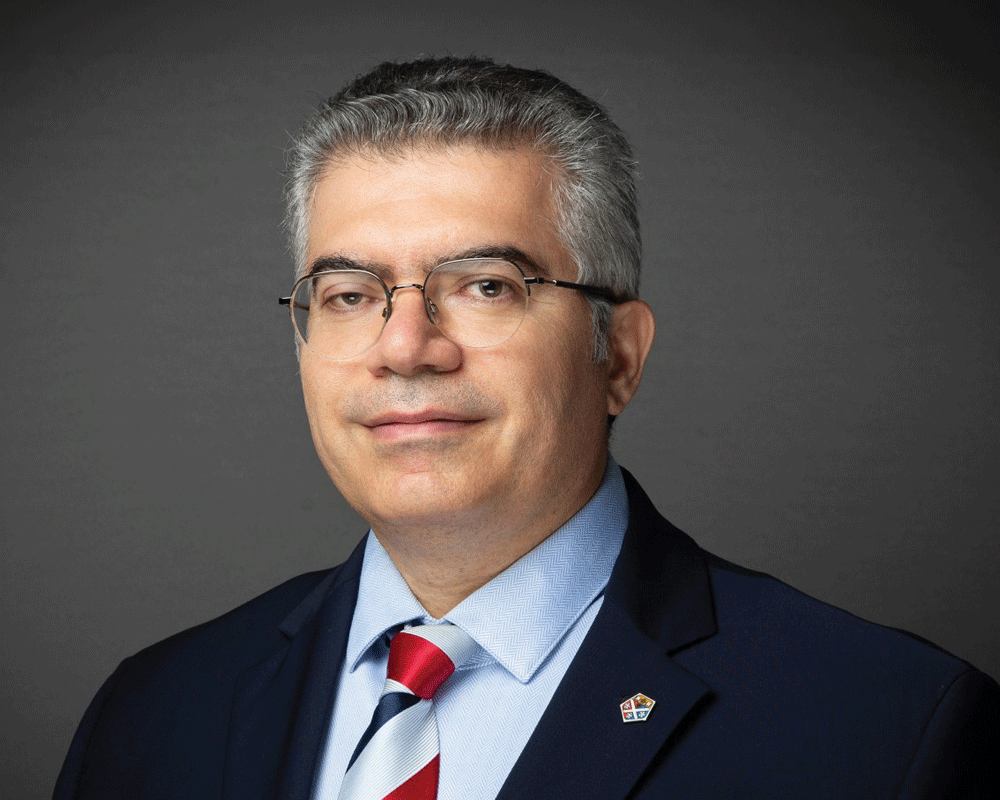
Evangelos Boulougouris on using artificial intelligence in ship design.
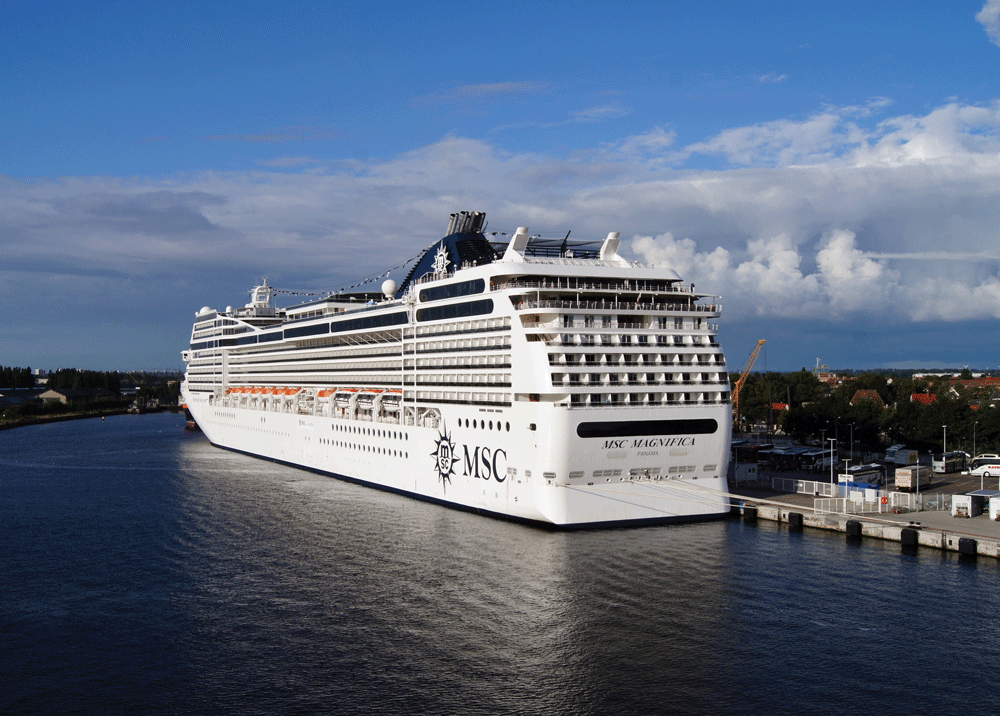
A report from Lloyd’s Register, Fuel for Thought: LNG for Cruise, says liquefied natural gas is established as the dominant alternative fuel in the sector by a considerable margin, evidenced by the fact that 30 LNG-fuelled cruiseships of 20,000GT and above are in service and a further 29 are on order. What does that mean for naval architects?
From flagship international conferences to specialist technical seminars, RINA events bring together experts, innovators, and professionals to share knowledge and shape the future of naval architecture.
Explore Upcoming Events
Lorem ipsum dolor sit amet, consectetur adipiscing elit, sed do eiusmod tempor incididunt ut labore et dolore magna aliqua.
CLICK HERE
Lorem ipsum dolor sit amet, consectetur adipiscing elit, sed do eiusmod tempor incididunt ut labore et dolore magna aliqua.
CLICK HERE







Lorem ipsum dolor sit amet, consectetur adipiscing elit, sed do eiusmod tempor incididunt ut labore et dolore magna aliqua. Ut enim ad minim veniam, quis nostrud exercitation ullamco laboris nisi ut aliquip ex ea commodo consequat. Duis aute irure dolor in reprehenderit in voluptate velit esse cillum dolore eu fugiat nulla pariatur. Excepteur sint occaecat cupidatat non proident, sunt in culpa qui officia deserunt mollit anim id est laborum.

Lorem ipsum dolor sit amet, consectetur adipiscing elit, sed do eiusmod tempor incididunt ut labore et dolore magna aliqua. Ut enim ad minim veniam, quis nostrud exercitation ullamco laboris nisi ut aliquip ex ea commodo consequat. Duis aute irure dolor in reprehenderit in voluptate velit esse cillum dolore eu fugiat nulla pariatur. Excepteur sint occaecat cupidatat non proident, sunt in culpa qui officia deserunt mollit anim id est laborum.
Lorem ipsum dolor sit amet, consectetur adipiscing elit, sed do eiusmod tempor incididunt ut labore et dolore magna aliqua. Ut enim ad minim veniam, quis nostrud exercitation ullamco laboris nisi ut aliquip ex ea commodo consequat. Duis aute irure dolor in reprehenderit in voluptate velit esse cillum dolore eu fugiat nulla pariatur. Excepteur sint occaecat cupidatat non proident, sunt in culpa qui officia deserunt mollit anim id est laborum.
Lorem ipsum dolor sit amet, consectetur adipiscing elit, sed do eiusmod tempor incididunt ut labore et dolore magna aliqua. Ut enim ad minim veniam, quis nostrud exercitation ullamco laboris nisi ut aliquip ex ea commodo consequat. Duis aute irure dolor in reprehenderit in voluptate velit esse cillum dolore eu fugiat nulla pariatur. Excepteur sint occaecat cupidatat non proident, sunt in culpa qui officia deserunt mollit anim id est laborum.
Lorem ipsum dolor sit amet, consectetur adipiscing elit, sed do eiusmod tempor incididunt ut labore et dolore magna aliqua. Ut enim ad minim veniam, quis nostrud exercitation ullamco laboris nisi ut aliquip ex ea commodo consequat. Duis aute irure dolor in reprehenderit in voluptate velit esse cillum dolore eu fugiat nulla pariatur. Excepteur sint occaecat cupidatat non proident, sunt in culpa qui officia deserunt mollit anim id est laborum.
Lorem ipsum dolor sit amet, consectetur adipiscing elit, sed do eiusmod tempor incididunt ut labore et dolore magna aliqua. Ut enim ad minim veniam, quis nostrud exercitation ullamco laboris nisi ut aliquip ex ea commodo consequat. Duis aute irure dolor in reprehenderit in voluptate velit esse cillum dolore eu fugiat nulla pariatur. Excepteur sint occaecat cupidatat non proident, sunt in culpa qui officia deserunt mollit anim id est laborum.
Lorem ipsum dolor sit amet, consectetur adipiscing elit, sed do eiusmod tempor incididunt ut labore et dolore magna aliqua. Ut enim ad minim veniam, quis nostrud exercitation ullamco laboris nisi ut aliquip ex ea commodo consequat. Duis aute irure dolor in reprehenderit in voluptate velit esse cillum dolore eu fugiat nulla pariatur. Excepteur sint occaecat cupidatat non proident, sunt in culpa qui officia deserunt mollit anim id est laborum.
text one
Lorem ipsum dolor sit amet, consectetur adipiscing elit, sed do eiusmod tempor incididunt ut labore et dolore magna aliqua. Ut enim ad minim veniam, quis nostrud exercitation ullamco laboris nisi ut aliquip ex ea commodo consequat. Duis aute irure dolor in reprehenderit in voluptate velit esse cillum dolore eu fugiat nulla pariatur. Excepteur sint occaecat cupidatat non proident, sunt in culpa qui officia deserunt mollit anim id est laborum.
The return of great-power rivalry, wars in Ukraine and the Middle East, rising tensions in the South China Sea and growing concern over seabed infrastructure have pushed undersea capability back to the centre of military planning. But this is not simply a contest of fleet numbers. The underwater arms race today is a structural transformation of the global maritime system, reshaping deterrence, intelligence gathering, seabed infrastructure protection and the balance of power across the Atlantic, the Indo-Pacific and the Arctic. As First Sea Lord General Sir Gwyn Jenkins told delegates at the Combined Naval Event in Farnborough in May 2026: “We are at a fork in the road, and the decisions we take now will have seismic and lasting consequences.”
After decades of relative underinvestment, major powers and emerging maritime nations are recapitalising underwater capability at a pace not seen since the Cold War. This renewal spans not only submarines but anti-submarine warfare systems, autonomous underwater vehicles, support fleets, seabed surveillance networks and the protection of critical underwater infrastructure. The geopolitical landscape is simultaneously reshaping procurement strategy, with intergovernmental collaboration, export partnerships and industrial allegiances all playing a pivotal role alongside raw capability.
A global competition
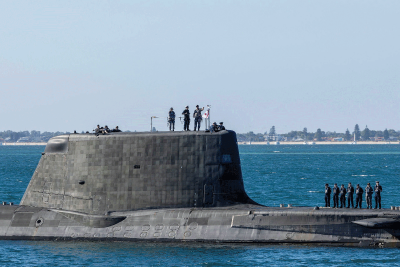
The scale of that competition is most visible in the contest between the United States and China. Despite long-standing plans to deliver two Virginia-class submarines per year, US output has struggled to exceed around 1.1 to 1.2 boats annually, constrained by workforce shortages, supply chain fragility and industrial bottlenecks. The Navy’s 30-year shipbuilding plan acknowledges a persistent gap between planned and achievable output, with workforce availability now the single largest constraint on recapitalisation. The US is simultaneously managing the Virginia-class attack submarine programme, the Columbia-class ballistic missile submarine programme and development work on the future SSN(X), placing extraordinary concurrent demands on a constrained industrial base.
 |
|---|
China, by contrast, is demonstrating the strategic advantages of scale, having launched 10 nuclear-powered submarines between 2021 and 2025, surpassing the US in both hull numbers and total launched displacement. Major expansion at Bohai Shipbuilding’s Huludao yard has enabled simultaneous production of the Type 093B and Type 094 classes, underpinned by vertically integrated supply chains, state-backed financing and a significantly larger skilled workforce. The strategic concern for Western planners is increasingly centred on industrial tempo, production resilience and fleet mass, rather than individual platform performance.
The contest extends well beyond two powers. Russia continues to prioritise its Borei and Yasen-M programmes despite sanctions and industrial constraints, with Arctic and North Atlantic operations the strategic focus.
France sustains two parallel nuclear programmes, the Suffren-class SSNs and the Le Triomphant-class SSBNs, while maintaining a strong export position through the Scorpene design. Germany and Sweden remain among the most technically influential conventional submarine designers, with ThyssenKrupp Marine Systems driving advances in air-independent propulsion (AIP) and low-signature construction through the Type 212CD, and Saab Kockums developing the A26 Blekinge class, which secured its first export customer in Poland in 2025.
India’s indigenous nuclear submarine programme has reached a significant milestone with the commissioning of INS Aridhaman in April 2026 and the fourth Arihant-class boat now in sea trials. South Korea has emerged as one of the most competitive builders in the world, with the KSS-III programme demonstrating a high degree of indigenous capability and Korean yards now in the final running for Canada’s US$40 billion submarine replacement programme.
For much of the post-Cold War period, Western navies prioritised small numbers of increasingly sophisticated platforms. That assumption is now being challenged by the realities of persistent maritime competition, Indo-Pacific scale, Atlantic and Arctic commitments, infrastructure protection requirements and sustained readiness demands. Capability alone is insufficient without industrial resilience, sustainment capacity and workforce depth.
 |
|---|
The AUKUS framework
As capability shifts from standalone platforms toward interoperability and integrated, distributed systems, more countries are taking a collaborative approach to construction and operation. The most significant example is AUKUS, the trilateral security partnership between Australia, the United Kingdom and the United States, designed to support Australia in acquiring its first conventionally armed, nuclear-powered submarine fleet amid growing tensions in the Asia-Pacific region.
Australia’s SSN-AUKUS boats will be based on the UK’s next-generation SSN Astute-class successor but incorporate technologies from all three nations, built in both the UK and Australia, with work scheduled to start by 2030. The first submarine is expected to enter service towards the end of the 2030s in the UK and the early 2040s in Australia, with both nations operating the class on a rotational basis under Submarine Rotational Force – West at HMAS Stirling near Perth.
The first significant US contract under AUKUS was awarded in late 2025, with Electric Boat securing US$196 million for engineering, technical and design-transfer work, marking a shift from political commitment to funded industrial delivery. In May, Babcock International announced a partnership with US defence prime HII to manufacture complex submarine components at its Rosyth facility in Scotland, relieving pressure on the US naval supply chain while reinforcing industrial integration under the framework.
Australian industry is now being drawn into the supply chain at scale. PMB Defence will partner with BAE Systems to integrate its advanced nickel zinc battery system into the SSN-AUKUS design and supply battery technology for other Royal Navy submarines. Nuclear propulsion will be delivered by Rolls-Royce, with the PWR3 reactor, designed for the UK’s Dreadnought class, expected to be adapted for SSN-AUKUS. Rolls-Royce has also signed a Memorandum of Understanding with the State of Victoria to develop Australia’s defence industry skills, supply chain and innovation ecosystem.
Astute and dreadnought
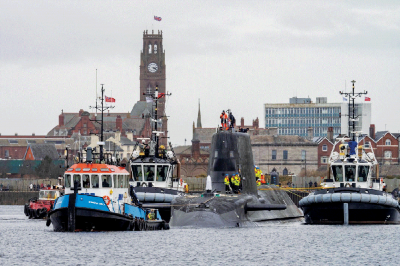
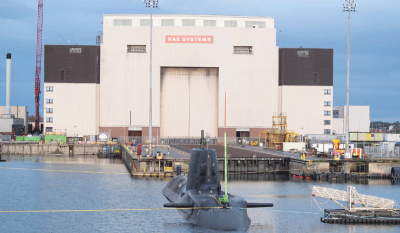
AUKUS has breathed new life into Britain’s naval shipbuilding. BAE Systems is running the Astute and Dreadnought programmes simultaneously at Barrow-in-Furness, where the workforce has grown to more than 16,000 people, compared to fewer than 10,000 a decade ago.
 |
|---|
The Astute class, a seven-boat fleet of 97m-long, 7,400-tonne displacement hunter-killers, is nearing completion. HMS Agamemnon, the sixth boat, completed a successful first dive in October 2025. To measure the centre of gravity during the trim and basin dive, 16tonnes of lead weights are brought onboard and moved side-to-side, measured using pendulums hung between decks, a method used by naval architects since the 1700s.
HMS Achilles, the final boat, is scheduled for commissioning in 2028. All boats are the first Royal Navy submarines designed entirely in 3D CAD and the first without optical periscopes, using high-specification video technology instead. Each carries Tomahawk Land Attack Cruise Missiles and Spearfish heavyweight torpedoes, powered by a Rolls-Royce PWR2 nuclear reactor with a 90-day dive endurance.
All four 153.6m-long, 17,200-tonne displacement Dreadnoughts, the new generation of SSBNs designed to replace the Vanguard class in the early 2030s, are at various stages of construction. First steel was cut on the fourth and final boat, King George VI, in September last year. Each is built in 16 units grouped into three mega-units to optimise the build timeframe, with a designed service life of 35 to 40 years, some 50% longer than the Vanguard class. Each boat is equipped to launch 12 Trident II D5 ballistic missiles and Spearfish torpedoes, powered by the PWR3 with reactor cores designed to operate for 20 years without refuelling and with 30% fewer parts than the PWR2. In January 2025, Rolls-Royce was awarded a £9 billion MoD contract covering research, design, manufacture and support of all nuclear reactors in Royal Navy submarines.
Nuclear stewardship and the balance of fleets
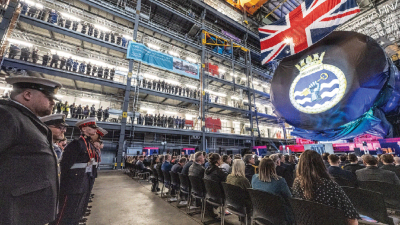
Nuclear stewardship is itself becoming a defining strategic capability, requiring reactor expertise, regulatory oversight, nuclear-certified supply chains, specialised dockyard infrastructure, waste handling, emergency preparedness and highly trained engineering workforces sustained over multiple generations. The UK, France, the United States, India, China and Russia all face similar long-term challenges in sustaining this at scale, and the burden is one reason why conventionally powered submarines remain strategically important.
 |
|---|
Advances in AIP, battery technology and quieting have made modern diesel-electric submarines exceptionally capable in littoral and regional operations. They are generally faster to build and allow greater fleet mass for nations seeking credible deterrence without the burden of a full nuclear enterprise. The continued export success of the Scorpene design and the growing competitiveness of South Korean and Japanese programmes partly reflects this calculus. Many nations are converging on mixed fleets that combine nuclear reach, conventional mass and autonomous persistence.
The evolving battlespace
The underwater battlespace now extends well beyond traditional submarine operations into hybrid warfare, persistent surveillance, cyber-enabled disruption and the protection of seabed infrastructure. The Nord Stream incident and subsequent European seabed security reviews have accelerated investment in distributed sensing, autonomous patrol systems and infrastructure monitoring. NATO’s establishment of a Critical Undersea Infrastructure Coordination Cell underlines the vulnerability of underwater cables, pipelines and distributed sensor networks, and governments across Europe and the Indo-Pacific are responding with dedicated investment in seabed domain awareness.
The rise of autonomous underwater systems is accelerating innovation while creating new engineering and assurance challenges, particularly where defence and commercial activity converge. Modern underwater platforms are becoming software-defined, digitally integrated systems that must remain adaptable across decades of technological change while operating in increasingly contested electromagnetic, cyber and acoustic environments. The disciplinary breadth required now spans naval architecture, software engineering, autonomy, nuclear engineering, systems engineering, hydrodynamics, acoustics, cyber security, advanced manufacturing, digital twin development and human factors.
 |
|---|
Workforce shortages are among the most acute strategic challenges facing the sector. Competition is intense globally for engineers, nuclear specialists, software developers and advanced manufacturing expertise. The Rolls-Royce and Siemens collaboration on the Dreadnought programme, sharing best practice across the digital landscape to enhance engineering, manufacturing, R&D, training and reactor operation, is one model for how industry is responding.
Global transformation
The real story of the underwater arms race is not a procurement narrative. It is a global transformation of the undersea domain, driven by industrial strategy, hybrid threats, workforce evolution, nuclear stewardship and the convergence of nuclear, conventional and autonomous capability. These are the forces that will shape the future of naval architecture and the wider maritime profession for decades to come.
|
AUKUS STRENGTHENED WITH HMS ANSON SMP
A key milestone in the AUKUS collaboration was reached in February this year when HMS Anson docked at Western Australia’s HMAS Stirling for scheduled maintenance, representing the first time Australia had carried out work on a UK nuclear-powered submarine. Australian personnel worked alongside partners from the UK and the US on maintenance and familiarisation activities, building on experience gained from work on US Virginia-class submarines USS Vermont in 2025 and USS Hawaii in 2024. Participation in the UK Submarine Maintenance Period, ahead of the establishment of SRF-West at HMAS Stirling from 2027, will further build Australia’s familiarity with UK-designed submarines as the country prepares to begin construction of SSN-AUKUS in Adelaide by the end of the decade. |
|---|
This article appeared in Submarines, TNA May/June 2026.
The Arctic is warming roughly four times faster than the global average, making shipping lanes that were theoretical a decade ago commercially viable sooner than even optimistic projections suggested.
Geopolitics is also driving increased interest in these waters. The Northern Sea Route not only offers transit times some 30 to 40% shorter between the Far East and Europe than traditional Red Sea routes, it also avoids conflict zones, piracy hotspots and strategic bottlenecks. In a volatile world, nations are taking their Arctic territories more seriously, particularly given their resource potential. The Arctic holds vast reserves of oil, gas and critical minerals, but the vessels and infrastructure to support extraction don’t yet exist at the required scale.
“The Arctic in particular feels like it’s moved almost overnight from a specialist niche to one of the most contested and commercially significant maritime regions on the planet,” says Lee Grace, business development manager, North America, at maritime engineering consultancy BMT.
 |
|---|
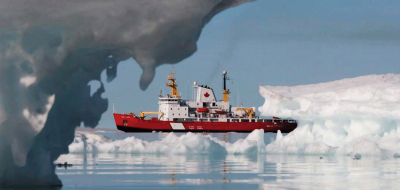
The range of vessels on the order books tells a story. On the commercial side, bulk carriers and containerships are exploring trans-Arctic routes as summer ice-free windows arrive earlier than predicted. Research ships are in demand as governments fund deeper understanding of these environments. And icebreakers, the heavy-duty workhorses that make everything else possible, are suddenly high on procurement agendas.
“Most western nations look at their fleets and see a significant capability gap,” says Grace. “Arctic patrol vessels for coastguard and sovereignty missions are another major driver, and increasingly we’re seeing something genuinely new: serious interest in purpose-designed autonomous vessels for persistent polar monitoring.”
Arto Uuskallio, head of sales and marketing at Railotech, the Finnish icebreaking specialist, says that although there are currently four different Polar Class 2 vessels under construction, most customers are looking for vessels with carefully tailored ice capability. By this he means designs that combine “adequate ice performance with good open-water efficiency and seakeeping properties, rather than designs optimised only for extreme year-round Arctic conditions”.
He says: “A record number of diverse ice-capable vessel projects are under development, with several more in the pipeline,” adding that the strongest demand is in government and coastguard ships, and research, cargo and logistics vessels.
New ice risks
Ice-class ships aren’t new, but the design challenges are becoming more complex. “The environment is changing faster than the design codes that govern how we build for it,” says Grace.
 |
|---|
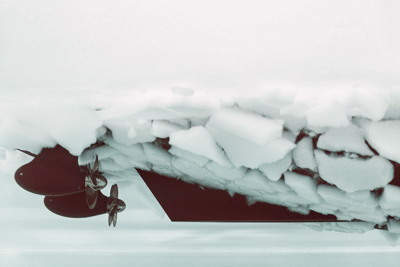
Traditionally, ice-class design meant designing for a relatively predictable adversary: thick pack ice. The answer was largely about strength: heavier frames, reinforced plating at the waterline and bow forms built to break through. But climate change has made that adversary far less consistent.
“The older, thicker multi-year ice is reducing, but what’s replacing it isn’t simply open water – it’s a more dynamic mix of younger first-year ice, refreezing floes, shifting leads and unpredictable ice edges,” Grace says. “Paradoxically, a partially ice-covered Arctic can be more dangerous than a heavily iced one, because the behaviour is so much less predictable.”
Designers also need to take a long view. The Arctic in 2050 could look very different from today. This is where digital twin technology comes into its own, to test hull form and propulsion choices against future climate scenarios before committing to a physical design.
Understanding the ice type matters, with the spectrum running from thin, newly formed nilas ice through first-year ice, typically up to 1.5m thick after one winter’s growth, to old, multi-year ice that has survived at least one summer melt.
“Designing a vessel for breaking 50cm ice is fundamentally different from designing for 250cm level ice,” says Uuskallio. “These differences affect hull strength, propulsion power, material selection, equipment makers, machinery design, winterisation and even basic layout choices.”
There is also an important structural trade-off: the more ice-capable a vessel needs to be, the heavier its structure must become – reducing the internal volume available for cargo, mission systems and crew spaces.
Ice conditions are highly variable. A vessel may encounter level ice, ridges, brash ice and pressure zones within the same voyage, each imposing different loads on the hull, propulsion and steering systems. “This variability makes it essential to clearly define the ice conditions and operational assumptions at the very beginning of the design process,” says Uuskallio.
A hull optimised for breaking solid pack ice performs very differently from one optimised for open-water efficiency and seakeeping. Shorter ice seasons mean vessels now spend more time in open water and getting that balance right across a much wider range of conditions is the central design challenge.
Increased ice strength and power improve safety and reliability in ice, but they also add weight, resistance, fuel consumption and emissions in open-water operation. Achieving a well-balanced design that meets the most demanding requirements without overdesigning for less critical ones is the core challenge.
In Atlantic Canada, this hull-form tension is particularly acute on the east coast, where ships frequently transit to the high Arctic through summer and autumn, then return to the North Atlantic, one of the harshest open-ocean wave environments in the world.
“A hull optimised for icebreaking tends to roll heavily in open seas,” says Grace. “Conventional stabilisers and bilge keels can’t be fitted due to ice damage risk.”
Double-acting ships, as pioneered by Railotech, designed to break ice astern, freeing the bow for a more conventional form and better seakeeping, haven’t yet been tried in Canada. It’s a concept that “deserves serious consideration”, notes Grace.
Forging innovation
The challenges of ice-infested waters are fertile ground for innovative design features. These include the ice knife – a structural bow feature that splits and directs broken ice under the vessel. It features in Canada’s new heavy icebreaker under construction at Seaspan. Heeling tanks allow a vessel to rock itself free when trapped in ice while air bubble systems thrust compressed air through ports at the bow to reduce friction, complementing bow lubrication systems. And oblique icebreaking – achieved through an asymmetrical hull form – allows a vessel to open a channel wider than its own beam, useful for following traffic.
“Advanced hull forms and propulsion concepts, such as double-acting operation, allow ships to achieve good open-water efficiency and to handle demanding ice conditions when required,” says Uuskallio. “Improved numerical methods, particularly nonlinear finite element analysis, combined with extensive full-scale measurement data are enabling more accurate assessment of ice loads. This makes it possible to optimise structures so they are lighter and safer, without simply increasing ice class as a conservative solution.”
Real-time data is key. Fed into digital twin models it can create a continuous picture of hull condition and predict maintenance needs before they become failures. “When the nearest drydock is thousands of miles away, that capability is operationally essential,” says Grace, who also highlights the importance of increased satellite coverage and communications equipment in these remote waters.
 |
 |
|---|
Bear necessities
If something goes wrong in the polar regions, the search and rescue response time is measured in days, not hours. Designers need to ensure there are fully enclosed, thermally insulated lifeboats that can sustain survivors for extended periods in extreme cold, and medical facilities that can manage serious trauma without rapid evacuation.
And while not usually the subject of naval architecture, “the vessel’s freeboard needs to be high enough to prevent polar bears from boarding,” says Grace.
Onboard one of the world’s most advanced polar research ships.
RRS Sir David Attenborough, operated by the British Antarctic Survey, began service in 2021 and feedback from the scientists onboard has been very positive, says Kongsberg Maritime designer Erik Leenders.
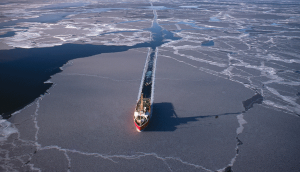
He points out polar research vessels pose specific challenges for naval architects, as these ships combine multiple functions. Sir David Attenborough, for example, is a cargo ship loaded with 20ft containers, a product tanker carrying diesel and aviation fuel, a ‘passenger’ ship for 60 scientists and a research ship with bespoke laboratories, moonpool and ROVs – not to mention being a Polar Ice Class 5 (Hull PC4) icebreaker, which can operate year-round in medium, first-year ice, breaking through ice 1m thick at a speed of 3knots (5.6km/h).
 |
|---|
The £200 million ship is deployed to the Arctic during the northern summer and to the Antarctic during the austral summer. “It travels from the northern hemisphere to the tropics to 40, 50, 60°,” explains Leenders. “Icebreaker hulls do not tend to be very good seakeeping hulls so we did a lot of tests in the ice tank and seakeeping tank to check the hull design. We’ve had very good feedback from the crew about its handling and, of course, it is rated to a very high comfort class (LR: CAC1), with a lot of focus on space, noise and vibration, because the crews spend a really long time onboard.”
The ship has a helipad and hangar for two helicopters, cranes and an enhanced ability to deploy subs and other ocean-survey and sampling equipment.
This article appeared in Designing for Extremes, TNA May/June 2026.
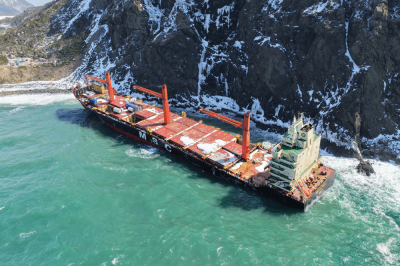
On 15 February 2025 the containership Baltic III ran aground off the west coast of Newfoundland during a severe storm. The vessel encountered mechanical difficulties and lost power, becoming ‘dead in the water’, and was driven into Cedar Cove, a remote and rocky location near Lark Harbour.
All 20 seafarers onboard were safely evacuated by a Cormorant search and rescue helicopter but the vessel was left against a 1,000ft cliff, in a very remote location, facing extreme weather and ice conditions. Over the following year the vessel suffered severe damage, with a large hole in its port side, and has been in danger of breaking up amidships.
The first phase
It was clear from the outset that salvage was going to be a difficult and complex operation. The shipowner, MSC, and its insurers appointed T&T Marine Salvage to lead the first phase of operations. During this period of work around 1,700m3 of fuel oil was removed from Baltic III, with around 20tonnes of residual fuel and contaminated water still onboard. Additionally, 409 of the 472 containers onboard were taken off the ship, including some containing dangerous goods, leaving 63 remaining.
 |
|---|
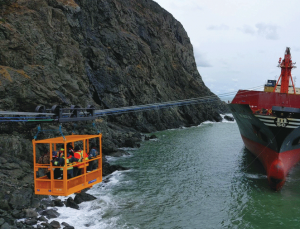
The salvage team needed to construct a road to the site to get some equipment alongside and a cableway was erected with a basket underneath to transport the salvage crew back and forth.
Thankfully, no bunker oil was released during the incident and any tar balls were collected as they were encountered. Nonetheless, the presence of the vessel poses a serious potential environmental hazard and the delay in removing the vessel has attracted some local concern and criticism.
However, as Bruce English, senior response officer, Canadian Coast Guard, who has been supervising the Canadian government’s response to the operation, observes: “We did not want a rush job, but the right job.”
Dive surveys confirmed that the structural condition of the vessel made a simple refloat impossible. The structural deterioration of the vessel has continued, presenting significant engineering challenges.
According to English, “While the vessel is currently stable, it is in poor condition. There is significant damage to the hull, including a crack in the port side and buckling on the starboard side. There is also a worsening crack on the deck of the vessel.
“Operations are expected to continue for some time. Speed is not the primary goal. Our focus remains on ensuring the safety of Canadians and responders while minimising impact to the environment.”
In early May this year the Coast Guard confirmed that the operation was now moving into the wreck removal phase, following the award of a contract by MSC to experienced Florida-based salvors Resolve Marine for the completion of the remaining salvage work and the removal of the wreck from Cedar Cove.
 |
|---|
The Coast Guard’s role in the process is to review the proposed wreck removal plan to ensure that it is “reasonable and appropriate” to protect public safety and the marine environment. English points out that Canada follows the ‘polluter pays’ principle where vessel owners are responsible for the cost of addressing any pollution or hazards posed by their vessel and this includes any costs relating to cleanup.
Breaking up is hard to do
Resolve Marine will now embark on initial preparatory work, following a full onboard assessment and environmental investigation. It will weld rigging points to the vessel and separate the hull at the mid-section point where the break is occurring. It will then remove the remaining containers, using a crane barge that will be deployed on site.
Resolve Marine proposes to use chain pullers to pull the bow section to a nearby beach. This will be followed by scrapping work, involving cutting the topside in dry conditions, as well as removal of the residual fuel and tank cleaning. The bow section will be pulled forward to the beach in stages.
All topside steel that can be reached in the initial stage will be cut and removed. The section will then be pulled forward again and the process repeated, until completion. The steel will be cut into 10tonne segments, which will then be transported to a local facility, Newco Metal & Auto Recycling, for recycling.
In parallel, preparations for the stern removal will be carried out, with the goal of clearing it from the rocks. Resolve Marine plans to cut forward of the engine room and then remove the accommodation block. The middle section, weighing around 2,000tonnes, will be pulled to the beach for cutting, removal and recycling, while the 3,000tonne stern section will be rotated clear from the rocks and removed to shore. This may involve cutting the stern section into two, depending on the conditions encountered during the work.
Better access
The expectation is that having built an access road to the beach, Resolve Marine will be able to start moving the rest of the cargo ashore this summer. It then aims to pull the bow to shore using the chain pullers, and to remove the remaining fuel oil.
The timeline for the potential completion of all scrapping operations is some time in 2027, with Resolve Marine committing to undertake as much work as possible before the end of 2026.
Alternatives to the chain-puller-based solution, including the removal of the vessel by sea, were considered. However, they were ultimately rejected because of the weather conditions and marine challenges at this location.
Why the delays?
While there is great relief that after more than a year there is at last a plan for the wreck’s removal, some are questioning whether the process could have been quicker. There are also concerns about what seems to be a lack of urgency and transparency in investigating the cause of the accident, thereby allowing lessons to be learned and remedial actions taken.
John Dalziel MRINA is a naval architect and an adjunct professor in industrial engineering, with more than half a century of marine industry experience, most of it in eastern Canada, including Newfoundland. He has raised a number of issues with the Canadian Transportation Safety Board (TSB) regarding this incident.
In particular, he says: “I am somewhat perplexed as to why the TSB has decided not to investigate this incident, whereas it has investigated other foreign flag ship incidents in Canadian waters, including two previous MSC vessels. We don’t know the timeline from vessel blackout till its grounding nor whether TSB or Transport Canada are aware of the cause of the blackout.”
 |
|---|
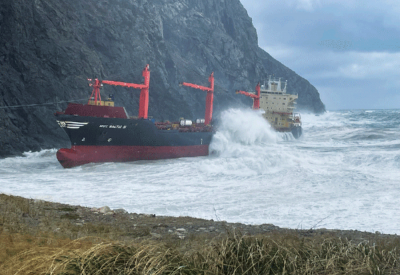
He points out that from visual images the ship’s anchors do not appear to have been deployed, which raises questions over how the crew responded to the emergency.
Professor Dalziel also questions whether Baltic III could have been floated off the beach at an earlier stage, prior to breaking up.
“As the stern of the ship remained in deep water, perhaps a couple of powerful salvage tugs or offshore supply vessels could have been used to tow it off the beach, floating on its tank tops if bottom damage was encountered. I would certainly welcome the TSB, or other federal agency, investigating the handling of the salvage efforts, considering that the ship has now been on the beach for more than 14 months, including over a Newfoundland winter.”
A weather eye
At this stage the TSB appears to be taking a watching brief. A spokesman says: “In line with the Casualty Investigation Code, the flag state of the ship has a duty to conduct an investigation into any very serious marine casualty occurring to any of its ships. Therefore, Liberia, as the flag State of Baltic III, is leading the investigation into the grounding and TSB is representing Canada as a substantially interested state.”
The case of the grounding of Baltic III, and its subsequent salvage, certainly raises a number of interesting and important technical and safety-related issues. While the immediate priority has to be its removal, in what will clearly be a challenging operation, hopefully in time the full circumstances of the incident, and the decisions surrounding its salvage, will be aired in a thorough and transparent manner.
This article appeared in Salvage operations, TNA May/June 2026.
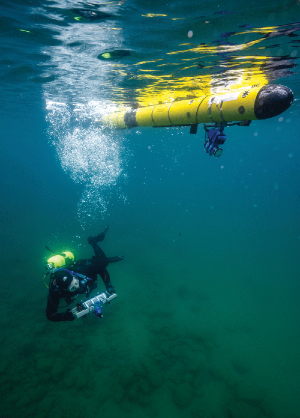
Researchers at MIT Lincoln Laboratory in the US are developing hardware and algorithms to improve collaboration between human divers and autonomous underwater vehicles (AUVs), with potential applications ranging from subsea cable inspection to countermine operations. The project, carried out by the lab’s Advanced Undersea Systems and Technology Group, seeks to combine the respective strengths of humans and robots in demanding underwater environments.
As principal investigator Madeline Miller notes, divers and AUVs generally do not team up at all underwater. Manipulation tasks requiring human dexterity, such as repairing infrastructure or deactivating a mine, fall entirely to the diver, while robotic systems offer advantages in processing power, endurance and high-speed mobility that remain largely unexploited in such missions.
The research addresses two fundamental capability gaps: underwater navigation and perception. Divers operating in low-visibility or deep conditions may have little more than a compass and fin-kick counts to guide them. For AUVs to assist meaningfully, they must perceive their environment reliably, yet optical sensors fail in dark or turbid water, and sonar imagery lacks colour and fine detail. The dynamic ocean environment can also confuse AI classification, as when a tyre overgrown with mussels no longer resembles a tyre, or a fragmented wreck no longer looks like an aircraft.
 |
|---|
The team built on navigation algorithms originally developed by MIT’s Marine Robotics Group, led by Professor John Leonard, integrating them into a mission-relevant AUV and progressing to trials with actual divers in open-ocean conditions. On the perception side, an AI classifier processes both optical and sonar data mid-mission, flagging low-confidence objects to the diver for human input via an underwater acoustic modem. A central engineering challenge is compressing information sufficiently to be useful within the severe bandwidth and latency constraints of underwater acoustic communications, while keeping hardware within the size, weight and power envelope of commercial off-the-shelf components.
After field trials in coastal New England waters and with human divers at Michigan Technological University’s Great Lakes Research Center, the team is seeking external sponsorship to transition the technology to military or commercial partners.
MIT’s Miller highlights the vulnerability of subsea telecommunications and power cable infrastructure as a key driver, noting that maintaining advantage in the undersea domain will require combining AI capability with human judgement.
This article appeared in Insights, TNA May/June 2026
Designing a passenger ferry for the River Niger means confronting a particular set of constraints: variable water depth as shallow as 0.89m, shifting channels, water hyacinth overgrowth, subsurface wrecks and piracy on the Lokoja–Onitsha route.
The winning entry in the Worldwide Ferry Safety Association’s (WFSA) 13th Annual International Student Design Competition For Safe Affordable Ferries addressed all of them, and did so with a hull form and construction method chosen specifically to be buildable by a Nigerian shipyard.
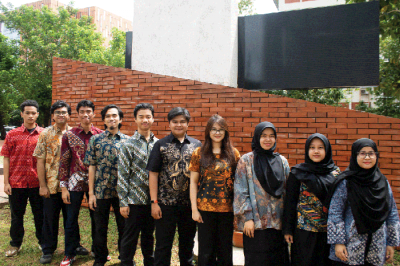
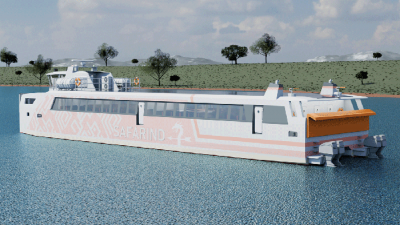
First prize went to Nagapasa, a 10-member team from Universitas Indonesia led by Felicia Rachel Taruli Siregar, who also oversaw the ferry’s structural arrangement. Their design, MV Safarind, is a 36m flat-bottomed steel catamaran with a service speed of 27knots, capable of carrying 200 passengers and their cargo on each leg of the 200km route in approximately four hours.
 |
|---|
The competition asks university teams to develop safe, affordable ferry concepts for inland and coastal routes in developing countries, where ageing vessels, overcrowding and poorly designed hulls frequently cause accidents and loss of life. Nigeria has provided the backdrop for the third year running, attracting 18 submissions in the 2025-2026 competition.
Flat-plate construction
The catamaran configuration was chosen to deliver high transverse stability and a larger passenger deck area within the shallow-draught constraint, with better tolerance to passenger overloading than many conventional inland vessel forms. The decision to use an all-flat-plate steel hull was driven by the capability of the shipyard likely to build it.
Nagapasa designed MV Safarind specifically for construction at the Nigerian Naval Shipyard in Port Harcourt, and flat-plate construction avoids compound curvature and complex plate rolling, reducing fabrication cost and allowing the vessel to be built using conventional steel-working equipment. It also supports easier structural repair, a relevant factor on a route where grounding and debris impacts are a routine operational hazard.
Buildability is a requirement of the WFSA competition, which aims to ensure that every entry has a realistic chance of being constructed. In Nagapasa’s case it shaped not just the fabrication method but the entire design process.
“We defined a target investment envelope based on expected passenger fares, route demand and typical inland ferry-operating economics, and used that as a boundary condition throughout,” Siregar says. “Major design parameters, vessel size, passenger capacity, propulsion power, structural configuration and onboard systems were continuously evaluated, not only for technical performance but also for constructability, maintainability and lifecycle operating cost.”
 |
|---|
Flat-plate hulls are not the most hydrodynamically efficient geometry, and the team used CFD-based hull refinement to recover some of that deficit within the constraints of buildability. Optimising the bow entry and bottom geometry reduced total resistance by 6.8%, compared with the baseline configuration.
Power options
The team selected four petrol-fuelled Yamaha F450 XTO outboard engines, each rated 450hp (336kW), as the primary propulsion system. The decision was grounded in hydrodynamic resistance analysis, but the outboard configuration also eliminates underwater appendages vulnerable to damage from submerged objects and vegetation, reduces machinery complexity, simplifies inspection and maintenance, and improves redundancy through independent units. A diesel-electric system capable of the same performance, Siregar notes, would have added complexity and capital costs.
The energy balance at 27knots with four large outboards is demanding, and the hybrid element of the design addresses auxiliary and hotel loads rather than propulsion. MV Safarind would carry a battery pack rated just under 737kWh, supplemented by roof-mounted solar panels contributing 11% of auxiliary electricity demand, with generators providing backup during periods of high load. Recharge time is estimated at four hours. The hybrid system is expected to reduce fuel consumption by 58,000litres per year, equivalent to an annual CO₂ reduction of 138.6tonnes, based on the vessel’s load analysis and operational profile.
Intact and probabilistic damage stability analyses were performed using Maxsurf Stability in accordance with the IMO High-Speed Craft Code and MSC.216(82) requirements. Manoeuvrability was assessed using a turning diameter model appropriate for narrow inland waterways, and evacuation analysis followed IMO MSC.1/Circ.1238 guidelines. Structural sizing was developed against Bureau Veritas scantling rules, supported by a 3D structural model.
“Beyond hydrodynamic efficiency, we evaluated the vessel’s safety and operational performance using established naval architecture methods,” Siregar says.
|
TECHNICAL PARTICULARS |
|
|---|---|
| Length overall | 35.85m |
| Length between perpendiculars | 34.5m |
| Breadth overall | 8m |
| Breadth, demi-hull | 2.4m |
| Demi-hull, centreline spacing | 2.8m |
| Depth | 2.5m |
| Design draught | 0.8m |
| Air draught | 5.31 |
| Displacement | 81.33tonnes |
| Lightweight | 58.28tonnes |
| Deadweight | 23.05dwt |
| Service speed | 27knots |
| Crew | 7 |
| Passengers | 200 |
Safety and security
Navigation on the Lokoja–Onitsha route requires continuous depth awareness. The team specified echo sounders and forward-looking sonar for hazard detection alongside GPS, radar, AIS, weather-monitoring software and CCTV-based situational awareness – a layered approach to a route affected by sediment movement, floating vegetation and changing channel conditions.
Piracy is a persistent threat on the route. MV Safarind would carry a security alert system for discreet distress signalling, high-pressure water cannons on both sides of the upper deck, and an enclosed passenger layout with anti-climb barriers at the stern. SOLAS-compliant life-saving appliances and clearly marked escape routes complete the safety arrangement.
Following its win, Nagapasa was invited to present MV Safarind at the WFSA’s Ferry Safety and Technology Conference in New York in May.
Figures from the Maritime Organisation for West and Central Africa show that 8,000 ferry-related fatalities were recorded in the region in 2015-2025, with Nigeria heavily affected. This prompted the country to take action.
For instance, the Lagos State Waterways Authority, which oversees nearly 730 licensed ferries, has cracked down on operators who flaunt passenger overcrowding checks, fail to carry lifejackets and embark on night-time journeys, directly enforcing the rules with jet ski patrols. Meanwhile, the US$464 million, partly EU-supported Omi Eko project will introduce 78 modern electric ferries, upgrade terminals and add new floating jetties to further improve safety. This appetite for change has made Lagos a focal point for both the WFSA and industry association Interferry.
This article appeared in Ferry safety, TNA May/June 2026.
Nominate a colleague, a mentee or a friend for one of our prestiguous Naval Architecture Awards. Chosen by our Committees, the winners will be announced at our Annual Dinner attended by more than 300 maritime professionals, industry leaders and academics. Taking place on 28th May, this will be an evening of celebration at the historic De Vere Grand Connaught Rooms in London.
Nominations deadline: on 31st December. Award categories include Innovation, Safety and Diversity.