

November/December 2025
The last issue of this year's Naval Architect is now available to read online and in print. Highlights from this issue:
Offshore Support
Floating Wind
Wind Propulsion
Engines, Gears & Props
Want to keep up to date with the latest news and developments in the maritime industry? Full articles and in-depth analysis are exclusively available to all RINA members & subscribers.
Standardised battery for inland shipping
The Naval Architect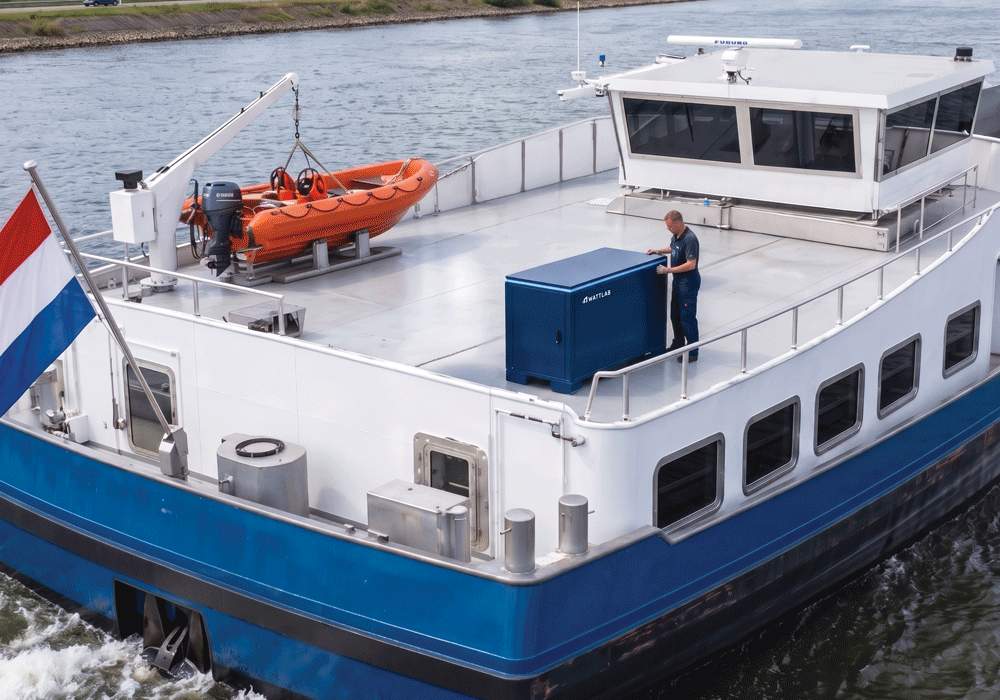
WEstack is installed on the aft deck
Wattlab founder and CEO Bo Salet on the company’s new battery energy storage system
Closing the fouling loop
The Naval Architect
The type of antifouling coating is a factor in hull performance
Integrating performance monitoring into biofouling management plans can bridge the gap between regulatory guidance and decision-making onboard. So say researchers presenting at the Hull Performance & Insight Conference.
Sensor-free structural health monitoring
The Naval Architect
Light Structures AS director of engineering Karianne Pran on SHM systems.
Top shot: Royal Navy tests launch-and-recovery system
The Naval Architect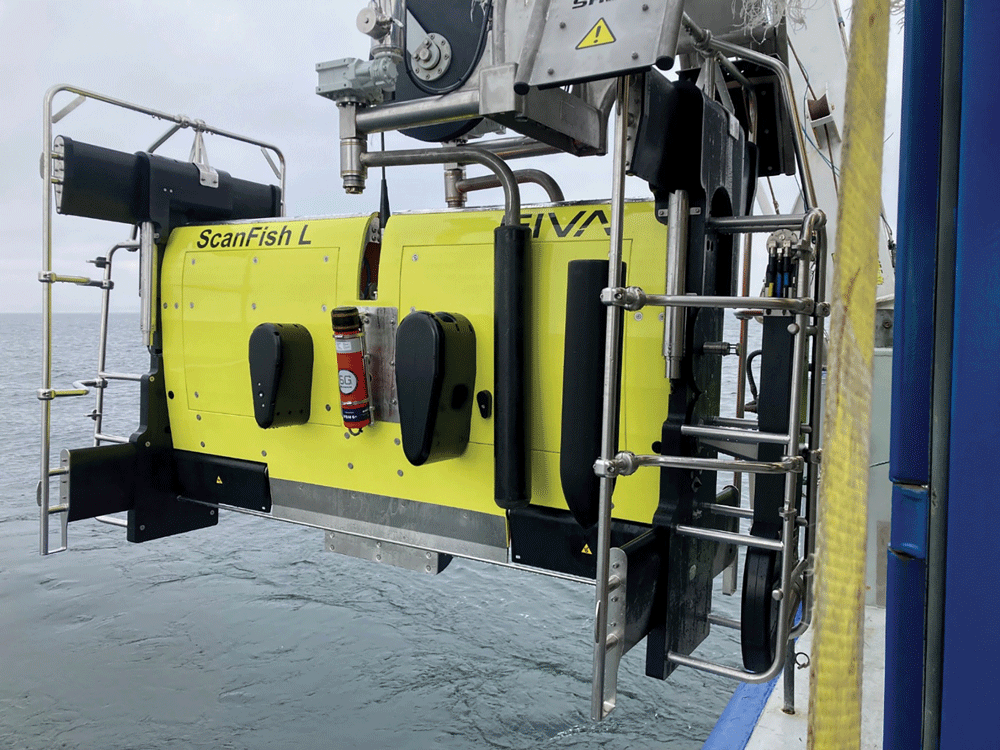
Image: EIVA
Royal Navy completes first at-sea trials of bespoke launch-and-recovery system for ScanFish platform.
Division spotlight: Australian division in action
The Naval Architect
Sydney Technical College, where it all began (image: Alamy/Phillip Bond)
How this RINA division has been providing members with support, information and expertise since 1947.
Careers: My path to success
The Naval Architect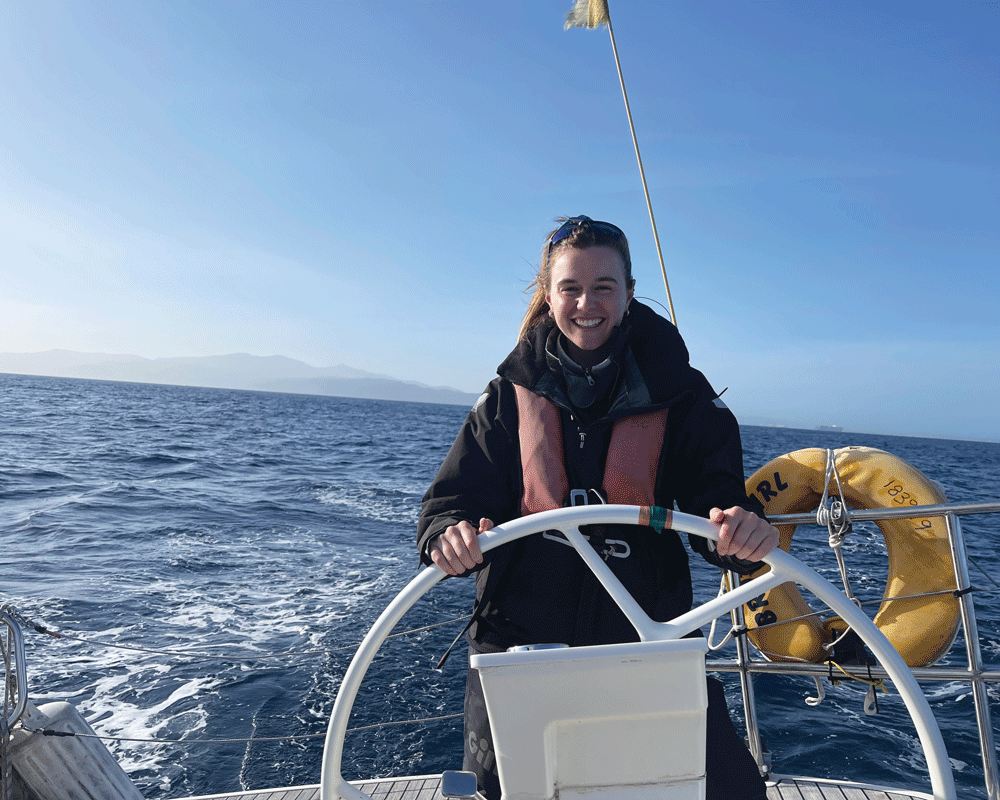
Prune Bouillot: "Sailing has taught me to respect and protect the water"
Prune Bouillot, a naval architect at Houlder, works on ship design and maritime decarbonisation. She holds a BASc in Engineering and Social Sciences and an MSc in Naval Architecture from UCL. She chaired SMIFutures in 2024 and volunteers with ocean conservation charity Wings of the Ocean.
How it's changed
The Naval Architect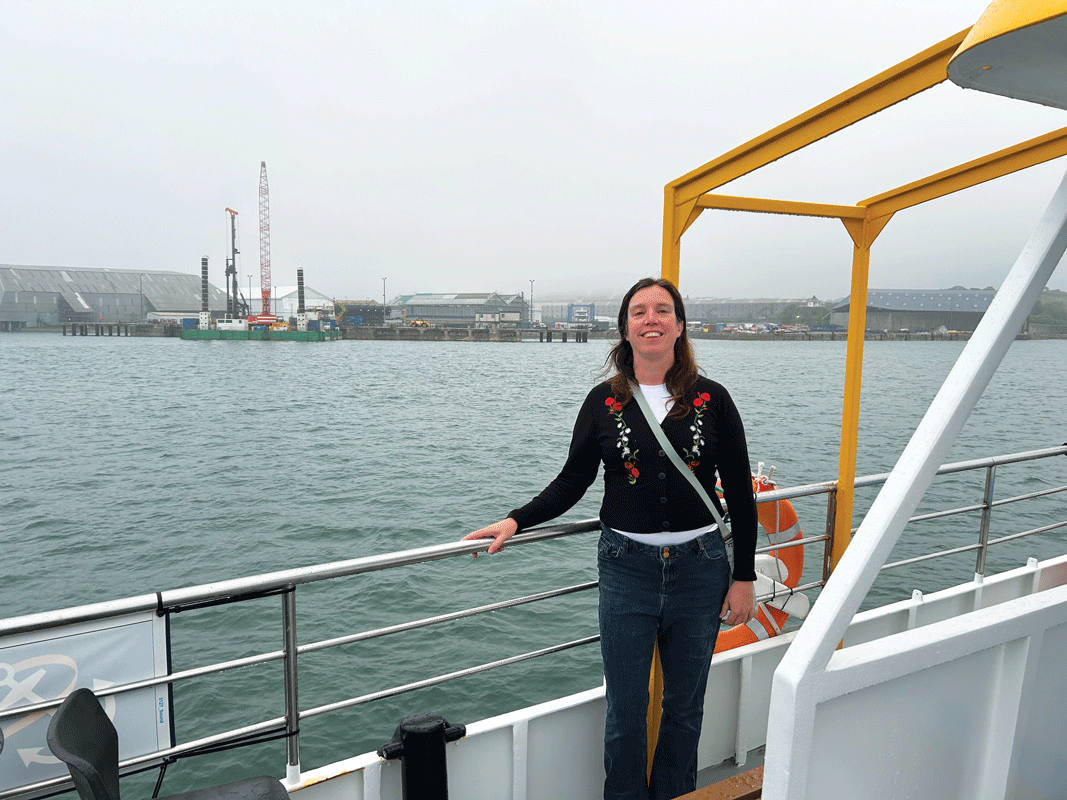
Catherine Ingram, head of naval architecture at Navantia UK (image: Catherine Ingram)
Catherine Ingram, head of naval architecture at Navantia UK, reflects on her career journey.
Branch spotlight: Building on relationships
The Naval Architect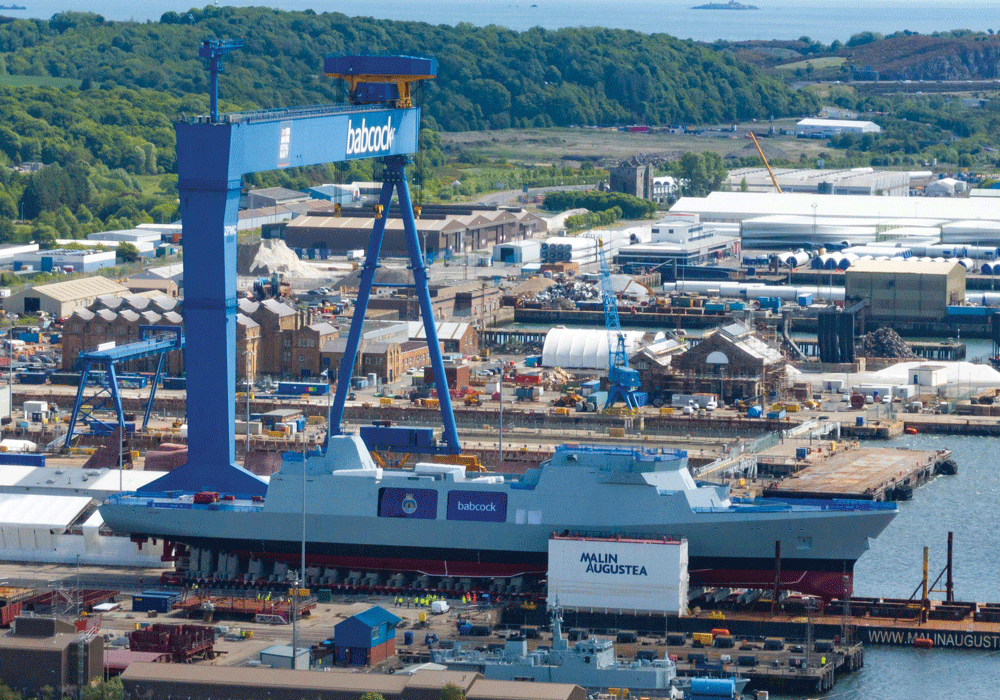
HMS Venturer at Rosyth, where Babcock hosts an annual STEM event (image: Alamy)
A quarter-century of partnerships and professional development at the Scottish Branch.
The Big Questions: Arun Dev
The Naval Architect
A career in industry and academia has taught the Newcastle University in Singapore-based professor to be patient, humble and never stop learning.
Bibby takes the fossil out of fuel
Offshore Technology (Newsletter)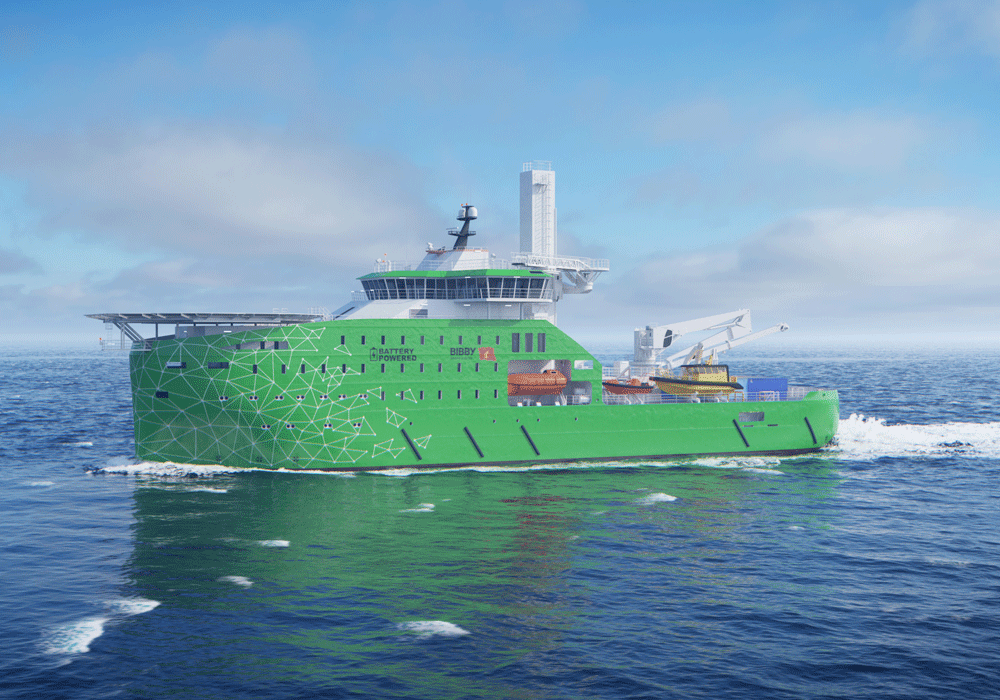
Battery powered Bibby Marine ship (image: Bibby Marine)
Fully electric, eCSOV’s are being designed in Spain for Bibby Marine. Battery power, with enough energy to power a CSOV for 24hours, will increase efficiency and cut costs according to the company. New and more thermally stable batteries will aid the transition.
Offshore ships going atomic
Offshore Technology (Newsletter)
Knutsen to retrofit tanker with nuclear tech (image: Knutsen)
Power generation and offshore support vessels are both in the frame to benefit from fourth-generation small modular nuclear reactors. Ulsteinvik and Island Offshore explore the possibilities.
Energy outreach, offshore's design hurdles
Offshore Technology (Newsletter)
Support vessel for a rigless unit over the offshore production platform (image: Shutterstock)
Deeper, more exposed and less accessible fossil fuel reserves require more sophisticated offshore support vessel designs. With floating LNG increasingly in demand to help access and process fuels.