

November/December 2025
The last issue of this year's Naval Architect is now available to read online and in print. Highlights from this issue:
Offshore Support
Floating Wind
Wind Propulsion
Engines, Gears & Props
Want to keep up to date with the latest news and developments in the maritime industry? Full articles and in-depth analysis are exclusively available to all RINA members & subscribers.
USVs push further offshore
Offshore Technology (Newsletter)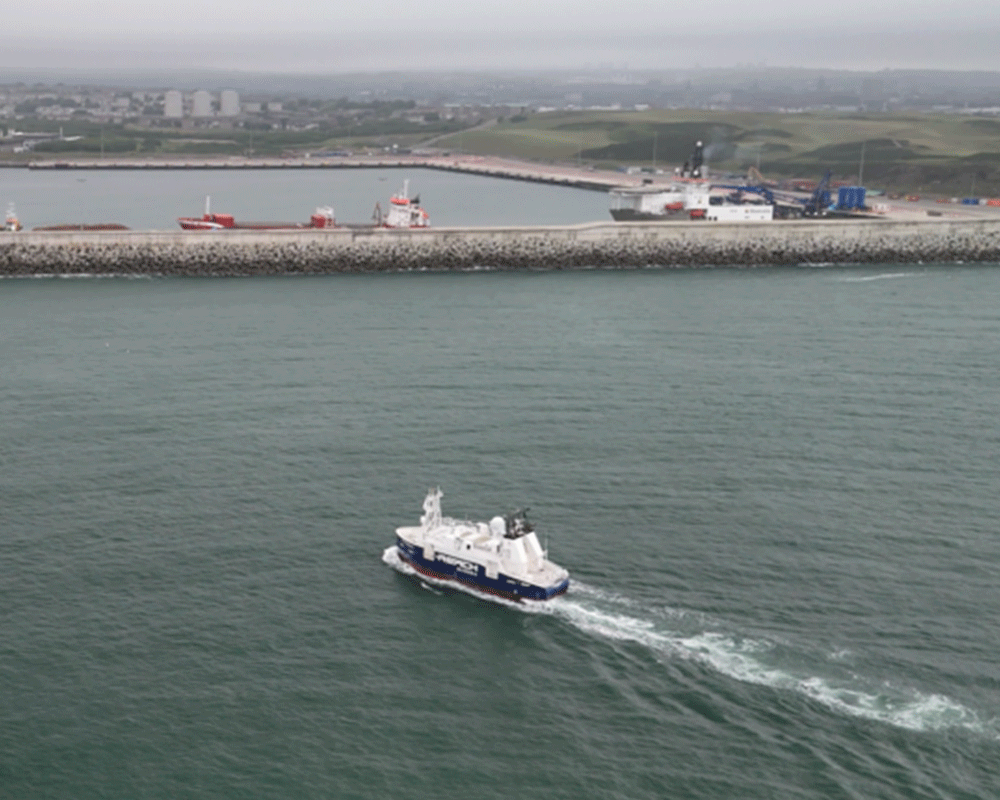
After six years of development, Reach Subsea’s 24m USV Reach Remote 1 has proven commercial viability, delivering 30-day autonomous subsea inspection, survey and mapping operations.
A modular future for floating production
Offshore Technology (Newsletter)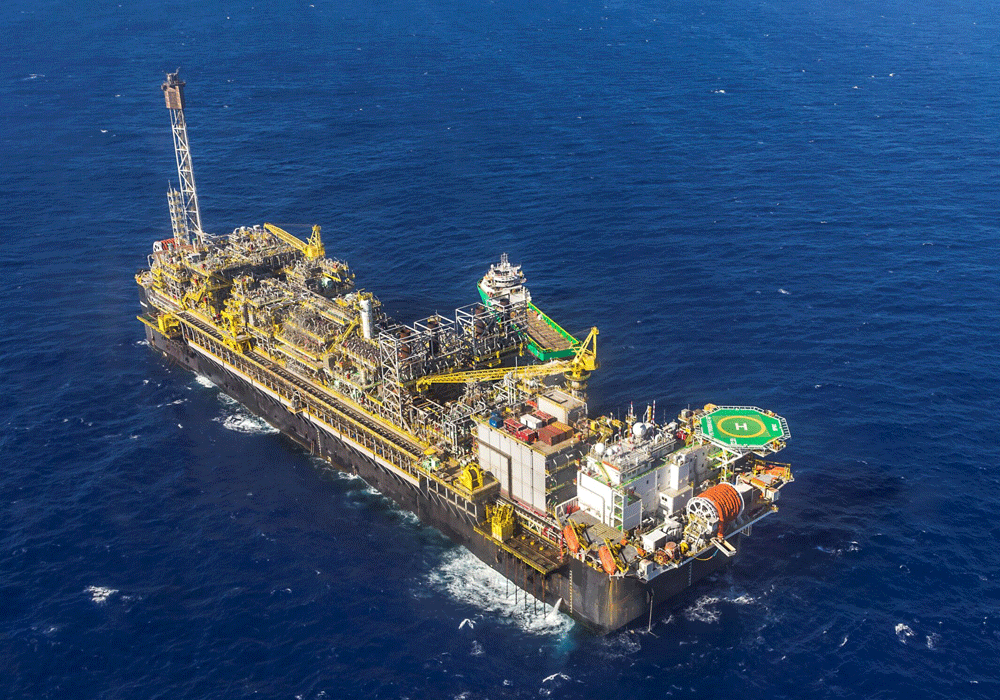
FPSO-P-67 (image: Andre Motta de Souza, Agencia Petrobras).
Lloyd's Register says standardised FPSO, FSRU and FLNG units are the future, though gas storage systems present greater design challenges than oil.
Into the wind: evolving CSOV design
Offshore Marine Technology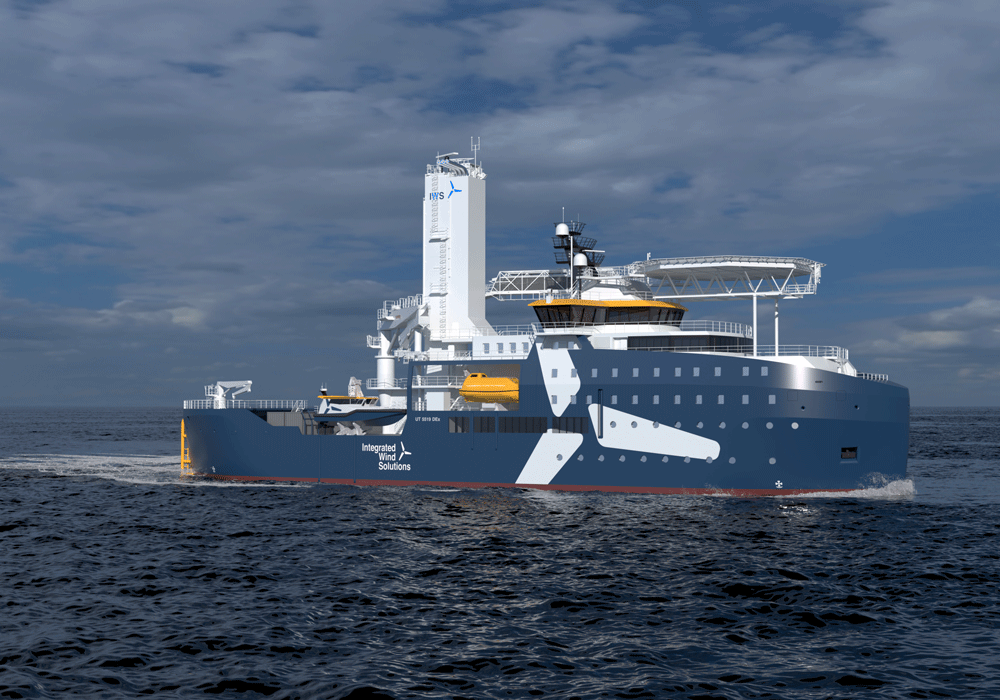
Kongsberg Maritime’s upgraded Skywalker CSOVs improve comfort and wellbeing for crews and technicians spending long periods working at offshore wind farms.
Beyond speed: designing for flexibility
Ferries & Fast Craft (Newsletter)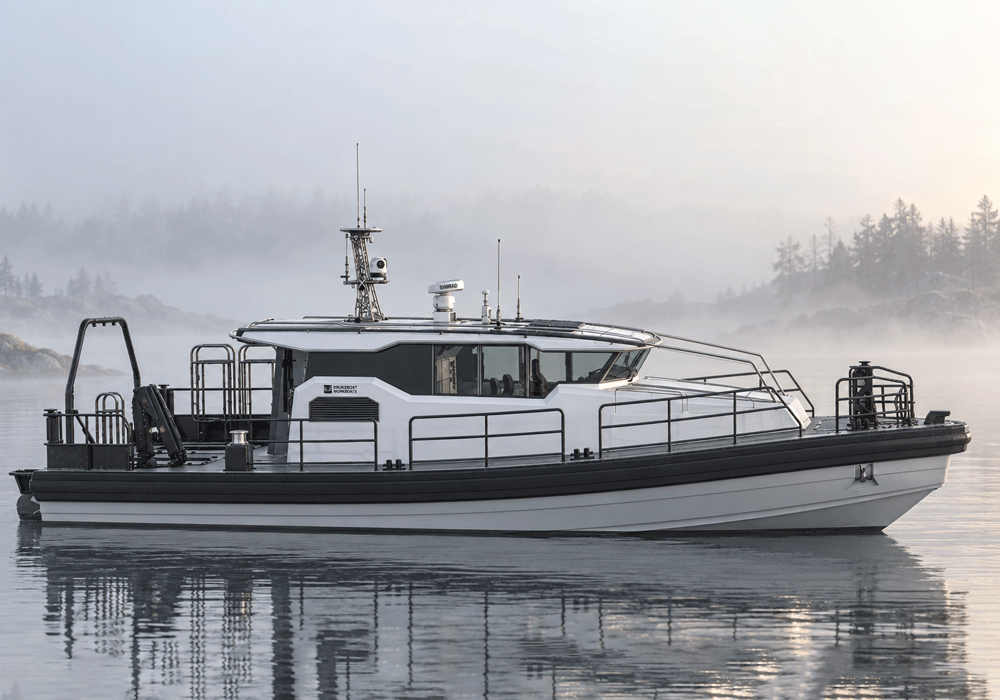
VIKING's new 15m Munin 1500 reveals a different approach to performance, prioritising flexibility, seakeeping and efficiency over outright speed.
Answering the Greek ferry equation
Ferries & Fast Craft (Newsletter)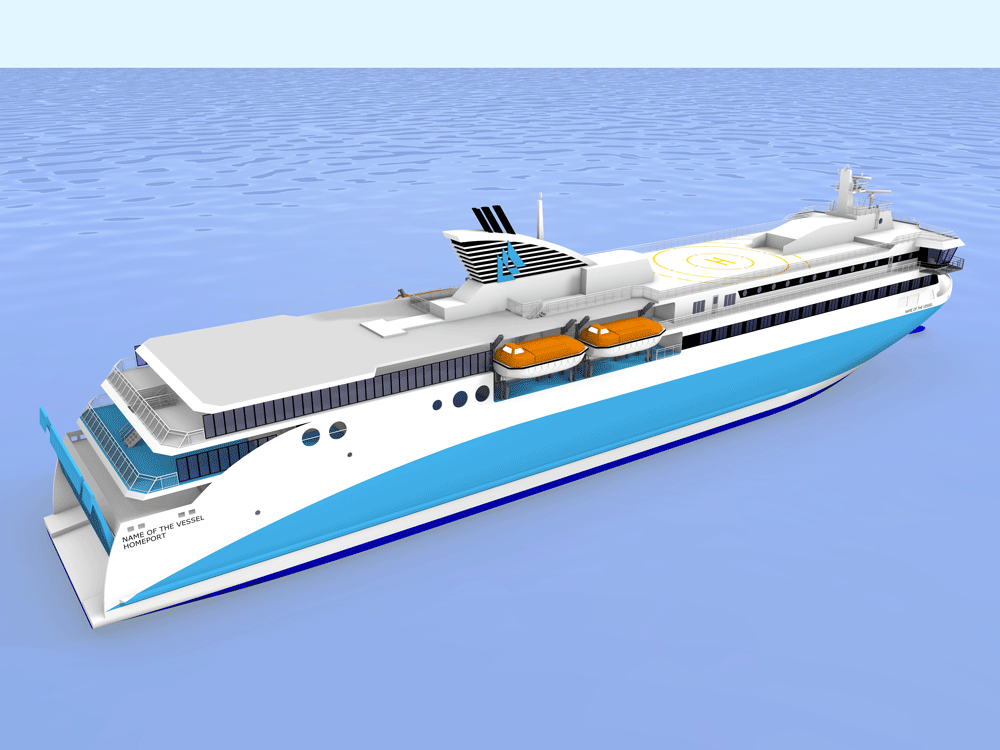
The new ferry design is optimised for more moderate speeds, enabling a significant improvement in fuel efficiency and overall operating economics (image: Foreship).
A new ferry concept, developed by Foreship, tailored specifically to the operational and economic requirements of the Greek domestic ferry market stands out for its focus on efficiency, simplicity and cost control.
Elevating electric pilot design
Ferries & Fast Craft (Newsletter)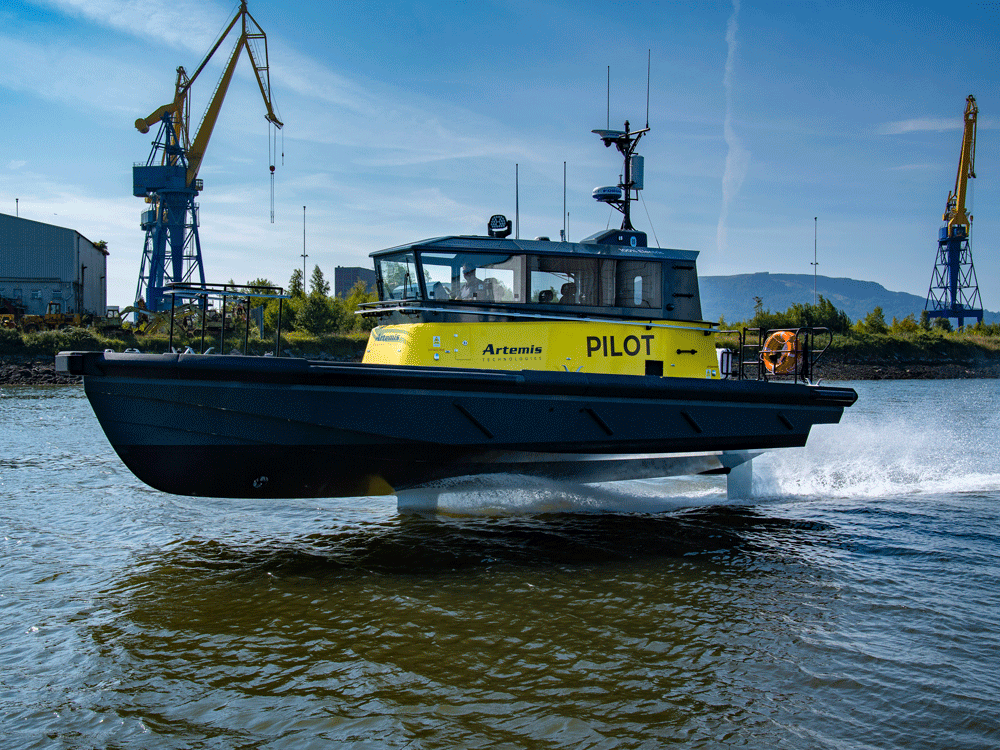
Artemis EF-12 cruises at 28knots (image: Artemis Technologies).
Artemis Technologies’ 12m EF-12 Pilot aims to overcome the hydrodynamic challenges limiting battery-electric pilot boats.
Challenging universities
The Naval Architect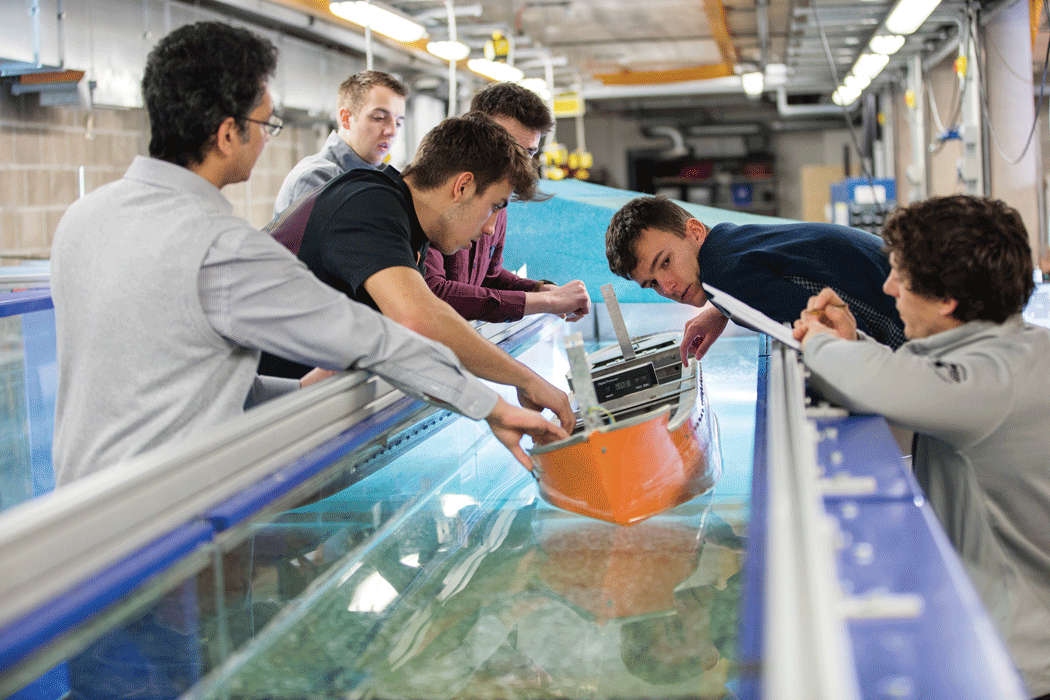
Students take part in a practical session using the wave flume in Plymouth University's Marine Building.
From defence and autonomy to alternative fuels and AI, naval architecture is being reshaped by rapid change across the maritime industry. Amy McLellan looks at how 20 leading universities are responding to the challenge.
Chile's navy: building more than ships
The Naval Architect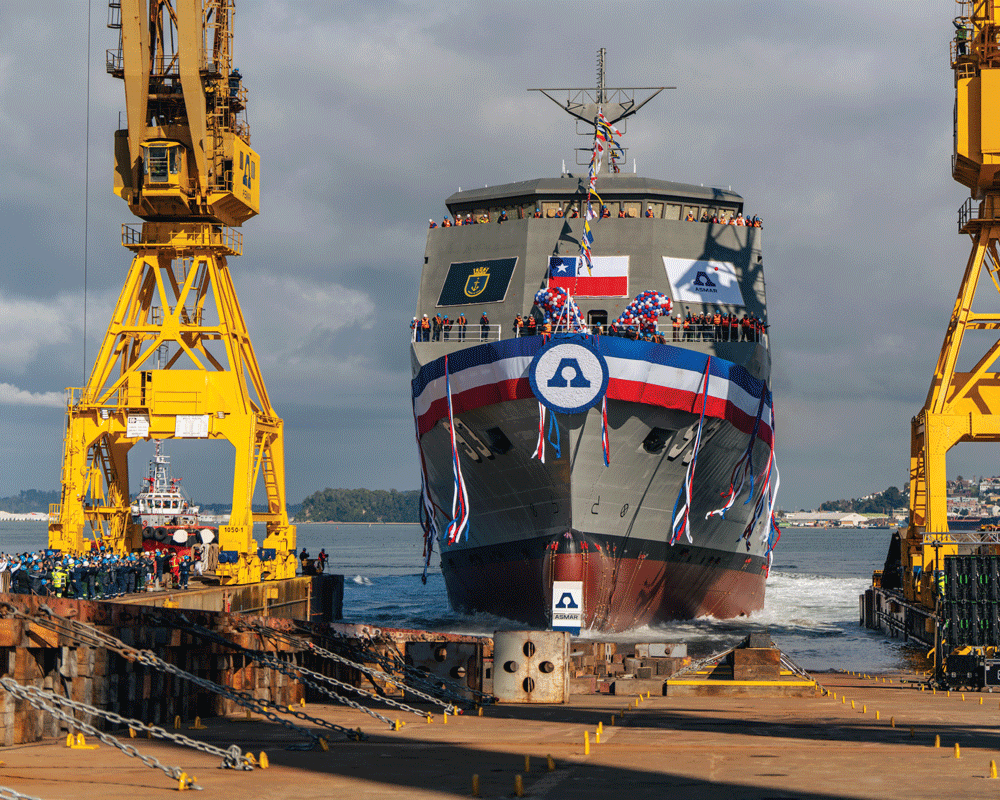
The launch of Magallanes in 2026 (image: La Armada de Chile).
Naval shipbuilding in Chile is no longer just about replacing ageing fleets, it is a long-term national endeavour that demands sustained collaboration between government, industry and academia to build lasting engineering, industrial and technological capability.
Wing-win situation
The Naval Architect
Glasswing butterflies (image: Grafmarine; Dr Katie Shanks).
Inspired by the anti-reflection properties of glasswing butterfly wings, a research team plans to roll out a series of enhanced prototype solar panels by 2029.
A chance conversation, a career course change
The Naval Architect
Charlotte Dodge
Charlotte Dodge opens the September/October issue of TNA, sharing how a chance conversation shaped her naval architecture career and commitment to supporting maritime professionals at every stage.
Reverse bow, forward thinking
The Naval Architect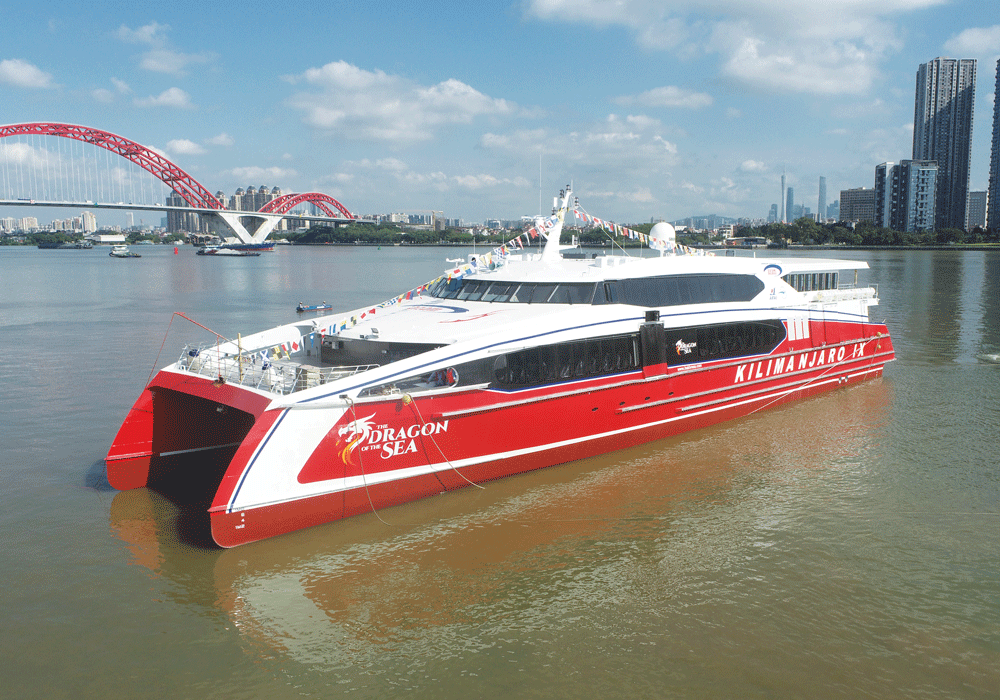
Kilimanjaro IX
Incat Crowther delivers Azam Marine’s newest catamaran, bringing aviation-inspired styling and a 679-passenger capacity to East Africa’s busiest ferry corridor, says Bruno Cianci.
Japan puts shipbuilding to the fore as a national strategic priority
The Naval Architect
Hideaki Saito, Shipbuilders' Association of Japan.
Hideaki Saito examines the rise and fall of the island nation’s shipbuilding industry and how the country plans to revive its seafaring fortunes.