

November/December 2025
The last issue of this year's Naval Architect is now available to read online and in print. Highlights from this issue:
Offshore Support
Floating Wind
Wind Propulsion
Engines, Gears & Props
Want to keep up to date with the latest news and developments in the maritime industry? Full articles and in-depth analysis are exclusively available to all RINA members & subscribers.
Neurodiversity, opportunity and inclusion in shipbuilding
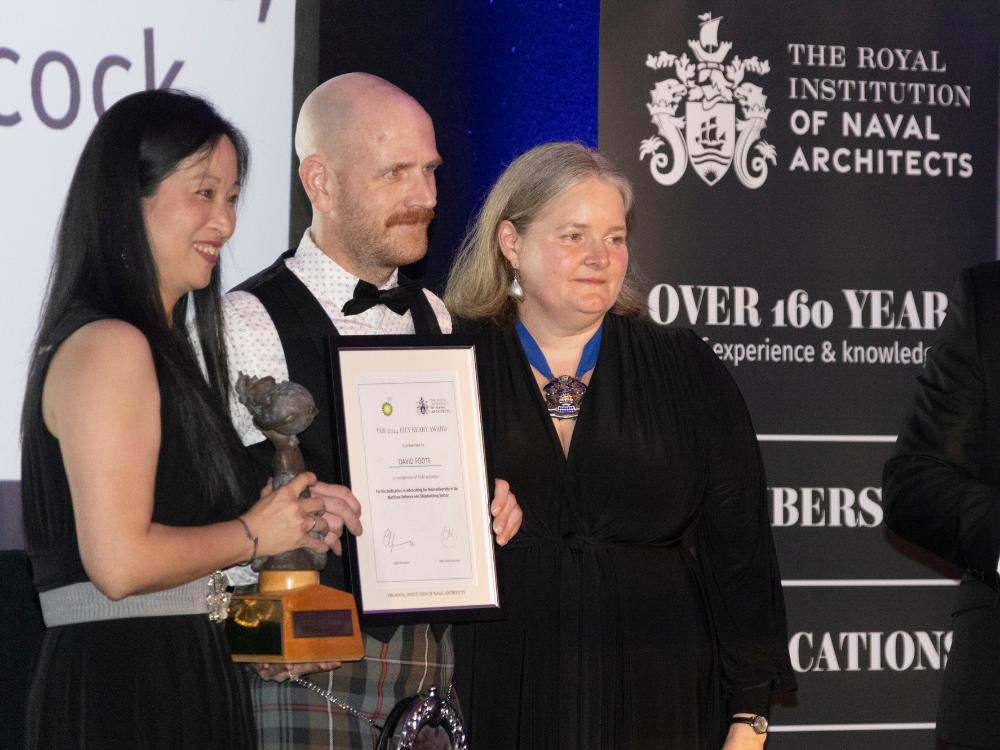
David Foote, Maritime Diversity Award winner, shares how neurodiversity strengthens innovation, safety and long-term talent in shipbuilding, while calling for more inclusive recruitment and support. Nominations for this year’s Maritime Diversity Award are open, with the deadline extended to 24 April 2026
Sponsored: Engineering the next decade of maritime innovation
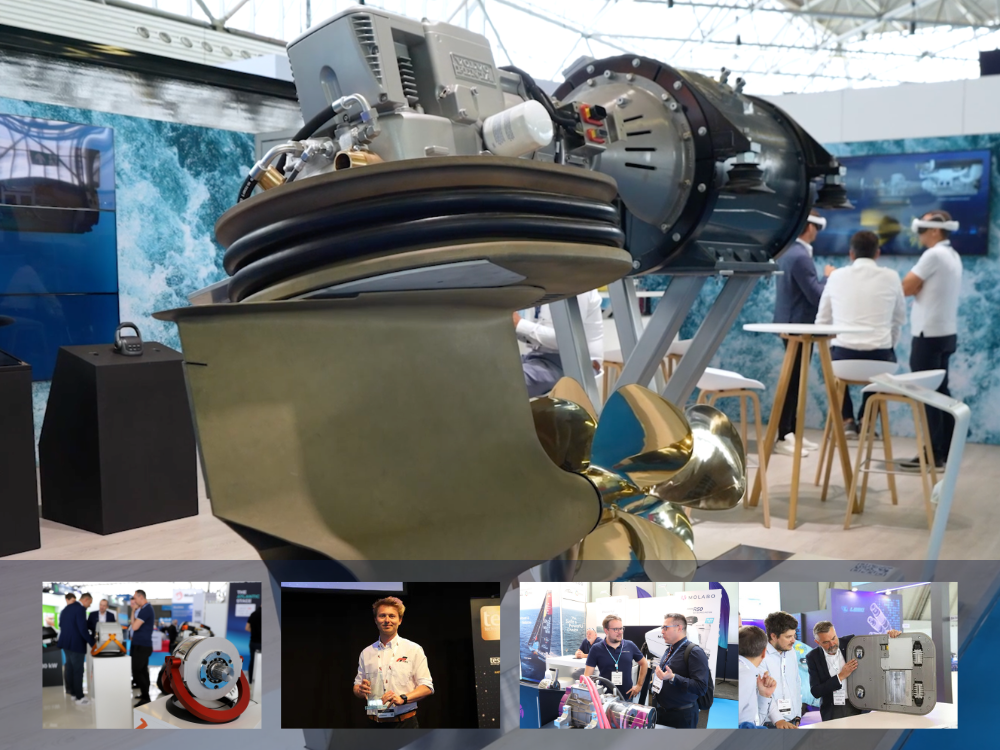
Explore the emergent engineering challenges shaping vessel architectures, from integrated electric propulsion and advanced control systems to autonomy‑enabling sensor suites and evolving regulatory frameworks. Register now for Advanced Maritime Technology Expo & Conference, 16–18 June 2026 in Amsterdam.
Safety first for new fuels
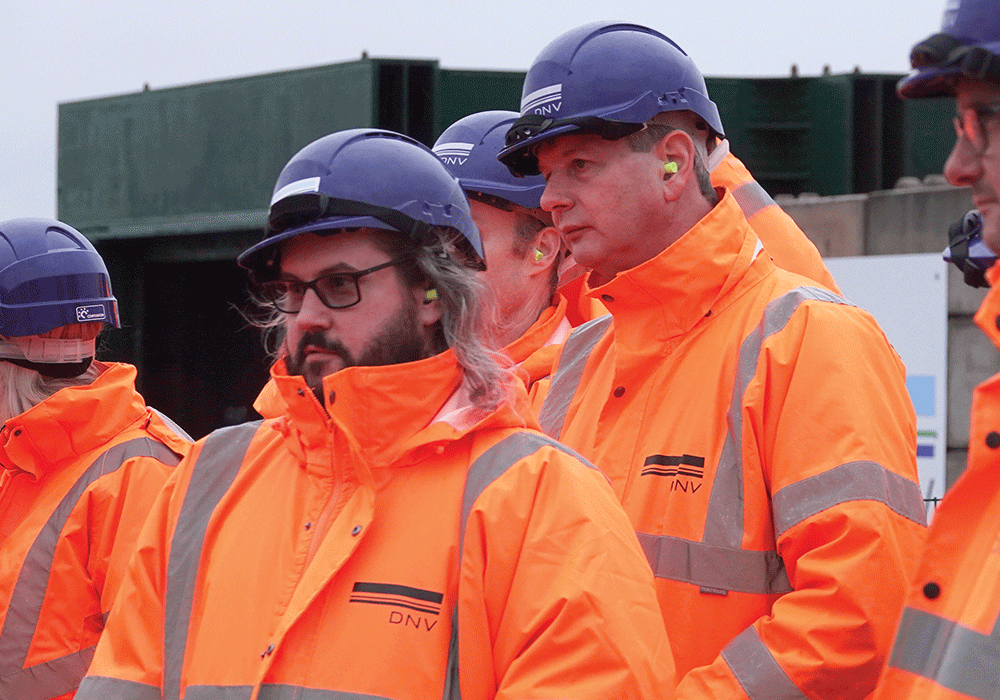
Thomas Beard helps shipowners comply with safety rules
The shift from heavy fuel oil to low-carbon alternatives promises deep emissions cuts but it also introduces a new generation of safety challenges. The challenge now is ensuring the industry meets its decarbonisation goals without compromising on safety.
Hydrogen hits the big time with projects on the rise
The Naval Architect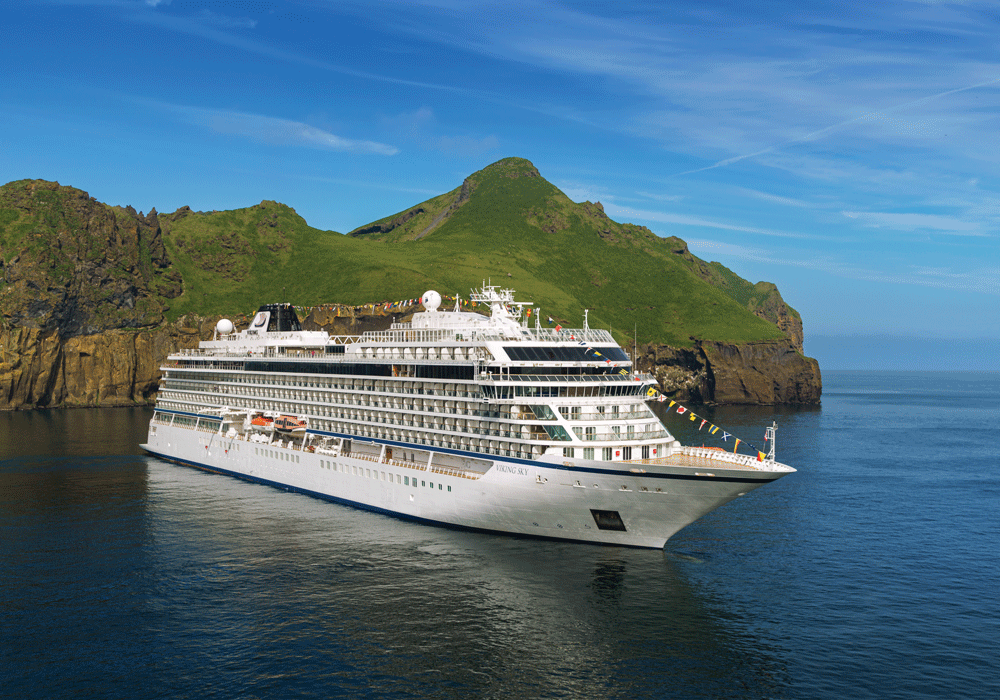
Unlike its sister ship, Viking Sky, Viking Libra will run on hydrogen
Hydrogen is moving from pilot projects to mainstream maritime adoption, with landmark vessel orders and emerging bunkering hubs signalling growing industry confidence.
Why anchoring system layout deserves greater design attention
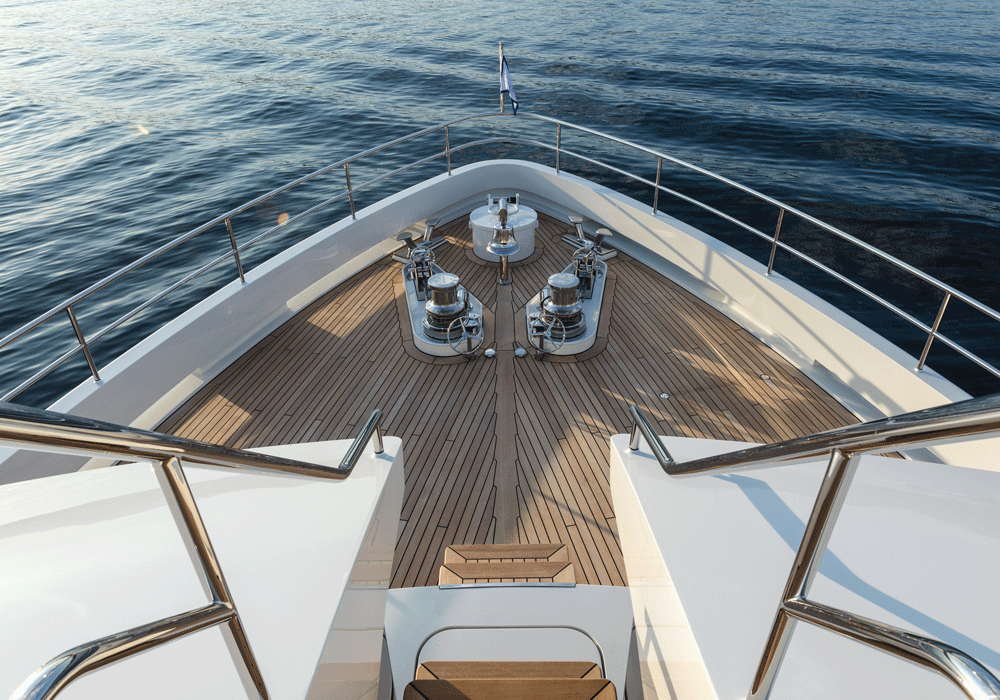
As vessel designers push the boundaries of space and efficiency, the humble anchoring system is increasingly caught in the squeeze.
What's next for WAPS?
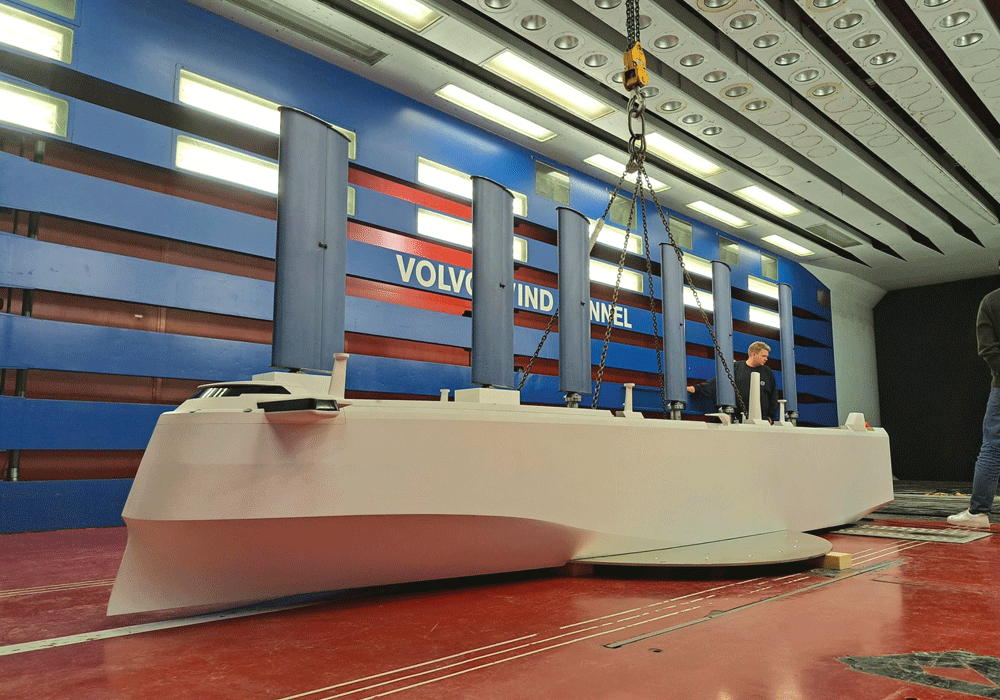
Orcelle Horizon Wind tunnel testing in December 2024 (image: Wallenius Marine)
DNV’s senior principal engineer, Hasso Hoffmeister, examines the evolution of wind-assisted propulsion systems, and what comes next.
Advancing innovation, collaboration and knowledge-sharing
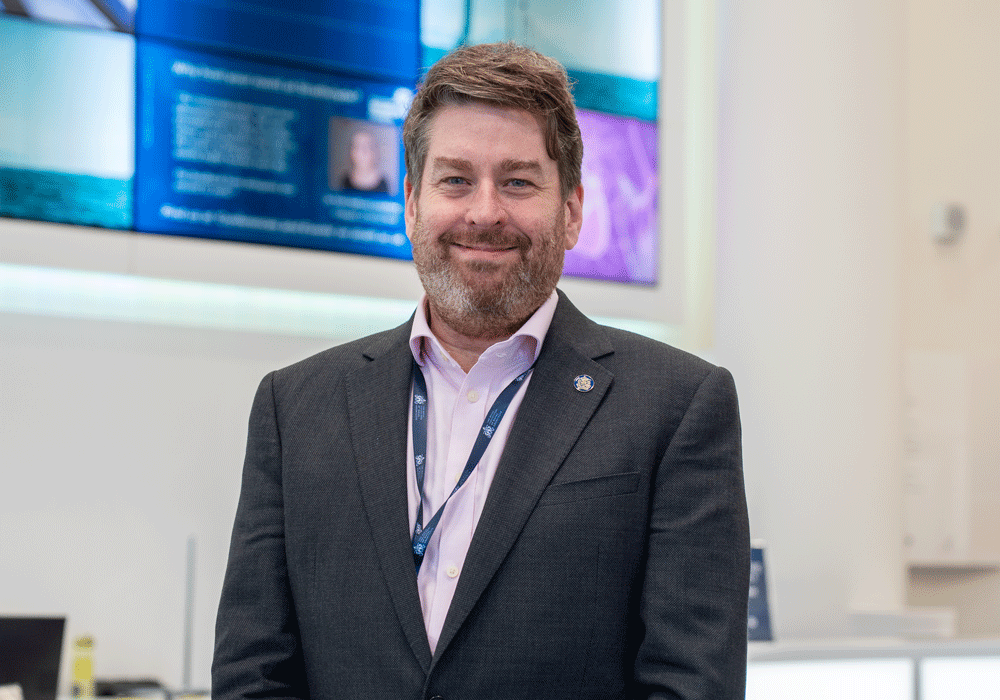
RINA's strength is its members, CEO Paul Jobson
Welcome to the latest edition of The Naval Architect. Eight months into my tenure as CEO, my initial focus has been on strengthening RINA’s foundations and accelerating delivery of the strategic changes required for our next exciting phase, outlined here.
Deal smoothes path to Net Zero
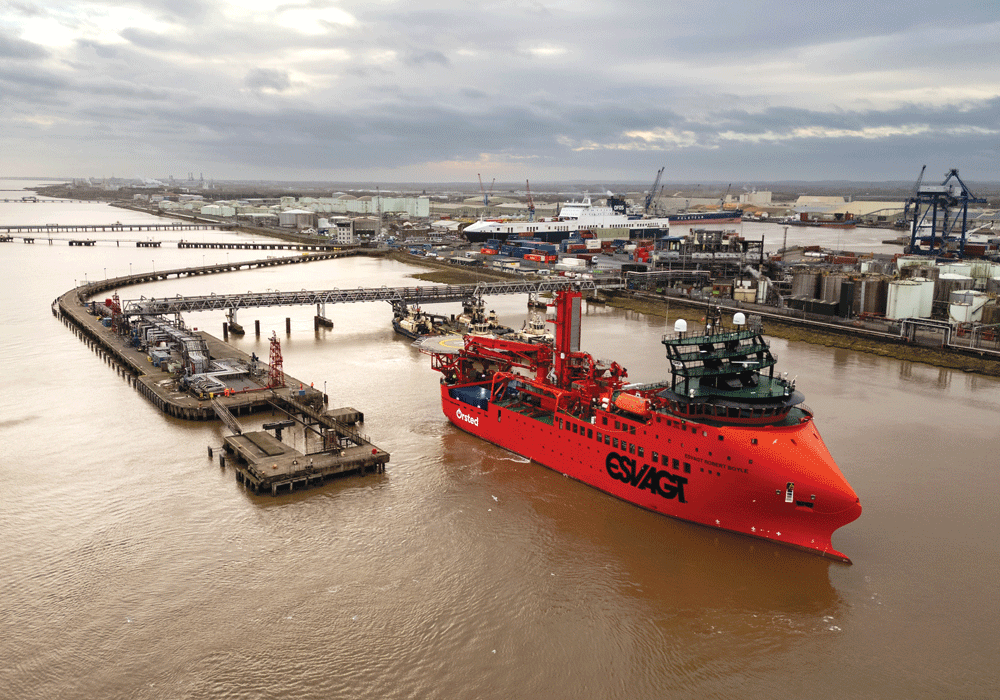
A service operation vessel supporting Ørsted's North Sea offshore wind operations at the Port of Immingham. Biomethanol is liquid at ambient temperature and pressure and chemically identical to fossil methanol, meaning methanol-capable vessels require no modification to use it (image: Frank Henshall. Source: Exolum)
UK’s first commercial biomethanol bunkering service launches at Port of Immingham.
Efficiency is the transitional fuel
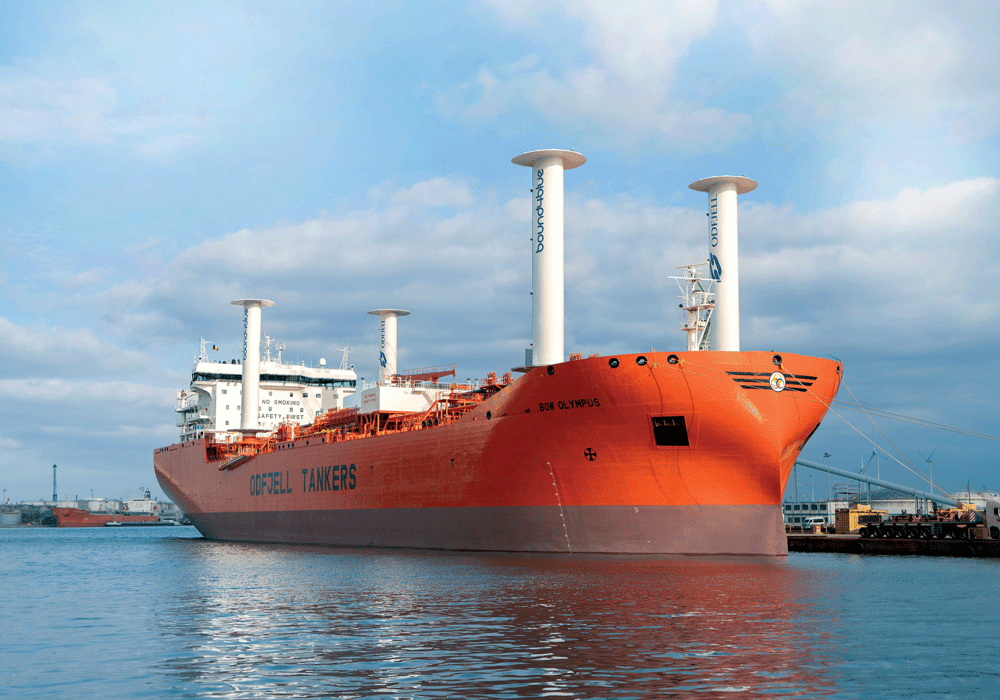
Odfjell's Bow Olympus sports four bound4blue rigid suction sails
Examining how energy saving devices have helped Odfjell slash its fuel costs across its chemical tanker fleet.
China moves fast with green fuel ambitions
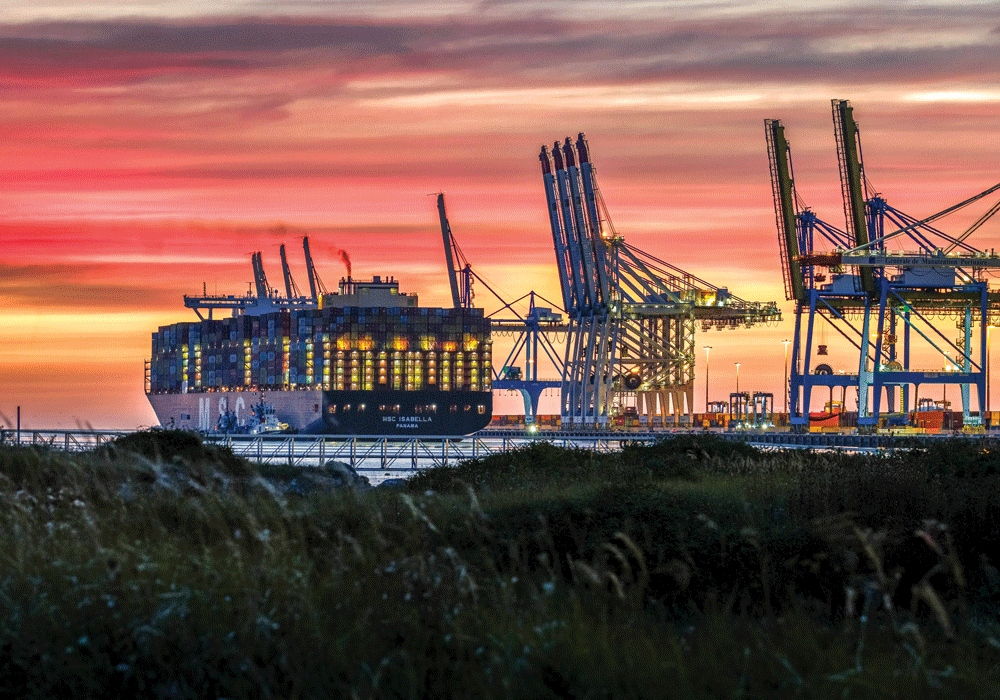
HAROPA PORT is set to be part of a green corridor (image: ©Haropa Port/Samuel Salamagnon)
China is moving with unusual institutional weight to position itself at the centre of the global maritime energy transition. A blueprint backed by 10 central government ministries has set Shanghai on course to become a leading green bunkering hub by 2030.
Professional profile - Edwin Pang
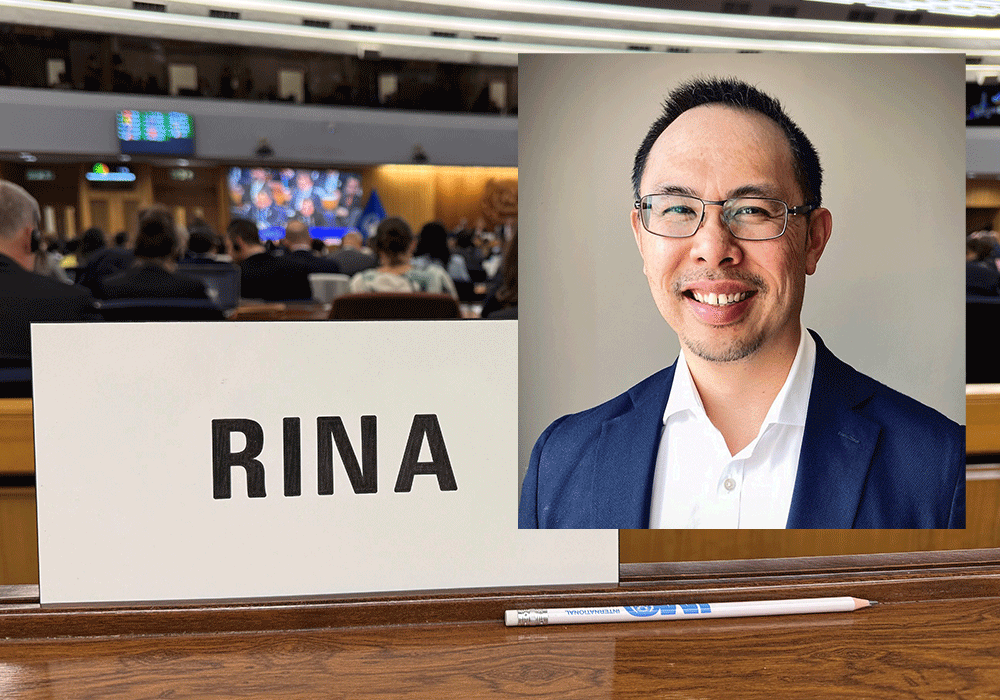
Edwin Pang has been RINA's representative to the IMO since 2018
RINA speaks to Edwin Pang, founder of consultancy Arcsilea, about his career to date and notable role as RINA IMO Committee chair.
MIT research shows how to cut ship drag by up to 7.5%
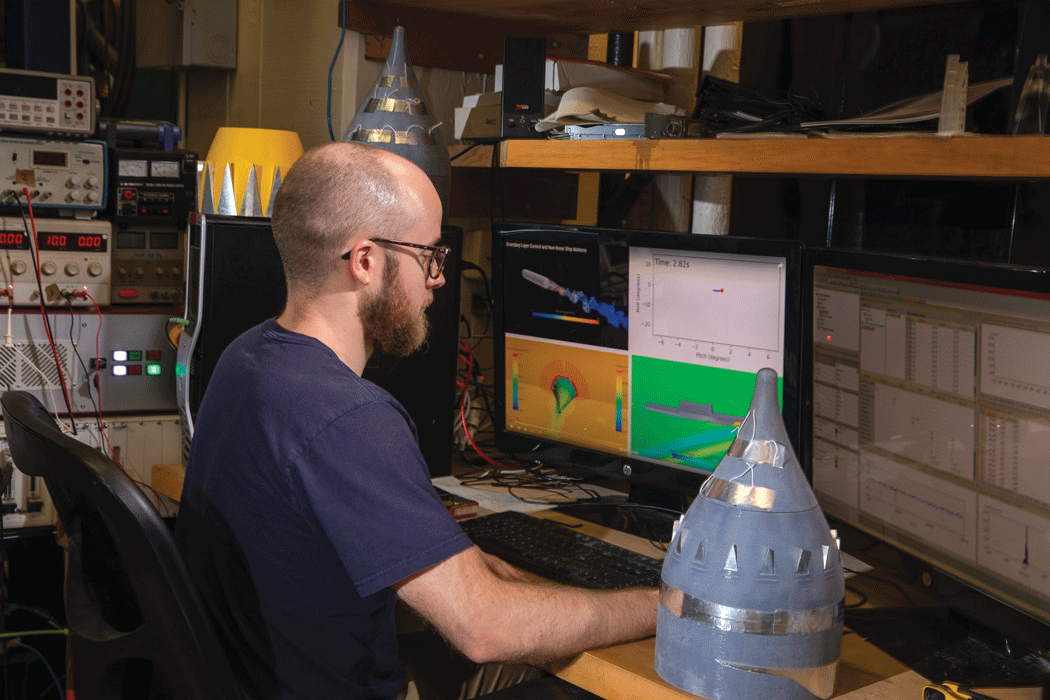
MIT used computational fluid dynamics, AI-assisted optimisation and physical scale model testing for their study.
Study shows how wedge-shaped vortex generators reduce drag in ship hulls, which could help in the drive to decarbonise the shipping industry.