

Offshore Technology
Offshore Technology explores the systems, engineering practices, innovations and challenges, driving offshore operations across energy and marine sectors. Topics you can expect include subsea engineering, floating production systems, offshore wind technologies, digital monitoring and control systems, and asset integrity management.
Delve into analysis, and insights on emerging technologies improving safety, efficiency, and performance in increasingly harsher offshore environments in the journey to cleaner sustainable energy sources.
The BWM Convention compliance myth
Ship Repair and Maintenance (Newsletter)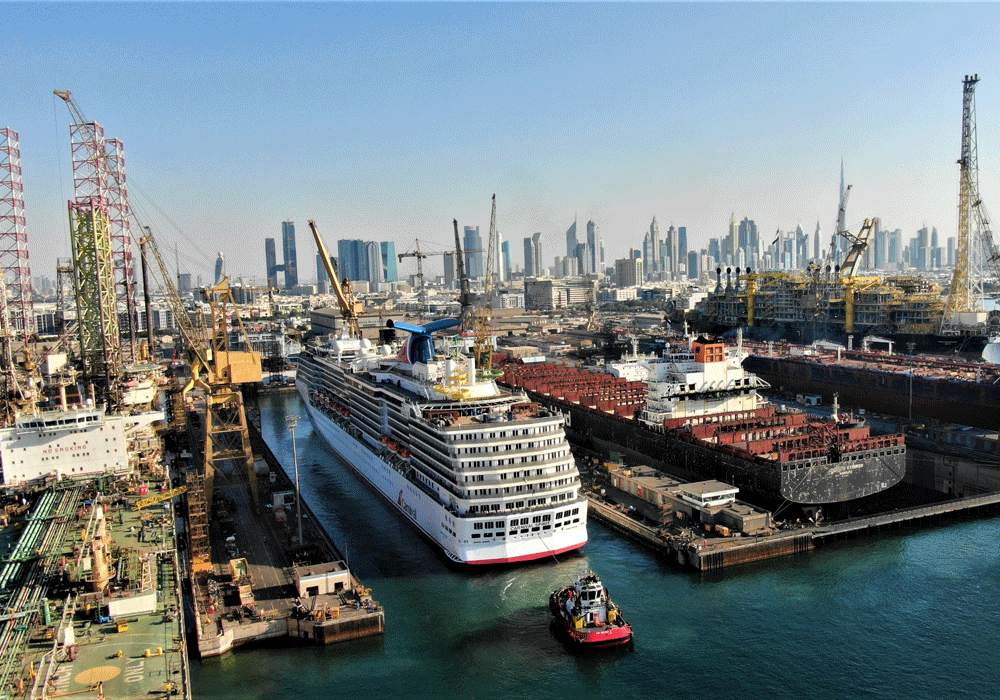
The latest survey shows significant deficiencies in ballast water systems technology. Can land-based facilities help bridge gap between rules and reality?
Wind power's struggles to get airborne
Power & Sustainability (Newsletter)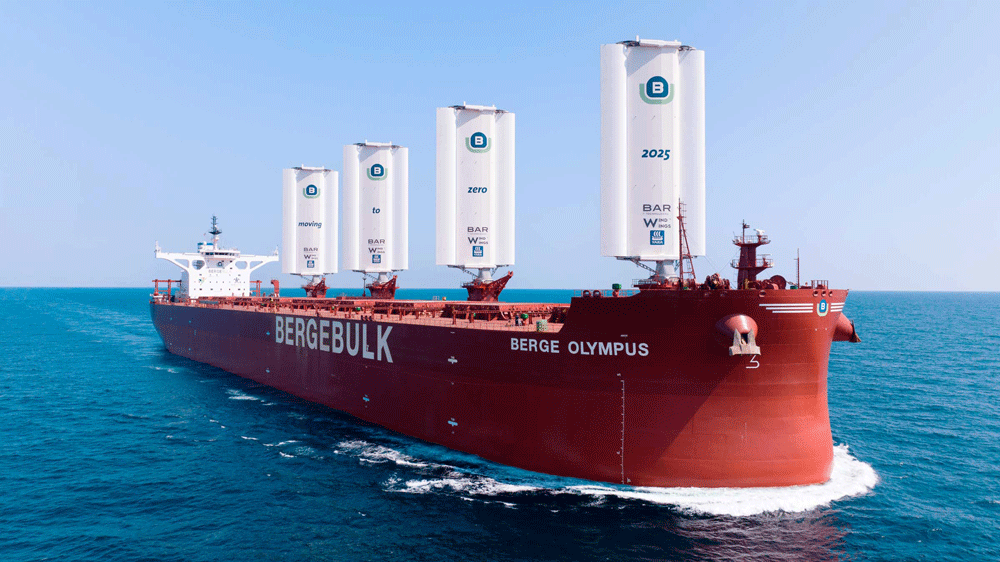
A future batch of seven aframax newbuilds for Union Maritime will be fitted with BAR Technologies' WindWings rigid sails. Image: BAR Technologies
Full slots in a building boom for shipyards has seen concerns over unfamiliar wind power, added to vessel designs, with yards refusing to build to non-standard plans, rejecting orders. Two owners describe how they have managed to persuade yards otherwise
The acceleration of electrification
Power & Sustainability (Newsletter)
Powering shortsea trade requires a lot less electricity than might be expected. Pictured: Yara Birkeland, the World's first fully electric and autonomous containership. Image: Yara
Advances in battery technology make it possible for short-sea ships and feeder vessels to electrify. That simultaneously offers the possibility to cut costs and emissions and improve vessel efficiency
LNG, a transitional fuel or GHG?
Power & Sustainability (Newsletter)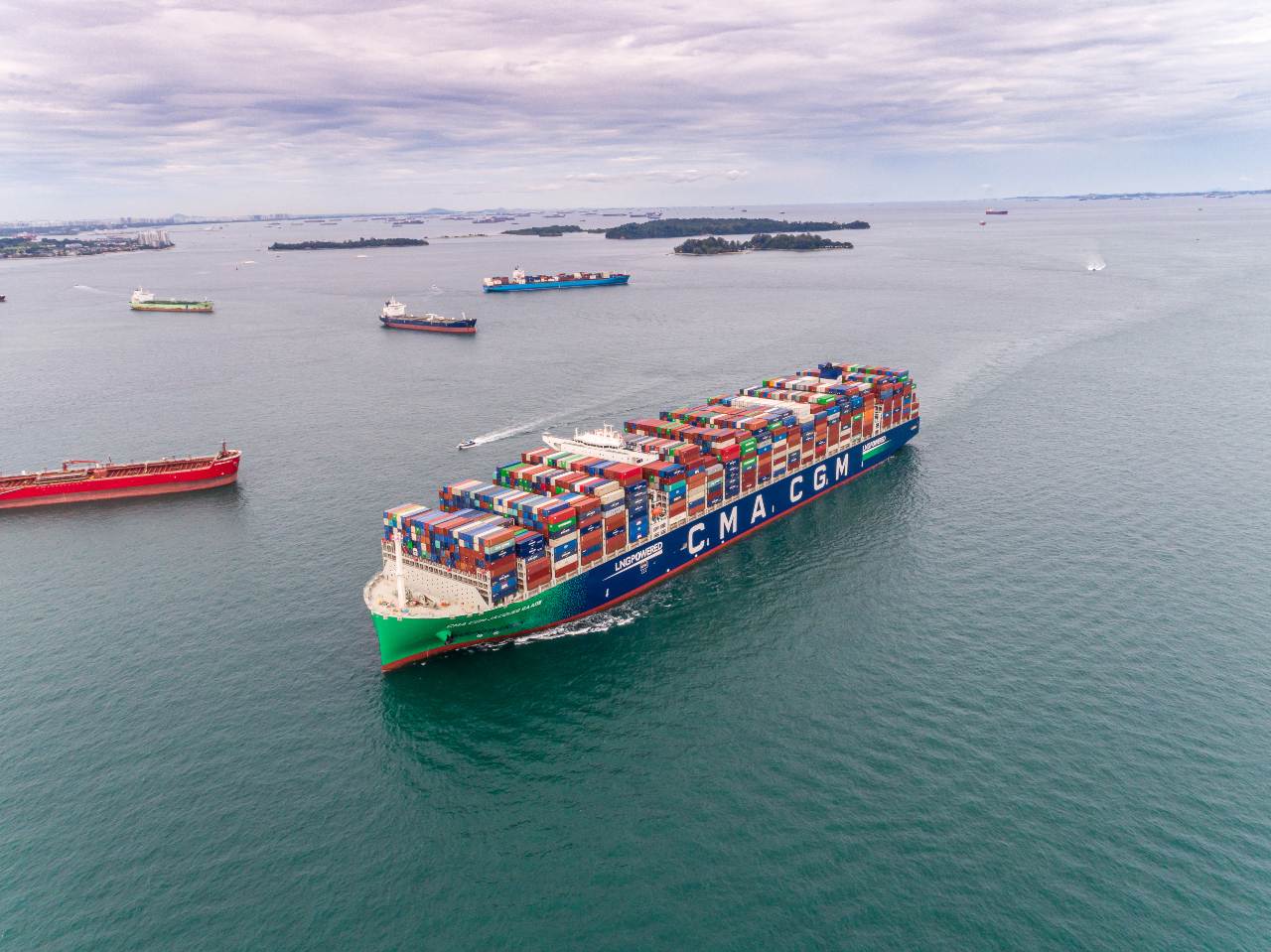
Technology, investment and progress made with LNG as a transitional fuel should be acknowledged believes Dominguez. Pictured: LNG-powered containership, CMA CGM Jacques Saadé. Image: VesselFinder
Savings of more than 50% on fleet-wide emissions can be achieved using cheap modifications on ships. Compared to the cost of building new LNG powered vessels, there is no contest. And the cuts to carbon emissions are twice as high
Sallaum Lines moves in on net-zero with newbuild PCTC Ocean Breeze
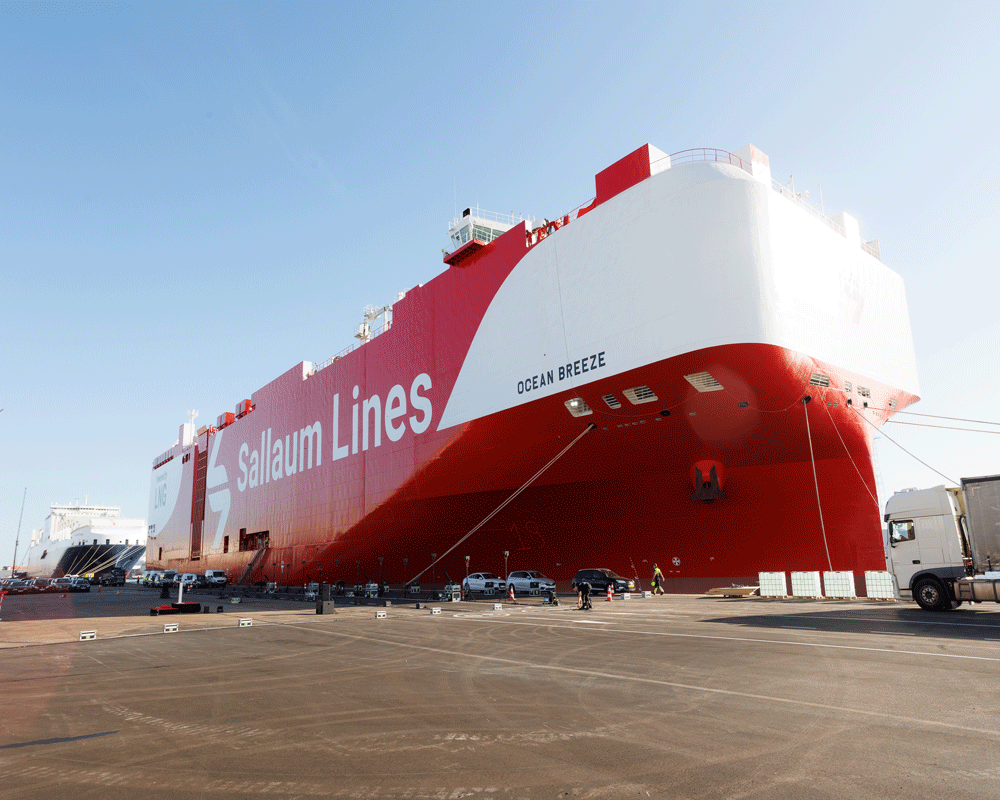
Ocean Breeze is the first of six China-built, dual-fuel LNG PCTCs scheduled for handover to Sallaum Lines by 2027
A series of six LNG-enabled pure car and truck carriers are set to play a crucial role in Sallaum Lines’ efforts to decarbonise its transportation operations
New approach to shipbuilding with LSM deal
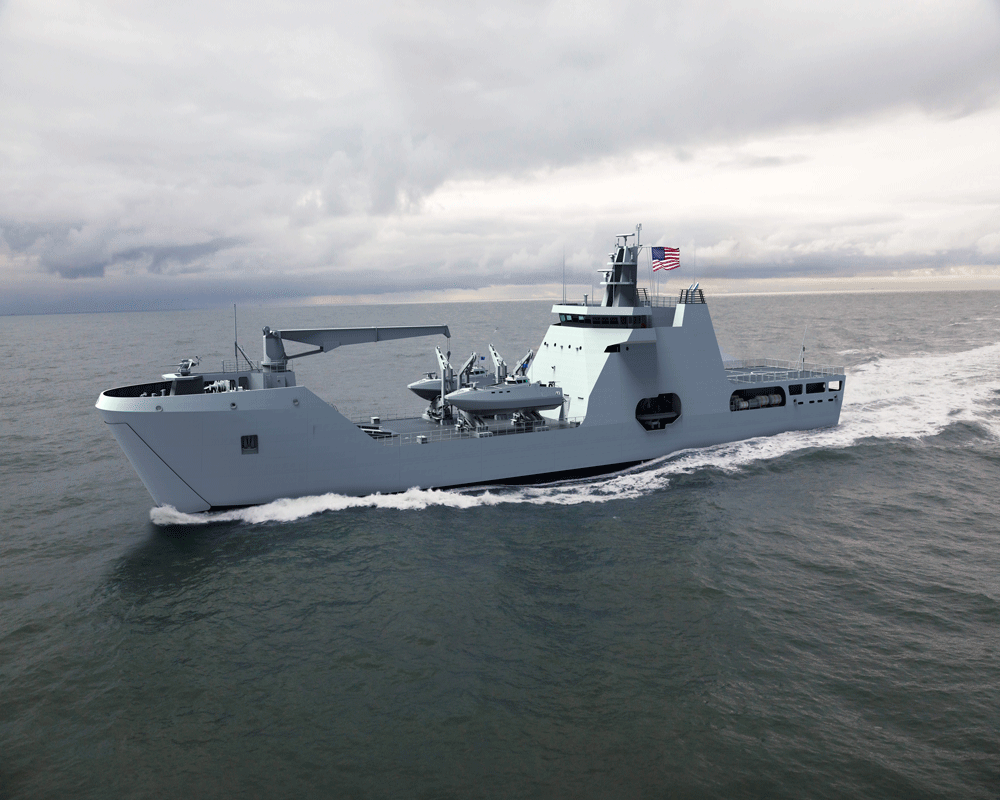
In addition to the LSM programme, Damen's LST100 has been selected by the Australian Defence Force (source: Damen)
The US Navy is pioneering a new approach to shipbuilding with its Landing Ship Medium (LSM) programme, an approach it hopes will enable it to quickly bring large numbers of newbuilds into service on time and on budget
Somtrans' latest United bunker barge an international affair
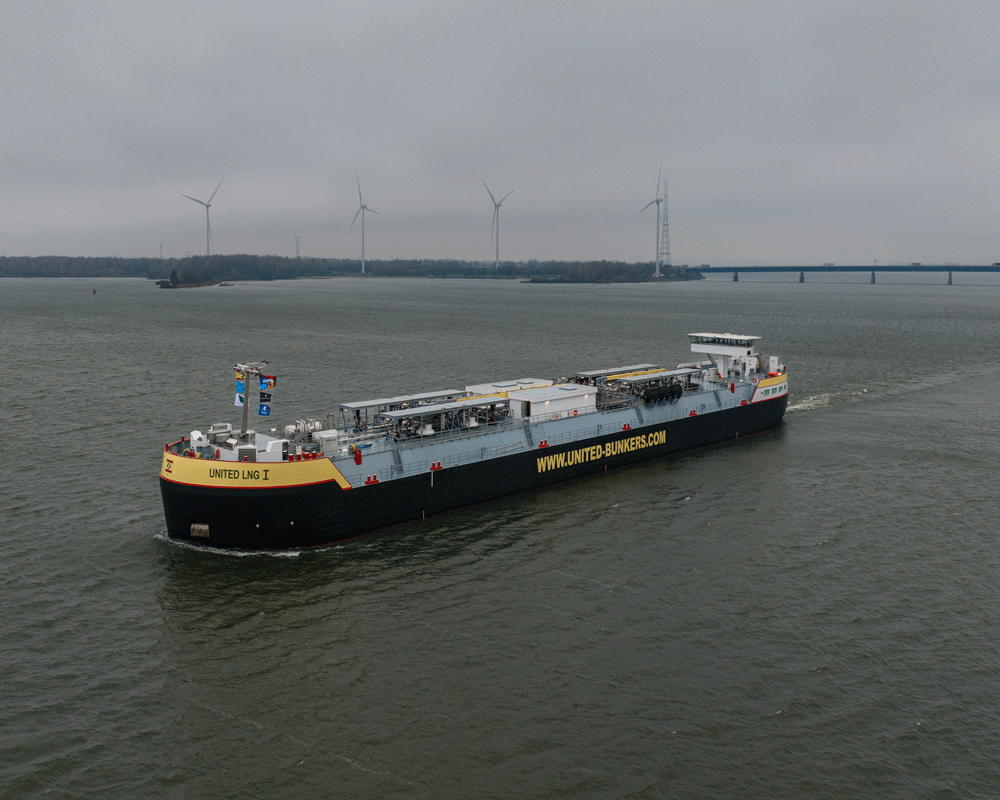
United LNG I has the capacity to carry 8,000m3 of LNG for bunkering operations in the ARA region
Outfitted in the Netherlands, with a hull built in China, Somtrans’ new bunker barge, United LNG I, will help the company to extend its LNG bunkering capacity across various Belgian and Dutch seaports
ZeroUSV's Oceanus17 USV builds on core values
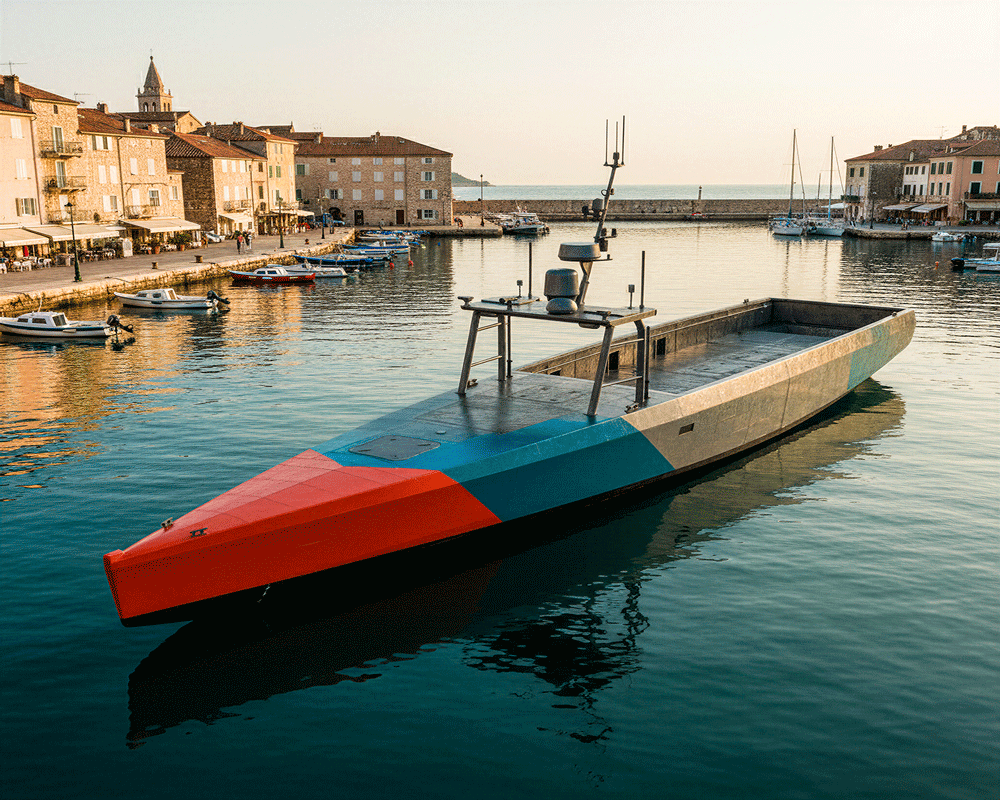
The Oceanus17's payload bay will measure 9m x 2.8m, with the capacity to accommodate a 20' container (image: Chris Blount)
The forthcoming Oceanus17 USV from UK-based ZeroUSV will incorporate most of the components and design features that characterised its earlier, smaller, Oceanus12 model, speeding up the design, engineering and build phases
RISK MANAGEMENT OF TERMINAL ON-SITE OPERATIONS FOR SPECIAL BULK CARGOS IN TAIWAN
Transactions
A structured risk-management framework is helping strengthen the safety of special bulk cargo terminal operations. Combining Formal Safety Assessment with prioritisation, risk mapping and cost-benefit evaluation, the approach highlights critical maintenance and workforce-related risks while informing targeted control strategies that can reduce accidents and improve operational resilience.
STUDY OF AIRFLOW AROUND SHIP WITH RIGID SAIL ARRAY AND POTENTIAL ARRAY PROPULSIVE POWER
Transactions
Harnessing wind as a supplementary propulsion source, rigid sail technology offers a promising route to lower fuel consumption and emissions in commercial shipping. Advanced virtual wind tunnel and CFD modelling reveal how multi-sail configurations can generate meaningful propulsive forces, supporting the transition towards more energy-efficient and sustainable vessel operations.
HIGH-SPEED WAVE-PIERCING CATAMARAN GLOBAL LOADS DETERMINED BY FEA AND SEA TRIALS
Transactions
Accurately predicting global loads remains a critical challenge for high-speed wave-piercing catamarans operating in realistic sea conditions. Combining full-scale trial data, strain sensing and finite-element modelling improves understanding of complex structural loads, supporting more efficient designs, enhanced reliability and greater confidence in the load assumptions used during vessel development.
AN EFFICIENT GRAPH THEORY-BASED ALGORITHM FOR SHIP TRAJECTORY PLANNING
Transactions
Autonomous navigation is advancing through fast, graph-based path planning techniques designed for dynamic marine environments. By combining visibility graphs with the A* algorithm, the approach delivers collision-free route optimisation within seconds, offering a practical foundation for intelligent ship control systems operating amid changing conditions and navigational constraints.
Newsletters
Stay connected with the global maritime community through RINA’s newsletters.
Whether you are a member or not, you can receive updates from The Naval Architect, alongside selected RINA news, events and industry insights. Members also gain access to a wider portfolio of exclusive newsletters on key topics in the maritime industry.
- The Naval Architect (currently available to all members & non-members)
- Power & Sustainability (members-only)
- Ship Repair & Maintenance (members-only)
- Warship Technology (members-only)
- Ferries & Fast Craft (members-only)
- Offshore Technology (members-only)
