

Offshore Technology
Offshore Technology explores the systems, engineering practices, innovations and challenges, driving offshore operations across energy and marine sectors. Topics you can expect include subsea engineering, floating production systems, offshore wind technologies, digital monitoring and control systems, and asset integrity management.
Delve into analysis, and insights on emerging technologies improving safety, efficiency, and performance in increasingly harsher offshore environments in the journey to cleaner sustainable energy sources.
Shipyard digitalisation gathers pace
Ship Repair and Maintenance (Newsletter)
Digitalisation is changing ship repair fast (image: Shutterstock)
The digital age is transforming the ship repair industry as online monitoring and digital twins linked to a burgeoning predictive maintenance regime takes hold.
Scope 3 is changing emissions calculations
Ship Repair and Maintenance (Newsletter)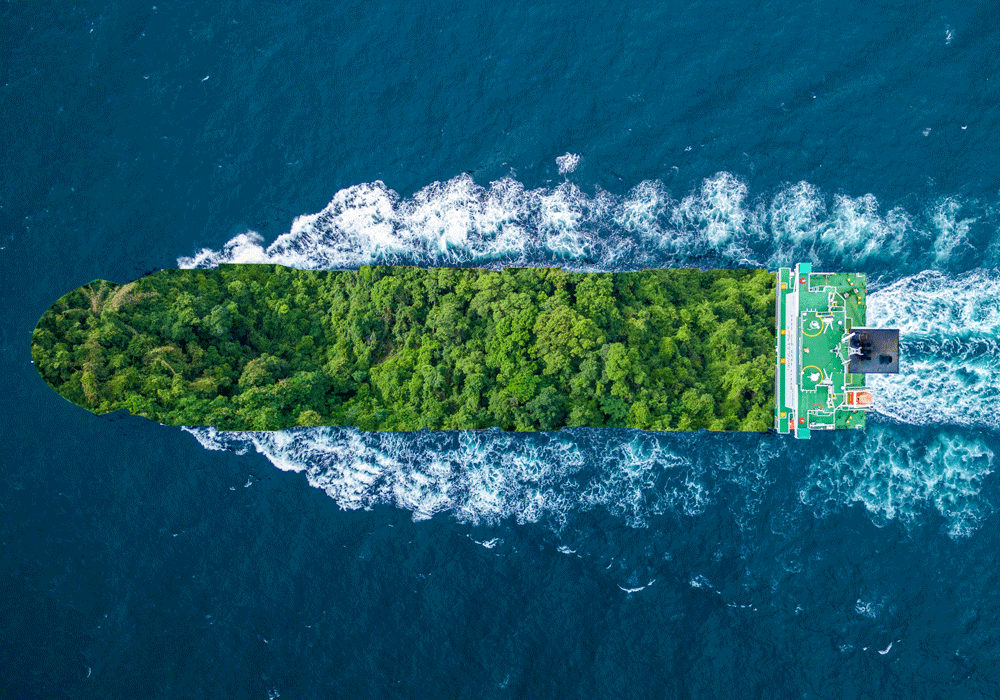
Charterers demand more to mitigate scope 3 emissions (image: Shutterstock)
Visibility is becoming increasingly critical as charterers must now calculate Scope 3 emissions from their supply chains. Speed optimisation is helping to reduce the total.
The ferry designed to reshape Australia's waterways
Ferries & Fast Craft (Newsletter)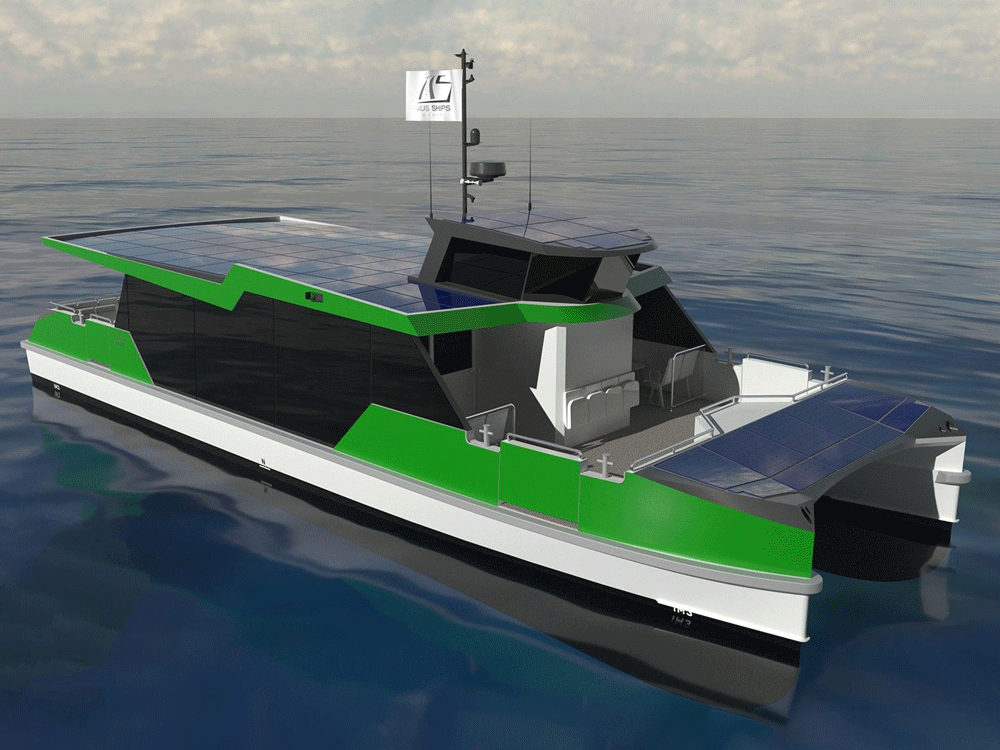
A digital rendering of the Aus Ships ferry powered by Volvo Penta (image: Volvo Penta).
Australia’s first 100% electrically driven passenger ferry, a collaboration between Aus Ships and Volvo Penta, aims to validate scalable electric marine propulsion with the overall aim of decarbonising the country’s waterways.
Deep-vee without the penalty? The Petestep hull
Ferries & Fast Craft (Newsletter)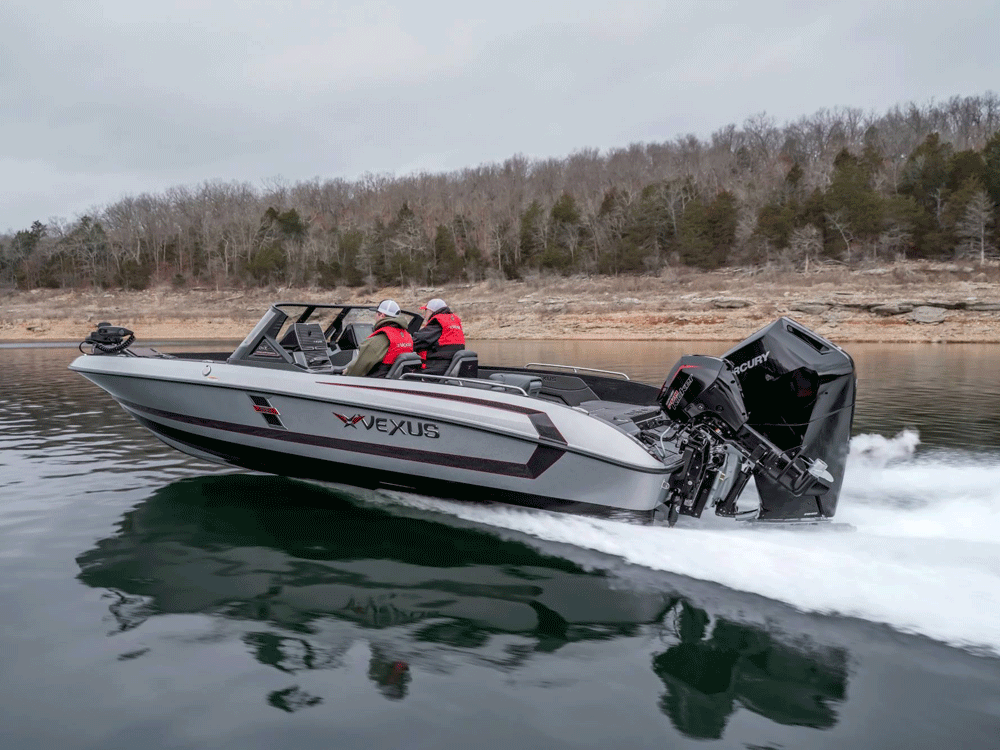
Vexus Boats DVX23 was designed to run a single 500hp outboard (image: Petestep)
Can diagonal deflector strakes solve the classic deep-vee compromise? Petestep’s hull technology is promising faster planing, lower slamming loads and efficiency gains across the fast craft market.
Shaping design around battery integration
Ferries & Fast Craft (Newsletter)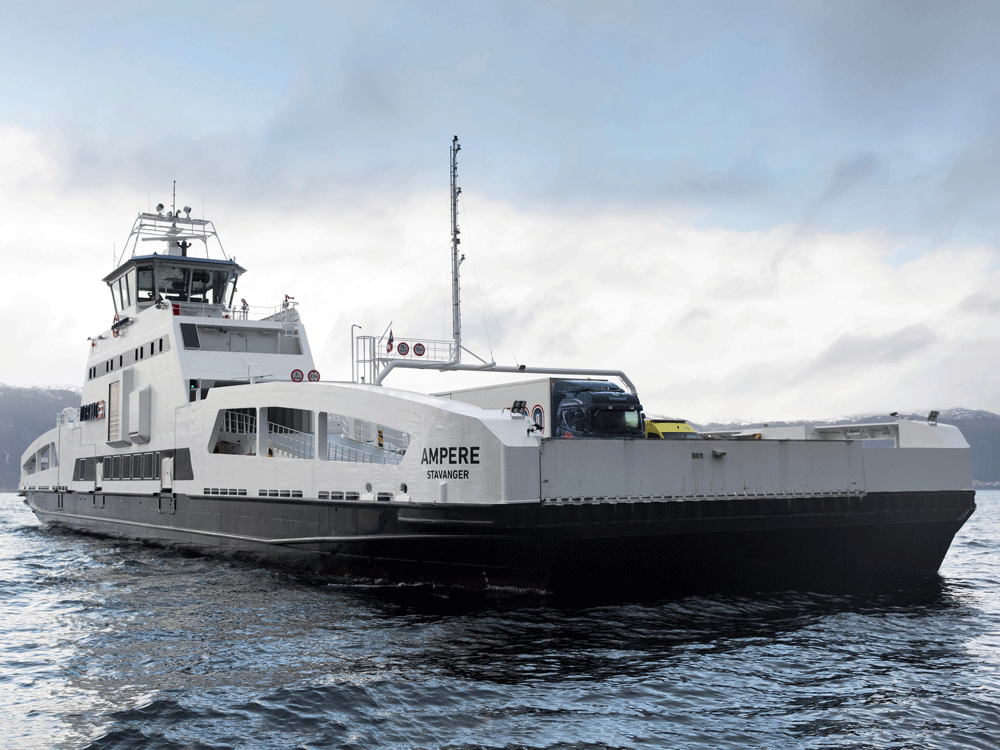
The world's first fully electric battery car ferry, the MF Ampere (image: Corvus Energy).
Battery specialist Corvus Energy discusses how it is working on large-scale battery integration projects that reshape weight distribution and stability design in high capacity ferries and fast craft.
Energy islands: Europe's new frontier
Offshore Technology (Newsletter)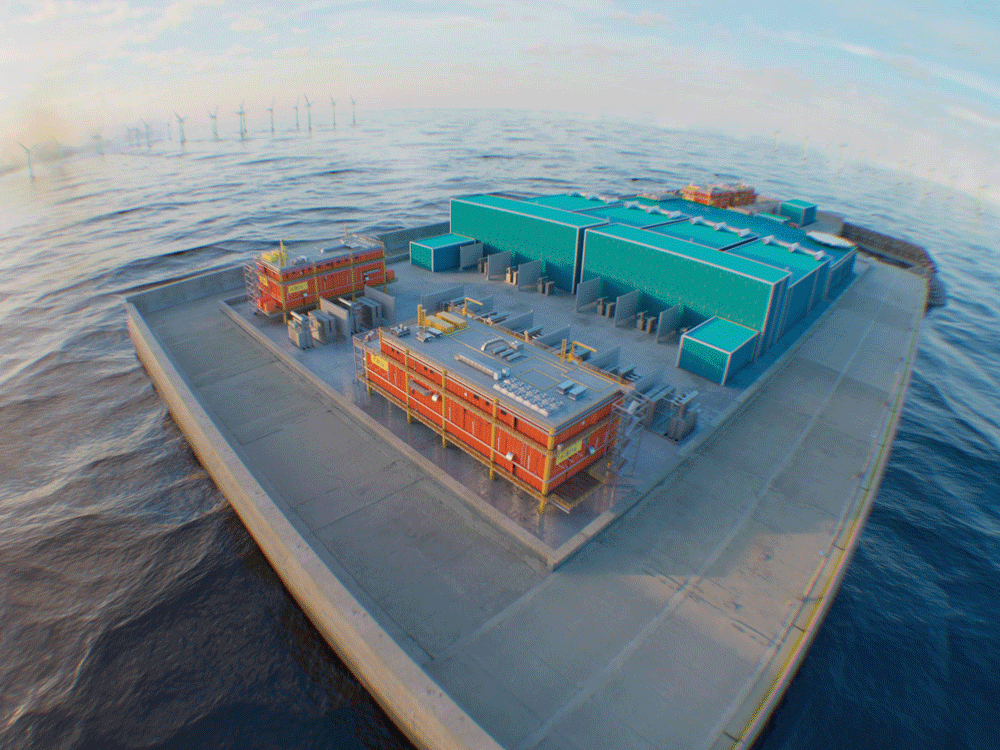
Energy Islands will bring together a number of offshore technologies into a single place (image: Elia)
A new era in offshore power has seen the development of the first Energy Islands off European coasts. The first will be the six-hectare Princess Elisabeth Island, which is under construction 45km off the coast of Belgium and is due to be completed in 2028.
Retire or repower wind farms?
Offshore Technology (Newsletter)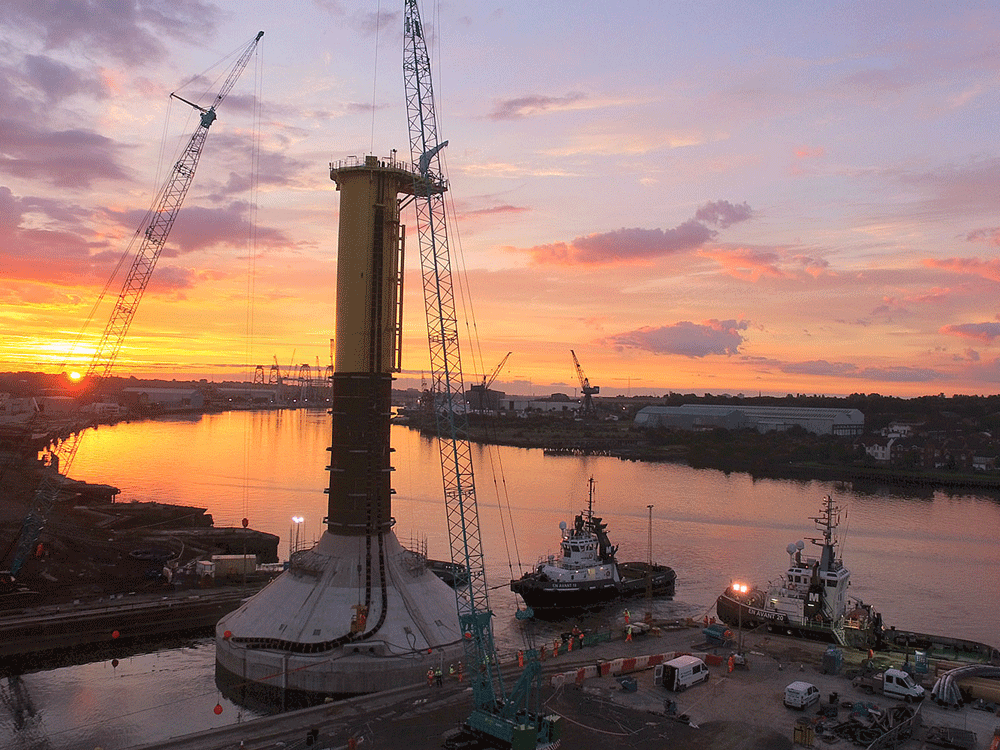
A debate rages over whether to leave turbine monopiles in-situ after turbines are decommissioned (image: Institute of Civil Engineers)
The first wind turbines to be deployed are reaching the end of their operational life. The question is, should the sites be re-used or retired?
The underwater arms race
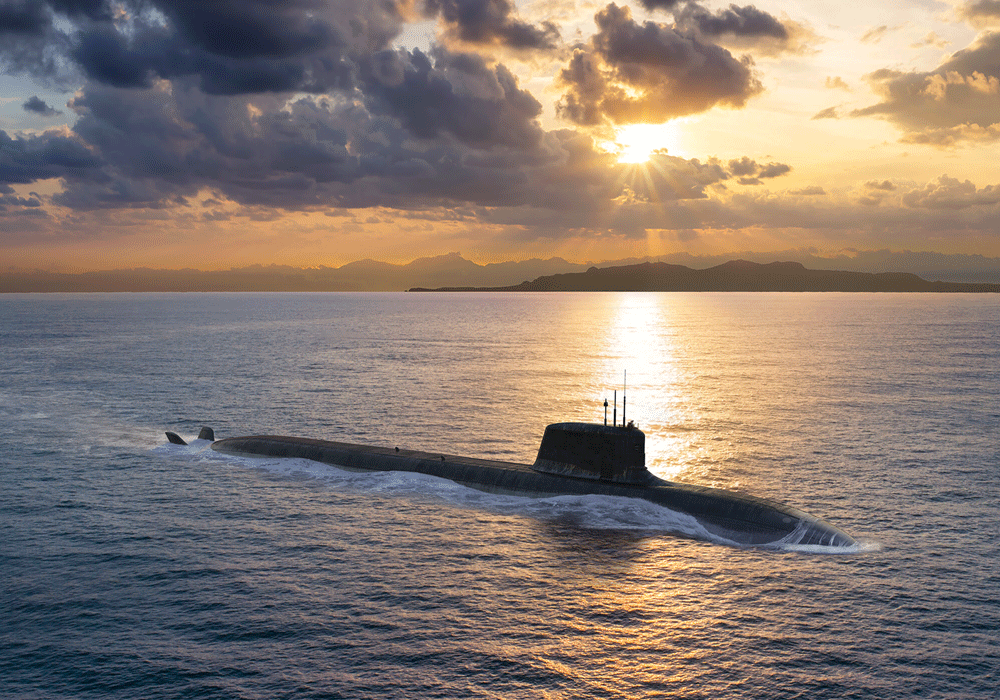
The UK's BAE Systems is building Astute-class and Dreadnought-class submarines (image: BAE Systems)
The global undersea arms race is transforming not just navies but the engineering profession behind them. Workforce, digital capability and nuclear stewardship are now as strategically important as the platforms themselves.
Polar planning
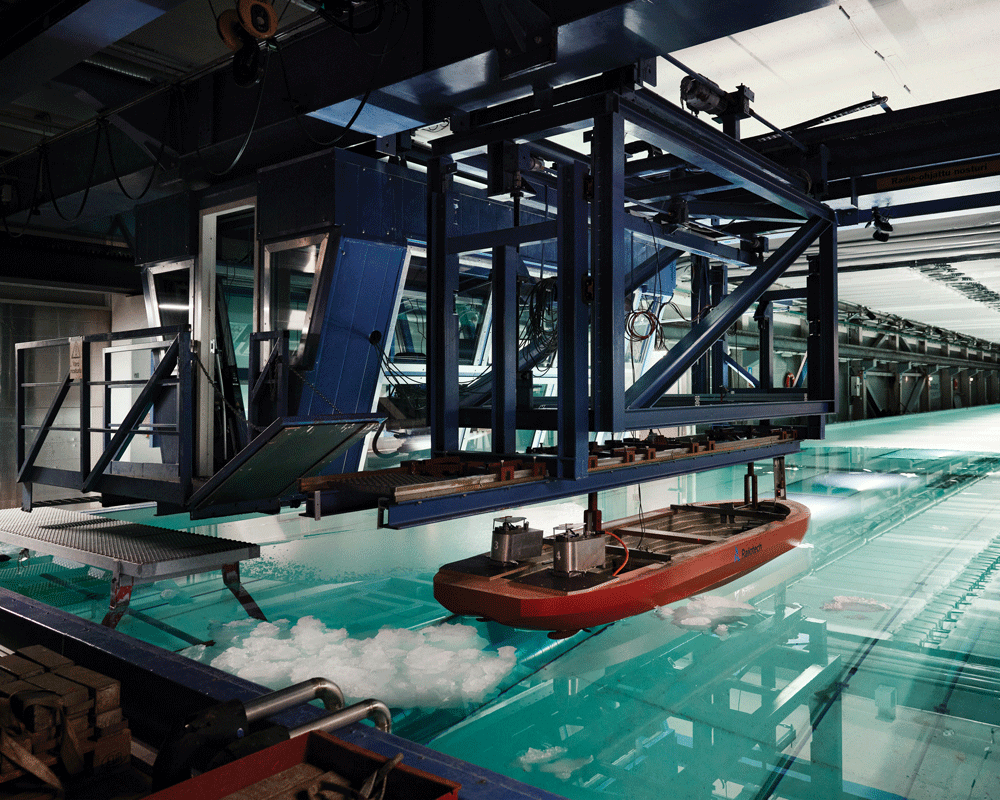
Ice tank testing is essential to design for a changing Arctic (image: Getty images/Canadian Coast Guard)
As the climate warms, there’s growing interest in transiting once unnavigable seas. Amy McLellan explores ways to support increased shipping in ice-affected waters.
On the rocks in Canada
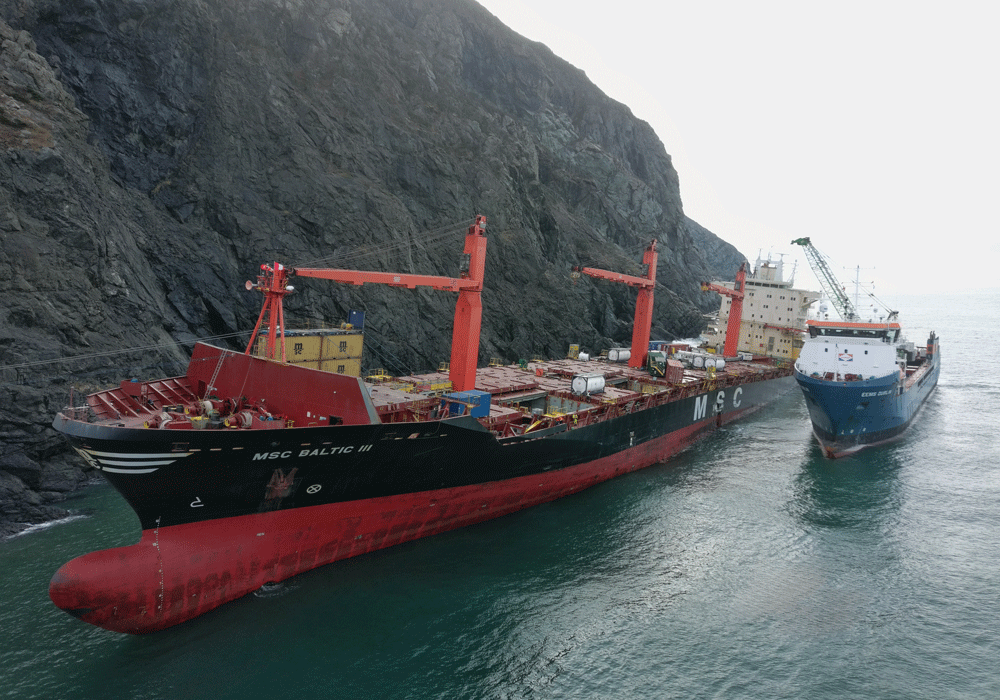
Dublin serves as a staging platform for personnel and cargo of the grounded Baltic III (image: Canadian Coast Guard)
More than a year after the containership Baltic III grounded on the remote Newfoundland coast during a severe storm, a wreck removal plan is finally in place, but the complex and challenging operation still has years to run, and important questions remain.
My focus as President

Annabelle Ransome-Williams FRINA is the new president of Royal Institution of Naval Architects
Welcome to the latest issue of The Naval Architect. I am honoured to have been elected President of RINA, and I would like to thank members for the confidence and trust you have placed in me.
MIT lab improves human and AUV interactions
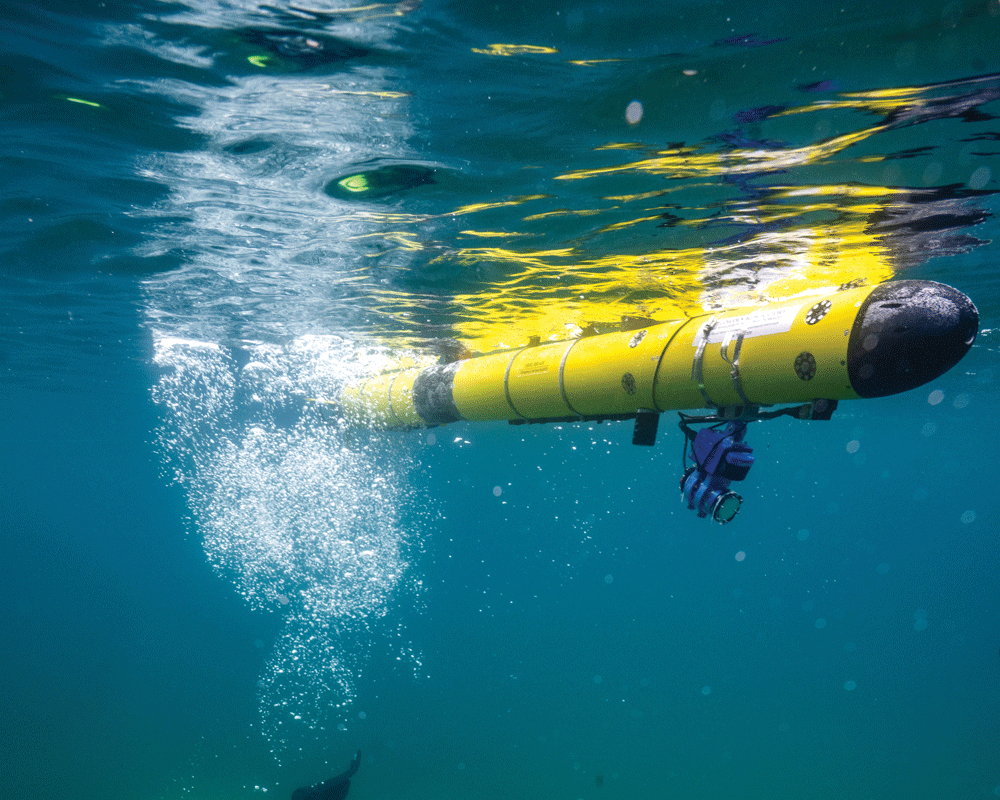
The project seeks to combine the strengths of humans and robots - cropped (image: MIT)
Researchers address capability gaps in underwater navigation and perception.
Newsletters
Stay connected with the global maritime community through RINA’s newsletters.
Whether you are a member or not, you can receive updates from The Naval Architect, alongside selected RINA news, events and industry insights. Members also gain access to a wider portfolio of exclusive newsletters on key topics in the maritime industry.
- The Naval Architect (currently available to all members & non-members)
- Power & Sustainability (members-only)
- Ship Repair & Maintenance (members-only)
- Warship Technology (members-only)
- Ferries & Fast Craft (members-only)
- Offshore Technology (members-only)
