

Offshore Technology
Offshore Technology explores the systems, engineering practices, innovations and challenges, driving offshore operations across energy and marine sectors. Topics you can expect include subsea engineering, floating production systems, offshore wind technologies, digital monitoring and control systems, and asset integrity management.
Delve into analysis, and insights on emerging technologies improving safety, efficiency, and performance in increasingly harsher offshore environments in the journey to cleaner sustainable energy sources.
IMPLEMENTING A NEW PLATFORM INTO THE U.S. NAVY: A SYSTEMS VIEW
Autonomous Ships
Facing growing fleet-capacity challenges, the U.S. Navy is exploring a bimodal force structure that combines smaller warships with autonomous capabilities. The Lightly Manned Automated Combat Corvette offers a compelling concept, but success depends on integrating technology, doctrine and long service-life considerations across a complex system-of-systems architecture for future maritime operations.
START WITH THE WHY - THE VALUE OF MARS COMPETENCE CENTRE
Autonomous Ships
Regulating maritime autonomy demands governance that can keep pace with technological change. Examining emerging frameworks for Maritime Autonomous Surface Ships, this paper highlights the need for collaboration between industry and regulators. The proposed MARS Centre offers a novel model to bridge expertise gaps, support adaptive regulation and enable innovation safely.
DANELEC AND DANPILOT REMOTE PILOTING
Autonomous Ships
Remote piloting technologies are reshaping maritime navigation, enabling pilots to monitor vessels from shore-based control centres. By eliminating physical pilot transfers, the approach enhances safety, reduces operational costs, cuts fuel consumption and emissions, and improves efficiency. The initiative highlights how digital innovation can deliver safer, smarter and more sustainable shipping
An Yun - Eco chemical/oil tanker for CPC Corporation - Copy
Significant Ships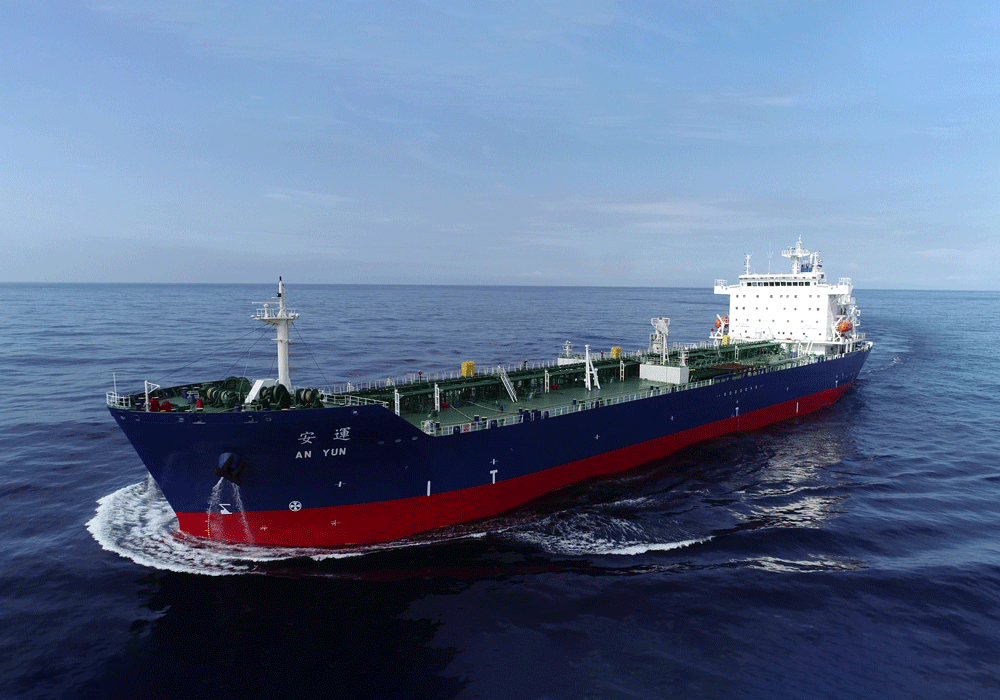
An Yun is a chemical/oil tanker that has been designed and constructed by CSBC and features energy-saving adaptations to enhance its performance.
The USV launch and recovery 'missing link'
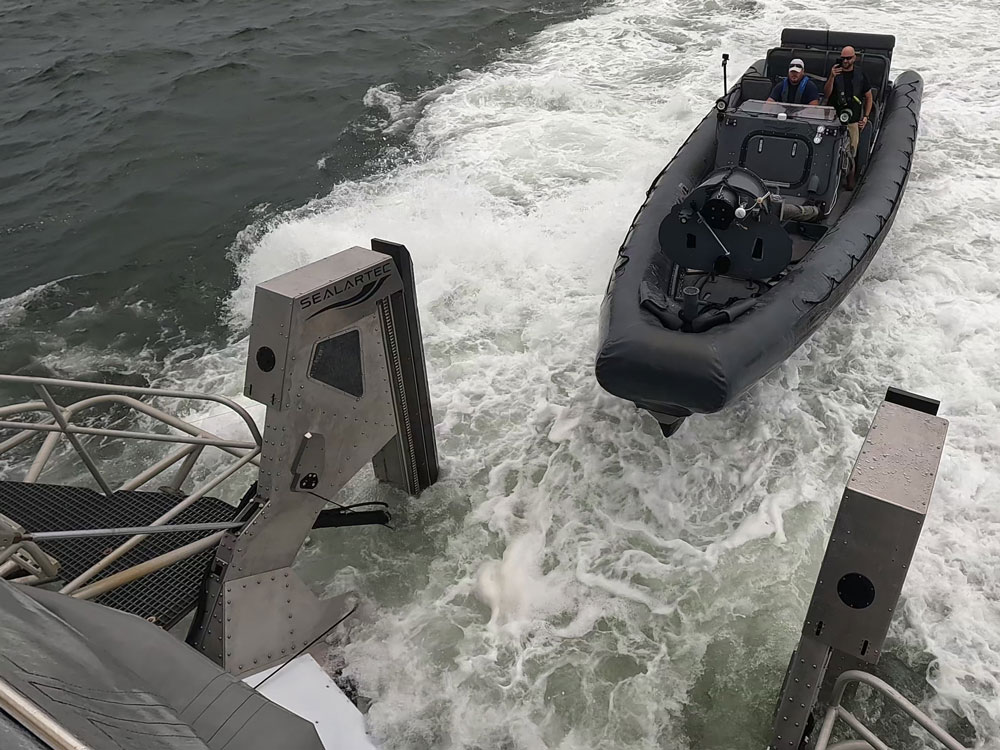
Sealartec's ALR-S converts a standard ramp at the stern of a vessel into a fully autonomous recovery system
Sealartec's radical ALR-S technology can convert a conventional ship's stern ramp to a fully autonomous recovery system for unmanned surface vessels
'ROC + Dock' project darts towards the wrap-up phase
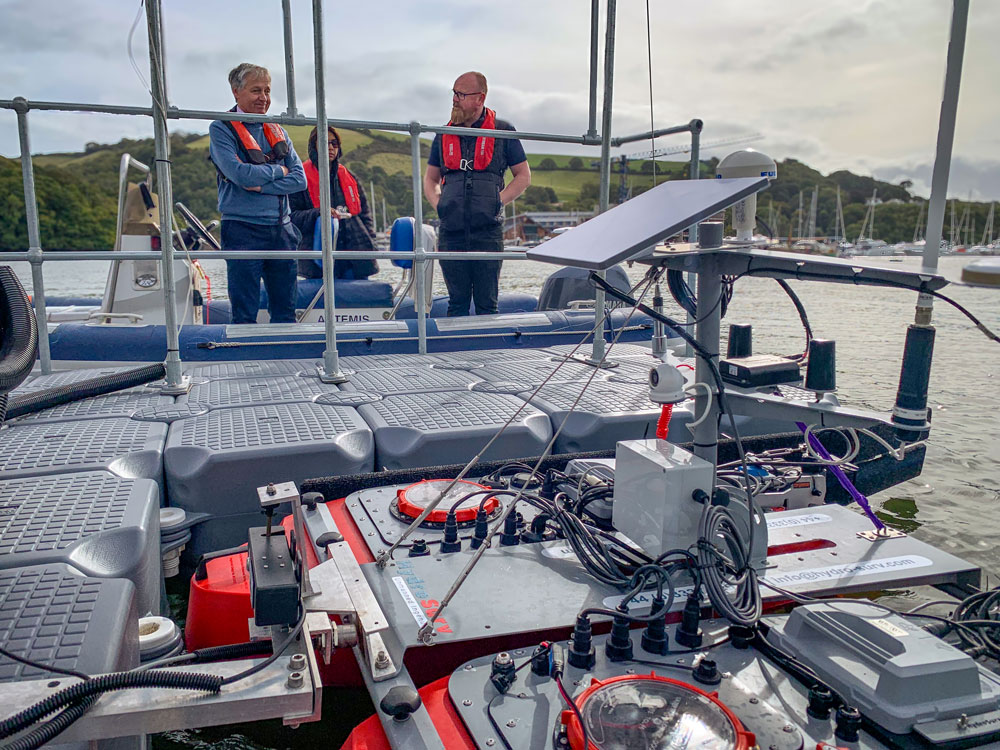
The prototype docking station, deployed on the River Dart in September, enables docking and recharging of South Devon College's 'USV Dart' without manual intervention
The UK-based ROC + DOCK project has brought together remote-controlled operations, a dual-function simulator and a ‘hands-off’ docking station, to encourage force multiplication of uncrewed vessels in ports and harbours
Hybrid CSOV 'Windea Clausius' joins Bernhard Schulte Offshore fleet
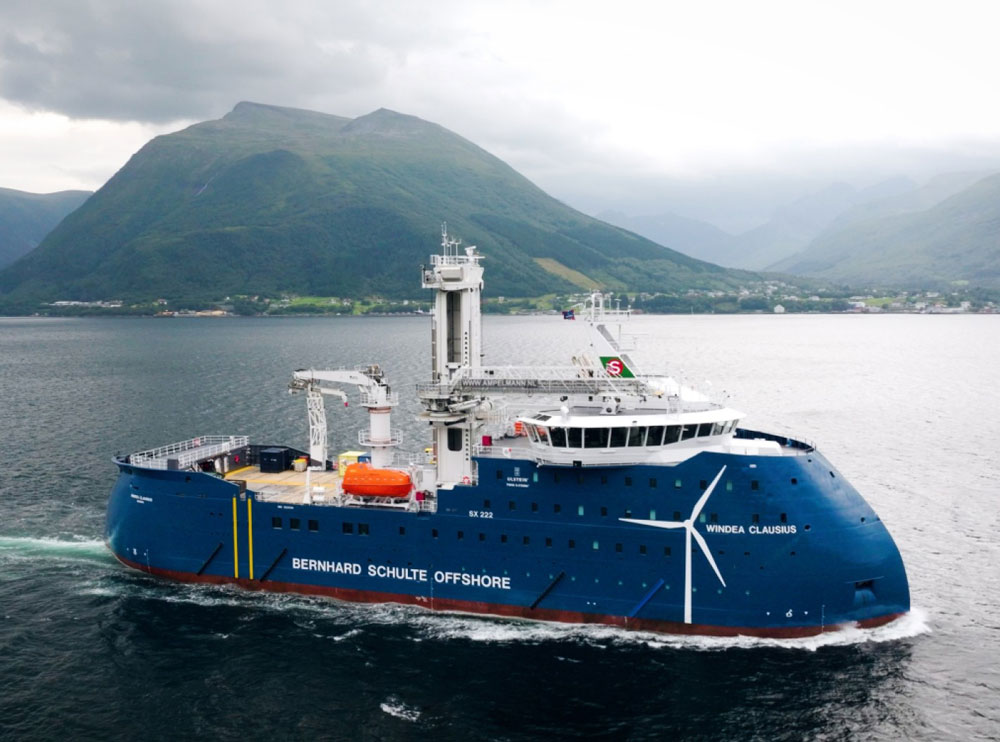
The 89.6m 'Windea Clausius' was "built to operate in strong currents and is less limited by weather conditions", Ulstein says
The latest addition to Bernhard Schulte Offshore’s CSOV fleet, Windea Clausius, combines a methanol-ready hybrid propulsion plant with Ulstein’s Twin X-STERN design for energy efficiency and ease of operations
Wind power for patrol boats? Ask the New Generation
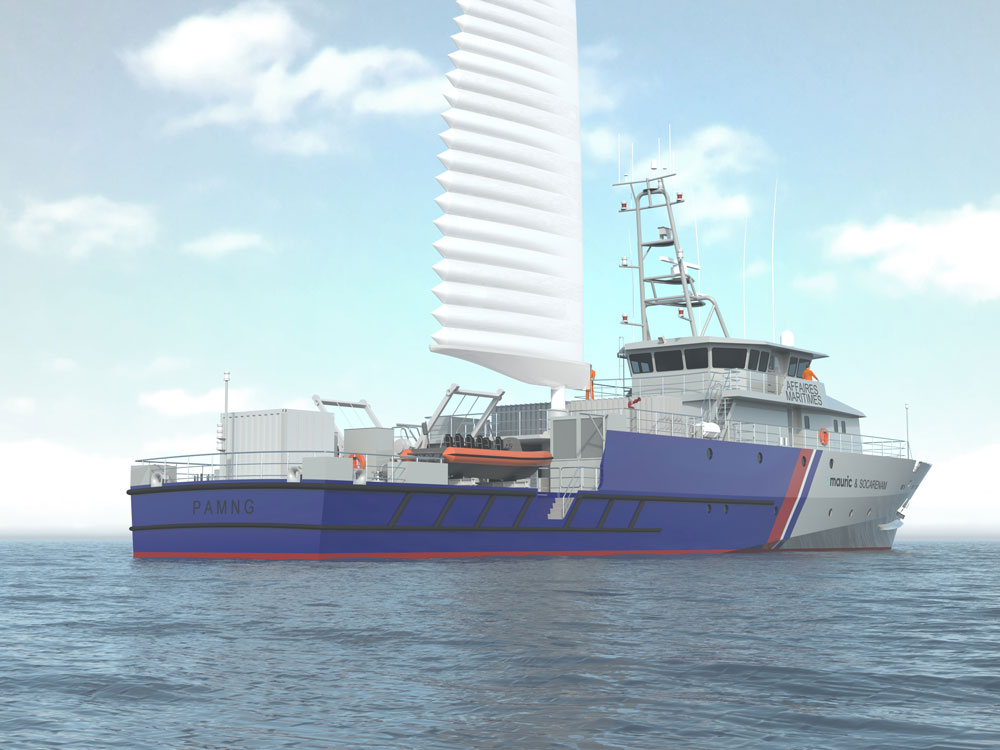
The PAMNG is a 53.7m-long boat powered by a diesel-electric hybrid system and a Wisamo wingsail
We've seen wingsails applied to bulkers and tankers - but aboard a smaller patrol boat? The latest design from MAURIC, set for launch in 2027, could open up an entirely new market for wind-assisted propulsion systems
Marine AI looks to give uncrewed vessels a voice
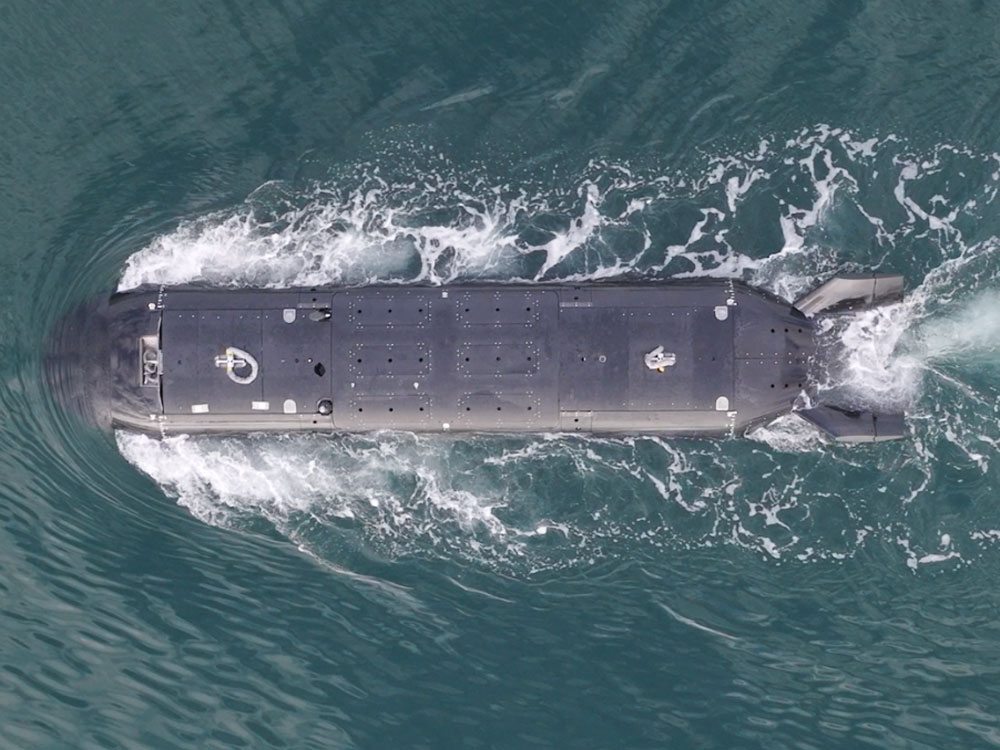
Marine AI will deploy an Oceanus12 USV in its large language model testing programme.
The autonomy software developer Marine AI has launched a project in the hope of granting uncrewed vessels the ability to “communicate naturally” with other ships, in the manner of a human operator. The project has received the backing of the Defence and Security Accelerator (DASA), a branch of the UK Ministry of Defence (MoD) created to fund the development of innovate tech solutions for the British Armed Forces.
IMPACT OF PROPULSION IMPROVING DEVICES ON CII: CURRENT CHALLENGES
CII
Propulsion-improving devices are emerging as a practical route to extending vessel CII compliance and reducing fuel consumption. Proven technologies such as ducts, pre-swirl fins and rudder enhancements can deliver measurable efficiency gains, but real-world performance depends on data quality, weather, hull condition and operational practices, highlighting the importance of effective implementation.
AT THE DISCOVERY OF CII BEHEAVIOUR
CII
Carbon Intensity Indicator performance can vary dramatically between vessels, exposing weaknesses in how operational efficiency is measured. This analysis highlights the influence of ship size, voyage profile, biofuel adoption and real-time monitoring, while revealing formula anomalies that may reward inefficiency and pointing toward more robust, future-ready emissions metrics.
THE REVIEW OF THE CARBON INTENSITY INDICATOR (CII) AND POSSIBLE SYSTEM IMPROVEMENTS.
CII
The Carbon Intensity Indicator review has become critical as industry data reveals anomalies that could undermine efficient shipping. Through collaborative evidence gathering and proposed reforms, stakeholders are working toward a fairer rating framework. The outcome may influence vessel viability, modal choice and the pace of maritime decarbonisation efforts globally ahead.
Newsletters
Stay connected with the global maritime community through RINA’s newsletters.
Whether you are a member or not, you can receive updates from The Naval Architect, alongside selected RINA news, events and industry insights. Members also gain access to a wider portfolio of exclusive newsletters on key topics in the maritime industry.
- The Naval Architect (currently available to all members & non-members)
- Power & Sustainability (members-only)
- Ship Repair & Maintenance (members-only)
- Warship Technology (members-only)
- Ferries & Fast Craft (members-only)
- Offshore Technology (members-only)
