

Offshore Technology
Offshore Technology explores the systems, engineering practices, innovations and challenges, driving offshore operations across energy and marine sectors. Topics you can expect include subsea engineering, floating production systems, offshore wind technologies, digital monitoring and control systems, and asset integrity management.
Delve into analysis, and insights on emerging technologies improving safety, efficiency, and performance in increasingly harsher offshore environments in the journey to cleaner sustainable energy sources.
BUSINESS ECOSYSTEMS IN AUTONOMOUS SHIPPING: A REVIEW-BASED ACTOR MAPPING
Autonomous Ships
Autonomous shipping will succeed or fail as part of a broader business ecosystem, not as a standalone technology. Emerging research maps shifting relationships among industry stakeholders, revealing new roles, disappearing functions and alignment challenges. The findings underscore why ecosystem coordination is critical to unlocking the transformative potential of autonomous vessels.
CLASSIFICATION AND DEFINITIONS OF UNCREWED MARITIME SYSTEMS
Autonomous Ships
As uncrewed maritime systems proliferate, growing gaps between technology and policy are creating urgent legal and operational challenges. Examining vessel definitions, classification frameworks and international precedents, this analysis clarifies how uncrewed systems may be treated under maritime law, highlighting implications for regulation, sovereignty, security and future deployment across contested waters.
ENVIRONMENTAL POTENTIAL OF REMOTE CONTROL TECHNOLOGIES: USE CASE REMOTE PILOTAGE
Autonomous Ships
Remote pilotage offers a practical pathway to realise the benefits of maritime remote-control technologies before full autonomous regulation is established. By combining MASS-enabled capabilities with AIS-based operational analysis, this research quantifies potential fuel and emissions savings, while exploring the operational conditions needed to safely transform pilotage services and maritime efficiency.
CONCEPT DESIGN ON A LARGE UNMANNED SURFACE VEHICLE (LUSV)
Autonomous Ships
Large Uncrewed Surface Vessels are redefining naval platform design by replacing onboard crews with advanced autonomy, remote control and intelligent system management. This concept explores safety-driven architectures, redundant systems and automated operations, revealing how future patrol-class vessels could deliver comparable capability, resilience and performance while reducing personnel requirements and operational constraints.
MUM - AN EXTRA LARGE UNMANNED UNDERWATER VEHICLE (XLUUV)
Autonomous Ships
The MUM project is advancing a new generation of highly modular extra-large uncrewed underwater vehicles, designed to adapt rapidly to diverse mission requirements. By combining autonomous surface and underwater navigation, risk-informed engineering and early regulatory engagement, the programme is addressing key design challenges while establishing foundations for future validation and operational deployment
AUTONOMOUS SWATH VESSELS FOR WIND FARM INSPECTIONS: A COMPARATIVE STUDY ON OPERATIONAL EFFICIENCY
Autonomous Ships
Autonomous SWATH vessels could transform offshore wind farm support operations by combining hybrid fuel cell-battery propulsion with highly stable hull designs. Through numerical simulation and real-world operating scenarios, the research demonstrates superior availability and ROV deployment performance in harsh sea conditions, highlighting a promising solution for safer, more efficient and sustainable offshore maintenance.
Fuel cell technology powering up at speed
Power & Sustainability (Newsletter)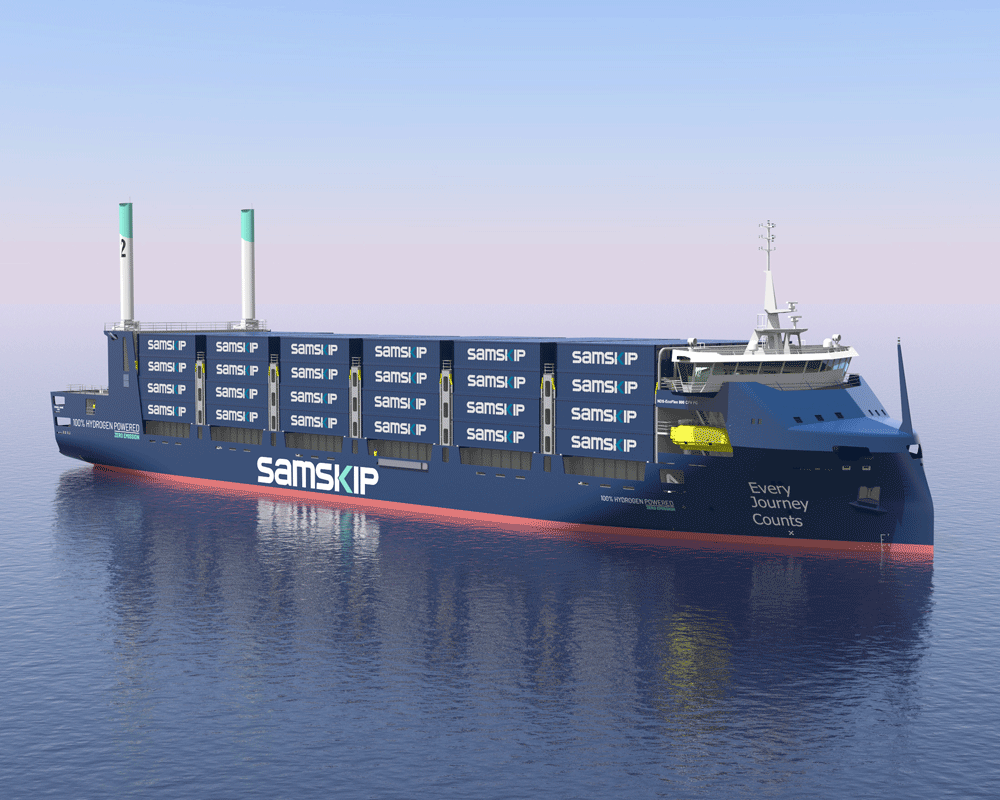
Samskip's fuel cell-powered shuttle will operate between Rotterdam and Oslo (image: Courtesy of Samskip).
Delivering maritime fuel cells that can drive deepsea shipping is not only within reach but is inevitable according to some.
Oceanbird sets sail to zero-emission target
Power & Sustainability (Newsletter)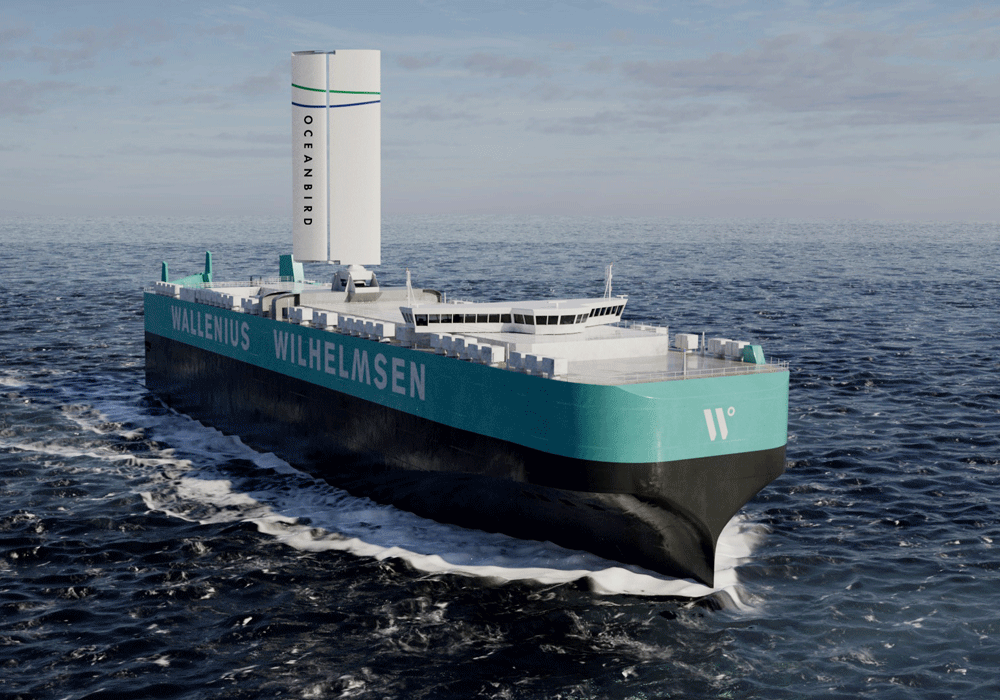
Tirranna's Oceanbird Wing560 was installed in June (image: Wallenius Marine).
Maritime wings are taking off! The latest design from Alfa Laval and Wallenius Marine is promising to make wind the primary source of vessel power.
Solar added to roro energy mix
Power & Sustainability (Newsletter)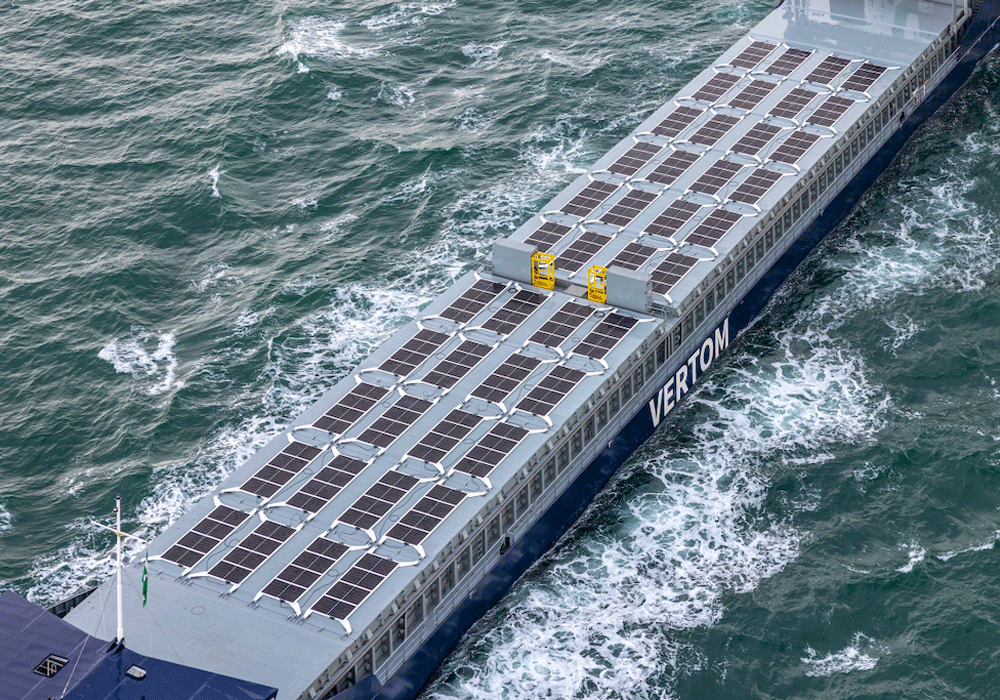
Wattlab's first full-scale installation on a seagoing vessel, the Vertom Tula (image: Wattlab)
Solar power has finally found its way onto ships. Slow uptake of solar energy is seen as surprising. Coastal shipping is showing that solar can improve efficiencies.
EXPLORING THE FEASIBILITY OF AUTONOMOUS FERRIES FOR URBAN MOBILITY
Autonomous Ships
Autonomous passenger ferries could reshape urban mobility by reducing congestion and supporting more sustainable transport networks. Evaluating a proposed uncrewed ferry service in Denmark, this study examines legal, technical and commercial viability, revealing that while regulation and technology show promise, economic sustainability remains a significant challenge for large-scale deployment.
IMPLEMENTING A NEW PLATFORM INTO THE U.S. NAVY: A SYSTEMS VIEW
Autonomous Ships
Facing growing fleet-capacity challenges, the U.S. Navy is exploring a bimodal force structure that combines smaller warships with autonomous capabilities. The Lightly Manned Automated Combat Corvette offers a compelling concept, but success depends on integrating technology, doctrine and long service-life considerations across a complex system-of-systems architecture for future maritime operations.
START WITH THE WHY - THE VALUE OF MARS COMPETENCE CENTRE
Autonomous Ships
Regulating maritime autonomy demands governance that can keep pace with technological change. Examining emerging frameworks for Maritime Autonomous Surface Ships, this paper highlights the need for collaboration between industry and regulators. The proposed MARS Centre offers a novel model to bridge expertise gaps, support adaptive regulation and enable innovation safely.
Newsletters
Stay connected with the global maritime community through RINA’s newsletters.
Whether you are a member or not, you can receive updates from The Naval Architect, alongside selected RINA news, events and industry insights. Members also gain access to a wider portfolio of exclusive newsletters on key topics in the maritime industry.
- The Naval Architect (currently available to all members & non-members)
- Power & Sustainability (members-only)
- Ship Repair & Maintenance (members-only)
- Warship Technology (members-only)
- Ferries & Fast Craft (members-only)
- Offshore Technology (members-only)
