

Offshore Technology
Offshore Technology explores the systems, engineering practices, innovations and challenges, driving offshore operations across energy and marine sectors. Topics you can expect include subsea engineering, floating production systems, offshore wind technologies, digital monitoring and control systems, and asset integrity management.
Delve into analysis, and insights on emerging technologies improving safety, efficiency, and performance in increasingly harsher offshore environments in the journey to cleaner sustainable energy sources.
Division spotlight: Australian division in action
The Naval Architect
Sydney Technical College, where it all began (image: Alamy/Phillip Bond)
How this RINA division has been providing members with support, information and expertise since 1947.
Careers: My path to success
The Naval Architect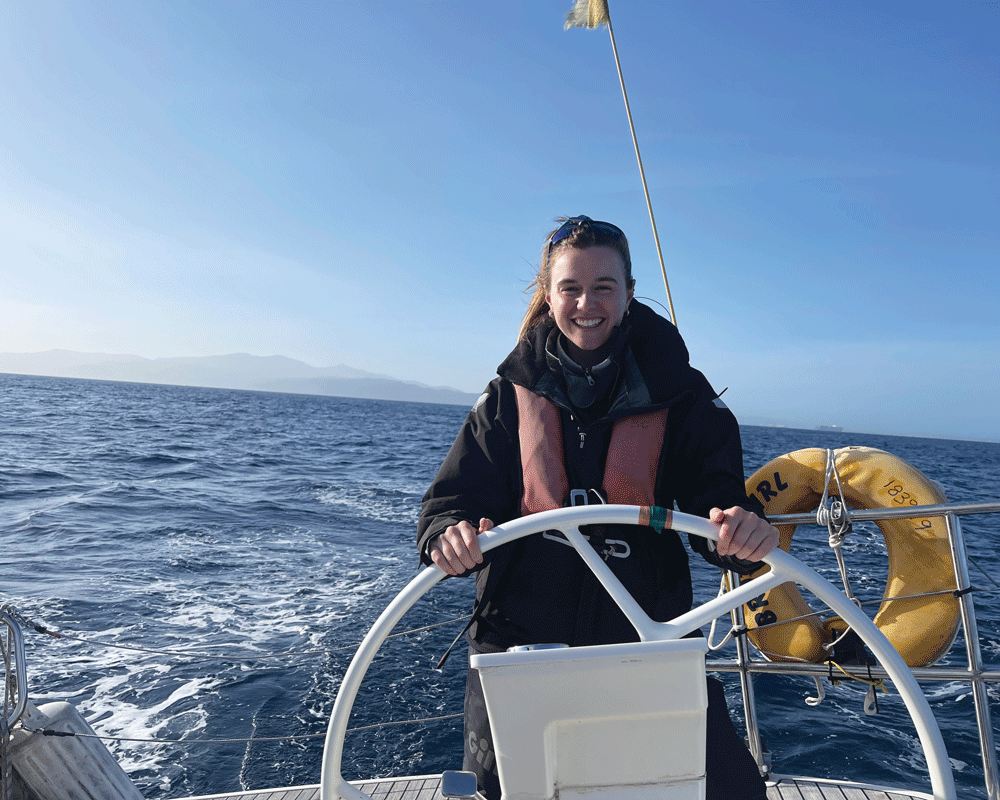
Prune Bouillot: "Sailing has taught me to respect and protect the water"
Prune Bouillot, a naval architect at Houlder, works on ship design and maritime decarbonisation. She holds a BASc in Engineering and Social Sciences and an MSc in Naval Architecture from UCL. She chaired SMIFutures in 2024 and volunteers with ocean conservation charity Wings of the Ocean.
How it's changed
The Naval Architect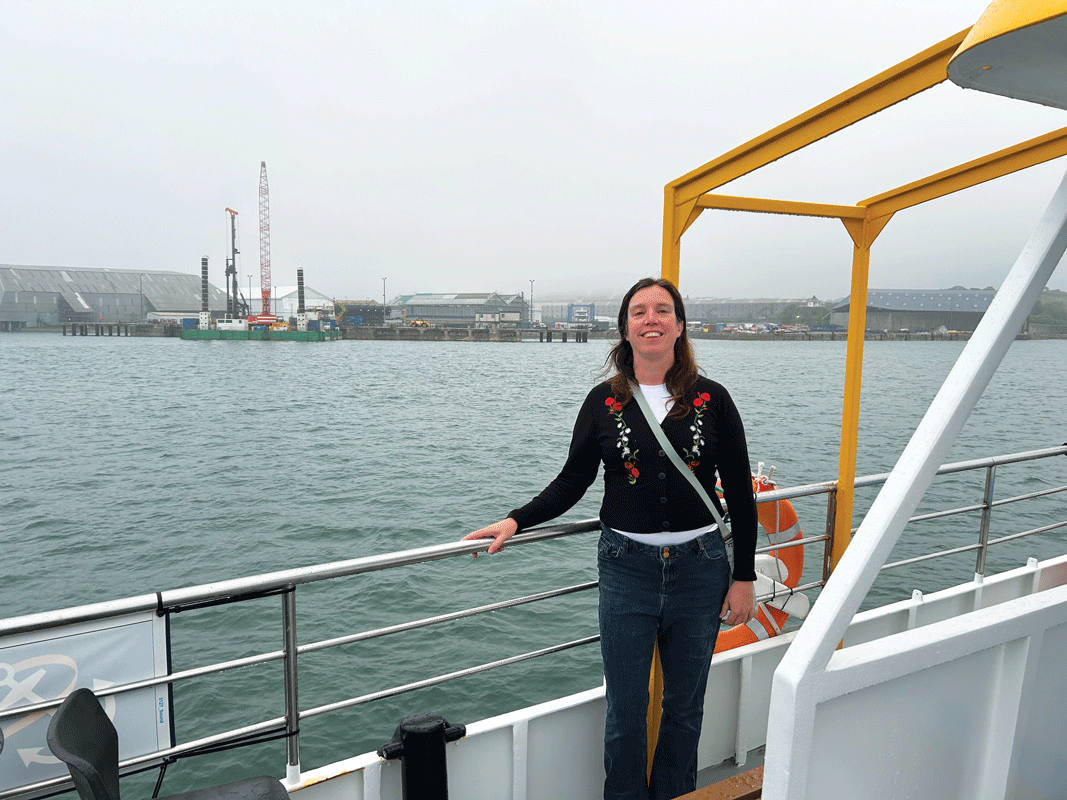
Catherine Ingram, head of naval architecture at Navantia UK (image: Catherine Ingram)
Catherine Ingram, head of naval architecture at Navantia UK, reflects on her career journey.
Branch spotlight: Building on relationships
The Naval Architect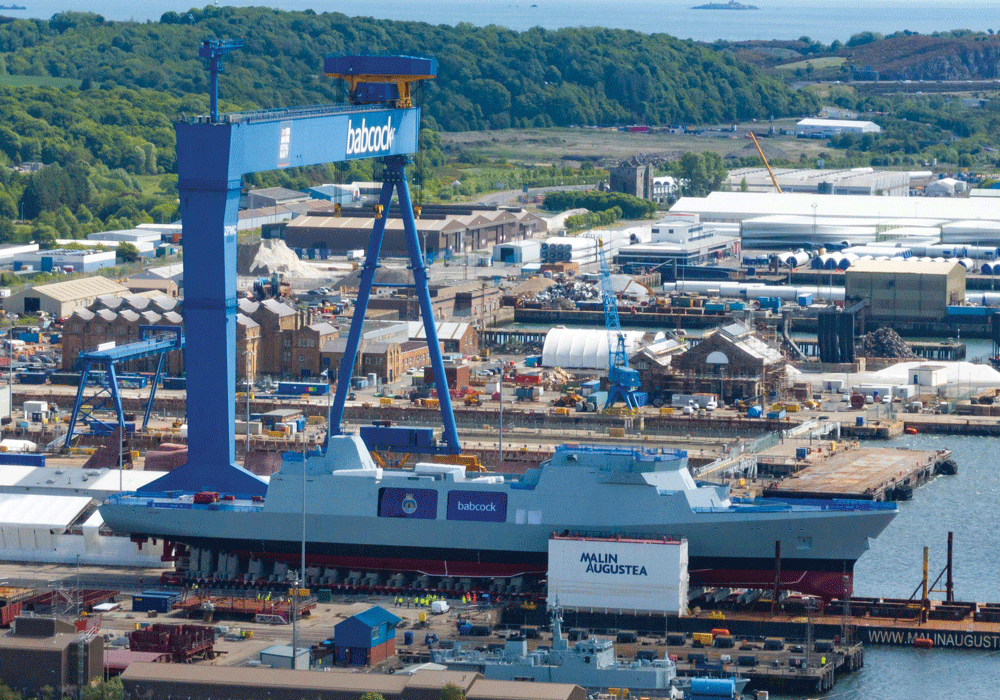
HMS Venturer at Rosyth, where Babcock hosts an annual STEM event (image: Alamy)
A quarter-century of partnerships and professional development at the Scottish Branch.
The Big Questions: Arun Dev
The Naval Architect
A career in industry and academia has taught the Newcastle University in Singapore-based professor to be patient, humble and never stop learning.
Shallow reckoning - Copy
The Naval Architect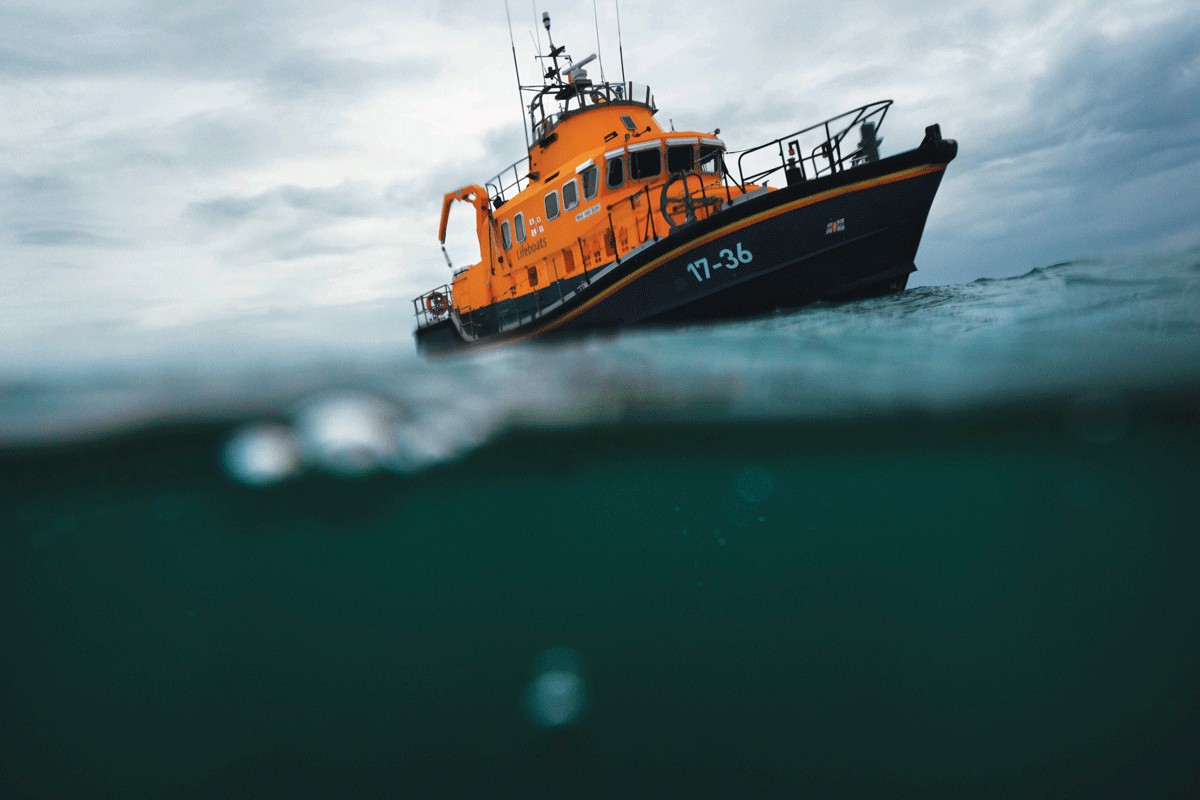
The RNLI has saved almost 150,000 lives since it was founded in 1824 (image: RNLI).
Amy McLellan examines how the RNLI, now entering its third century, is reconfiguring its fleet and redesigning its inshore rescue capability to reflect changes in how we use the sea.
The unmanned edge - Copy
The Naval Architect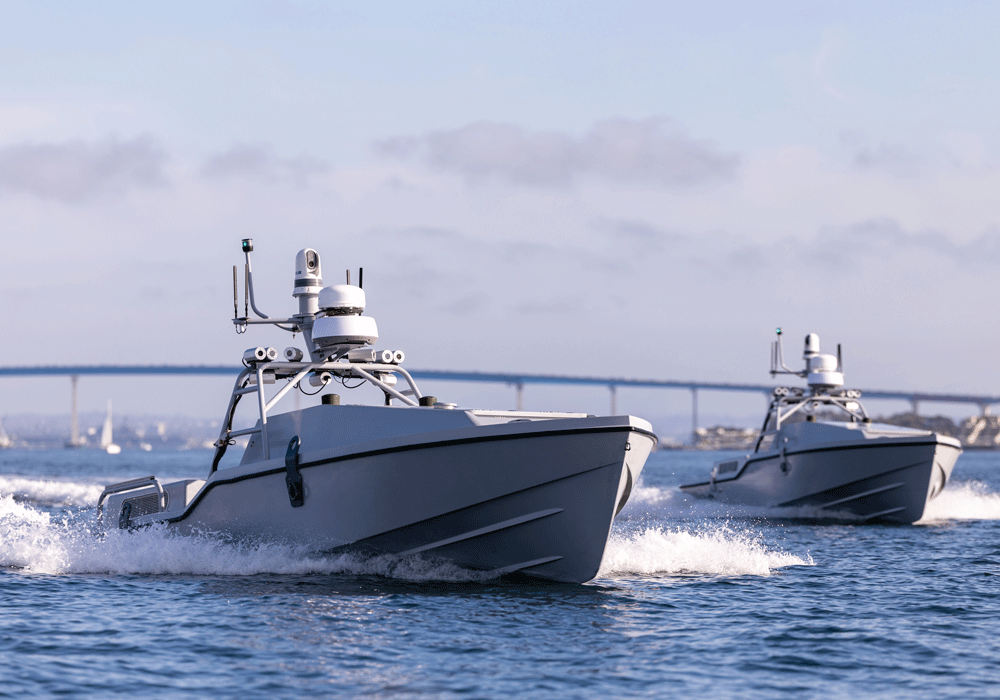
The future of maritime patrol missions lies in smart and scalable autonomous fleets, with naval architects key to driving their performance, explains Martin Conway.
Blackout in Cook Strait - Copy
The Naval Architect
Kaitaki in the Marlborough Sounds on a regular Cook Strait crossing (image: Kiwirail Limited)
A rubber expansion joint, years overdue for replacement, triggered a complete blackout on the Interislander ro-pax ferry Kaitaki off Wellington Harbour in January 2023. Iain MacIntyre reports on the investigation, the prosecution and the questions that remain.
Bibby takes the fossil out of fuel
Offshore Technology (Newsletter)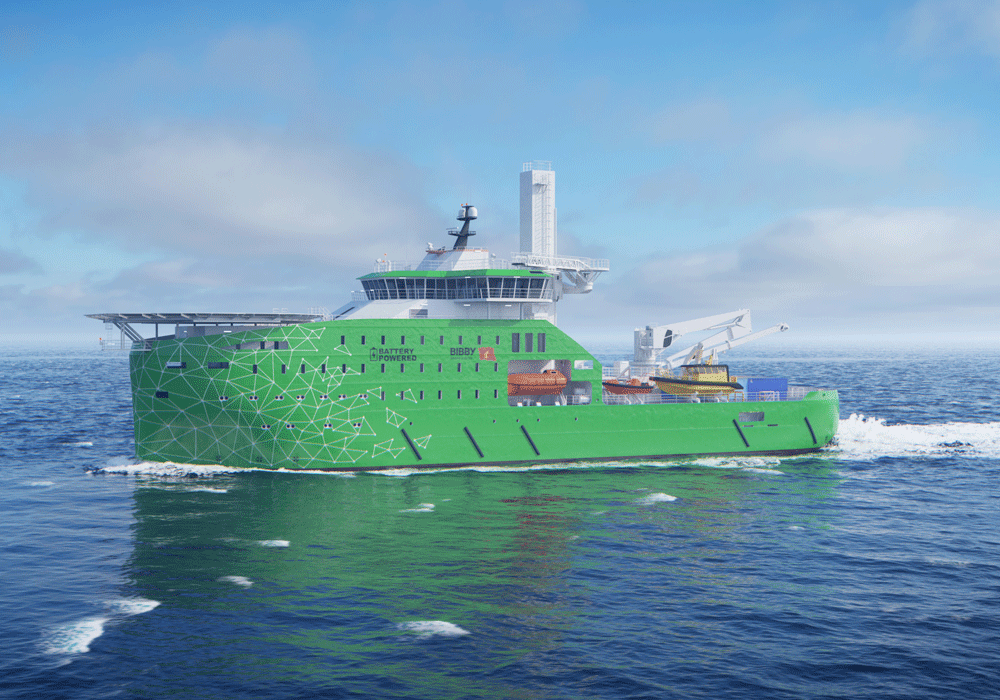
Battery powered Bibby Marine ship (image: Bibby Marine)
Fully electric, eCSOV’s are being designed in Spain for Bibby Marine. Battery power, with enough energy to power a CSOV for 24hours, will increase efficiency and cut costs according to the company. New and more thermally stable batteries will aid the transition.
Offshore ships going atomic
Offshore Technology (Newsletter)
Knutsen to retrofit tanker with nuclear tech (image: Knutsen)
Power generation and offshore support vessels are both in the frame to benefit from fourth-generation small modular nuclear reactors. Ulsteinvik and Island Offshore explore the possibilities.
Energy outreach, offshore's design hurdles
Offshore Technology (Newsletter)
Support vessel for a rigless unit over the offshore production platform (image: Shutterstock)
Deeper, more exposed and less accessible fossil fuel reserves require more sophisticated offshore support vessel designs. With floating LNG increasingly in demand to help access and process fuels.
Living with 10-year-olds
Ship Repair and Maintenance (Newsletter)
China Shipping Lines (image: Shutterstock)
Vessel owners of 10-year-old ships are going through a mid-life crisis. To retrofit or not to retrofit, that is the question? Can investments in energy savings be recovered in these not old, but not new ships.
Newsletters
Stay connected with the global maritime community through RINA’s newsletters.
Whether you are a member or not, you can receive updates from The Naval Architect, alongside selected RINA news, events and industry insights. Members also gain access to a wider portfolio of exclusive newsletters on key topics in the maritime industry.
- The Naval Architect (currently available to all members & non-members)
- Power & Sustainability (members-only)
- Ship Repair & Maintenance (members-only)
- Warship Technology (members-only)
- Ferries & Fast Craft (members-only)
- Offshore Technology (members-only)
