You can't just add autonomy
James Gladman on staying in control and why HAT is key.
Take 10 seconds to nominate a colleague, mentee or friend for our Forbes-style list. Must be under the age of 40 in 2026. Open to all maritime professions associated with naval architecture. See eligibility criteria. [hyperlinked].
Renowned for the technical excellence of our events, publications and learning, we offer career pathways for naval architects and 16 associated professions [hyperlink to 16 professions].
We cover everything from super yachts and green propulsion to warship resilience. Network 1-2-1 with top talent at our events or influence the maritime industry by joining one of our comittees.
We promote the interdisciplinary conversation at the heart of maritime innovation. Speak at our events, publish in our journals or simply join the discussion forums on our website.
?? HOW?? FILL IN EMAIL HERE AND SIGN UP WITH 1 CLICK
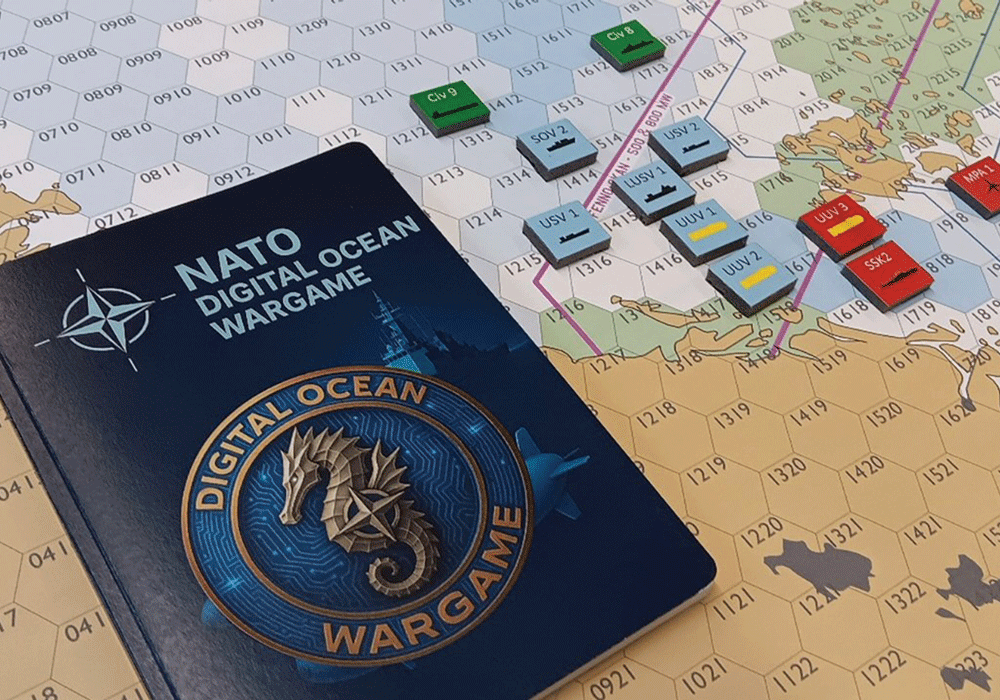
RINA’s Warship 2026: Submarines conference, on 24-25 June 2026, University of Bath. How a wargame series is being used to help combat hostile underwater activity.
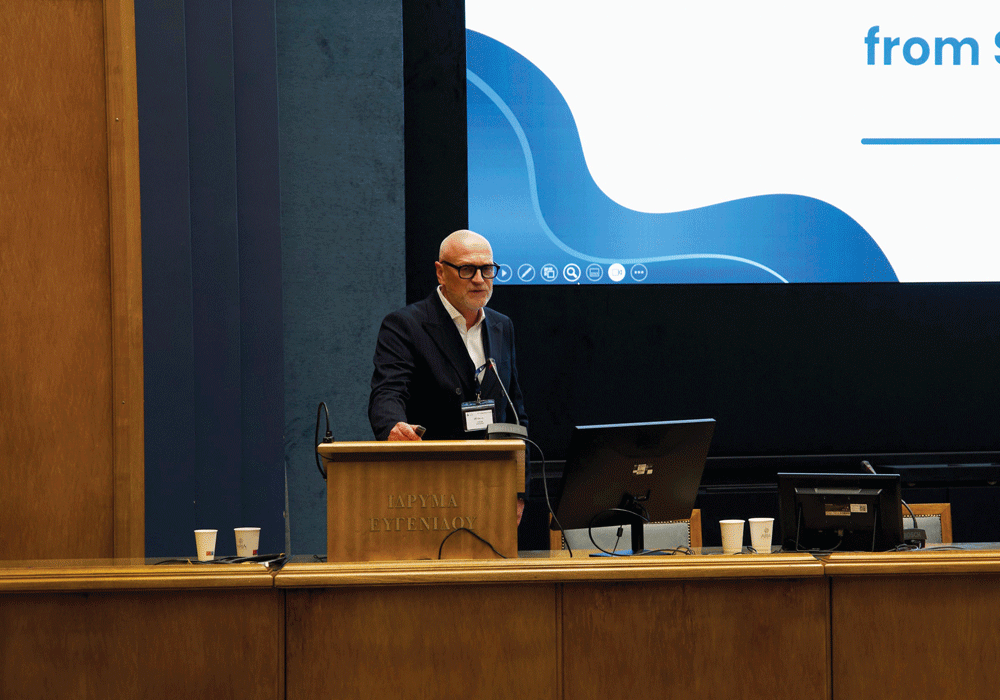
A summary of Ulf Hansen’s presentation at the 2026 RINA Ship Energy Efficiency Conference.
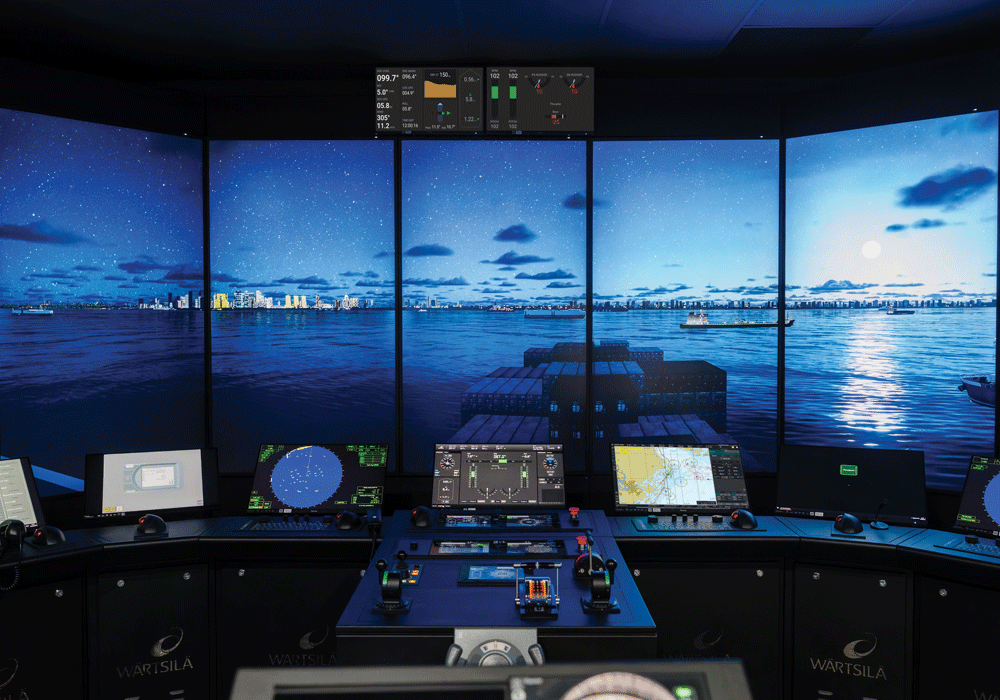
Wärtsilä, the Helsinki-based technology group, has released NTPRO 7, the latest iteration of its navigational training simulation platform.
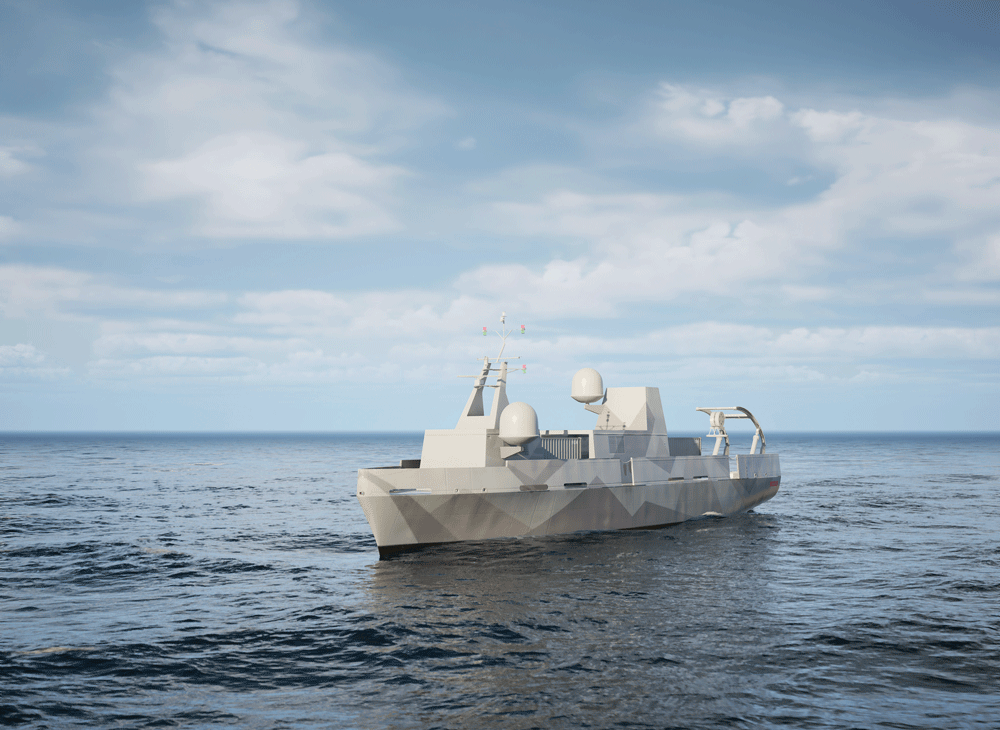
Chloe Yarrien and Jake Rigby take us behind the scenes of BMT’s MODUS family of modular uncrewed surface vessels.
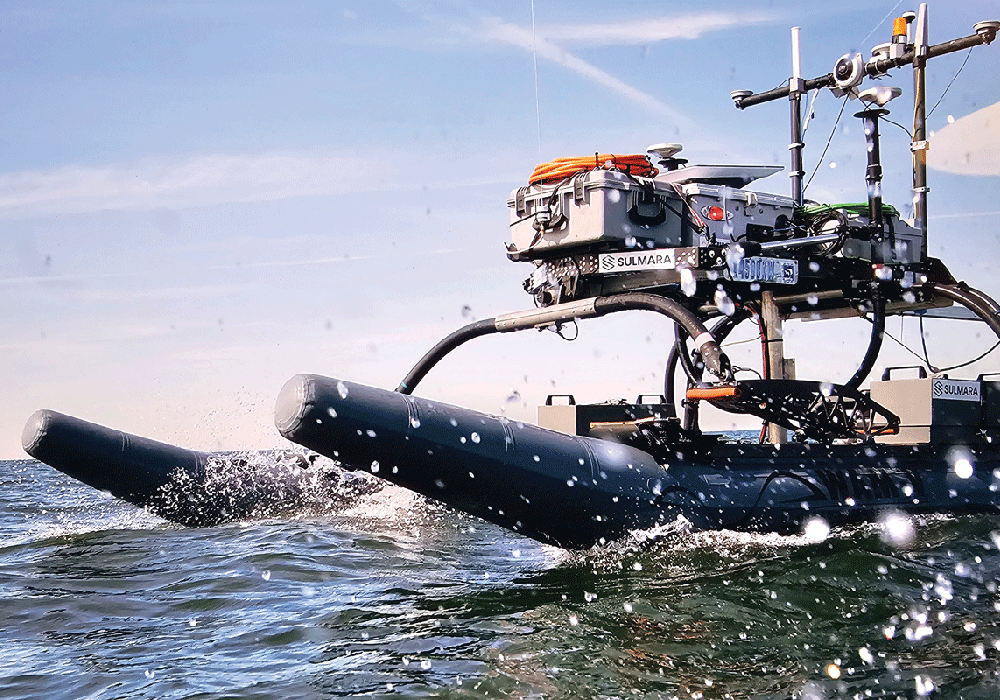
Autonomy and technology are reshaping offshore surveys in hard-to-reach places, says Anne-Marie Causer.
We hear from an engineering consultancy about its mentorship needs – and what it can offer in return.
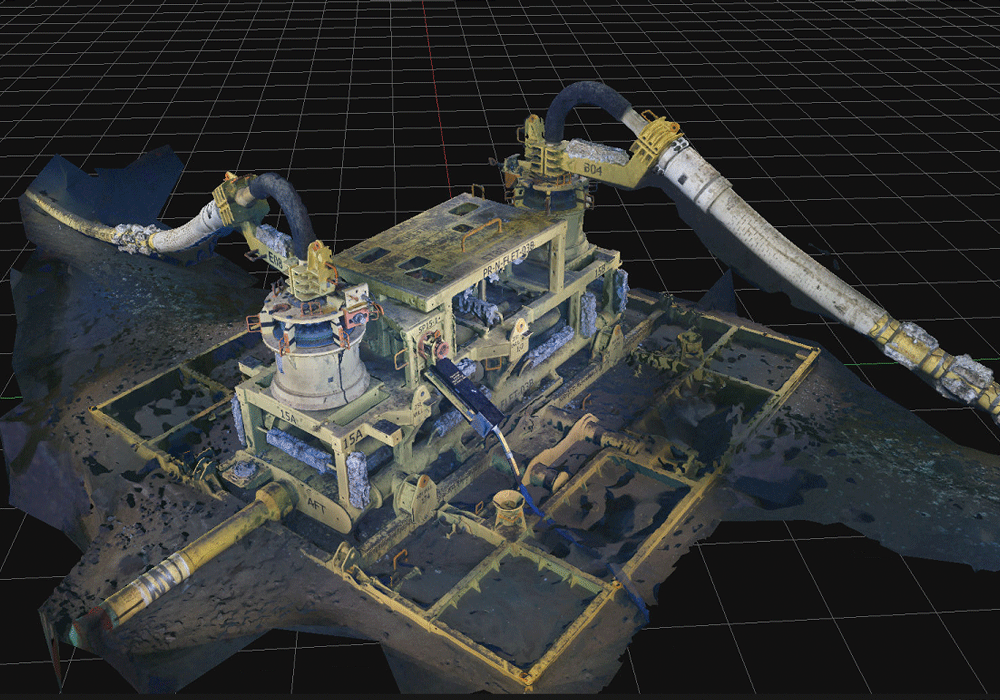
DeepOcean innovation set to reduce costs and time spent on subsea inspection programmes.
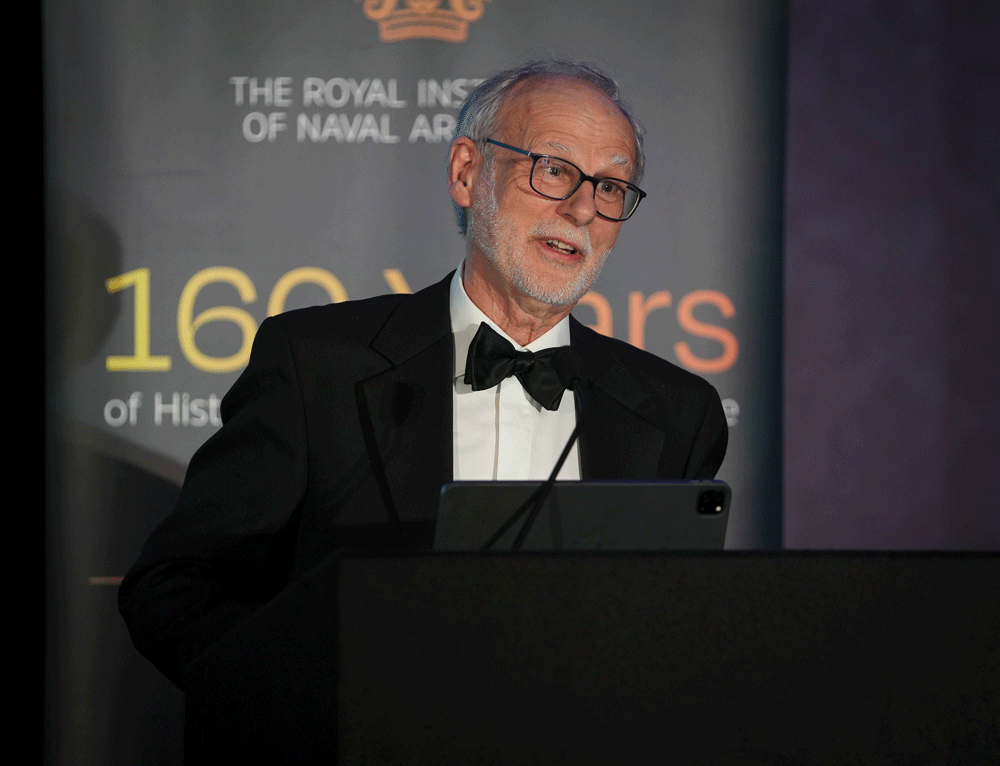
The distinguished naval architect on skills, talent and a life in design.
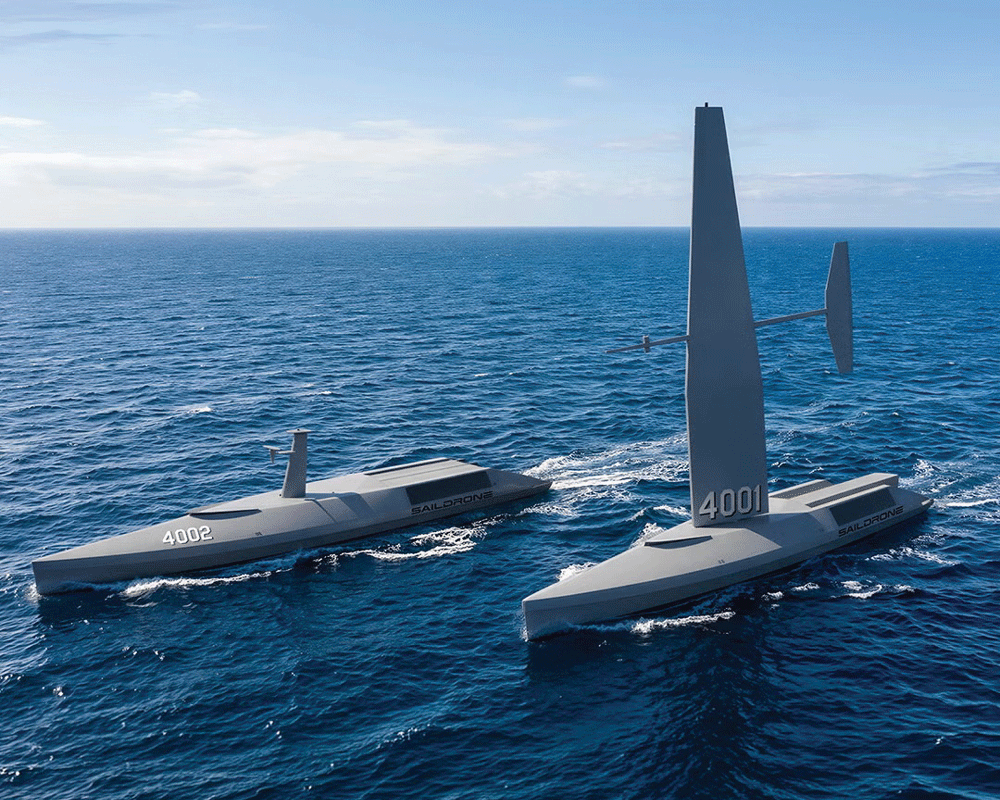
Shipbuilder branches out with collaboration on Spectre; Chartwell and Japanese shipbuilders sign wind deal; and historic tug to become a yacht. TNA Insights.
From flagship international conferences to specialist technical seminars, RINA events bring together experts, innovators, and professionals to share knowledge and shape the future of naval architecture.
Explore Upcoming Events
Lorem ipsum dolor sit amet, consectetur adipiscing elit, sed do eiusmod tempor incididunt ut labore et dolore magna aliqua.
CLICK HERE
Lorem ipsum dolor sit amet, consectetur adipiscing elit, sed do eiusmod tempor incididunt ut labore et dolore magna aliqua.
CLICK HERE







Lorem ipsum dolor sit amet, consectetur adipiscing elit, sed do eiusmod tempor incididunt ut labore et dolore magna aliqua. Ut enim ad minim veniam, quis nostrud exercitation ullamco laboris nisi ut aliquip ex ea commodo consequat. Duis aute irure dolor in reprehenderit in voluptate velit esse cillum dolore eu fugiat nulla pariatur. Excepteur sint occaecat cupidatat non proident, sunt in culpa qui officia deserunt mollit anim id est laborum.

Lorem ipsum dolor sit amet, consectetur adipiscing elit, sed do eiusmod tempor incididunt ut labore et dolore magna aliqua. Ut enim ad minim veniam, quis nostrud exercitation ullamco laboris nisi ut aliquip ex ea commodo consequat. Duis aute irure dolor in reprehenderit in voluptate velit esse cillum dolore eu fugiat nulla pariatur. Excepteur sint occaecat cupidatat non proident, sunt in culpa qui officia deserunt mollit anim id est laborum.
Lorem ipsum dolor sit amet, consectetur adipiscing elit, sed do eiusmod tempor incididunt ut labore et dolore magna aliqua. Ut enim ad minim veniam, quis nostrud exercitation ullamco laboris nisi ut aliquip ex ea commodo consequat. Duis aute irure dolor in reprehenderit in voluptate velit esse cillum dolore eu fugiat nulla pariatur. Excepteur sint occaecat cupidatat non proident, sunt in culpa qui officia deserunt mollit anim id est laborum.
Lorem ipsum dolor sit amet, consectetur adipiscing elit, sed do eiusmod tempor incididunt ut labore et dolore magna aliqua. Ut enim ad minim veniam, quis nostrud exercitation ullamco laboris nisi ut aliquip ex ea commodo consequat. Duis aute irure dolor in reprehenderit in voluptate velit esse cillum dolore eu fugiat nulla pariatur. Excepteur sint occaecat cupidatat non proident, sunt in culpa qui officia deserunt mollit anim id est laborum.
Lorem ipsum dolor sit amet, consectetur adipiscing elit, sed do eiusmod tempor incididunt ut labore et dolore magna aliqua. Ut enim ad minim veniam, quis nostrud exercitation ullamco laboris nisi ut aliquip ex ea commodo consequat. Duis aute irure dolor in reprehenderit in voluptate velit esse cillum dolore eu fugiat nulla pariatur. Excepteur sint occaecat cupidatat non proident, sunt in culpa qui officia deserunt mollit anim id est laborum.
Lorem ipsum dolor sit amet, consectetur adipiscing elit, sed do eiusmod tempor incididunt ut labore et dolore magna aliqua. Ut enim ad minim veniam, quis nostrud exercitation ullamco laboris nisi ut aliquip ex ea commodo consequat. Duis aute irure dolor in reprehenderit in voluptate velit esse cillum dolore eu fugiat nulla pariatur. Excepteur sint occaecat cupidatat non proident, sunt in culpa qui officia deserunt mollit anim id est laborum.
Lorem ipsum dolor sit amet, consectetur adipiscing elit, sed do eiusmod tempor incididunt ut labore et dolore magna aliqua. Ut enim ad minim veniam, quis nostrud exercitation ullamco laboris nisi ut aliquip ex ea commodo consequat. Duis aute irure dolor in reprehenderit in voluptate velit esse cillum dolore eu fugiat nulla pariatur. Excepteur sint occaecat cupidatat non proident, sunt in culpa qui officia deserunt mollit anim id est laborum.
text one
Lorem ipsum dolor sit amet, consectetur adipiscing elit, sed do eiusmod tempor incididunt ut labore et dolore magna aliqua. Ut enim ad minim veniam, quis nostrud exercitation ullamco laboris nisi ut aliquip ex ea commodo consequat. Duis aute irure dolor in reprehenderit in voluptate velit esse cillum dolore eu fugiat nulla pariatur. Excepteur sint occaecat cupidatat non proident, sunt in culpa qui officia deserunt mollit anim id est laborum.
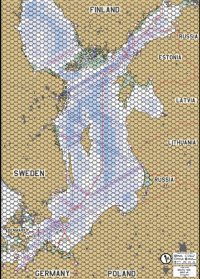
NATO established the Baltic Sentry mission in 2025 to address the vulnerability of critical undersea infrastructure in the Baltic Sea. The region contains a dense network of power interconnectors, fibre-optic cables, and seabed installations that have been repeatedly affected by ambiguous or hostile activity.
The accession of Finland and Sweden to NATO transformed the Baltic into an almost entirely Alliance-controlled maritime space, creating both the political impetus and operational requirement for a coordinated, persistent security posture.
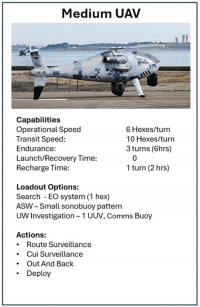
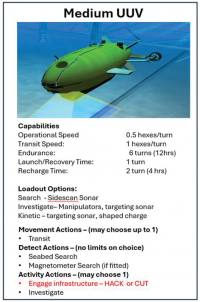
Task Force X (TFX) provides the principal mechanism for integrating maritime uncrewed systems into Baltic Sentry. Its mandate is to deliver scalable USVs, UUVs, and UASs that can augment or substitute for traditional platforms, particularly in the demanding acoustic and environmental conditions of the Baltic. Crewed patrol vessels and maritime patrol aircraft cannot sustain the level of persistence required to monitor multiple infrastructure corridors; TFX assets, by contrast, offer endurance, sensing diversity, and the ability to saturate key areas. Early contributions such as small UAVs, medium UUVs, and basic USVs, provided incremental improvements, while later additions such as interceptor USVs, sail-powered USVs, and containerised towed arrays significantly expanded Blue’s ability to inspect vessels and monitor infrastructure.
 |
|
|---|
The NATO Digital Ocean programme provides the architectural framework for integrating these systems. It aims to create a “persistent, multidomain sensing and data fusion architecture” by combining seabed sensors, autonomous platforms, satellite ISR, and commercial data sources. A major focus is underwater communications, long recognised as a limiting factor in submerged operations. Prototype underwater mesh networks, acoustic modems, and hybrid optical acoustic links were explored during the wargame series, representing early steps towards a distributed, data-centric maritime surveillance model.
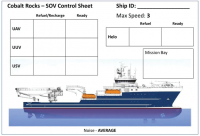
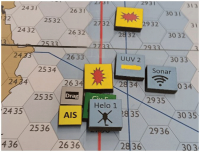
The wargames were conducted using UCL’s Cobalt Rocks ruleset, adapted to model physics-based detection, communications latency, bandwidth constraints and probabilistic classification. Three scenarios were constructed: a 2025 baseline, an initial TFX-enhanced posture, and a future Digital Ocean architecture incorporating an ASW glider barrier. A double blind adjudication model ensured realistic uncertainty, with Blue and Red operating from separate rooms and receiving only information their sensors could plausibly observe. Environmental conditions, endurance limits, and launch and recovery constraints were explicitly modelled, reinforcing operational realism.
Scenario 1 established the baseline. Blue possessed reasonable surface awareness but “almost no persistent subsurface sensing”, enabling Red to use a seabed operations vessel as a decoy while a grey zone merchant vessel severed a fibre-optic cable. The attack went undetected until after the fact, and attribution remained uncertain. The scenario highlighted the difficulty of distinguishing hostile intent from routine commercial activity in a congested maritime environment and showed the vulnerability of the current posture to deception and timing manipulation.
 |
 |
|---|
Scenario 2 introduced initial TFX enhancements. UAVs extended patrol vessel horizons, USVs increased surface domain presence, and medium UUVs provided limited subsurface coverage. Red abandoned at least one planned attack due to the perceived risk of inspection. However, underwater situational awareness remained intermittent, and a Red MUUV successfully exploited a gap in Blue’s patrol cycle. The absence of an underwater comms network meant that even successful detections would not have been reported in time to prevent an attack.
Scenario 3 tested a future architecture featuring a digital underwater mesh network, expanded TFX mass, and an ASW glider barrier. The mesh network enabled near real-time reporting and dynamic tasking of submerged assets. The glider barrier successfully detected a Red SSK, allowing Blue to mount a coordinated non-kinetic response. However, Red’s multivector attack, which combined MUUVs, an XLUUV decoy, and a grey zone merchant vessel, showed that even advanced architectures remain vulnerable to coverage gaps and information environment manipulation. The ‘Visby incident’, in which a merchant vessel severed all fibre-optic cables to the island, illustrated the interplay between physical, legal and informational domains.
Underwater situational awareness remained the dominant limitation across all scenarios, driven by the Baltic’s shallow depths, variable salinity and complex seabed topography. Platform mass and distribution significantly shaped adversary freedom of manoeuvre, but mass alone was insufficient without optimised tasking. Communications proved a critical enabler; the mesh network dramatically improved responsiveness but remained sensitive to node density and environmental conditions. Endurance constraints created predictable windows of vulnerability, repeatedly exploited by Red.
The wargame series demonstrates that future capability development must prioritise persistent seabed sensing, long endurance UUVs, resilient underwater communications, and integrated system of systems architectures. Incremental improvements to individual platforms will not deliver the situational awareness required to protect critical undersea infrastructure in the Baltic Sea.
|
The article above is an abridged version of a paper presented by Professor David Manley from University College London at RINA Warship 2026. |
Under water capabilityThe Warship 2026 conference brought together naval designers, engineers, defence professionals, academics and industry specialists to examine the technologies and strategies shaping future submarine capability.
The theme, accelerating underwater capability through collaboration, ran through a programme covering technology insertion, digitalisation and digital twins, autonomy and human-autonomy teaming, lean crewing, innovative power and propulsion systems, novel materials, survivability, stealth, and quantum technology.
Sessions were drawn from a range of organisations, including BMT, QinetiQ, Siemens Digital Industries Software, Expleo and MARIN, as well as universities such as Adelaide and University College London. The format combined keynote addresses, parallel technical streams, Q&A panels, and roundtable discussions, with a drinks reception and wargaming activity on the first evening. BMT was the event partner. |
|---|
This article appeared in Events, TNA May/June 2026.
Ulf Hansen, senior advisor maritime at Swedish company I-Tech AB, addressed the RINA Ship Energy Efficiency Conference in Athens in March 2026 with a data-driven challenge to the growing regulatory momentum towards biocide-free antifouling. His answer was unambiguous: yes, biocides remain essential, and prematurely restricting them risks making shipping’s environmental performance significantly worse, not better.
The scale of the problem
An estimated 200 million tonnes of greenhouse gas emissions annually are attributable to biofouling resistance, representing around 20% of total shipping emissions. A complete absence of effective antifouling protection could push that figure to 400 million tonnes. Even modest fouling carries severe consequences: coating roughness or light slime increases fuel consumption by up to 25%, heavy slime by 25-35%, and small barnacles or weed by 35-55%. By 2050, uncontrolled biofouling could be responsible for a 19% rise in total shipping CO₂ emissions. Hull fouling is also the single largest pathway for non-indigenous species entering European waters, accounting for 41% of the total. Approximately 95% of the global fleet relies on biocidal coatings, a proven, fleet-scale solution across more than 100,000 vessels worldwide.
In his presentation Hansen used drydock inspection data, compiled with Safinah Group, to challenge assumptions widely held in industry and regulatory circles.
 |
|---|
The first is that barnacle fouling primarily affects slow-steaming or low-activity vessels. The data show otherwise. Barnacle presence was recorded on 89.9% of product tanker hulls inspected, 88.4% of crude tankers, and 71.9% of containerships. Vessels reporting significant barnacle fouling across the global merchant fleet grew from 249 in 2020 to 685 in 2025, a near-tripling in five years. This data is based on 685 vessels’ in-dock data during physical inspection.
The key driver is trading pattern, not activity level: tankers and chemical carriers operating in warm, nutrient-rich waters with extended anchorage and frequent idle phases below 6knots are roughly twice as likely to suffer heavy fouling as high-activity vessels. As global sea temperatures rise, this pressure will intensify.
The second assumption is that barnacle fouling concentrates on vertical hull sides. Inspection data show the flat bottom is in fact more severely affected, with direct implications for hull cleaning strategies and coating specification.
The third is that fouling is primarily a consequence of coating failure. While polish-through correlates with increased barnacle levels, significant fouling is recorded even on hulls with no polish-through, confirming that operational exposure is an independent risk factor that coating selection alone cannot fully mitigate.
The available biocide toolbox is limited and shrinking, just when fouling pressures are increasing. Among targeted hard-fouling biocides, only two active ingredients are currently available: tralopyril and medetomidine. Hansen also notes that most commercially successful foul-release coatings still incorporate biocidal active ingredients.
A biocide ban, even phased, would leave self-polishing coating systems without their primary defence against barnacle settlement, while foul-release systems would become highly vulnerable in warm-water idle conditions. The result would be increased fouling, more aggressive hull cleaning, and a carbon paradox in which the regulatory measure intended to reduce environmental impact would increase fuel consumption, worsen CII ratings, raise EU ETS costs and elevate invasive species risk.
A call for collaboration
Hansen’s conclusion is that a biocide-free future is not yet realistic for most of the fleet. His call is for a more sophisticated response: regulators and industry should evaluate biocide policy jointly and holistically, considering emissions to both air and sea, rather than proceeding substance by substance. Rising sea temperatures and their effect on fouling pressure require proper investigation before further restrictions are imposed.
Looking beyond the binary framing of biocidal versus non-biocidal, he advocates collaborative innovation towards ultra-low-biocide formulations that minimise chemical load while maintaining efficacy across all vessel types and operational conditions. The goal is to ensure the path away from biocides does not inadvertently worsen the very environmental outcomes it seeks to improve.
This article appeared in Technical, TNA May-June 2026.
The Royal Navy, like many Western fleets, faces a structural problem that has been building for decades. Warship numbers have declined as unit costs have risen, creating a force structure built around a small number of highly capable but scarce platforms. Fewer hulls mean reduced presence, less resilience to losses and limited ability to surge in a crisis. Meanwhile, personnel recruitment and retention are under growing strain, and the shipbuilding capacity of potential adversaries dwarfs that of the West.
The UK’s 2025 Strategic Defence Review confronted this reality, setting out a vision for a ‘hybrid navy’ in which crewed platforms are complemented – and in some roles replaced – by uncrewed and autonomous systems operating at scale. First Sea Lord General Sir Gwyn Jenkins has since framed this transition as existential, warning that a force that waits for autonomous technology to fully mature before integrating it risks being outpaced by adversaries.
BMT believes the answer lies not in building more of the same, but in rethinking the vessel entirely. Project MODUS, presented at UDT 2026, sets out a family of modular uncrewed surface vessels conceived from first principles around autonomous operation. The work, led by maritime autonomous systems engineering lead Chloe Yarrien and head of innovation and research Jake Rigby, draws on more than five years of BMT research and development, including programmes into lean-crewed platforms and large uncrewed surface vessel concepts.
A family of platforms
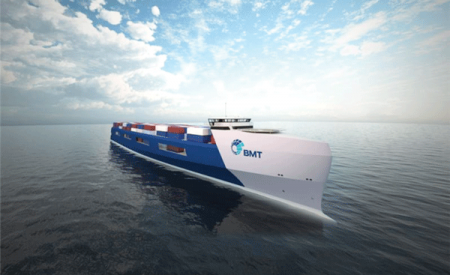
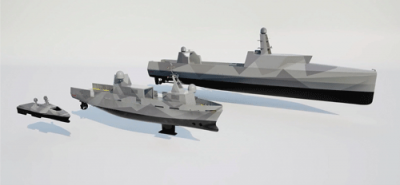
MODUS is not a single vessel but a coherent design philosophy expressed across multiple hull sizes, from a 15m pentamaran to a 40m medium uncrewed surface vessel and a 75m large uncrewed surface vessel. Rather than pursuing a multi-role design that attempts to do everything at the cost of doing nothing well, MODUS embraces role-optimised platforms, tailored to specific operational needs.
Here we focus on three underwater warfare use cases: military data gathering, seabed warfare and anti-submarine warfare. Six core design principles run through every variant: autonomy, modularity, availability, buildability, adaptability and affordability. The first and last are perhaps the most consequential.
 |
|---|
Autonomy is a primary design driver, not a retrofit. Every decision about hull form, internal arrangement, systems architecture and maintenance philosophy flows from the requirement to operate without crew. Affordability, meanwhile, is framed as a strategic imperative. Uncrewed vessels that simply replicate the cost of crewed ships will not solve the combat mass problem; they will compound it.
Designed around the mission
The three underwater vignettes drive specific and practical design choices. Long endurance, a common requirement across all three, shapes the hull form directly. Narrow-beam, low-resistance hull forms are matched to their intended operational profiles. With no crew onboard, internal volume freed from habitability can be reallocated to fuel, though weight rather than space becomes the limiting constraint. Critically, endurance for an autonomous vessel is defined largely by maintenance intervals, and MODUS targets operational periods of up to 60 days through simplified propulsion, appropriate redundancy, and equipment designed to be removed and serviced on the quayside rather than onboard.
Flexible multi-domain surveillance, relevant to the data-gathering and seabed warfare roles, is enabled through a dedicated sonar gondola integrated into the medium vessel. The gondola is optimised for sensor performance and doubles as a stabilising keel. Controlling self-noise is identified as fundamental to underwater performance, and low underwater radiated noise need not drive excessive cost if acoustic performance is addressed early in the design process, rather than managed as an expensive retrofit.
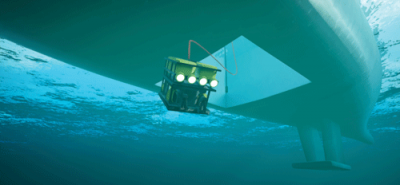
For the larger vessel, Navy Persistent Operational Deployment Systems (PODS) integration extends multi-domain flexibility further. True PODS integration is more than simply providing deck space for containers. It requires designed-in access, deployment envelopes, and mechanical, electrical and data interfaces so that mission systems become integral elements of the ship architecture. Offboard systems, including inspection ROVs deployed via a moonpool, towed arrays, survey UUVs, sonobuoys and gliders, extend the sensor field without increasing crew demand.
The large uncrewed surface vessel variant, intended for year-round North Atlantic operations in support of anti-submarine warfare, is around 75m following seakeeping analysis supported by historic towing tank data.
Steel is cheap and air is free, and the operational benefit of improved seakeeping in the North Atlantic far outweighs the marginal increase in material cost. BMT proposes a stepping-stone delivery model, beginning with medium vessel deployments in UK waters on lower-risk tasks, building operational confidence before scaling to larger vessels in more demanding theatres.
Commercial uses
The MODUS family has clear dual-use potential, with the modular autonomous design applicable to offshore survey, infrastructure inspection and logistics, offering a route to drive down unit cost through wider commercial adoption.
The fundamental argument of MODUS is straightforward: autonomous vessels must not be seen as direct replacements for crewed ships. They must deliver genuinely different capability, at lower through-life cost, and at the scale needed to restore meaningful combat mass to the fleet.
Author profiles
Chloe Yarrien, maritime autonomous systems engineering lead, BMT; Jake Rigby FRINA, head of innovation and research, BMT
 |
 |
|---|---|
 |
 |
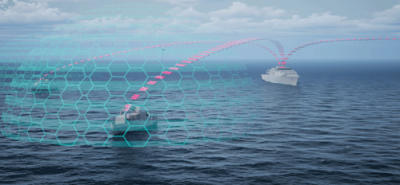
| From top, left to right: Visualisation of 15m, 40m and 75m MODUS vessels; The 40m design incorporates a moonpool; Multiple MODUS units operating in formation illustrate scalable fleet deployment; MODUS design principles embrace modularity (image: BMT) | |
This article appeared in Technical, TNA May/June 2026.
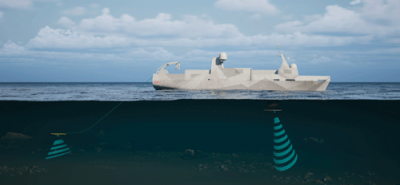
Capturing actionable seabed intelligence in environments that defeat conventional survey spreads is forcing a rethink of platform architecture and sensor integration. That was the challenge facing Seaforth Geosurveys while assessing the Arctic seabed for a planned subsea fibre-optic cable installation in Ungava Bay, Canada.
The Nunavik EAUFON-3 project was spearheaded by Sulmara, a global seabed intelligence company, which specialises in capturing and interpreting high-quality offshore subsea data.
Sulmara’s answer was its Discover package, a bespoke technology stack combining a high-resolution 3D synthetic aperture sonar (SAS) sub-bottom system with inertial navigation and positioning sensors.
This was mounted on a specialised remotely operated uncrewed surface vessel (USV) to acquire data, with in-house software used for processing, interpretation and delivery.
Sulmara Discover can be operated both locally and over-the-horizon from a Remote Operations Centre in Glasgow, UK.
For projects such as Nunavik EAUFON-3, platform selection is central. Sulmara chose Ocean Power Technologies’ wave adaptive modular vehicle, WAM-V 16, a USV with an articulated, wave-adaptive frame and shallow draught.
 |
|---|
“The WAM-V 16 USV was chosen for the integration mainly due to its motion compensating frame and versatility as a platform to meet host specifications for our technology,” says Kevin Rychert, principal acoustic scientist at Sulmara.
“Its independent wave compensating hulls allow it to adapt to sea states that would typically shut down smaller USVs’ surveys.”
He adds that the gimbled payload bay provides the stability critical for this type of work. “Other larger USVs don’t have this stability even with roll stabilisers,” he says.
WAM-V 16 is designed for small to medium-sized marine data projects and is a powerful survey tool, whether acting independently or complementing other vessels as a force multiplier.
Modularity and integration
Equally important is modularity. Unlike conventional hulls with fixed payload volumes, the WAM-V architecture allows rapid sensor integration without extensive redesign.
“The modularity of the WAM-V provides a great platform for developments and new technology integration as it is not constrained to small payload bays that are specifically designed to fit within a fabricated hull design,” says Rychert. “This allows us to add and integrate whatever sensors we need, quickly and easily without many architectural constraints.”
Key to the project was equipping the WAM-V 16 with the EdgeTech Buried Object Sonar System (eBOSS).
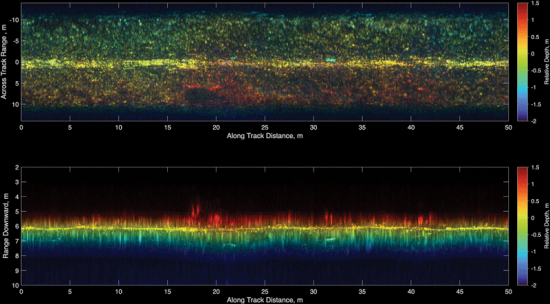
eBOSS can produce high-resolution, three-dimensional sub-bottom data across large tidal ranges and it can cope with cable routes littered with boulders above and below the seabed.
Full-volume sub-bottom data set at 5cm resolution is collected across a 120° swathe, enabling rapid coverage over large areas.
Rychert says that no other sonar system available can image the sub-seabed at this resolution, swathe width and depth in real time.
What differentiates the system is the coupling of sensing, navigation and processing. For naval architects, the integration elevates requirements around power management, data handling, onboard computer and communications bandwidth. In this sense, the USV becomes an active node within a distributed sensing network, rather than a passive survey platform.
The design integration is the culmination of years of work through R&D, sea trials and technology integration. “Discover combines the lightest and smallest 3D SAS SBI (eBOSS) on the market with the highest quality INS and GNSS sensors in a uniquely stable unmanned platform,” says Rychert.
The software doesn’t just record data; it integrates with the USV’s autonomous communication capabilities to provide real-time volumetric rendering.
 |
|---|
This allows operators to adjust path based on the quality of the incoming data, ensuring coverage and quality certainty without manual post-processing delays.
Rychert explains that the USV and Sulmara Discover pair so well that they have now been integrated on other variants of the WAM-V, most recently the larger 22ft version.
A changing methodology
The EAUFON-3 project is a benchmark for subsea surveys in general, Rychert says, and signals a methodological shift. Conventional ROV or ROTV surveys maintain a fixed altitude; a surface-mounted system must manage highly variable stand-off distances while maintaining data consistency.
But this survey was different. With water depths shifting dramatically from less than 1m to 20m, the project required continuous sensor adjustment and an entirely new approach to eBOSS data processing.
“As we move to surface-mounted systems, the challenge is interpreting datasets acquired at a dynamic range in a single pass without platform changes,” says Rychert.
A wider application
The WAM-V 16 USV and the Sulmara Discover package have a much wider application across the offshore technology and subsea sectors.
They can be used to survey any buried object such as pipelines and cables, unexploded ordinance, hazardous/lost debris and shipwrecks.
“The aim is to deliver the same insight that end clients need through faster automated, lower cost and higher quality technology and vehicle design methods,” says Rychert.
“Enabling a USV workforce with new emerging technologies can help achieve this in a safer, greener way.
“Discover has the potential to disrupt the subsea survey industry. Adding automation from AI and machine learning to this package further pushes the quality and efficiency we can deliver,” he says.
Projects such as Nunavik EAUFON-3 signal a structural shift in offshore vessel and technology design. Stability is being engineered for sensor performance as much as seakeeping; modularity is becoming essential and autonomy introduces new demands on control systems, redundancy and communications resilience.
Perhaps most significantly, though, the boundary between vessel and payload is dissolving.
Hull form, structural arrangement, power systems and communications architecture must now be conceived as part of an integrated design platform, optimised for data acquisition, processing and transmission, as much as for propulsion.
This article appeared in Subsea surveys, TNA May/June 2026.
Fincantieri has announced it will build Spectre, a new class of high-speed multi-mission unmanned surface vessel (USV) developed by Saildrone, through its US subsidiary Fincantieri Marine Group. The collaboration was announced at the Navy League’s Sea-Air-Space exhibition at National Harbor, Maryland.
At approximately 52m in length, with a displacement of around 250tonnes and a top speed of 30knots, Spectre is the largest, fastest and most capable Saildrone platform to date. Optimised for anti-submarine warfare operations, the vessel offers extreme endurance and an ultra-quiet acoustic signature, while remaining adaptable to alternative mission configurations, including higher-speed and low-observable operational profiles.
Construction will take place at Fincantieri’s shipyards in Wisconsin, applying the group’s established industrialised shipbuilding methods and serial production expertise in advanced aluminium vessels to a next-generation autonomous platform. The programme is designed to deliver production continuity and industrial robustness alongside technological performance, reflecting growing demand from naval forces for autonomous platforms capable of being deployed in numbers. Spectre is engineered to integrate a wide range of mission systems and payloads.
Chartwell Marine has signed a Memorandum of Understanding with the Cooperative Association of Japan Shipbuilders, which represents 59 Japanese shipyards, to support the development and local construction of crew transfer vessels and service operation vessels for Japan’s offshore wind industry.
The agreement, signed in Tokyo in March, builds on collaboration between the two organisations that began in 2023, including a Nippon Foundation-supported programme that introduced Chartwell’s crew transfer and service operation vessel designs to the Japanese market. The association will act as a bridge between domestic shipowners, operators and yards, and Chartwell, facilitating knowledge exchange to support vessels in meeting project requirements and local content rules.
Hiroyuki Nishida, managing director of the association, said: “By working together, we can help support the development of locally constructed vessels and contribute to the long-term growth of the industry.”
Andy Page, managing director of Chartwell Marine, said: “We look forward to continuing to work closely with the association and Japanese stakeholders as the offshore wind sector scales up.”
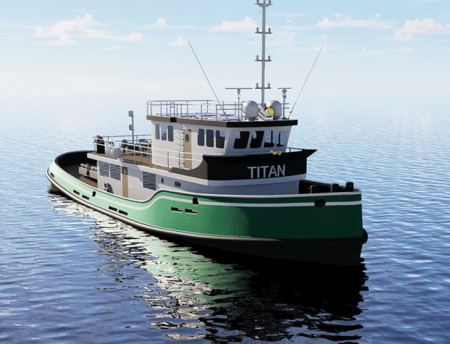 |
HISTORIC TUG TO BECOME LUXURY YACHT
AURELIA Design, based in Amsterdam, is restoring the 1956 Wijsmuller Titan tug as a long-range yacht, retaining the original hull form while replacing conventional propulsion with a fully emission-free system currently under development.
|
|---|
These articles appeared in Insights, TNA May/June 2026
Nominate a colleague, a mentee or a friend for one of our prestiguous Naval Architecture Awards. Chosen by our Committees, the winners will be announced at our Annual Dinner attended by more than 300 maritime professionals, industry leaders and academics. Taking place on 28th May, this will be an evening of celebration at the historic De Vere Grand Connaught Rooms in London.
Nominations deadline: on 31st December. Award categories include Innovation, Safety and Diversity.