

Offshore Technology
Offshore Technology explores the systems, engineering practices, innovations and challenges, driving offshore operations across energy and marine sectors. Topics you can expect include subsea engineering, floating production systems, offshore wind technologies, digital monitoring and control systems, and asset integrity management.
Delve into analysis, and insights on emerging technologies improving safety, efficiency, and performance in increasingly harsher offshore environments in the journey to cleaner sustainable energy sources.
The skill we rarely teach: Engineering Judgement
The Naval Architect
James Gladman
While technology has opened up a world of possibilities, it cannot remove the need for sound judgement, argues James Gladman.
Helping develop your careers
The Naval Architect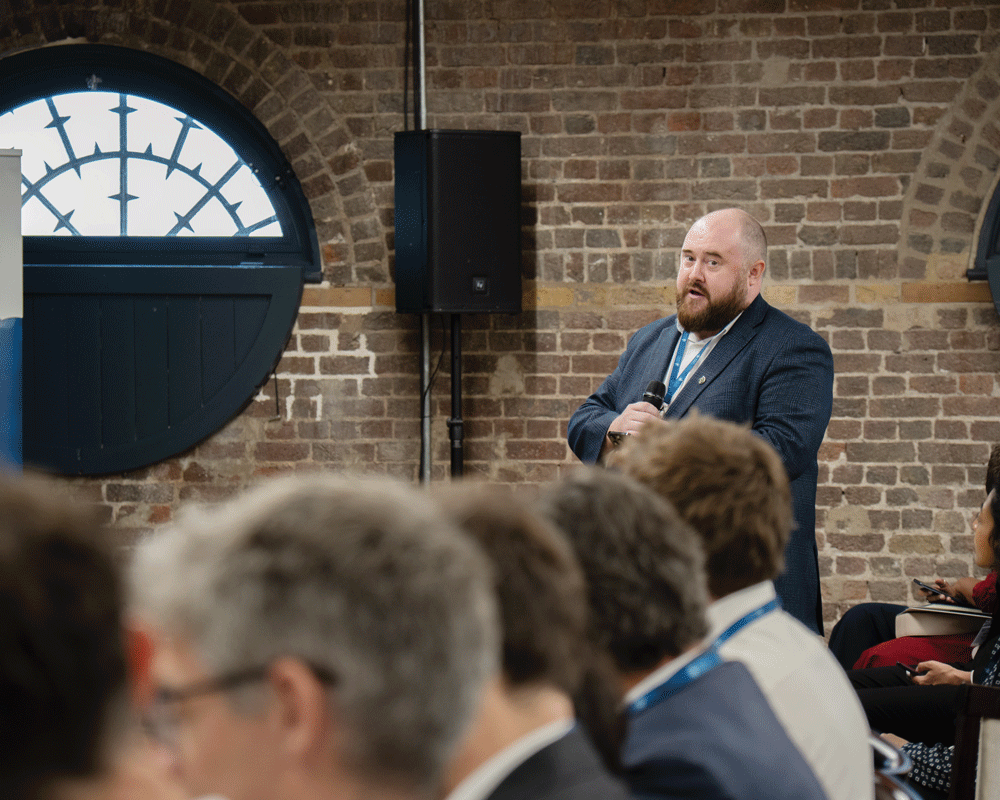
Chris McNair pictured at London International Shipping Week.
Chris McNair reflects on how times are changing for skills, development and how RINA can support you.
AYK Energy showcases containerised battery
The Naval Architect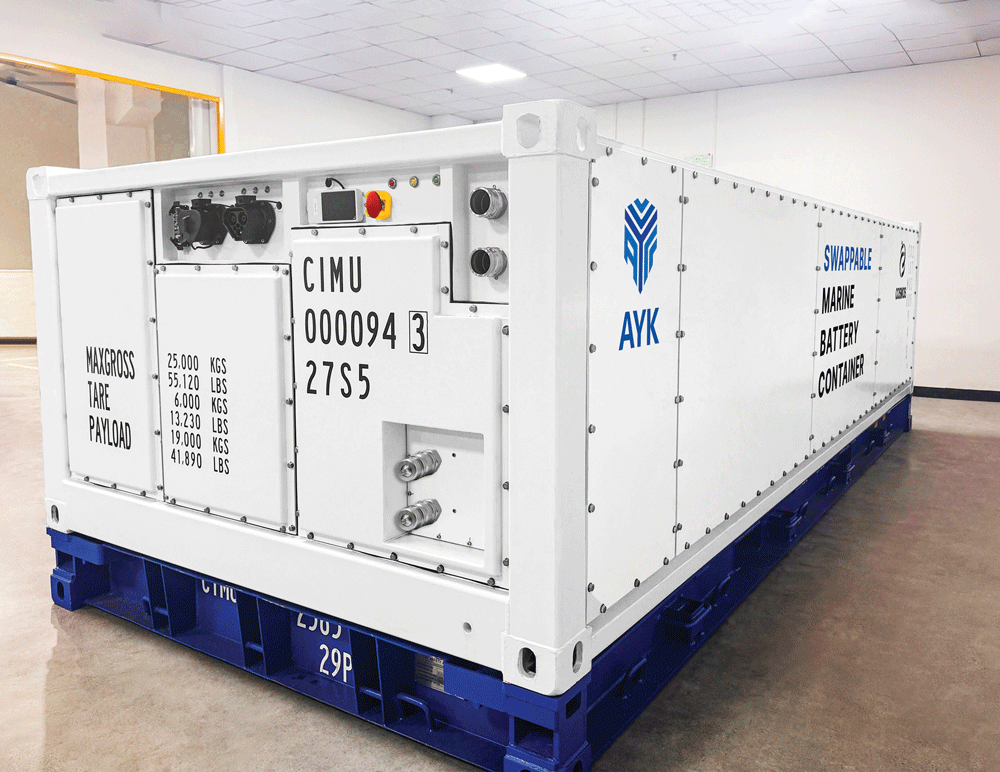
According to AYK, the containerised design removes the need for a dedicated battery room.
Marine battery manufacturer AYK Energy unveiled what it describes as the world’s first swappable containerised marine battery system at SMM in Hamburg.
TERRA MARIQUE pontoon
The Naval Architect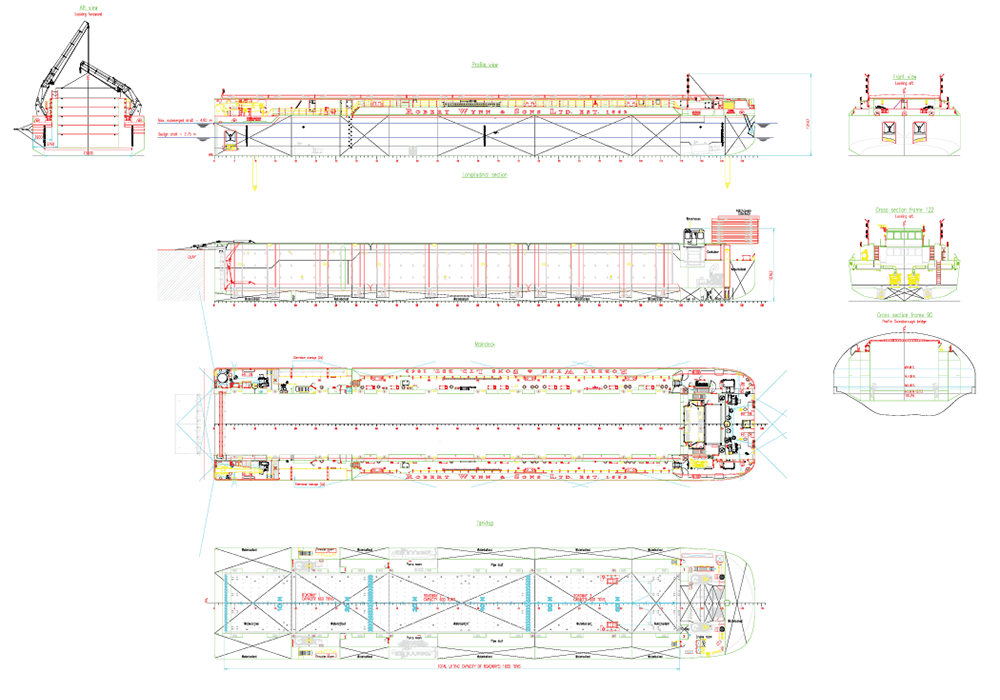
Terra Marique: General Arrangement of Damen's Multipurpose Pontoon (image: Damen Shipyard).
Damen Shipyard’s plans for the multi-purpose heavy-lift barge, a specialist 80m-long vessel designed to carry abnormal indivisible loads.
Rethinking hull lubrication for real operating conditions
The Naval Architect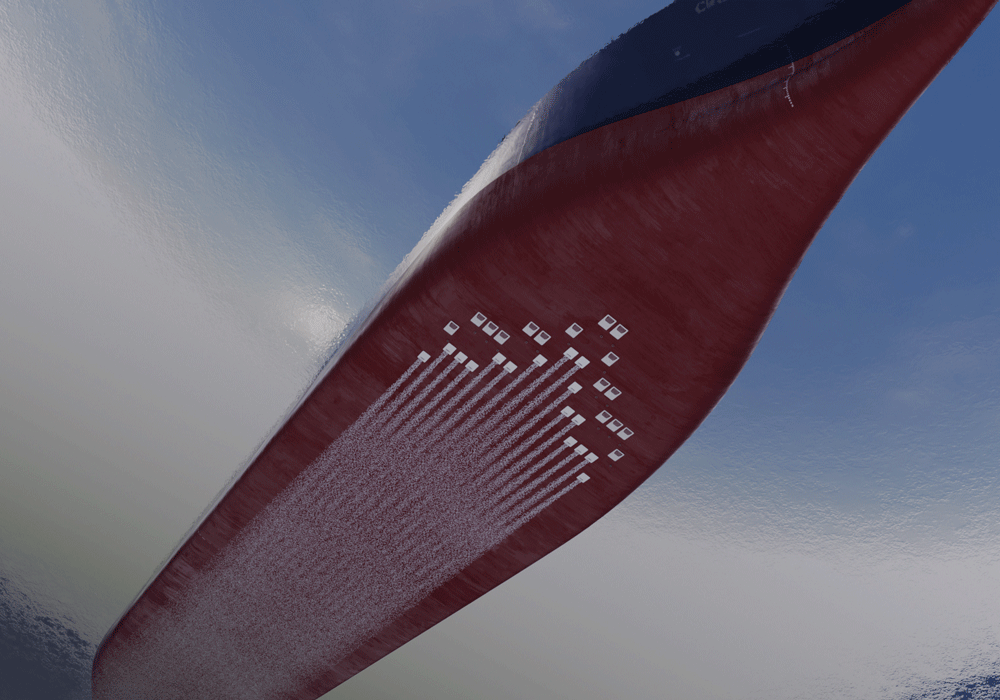
Passive lubrication and full-scale operating data are extending net performance across the vessel operating profile, says Alex Routledge.
Staying in control of Multi-CAD
The Naval Architect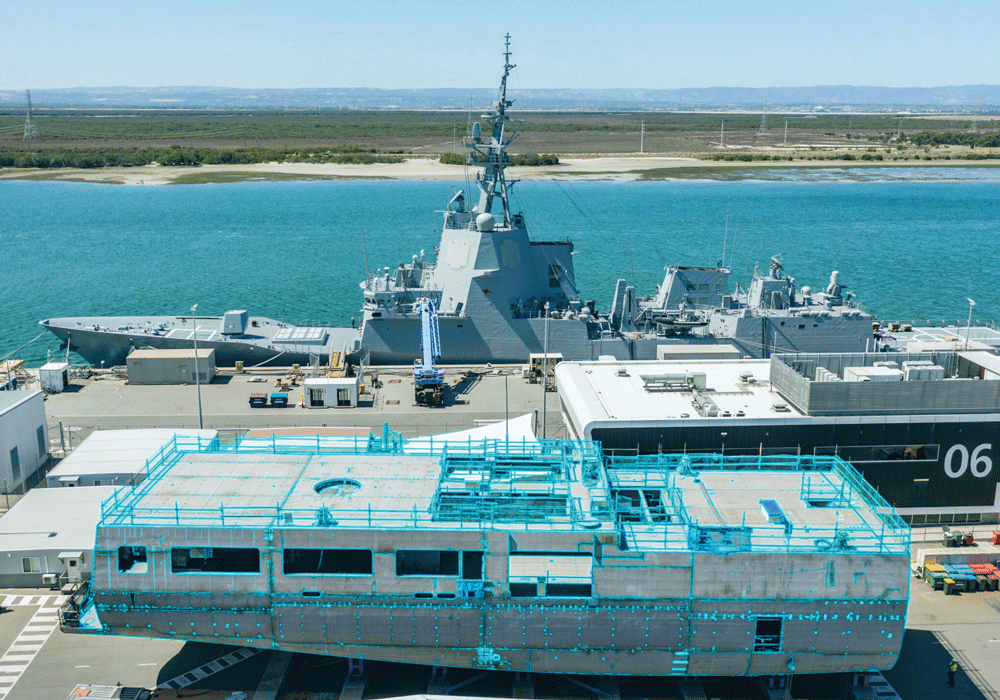
SSI software can help keep on top of constantly evolving data from multiple sources.
Shipyards working with third-party data need the means to integrate and keep track of data of increasing complexity, writes Simon Crook.
Dr Batuhan Aktas wins RINA-QinetiQ 2026 Maritime Innovation Award
The Naval Architect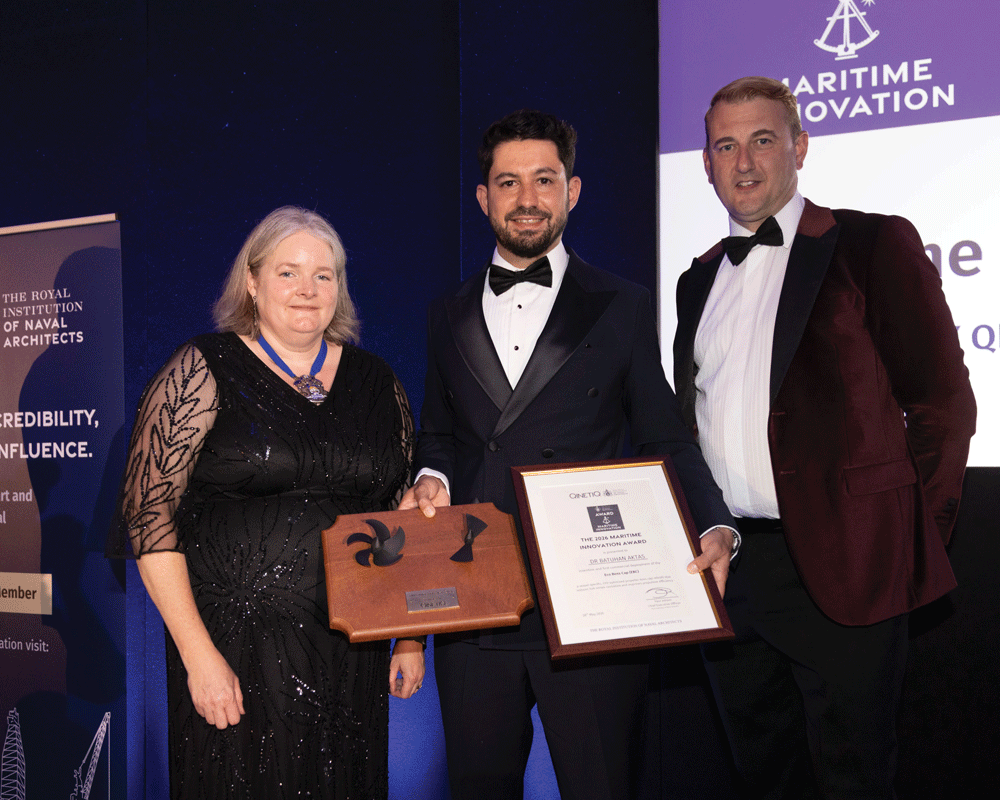
Dr Batuhan Aktas (centre).
Continuing to celebrate RINA Award winners 2026: The prize for a vessel-specific propeller retrofit was presented at the RINA Annual Dinner.
History in the making
The Naval Architect
Image: NYC, Draken Harald Hårfagre/Peder Jacobsson
The Big Picture: Draken Harald Hårfagre is the world’s largest Viking ship sailing in modern times.
How it's changed: Fifty not out
The Naval Architect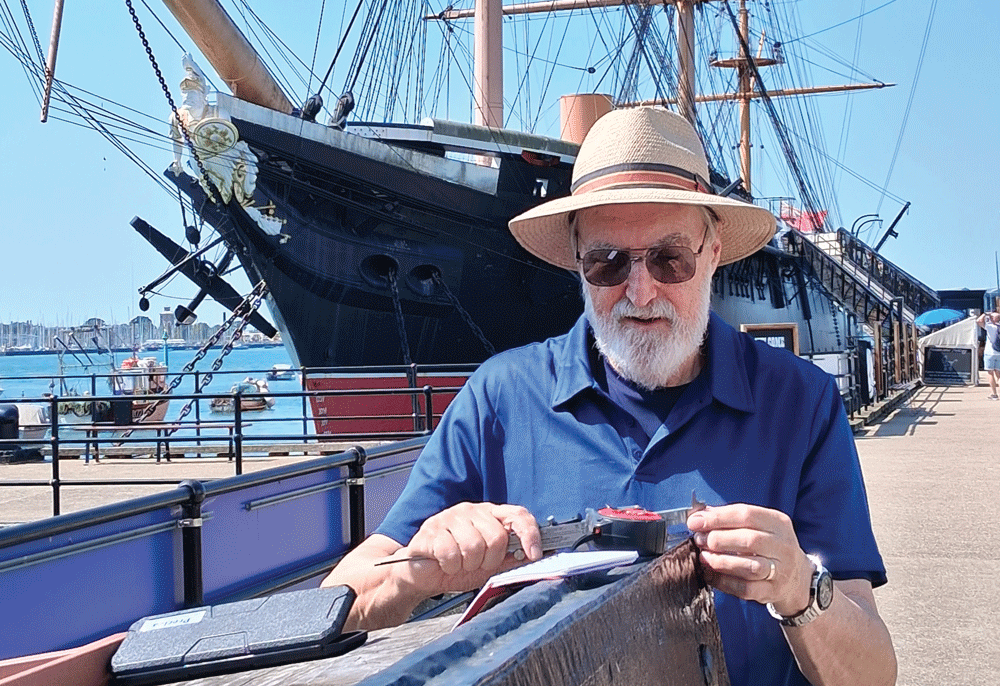
Dr Robin Loscombe has been a RINA member for 50 years, moving between shipyards, consultancy, classification and academia. Here, he reflects on what’s changed.
Hybrid thinking on wave resistance
The Naval Architect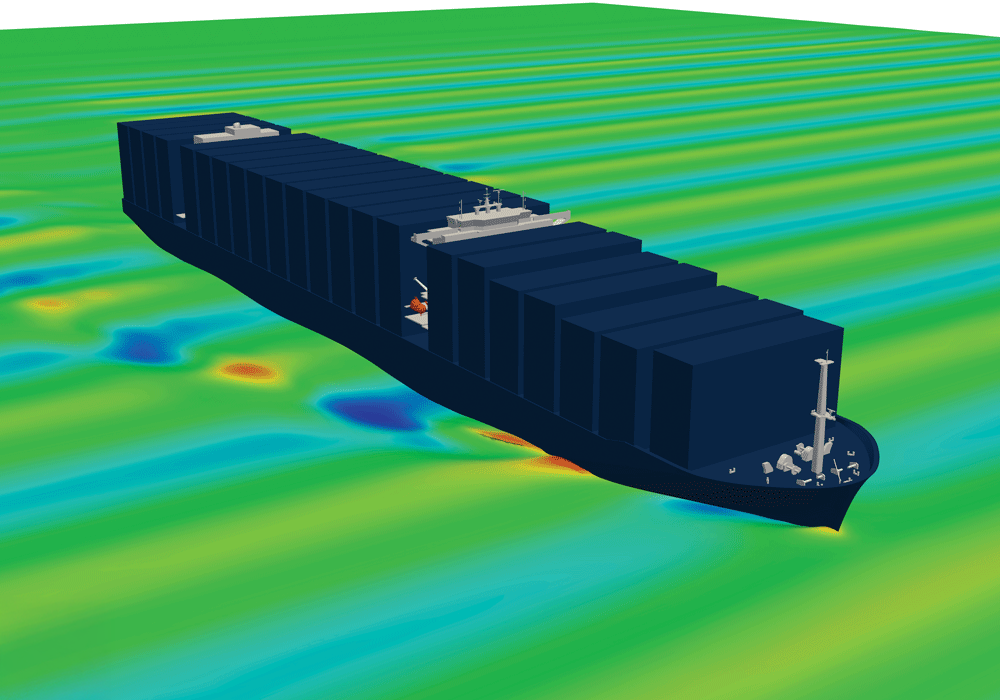
Errors in estimating wave resistance lead to inaccurate performance predictions (image: BVS M&O).
How a new model from Bureau Veritas attempts to predict wave-added resistance at close to CFD accuracy but at a fraction of the computational cost.
Rudder performance: how to see the full picture
The Naval Architect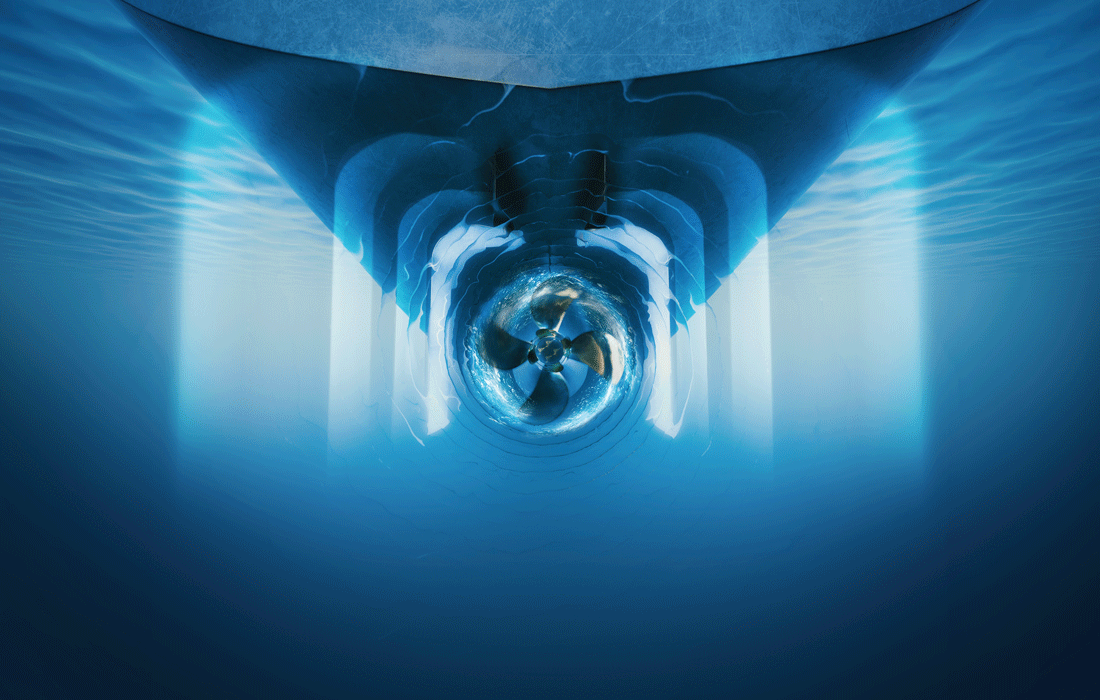
Why we need to rethink methods of predicting real-life rudder performance, taking sea margin, turning and WASP into account.
Wave energy converter secures world-first DNV certification
The Naval Architect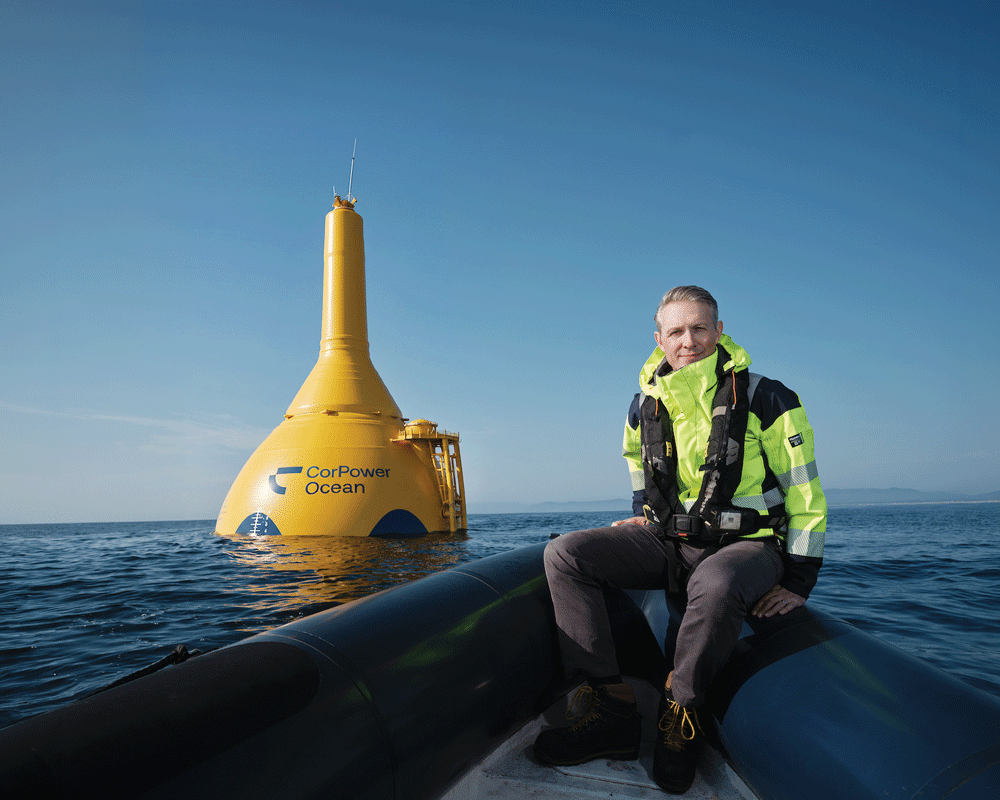
The CorPower C4
DNV has issued the world’s first Prototype Certificate for a wave energy converter, awarded to Sweden-based CorPower Ocean for its C4 device, in a move the classification society says establishes a new benchmark for the wave energy sector.
Newsletters
Stay connected with the global maritime community through RINA’s newsletters.
Whether you are a member or not, you can receive updates from The Naval Architect, alongside selected RINA news, events and industry insights. Members also gain access to a wider portfolio of exclusive newsletters on key topics in the maritime industry.
- The Naval Architect (currently available to all members & non-members)
- Power & Sustainability (members-only)
- Ship Repair & Maintenance (members-only)
- Warship Technology (members-only)
- Ferries & Fast Craft (members-only)
- Offshore Technology (members-only)
