

Offshore Technology
Offshore Technology explores the systems, engineering practices, innovations and challenges, driving offshore operations across energy and marine sectors. Topics you can expect include subsea engineering, floating production systems, offshore wind technologies, digital monitoring and control systems, and asset integrity management.
Delve into analysis, and insights on emerging technologies improving safety, efficiency, and performance in increasingly harsher offshore environments in the journey to cleaner sustainable energy sources.
Wave energy converter secures world-first DNV certification
The Naval Architect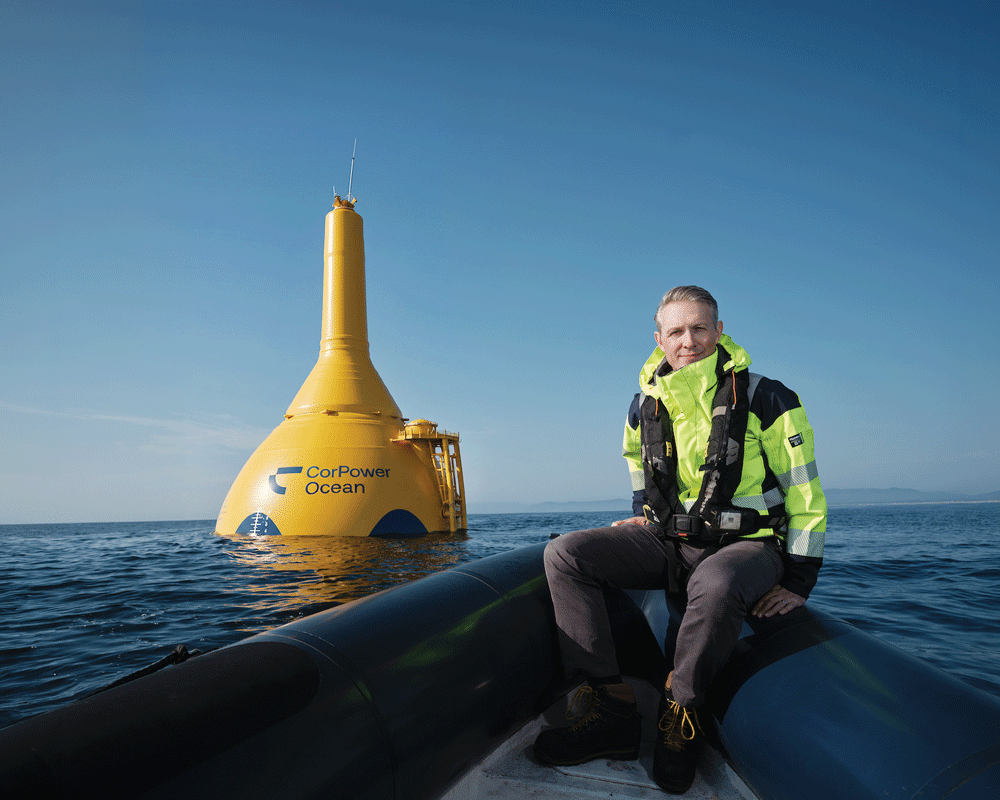
The CorPower C4
DNV has issued the world’s first Prototype Certificate for a wave energy converter, awarded to Sweden-based CorPower Ocean for its C4 device, in a move the classification society says establishes a new benchmark for the wave energy sector.
EcoPro tackles diesel combustion at source
The Naval Architect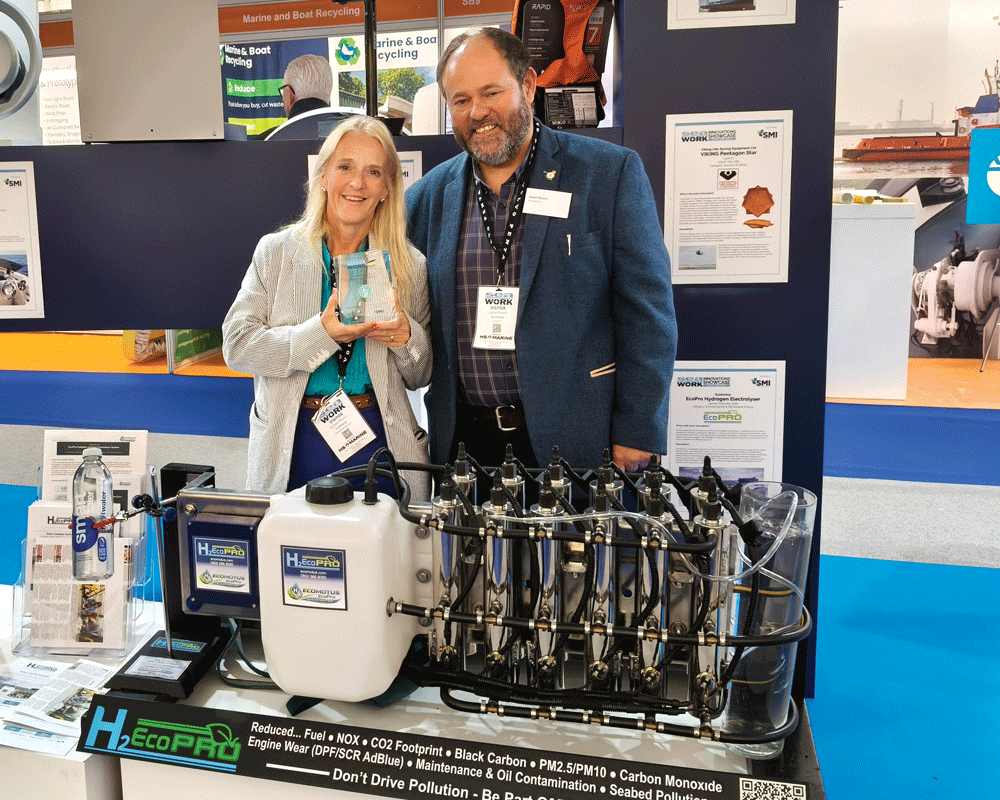
EcoPro on show at Seawork
EcoPro retrofit device from Ecomotus aims to improve diesel combustion and reduce emissions without the need for major vessel modifications.
Trinity House orders two hybrid buoy tenders from VARD
The Naval Architect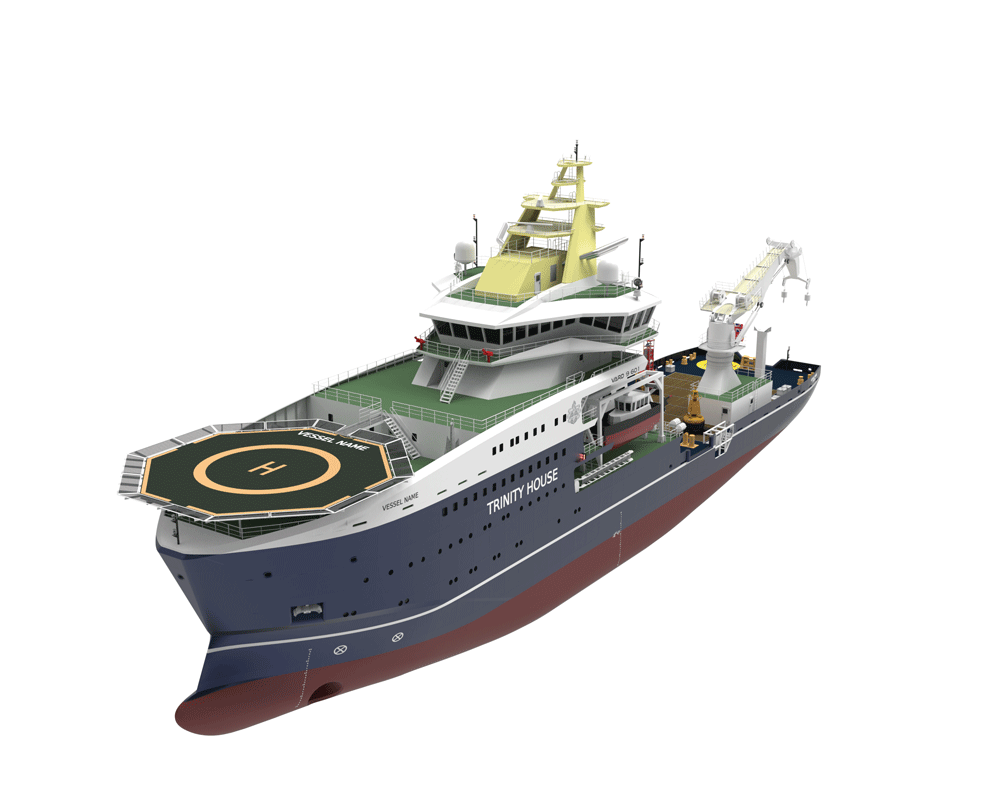
VARD 9 601 design
The award of a contract to design and build two multifunctional vessels marks a major milestone in General Lighthouse Authority Trinity House's Future Afloat fleet renewal programme.
Reshaping investment decisions
The Naval Architect
Regulatory uncertainty is placing growing pressure on shipowners to make investment decisions robust enough to hold up across multiple possible futures, according to DNV’s Maritime Forecast to 2050, published in August.
Bollinger opens talent pipeline with Mississippi training centre
The Naval Architect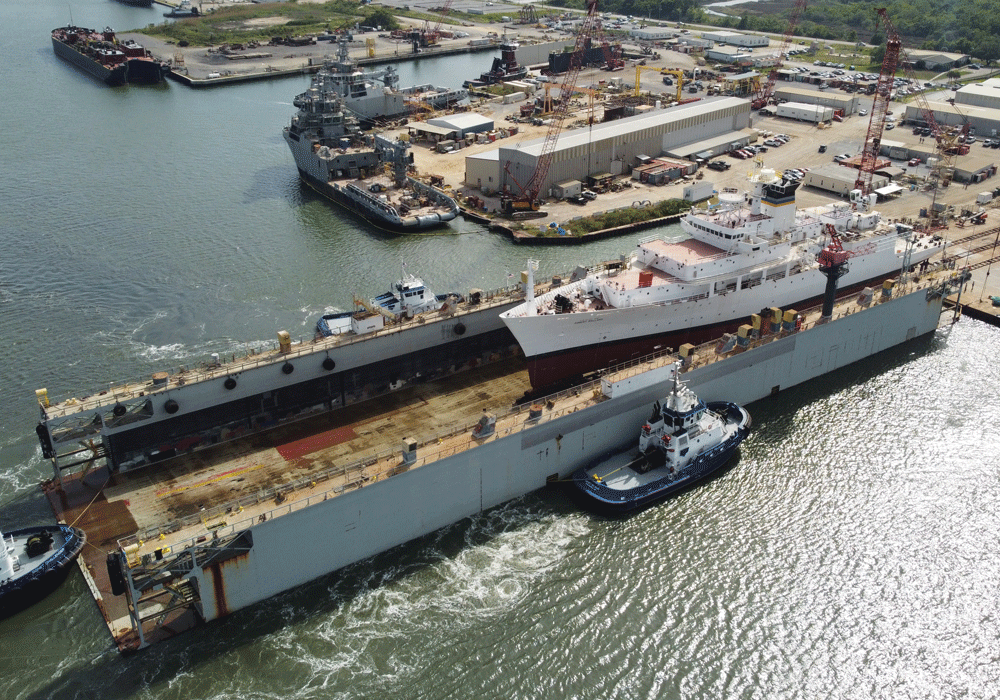
Bollinger Shipyard
Bollinger Shipyards has opened a new 7,200ft2 workforce training centre at its Gulfport, Mississippi facility, developed in partnership with the Submarine Industrial Base Program Office and Mississippi Gulf Coast Community College.
Windcoop orders world's first sail-powered container ship
The Naval Architect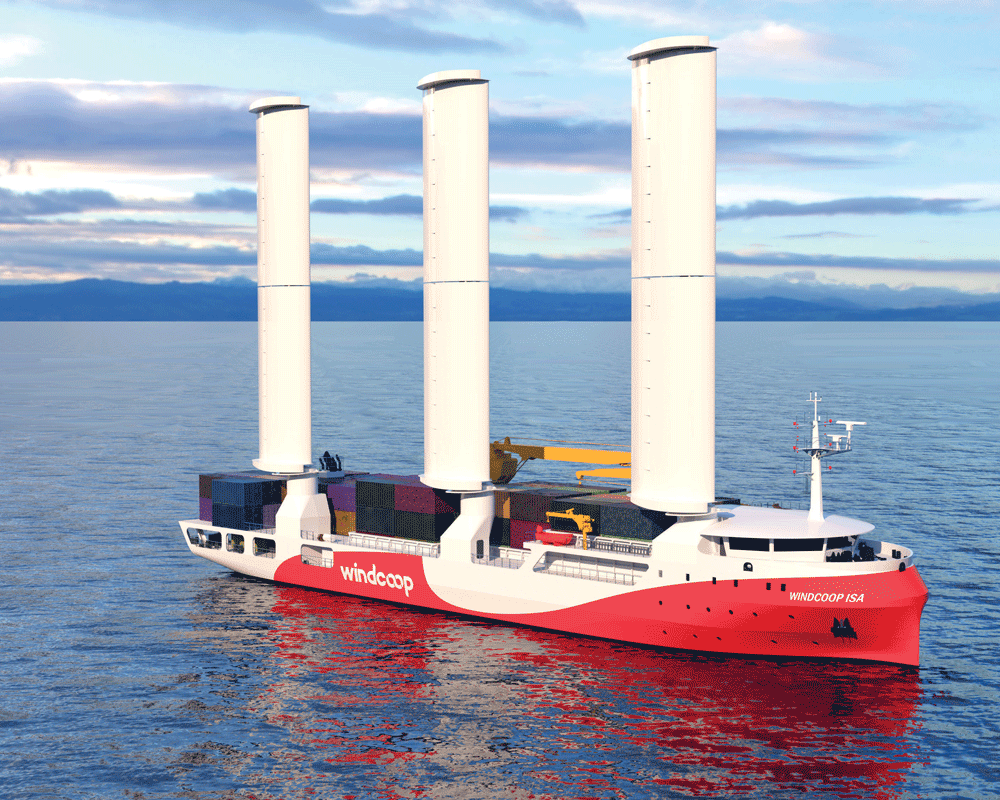
Windcoop's containership is set to sail in May 2027
Windcoop has placed a binding order for what is being described as the world’s first sail-powered containership, with construction due to begin at RMK Marine’s shipyard in Türkiye in 2026.
Mast removal on WWII wreck in Thames Estuary
The Naval Architect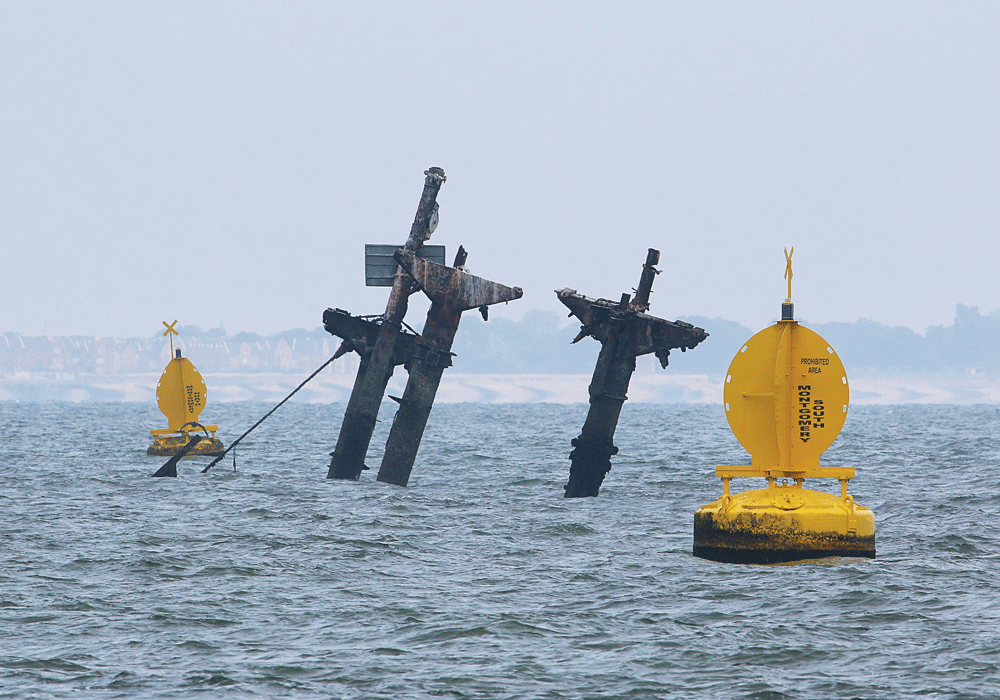
SS Richard Montgomery (image: Alamy)
Resolve Marine has started one of the UK’s most sensitive wreck salvage operations – the removal of the three masts of the SS Richard Montgomery, a sight that has become iconic for residents around the Thames Estuary.
How it's changed: Fifty not out
The Naval Architect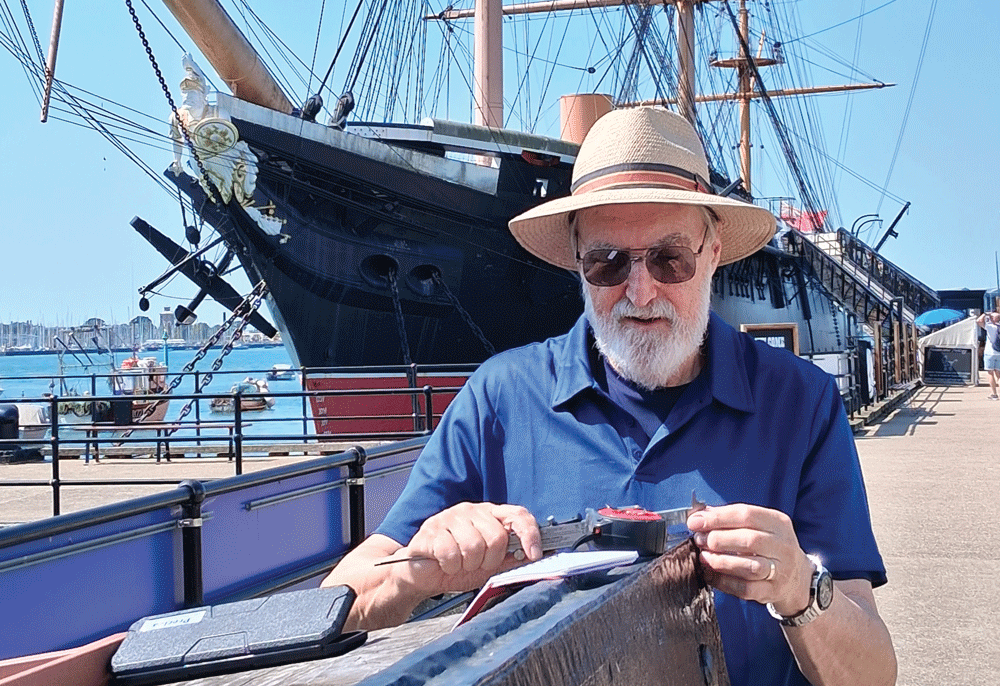
Dr Robin Loscombe has been a RINA member for 50 years, moving between shipyards, consultancy, classification and academia. Here, he reflects on what’s changed.
Internships: Hands-on experience and a fresh perspective
The Naval Architect
Lateral provides naval architecture, structural, mechanical and outfit engineering services.
A decade after replacing summer placements with two annual 12-month internships, Southampton-based Lateral Naval Architects reflects on the programme’s success through the experiences of two interns and its chief naval architect.
Staying in control of Multi-CAD
The Naval Architect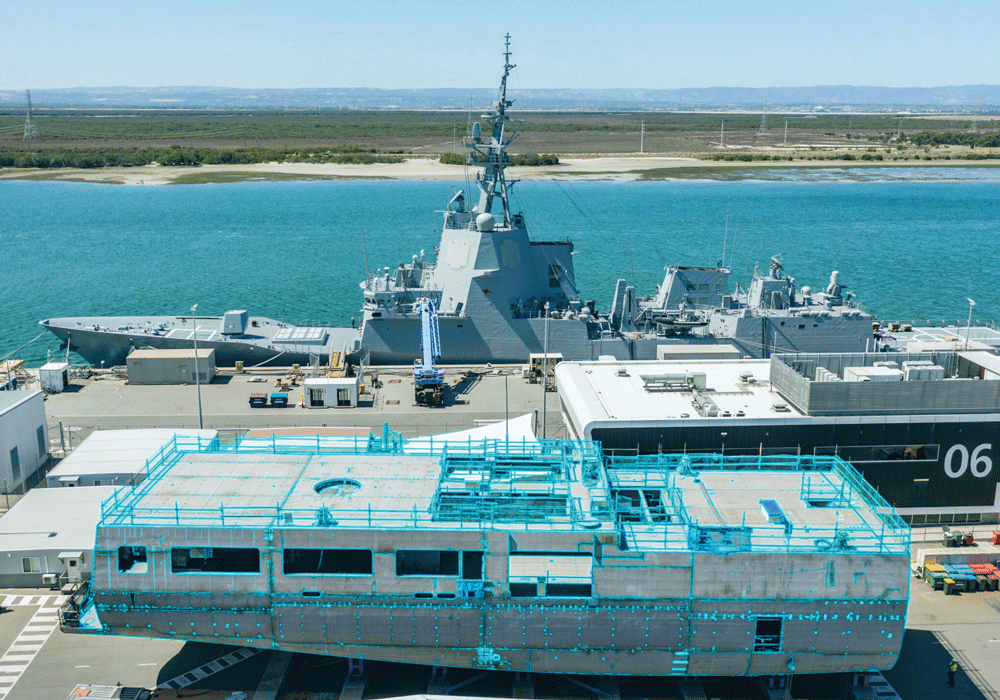
SSI software can help keep on top of constantly evolving data from multiple sources.
Shipyards working with third-party data need the means to integrate and keep track of data of increasing complexity, writes Simon Crook.
Generative AI design cuts fuel use and emissions
The Naval Architect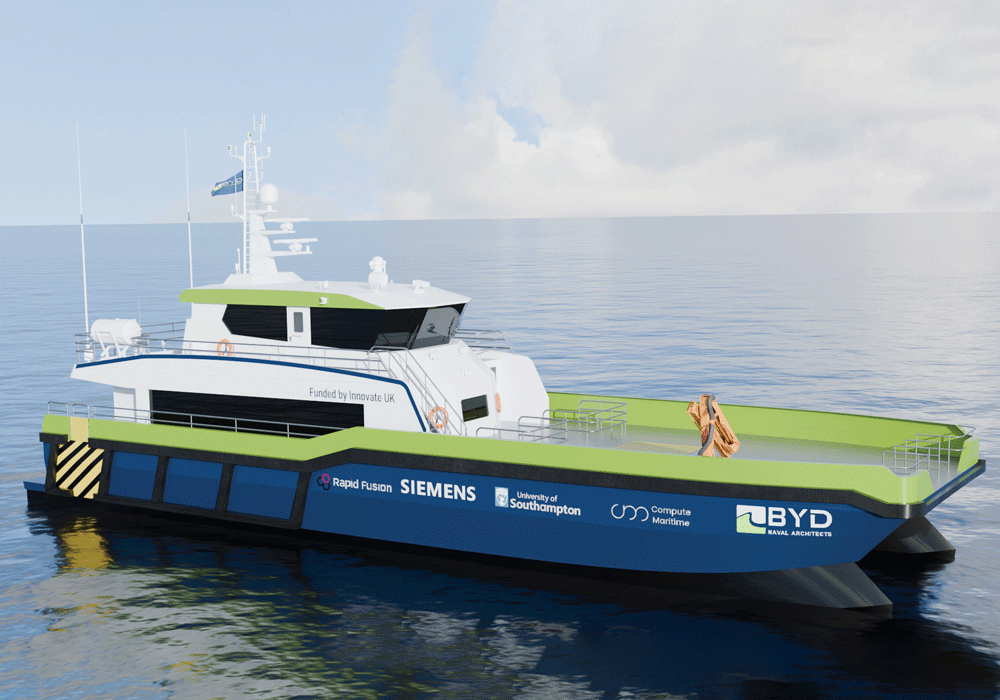
AI-designed crew transfer vessel (image: Compute Maritime).
A seven-month feasibility study has produced a crew transfer vessel with 11% lower fuel use and 9% lower CO2 than a diesel baseline. It’s a working test of whether generative design can move from concept to class approval.
The Big Questions: Bob Cripps
The Naval Architect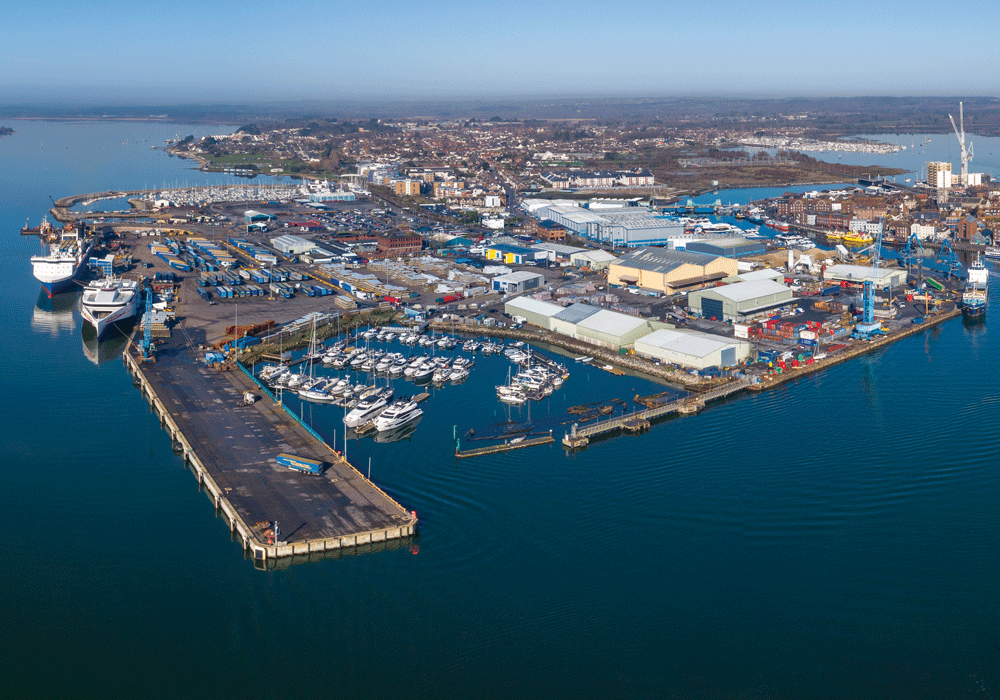
Poole Harbour
RINA talks to Bob Cripps about the experiences, influences and engineering challenges that shaped a varied career, and the advice he would offer today’s aspiring naval architects.
Newsletters
Stay connected with the global maritime community through RINA’s newsletters.
Whether you are a member or not, you can receive updates from The Naval Architect, alongside selected RINA news, events and industry insights. Members also gain access to a wider portfolio of exclusive newsletters on key topics in the maritime industry.
- The Naval Architect (currently available to all members & non-members)
- Power & Sustainability (members-only)
- Ship Repair & Maintenance (members-only)
- Warship Technology (members-only)
- Ferries & Fast Craft (members-only)
- Offshore Technology (members-only)
