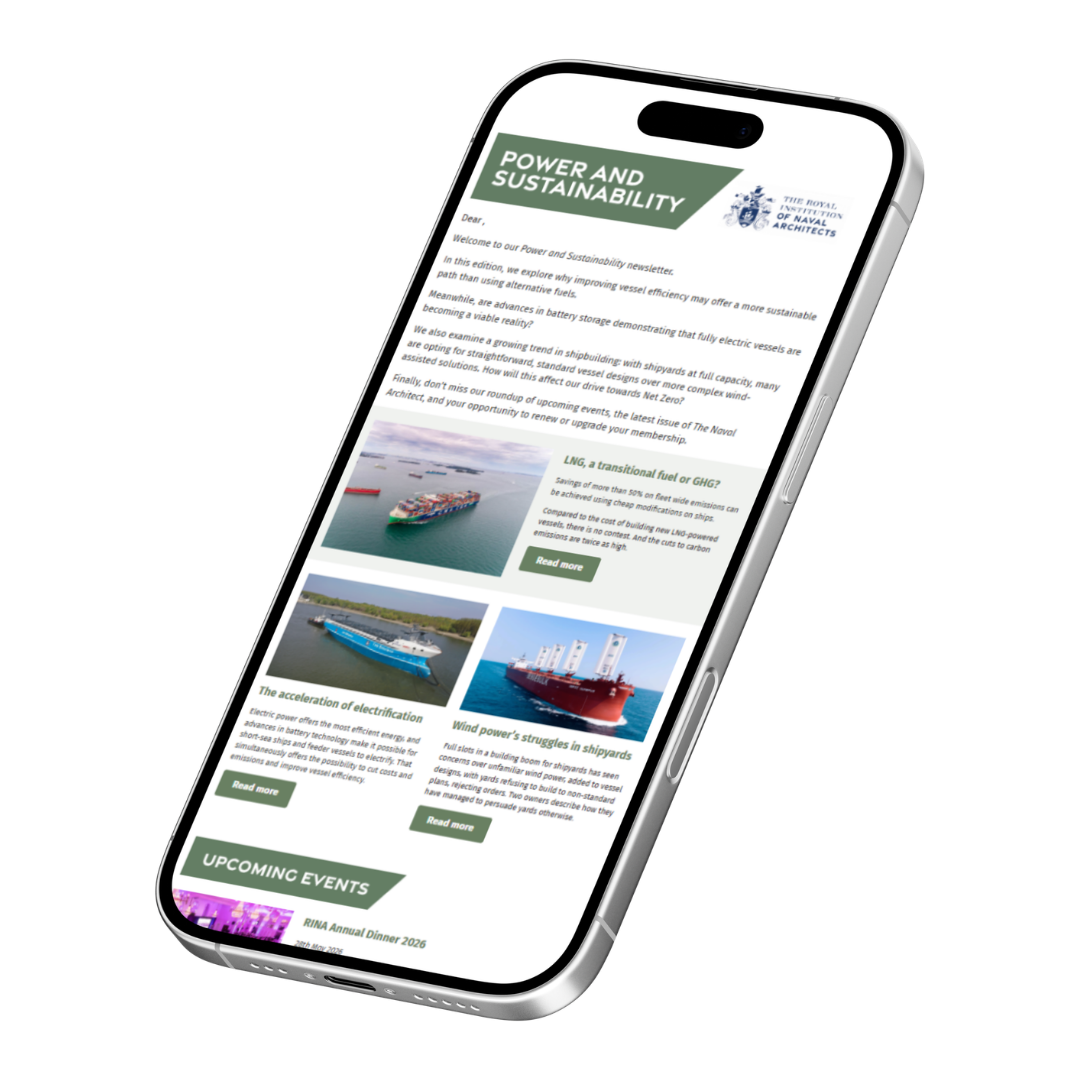
The Naval Architect provides in-depth information on all aspects of vessel design, construction and engineering. Practical applications of latest technology and case studies are accompanied by analysis and foresights. Published every two months, the magazine covers everything from superyachts and short-hop ferries to tankers and heavy-lift vessels; from battery pack installations and sail-assisted solutions to LNG tank retrofits; and from offshore safety to warship resilience.
BEYOND CARBON INTENSITY: ENHANCING GHG REDUCTIONS THROUGH EFFECTIVE ENERGY EFFICIECNY METRIC AND REGULATORY ALIGNMENT
CII
The effectiveness of maritime emissions regulation is increasingly under scrutiny. Analysis of Carbon Intensity Indicator performance reveals opportunities for energy-based alternatives, including propulsion-focused efficiency metrics and clearer emissions accounting. The findings highlight potential regulatory overlap, offering strategic insights into how future frameworks could better accelerate greenhouse gas reductions ahead globally.
The X Factor
Ship and Boat
Years of extensive testing are paying off for Slovenia’s EJET, which is soon to expand its all-electric jet tender business with a larger, more powerful model
MARITIME AUTONOMY - A VISION OR REALITY
Warship
Autonomous maritime systems may reduce risk to personnel, but claims of improved safety require stronger evidence. By applying inherent safety, fault tolerance and layered protection principles within dynamic safety cases, evolving approaches are reshaping system design, governance and assurance while addressing complex legal, operational and stakeholder challenges in autonomy.
A GLOBAL VIEW OF THE IMPLICATIONS OF WAVE CLIMATE EXTREMES ON SUSTAINABLE SHIP DESIGN AND OPERABILITY: A REVIEW
Warship
Climate change is challenging long-held assumptions in vessel design and operability. Emerging evidence on extreme waves, cyclones and shifting ocean conditions highlights growing risks to stability, structural integrity and efficiency. By aligning future climate projections with design criteria, new recommendations aim to strengthen resilience, safety and operational performance.
THE UK NAVAL AUTHORITY GLIDEPATH TO CERTIFIED IMO DEGREE 4 AUTONOMY - Copy
Warship
Achieving IMO Degree 4 autonomy is reshaping naval certification, with adaptive, goal-based frameworks enabling progression from remotely operated to fully autonomous vessels. Collaboration across UK defence regulators aligns safety and legal principles while addressing emerging architectures, technology risks, and engineering challenges. Early lessons reveal opportunities for scalable certification pathways ahead.
Painting of Adelphi Terrace, London

Painting of unknown date of Adelphi Terrace, London - the first headquarters of The Royal Institution of Naval Architects
In the early days, the Institution settled in rooms at Adelphi Terrace, London – first at No. 7, then at No. 9 and finally at No. 5 (the former house of David Garrick). The proximity of Adelphi Terrace to the Royal Society of Arts where John Scott Russell had been Secretary, and where for many years meetings of the Institution were held, made the choice of the Institution’s first headquarters very convenient.
Photograph of Adam Street, London

1919-1938 Photograph of unknown date of Adam Street, London
With the reconstruction of Adelphi Terrace after the 1914-1918 war, the Institution moved to the south corner of Adam Street nearby.
Fishing For Energy - Copy
Ship and Boat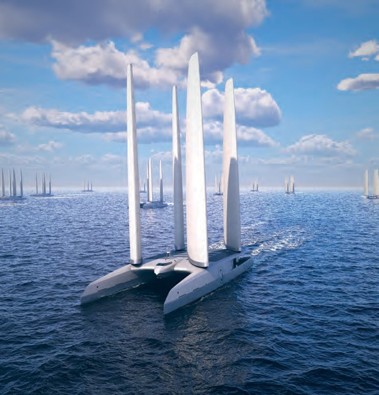
DRIFT Energy’s Most Valuable Yacht concept is designed to convert wind energy into green hydrogen while on the move, care of wind-assisted propulsion, a submerged turbine and a unique wind-hunting algorithm
The X Factor - Copy
Ship and Boat
Years of extensive testing are paying off for Slovenia’s EJET, which is soon to expand its all-electric jet tender business with a larger, more powerful model
The Naval Architect May-June 2026
The Naval Architect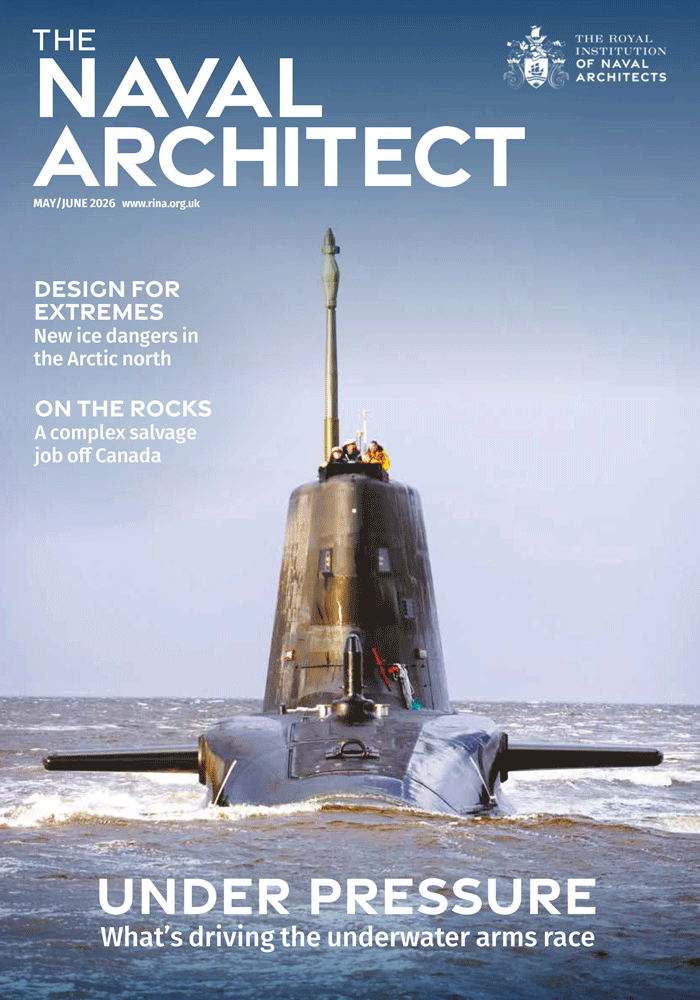
View the full PDF version of the May-June 2026 edition of The Naval Architect magazine.
The Naval Architect May-June 2026 - Copy
The Naval Architect
View the full PDF version of the May/June 2026 edition of The Naval Architect magazine.
The Naval Architect March-April 2026
The Naval Architect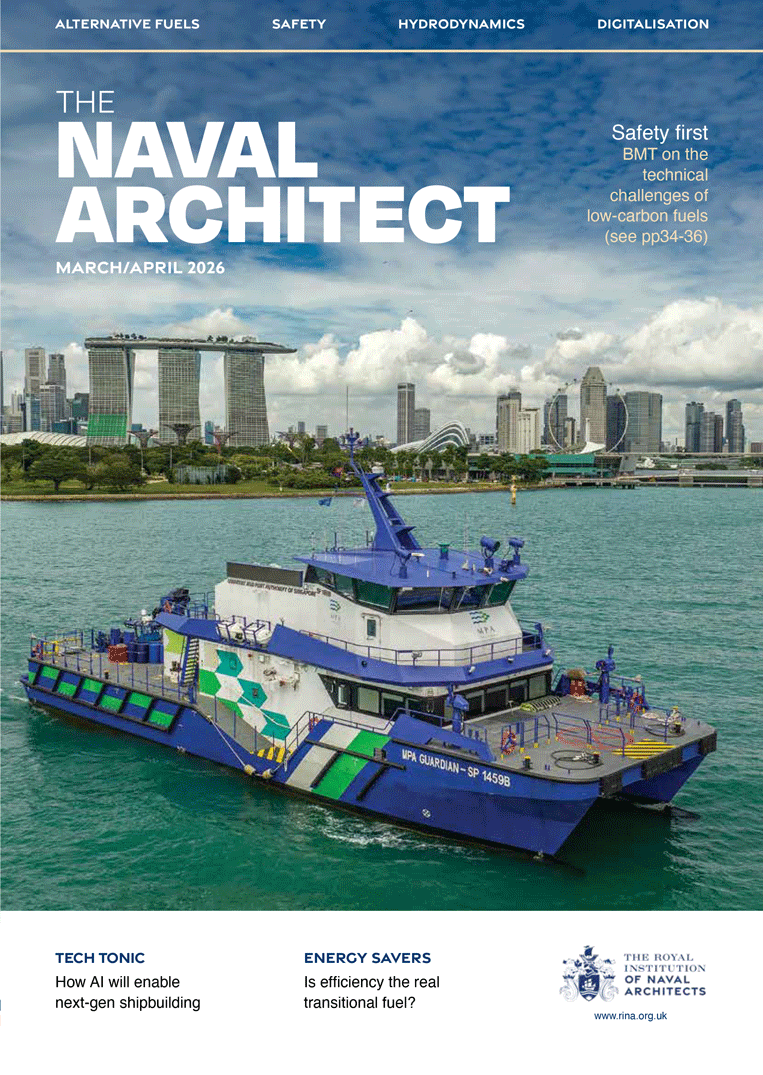
View the full PDF version of the March-April 2026 edition of The Naval Architect magazine.
Newsletters
Stay connected with the global maritime community through RINA’s newsletters.
Whether you are a member or not, you can receive updates from The Naval Architect, alongside selected RINA news, events and industry insights. Members also gain access to a wider portfolio of exclusive newsletters on key topics in the maritime industry.