

Offshore Technology
Offshore Technology explores the systems, engineering practices, innovations and challenges, driving offshore operations across energy and marine sectors. Topics you can expect include subsea engineering, floating production systems, offshore wind technologies, digital monitoring and control systems, and asset integrity management.
Delve into analysis, and insights on emerging technologies improving safety, efficiency, and performance in increasingly harsher offshore environments in the journey to cleaner sustainable energy sources.
Branch spotlight: Cumbrian conversations
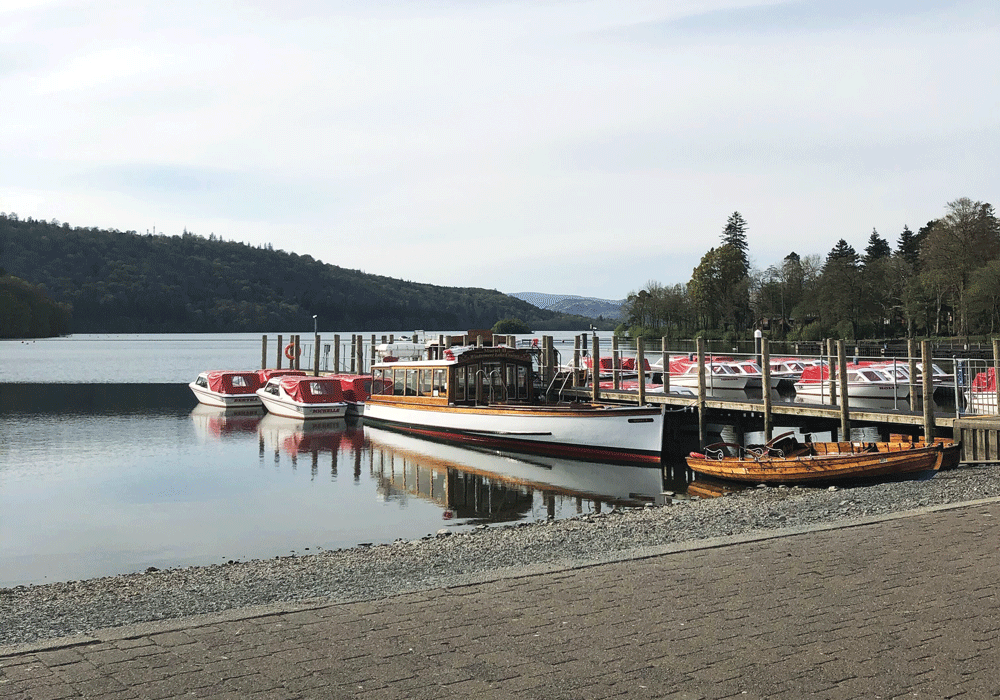
Explore vintage vessels at Windermere Jetty Museum (image: Crayston Renner)
Talks at the branch ranged from world speed records to HR and decarbonisation.
Catalytic link averts crisis
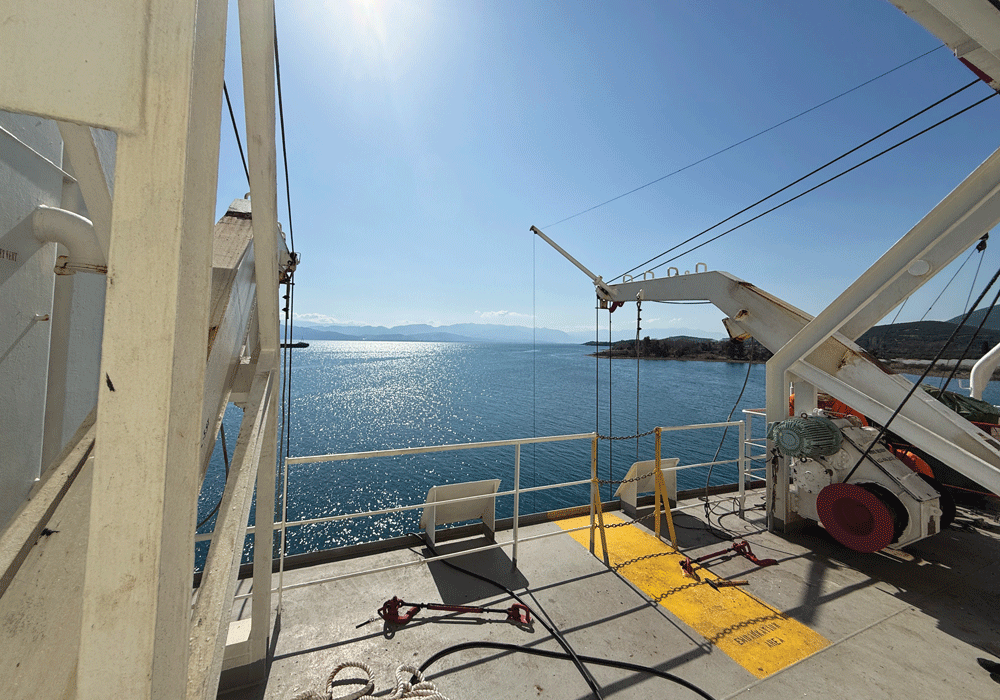
All hands on deck led to a quick resolution of an emergency
How an unexpected incident became an object lesson in emergency response. Nick Savvides reports.
How it's changed
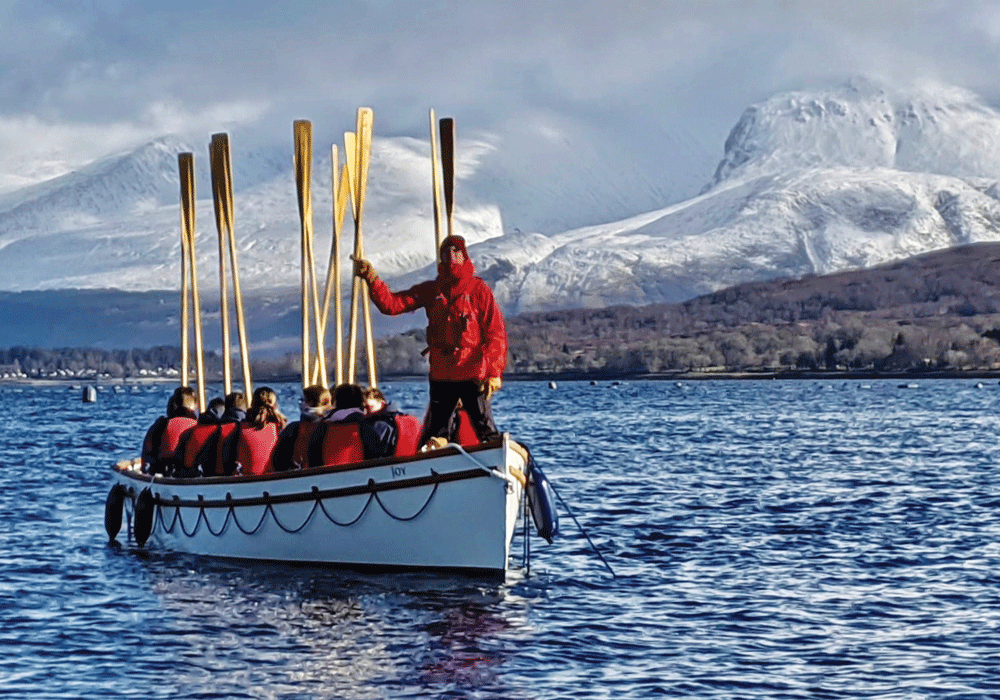
Jack has worked on a wide range of projects in his career (image: Emily Harris; outward bound trust; workTowFloat; waterbird)
Jack Gifford MRINA on his journey from boatyard Saturday boy to a Caribbean future.
Topping up the tank
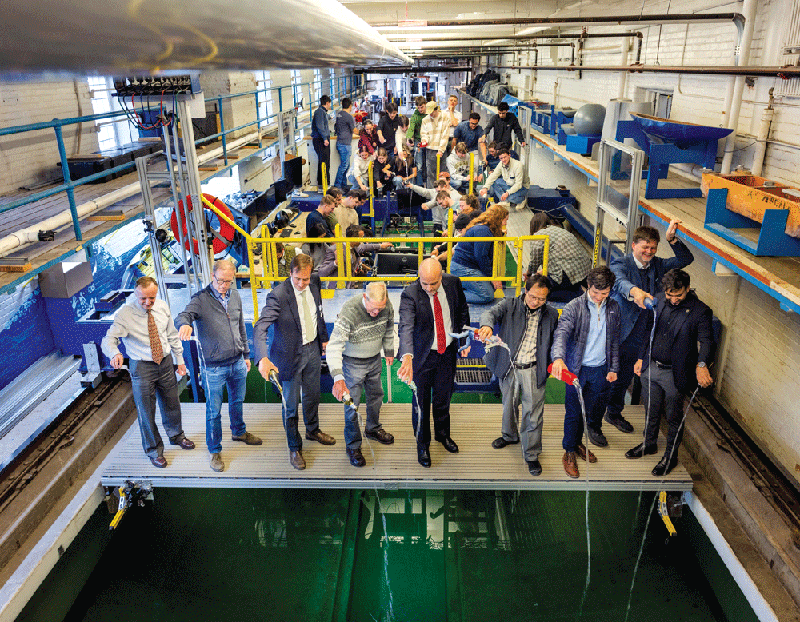
Image: Marcin Szczepanski, University of Michigan College of Engineering
The Richard B Couch Model Basin at the University of Michigan College of Engineering, following completion of extensive renovations to the 750,000gallon, 360ft-long towing tank facility.
Apprenticeships: My path to success
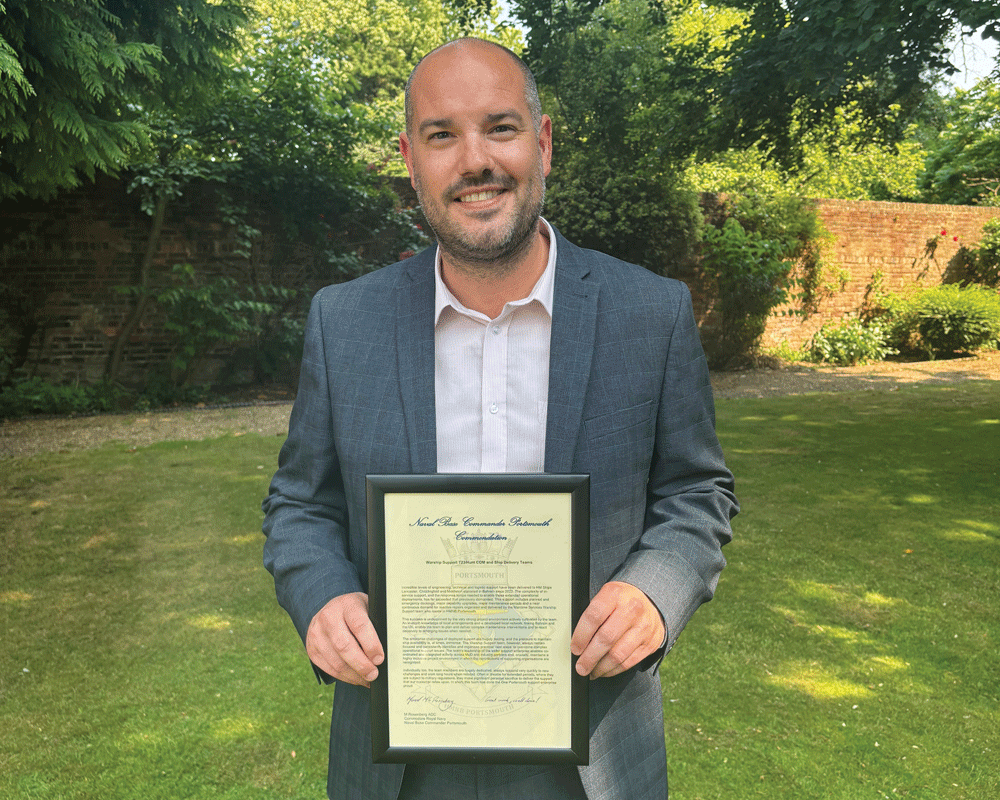
Aaron Cobb, winning accolades for his warship work
Aaron Cobb MRINA is chief engineer, international navy support, at BAE Systems, Maritime and Land Defence Solutions: vocational training was the basis for a fascinating and fulfilling career and it could be the pathway to success for many more young people.
AiP for wind-assisted liquefied CO2 carrier
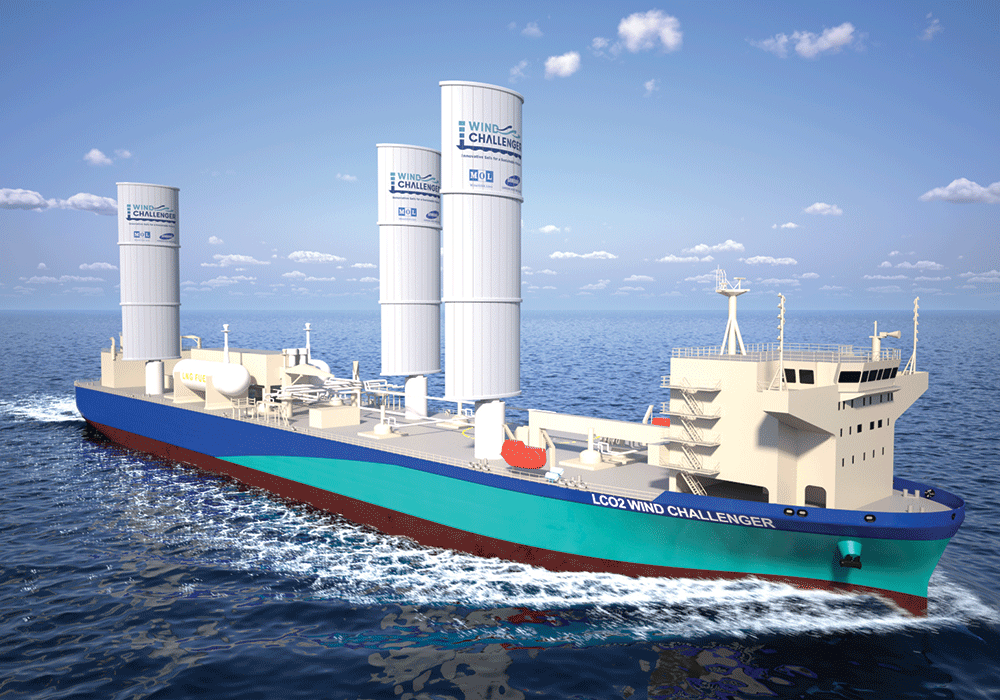
Computer-generated image of a MOL/SHI carrier design (image: MOL)
ClassNK has issued an Approval in Principle (AiP) for a liquefied CO₂ carrier equipped with the Wind Challenger hard sail wind propulsion system.
History: Lessons from MV Derbyshire
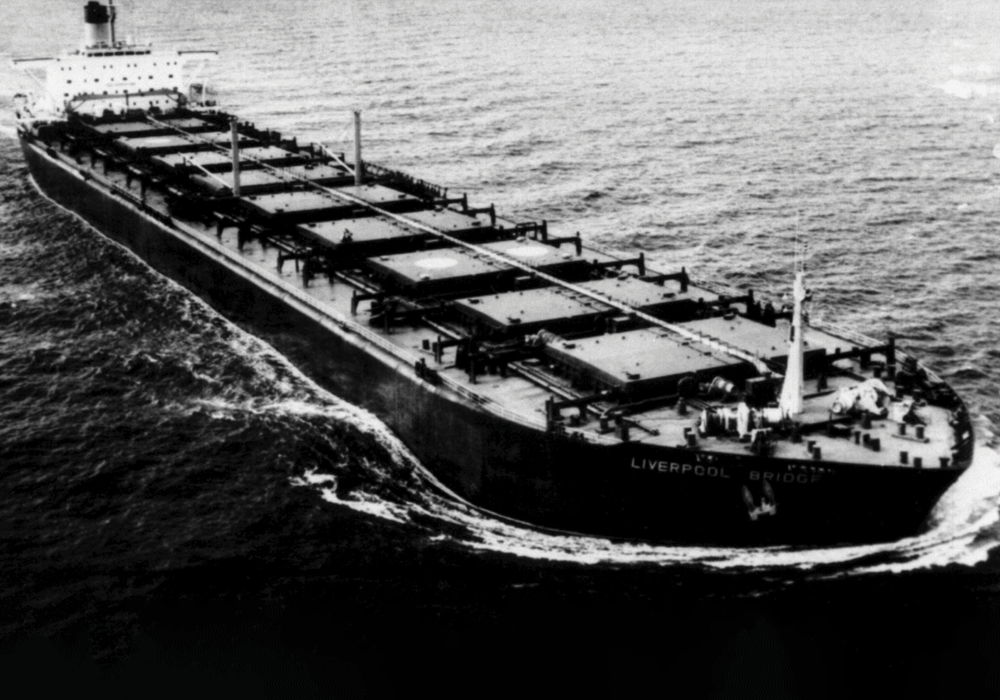
Bulk carrier Derbyshire, which sank in 1980, with the loss of 44 lives
John Jubb CEng, 94, on one of the most remarkable and troubling episodes in British maritime history in which he played a vital role.
New autonomous vessel agreement
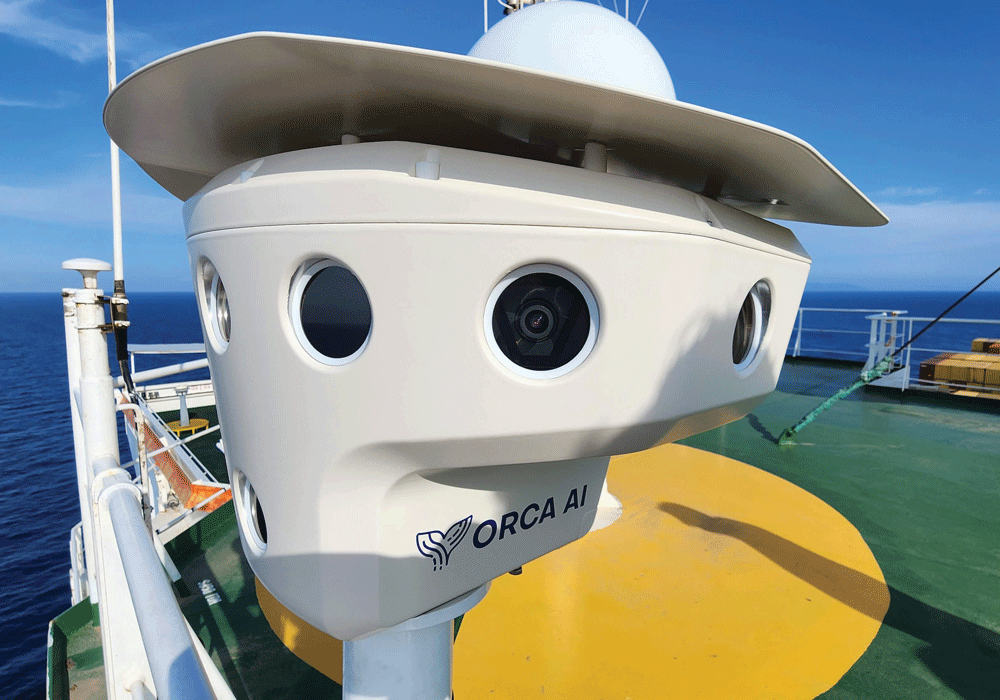
Orca AI's SeaPod watchkeeper (image: Orca AI)
Orca AI and SHI in joint development deal
Laser shield takes shape
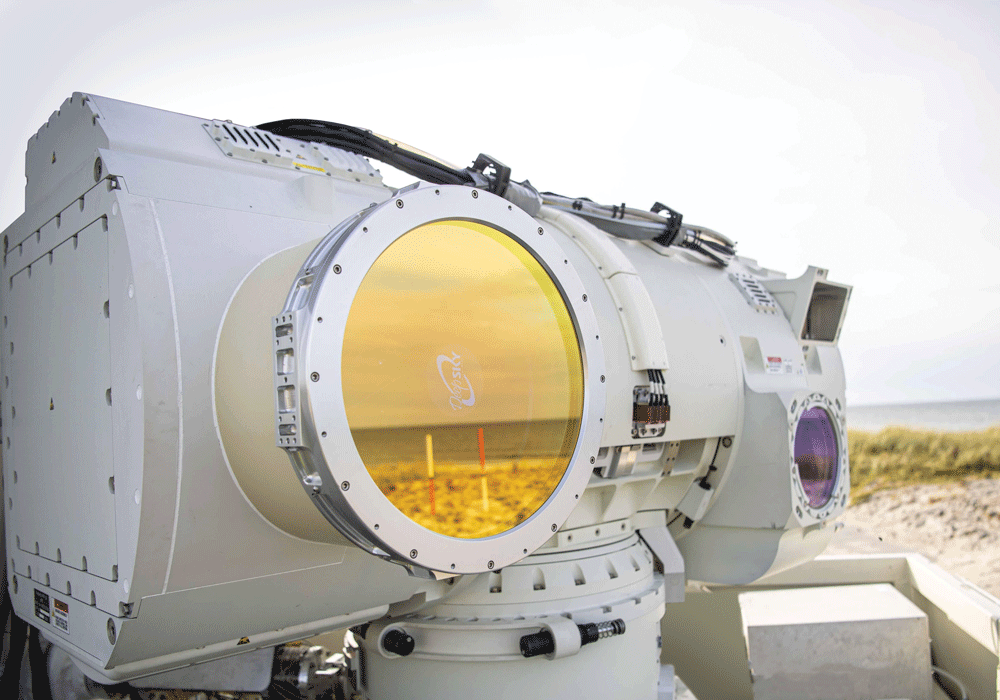
UK’s DragonFire set to take on drones by 2027.
IMO prepares for pivotal November
Power & Sustainability (Newsletter)
A clear path to decarbonisation is not yet available but MEPC 84 has given a clear direction of travel. While attempts to sink the NZF have apparently failed, putting its proponents in the driving seat, technical discussions – unlike the political debate – carry on regardless.
Bunker costs a boon for alternative fuels
Power & Sustainability (Newsletter)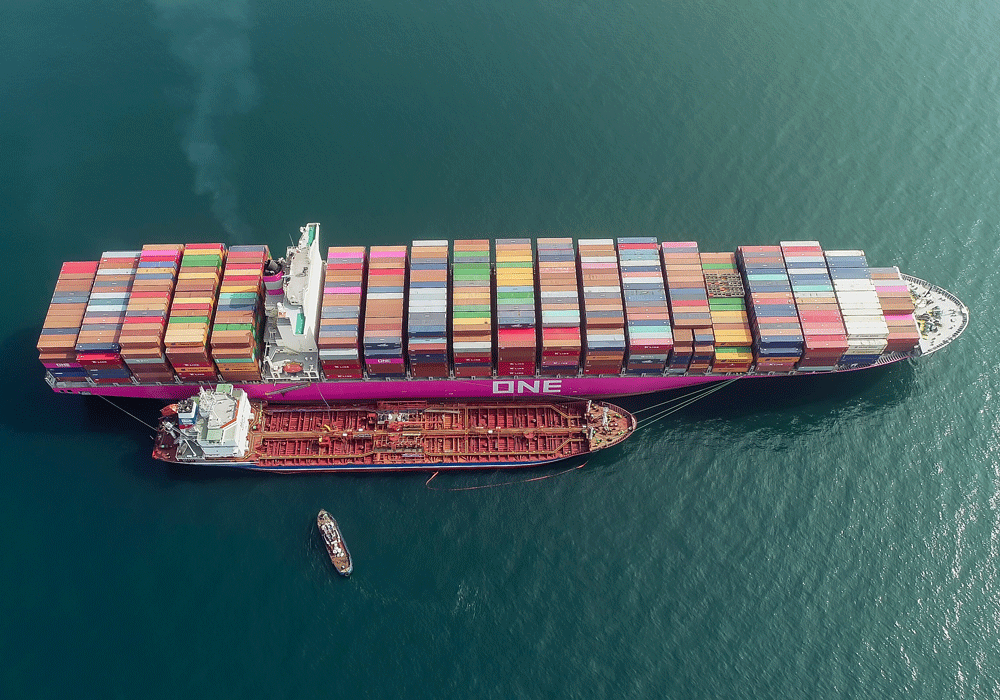
ONE container ship takes on bunker fuel (image: Shutterstock)
The conflict in Iran has seen some unintended consequences, driving up fossil fuel costs and making alternative fuels viable. At the same time, it is fuelling interest in vessel efficiency and raising the prospects of more fuels in the mix.
Supercritical CO2 opens new power frontier
Power & Sustainability (Newsletter)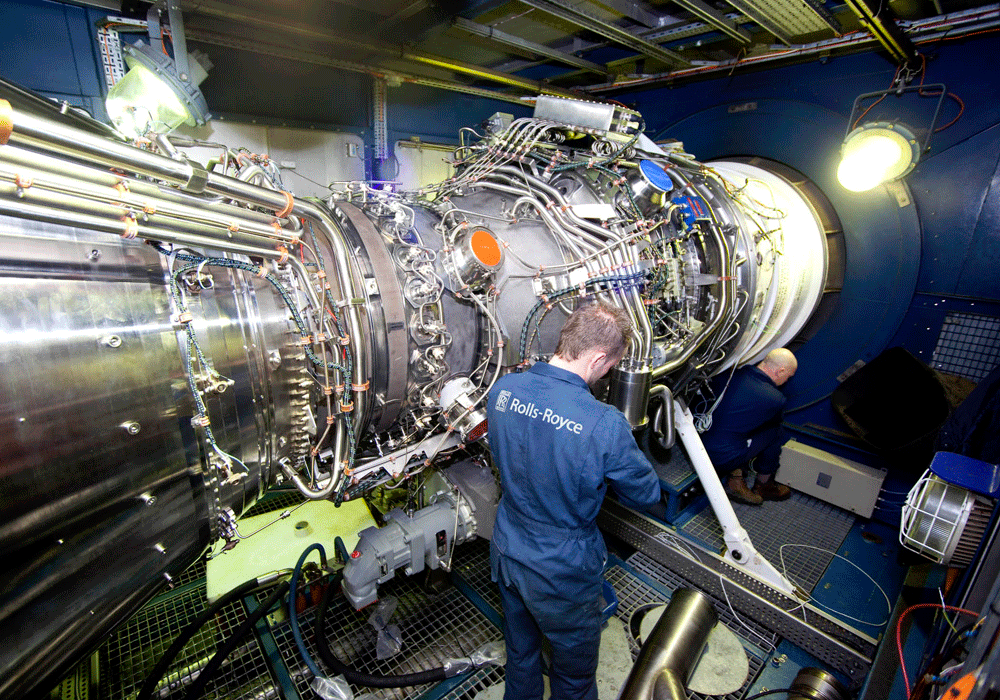
Rolls-Royce engineer stands next to a marine gas turbine
Supercritical CO2 turbines are not new, but CNNC has tested a 15MW sCO2 turbine, which offers a power-dense power plant with claimed efficiencies of up to 40%. Retrofitting a sCO2 turbine is comparatively easy. Is this an interim answer to green shipping?
Newsletters
Stay connected with the global maritime community through RINA’s newsletters.
Whether you are a member or not, you can receive updates from The Naval Architect, alongside selected RINA news, events and industry insights. Members also gain access to a wider portfolio of exclusive newsletters on key topics in the maritime industry.
- The Naval Architect (currently available to all members & non-members)
- Power & Sustainability (members-only)
- Ship Repair & Maintenance (members-only)
- Warship Technology (members-only)
- Ferries & Fast Craft (members-only)
- Offshore Technology (members-only)
