

WARSHIP TECHNOLOGY
Warship Technology delivers in-depth analysis of advanced naval systems, platforms, and integration strategies shaping modern maritime defence capabilities.
Look out for topics such as combat management systems, radar and sensor integration, propulsion advancements, survivability and stealth technologies, and the growing role of autonomy and artificial intelligence in naval operations.
Gain insight into the technologies underpinning next-generation warships, along with the practicalities of design, integration, and lifecycle support within complex naval environments.
Royal Navy tests seabed defence tech with AUKUS allies
Warship Technology (Newsletter)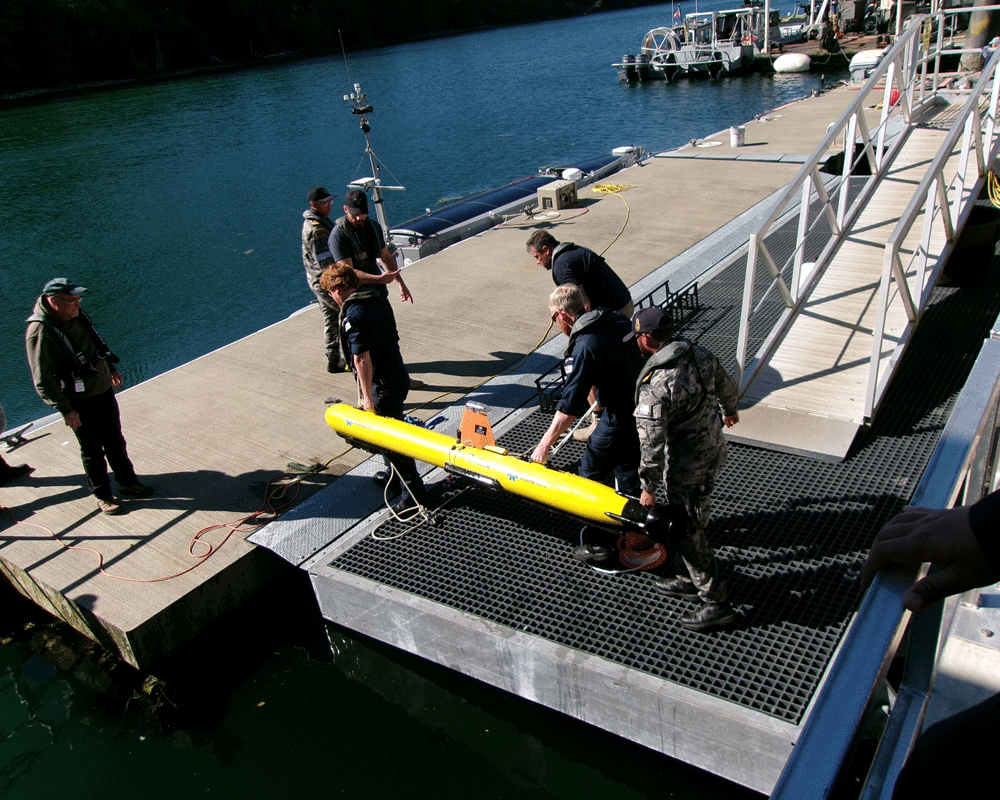
The Teledyne Gavia autonomous underwater system (image: Royal Navy).
The Royal Navy has completed a six-week AUKUS Pillar 2 trial with the US and Royal Australian Navies, testing uncrewed technology to protect critical undersea infrastructure off the US coasts and southwestern Australia.
Submarine maintenance utilises 3D printing
Warship Technology (Newsletter)
QinetiQ has installed an additive manufacturing facility at HM Naval Base Clyde, enabling submarine components to be printed and delivered dockside on demand.
A five-class challenge for UK naval design
Warship Technology (Newsletter)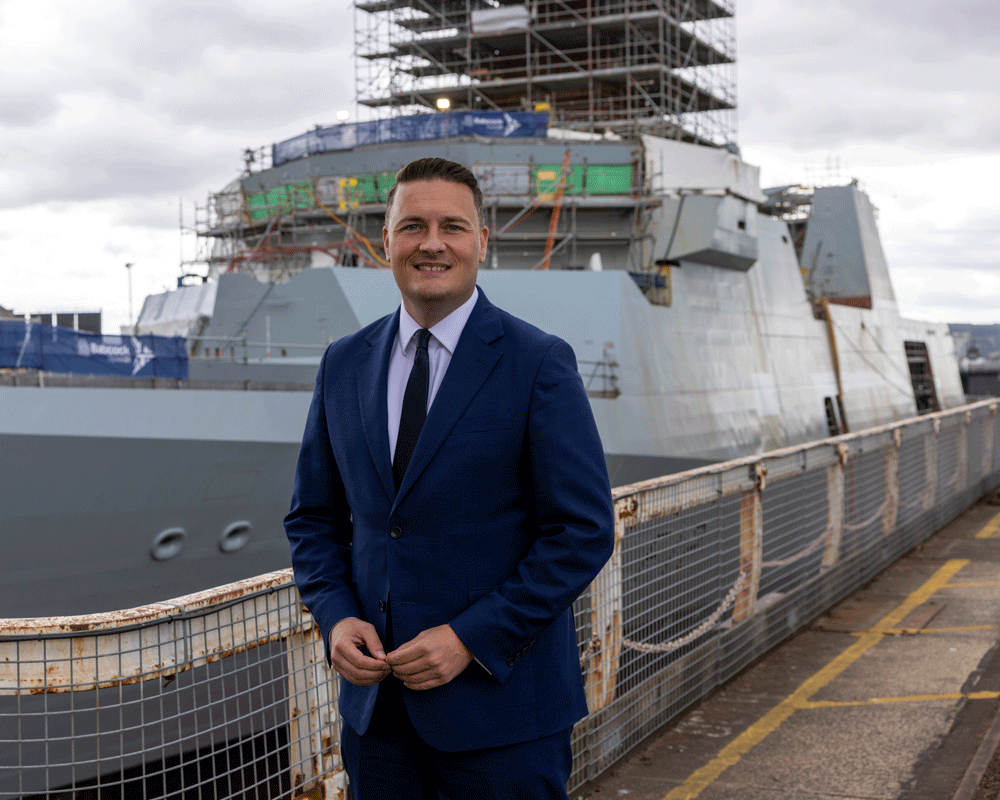
Secretary of State for Defence Wes Streeting at Babcock's Rosyth facility (image: Corporal Ryan Murray, UK MoD. Crown copyright 2026).
Naval architects face a compressed design programme under the UK's £300bn Defence Investment Plan, which replaces the Type 83 destroyer with the Common Combat Vessel, a hybrid warship coordinating four new uncrewed classes.
BMT bolsters Anzac class engineering
Warship Technology (Newsletter)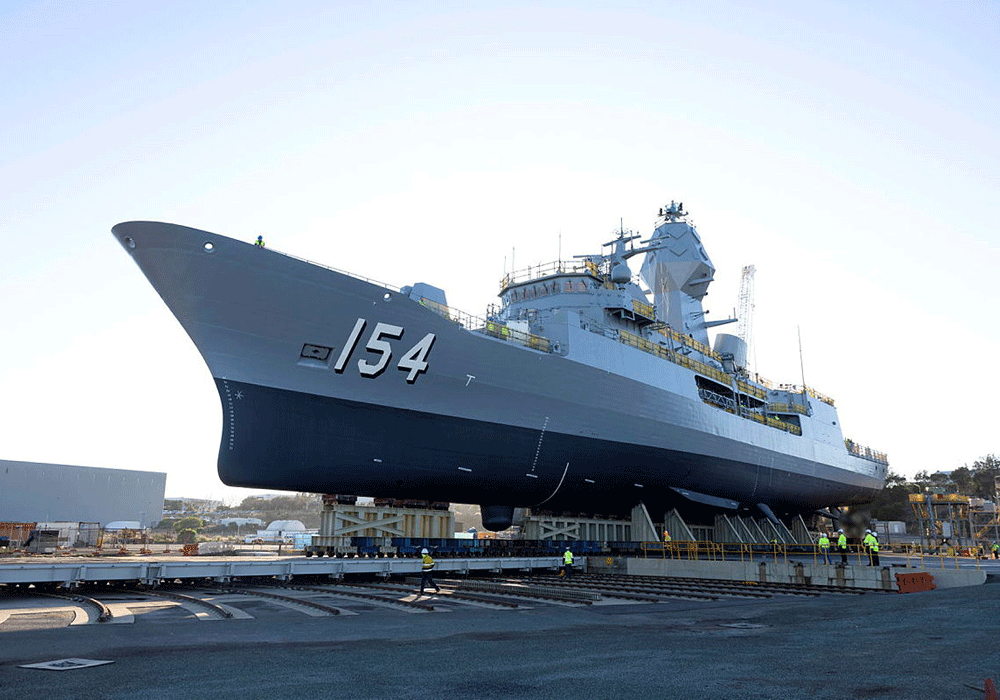
BMT's Anzac support contract (image: BAE Systems Australia)
The Royal Australian Navy's Anzac Class Designer Support Contract, DSC-West, will see BMT provide specialist engineering support. BMT's 2024 acquisition of Australian Maritime Technologies preserves an unbroken design lineage from the original build programme.
Herne XLAUV charts new certification course
Warship Technology (Newsletter)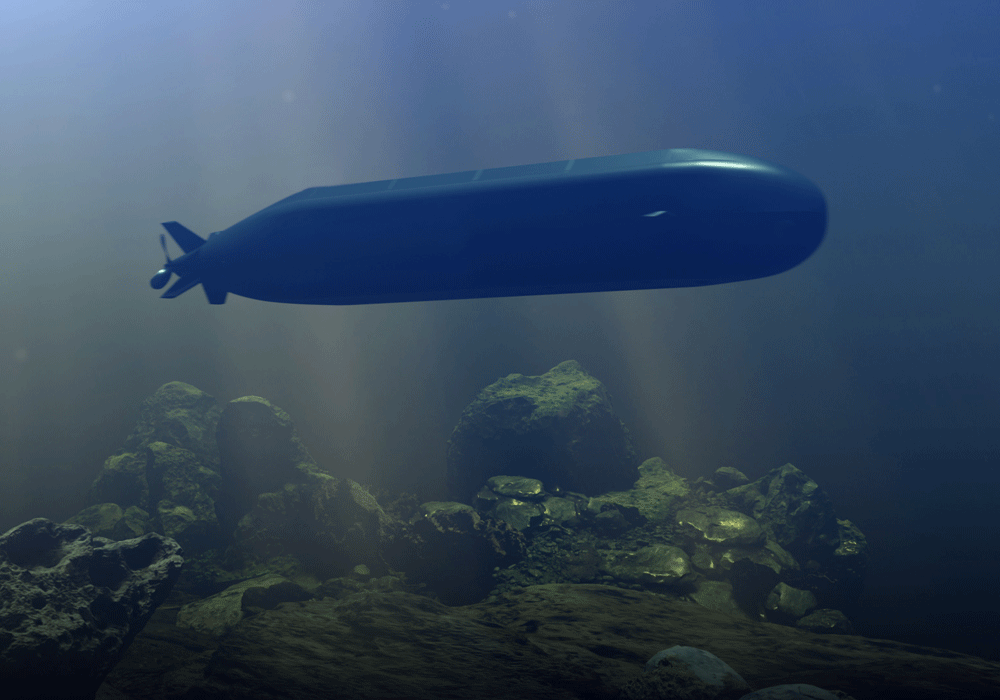
Autonomous underwater vehicle certification
BAE Systems' Herne extra-large autonomous underwater vehicle is set to be the first platform of its kind certified under Lloyd's Register's Unmanned Marine Systems Code. The milestone establishes recognised assurance standards for large uncrewed submersibles, with significant implications for naval architects and the defence maritime sector.
Plymouth's prime position gets boost
Warship Technology (Newsletter)
Plymouth's historic position offers future options (image: National Centre for Marine Autonomy)
The UK Government has committed £50 million to Plymouth's National Centre for Marine Autonomy, targeting UUV and USV development. Smart Sound Plymouth offers more than 1,000km2 of deconflicted water space and 75m offshore depths, while proximity to HM Naval Base Devonport adds operational credibility for autonomous systems validation.
Immersive simulation accelerates warship design
Warship Technology (Newsletter)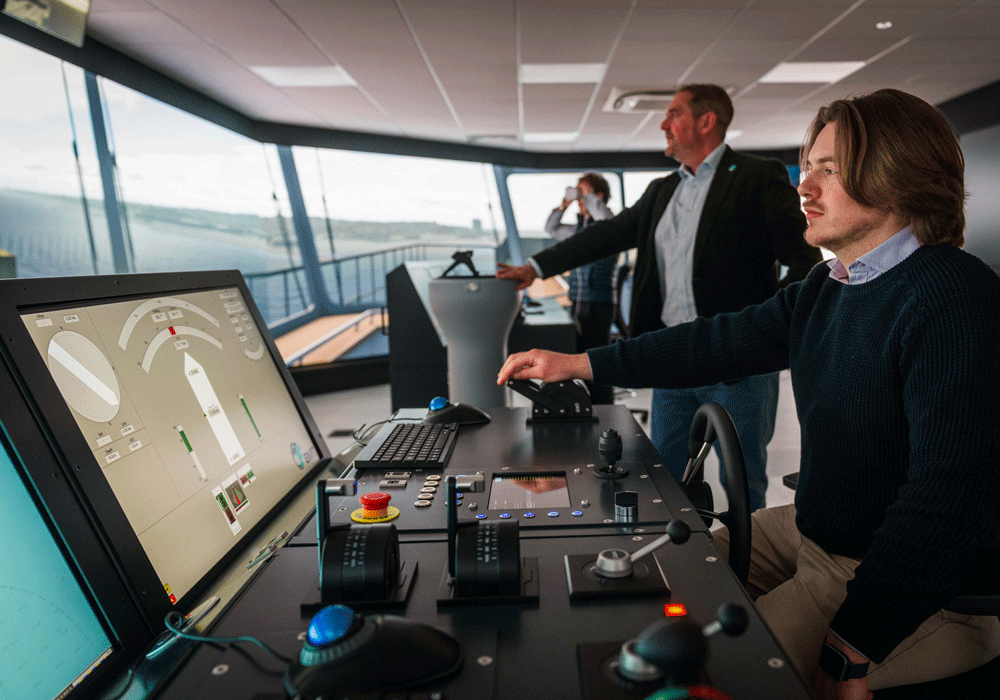
BMT's new state-of-the-art Digital Innovation & Simulation Centre (DISC)
BMT’s new Digital Innovation & Simulation Centre (DISC) aims to reshape how naval architects design, test and validate vessels. In this exclusive interview, discover how it uses immersive simulation to de-risk decision-making
Building in better cyber resilience
Warship Technology (Newsletter)
Pole Star warns that AIS spoofing and GPS jamming are frequently used techniques that provide a false idea of ship locations while at sea
Cyberattackers are streamlining tactics and adopting new technologies to expand their capabilities. Pole Star Defense talks to RINA exclusively on why embedding cyber resilience into warship design from the outset is critical
Autonomy as a capability multiplier
Warship Technology (Newsletter)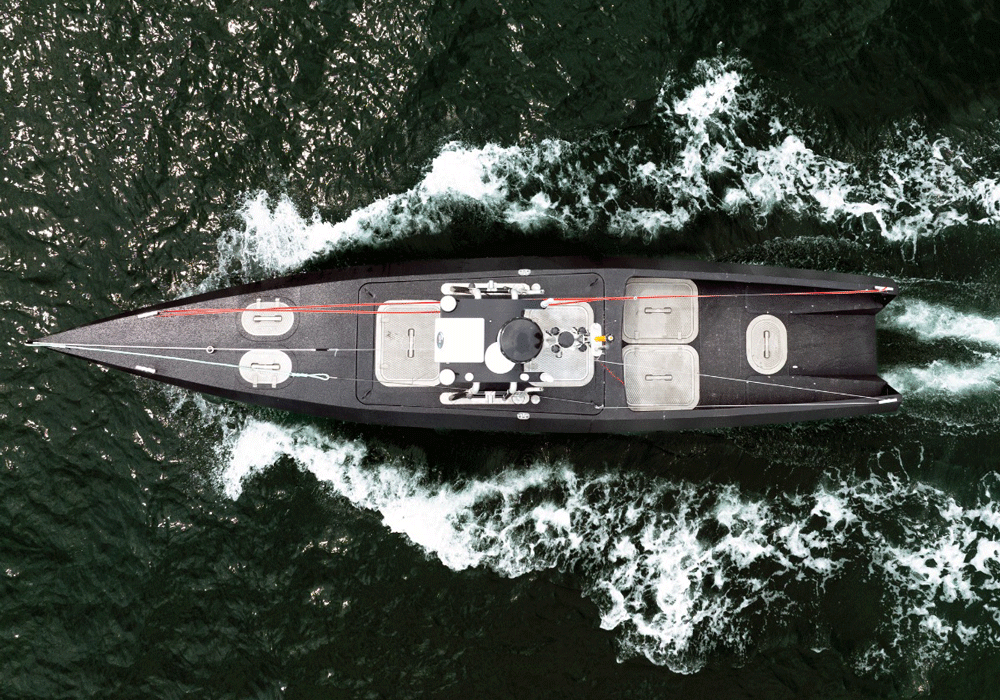
MarineAI says that autonomous vessels are best viewed as a capability multiplier, rather than a replacement for crewed warships
In light of growing maritime autonomy across the defence sector, RINA questions AI developer MarineAI on how autonomous systems can complement warship capability and streamline decision-making, rather than replace the process
Newsletters
Stay connected with the global maritime community through RINA’s newsletters.
Whether you are a member or not, you can receive updates from The Naval Architect, alongside selected RINA news, events and industry insights. Members also gain access to a wider portfolio of exclusive newsletters on key topics in the maritime industry.
- The Naval Architect (currently available to all members & non-members)
- Power & Sustainability (members-only)
- Ship Repair & Maintenance (members-only)
- Warship Technology (members-only)
- Ferries & Fast Craft (members-only)
- Offshore Technology (members-only)
