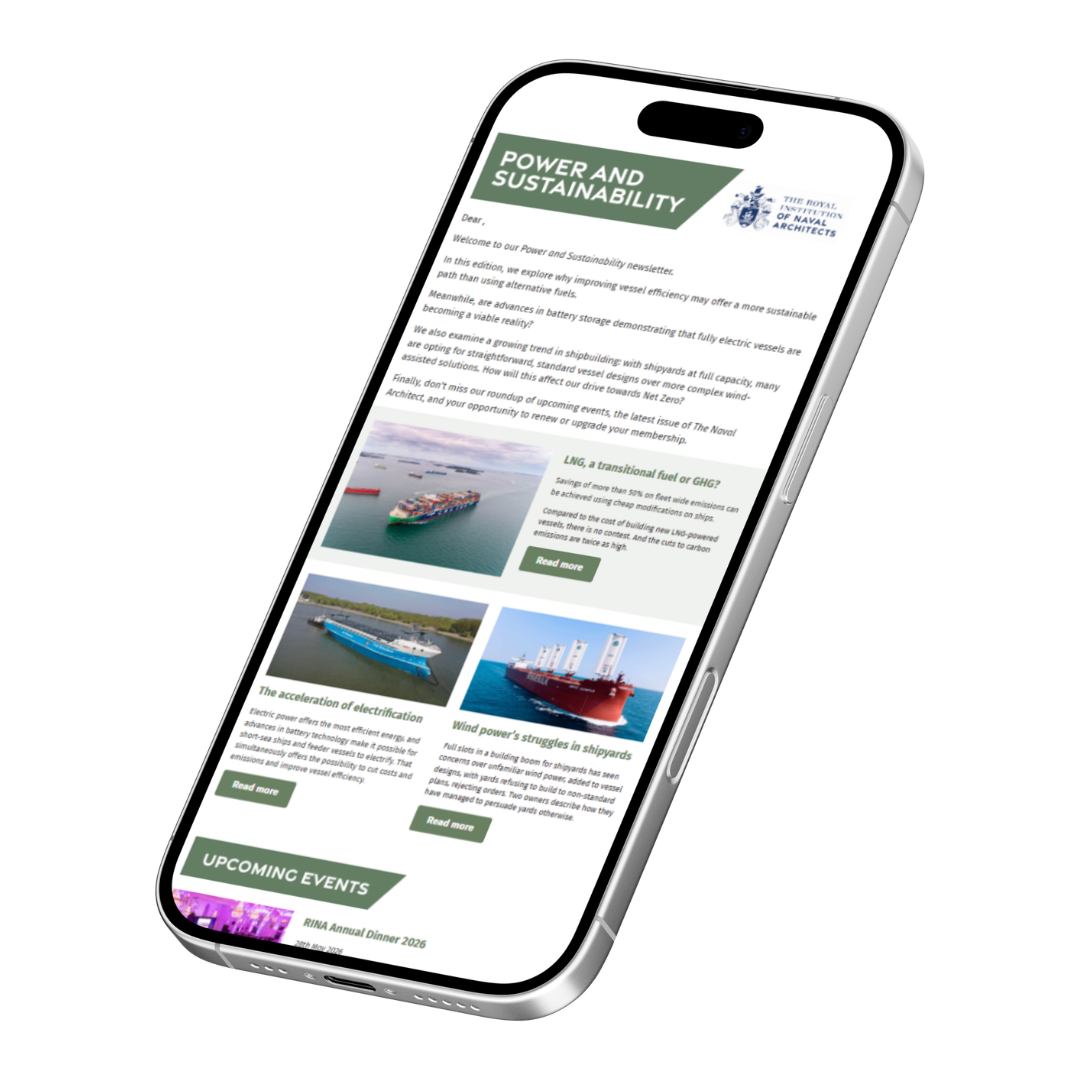
The Naval Architect provides in-depth information on all aspects of vessel design, construction and engineering. Practical applications of latest technology and case studies are accompanied by analysis and foresights. Published every two months, the magazine covers everything from superyachts and short-hop ferries to tankers and heavy-lift vessels; from battery pack installations and sail-assisted solutions to LNG tank retrofits; and from offshore safety to warship resilience.
Painting of Adelphi Terrace, London

Painting of unknown date of Adelphi Terrace, London - the first headquarters of The Royal Institution of Naval Architects
In the early days, the Institution settled in rooms at Adelphi Terrace, London – first at No. 7, then at No. 9 and finally at No. 5 (the former house of David Garrick). The proximity of Adelphi Terrace to the Royal Society of Arts where John Scott Russell had been Secretary, and where for many years meetings of the Institution were held, made the choice of the Institution’s first headquarters very convenient.
Photograph of Adam Street, London

1919-1938 Photograph of unknown date of Adam Street, London
With the reconstruction of Adelphi Terrace after the 1914-1918 war, the Institution moved to the south corner of Adam Street nearby.
Fishing For Energy - Copy
Ship & Boat International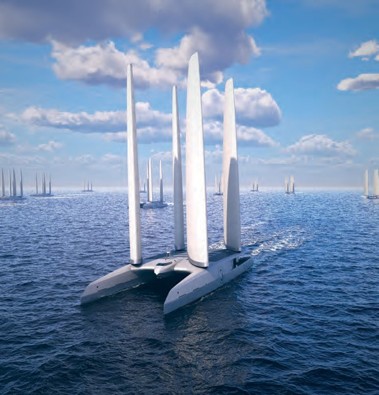
DRIFT Energy’s Most Valuable Yacht concept is designed to convert wind energy into green hydrogen while on the move, care of wind-assisted propulsion, a submerged turbine and a unique wind-hunting algorithm
The X Factor - Copy
Ship & Boat International
Years of extensive testing are paying off for Slovenia’s EJET, which is soon to expand its all-electric jet tender business with a larger, more powerful model
The Naval Architect May-June 2026 - Copy
The Naval Architect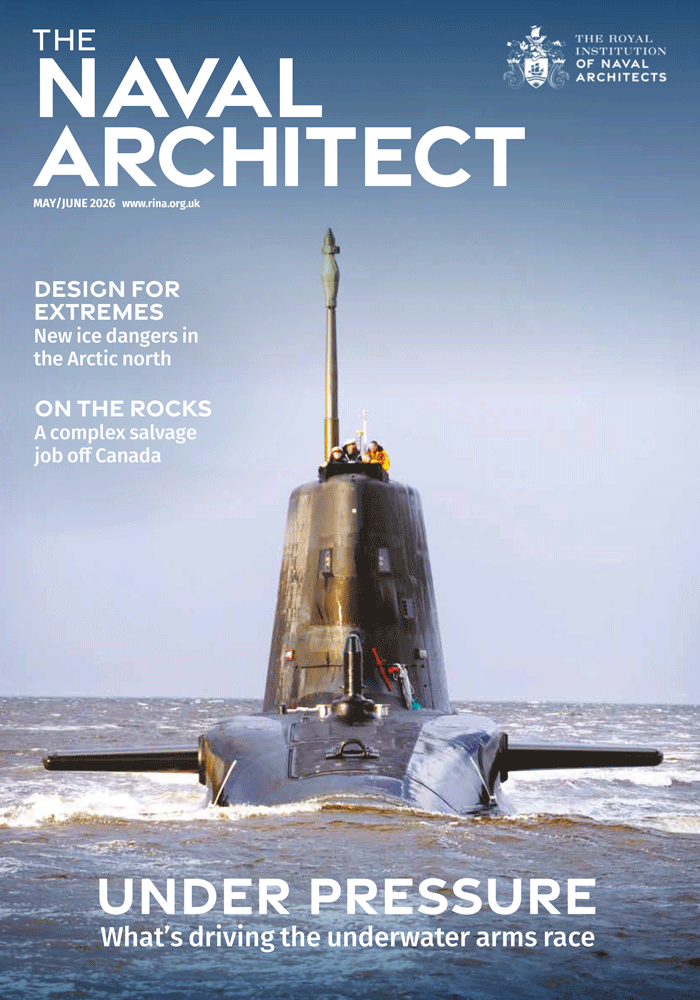
View the full PDF version of the May/June 2026 edition of The Naval Architect magazine.
An Yun - Eco chemical/oil tanker for CPC Corporation - Copy
Significant Ships
An Yun is a chemical/oil tanker that has been designed and constructed by CSBC and features energy-saving adaptations to enhance its performance.
table test
The Naval Architect
Contents |
||
|---|---|---|
| text here | text here | text here |
| text here | text here | text here |
| text here | text here | text here |
| text here | text here | text here |
| text here | text here | text here |
BALANCING ENERGY EFFICIENCY AND MARINE BIODIVERSITY IN THE DECARBONIZATION ERA - Copy
CII
Biofouling management is increasingly central to maritime decarbonisation, with hull condition directly influencing fuel consumption, emissions and Carbon Intensity Indicator performance. By evaluating antifouling technologies, in-water cleaning practices and environmental impacts, this research highlights the trade-offs between operational efficiency and ecosystem protection, guiding more balanced and sustainable vessel management strategies.
Offshore Wind Summit 2023 Conference Proceedings - Copy
Offshore Wind Summit
Newsletters
Stay connected with the global maritime community through RINA’s newsletters.
Whether you are a member or not, you can receive updates from The Naval Architect, alongside selected RINA news, events and industry insights. Members also gain access to a wider portfolio of exclusive newsletters on key topics in the maritime industry.