

WARSHIP TECHNOLOGY
Warship Technology delivers in-depth analysis of advanced naval systems, platforms, and integration strategies shaping modern maritime defence capabilities.
Look out for topics such as combat management systems, radar and sensor integration, propulsion advancements, survivability and stealth technologies, and the growing role of autonomy and artificial intelligence in naval operations.
Gain insight into the technologies underpinning next-generation warships, along with the practicalities of design, integration, and lifecycle support within complex naval environments.
The ferry designed to reshape Australia's waterways
Ferries & Fast Craft (Newsletter)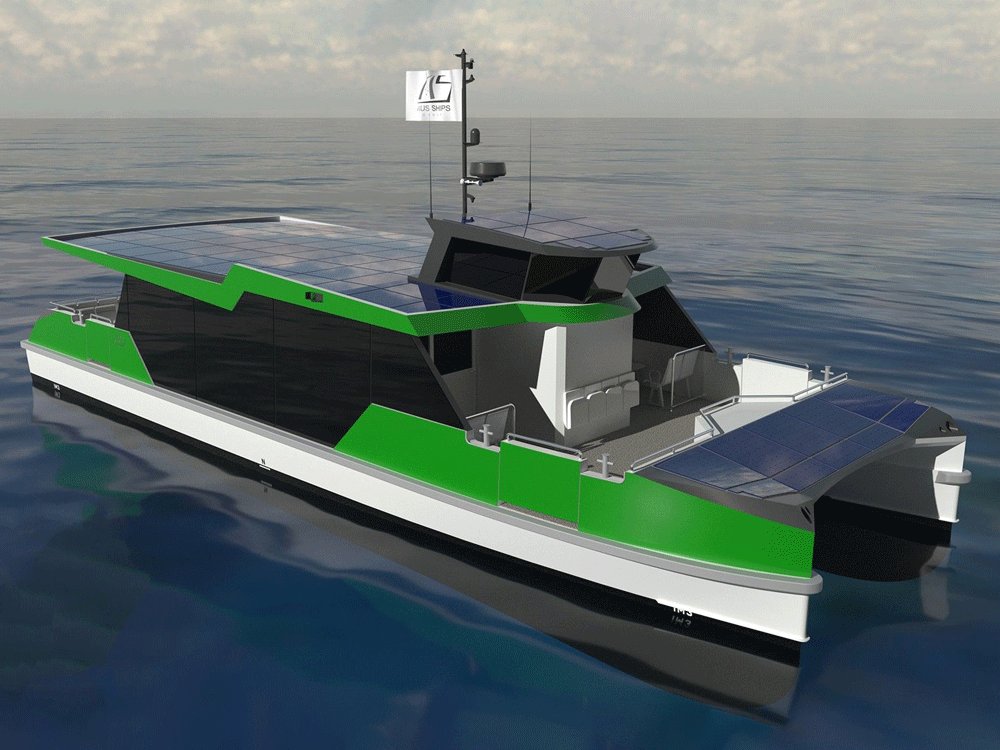
A digital rendering of the Aus Ships ferry powered by Volvo Penta (image: Volvo Penta).
Australia’s first 100% electrically driven passenger ferry, a collaboration between Aus Ships and Volvo Penta, aims to validate scalable electric marine propulsion with the overall aim of decarbonising the country’s waterways.
Deep-vee without the penalty? The Petestep hull
Ferries & Fast Craft (Newsletter)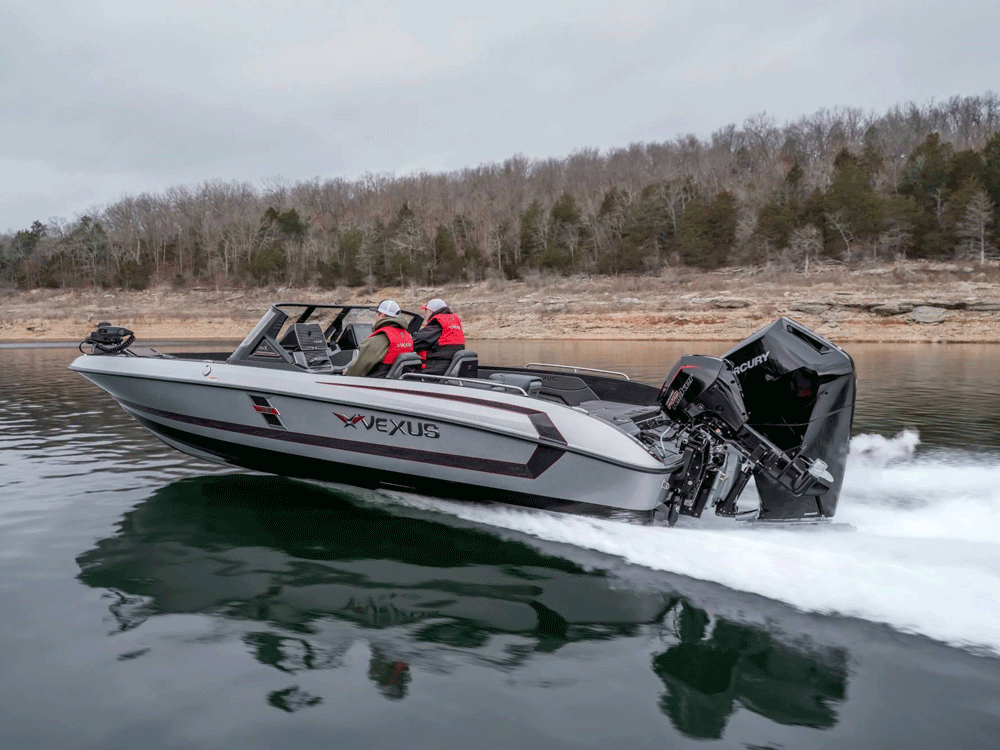
Vexus Boats DVX23 was designed to run a single 500hp outboard (image: Petestep)
Can diagonal deflector strakes solve the classic deep-vee compromise? Petestep’s hull technology is promising faster planing, lower slamming loads and efficiency gains across the fast craft market.
Shaping design around battery integration
Ferries & Fast Craft (Newsletter)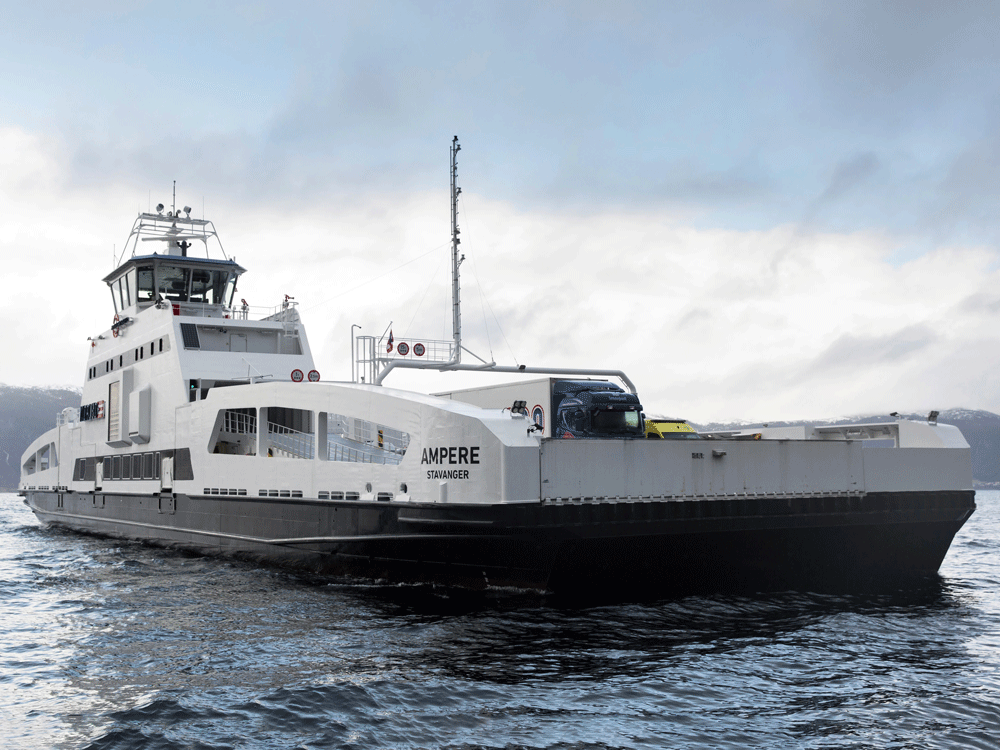
The world's first fully electric battery car ferry, the MF Ampere (image: Corvus Energy).
Battery specialist Corvus Energy discusses how it is working on large-scale battery integration projects that reshape weight distribution and stability design in high capacity ferries and fast craft.
Modern market dynamics in fast craft design
Ferries & Fast Craft (Newsletter)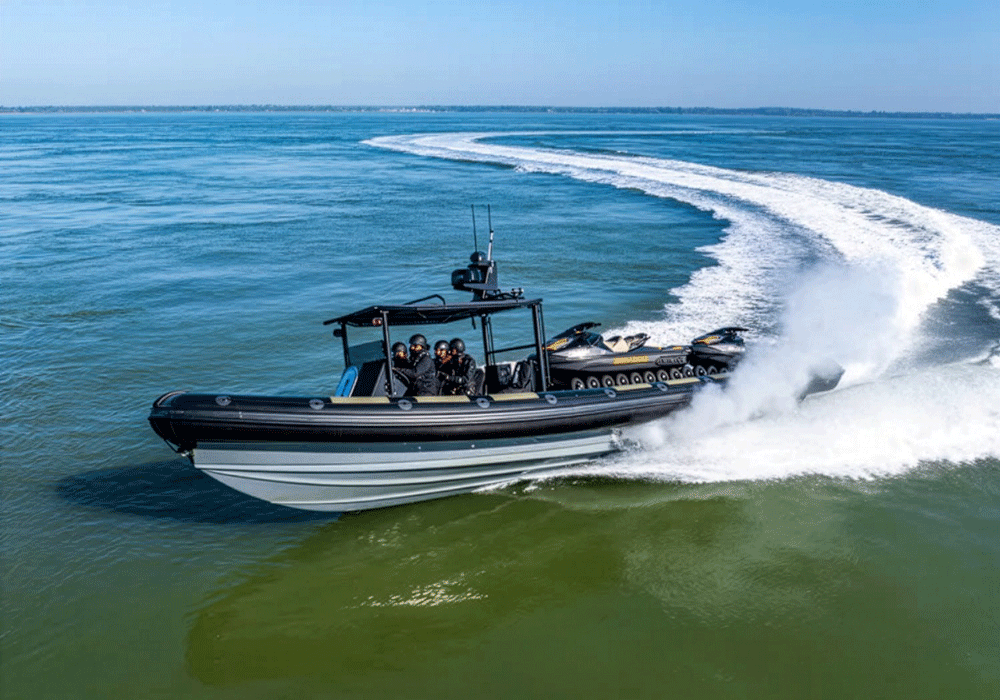
One of Arksen Pro's more recent innovations is the Vampire 1250 (image: Arksen Pro)
As fast craft design adapts to harsher offshore demands and faster-moving procurement cycles, RINA explores what naval architects can learn from Arksen Pro’s approach to ruggedisation, modularity and modern market dynamics
Flying boats rewrite the rules of fast craft design
Ferries & Fast Craft (Newsletter)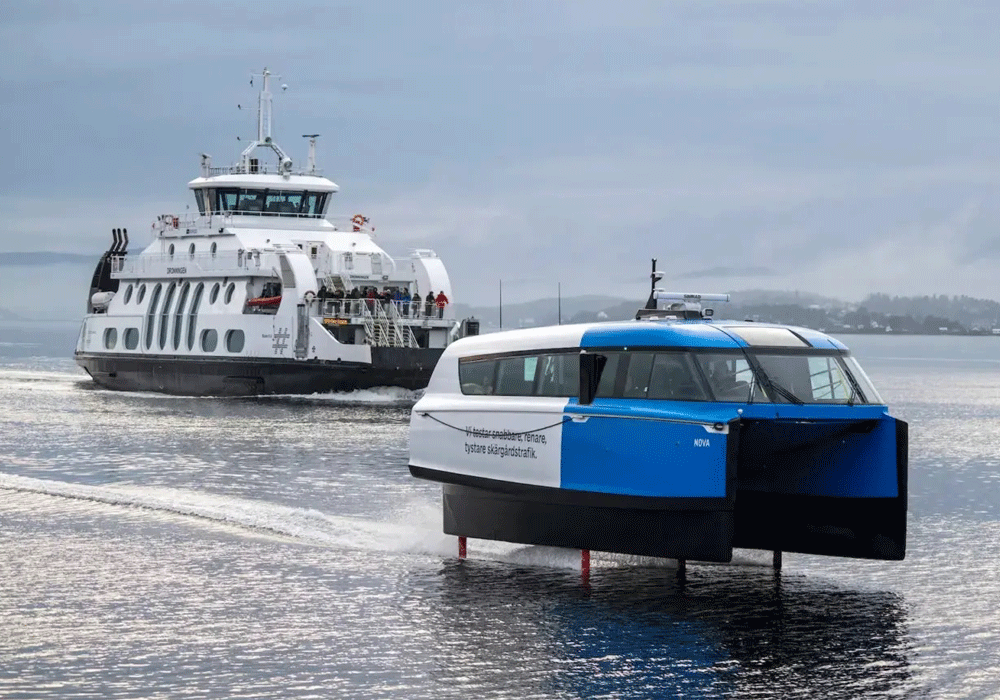
In the Candela P-12, the batteries are placed in the front of the boat, accounting for passenger weight (image: Candela)
Candela Technology’s flagship vessel, Candela P-12, holds the record as the fastest electric passenger vessel in operation. RINA reveals some of the secrets behind Candela’s pioneering hydrofoiling electric vessel design
Tailor-making the approach to fast ferries
Ferries & Fast Craft (Newsletter)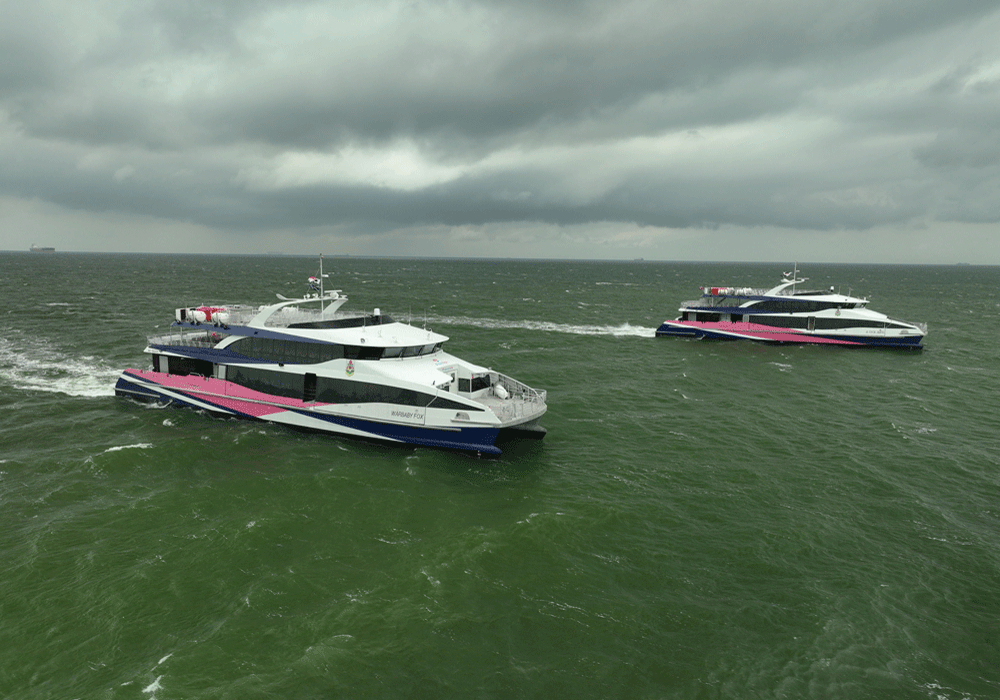
Strategic Marine's two 40m, 550-passenger low-emission catamaran ferries for the Government of Bermuda (image: Strategic Marine)
RINA talks exclusively to Strategic Marine on how low-emission targets are helping reshape hullform optimisation in large fast ferries and how this is subsequently spurring the market towards more tailored vessel designs
Engineering flexibility into hybrid ferry design
Ferries & Fast Craft (Newsletter)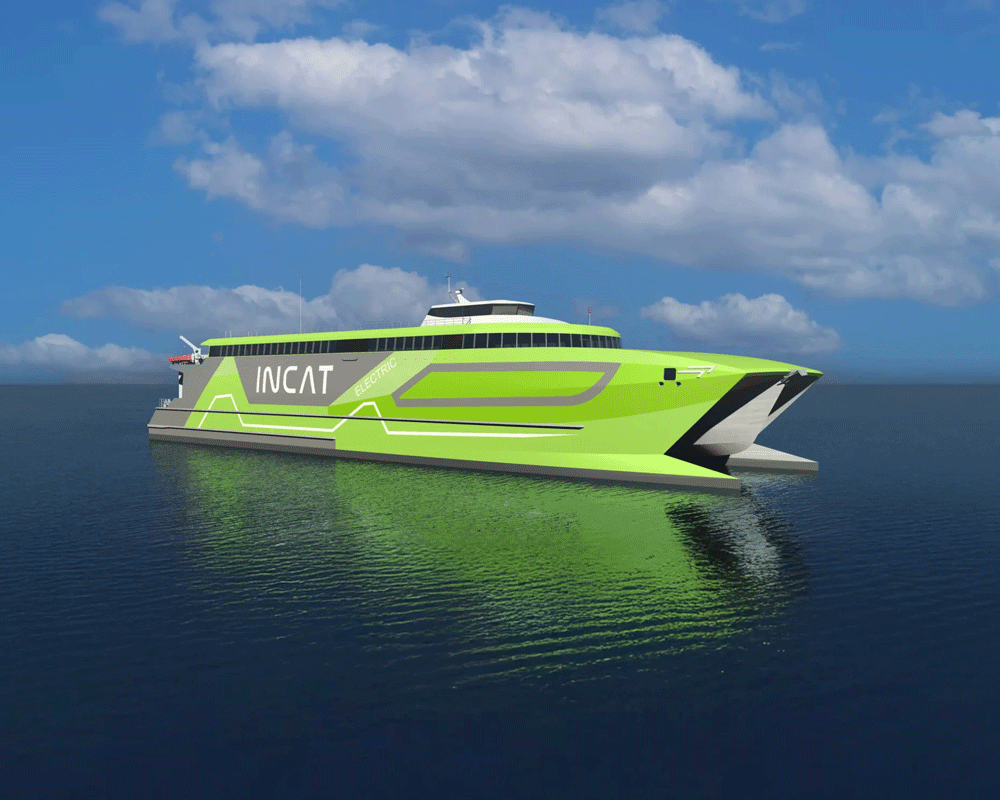
Incat and Echandia are demonstrating how working closer together on modular battery integration, collaborative vessel design and whole-system engineering is working to future-proof ferries as technology and infrastructure evolve.
Naval architecture in the electric age
Ferries & Fast Craft (Newsletter)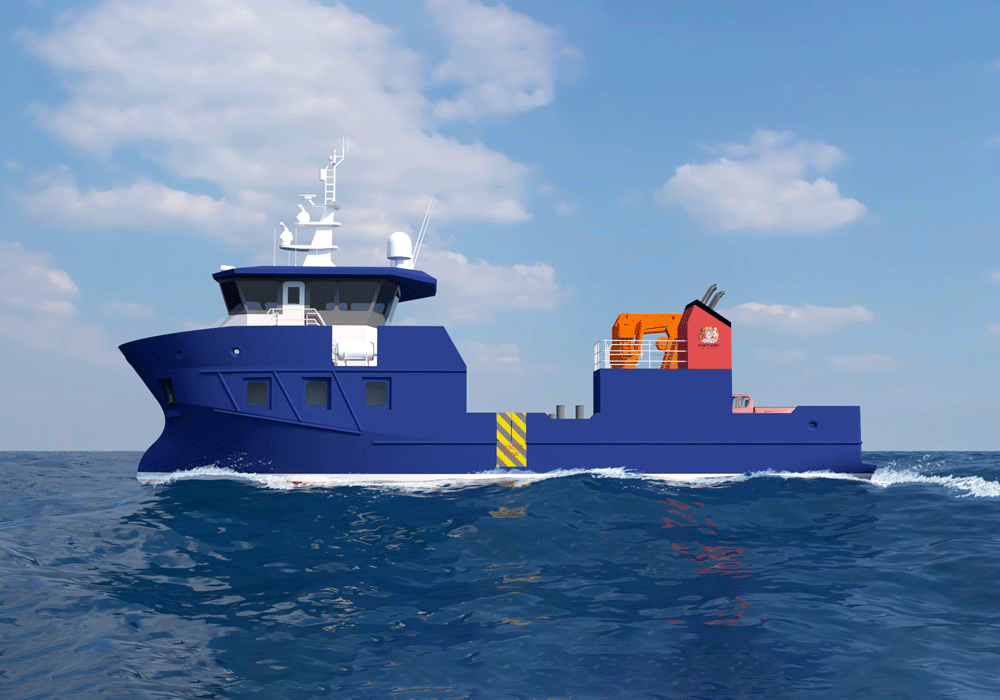
Chartwell Marine is expanding its work in the fast passenger ferry market, drawing best practice from CTV design. Its low-wake ferry hullform is a direct response to how electrification has fundamentally changed vessel design.
Simple physics with a significant impact
Ferries & Fast Craft (Newsletter)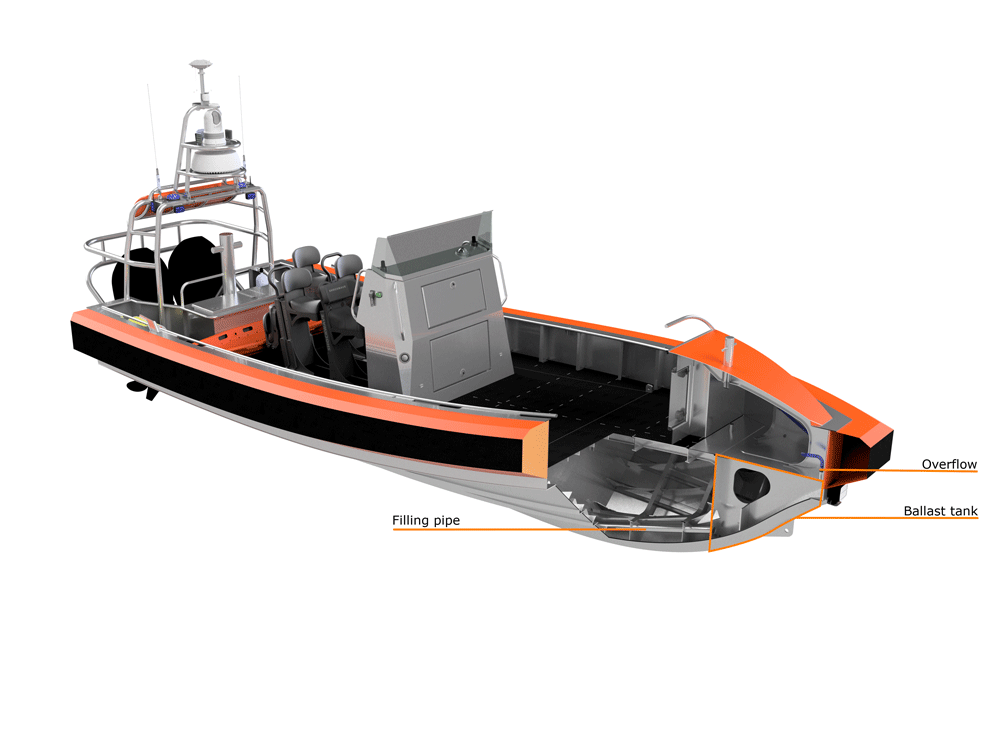
Salmon Marine’s Wavebreaker dynamic ballast system, originally conceived for offshore racing powerboats, has evolved into a design solution for reducing vertical accelerations experienced by crew and passengers operating at speed.
Newsletters
Stay connected with the global maritime community through RINA’s newsletters.
Whether you are a member or not, you can receive updates from The Naval Architect, alongside selected RINA news, events and industry insights. Members also gain access to a wider portfolio of exclusive newsletters on key topics in the maritime industry.
- The Naval Architect (currently available to all members & non-members)
- Power & Sustainability (members-only)
- Ship Repair & Maintenance (members-only)
- Warship Technology (members-only)
- Ferries & Fast Craft (members-only)
- Offshore Technology (members-only)
