

WARSHIP TECHNOLOGY
Warship Technology delivers in-depth analysis of advanced naval systems, platforms, and integration strategies shaping modern maritime defence capabilities.
Look out for topics such as combat management systems, radar and sensor integration, propulsion advancements, survivability and stealth technologies, and the growing role of autonomy and artificial intelligence in naval operations.
Gain insight into the technologies underpinning next-generation warships, along with the practicalities of design, integration, and lifecycle support within complex naval environments.
Tech tonic

(image: Shutterstock)
Dr Rodrigo Pérez Fernández examines digitalisation and AI as enablers of next-generation shipbuilding.
Davie Defense awarded ASC deal
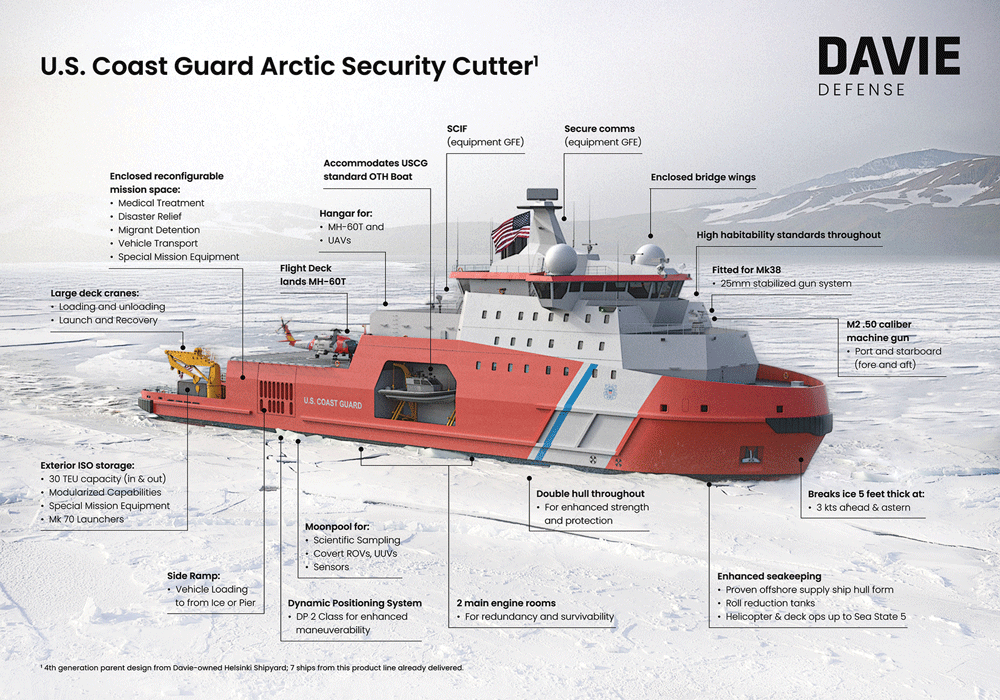
US Coast Guard Arctic Security Cutter. Pictured: Fourth-generation parent design from Davie-owned Helsinki Shipyard; seven ships from this product line already delivered (image: Davie Defense)
Finnish shipyard to help boost US company’s expertise and extend US polar capabilities.
The wind is with us
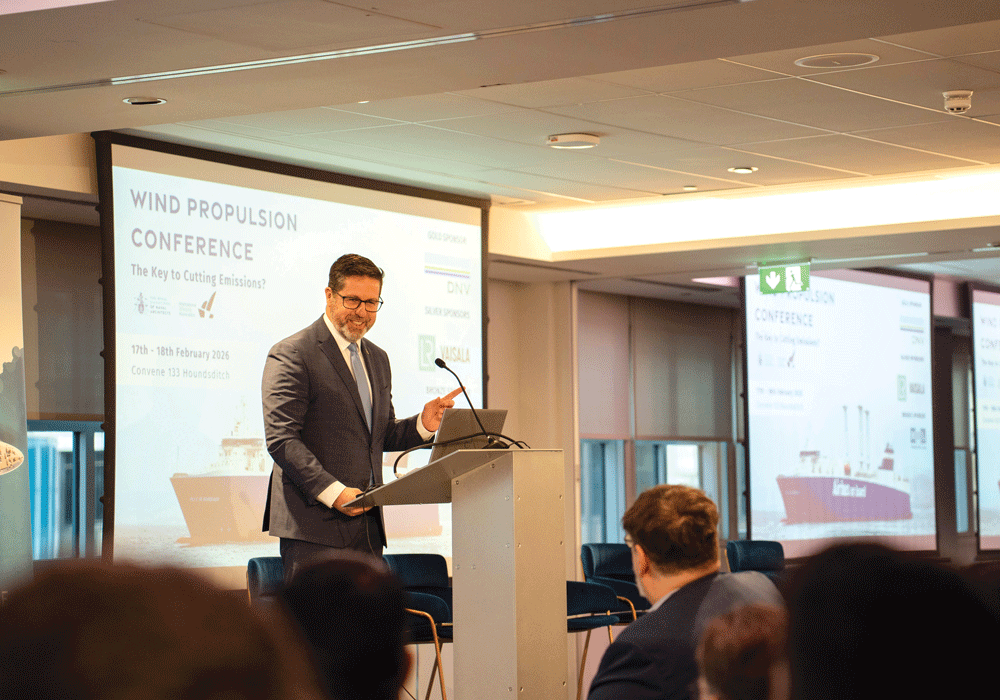
David Osborn at RINA's Wind Propulsion Conference
Wind propulsion remains a practical and cost-effective tool for decarbonising shipping, despite the regulatory headwinds, and the time for action is now, says David Osborn, director of the IMO’s Marine Environment Division.
Hanwha Ocean signs landmark agreements with Canada
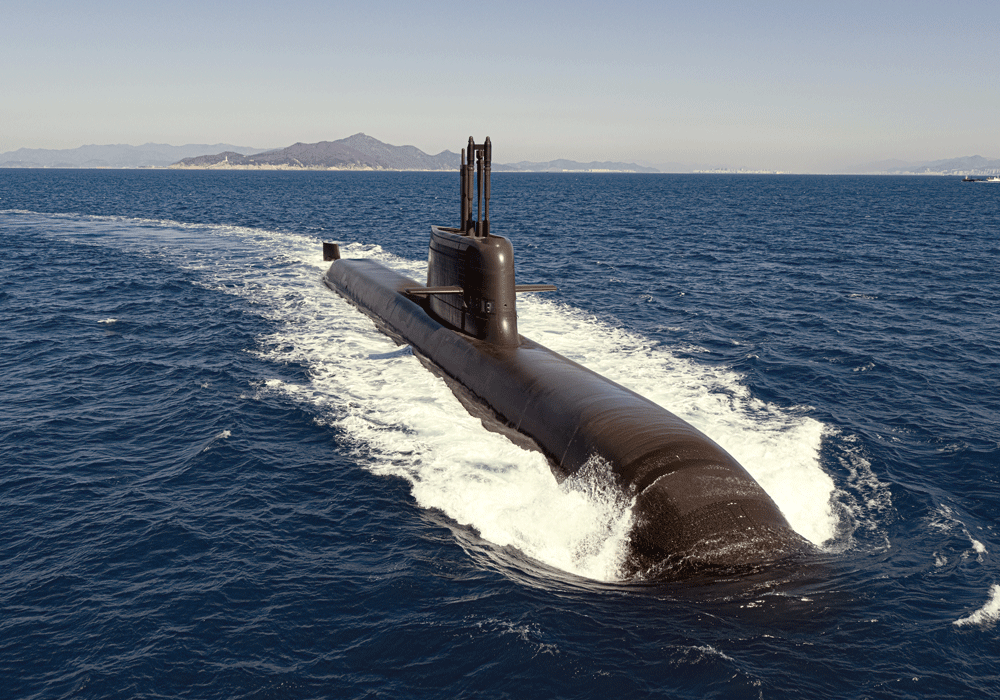
Hanwha Ocean's KSS-III submarines are designed for long-range operations
South Korean shipbuilder pledges to share expertise with Ontario Shipyards and Mohawk College in bid for Canadian Patrol Submarine Project contract.
LR validates GT Wings' assessment methodology
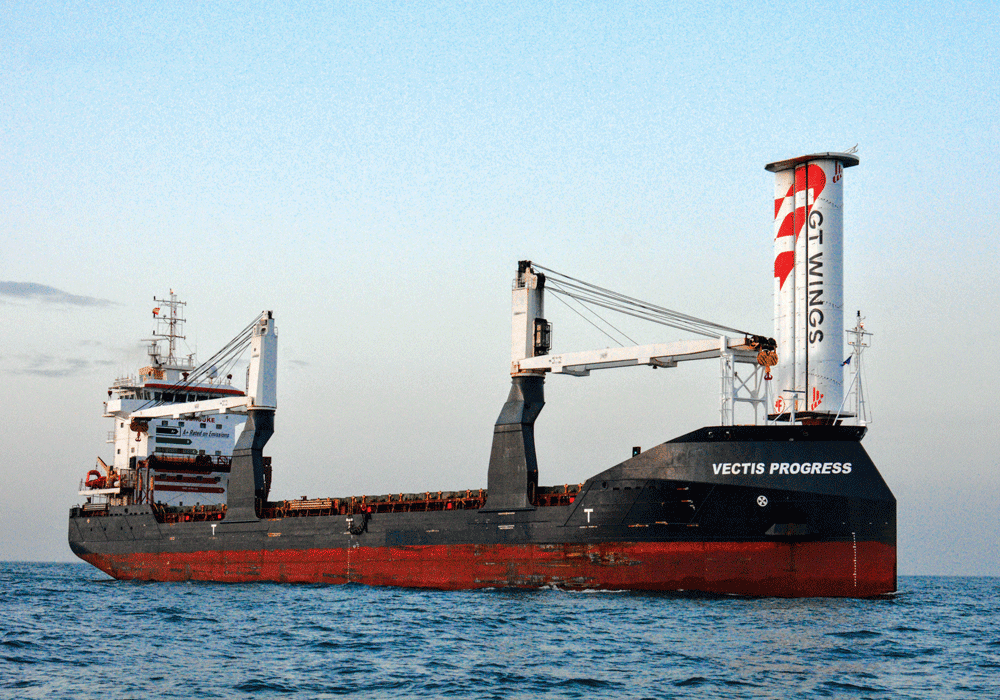
The AirWing unit onboard Vectis Progress has worked well in various conditions (image: Carisbrooke Shipping)
Lloyd’s Register (LR) has verified the sea trials performance assessment methodology used by GT Wings for its AirWing Jet Sail system. This provides an independent stamp of approval for the way the company measures fuel and emissions savings from its wind-assisted propulsion technology.
Grimaldi adds Grande Michigan to ammonia-ready carrier fleet
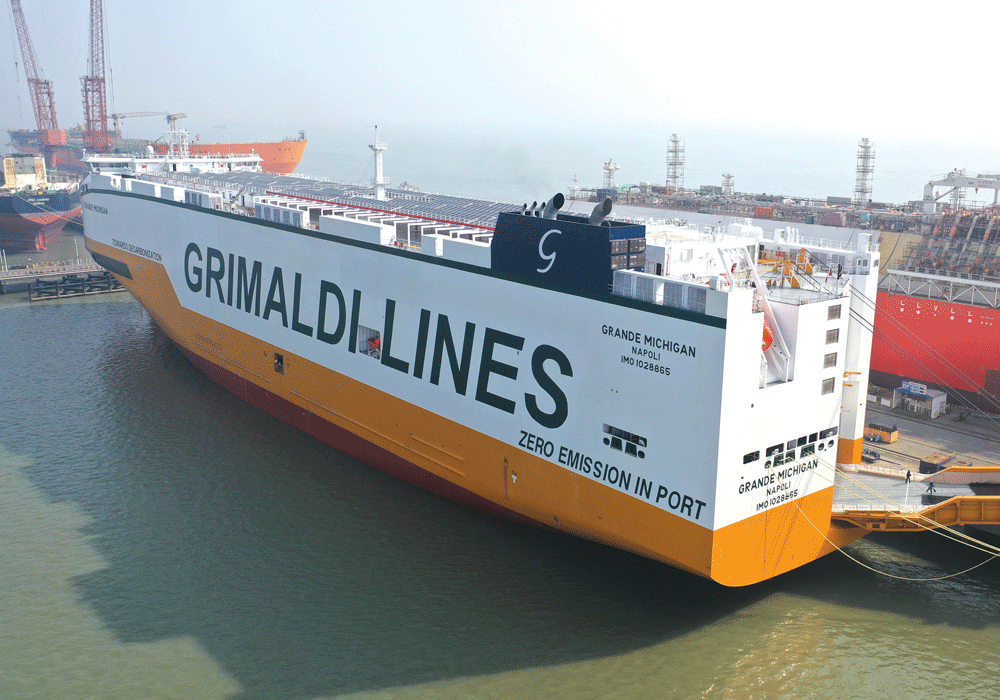
Grande Michigan can carry 9,000 car equivalent units
The Grimaldi Group has taken delivery of Grande Michigan, the eighth ammonia-ready pure car and truck carrier (PCTC) in its fleet, from China Merchants Heavy Industries Jiangsu.
Wärtsilä wins LNG contract from Chinese shipbuilder
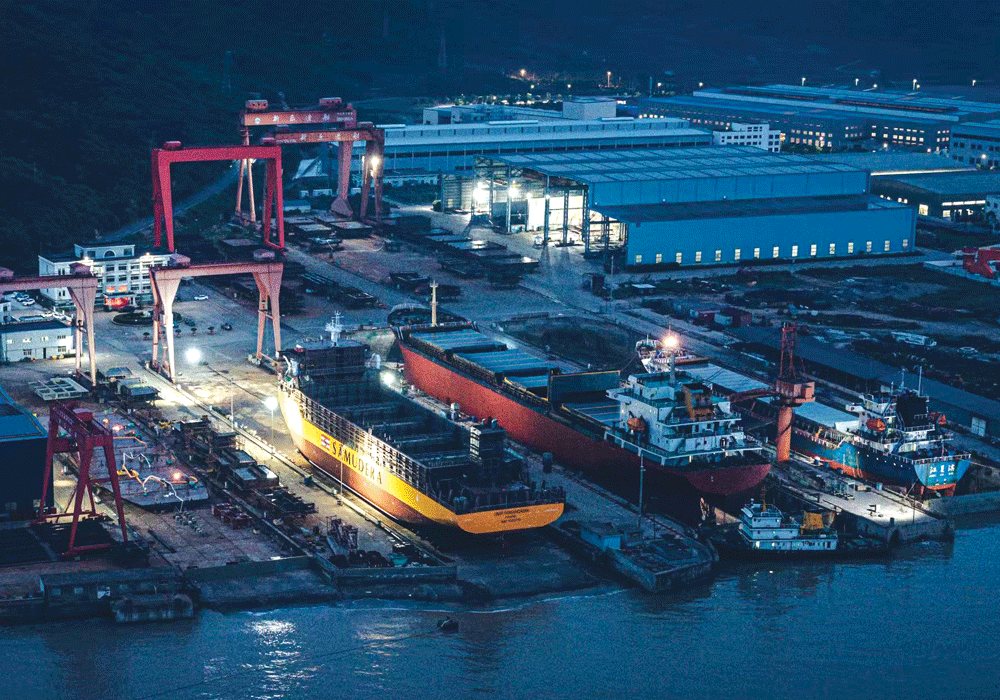
Zhejiang Xinle shipyard in Ningbo, Zhejiang, China
Wärtsilä Gas Solutions has been awarded a contract to supply cargo handling and fuel gas supply systems for two new LNG bunkering vessels currently under construction at Zhejiang Xinle Shipbuilding in China.
UK names new Marine Accidents Chief
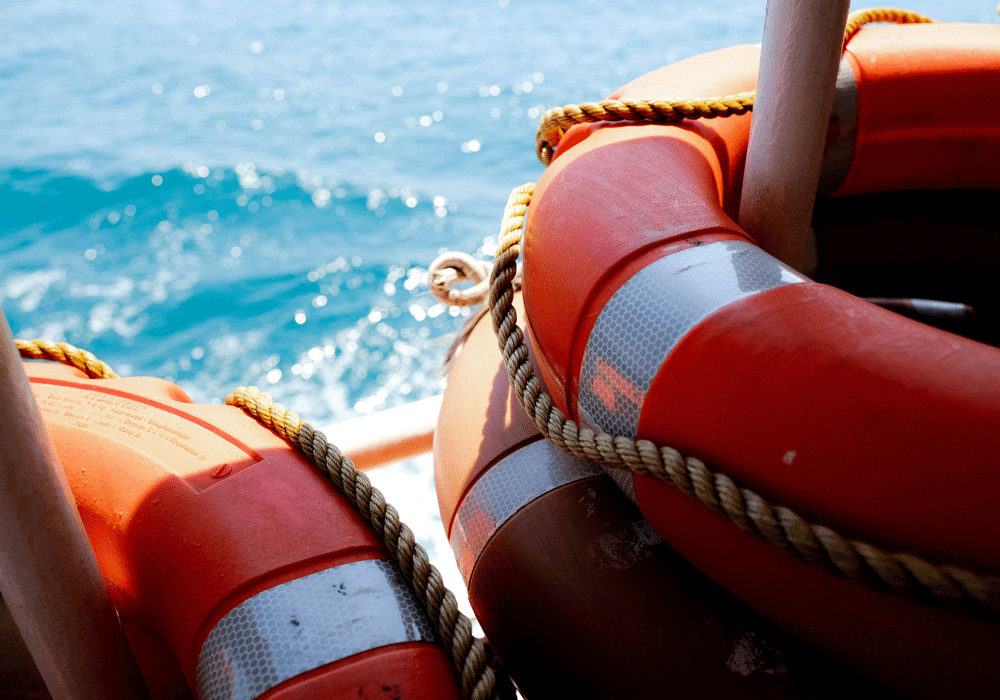
(image: Mathias Reding, Unsplash)
The UK’s Marine Accident Investigation Branch (MAIB) has appointed Rob Loder as its new chief inspector of marine accidents, succeeding Andrew Moll OBE, who retired earlier this month after 21 years at the organisation.
Newsletters
Stay connected with the global maritime community through RINA’s newsletters.
Whether you are a member or not, you can receive updates from The Naval Architect, alongside selected RINA news, events and industry insights. Members also gain access to a wider portfolio of exclusive newsletters on key topics in the maritime industry.
- The Naval Architect (currently available to all members & non-members)
- Power & Sustainability (members-only)
- Ship Repair & Maintenance (members-only)
- Warship Technology (members-only)
- Ferries & Fast Craft (members-only)
- Offshore Technology (members-only)
