

Power & Sustainability
Power & Sustainability explores the future of sustainable energy within the maritime sector, providing our members with insights and discussion on emerging technologies, practical solutions and policy developments.
You can expect topics such as renewable energy innovations, energy efficiency strategies and alternative fuels.
The ferry designed to reshape Australia's waterways
Ferries & Fast Craft (Newsletter)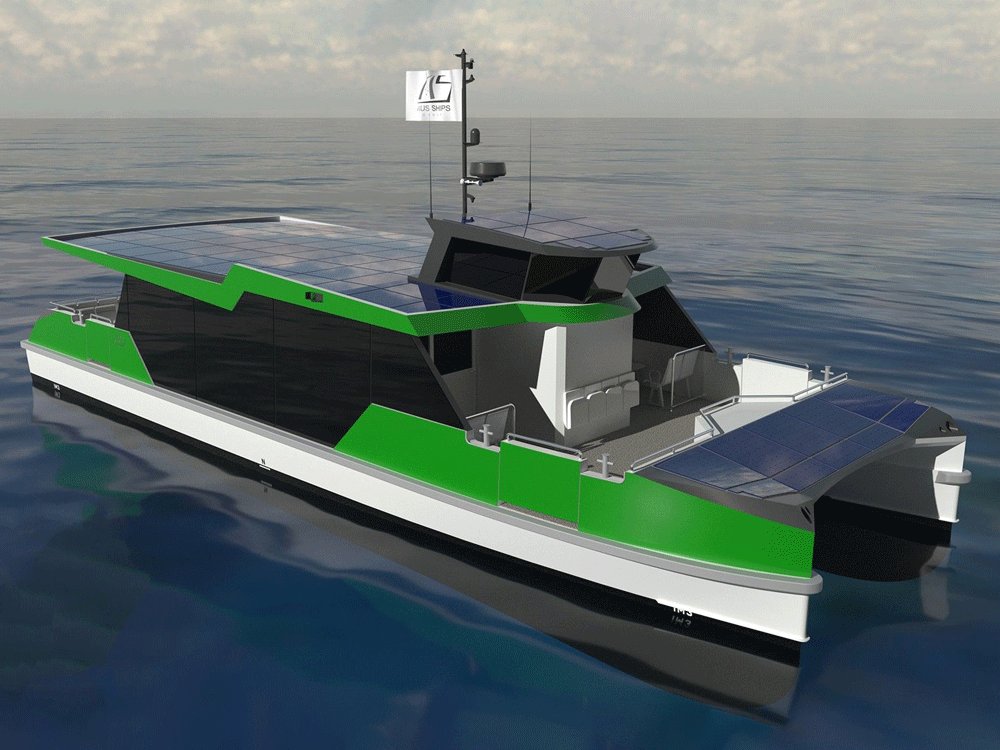
A digital rendering of the Aus Ships ferry powered by Volvo Penta (image: Volvo Penta).
Australia’s first 100% electrically driven passenger ferry, a collaboration between Aus Ships and Volvo Penta, aims to validate scalable electric marine propulsion with the overall aim of decarbonising the country’s waterways.
Deep-vee without the penalty? The Petestep hull
Ferries & Fast Craft (Newsletter)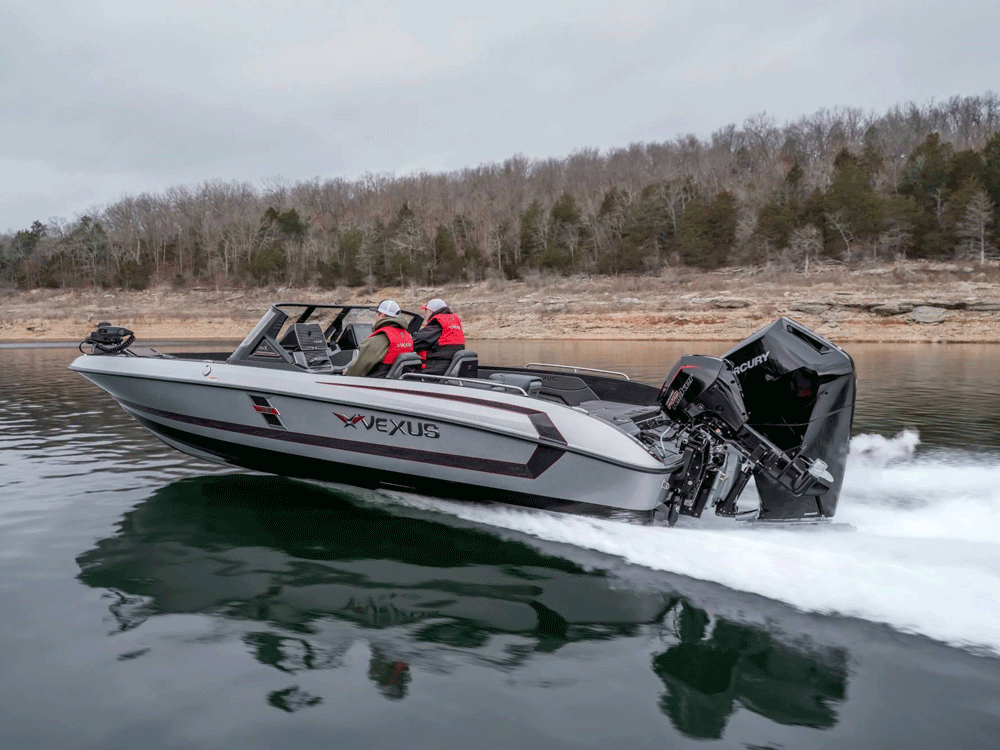
Vexus Boats DVX23 was designed to run a single 500hp outboard (image: Petestep)
Can diagonal deflector strakes solve the classic deep-vee compromise? Petestep’s hull technology is promising faster planing, lower slamming loads and efficiency gains across the fast craft market.
Shaping design around battery integration
Ferries & Fast Craft (Newsletter)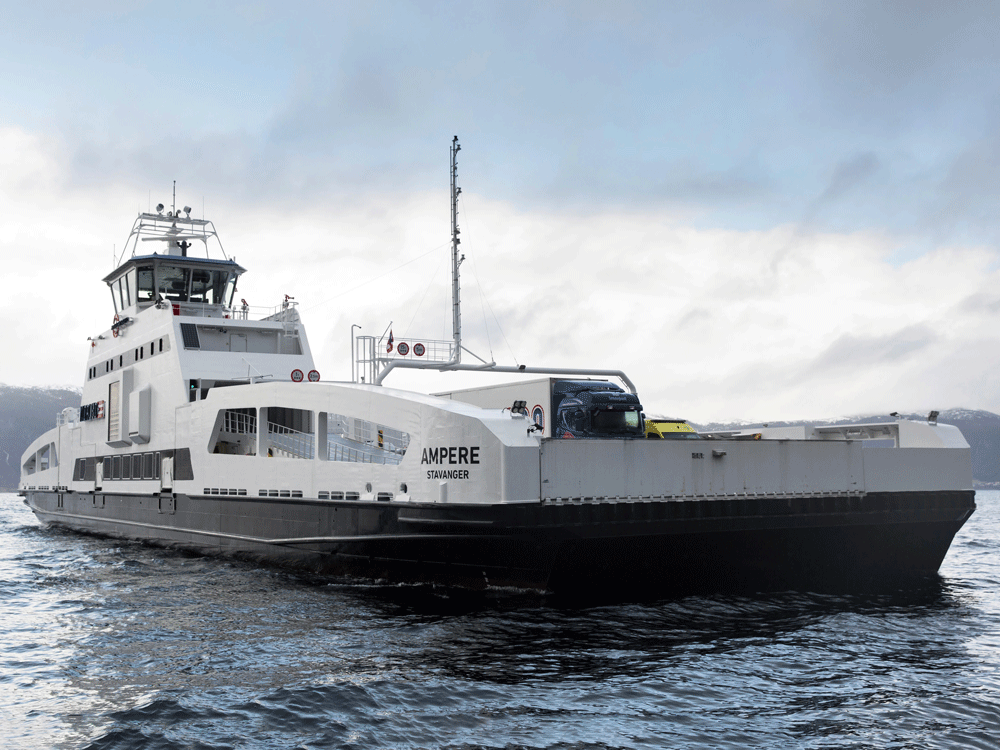
The world's first fully electric battery car ferry, the MF Ampere (image: Corvus Energy).
Battery specialist Corvus Energy discusses how it is working on large-scale battery integration projects that reshape weight distribution and stability design in high capacity ferries and fast craft.
Energy islands: Europe's new frontier
Offshore Technology (Newsletter)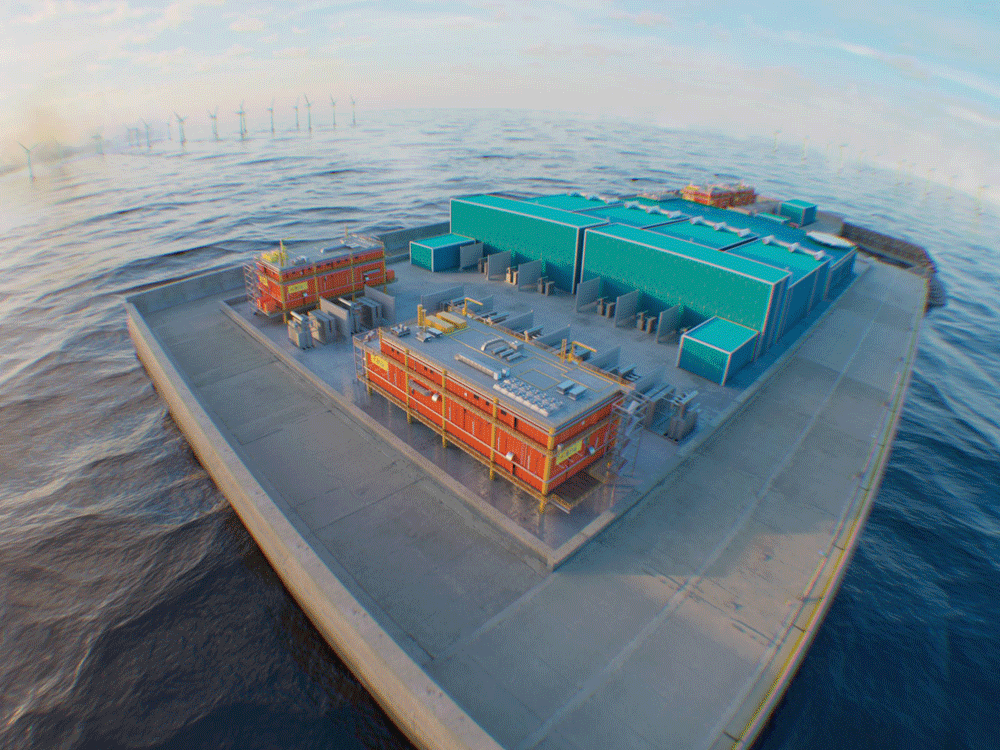
Energy Islands will bring together a number of offshore technologies into a single place (image: Elia)
A new era in offshore power has seen the development of the first Energy Islands off European coasts. The first will be the six-hectare Princess Elisabeth Island, which is under construction 45km off the coast of Belgium and is due to be completed in 2028.
Retire or repower wind farms?
Offshore Technology (Newsletter)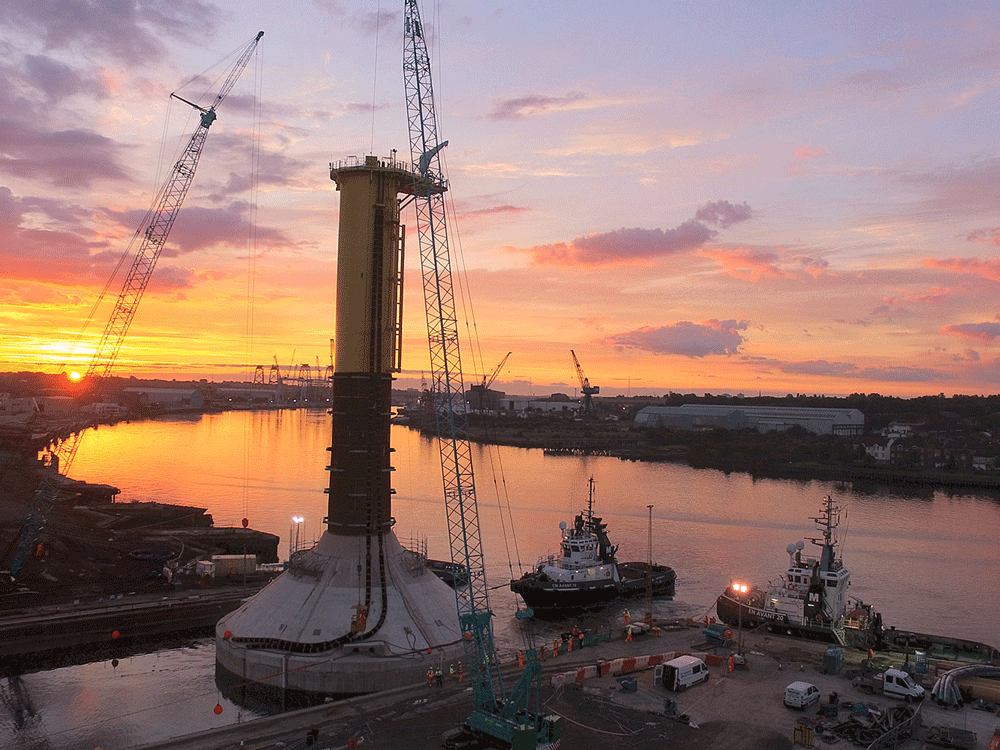
A debate rages over whether to leave turbine monopiles in-situ after turbines are decommissioned (image: Institute of Civil Engineers)
The first wind turbines to be deployed are reaching the end of their operational life. The question is, should the sites be re-used or retired?
IMO prepares for pivotal November
Power & Sustainability (Newsletter)
A clear path to decarbonisation is not yet available but MEPC 84 has given a clear direction of travel. While attempts to sink the NZF have apparently failed, putting its proponents in the driving seat, technical discussions – unlike the political debate – carry on regardless.
Bunker costs a boon for alternative fuels
Power & Sustainability (Newsletter)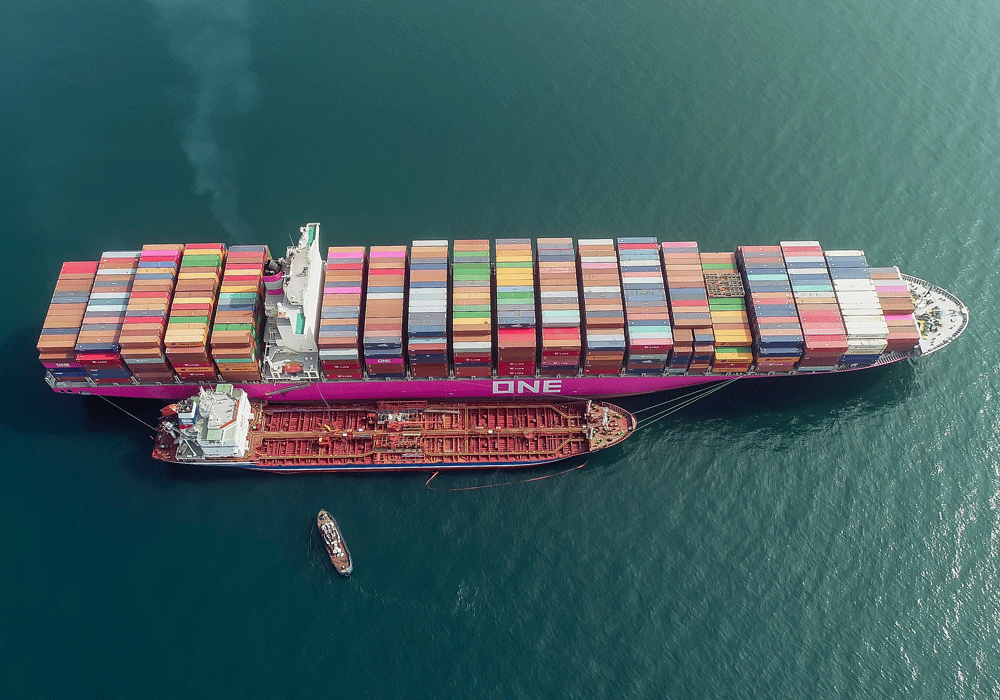
ONE container ship takes on bunker fuel (image: Shutterstock)
The conflict in Iran has seen some unintended consequences, driving up fossil fuel costs and making alternative fuels viable. At the same time, it is fuelling interest in vessel efficiency and raising the prospects of more fuels in the mix.
Supercritical CO2 opens new power frontier
Power & Sustainability (Newsletter)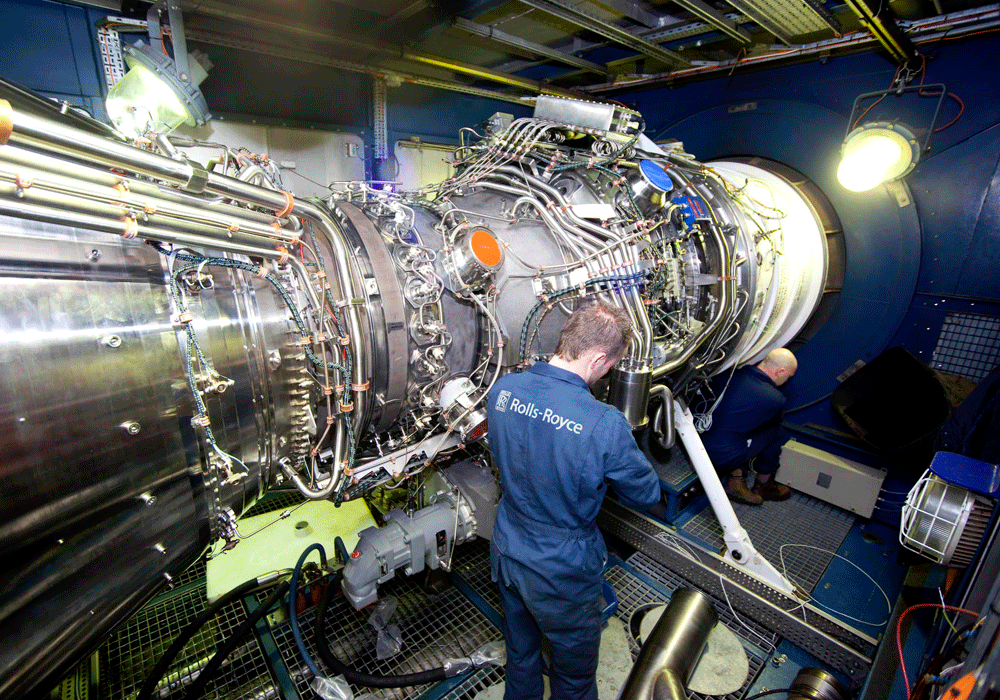
Rolls-Royce engineer stands next to a marine gas turbine
Supercritical CO2 turbines are not new, but CNNC has tested a 15MW sCO2 turbine, which offers a power-dense power plant with claimed efficiencies of up to 40%. Retrofitting a sCO2 turbine is comparatively easy. Is this an interim answer to green shipping?
BMT bolsters Anzac class engineering
Warship Technology (Newsletter)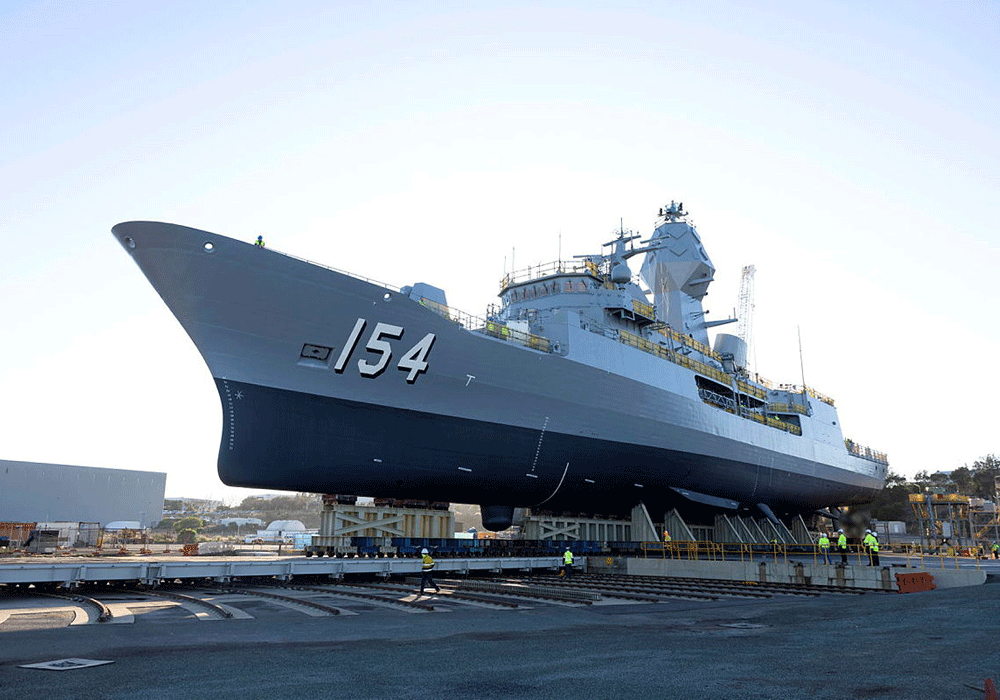
BMT's Anzac support contract (image: BAE Systems Australia)
The Royal Australian Navy's Anzac Class Designer Support Contract, DSC-West, will see BMT provide specialist engineering support. BMT's 2024 acquisition of Australian Maritime Technologies preserves an unbroken design lineage from the original build programme.
Herne XLAUV charts new certification course
Warship Technology (Newsletter)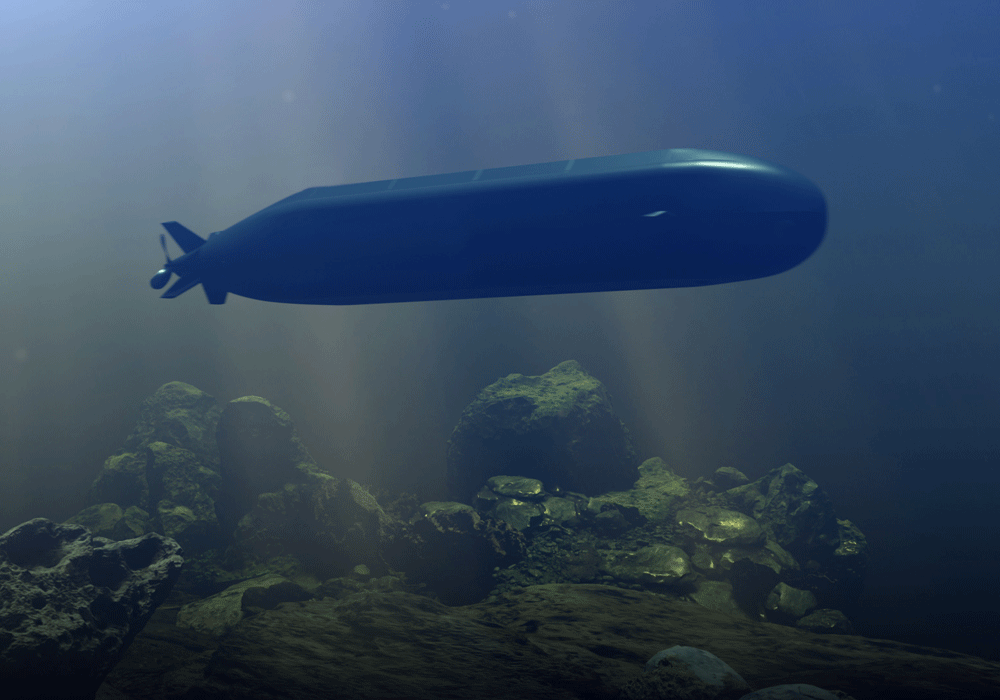
Autonomous underwater vehicle certification
BAE Systems' Herne extra-large autonomous underwater vehicle is set to be the first platform of its kind certified under Lloyd's Register's Unmanned Marine Systems Code. The milestone establishes recognised assurance standards for large uncrewed submersibles, with significant implications for naval architects and the defence maritime sector.
Plymouth's prime position gets boost
Warship Technology (Newsletter)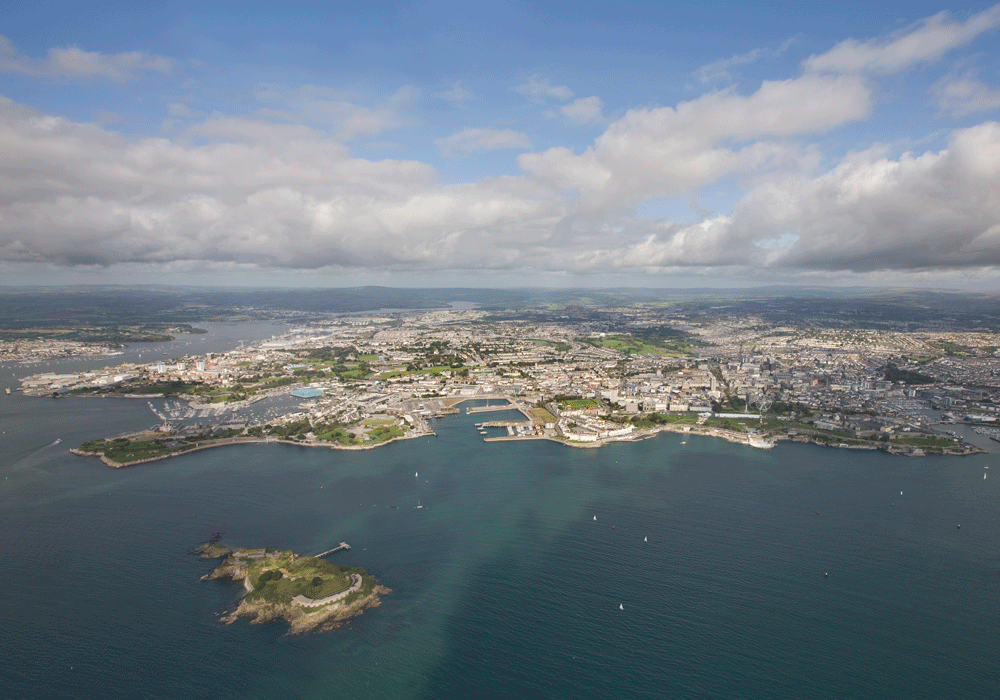
Plymouth's historic position offers future options (image: National Centre for Marine Autonomy)
The UK Government has committed £50 million to Plymouth's National Centre for Marine Autonomy, targeting UUV and USV development. Smart Sound Plymouth offers more than 1,000km2 of deconflicted water space and 75m offshore depths, while proximity to HM Naval Base Devonport adds operational credibility for autonomous systems validation.
Offshore wind: Brazil's blank slate
Offshore Technology (Newsletter)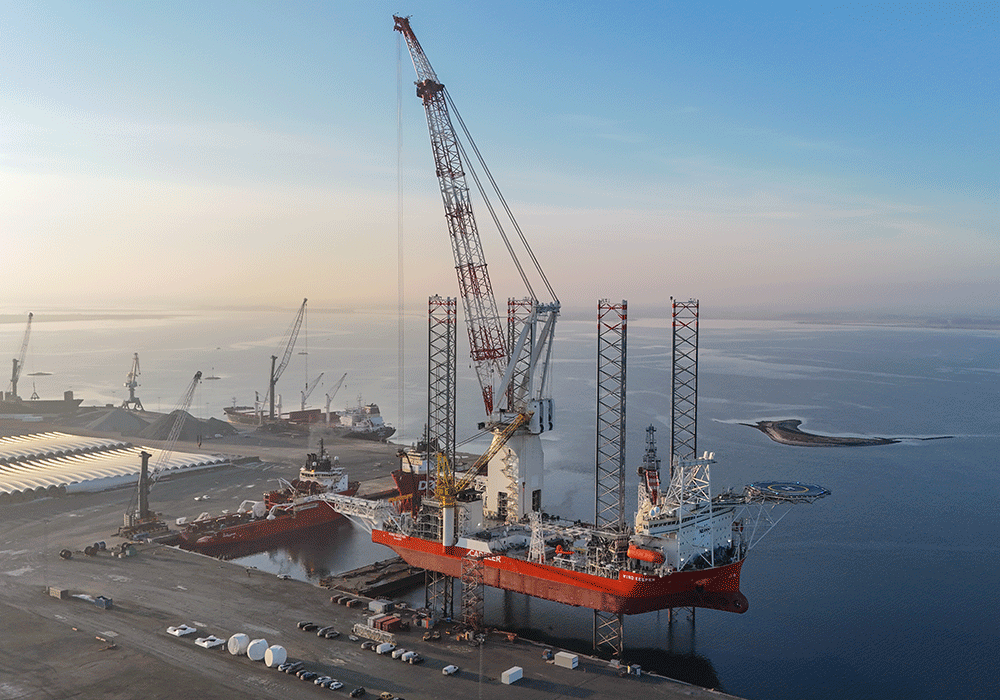
China's typically smaller, shallow-water WTIV designs are better suited to Brazil's offshore conditions than European designs. Design example, Wind Keeper, was acquired from China by Cadeler in 2025 (image: Cadeler)
Brazil’s emerging offshore industry offers an alternative challenge for naval architects. The region’s shallow water will require redesigned vessels that will work in very different conditions to those experienced in Europe’s North Sea. Brazil’s offshore ships will look quite different from the platform supply vessels (PSVs) and anchor handlers (AHTS) currently in use there.
Newsletters
Stay connected with the global maritime community through RINA’s newsletters.
Whether you are a member or not, you can receive updates from The Naval Architect, alongside selected RINA news, events and industry insights. Members also gain access to a wider portfolio of exclusive newsletters on key topics in the maritime industry.
- The Naval Architect (currently available to all members & non-members)
- Power & Sustainability (members-only)
- Ship Repair & Maintenance (members-only)
- Warship Technology (members-only)
- Ferries & Fast Craft (members-only)
- Offshore Technology (members-only)
