

Home : News & Publications : Article versions to be deleted 1st Sept 2026 : Article versions to be deleted 1st Sept 2026
The naval architect
The Naval Architect provides in-depth information on all aspects of vessel design, construction and engineering. Practical applications of latest technology and case studies are accompanied by analysis and foresights. Published every two months, the magazine covers everything from superyachts and short-hop ferries to tankers and heavy-lift vessels; from battery pack installations and sail-assisted solutions to LNG tank retrofits; and from offshore safety to warship resilience.
Latest News
Read stories from across our global community, including our new specialist e-newsletters across Power & Sustainability, Ship Repair & Maintenance, Warship Technology, Ferries & Fast Craft and Offshore Technology.
View All News Stories

IMO prepares for pivotal November
A clear path to decarbonisation is not yet available but MEPC 84 has given a clear direction of travel. While attempts to sink the NZF have apparently failed, putting its proponents in the driving seat, technical discussions – unlike the political debate – carry on regardless.

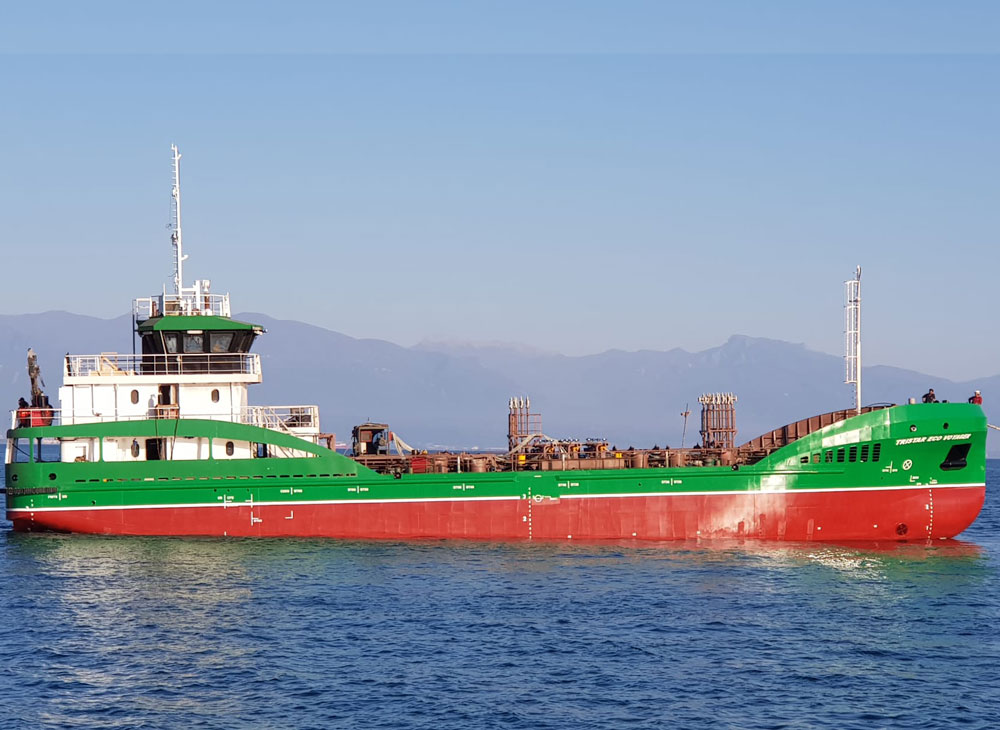
Bunker costs a boon for alternative fuels
The conflict in Iran has seen some unintended consequences, driving up fossil fuel costs and making alternative fuels viable. At the same time, it is fuelling interest in vessel efficiency and raising the prospects of more fuels in the mix.
Supercritical CO2 opens new power frontier
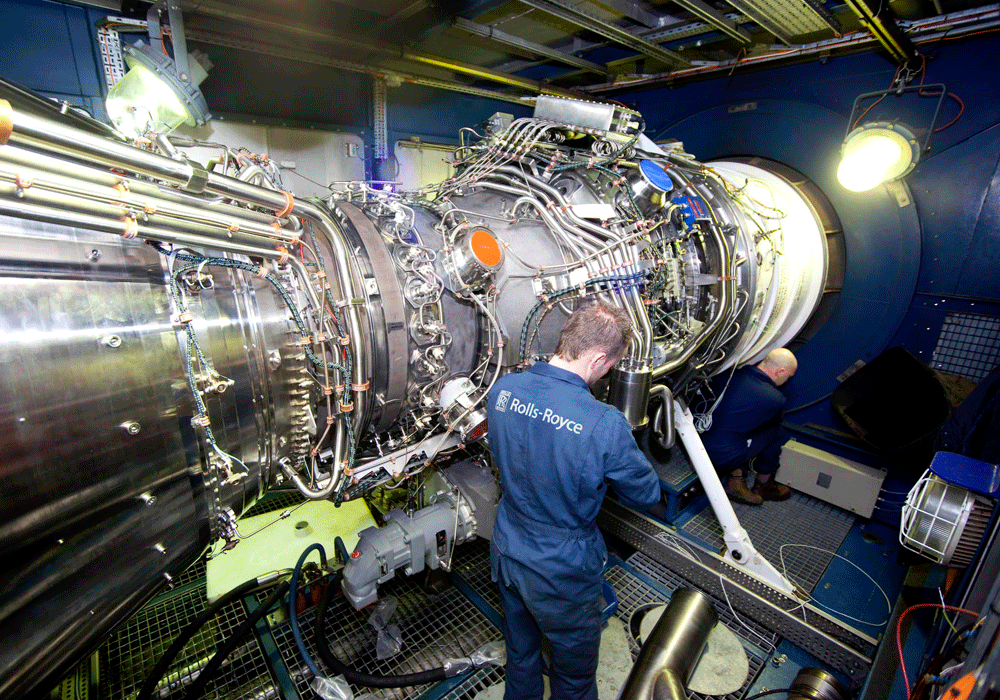
Supercritical CO2 turbines are not new, but CNNC has tested a 15MW sCO2 turbine, which offers a power-dense power plant with claimed efficiencies of up to 40%. Retrofitting a sCO2 turbine is comparatively easy. Is this an interim answer to green shipping?
BMT bolsters Anzac class engineering
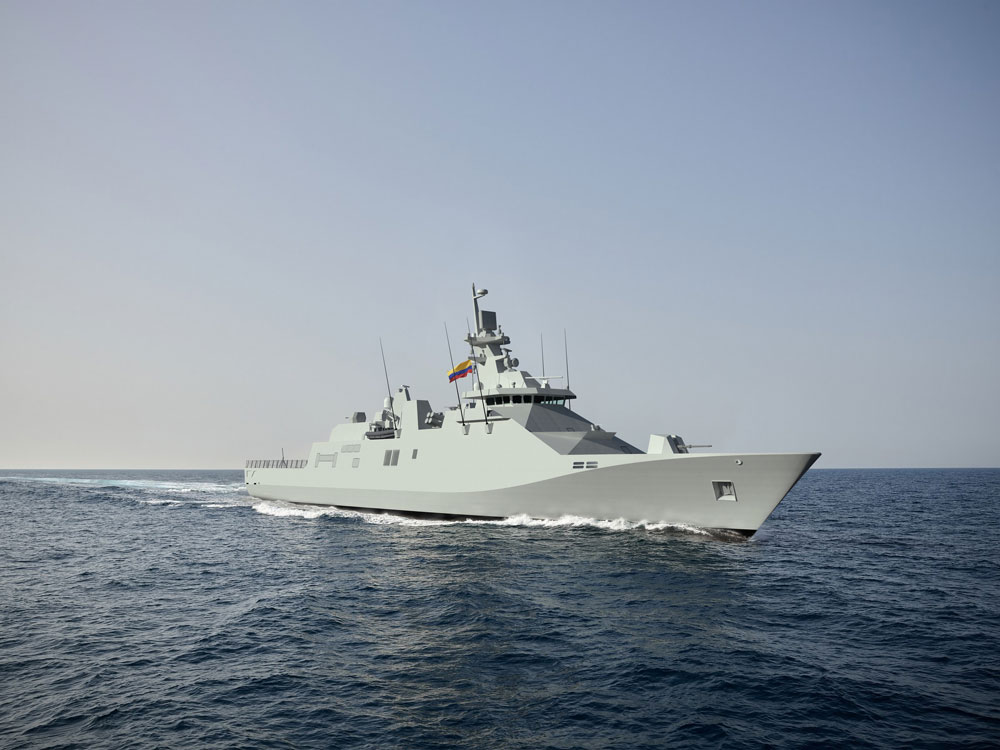
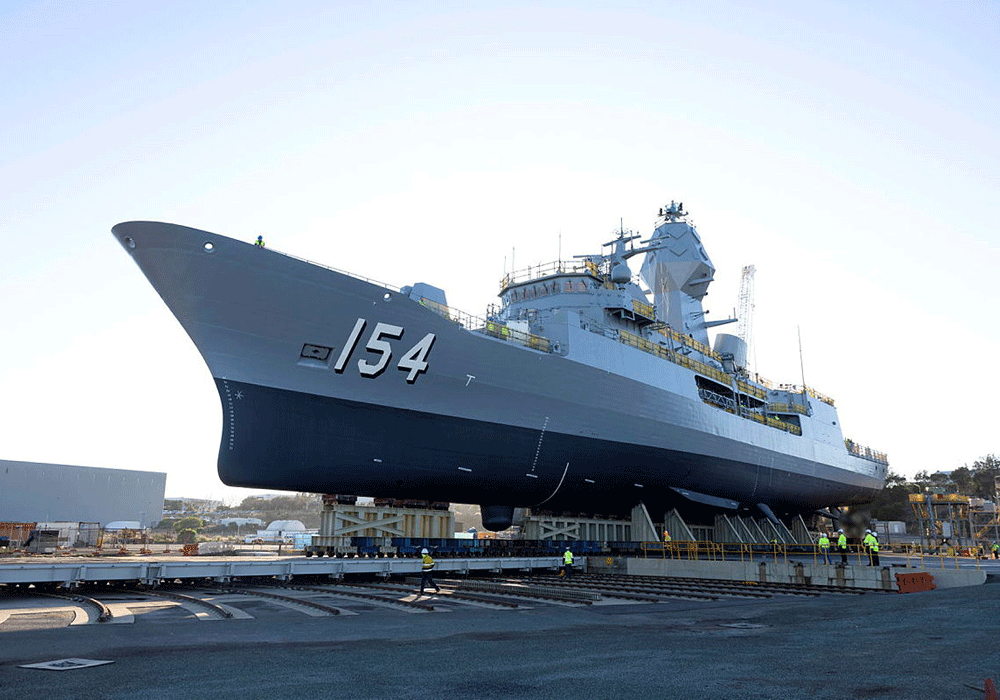
The Royal Australian Navy's Anzac Class Designer Support Contract, DSC-West, will see BMT provide specialist engineering support. BMT's 2024 acquisition of Australian Maritime Technologies preserves an unbroken design lineage from the original build programme. With the frigates operating beyond their design service life, configuration control, baseline integrity and engineering change management require design-origin knowledge. BMT's contribution spans design, systems assurance and autonomy.
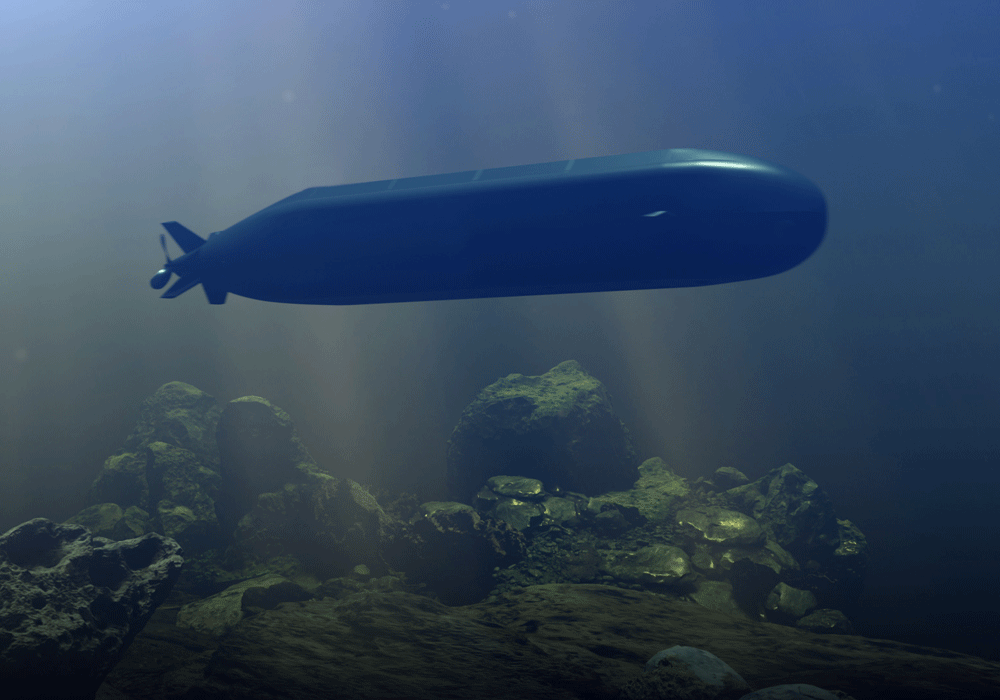
Herne XLAUV charts new certification course
BAE Systems' Herne extra-large autonomous underwater vehicle is set to be the first platform of its kind certified under Lloyd's Register's Unmanned Marine Systems Code. The milestone establishes recognised assurance standards for large uncrewed submersibles, with significant implications for naval architects and the defence maritime sector.
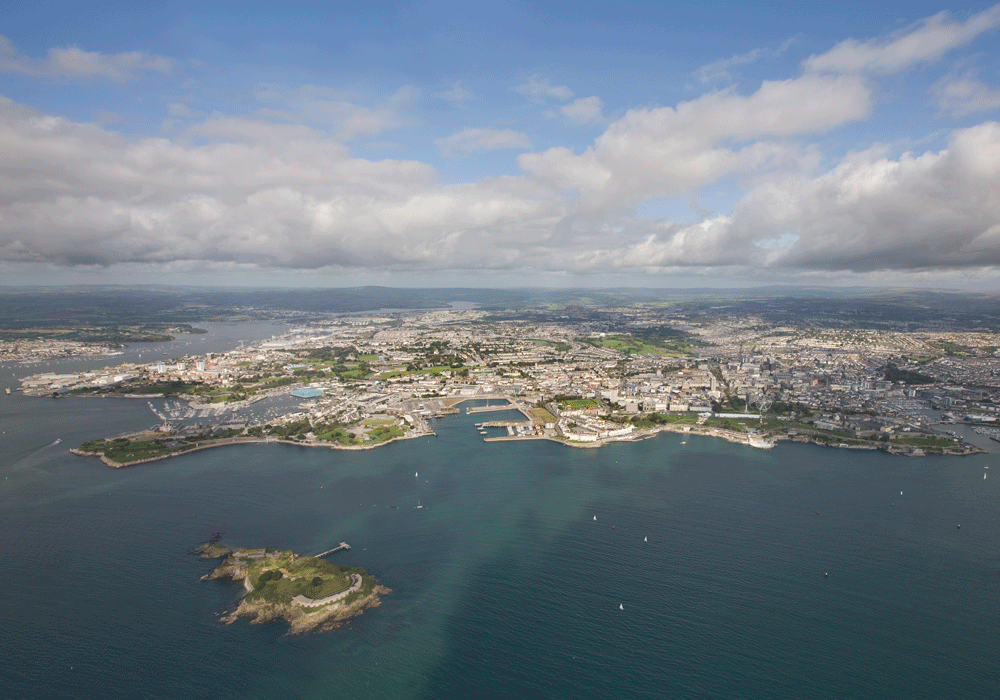
Plymouth's prime position gets boost
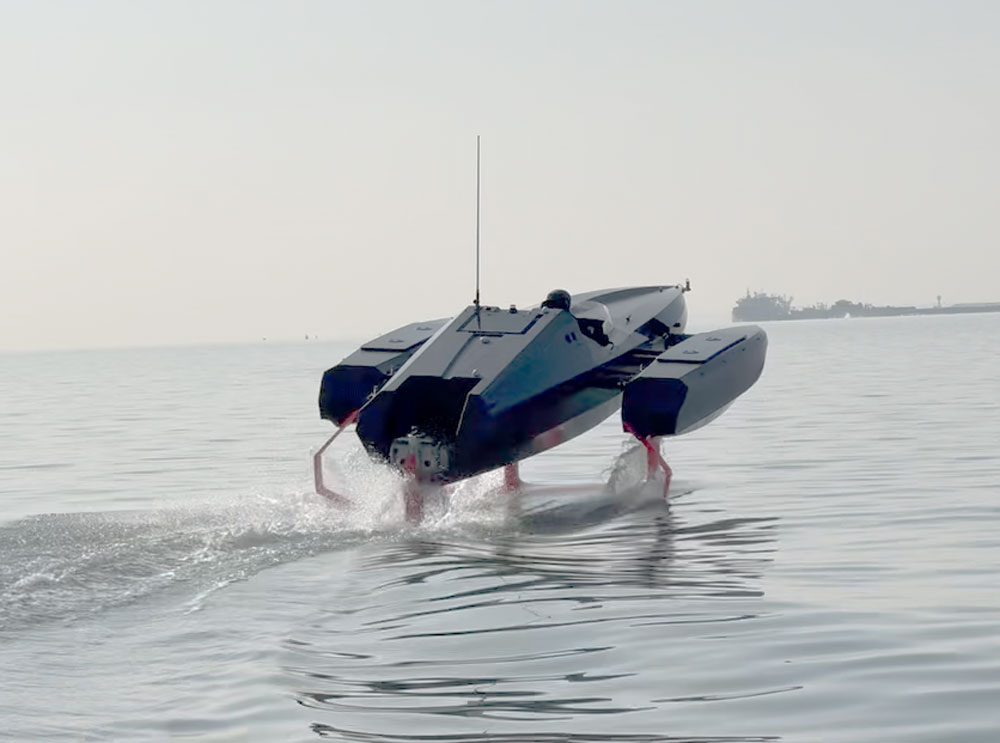
The UK Government has committed £50 million to Plymouth's National Centre for Marine Autonomy, targeting UUV and USV development. Smart Sound Plymouth offers more than 1,000km2 of deconflicted water space and 75m offshore depths, while proximity to HM Naval Base Devonport adds operational credibility for autonomous systems validation.
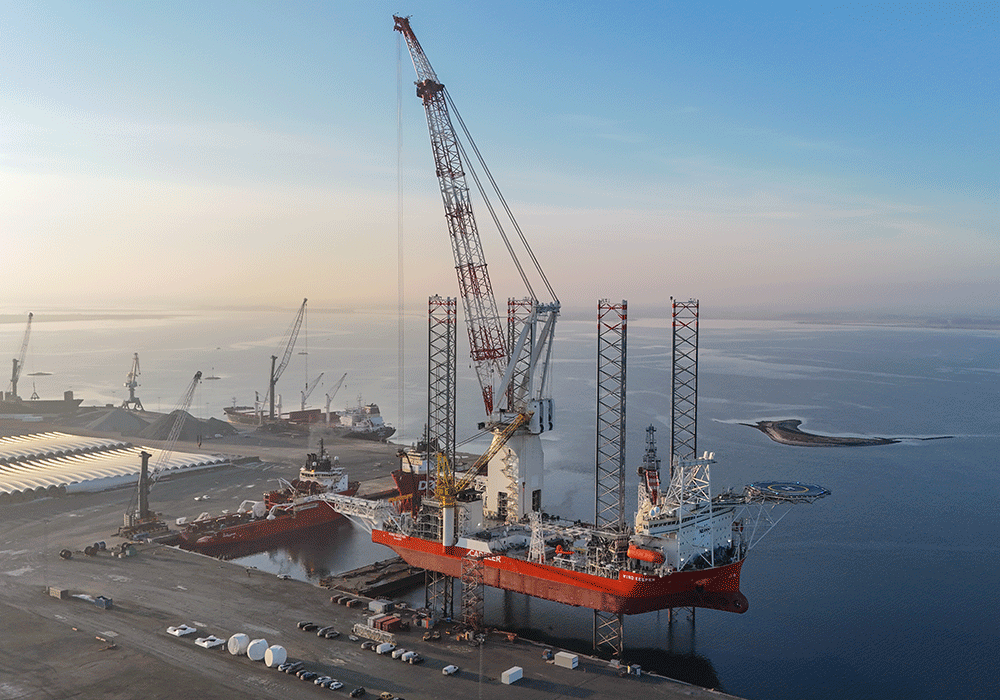
Offshore wind: Brazil's blank slate
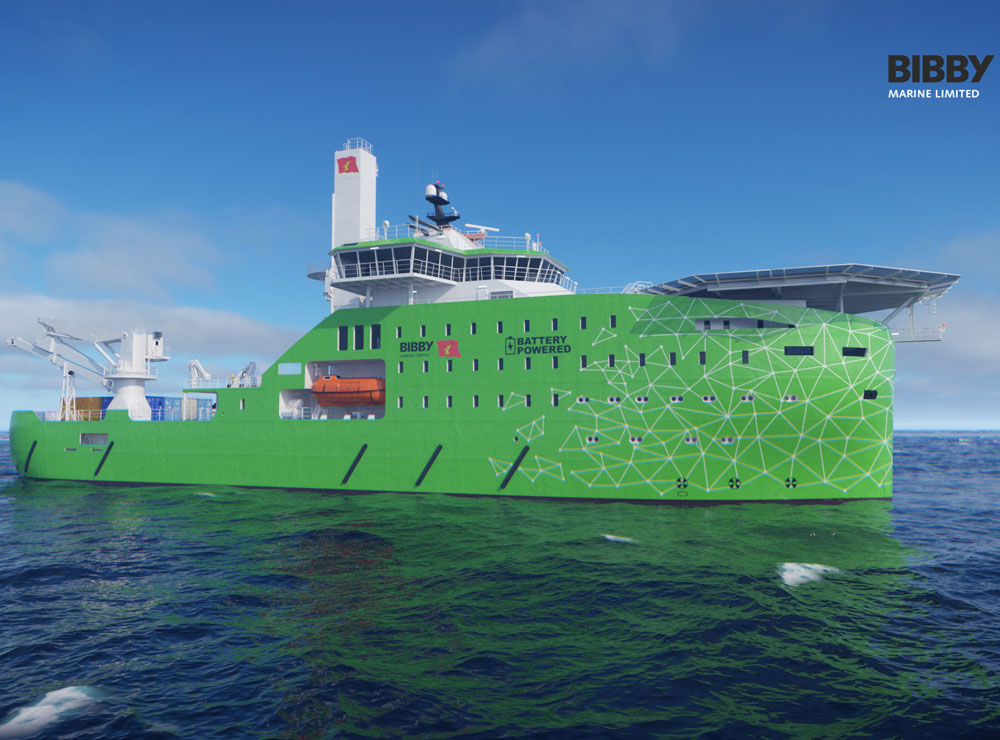
Brazil’s emerging offshore industry offers an alternative challenge for naval architects. The region’s shallow water will require redesigned vessels that will work in very different conditions to those experienced in Europe’s North Sea. Brazil’s offshore ships will look quite different from the platform supply vessels (PSVs) and anchor handlers (AHTS) currently in use there.
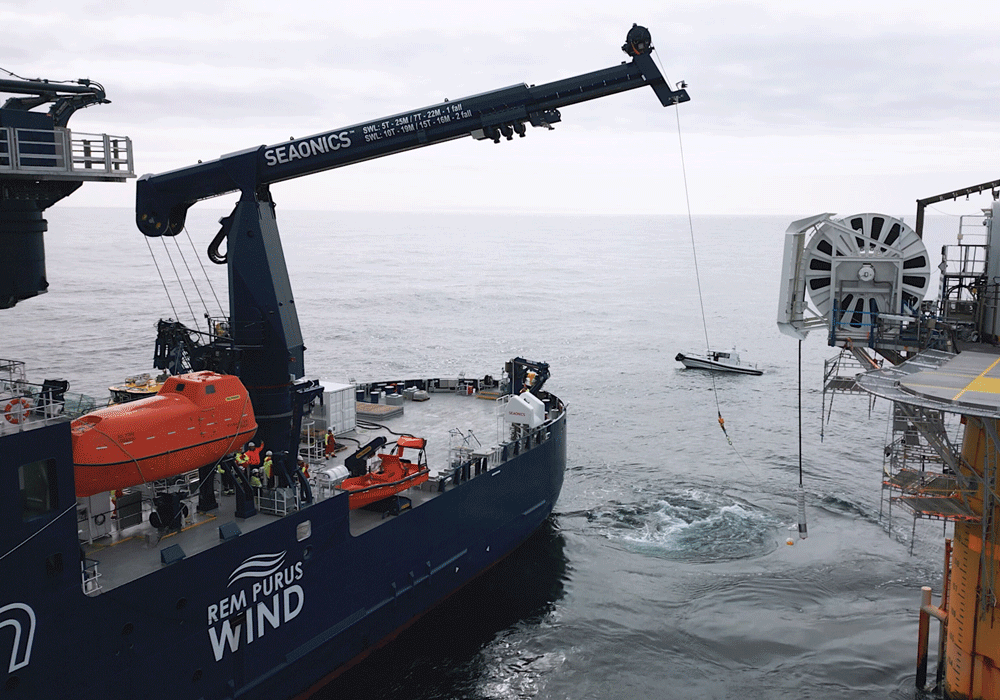
Oil markets still restraining offshore wind
The levelised cost of energy has seen offshore wind dive well below fossil fuels. And following damage reports in the Middle East there is a chance that this situation will persist for some years. Oil is expected to remain around US$90/barrel, prompting European operators to develop electric solutions, charging support vessels on location at windfarm arrays.
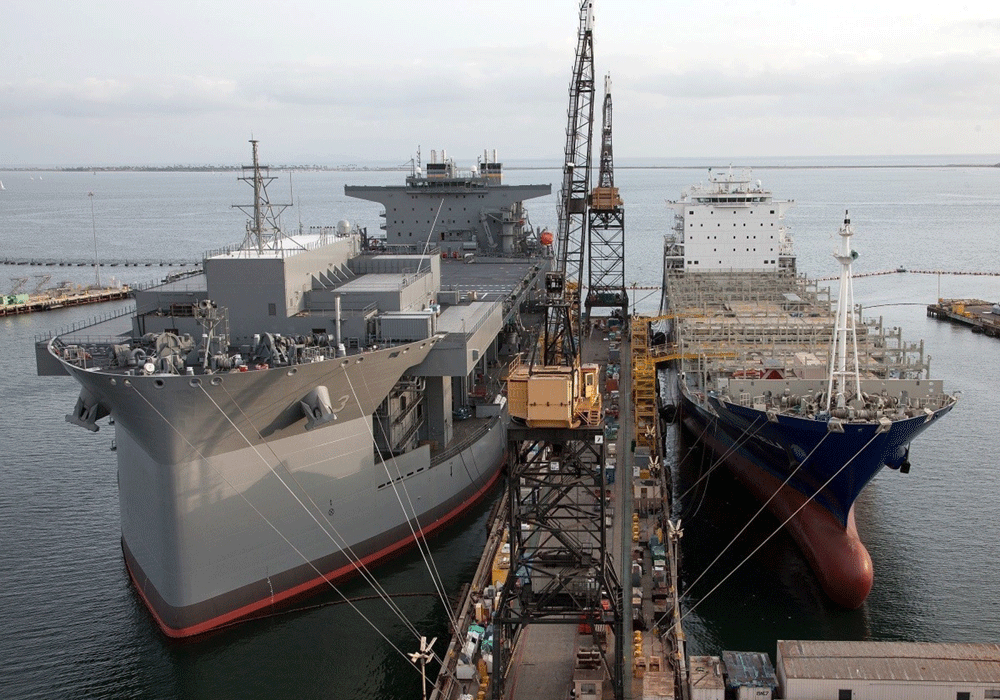
MASGA strategy a panacea for ship designers?
Making American Shipbuilding Great Again is a challenge that has been accepted by South Korean Yard Hanwha, with its investment in the Philly Yard. To resuscitate the industry will need a major effort, but it could start with the smaller, less complex vessels operating in offshore wind and could provide an opportunity for naval architects too.
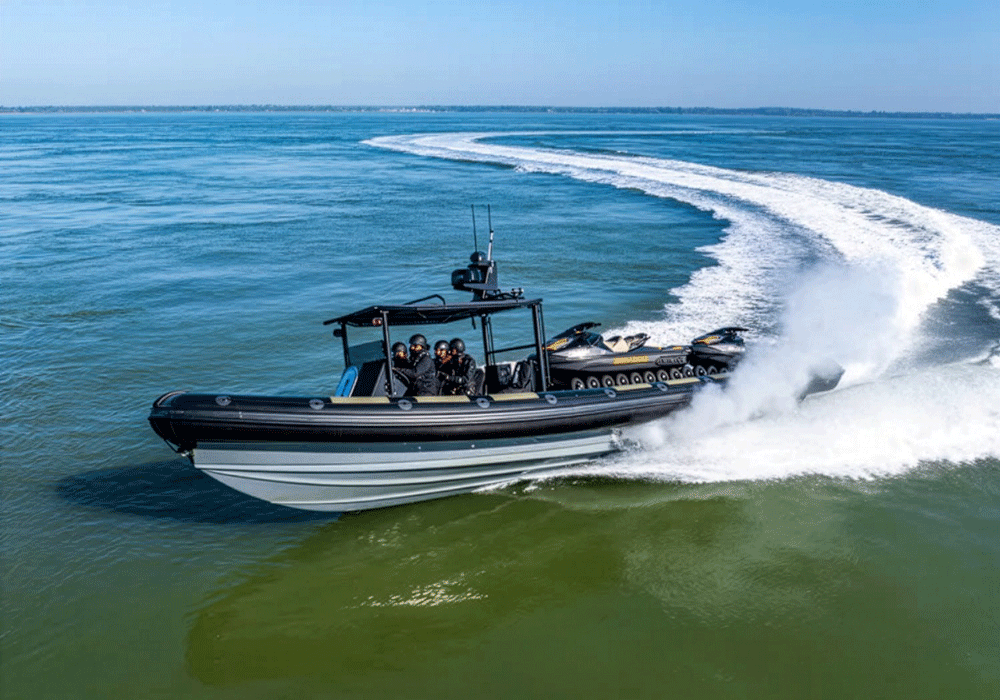
Modern market dynamics in fast craft design
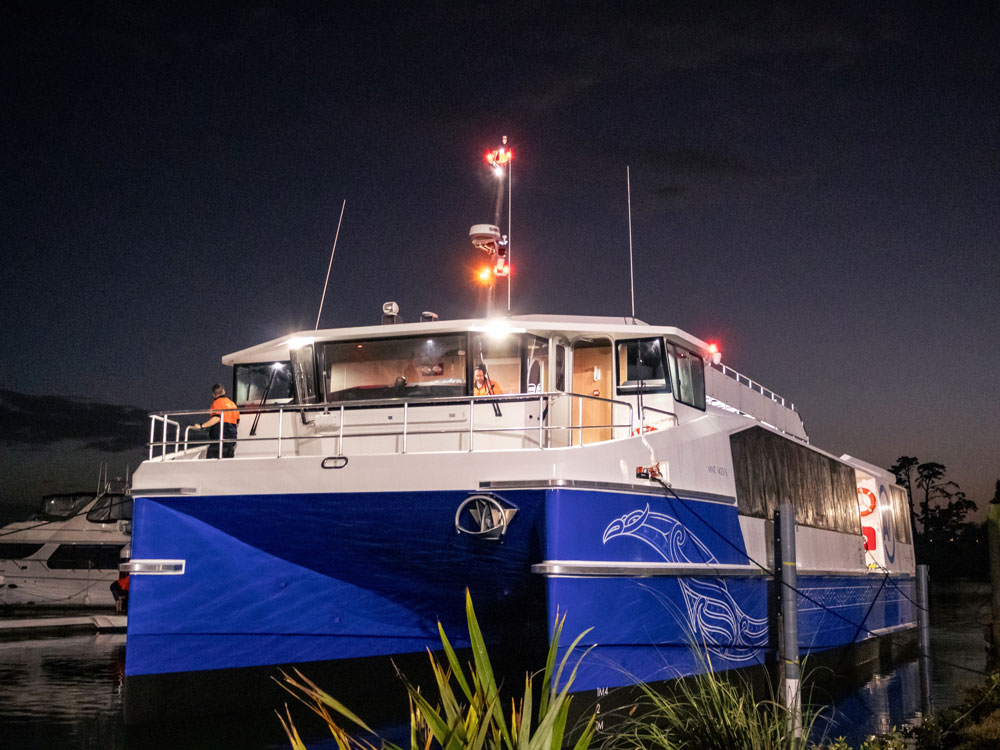
As fast craft design adapts to harsher offshore demands and faster-moving procurement cycles, RINA explores what naval architects can learn from Arksen Pro’s approach to ruggedisation, modularity and modern market dynamics
Magazines
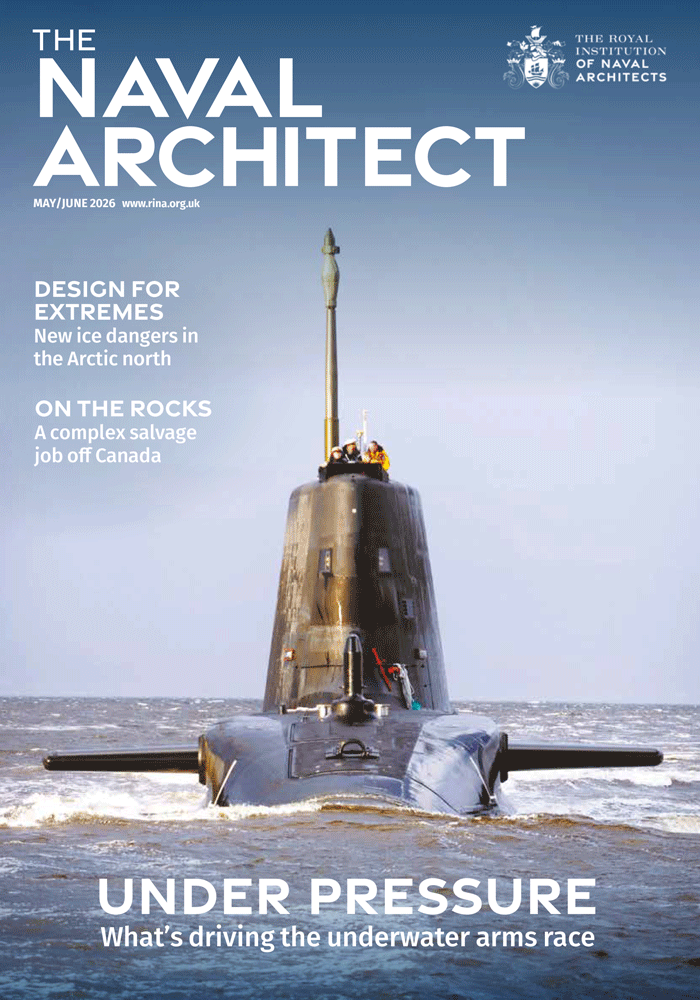
Keep up to date on the latest news, insights and innovations from across the maritime community. Our flagship title, The Naval Architect, covers everything from commercial shipping and small craft to defence and advanced design, while our yearly publication Significant Ships, showcases the most innovative and commercially important vessel designs of the prior year.
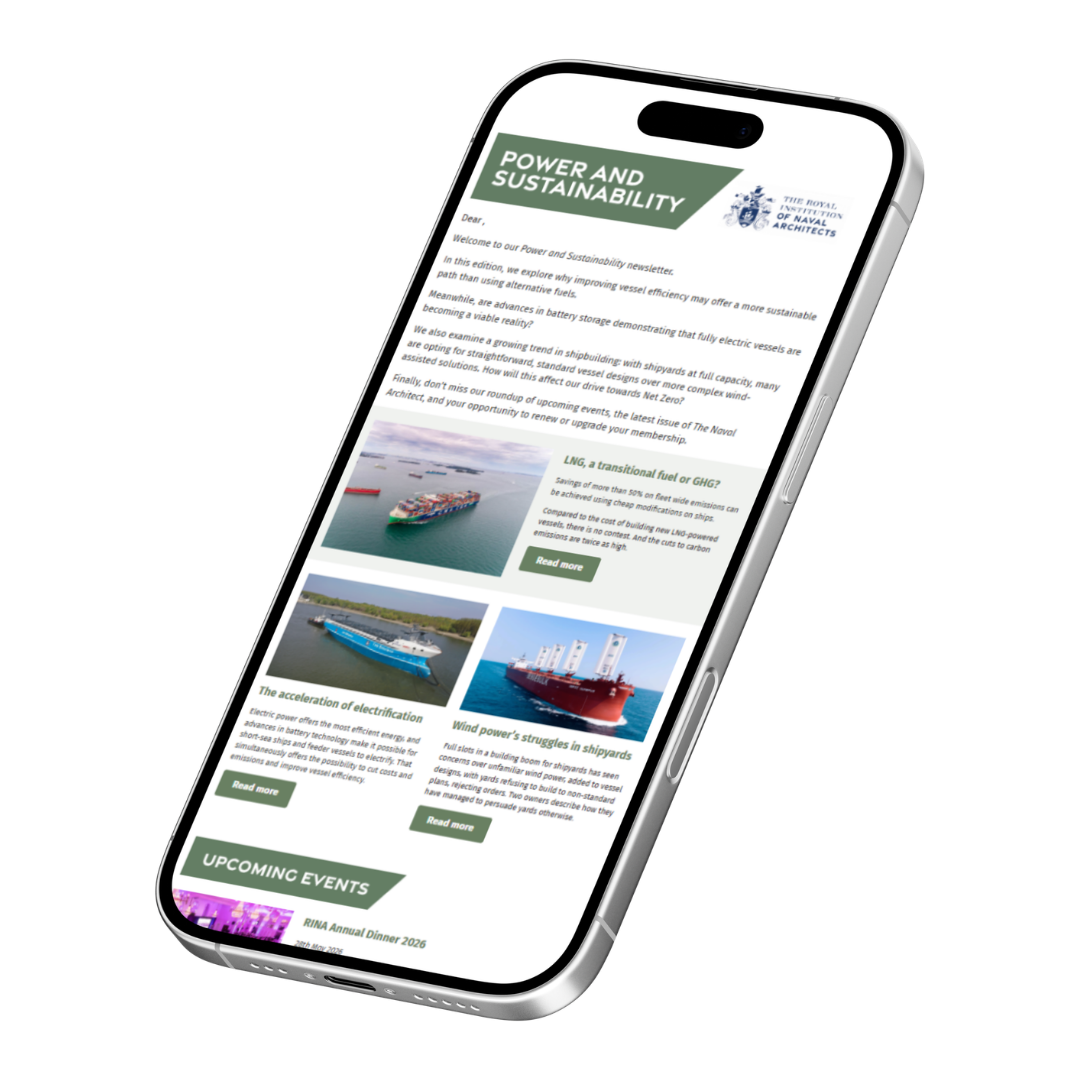
Newsletters
Stay connected with the global maritime community through RINA’s newsletters.
Whether you are a member or not, you can receive updates from The Naval Architect, alongside selected RINA news, events and industry insights. Members also gain access to a wider portfolio of exclusive newsletters on key topics in the maritime industry.
Journals
RINA has published technical papers and maritime research since 1860, creating an extensive record of developments across naval architecture and marine engineering.
Explore the Institution’s historic Transactions and the International Journal of Maritime Engineering (IJME), which continues this tradition by publishing peer-reviewed research and technical discussion from across the maritime sector.
Library Archive
Explore RINA’s collection of maritime knowledge, including historic magazines, journals and Transactions dating back to 1860, reviewed conference papers, and the catalogue of the Denny Library.
Our team is continuing to digitise and expand the archive, making more of the Institution’s technical content available on demand.