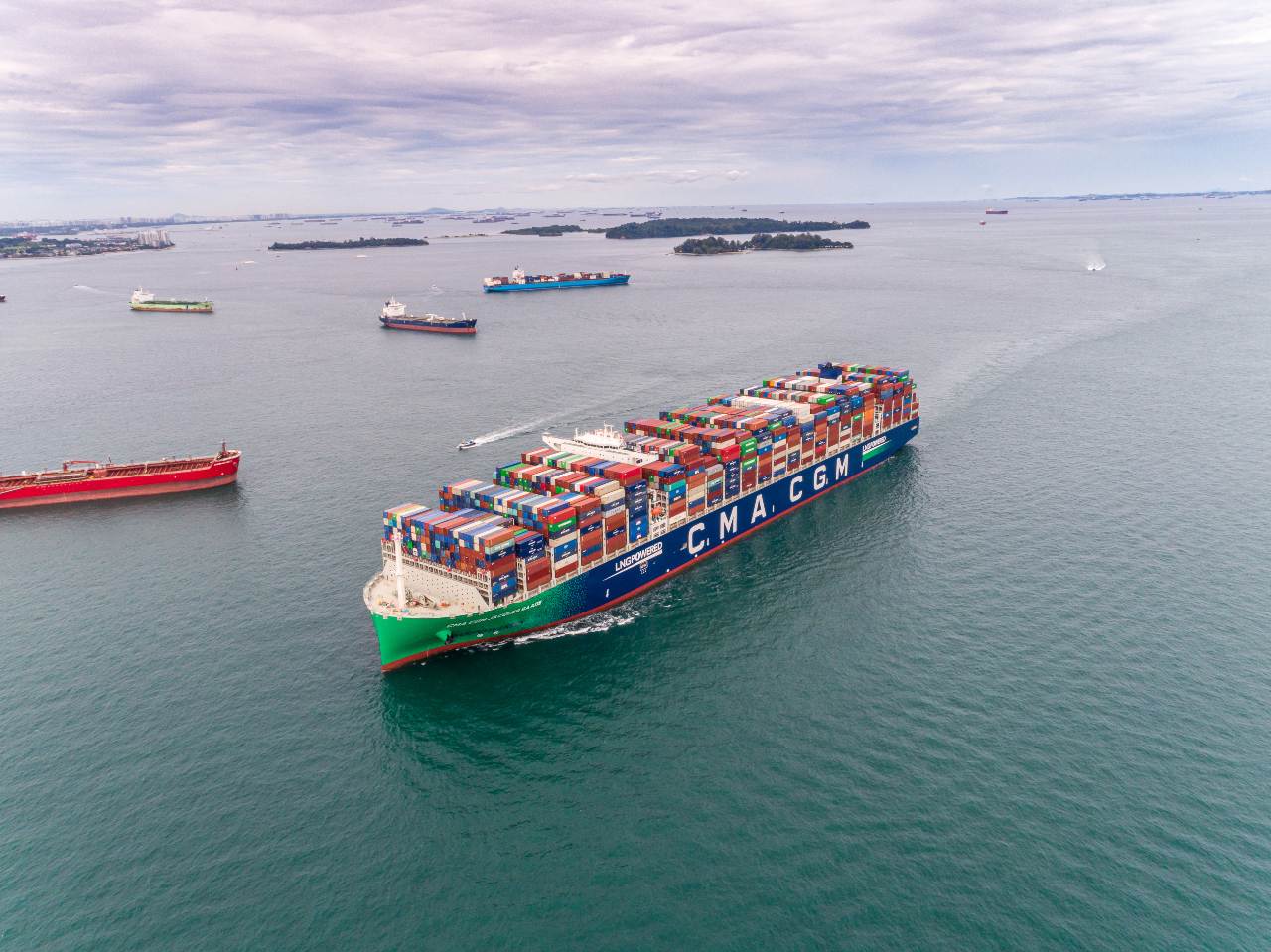
LNG, a transitional fuel or GHG?

Last October’s Extraordinary Session of the MEPC delayed the approval of the IMO’s Net Zero Framework largely on the basis that some member states regarded the regulation as too harsh on LNG.

Methane, a highly potent greenhouse gas, is the main component of LNG but its supporters point to a number of benefits, it cuts NOx by around 80%, SOx by 100%, burns cleaner than crude, cutting particulates and is readily available around the globe.

“LNG has come up in the discussions several times [at MEPC], and how it should be addressed in the framework,” admitted the secretary general of the IMO, Arsenio Dominguez in discussion with RINA.

Dominguez believes that the technology, investment and progress made with LNG as a transitional fuel should be acknowledged.

Peter Keller, Chairman of SEA-LNG, which promotes the use of gas, believes the “regulatory drama” at IMO exposes the complexity of decarbonisation which he says makes the need for a single global GHG framework greater than ever.

Most owners and operators in the industry would agree that a global patchwork of regulations would be costly and unworkable.

But Keller argues: “This framework must be goal-based and technology-neutral. It must allow some flexibility so companies can plan their fleet modernisation. We need a framework which is practical and realistic, incentivising solutions that are scalable and investable.”

LNG, however, is also meant to cut carbon emissions by around 20%, though that will depend on the type of engine installed. Broadly speaking low-pressure LNG units can produce more GHG than high-pressure engines and conventional diesel power.

Methane slip, where not all the gas is burnt in the cylinder and is then emitted into the atmosphere via the exhaust, is a challenge that is improving, according to many industry figures, including the secretary general of the IMO, Arsenio Dominguez.

Complex technology, requiring heavy investment in bunkering ports, bunker barges, with owners paying a 10% premium for newbuildings, is more than complex, it is a costly transition. Effectively about an extra US$20 million on a large container ship.

High-cost transitions can be mitigated according to one Norwegian chemical tanker owner that operates a fleet of 70 units, of various ages. The company has undergone a fleet-wide GHG cutting programme that has taken more than a decade in total, but will ultimately see its fleet cut emissions by around 58%.

Erik Hjortland, vice-president of technology at Odfjell Ship Management, said the company had cut its emissions by simply utilising existing technologies to improve efficiency without resorting to low-carbon fuels.

The tanker company has installed energy saving devices such as Mewis Ducts, propeller boss caps shaft generators and weather routing technology. And last year installed four Bound4Blue suction sails, to test the technology on the Bow Olympus, a 48,500dwt tanker, cutting emissions further. The intention is to eventually fit suction sails to its entire fleet.

Odfjell has fitted 140 energy saving devices to its fleet, each with a return on investment of two years and under, “But most of them have an ROI of between four and six months”, according to Odfjell.

Moreover, the company has designed a digital system for noon reports, which collates information from across the fleet, and can spot inefficient operations that are shared with all the company’s crews. Coupled with weather routing the efficiency gains of the vessel designs are given an operational boost too.

In total the company spent US$40 million on efficiency, and because some of the more modern tonnage overperforms on GHG intensity measures, the less efficient vessels can be offset for emission charges such as FuelEU and the EU ETS, through a system of ‘pooling’.

Hjortland explained the company’s vision has allowed it to prolong the working life of its fleet well into the 2030s, pointing out, that the company achieved its targets without investing in expensive alternative fuels.

Citing a Clarkson study from last year, Hjortland said some 63% of the world’s fleet has not installed any energy saving devices.

“Imagine the potential, what we as a sector could have accomplished if everybody had made these changes,” he said.

He went on to say that many in the industry are talking about LNG, ammonia, methanol and hydrogen, “These are huge projects… multi-billion-dollar investments,” some of which will be needed in the future to reach net zero.

However, the business case for cutting a company’s fuel bill in half by efficiency measures is something that all companies can do today.

Related Articles

Comments

No posts found, be the first!

Logon

 Create New Account 
 Forgotten Password?