

Ferries & Fast Craft
Ferries & Fast Craft focuses on vessel design, performance optimisation, and operational technologies shaping high-speed and passenger transport sectors. You can expect topics such as hull design and hydrodynamics, propulsion systems including hybrid and electric solutions, lightweight and innovative new materials, and advanced navigation and safety systems.
Gain insights into regulatory compliance and efficiency improvements in the unseen workhorses of the maritime industry.
LCO2 cargo management evolution
Offshore Technology (Newsletter)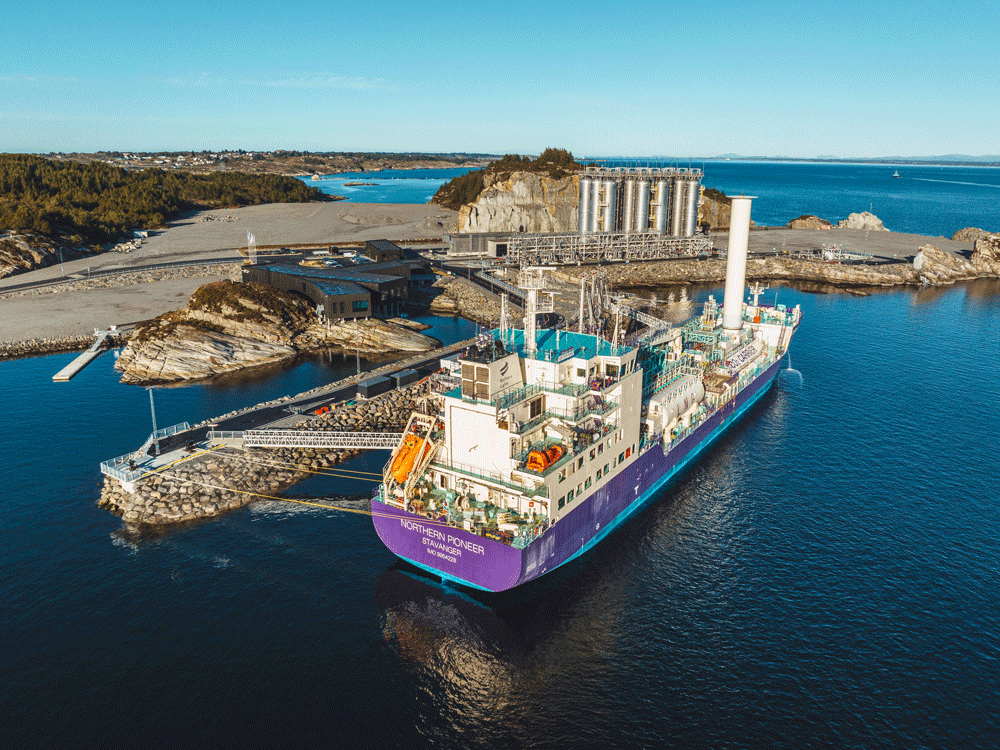
LCO2 carrier Northern Pioneer, a new breed of gas carrier (image: Northern Lights JV)
Carbon capture and storage is expected to play a major role in the decarbonisation of shipping and other industries. Whether that captured carbon is sent for permanent storage or is purified for further industrial use, specialist vessels will need to be built to ship the gas.
Flexible FLNG's star is rising
Offshore Technology (Newsletter)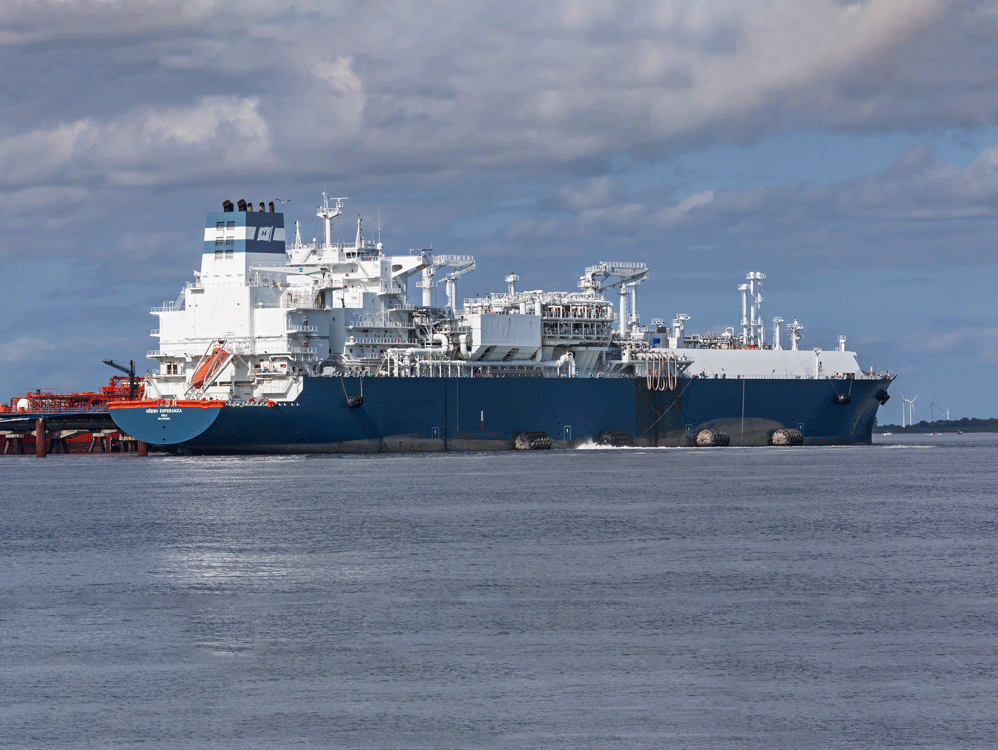
Höegh Esperanza FLNG unit at Wilhelmshaven (image: Shutterstock)
Converting LNG gas tankers to floating LNG storage units is a complex business. It requires merging ship design with LNG industry processing equipment arrangements, with stability and weight key issues.
Floating data centres: an offshore solution to onshore concerns
Offshore Technology (Newsletter)
Lloyd's Register, SHI and Capital Clean Energy Carriers Corp sign an MoU to collaborate on an FDC design (image: Lloyd's Register)
Data centres are a drain on critical power and water supplies, raising concerns about competing costs for resources. Floating data centres can solve many of the concerns around this technology.
Royal Navy tests seabed defence tech with AUKUS allies
Warship Technology (Newsletter)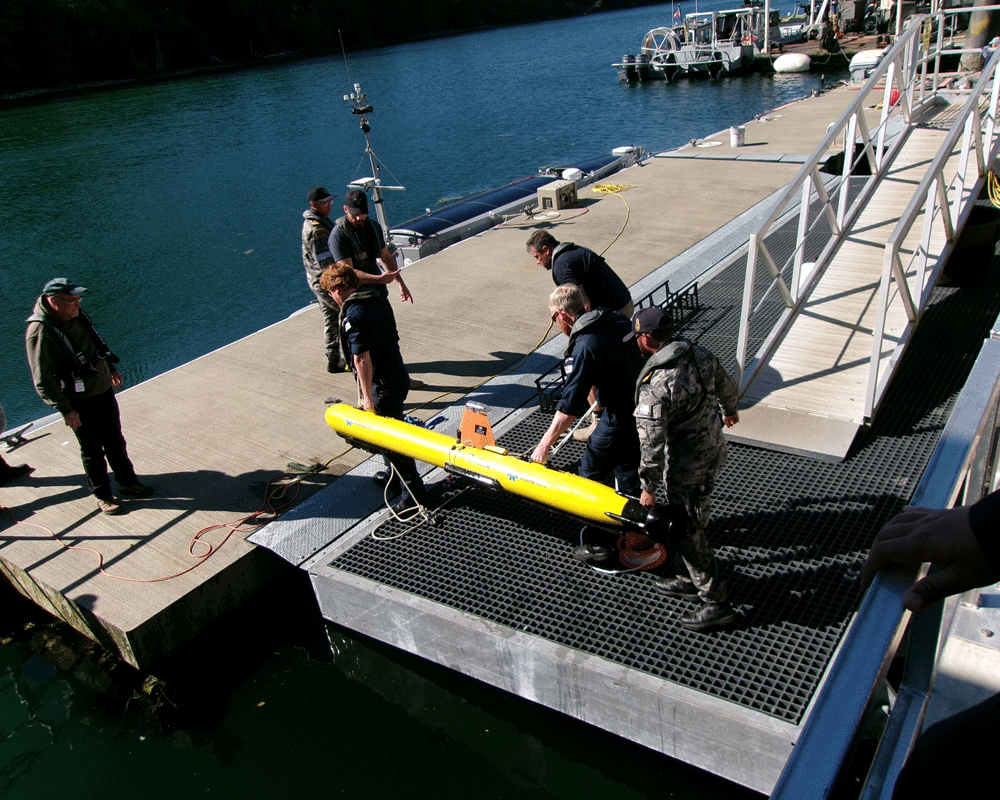
The Teledyne Gavia autonomous underwater system (image: Royal Navy).
The Royal Navy has completed a six-week AUKUS Pillar 2 trial with the US and Royal Australian Navies, testing uncrewed technology to protect critical undersea infrastructure off the US coasts and southwestern Australia.
Submarine maintenance utilises 3D printing
Warship Technology (Newsletter)
QinetiQ has installed an additive manufacturing facility at HM Naval Base Clyde, enabling submarine components to be printed and delivered dockside on demand.
A five-class challenge for UK naval design
Warship Technology (Newsletter)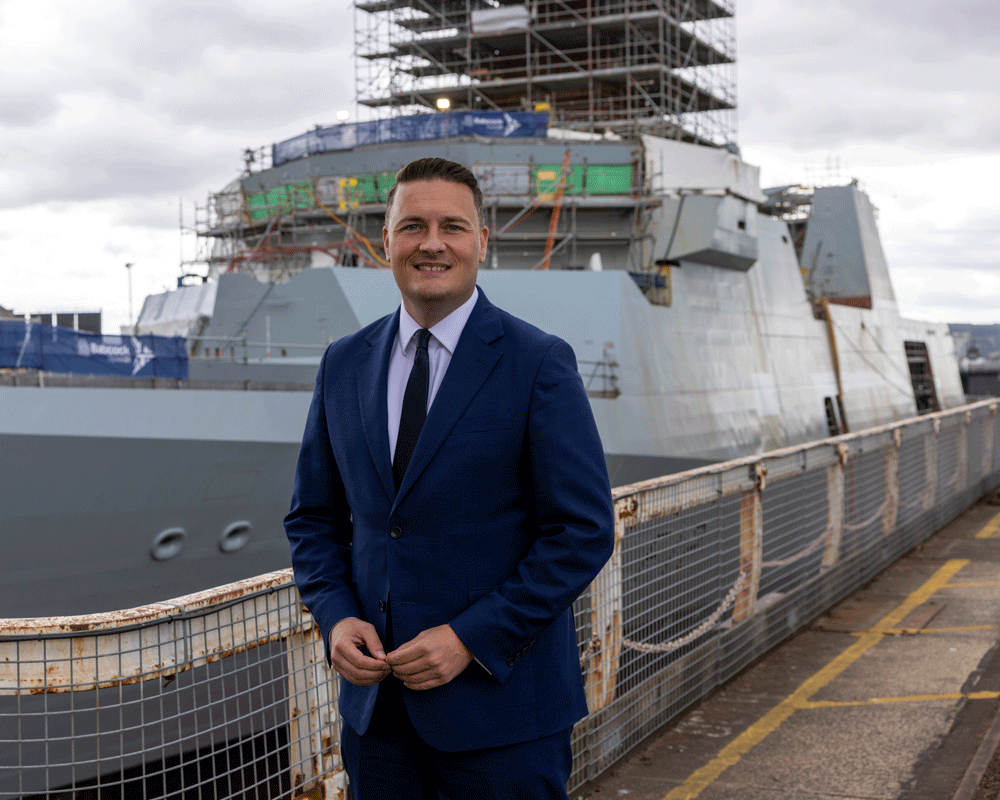
Secretary of State for Defence Wes Streeting at Babcock's Rosyth facility (image: Corporal Ryan Murray, UK MoD. Crown copyright 2026).
Naval architects face a compressed design programme under the UK's £300bn Defence Investment Plan, which replaces the Type 83 destroyer with the Common Combat Vessel, a hybrid warship coordinating four new uncrewed classes.
Bibby takes the fossil out of fuel
Offshore Technology (Newsletter)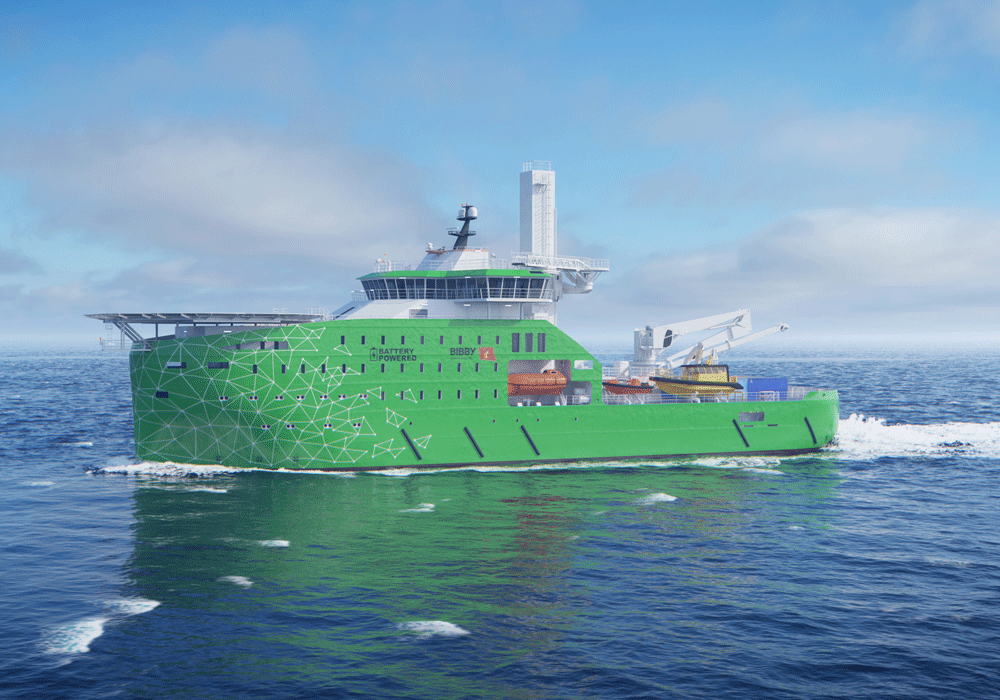
Battery powered Bibby Marine ship (image: Bibby Marine)
Fully electric, eCSOV’s are being designed in Spain for Bibby Marine. Battery power, with enough energy to power a CSOV for 24hours, will increase efficiency and cut costs according to the company. New and more thermally stable batteries will aid the transition.
Offshore ships going atomic
Offshore Technology (Newsletter)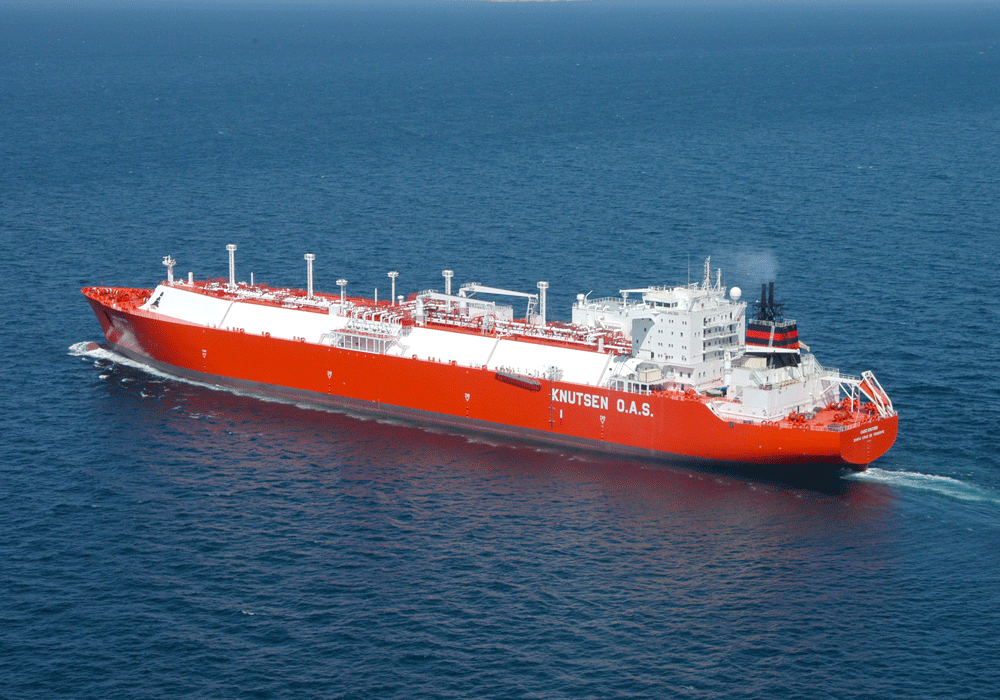
Knutsen to retrofit tanker with nuclear tech (image: Knutsen)
Power generation and offshore support vessels are both in the frame to benefit from fourth-generation small modular nuclear reactors. Ulsteinvik and Island Offshore explore the possibilities.
Energy outreach, offshore's design hurdles
Offshore Technology (Newsletter)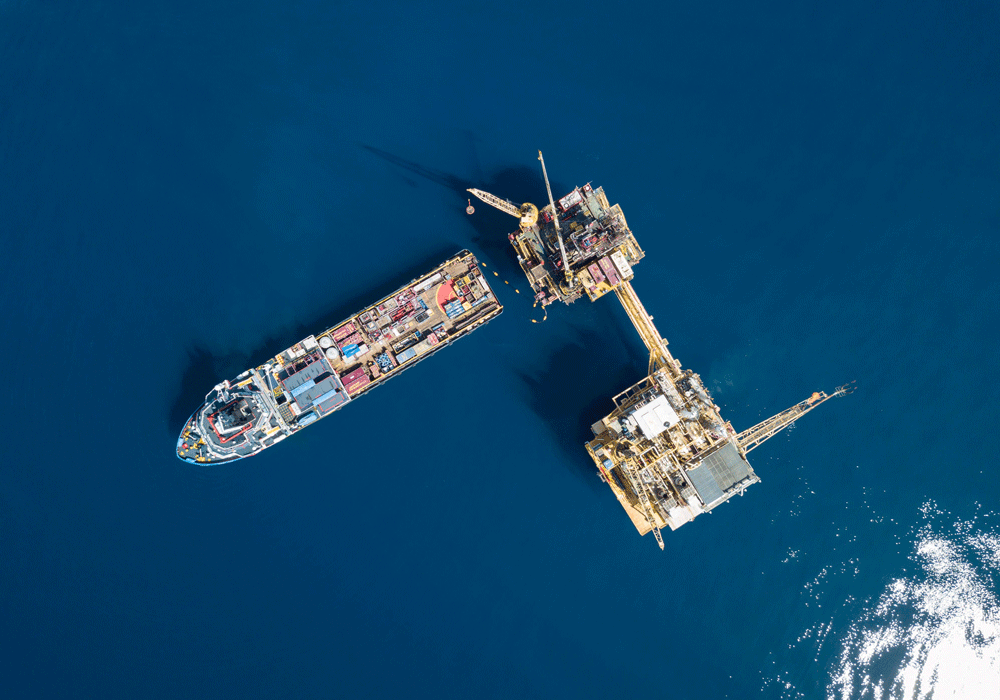
Support vessel for a rigless unit over the offshore production platform (image: Shutterstock)
Deeper, more exposed and less accessible fossil fuel reserves require more sophisticated offshore support vessel designs. With floating LNG increasingly in demand to help access and process fuels.
Living with 10-year-olds
Ship Repair and Maintenance (Newsletter)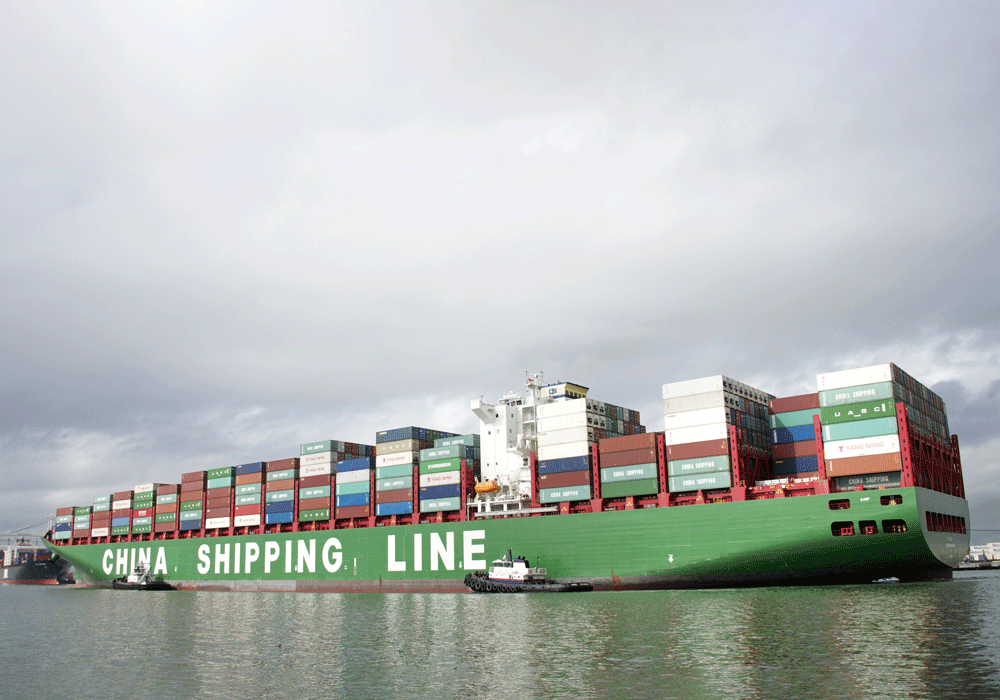
China Shipping Lines (image: Shutterstock)
Vessel owners of 10-year-old ships are going through a mid-life crisis. To retrofit or not to retrofit, that is the question? Can investments in energy savings be recovered in these not old, but not new ships.
Shipyard digitalisation gathers pace
Ship Repair and Maintenance (Newsletter)
Digitalisation is changing ship repair fast (image: Shutterstock)
The digital age is transforming the ship repair industry as online monitoring and digital twins linked to a burgeoning predictive maintenance regime takes hold.
Scope 3 is changing emissions calculations
Ship Repair and Maintenance (Newsletter)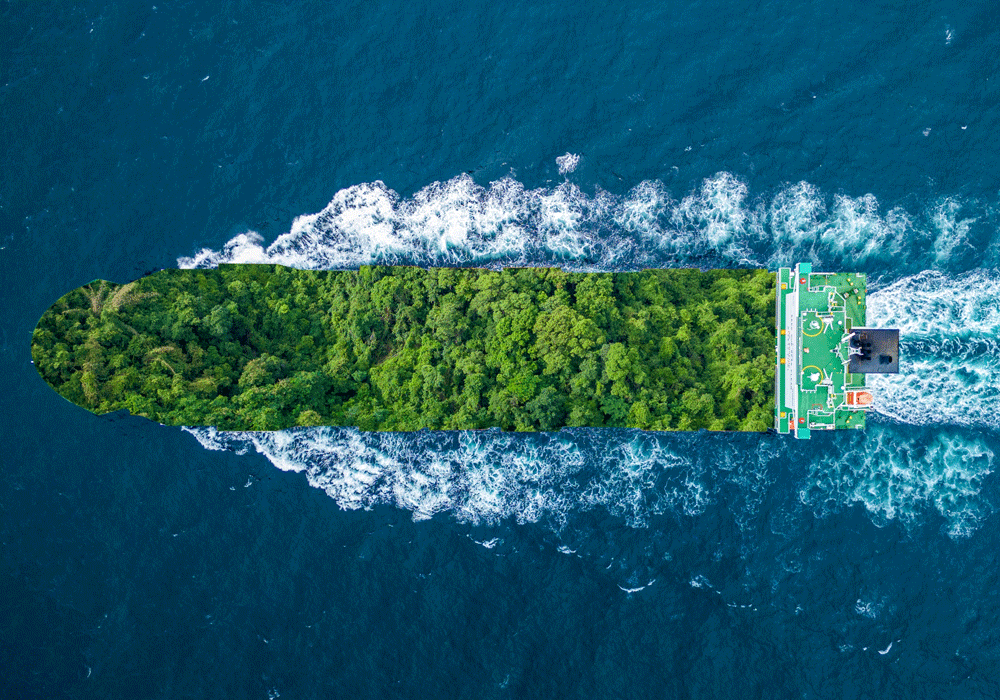
Charterers demand more to mitigate scope 3 emissions (image: Shutterstock)
Visibility is becoming increasingly critical as charterers must now calculate Scope 3 emissions from their supply chains. Speed optimisation is helping to reduce the total.
Newsletters
Stay connected with the global maritime community through RINA’s newsletters.
Whether you are a member or not, you can receive updates from The Naval Architect, alongside selected RINA news, events and industry insights. Members also gain access to a wider portfolio of exclusive newsletters on key topics in the maritime industry.
- The Naval Architect (currently available to all members & non-members)
- Power & Sustainability (members-only)
- Ship Repair & Maintenance (members-only)
- Warship Technology (members-only)
- Ferries & Fast Craft (members-only)
- Offshore Technology (members-only)
