

Offshore Technology
Offshore Technology explores the systems, engineering practices, innovations and challenges, driving offshore operations across energy and marine sectors. Topics you can expect include subsea engineering, floating production systems, offshore wind technologies, digital monitoring and control systems, and asset integrity management.
Delve into analysis, and insights on emerging technologies improving safety, efficiency, and performance in increasingly harsher offshore environments in the journey to cleaner sustainable energy sources.
Building in better cyber resilience
Warship Technology (Newsletter)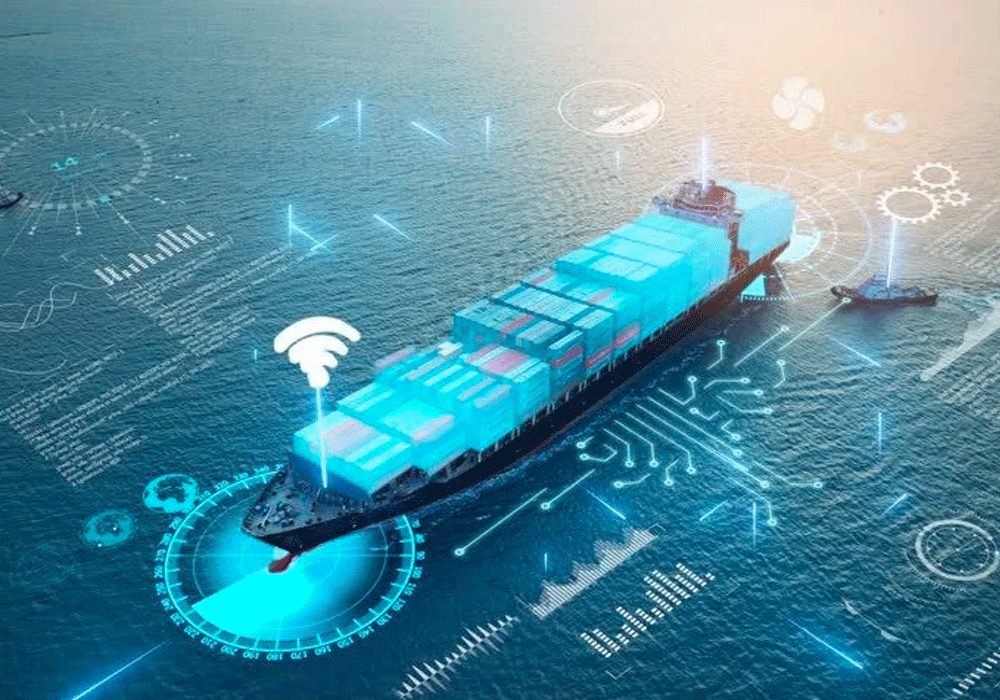
Pole Star warns that AIS spoofing and GPS jamming are frequently used techniques that provide a false idea of ship locations while at sea
Cyberattackers are streamlining tactics and adopting new technologies to expand their capabilities. Pole Star Defense talks to RINA exclusively on why embedding cyber resilience into warship design from the outset is critical
Autonomy as a capability multiplier
Warship Technology (Newsletter)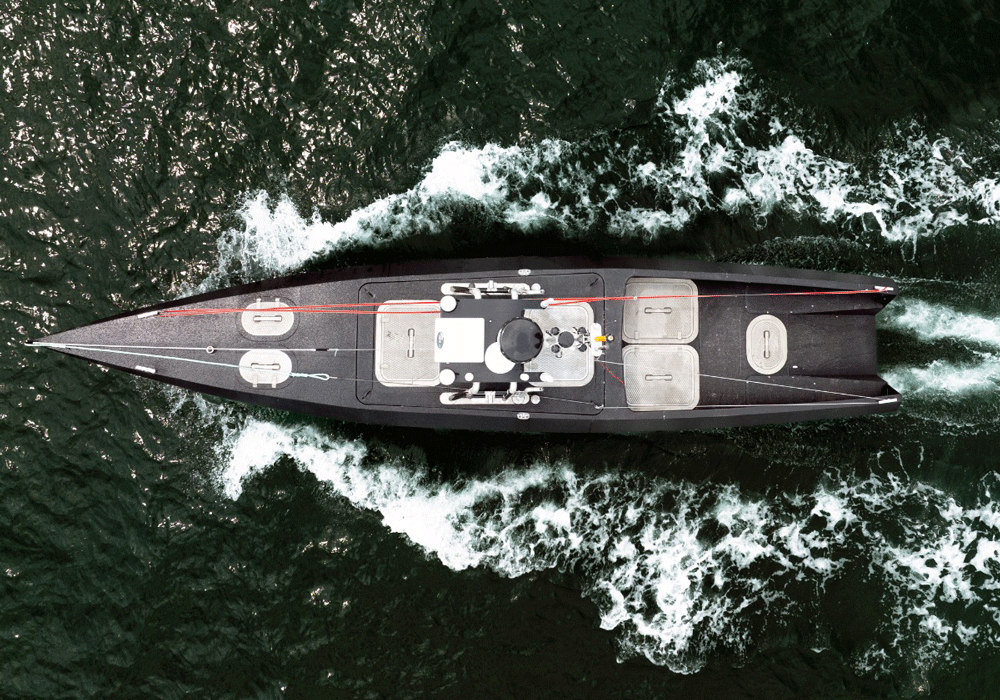
MarineAI says that autonomous vessels are best viewed as a capability multiplier, rather than a replacement for crewed warships
In light of growing maritime autonomy across the defence sector, RINA questions AI developer MarineAI on how autonomous systems can complement warship capability and streamline decision-making, rather than replace the process
China: ship repair's hotspot
Ship Repair and Maintenance (Newsletter)
Hanwha says 'verification of effectiveness' is paramount in ship repairs (image: IikaJzuchiN)
A surge in vessel building in the first 10 years of this century means that vessels are now approaching their third, fourth or fifth surveys, and they must meet evolving decarbonisation regulations to remain viable
AI emerges as maintenance tool
Ship Repair and Maintenance (Newsletter)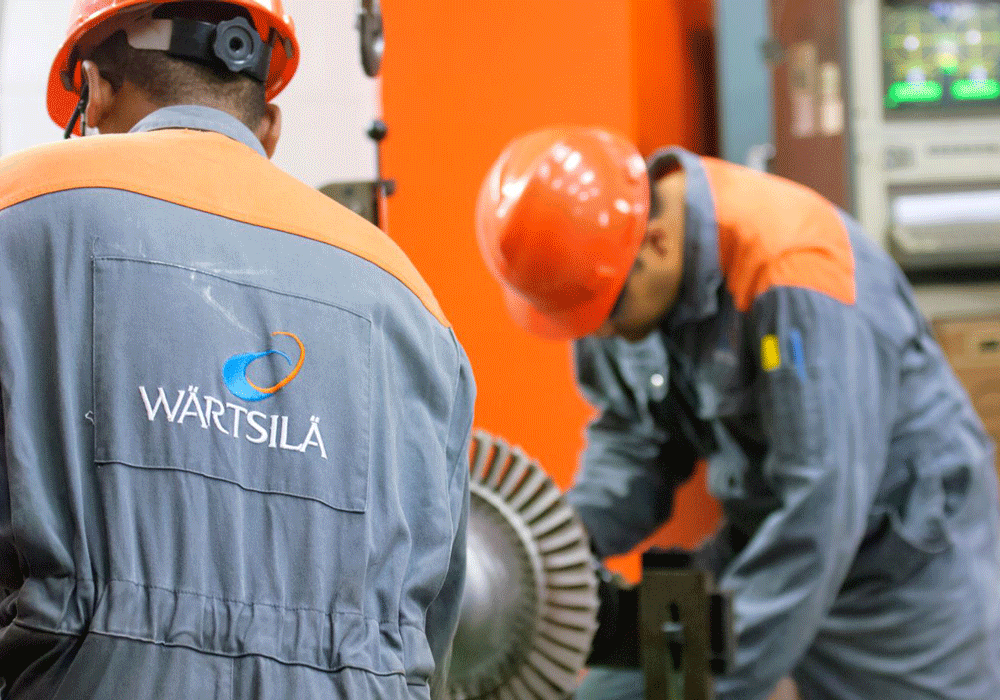
AI is emerging as a legitimate tool for predictive maintenance, analysing component wear and tear symptoms for improved maintenance downtime costs
The BWM Convention compliance myth
Ship Repair and Maintenance (Newsletter)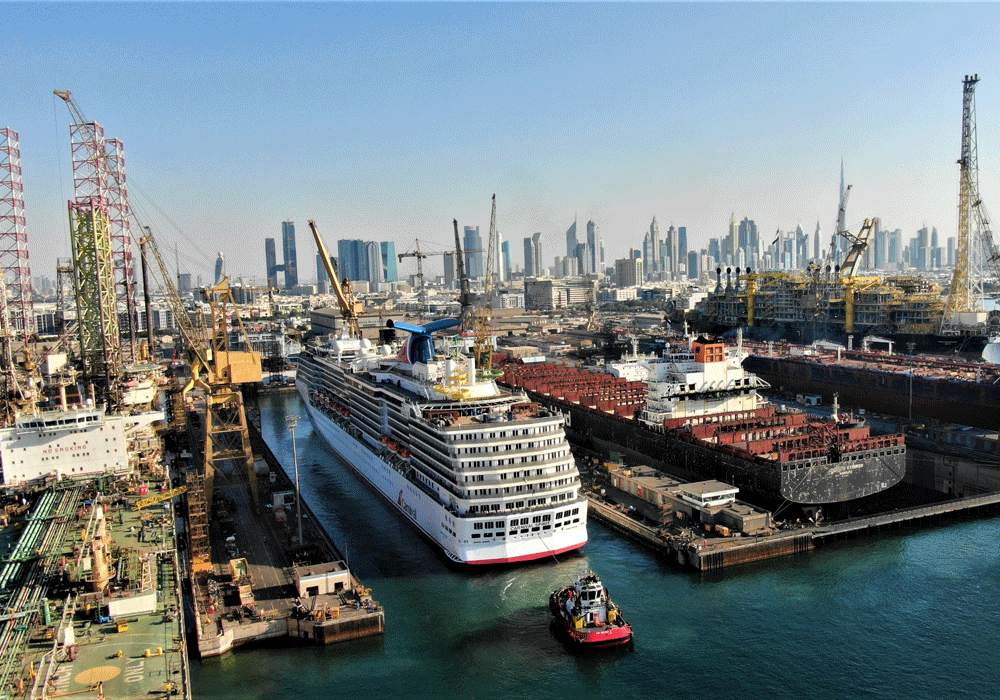
The latest survey shows significant deficiencies in ballast water systems technology. Can land-based facilities help bridge gap between rules and reality?
Wind power's struggles to get airborne
Power & Sustainability (Newsletter)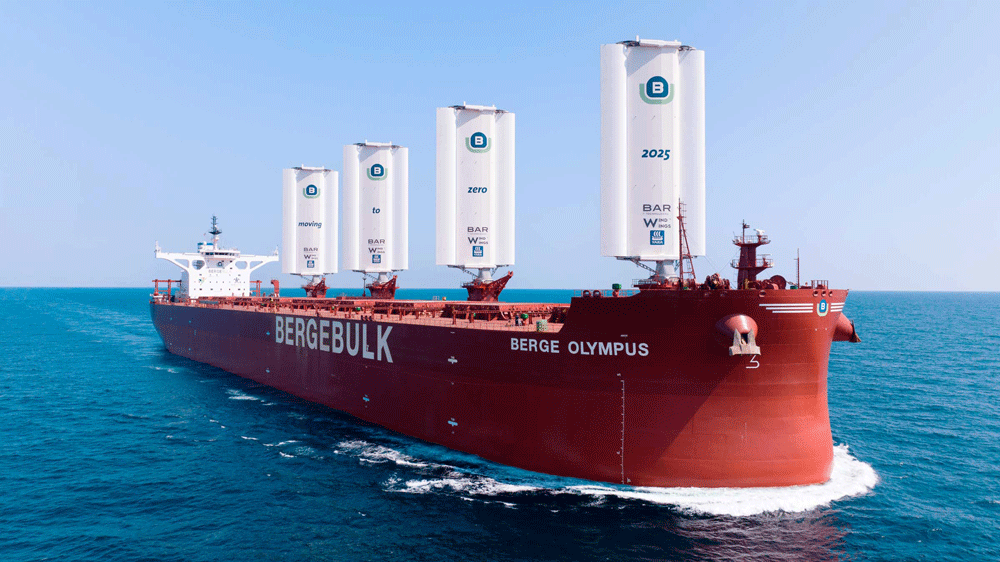
A future batch of seven aframax newbuilds for Union Maritime will be fitted with BAR Technologies' WindWings rigid sails. Image: BAR Technologies
Full slots in a building boom for shipyards has seen concerns over unfamiliar wind power, added to vessel designs, with yards refusing to build to non-standard plans, rejecting orders. Two owners describe how they have managed to persuade yards otherwise
The acceleration of electrification
Power & Sustainability (Newsletter)
Powering shortsea trade requires a lot less electricity than might be expected. Pictured: Yara Birkeland, the World's first fully electric and autonomous containership. Image: Yara
Advances in battery technology make it possible for short-sea ships and feeder vessels to electrify. That simultaneously offers the possibility to cut costs and emissions and improve vessel efficiency
LNG, a transitional fuel or GHG?
Power & Sustainability (Newsletter)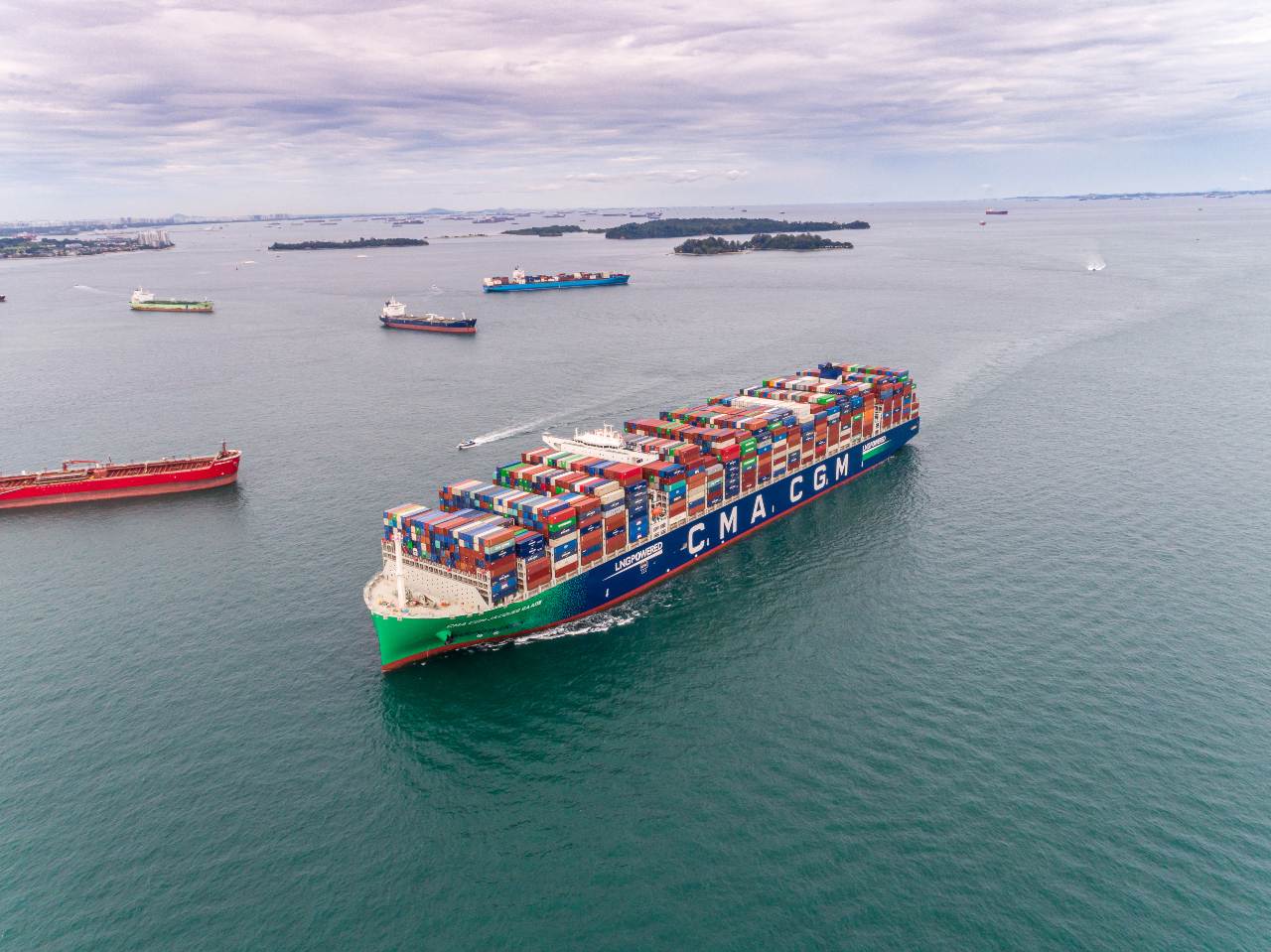
Technology, investment and progress made with LNG as a transitional fuel should be acknowledged believes Dominguez. Pictured: LNG-powered containership, CMA CGM Jacques Saadé. Image: VesselFinder
Savings of more than 50% on fleet-wide emissions can be achieved using cheap modifications on ships. Compared to the cost of building new LNG powered vessels, there is no contest. And the cuts to carbon emissions are twice as high
Engineering flexibility into hybrid ferry design
Ferries & Fast Craft (Newsletter)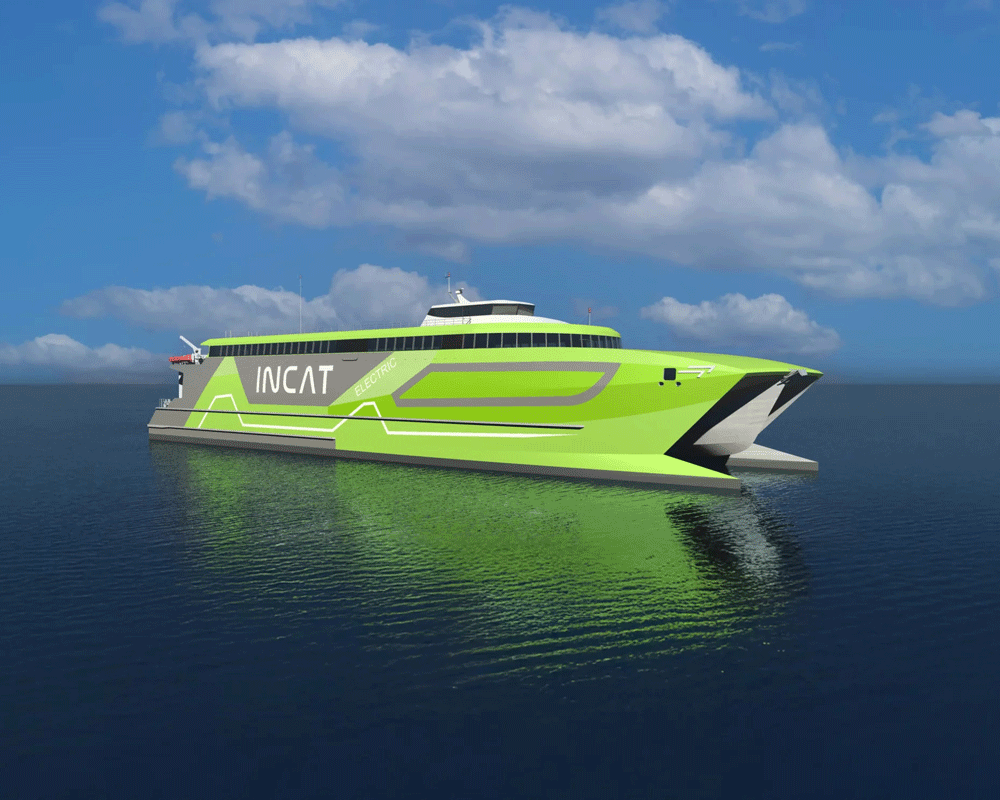
Incat and Echandia are demonstrating how working closer together on modular battery integration, collaborative vessel design and whole-system engineering is working to future-proof ferries as technology and infrastructure evolve.
Naval architecture in the electric age
Ferries & Fast Craft (Newsletter)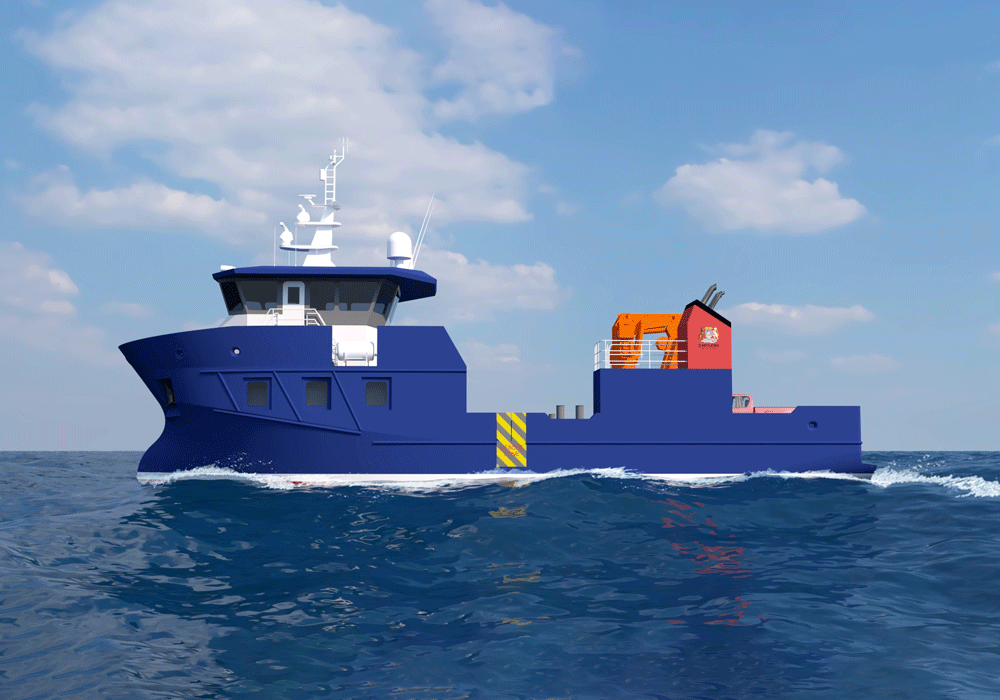
Chartwell Marine is expanding its work in the fast passenger ferry market, drawing best practice from CTV design. Its low-wake ferry hullform is a direct response to how electrification has fundamentally changed vessel design.
Simple physics with a significant impact
Ferries & Fast Craft (Newsletter)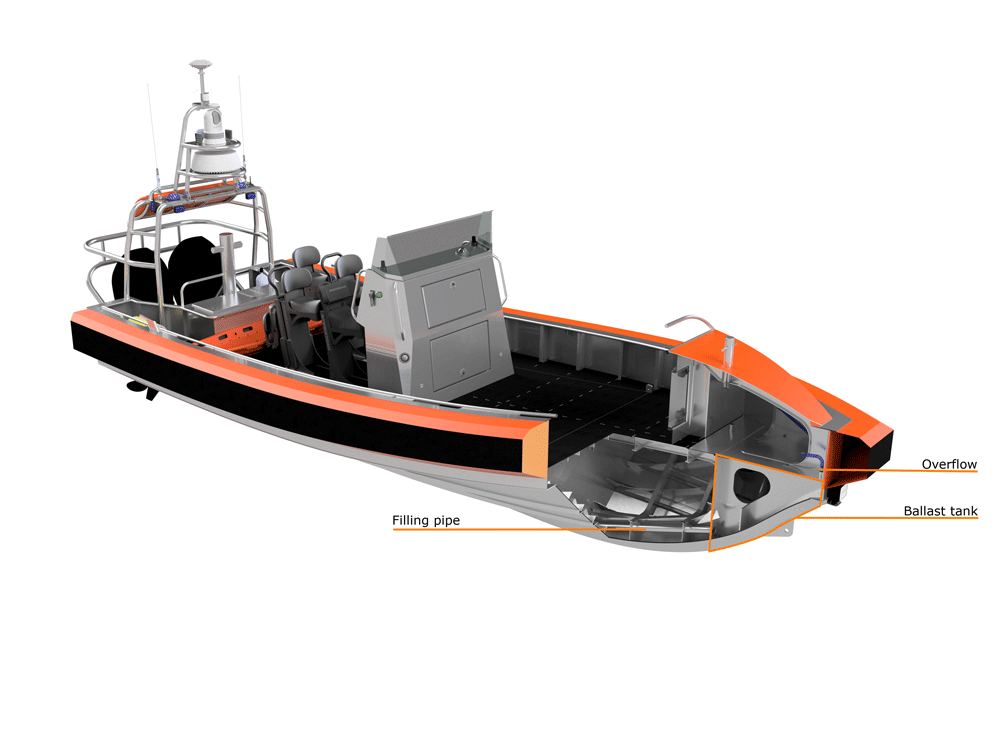
Salmon Marine’s Wavebreaker dynamic ballast system, originally conceived for offshore racing powerboats, has evolved into a design solution for reducing vertical accelerations experienced by crew and passengers operating at speed.
Fuel cell technology powering up at speed
Power & Sustainability (Newsletter)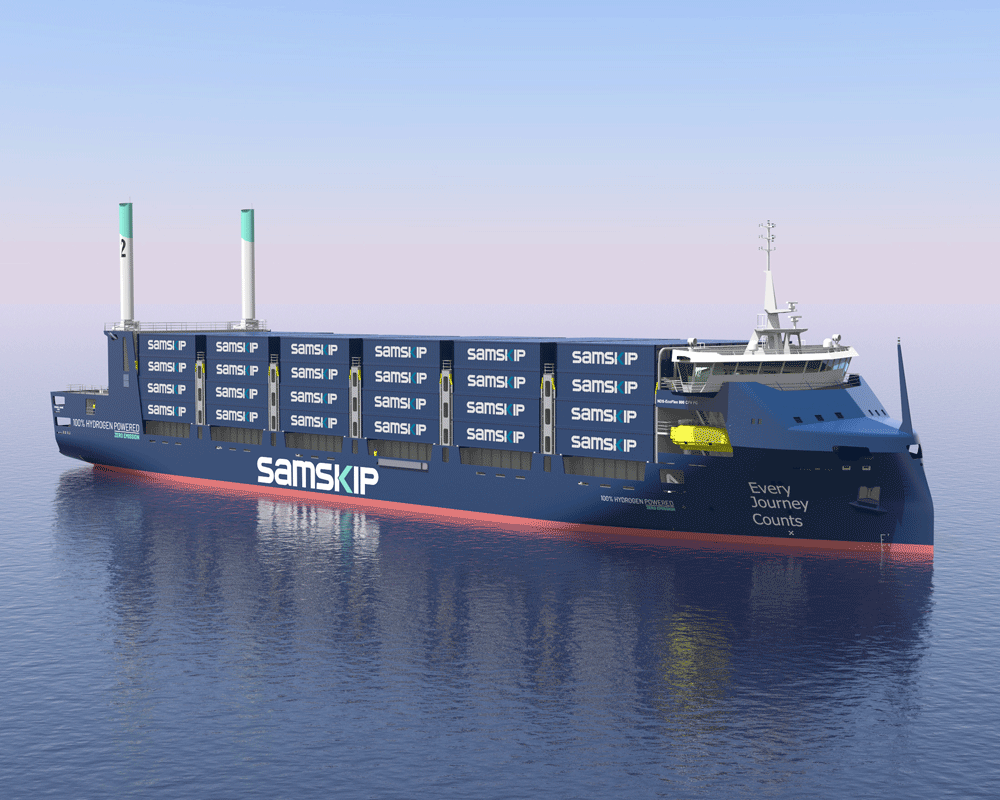
Samskip's fuel cell-powered shuttle will operate between Rotterdam and Oslo (image: Courtesy of Samskip).
Delivering maritime fuel cells that can drive deepsea shipping is not only within reach but is inevitable according to some.
Newsletters
Stay connected with the global maritime community through RINA’s newsletters.
Whether you are a member or not, you can receive updates from The Naval Architect, alongside selected RINA news, events and industry insights. Members also gain access to a wider portfolio of exclusive newsletters on key topics in the maritime industry.
- The Naval Architect (currently available to all members & non-members)
- Power & Sustainability (members-only)
- Ship Repair & Maintenance (members-only)
- Warship Technology (members-only)
- Ferries & Fast Craft (members-only)
- Offshore Technology (members-only)
