

November/December 2025
The last issue of this year's Naval Architect is now available to read online and in print. Highlights from this issue:
Offshore Support
Floating Wind
Wind Propulsion
Engines, Gears & Props
Want to keep up to date with the latest news and developments in the maritime industry? Full articles and in-depth analysis are exclusively available to all RINA members & subscribers.
Generative AI design cuts fuel use and emissions
The Naval Architect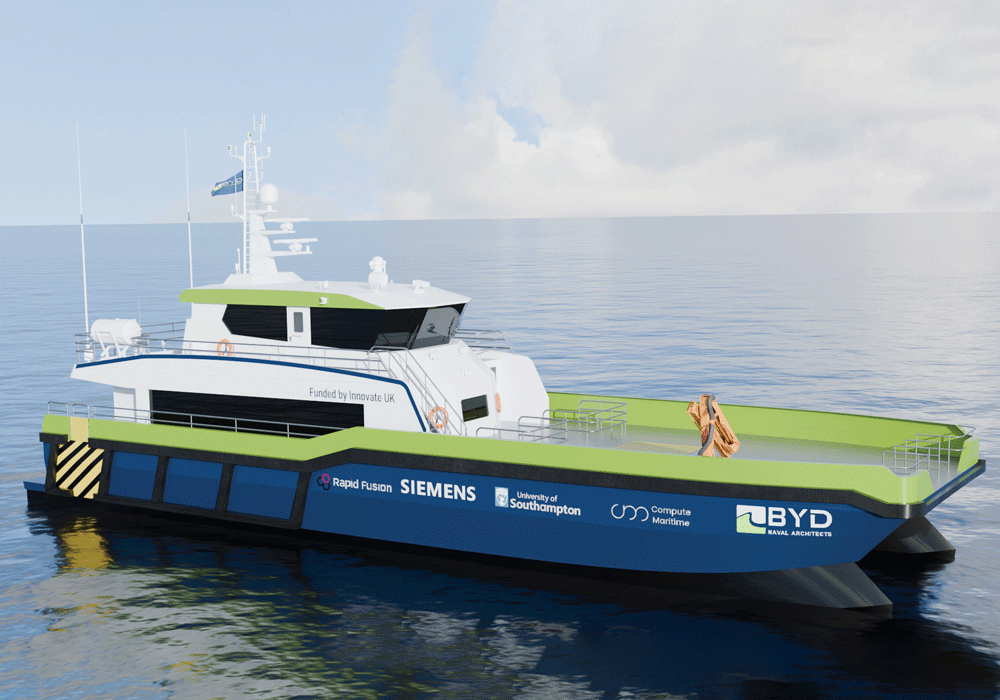
AI-designed crew transfer vessel (image: Compute Maritime).
A seven-month feasibility study has produced a crew transfer vessel with 11% lower fuel use and 9% lower CO2 than a diesel baseline. It’s a working test of whether generative design can move from concept to class approval.
The Big Questions: Bob Cripps
The Naval Architect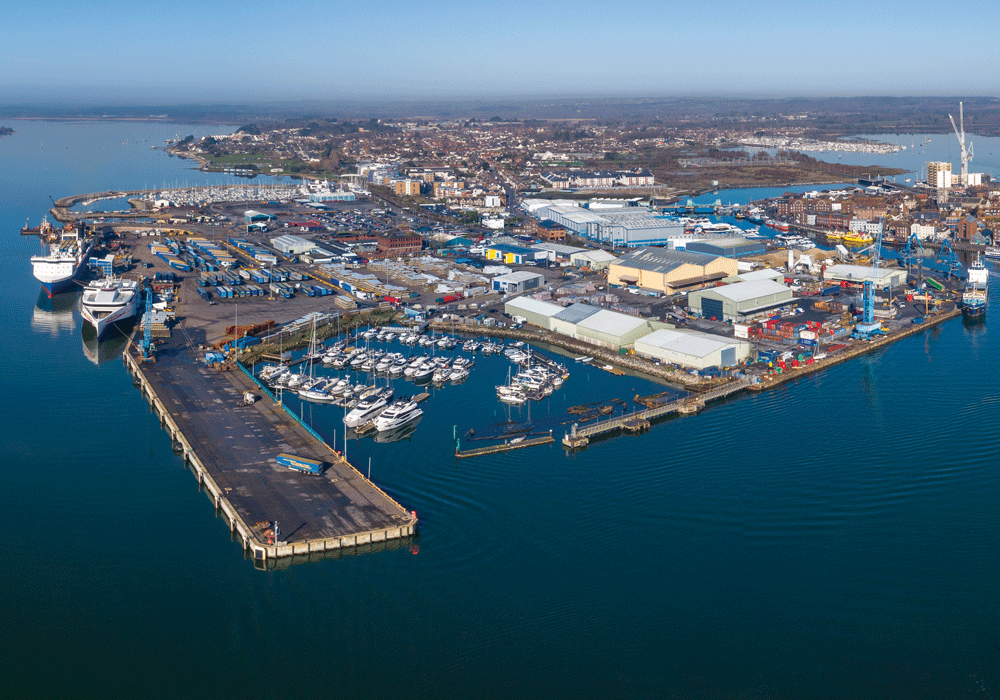
Poole Harbour
RINA talks to Bob Cripps about the experiences, influences and engineering challenges that shaped a varied career, and the advice he would offer today’s aspiring naval architects.
EcoPro tackles diesel combustion at source
The Naval Architect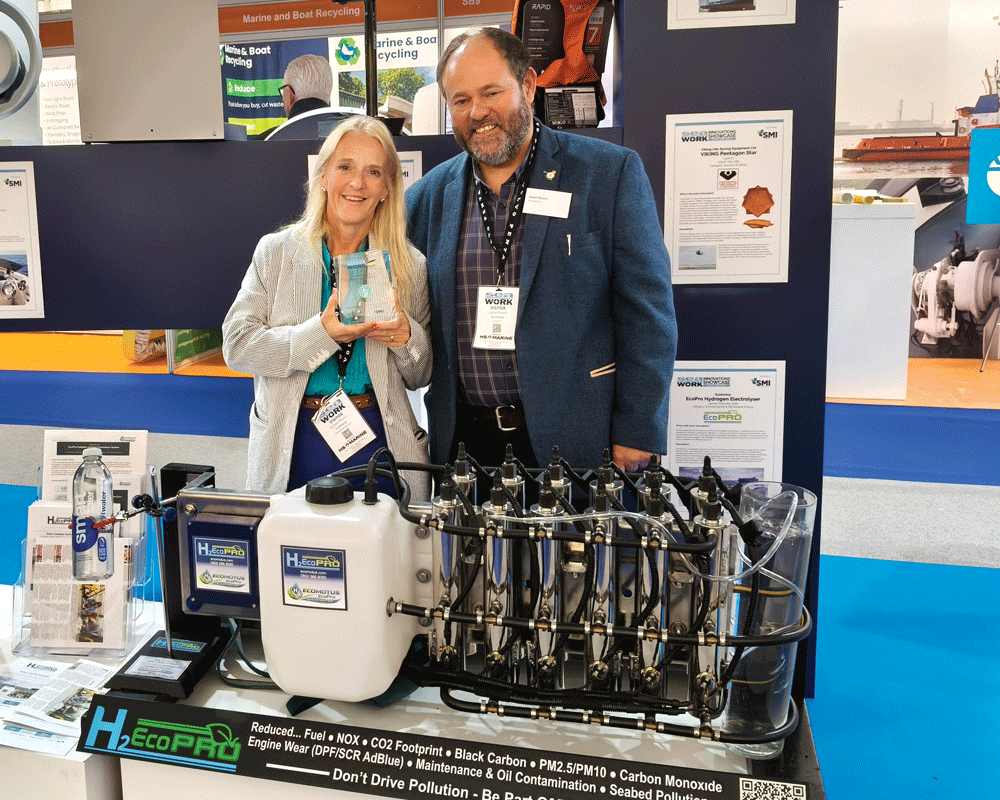
EcoPro on show at Seawork
EcoPro retrofit device from Ecomotus aims to improve diesel combustion and reduce emissions without the need for major vessel modifications.
Trinity House orders two hybrid buoy tenders from VARD
The Naval Architect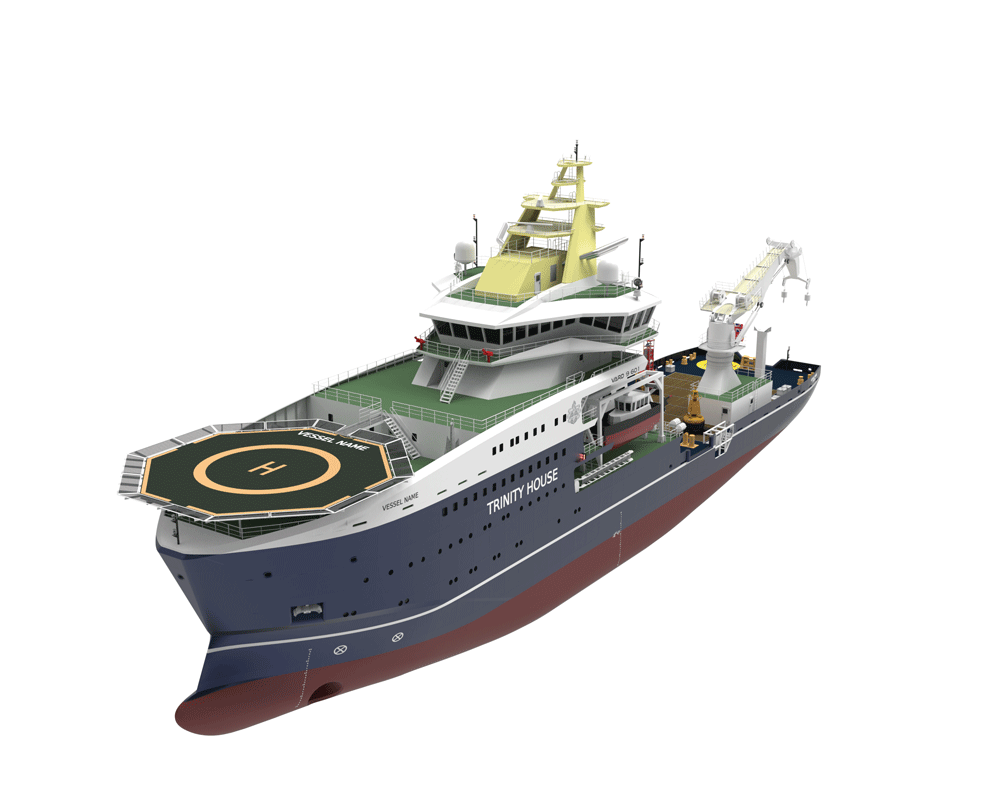
VARD 9 601 design
The award of a contract to design and build two multifunctional vessels marks a major milestone in General Lighthouse Authority Trinity House's Future Afloat fleet renewal programme.
Reshaping investment decisions
The Naval Architect
Regulatory uncertainty is placing growing pressure on shipowners to make investment decisions robust enough to hold up across multiple possible futures, according to DNV’s Maritime Forecast to 2050, published in August.
Bollinger opens talent pipeline with Mississippi training centre
The Naval Architect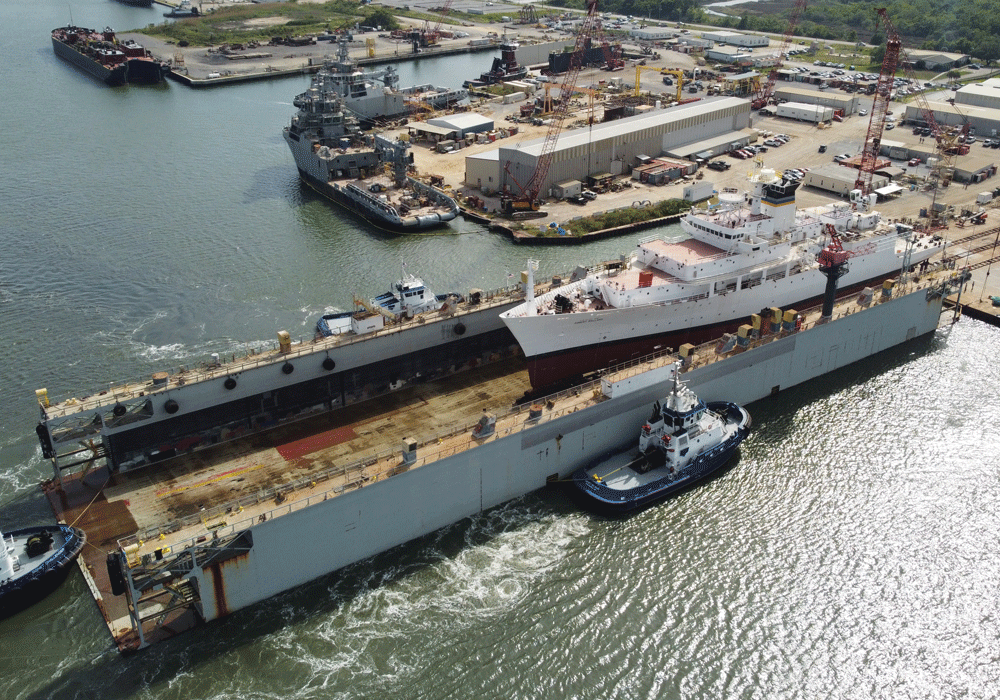
Bollinger Shipyard
Bollinger Shipyards has opened a new 7,200ft2 workforce training centre at its Gulfport, Mississippi facility, developed in partnership with the Submarine Industrial Base Program Office and Mississippi Gulf Coast Community College.
Proactive hull cleaning
The Naval Architect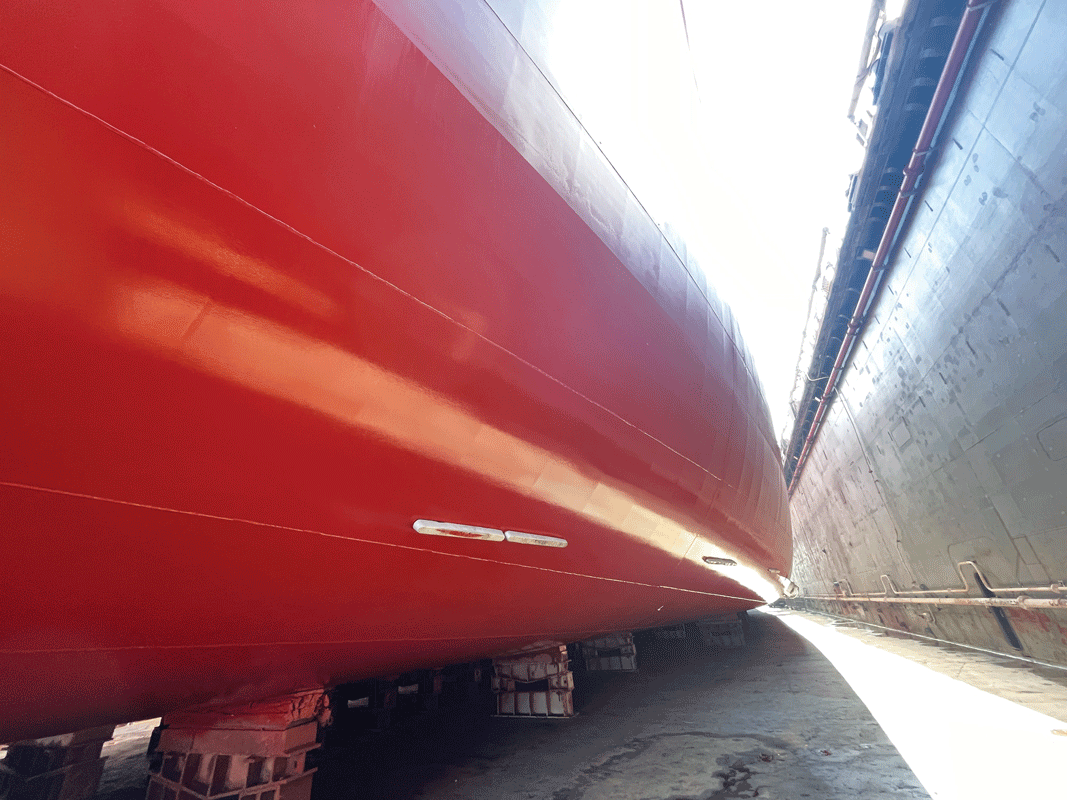
XGIT-Fuel is a biocide-free hull coating.
How a year of biocide-free robotic hull cleaning on a trading LPG carrier held performance close to dry-dock levels, despite high fouling pressure and imperfect execution.
Mast removal on WWII wreck in Thames Estuary
The Naval Architect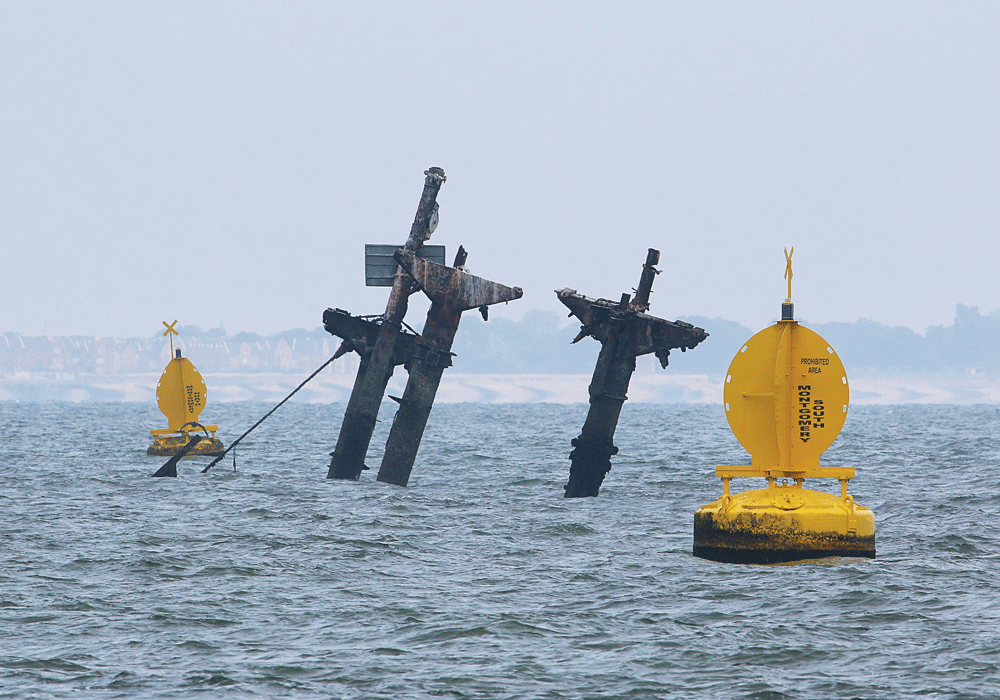
SS Richard Montgomery (image: Alamy)
Resolve Marine has started one of the UK’s most sensitive wreck salvage operations – the removal of the three masts of the SS Richard Montgomery, a sight that has become iconic for residents around the Thames Estuary.
Making space for waste
The Naval Architect
Martin Shutler on the design challenges created by modern water and waste treatment requirements.
Physics meets machine learning in shaft power prediction
The Naval Architect
Norwegian researchers find machine learning consistently beats a purely empirical benchmark for shaft power, though combining the two brings no clear gain.