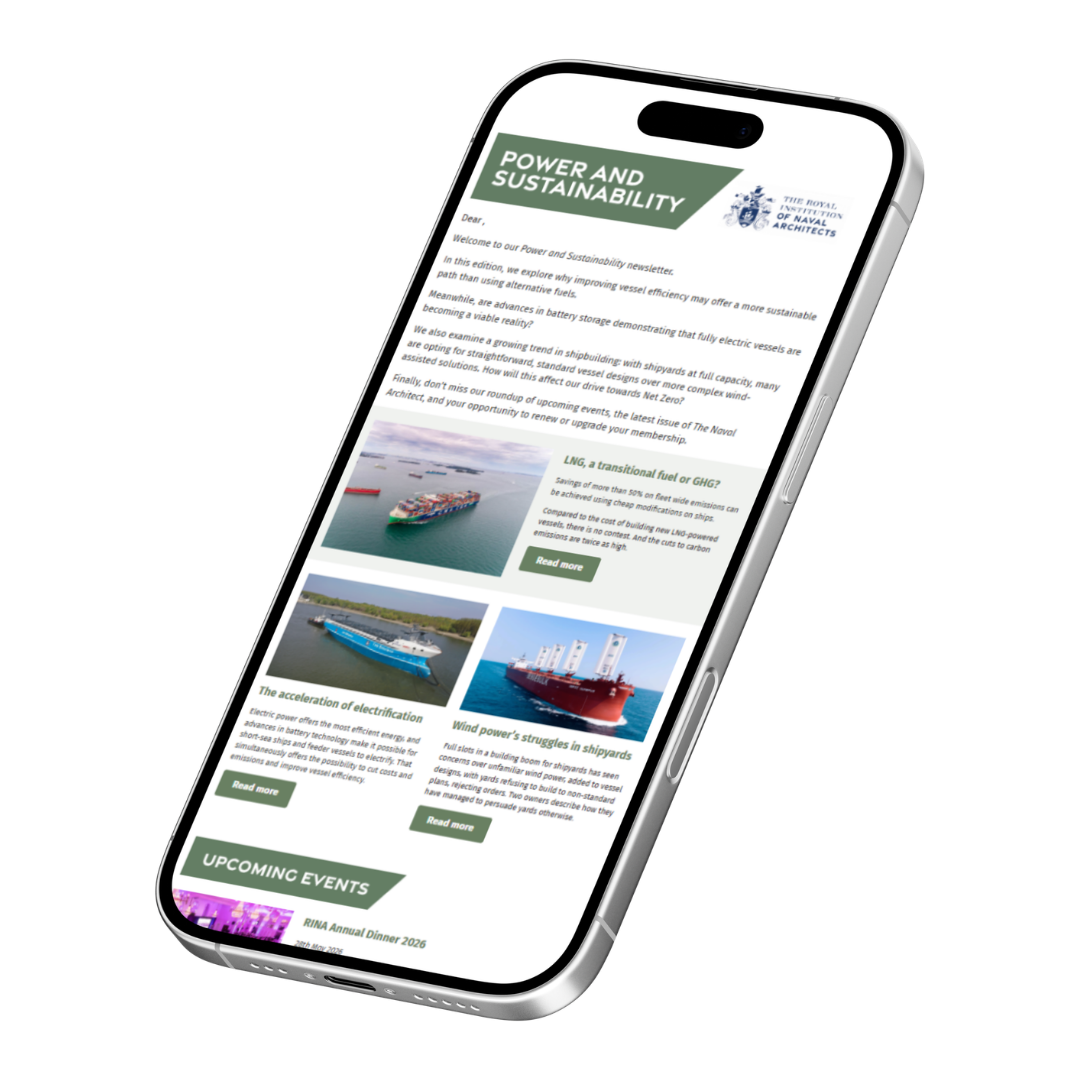
The Naval Architect provides in-depth information on all aspects of vessel design, construction and engineering. Practical applications of latest technology and case studies are accompanied by analysis and foresights. Published every two months, the magazine covers everything from superyachts and short-hop ferries to tankers and heavy-lift vessels; from battery pack installations and sail-assisted solutions to LNG tank retrofits; and from offshore safety to warship resilience.
Innovations of yesterday shaping the ships of today
The Naval Architect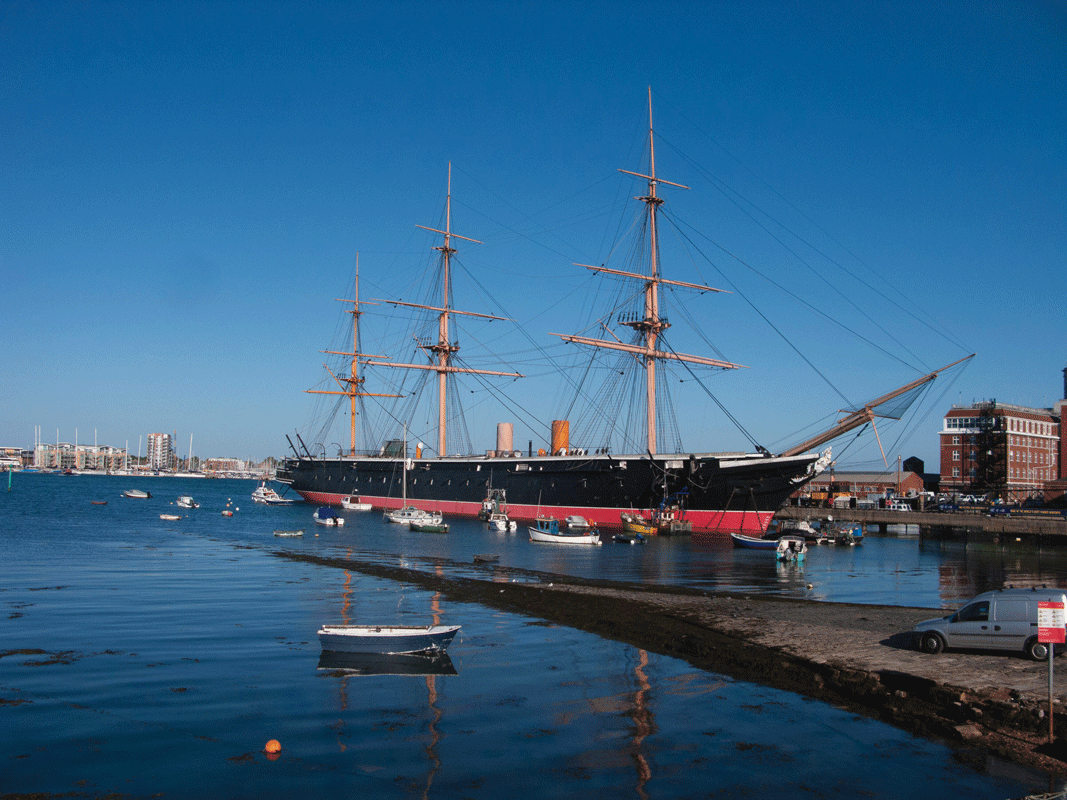
HMS Warrior, a 128m steam frigate with an iron hull (image: Alamy)
Bruno Cianci on engineering feats of the past that live on in the work of today’s naval architects and how one organisation is helping to preserve this maritime heritage.
IMO clears ammonia fuel safety framework
The Naval Architect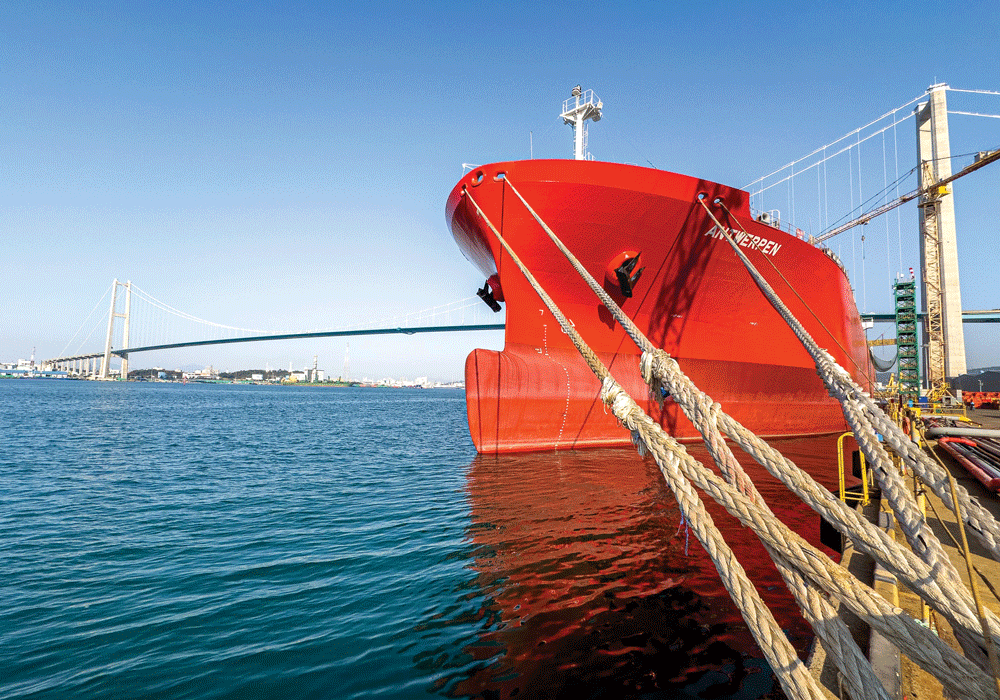
EXMAR's Antwerpen, an ammonia dual-fuel midsize gas carrier (image: EXMAR)
IMO-approved ammonia fuel guidelines give ship designers clarity on managing toxicity, safety and onboard operations.
Advanced biofouling management for floating wind farms
The Naval Architect
Alfa Laval's ultrasonic antifouling system (image: Alfa Laval Sonihull)
Alfa Laval, a Swedish firm that specialises in heat transfer, separation and fluid-handling technologies, has joined the ESOMOOR project, a European Union co-funded initiative bringing together industry and research partners to advance shared mooring technologies for large-scale floating offshore wind farms.
Rotor sails on bulk carrier pass eight-year survey
The Naval Architect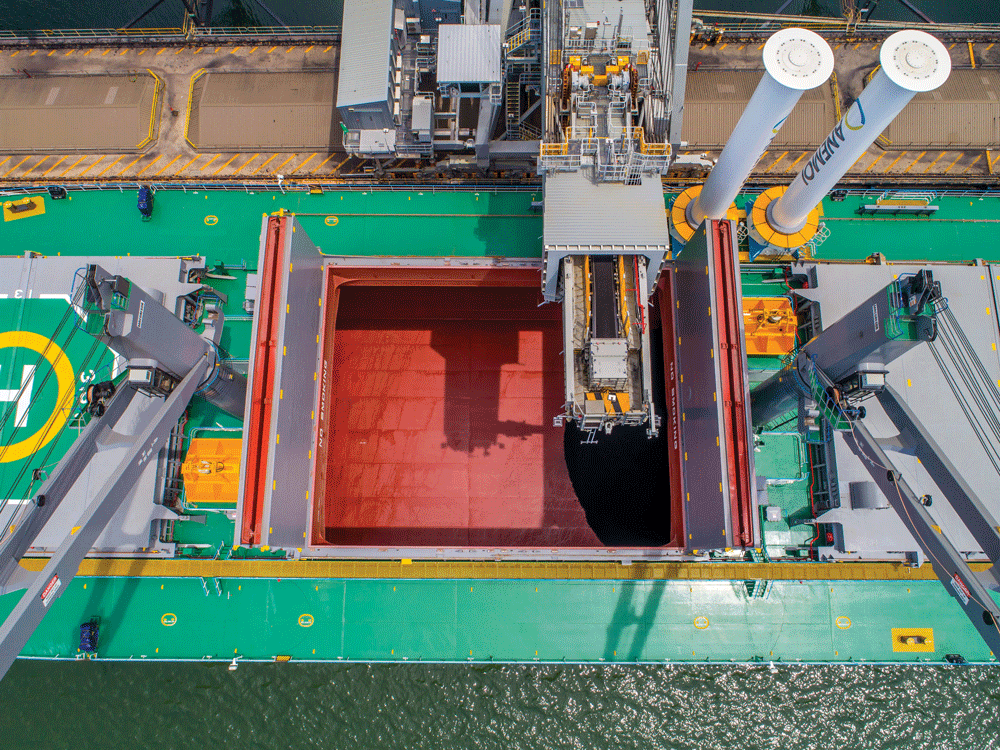
Aerial view of Afros during cargo operations, showing two Anemoi rotor sails positioned clear of the open cargo hold
Eight years on: Lloyd's Register survey confirms continued high performance and structural integrity of Anemoi rotor sails onboard Afros
An engine that makes its own hydrogen
The Naval Architect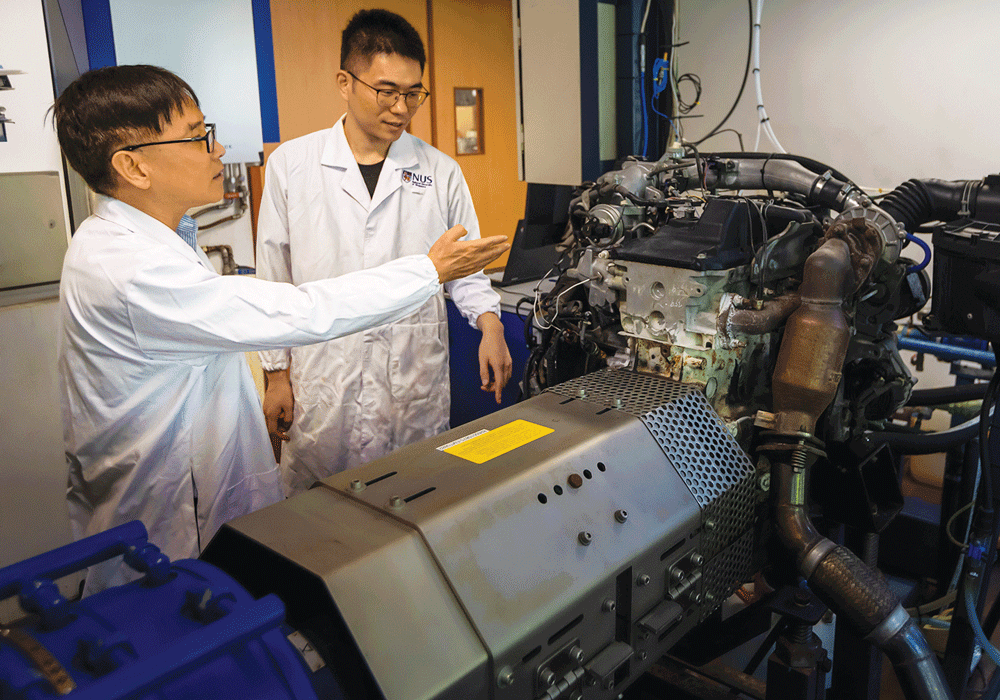
Yang Wenming and Zhou Xinyi in their laboratory
A new approach to ammonia-hydrogen marine propulsion could remove one of the most significant practical obstacles to zero-carbon shipping, say associate professor Yang Wenming and senior research fellow Dr Zhou Xinyi, from the College of Design and Engineering at the National University of Singapore
Classification society outlines Hydrogen recommendations
The Naval Architect
DNV recommended practice sets out hydrogen fuel competence requirements, providing technical guidance for training, risk management and safe vessel operations.
Electric powerboat sets course benchmark
The Naval Architect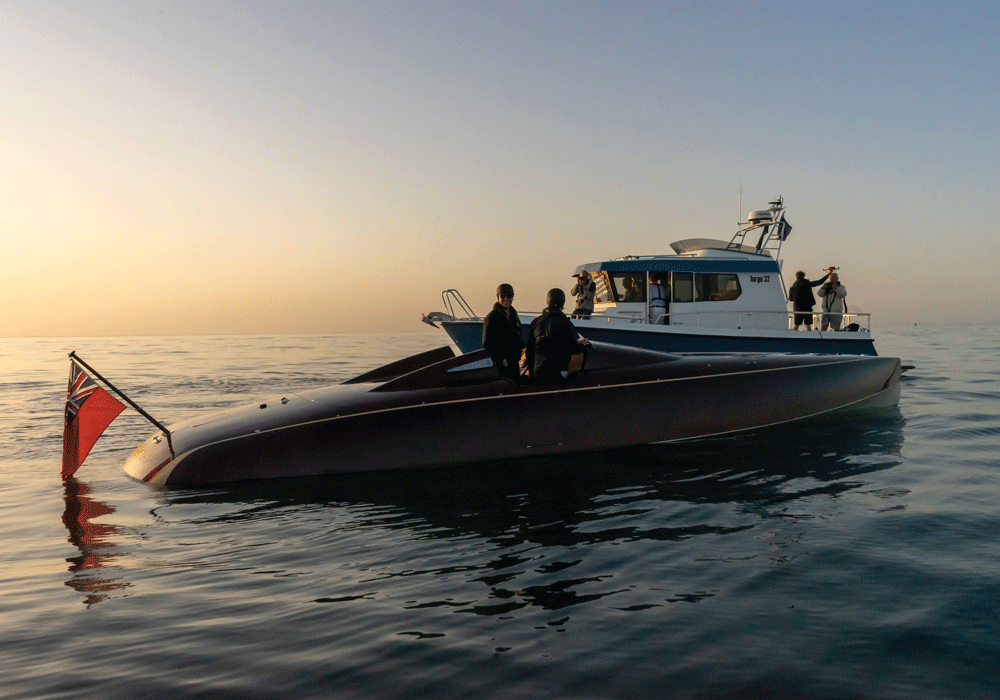
Image: Zoe Dunne
Electric foiling powerboat Spirit BARTech F35 establishes early benchmark in the newly electrified Harmsworth Trophy.
Arctic Corsair
The Naval Architect
Arctic Corsair is a 1960s sidewinder trawler, one of the last surviving to sail from the UK. Part of Hull’s deep-sea fishing fleet, she fished as far as Iceland and Newfoundland, saw action in the Cod Wars and retired in 1987.
Berg Propulsion powers India's electric tug programme
The Naval Architect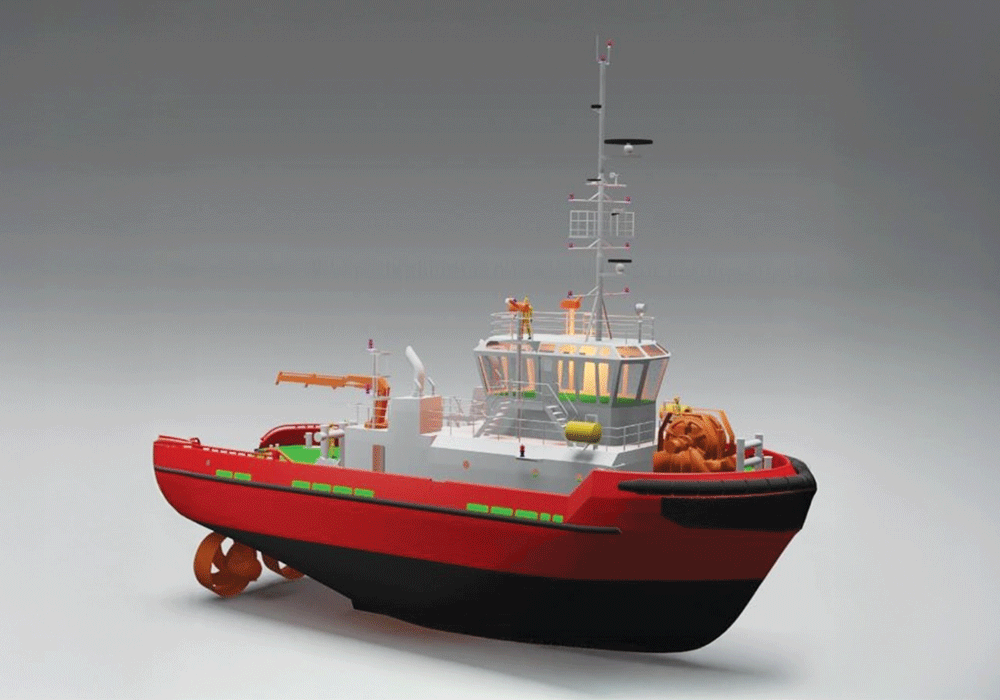
The green tugs will help India on its path to net zero (image: Navnautik).
Berg Propulsion’s propulsion technology and systems integration set to help optimise onboard space for two all-electric tugs under construction for India.
Measuring what you emit
The Naval Architect
Uwe Altenbach, from Hamburg-based Hoppe, beside a CEMS system (image: Hoppe)
Uwe Altenbach’s paper presented at the 11th Hull Performance & Insight Conference looks at the findings of a pilot project into continuous exhaust gas measurement of CO2.
Japan backs floating wind push in UK waters with £9bn investment
The Naval Architect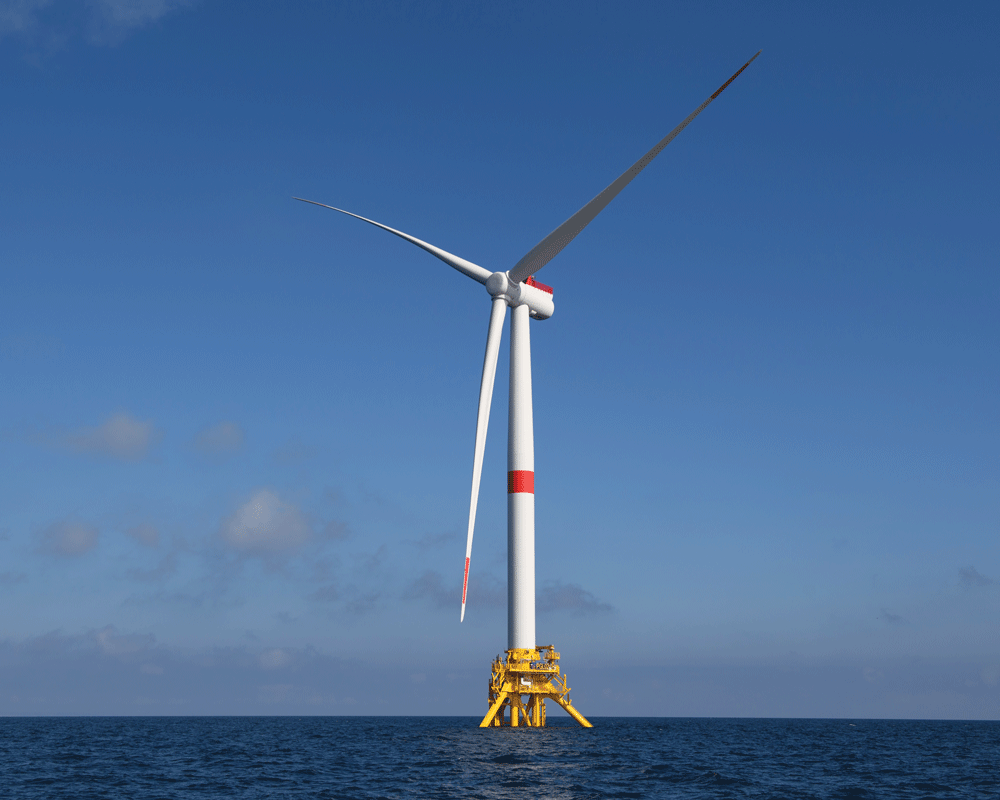
Floating wind capacity of 5.9GW would power an estimated 8 million homes (image: Shutterstock).
Japan-UK Offshore Wind Compact backs major floating wind projects, strengthening bilateral collaboration on renewable energy.
Dynautics wins 2026 Seawork award with modular Phantom 2
The Naval Architect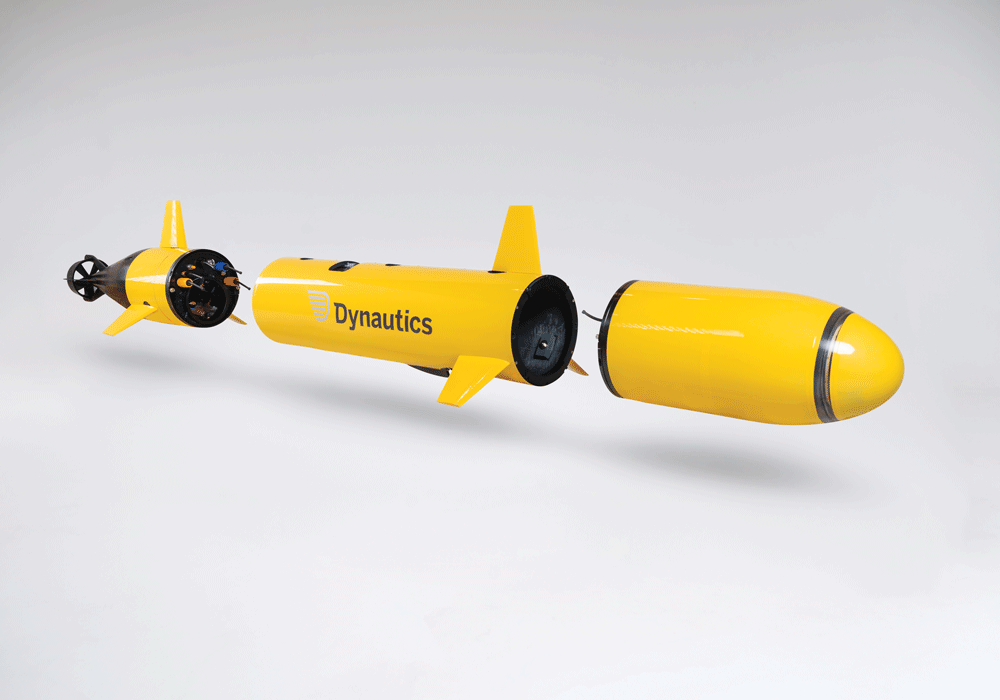
Phantom 2 AUV (image: Dynautics)
Dynautics’ Phantom 2 AUV delivers enhanced endurance, payload flexibility and autonomous subsea survey capability.
Newsletters
Stay connected with the global maritime community through RINA’s newsletters.
Whether you are a member or not, you can receive updates from The Naval Architect, alongside selected RINA news, events and industry insights. Members also gain access to a wider portfolio of exclusive newsletters on key topics in the maritime industry.