

November/December 2025
The last issue of this year's Naval Architect is now available to read online and in print. Highlights from this issue:
Offshore Support
Floating Wind
Wind Propulsion
Engines, Gears & Props
Want to keep up to date with the latest news and developments in the maritime industry? Full articles and in-depth analysis are exclusively available to all RINA members & subscribers.
Oil markets still restraining offshore wind
Offshore Technology (Newsletter)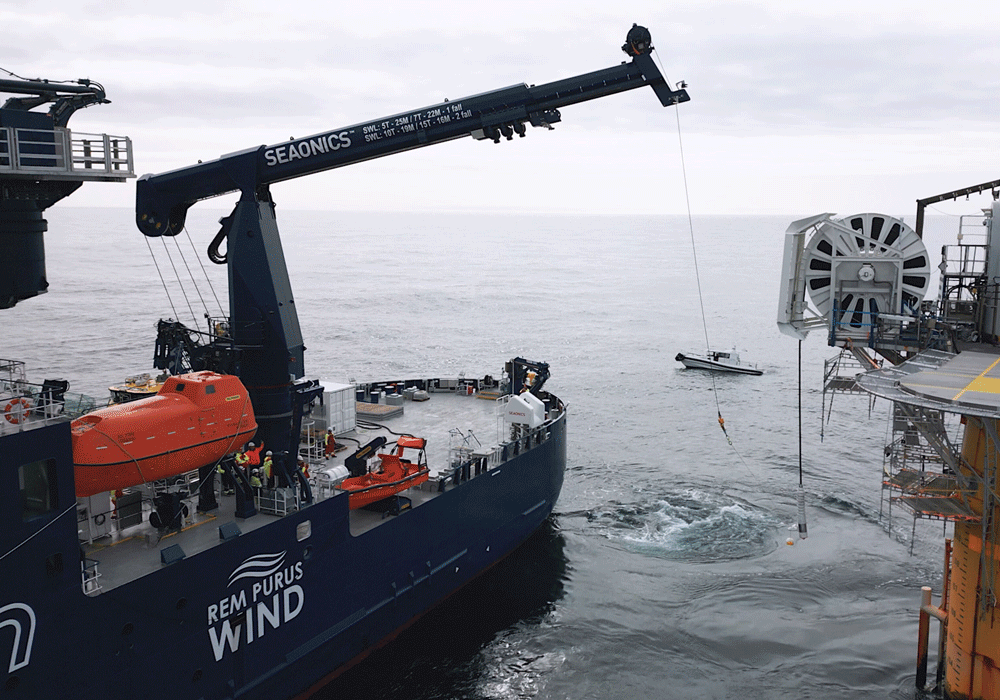
Vard's Ocean Charger (image: Vard)
The levelised cost of energy has seen offshore wind dive well below fossil fuels. And following damage reports in the Middle East there is a chance that this situation will persist for some years. Oil is expected to remain around US$90/barrel, prompting European operators to develop electric solutions, charging support vessels on location at windfarm arrays.
MASGA strategy a panacea for ship designers?
Offshore Technology (Newsletter)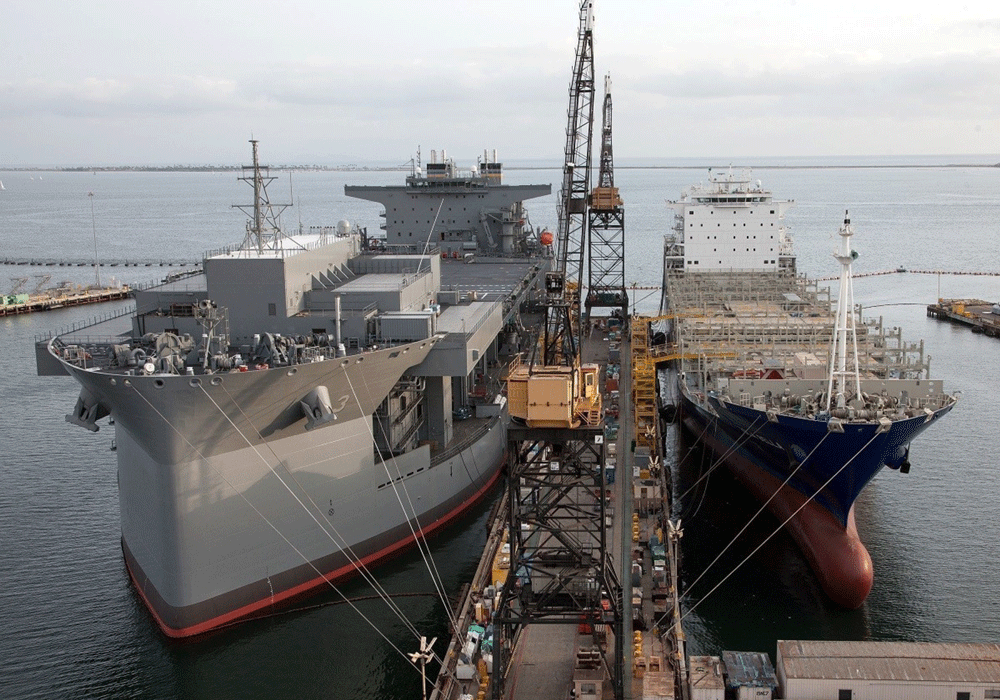
Rejuvenating US shipyards is a major challenge, but offshore could prove the catalyst (pictured: Vessels alongside at General Dynamics NASSCO shipyard - credit: US Navy)
Making American Shipbuilding Great Again is a challenge that has been accepted by South Korean Yard Hanwha, with its investment in the Philly Yard. To resuscitate the industry will need a major effort, but it could start with the smaller, less complex vessels operating in offshore wind and could provide an opportunity for naval architects too.
FLNG orders and challenges rising
Offshore Technology (Newsletter)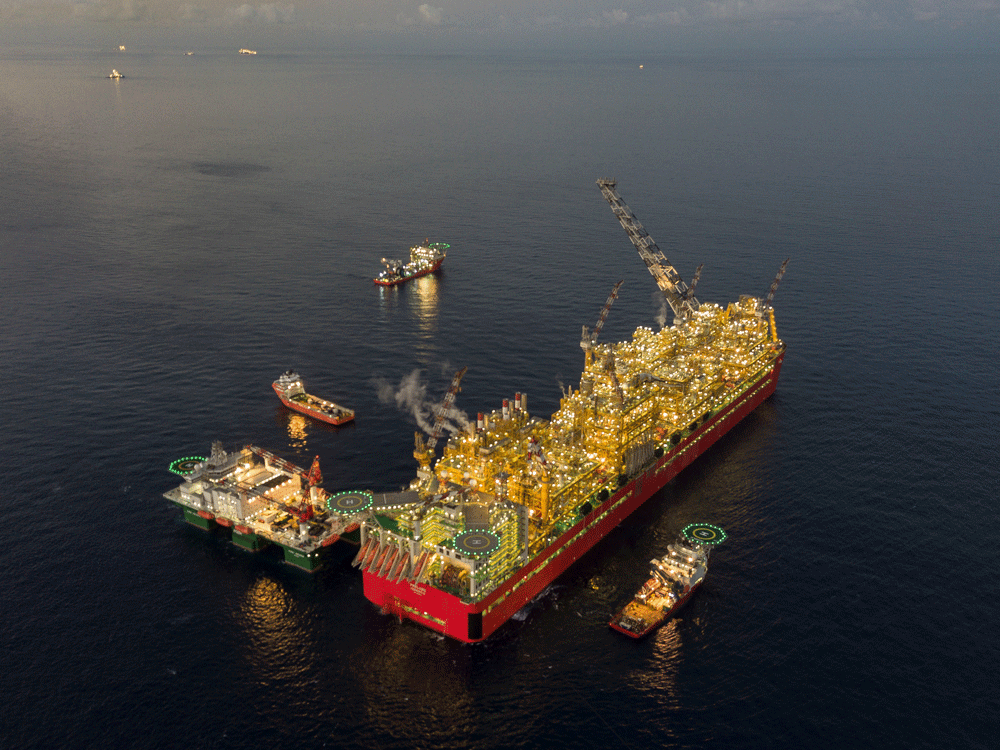
FLNG Prelude is the world's largest floating facility located offshore Australia (image: Shutterstock)
The number of floating LNG projects are increasing fast. Today’s liquefaction capacity is forecast to more than treble from 16 million to 55 million tonnes by 2040.