

Ferries & Fast Craft
Ferries & Fast Craft focuses on vessel design, performance optimisation, and operational technologies shaping high-speed and passenger transport sectors. You can expect topics such as hull design and hydrodynamics, propulsion systems including hybrid and electric solutions, lightweight and innovative new materials, and advanced navigation and safety systems.
Gain insights into regulatory compliance and efficiency improvements in the unseen workhorses of the maritime industry.
Oil markets still restraining offshore wind
Offshore Technology (Newsletter)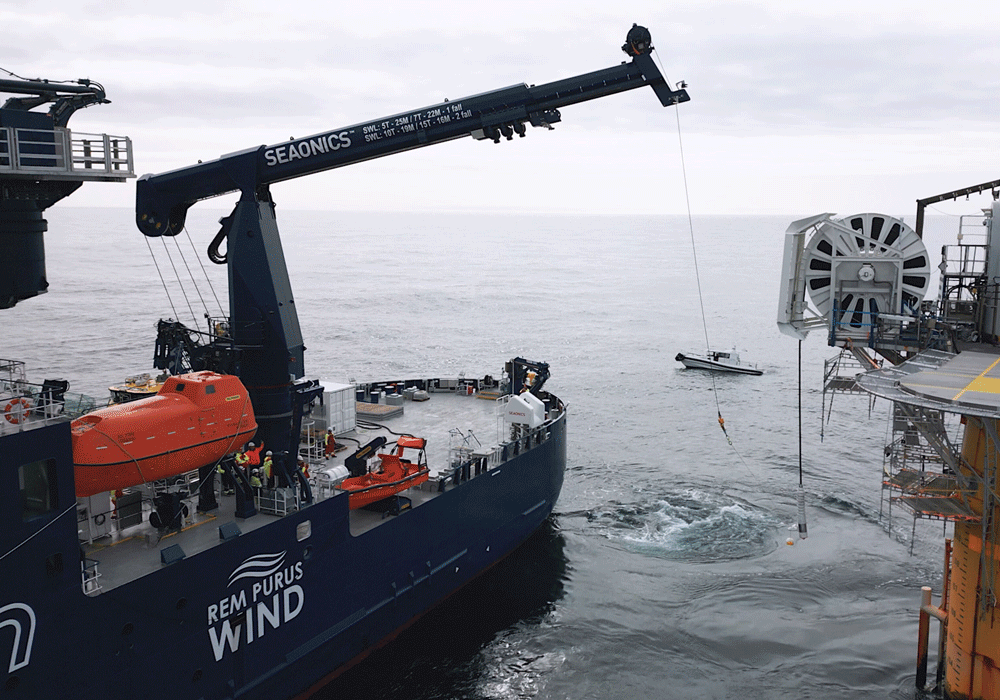
Vard's Ocean Charger (image: Vard)
The levelised cost of energy has seen offshore wind dive well below fossil fuels. And following damage reports in the Middle East there is a chance that this situation will persist for some years. Oil is expected to remain around US$90/barrel, prompting European operators to develop electric solutions, charging support vessels on location at windfarm arrays.
MASGA strategy a panacea for ship designers?
Offshore Technology (Newsletter)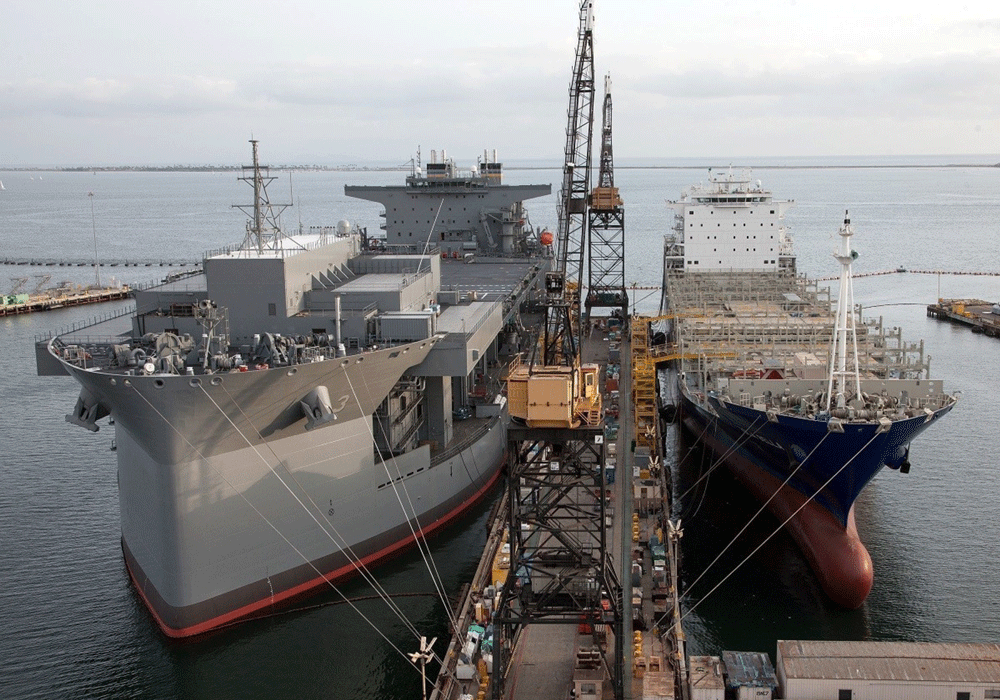
Rejuvenating US shipyards is a major challenge, but offshore could prove the catalyst (pictured: Vessels alongside at General Dynamics NASSCO shipyard - credit: US Navy)
Making American Shipbuilding Great Again is a challenge that has been accepted by South Korean Yard Hanwha, with its investment in the Philly Yard. To resuscitate the industry will need a major effort, but it could start with the smaller, less complex vessels operating in offshore wind and could provide an opportunity for naval architects too.
FLNG orders and challenges rising
Offshore Technology (Newsletter)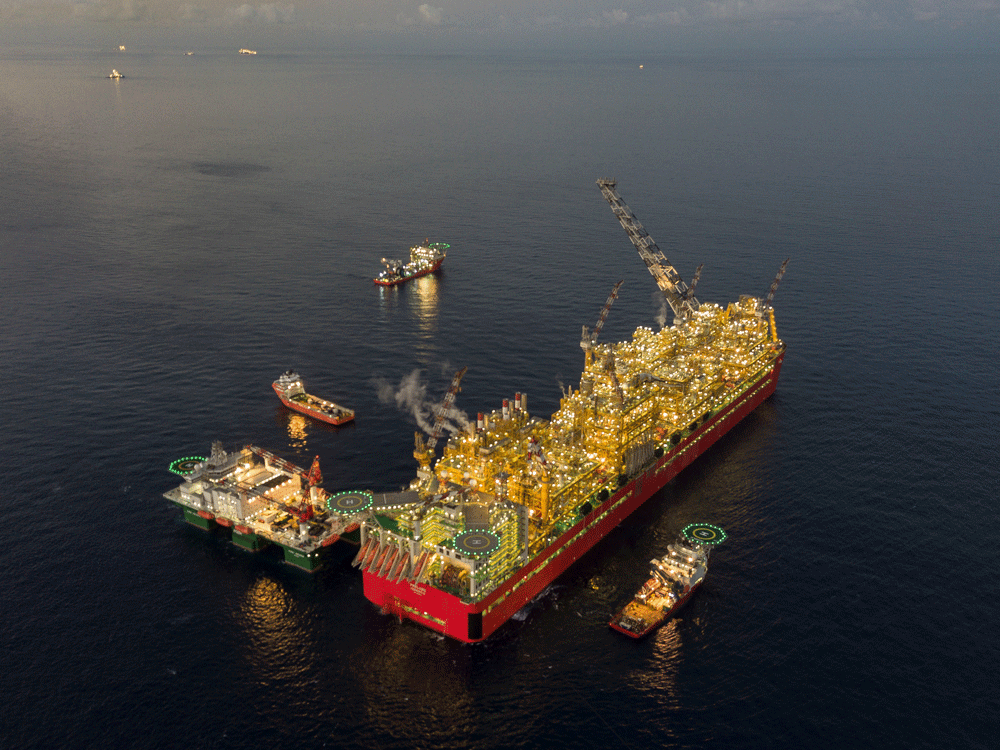
FLNG Prelude is the world's largest floating facility located offshore Australia (image: Shutterstock)
The number of floating LNG projects are increasing fast. Today’s liquefaction capacity is forecast to more than treble from 16 million to 55 million tonnes by 2040.
Newsletters
Stay connected with the global maritime community through RINA’s newsletters.
Whether you are a member or not, you can receive updates from The Naval Architect, alongside selected RINA news, events and industry insights. Members also gain access to a wider portfolio of exclusive newsletters on key topics in the maritime industry.
- The Naval Architect (currently available to all members & non-members)
- Power & Sustainability (members-only)
- Ship Repair & Maintenance (members-only)
- Warship Technology (members-only)
- Ferries & Fast Craft (members-only)
- Offshore Technology (members-only)
