

Ferries & Fast Craft
Ferries & Fast Craft focuses on vessel design, performance optimisation, and operational technologies shaping high-speed and passenger transport sectors. You can expect topics such as hull design and hydrodynamics, propulsion systems including hybrid and electric solutions, lightweight and innovative new materials, and advanced navigation and safety systems.
Gain insights into regulatory compliance and efficiency improvements in the unseen workhorses of the maritime industry.
Blackout in Cook Strait - Copy
The Naval Architect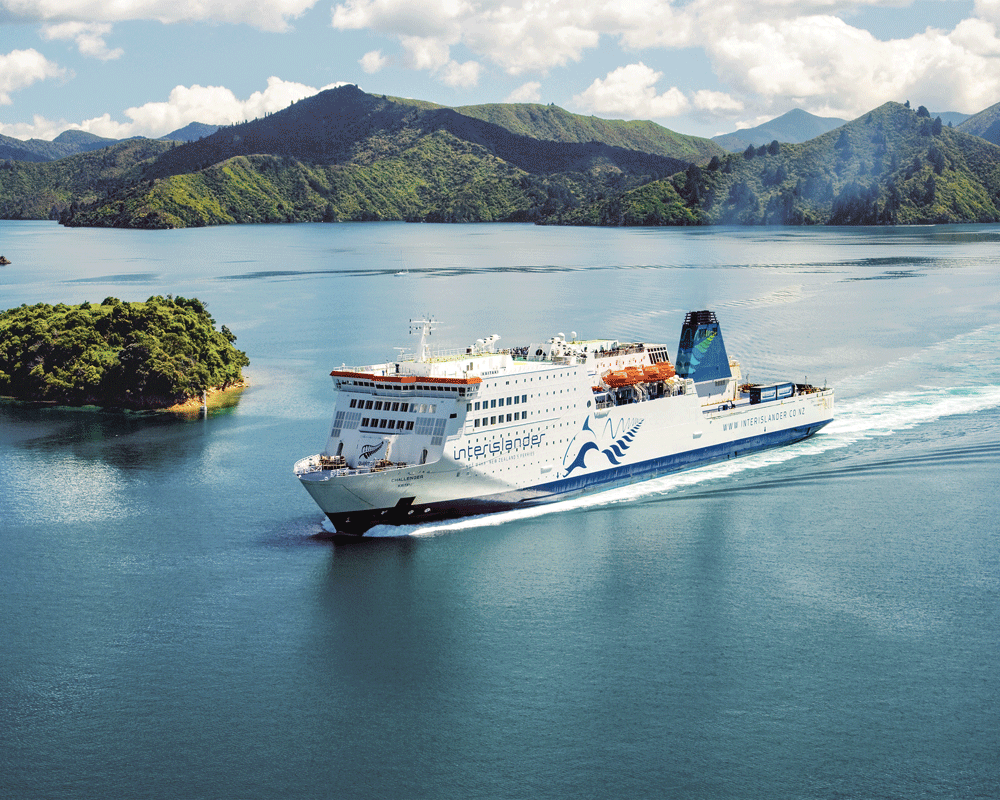
Kaitaki in the Marlborough Sounds on a regular Cook Strait crossing (image: Kiwirail Limited)
A rubber expansion joint, years overdue for replacement, triggered a complete blackout on the Interislander ro-pax ferry Kaitaki off Wellington Harbour in January 2023. Iain MacIntyre reports on the investigation, the prosecution and the questions that remain.
Bibby takes the fossil out of fuel
Offshore Technology (Newsletter)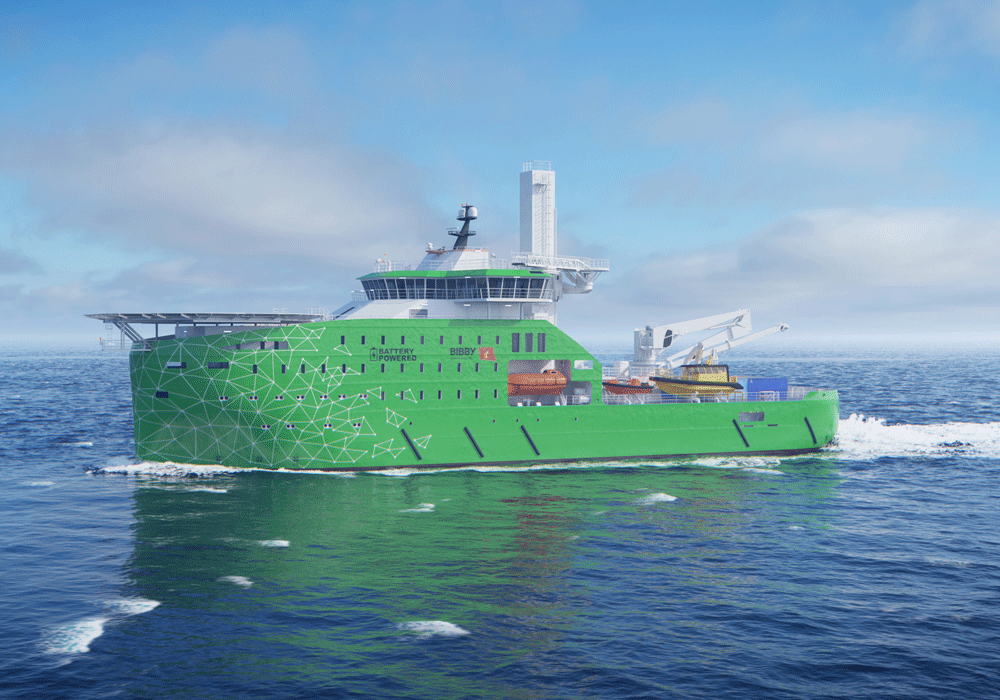
Battery powered Bibby Marine ship (image: Bibby Marine)
Fully electric, eCSOV’s are being designed in Spain for Bibby Marine. Battery power, with enough energy to power a CSOV for 24hours, will increase efficiency and cut costs according to the company. New and more thermally stable batteries will aid the transition.
Offshore ships going atomic
Offshore Technology (Newsletter)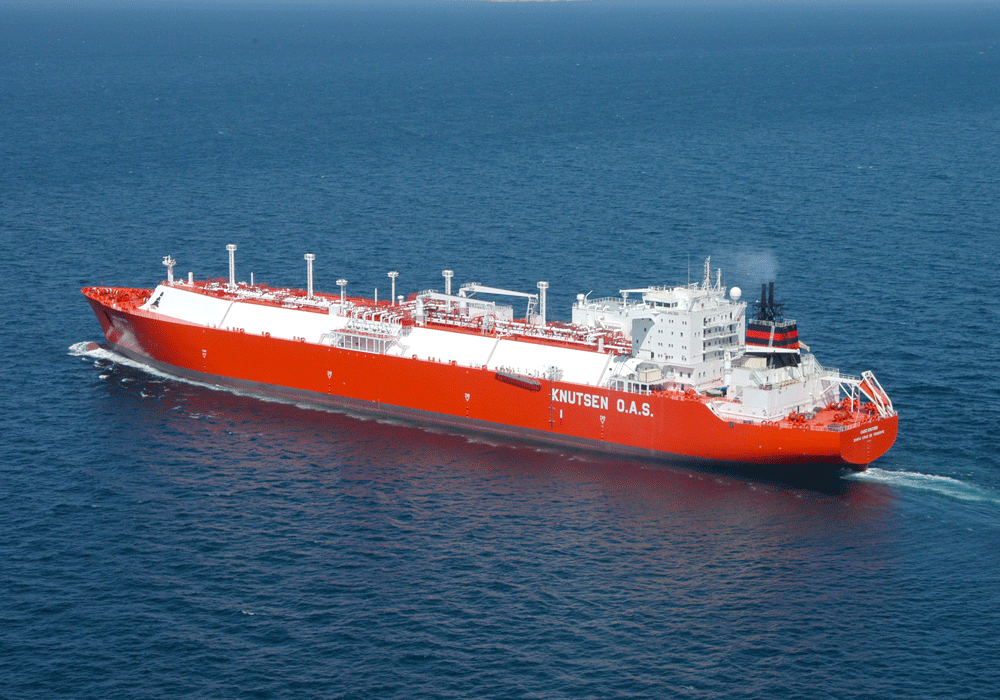
Knutsen to retrofit tanker with nuclear tech (image: Knutsen)
Power generation and offshore support vessels are both in the frame to benefit from fourth-generation small modular nuclear reactors. Ulsteinvik and Island Offshore explore the possibilities.
Energy outreach, offshore's design hurdles
Offshore Technology (Newsletter)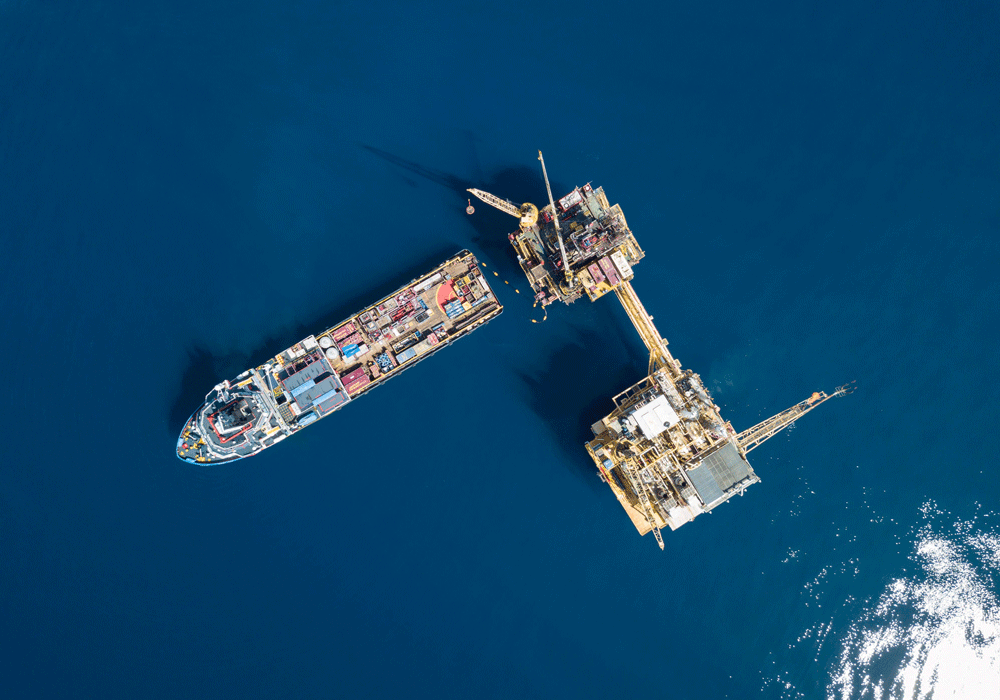
Support vessel for a rigless unit over the offshore production platform (image: Shutterstock)
Deeper, more exposed and less accessible fossil fuel reserves require more sophisticated offshore support vessel designs. With floating LNG increasingly in demand to help access and process fuels.
Living with 10-year-olds
Ship Repair and Maintenance (Newsletter)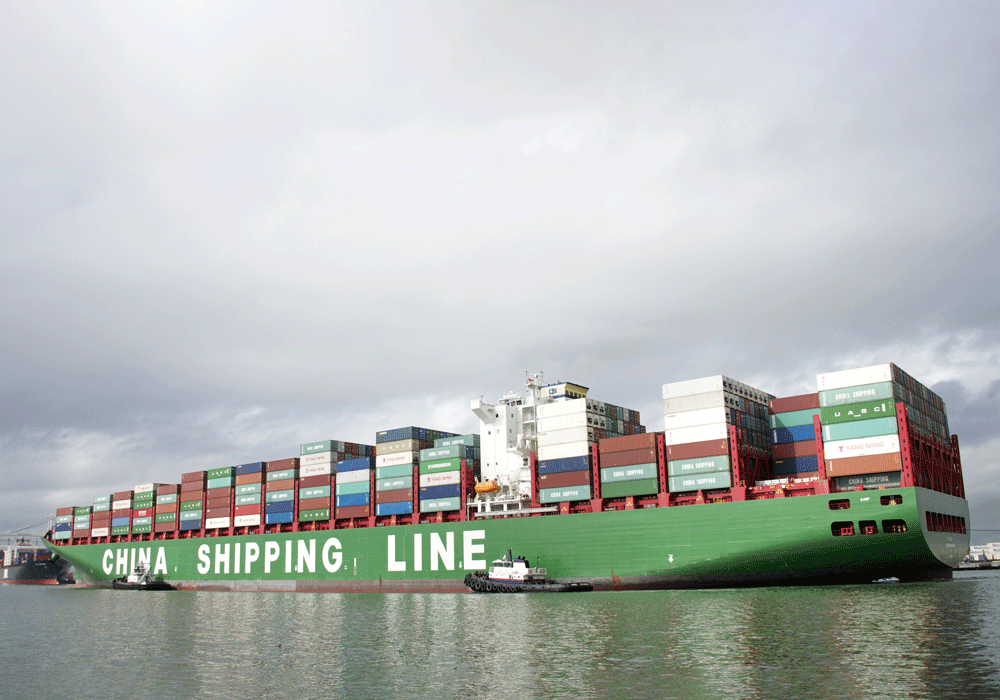
China Shipping Lines (image: Shutterstock)
Vessel owners of 10-year-old ships are going through a mid-life crisis. To retrofit or not to retrofit, that is the question? Can investments in energy savings be recovered in these not old, but not new ships.
Shipyard digitalisation gathers pace
Ship Repair and Maintenance (Newsletter)
Digitalisation is changing ship repair fast (image: Shutterstock)
The digital age is transforming the ship repair industry as online monitoring and digital twins linked to a burgeoning predictive maintenance regime takes hold.
Scope 3 is changing emissions calculations
Ship Repair and Maintenance (Newsletter)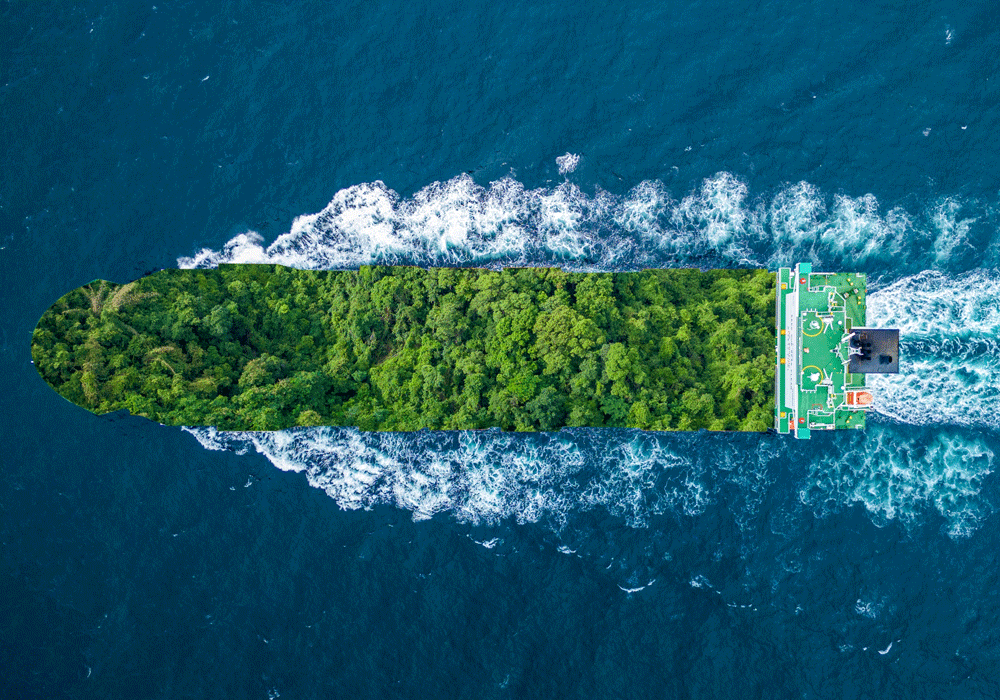
Charterers demand more to mitigate scope 3 emissions (image: Shutterstock)
Visibility is becoming increasingly critical as charterers must now calculate Scope 3 emissions from their supply chains. Speed optimisation is helping to reduce the total.
The ferry designed to reshape Australia's waterways
Ferries & Fast Craft (Newsletter)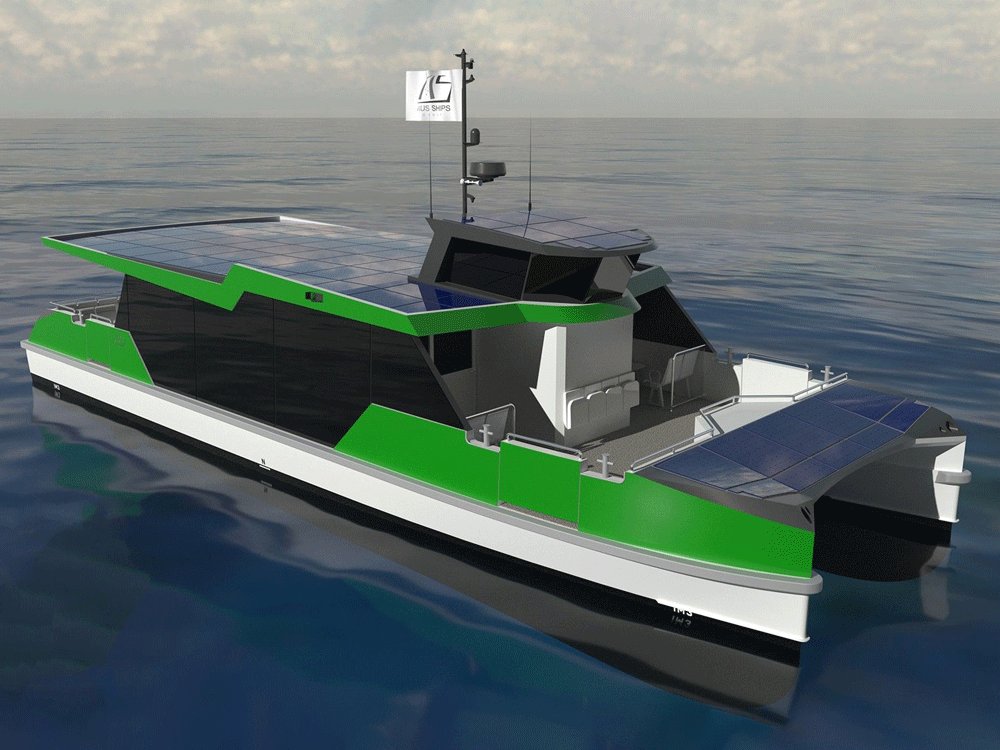
A digital rendering of the Aus Ships ferry powered by Volvo Penta (image: Volvo Penta).
Australia’s first 100% electrically driven passenger ferry, a collaboration between Aus Ships and Volvo Penta, aims to validate scalable electric marine propulsion with the overall aim of decarbonising the country’s waterways.
Deep-vee without the penalty? The Petestep hull
Ferries & Fast Craft (Newsletter)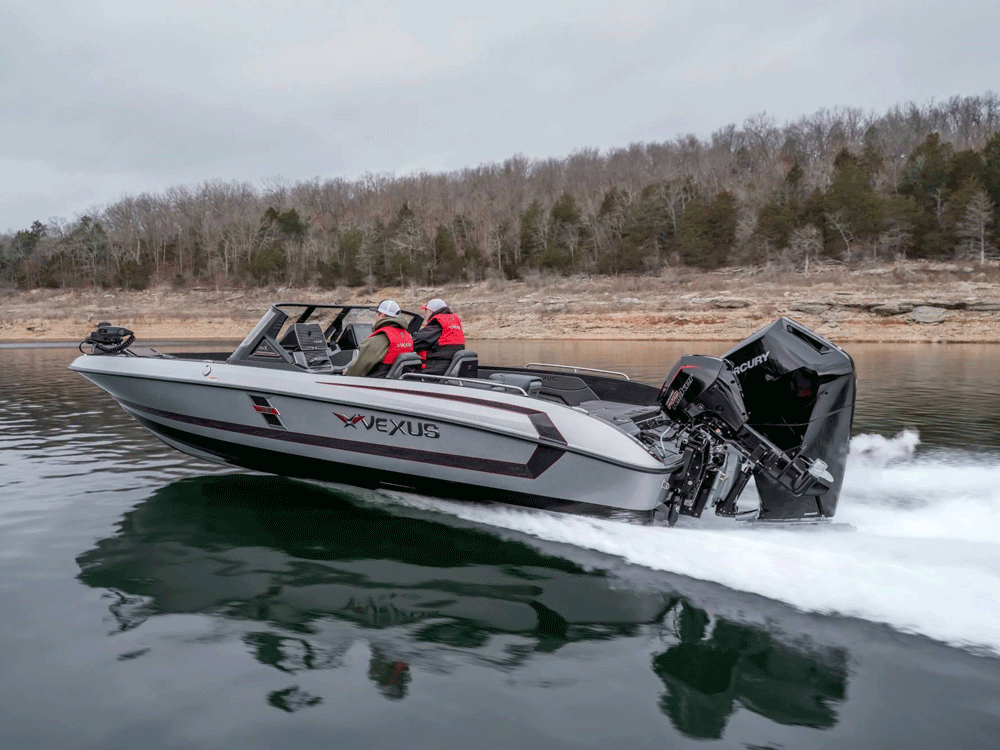
Vexus Boats DVX23 was designed to run a single 500hp outboard (image: Petestep)
Can diagonal deflector strakes solve the classic deep-vee compromise? Petestep’s hull technology is promising faster planing, lower slamming loads and efficiency gains across the fast craft market.
Shaping design around battery integration
Ferries & Fast Craft (Newsletter)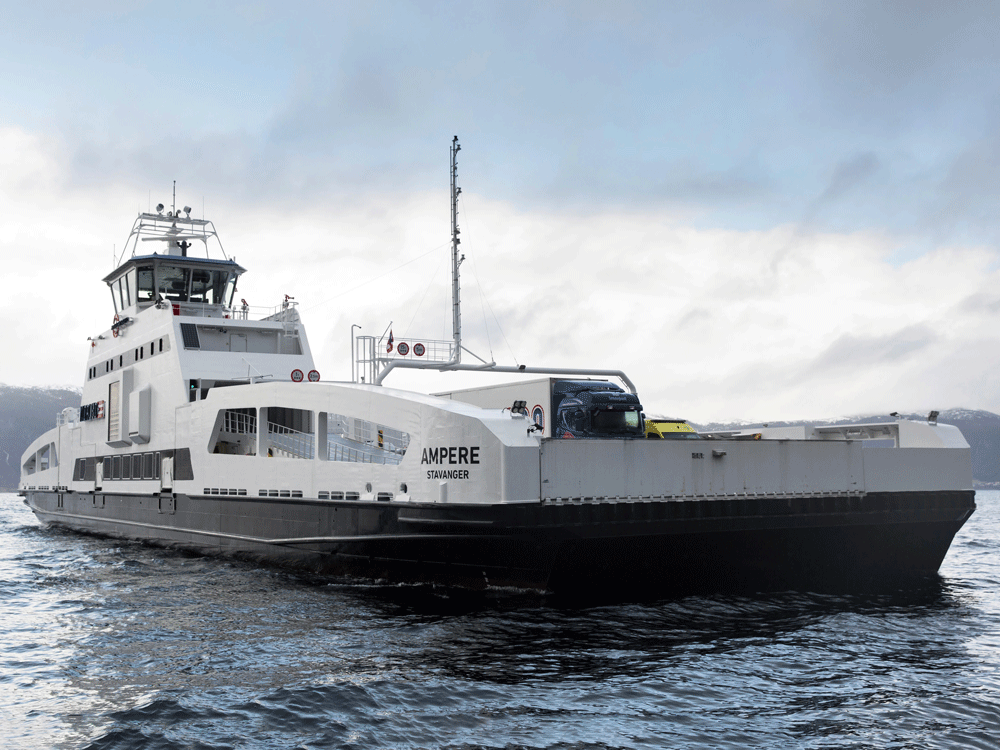
The world's first fully electric battery car ferry, the MF Ampere (image: Corvus Energy).
Battery specialist Corvus Energy discusses how it is working on large-scale battery integration projects that reshape weight distribution and stability design in high capacity ferries and fast craft.
Energy islands: Europe's new frontier
Offshore Technology (Newsletter)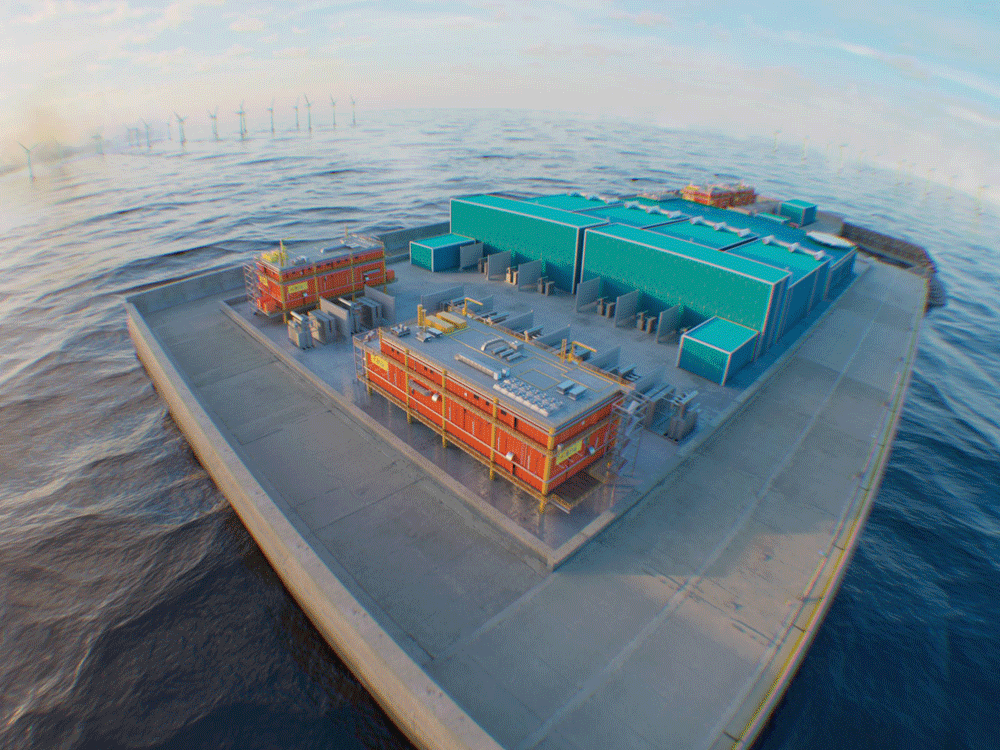
Energy Islands will bring together a number of offshore technologies into a single place (image: Elia)
A new era in offshore power has seen the development of the first Energy Islands off European coasts. The first will be the six-hectare Princess Elisabeth Island, which is under construction 45km off the coast of Belgium and is due to be completed in 2028.
Retire or repower wind farms?
Offshore Technology (Newsletter)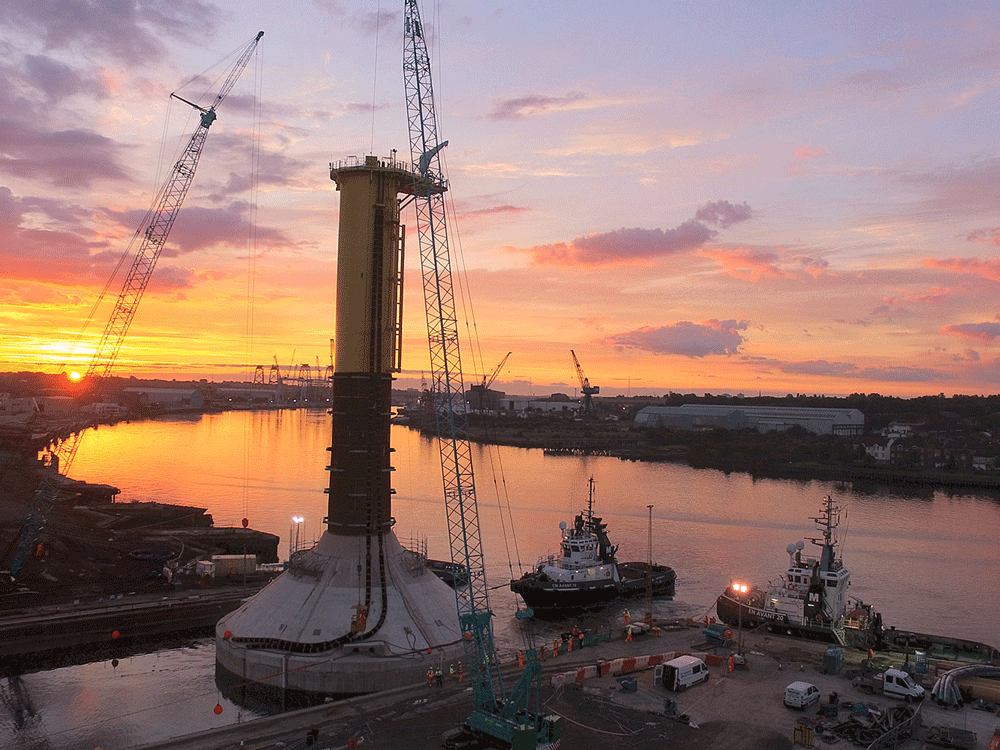
A debate rages over whether to leave turbine monopiles in-situ after turbines are decommissioned (image: Institute of Civil Engineers)
The first wind turbines to be deployed are reaching the end of their operational life. The question is, should the sites be re-used or retired?
Newsletters
Stay connected with the global maritime community through RINA’s newsletters.
Whether you are a member or not, you can receive updates from The Naval Architect, alongside selected RINA news, events and industry insights. Members also gain access to a wider portfolio of exclusive newsletters on key topics in the maritime industry.
- The Naval Architect (currently available to all members & non-members)
- Power & Sustainability (members-only)
- Ship Repair & Maintenance (members-only)
- Warship Technology (members-only)
- Ferries & Fast Craft (members-only)
- Offshore Technology (members-only)
