The Naval Architect provides in-depth information on all aspects of vessel design, construction and engineering. Practical applications of latest technology and case studies are accompanied by analysis and foresights. Published every two months, the magazine covers everything from superyachts and short-hop ferries to tankers and heavy-lift vessels; from battery pack installations and sail-assisted solutions to LNG tank retrofits; and from offshore safety to warship resilience.
Offshore wind: Brazil's blank slate
Offshore Technology (Newsletter)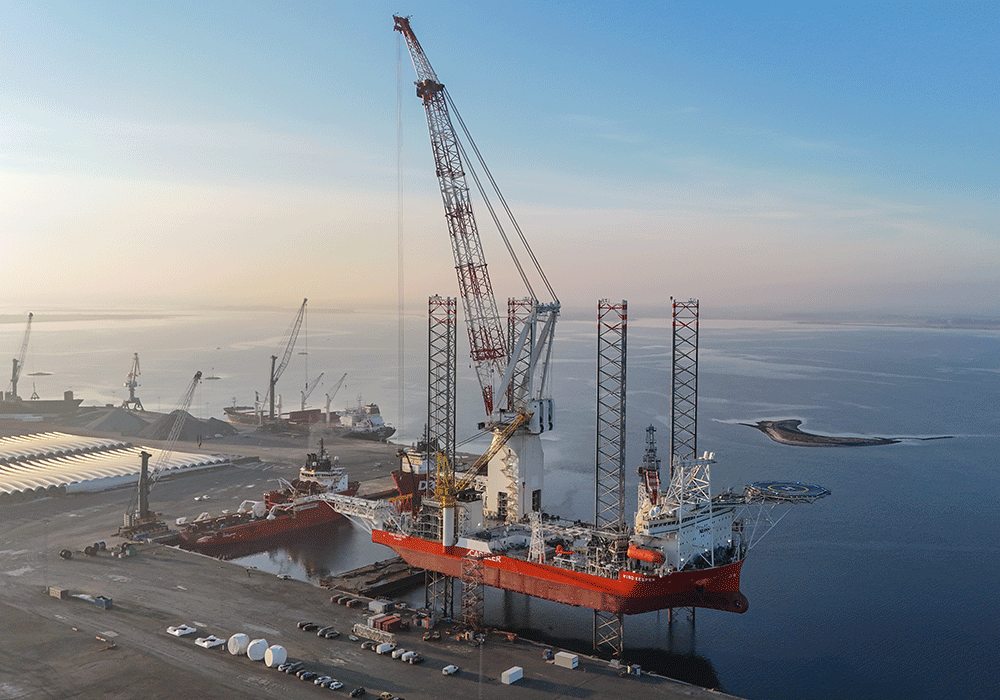
China's typically smaller, shallow-water WTIV designs are better suited to Brazil's offshore conditions than European designs. Design example, Wind Keeper, was acquired from China by Cadeler in 2025 (image: Cadeler)
Brazil’s emerging offshore industry offers an alternative challenge for naval architects. The region’s shallow water will require redesigned vessels that will work in very different conditions to those experienced in Europe’s North Sea. Brazil’s offshore ships will look quite different from the platform supply vessels (PSVs) and anchor handlers (AHTS) currently in use there.
Oil markets still restraining offshore wind
Offshore Technology (Newsletter)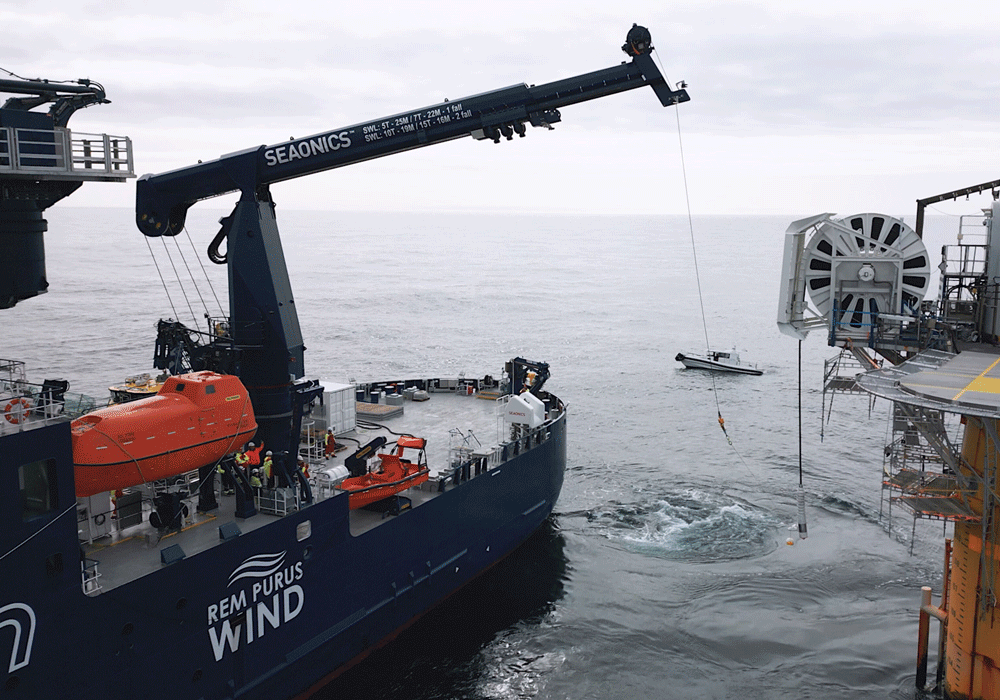
Vard's Ocean Charger (image: Vard)
The levelised cost of energy has seen offshore wind dive well below fossil fuels. And following damage reports in the Middle East there is a chance that this situation will persist for some years. Oil is expected to remain around US$90/barrel, prompting European operators to develop electric solutions, charging support vessels on location at windfarm arrays.
MASGA strategy a panacea for ship designers?
Offshore Technology (Newsletter)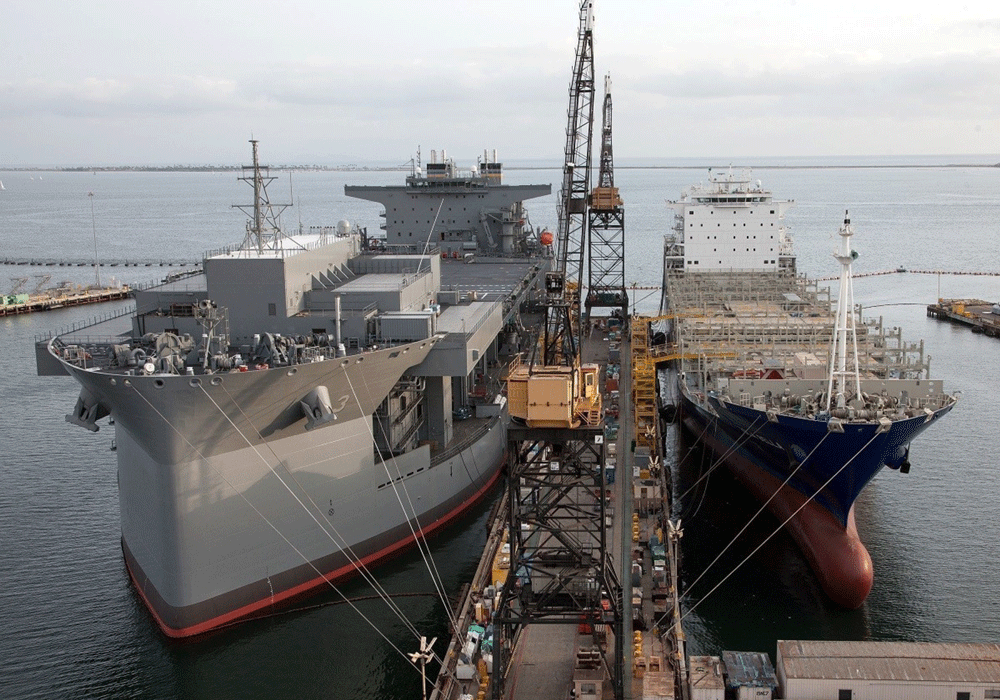
Rejuvenating US shipyards is a major challenge, but offshore could prove the catalyst (pictured: Vessels alongside at General Dynamics NASSCO shipyard - credit: US Navy)
Making American Shipbuilding Great Again is a challenge that has been accepted by South Korean Yard Hanwha, with its investment in the Philly Yard. To resuscitate the industry will need a major effort, but it could start with the smaller, less complex vessels operating in offshore wind and could provide an opportunity for naval architects too.
Modern market dynamics in fast craft design
Ferries & Fast Craft (Newsletter)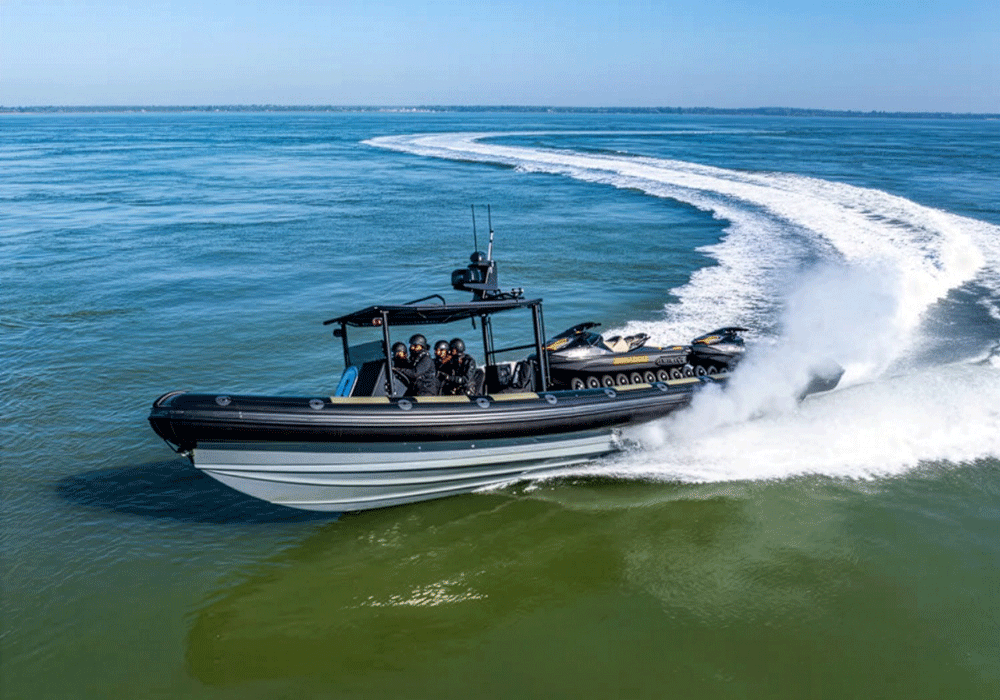
One of Arksen Pro's more recent innovations is the Vampire 1250 (image: Arksen Pro)
As fast craft design adapts to harsher offshore demands and faster-moving procurement cycles, RINA explores what naval architects can learn from Arksen Pro’s approach to ruggedisation, modularity and modern market dynamics
Flying boats rewrite the rules of fast craft design
Ferries & Fast Craft (Newsletter)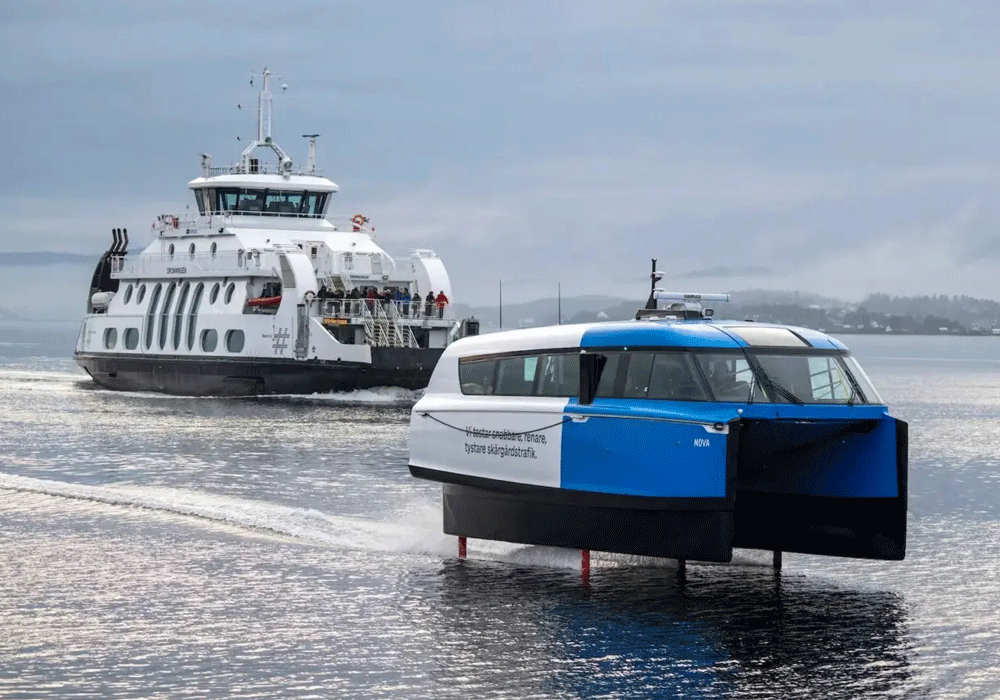
In the Candela P-12, the batteries are placed in the front of the boat, accounting for passenger weight (image: Candela)
Candela Technology’s flagship vessel, Candela P-12, holds the record as the fastest electric passenger vessel in operation. RINA reveals some of the secrets behind Candela’s pioneering hydrofoiling electric vessel design
Tailor-making the approach to fast ferries
Ferries & Fast Craft (Newsletter)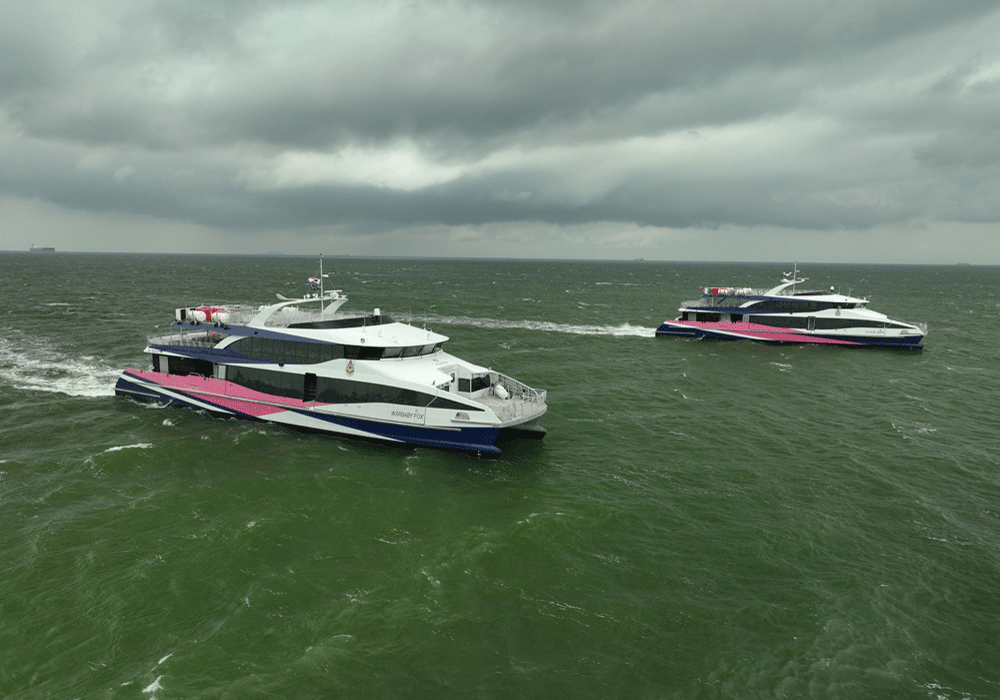
Strategic Marine's two 40m, 550-passenger low-emission catamaran ferries for the Government of Bermuda (image: Strategic Marine)
RINA talks exclusively to Strategic Marine on how low-emission targets are helping reshape hullform optimisation in large fast ferries and how this is subsequently spurring the market towards more tailored vessel designs
Neurodiversity, opportunity and inclusion in shipbuilding

David Foote, Maritime Diversity Award winner, shares how neurodiversity strengthens innovation, safety and long-term talent in shipbuilding, while calling for more inclusive recruitment and support. Nominations for this year’s Maritime Diversity Award are open, with the deadline extended to 24 April 2026
Sponsored: Engineering the next decade of maritime innovation
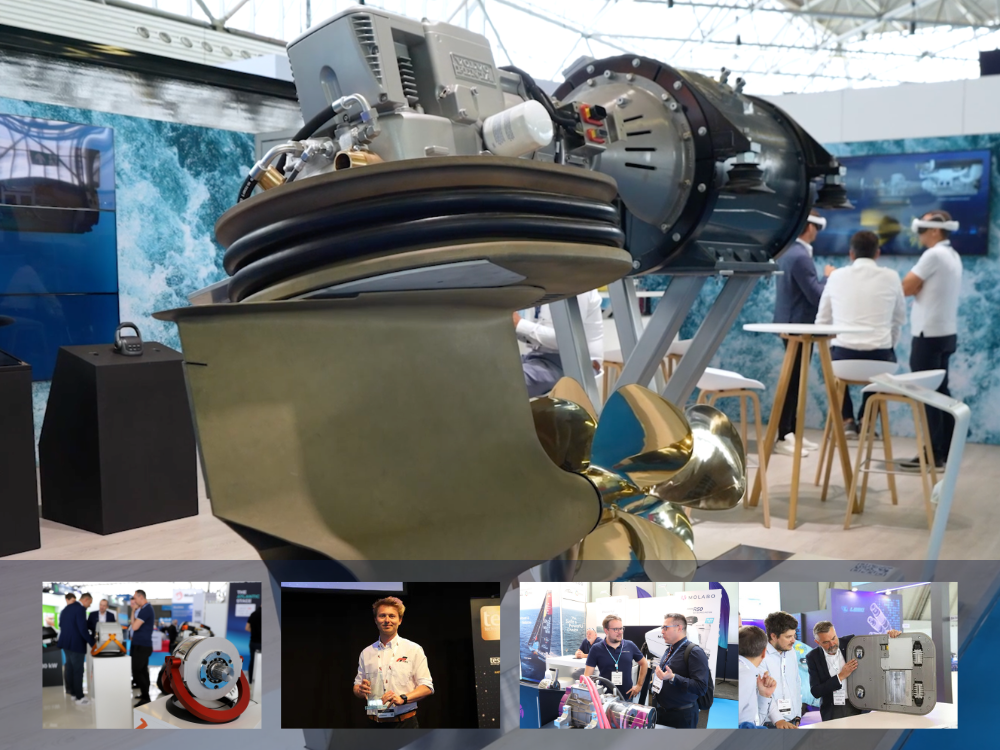
Explore the emergent engineering challenges shaping vessel architectures, from integrated electric propulsion and advanced control systems to autonomy‑enabling sensor suites and evolving regulatory frameworks. Register now for Advanced Maritime Technology Expo & Conference, 16–18 June 2026 in Amsterdam.
Safety first for new fuels
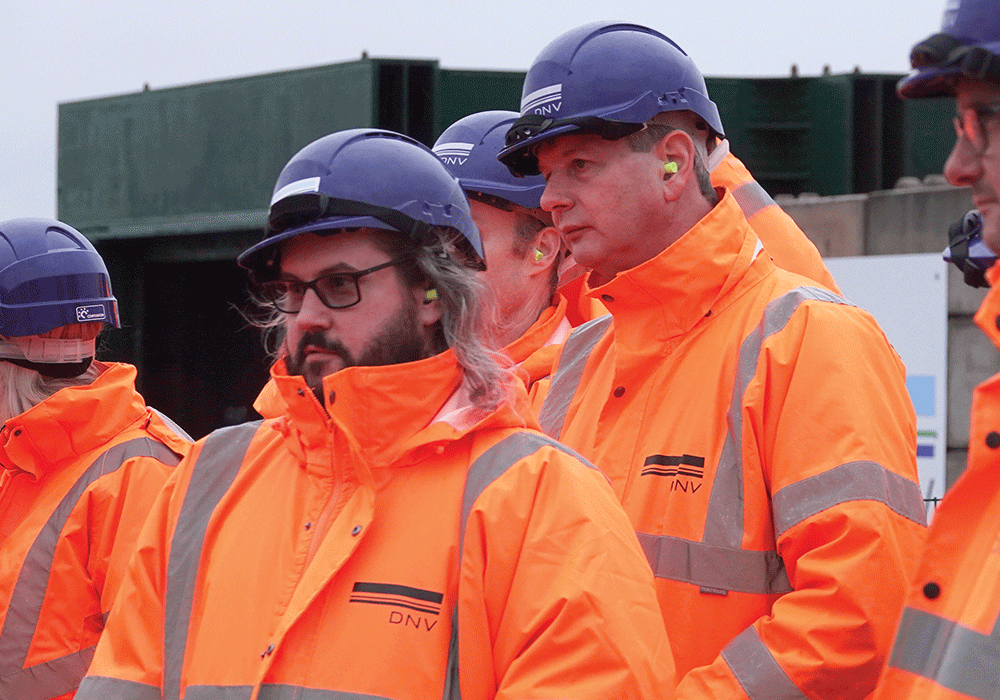
Thomas Beard helps shipowners comply with safety rules
The shift from heavy fuel oil to low-carbon alternatives promises deep emissions cuts but it also introduces a new generation of safety challenges. The challenge now is ensuring the industry meets its decarbonisation goals without compromising on safety.
Hydrogen hits the big time with projects on the rise
The Naval Architect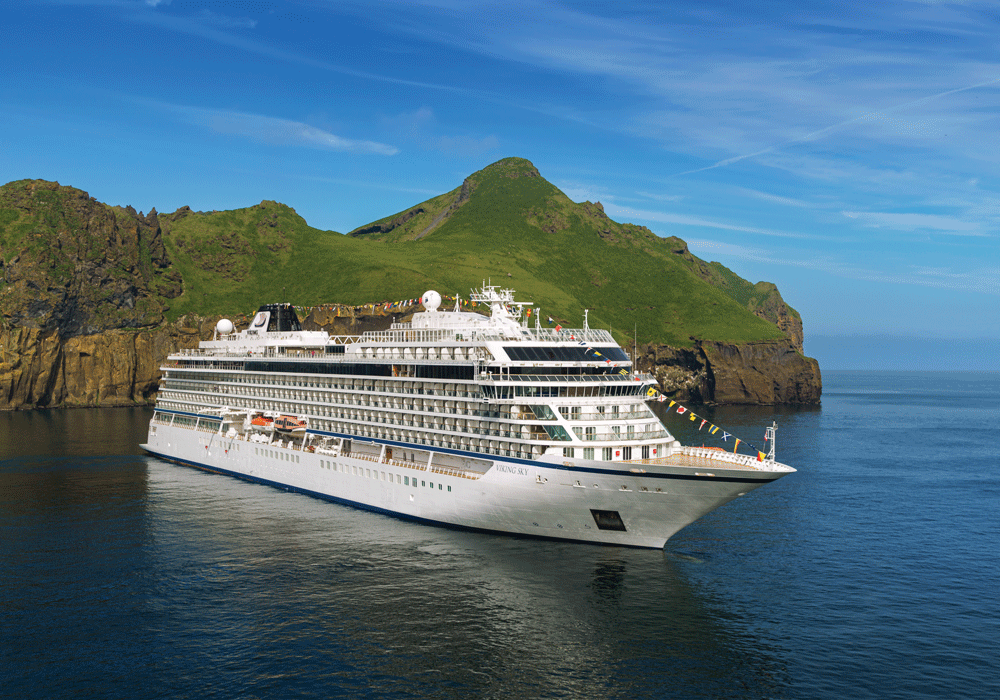
Unlike its sister ship, Viking Sky, Viking Libra will run on hydrogen
Hydrogen is moving from pilot projects to mainstream maritime adoption, with landmark vessel orders and emerging bunkering hubs signalling growing industry confidence.
Why anchoring system layout deserves greater design attention
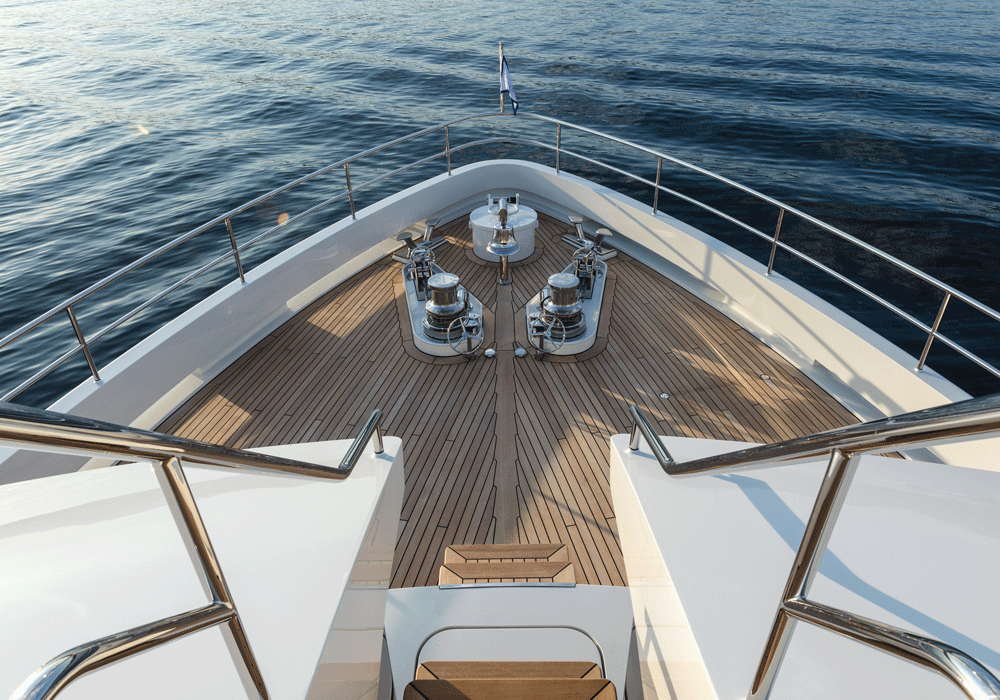
As vessel designers push the boundaries of space and efficiency, the humble anchoring system is increasingly caught in the squeeze.
What's next for WAPS?
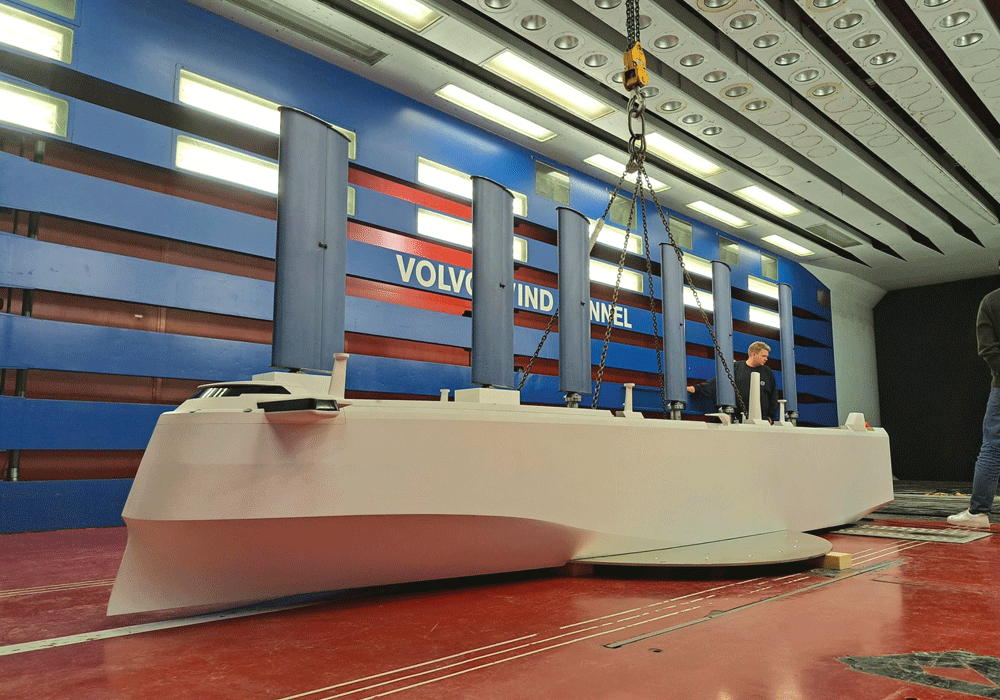
Orcelle Horizon Wind tunnel testing in December 2024 (image: Wallenius Marine)
DNV’s senior principal engineer, Hasso Hoffmeister, examines the evolution of wind-assisted propulsion systems, and what comes next.
Newsletters
Stay connected with the global maritime community through RINA’s newsletters.
Whether you are a member or not, you can receive updates from The Naval Architect, alongside selected RINA news, events and industry insights. Members also gain access to a wider portfolio of exclusive newsletters on key topics in the maritime industry.